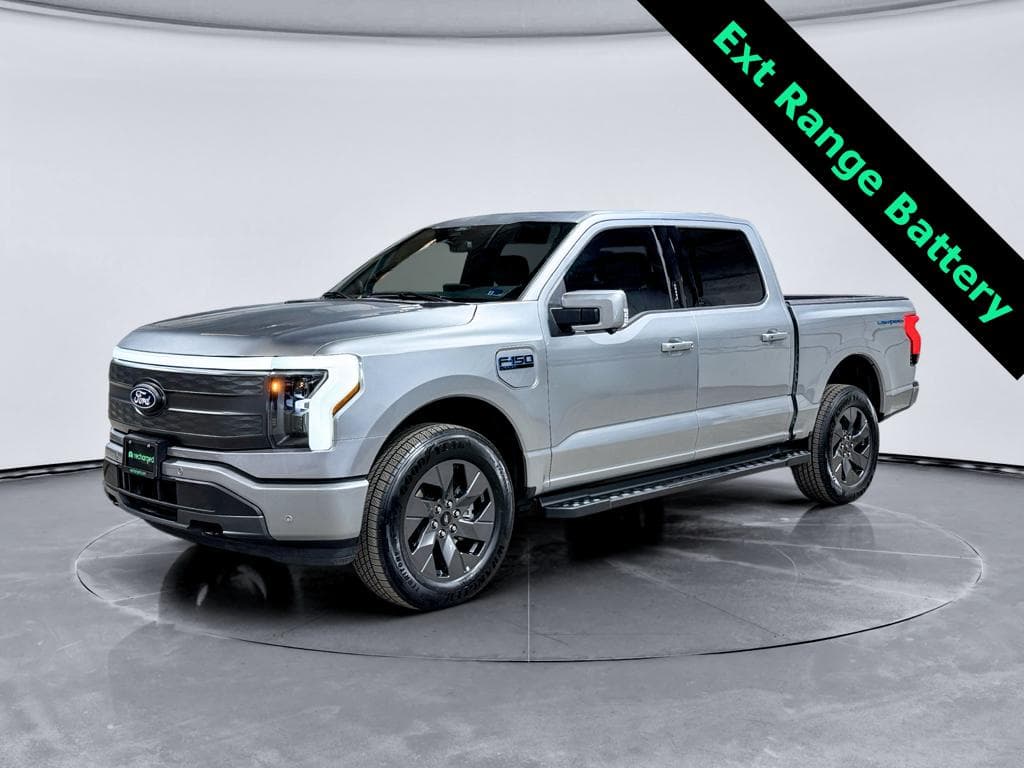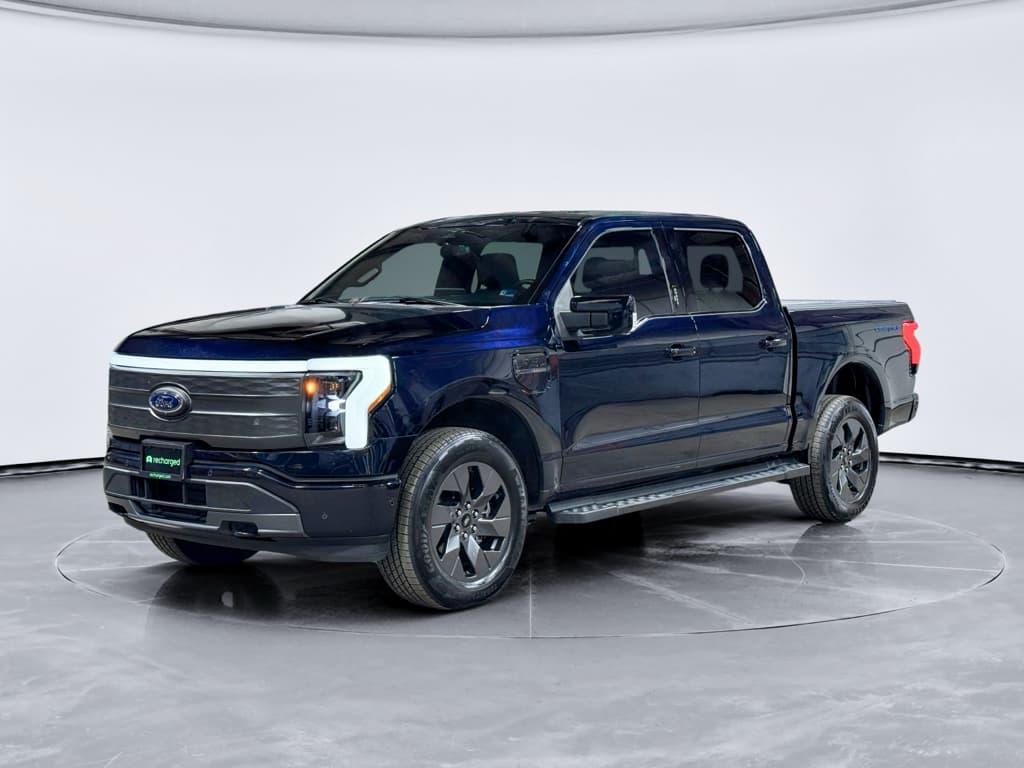
If you own or are shopping for a 2024 Ford F-150 Lightning, you’ve probably heard about a wave of recalls. The truck is quick, quiet, and enormously capable, but like a lot of new EVs, it’s also had more than its share of teething problems. This guide pulls together the most important **2024 Ford F-150 Lightning recalls list** in one place, explains what each issue actually looks like in the real world, and helps you understand what it means for safety and for buying used.
How many recalls are we talking about?
Overview: How many recalls affect the 2024 F-150 Lightning?
Different sources slice the numbers differently, but if you look only at safety recalls that can involve the 2024 model year F-150 Lightning, you’re typically seeing **four or more distinct NHTSA campaigns** that either exclusively target the Lightning or include it in a larger Ford action. Some focus specifically on 2024–2025 trucks; others apply to 2022–2026 Lightnings but still affect 2024 builds in the middle of that span.
2024 F-150 Lightning recall snapshot
The exact number of recalls that touch your truck depends on its **build date, trim, and options**. That’s why every owner and shopper should run the VIN through Ford or NHTSA before making assumptions. Later in this article, we’ll walk through that step-by-step, and if you’re looking at a used Lightning, how Recharged bakes this into our inspection process.
Quick 2024 Ford F-150 Lightning recalls list
Major recalls that can involve 2024 F-150 Lightning
This table summarizes the key 2024 Ford F-150 Lightning recalls. Exact coverage depends on build date and configuration, so always confirm by VIN.
| Issue area | What can happen | Typical model years involved | How it’s fixed |
|---|---|---|---|
| Front suspension / upper control arm ball‑joint nut | Loose joint can separate and cause **sudden loss of steering control**, raising crash risk. | Primarily 2024–2025 F-150 Lightning (some late‑2023s also impacted). | Inspect front upper control arms; replace or properly torque components as required. |
| Parking system / rollaway risk (software & module) | Parking pawl may not fully engage; truck could roll away after being shifted to Park in some conditions. | Certain **2022–2026 F-150 Lightning** builds. | Update control-module software (often via over‑the‑air) and/or replace suspect shifter/console modules. |
| High-voltage battery / manufacturing defect | Internal battery defects can lead to short circuits, potential power loss, and in rare cases thermal events. | Selected F-150 Lightning packs built within specific 2023–2024 windows; some 2024s included. | Inspect battery identification; apply software monitoring update and/or replace battery pack if flagged. |
| Rearview camera / image display software | Camera view can lag, freeze, or fail to display, reducing visibility while reversing. | Several 2021–2024 Ford models including F‑150; some Lightning builds are covered when equipped with affected software. | Update infotainment/vision software at dealer or via over‑the‑air update. |
| Integrated trailer module / trailer light warnings | Trailer indicators may not work as expected due to software fault; could reduce warning of trailer light failures. | Ford trucks and SUVs with certain SYNC 4 systems; some Lightnings fall inside the model list. | Update software controlling the trailer module and notifications. |
Summary only; your truck may be in more than one campaign or in none at all.
Always verify your specific truck
Suspension / upper control arm recall: loss of steering
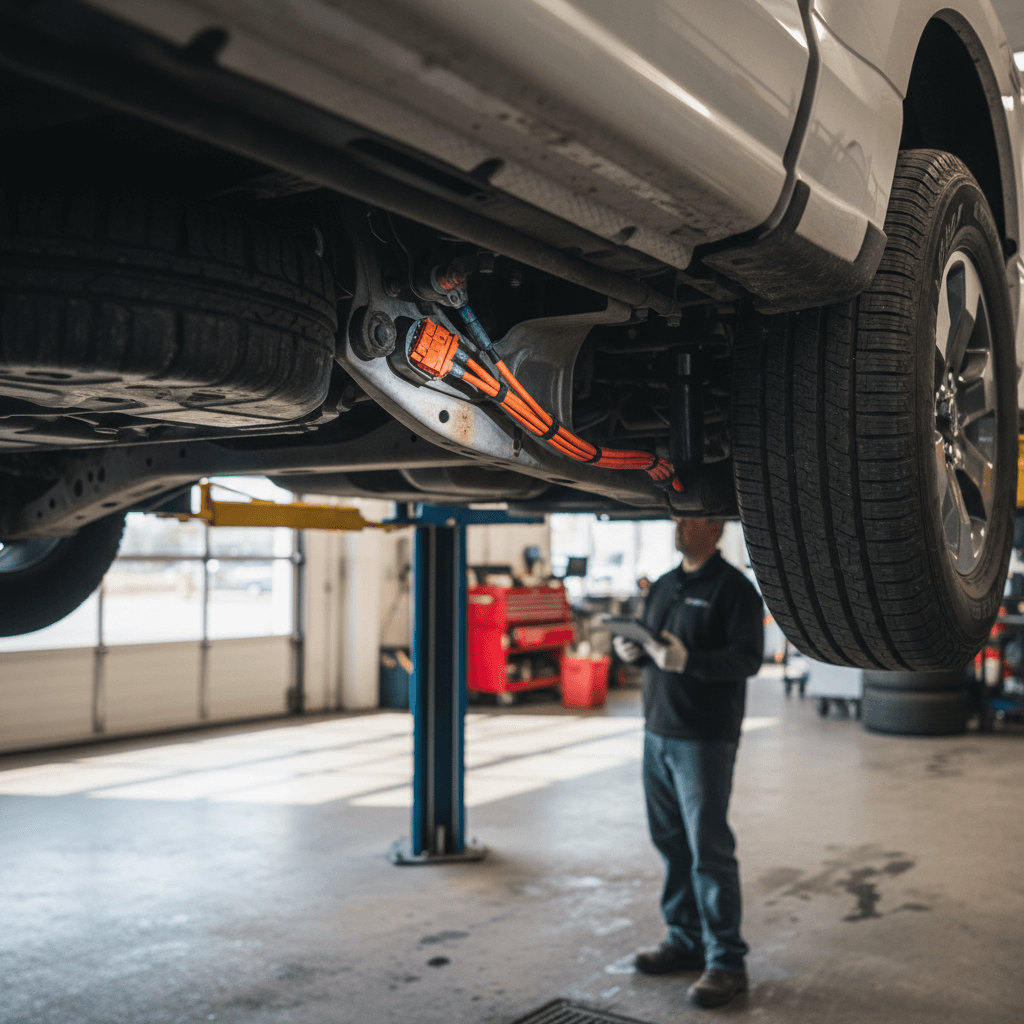
The headline 2024 F-150 Lightning recall that made a lot of owners sit up straight involves the **front suspension upper control arm**. On some 2024 and 2025 Lightnings, a ball‑joint nut may not have been tightened to spec at the factory. That loose connection can wear, separate, and ultimately lead to a **sudden loss of steering control**, worst‑case, you’re going straight when you mean to be turning.
How the suspension recall shows up
- Clunks, pops, or creaks from the **front suspension**, especially over bumps or while turning.
- Steering that feels vague or wanders on the highway.
- Uneven front tire wear that shows up early.
- In extreme cases, a sudden change in alignment or loss of steering control.
What dealers do to fix it
- Inspect the **front upper control arms** and ball‑joint hardware.
- Verify torque specs and inspect for play or damage.
- Replace control arms, ball joints, or associated hardware if they don’t pass inspection.
- Perform an alignment check and road test.
All of this is done under the recall at no cost to the owner.
Don’t ignore popping or clunking up front
Battery and high-voltage system recalls
High-voltage batteries are the beating heart, and the heaviest single component, of any EV. Ford has acknowledged that a subset of F-150 Lightning packs built in certain windows can suffer from **manufacturing defects inside the battery cells or modules**. In rare cases this has been linked to power loss events and isolated fires, which is why NHTSA gets involved and a formal recall is issued.
Battery-related recall basics for 2024 Lightnings
Most owners will only ever see a software update notice, but you should still understand the stakes.
What’s the underlying problem?
Ford has flagged **manufacturing variation** in certain high-voltage battery assemblies. In plain English, that means a small number of packs built in a specific time window can develop internal shorts or abnormal behavior over time.
What symptoms might you notice?
- Warning lights or messages about **powertrain malfunction** or reduced power.
- Sudden limits on available power or charging speed.
- In very rare cases, smoke or burning smell near the pack.
How recall repairs work
For most owners, the remedy is a **software update** that strengthens battery monitoring and flags suspect packs sooner. If your VIN is associated with higher‑risk packs, the battery assembly can be **replaced under recall**, not at your expense.
Buying used? Ask for battery recall records
Rollaway risk: shifter module and parking software
Another major recall that spans multiple Ford EVs, including 2022–2026 F-150 Lightning trucks, centers on the **parking system and related software**. In certain fault conditions, the system may not fully engage the mechanical parking pawl even though the shifter is in Park, creating a potential **rollaway risk** on inclines or uneven ground.
Why Ford and NHTSA care
A truck that can move when the driver thinks it’s safely in Park is a classic high‑stakes safety problem. Even a slow roll can damage property or injure pedestrians.
- Some cases involve timing or software logic in the **shift‑by‑wire system**.
- Others involve the floor console gear shift module itself on specific production ranges.
What the recall usually does
- Applies a **software update** to the control modules that supervise shifting and Park engagement.
- In some VIN ranges, replaces suspect shifter modules in the center console.
- Adds more robust diagnostics so the truck will warn you or refuse to shift if something isn’t right.
Many owners receive this fix via over‑the‑air update, but some trucks still require a physical dealer visit.
Use your parking brake, recall or not
Camera and software-related recalls affecting 2024 Lightnings
Not every recall is as dramatic as a suspension failure or a rollaway risk. Some are about the software plumbing underneath modern driver‑assist features. Ford has launched large, multi‑model campaigns for issues like **rearview camera images that freeze or fail to display**, and trailer‑related warnings that don’t always behave as intended with SYNC 4.
- Rearview camera recall: on certain Ford vehicles, including some F-150s and F-150 Lightnings, the image can lag, freeze, or never appear when you shift into Reverse. That reduces rearward visibility and breaks federal visibility rules, which triggers a recall.
- Integrated trailer module / SYNC 4 recall: in some trucks, the software that supervises trailer lights and warnings may not communicate correctly with SYNC 4, so you might not get the right alerts if a trailer light fails.
- Other over‑the‑air campaigns: Ford has used OTA updates to tweak charging behavior, driver‑assist quirks, and infotainment bugs. These aren’t always formal NHTSA recalls, but they’re still important to apply.
The upside of software-heavy trucks
How to check your 2024 Lightning for open recalls
Because recall coverage depends so much on build date and configuration, the only way to know exactly where you stand is to run your **Vehicle Identification Number (VIN)** through official tools. Plan on 5 minutes; it’s free and you don’t have to log in.
Step-by-step: verify recall status on your 2024 F-150 Lightning
1. Locate your VIN
You’ll find the 17‑character VIN on a label at the base of the windshield on the driver’s side, on the door jamb sticker, and in your registration or insurance documents.
2. Check NHTSA’s recall lookup
Go to the U.S. government’s recall lookup site and enter your VIN. It will show **all open safety recalls** that have not yet been marked as completed on your truck.
3. Check Ford’s own recall page or FordPass
Ford’s owner site and the FordPass app also list open recalls. Occasionally one source updates a little sooner than the other, so it’s worth cross‑checking.
4. Call a Ford dealer’s service department
If you see an unfamiliar campaign code or you’re not sure whether a recall applies to your 2024 build, call a Ford dealer and read them your VIN. They can tell you which recalls are open and whether parts are available.
5. Ask for proof of completion
After the work is done, keep your **service invoice** showing the recall number and description. If you sell or trade the truck later, that paperwork reassures the next owner, and can support your value.
6. For used shoppers: ask the seller to run the VIN
If you’re buying from a private party, ask them to pull the same NHTSA/Ford reports and share them with you. At <strong>Recharged</strong>, we handle this as part of our intake, so you see recall status alongside our Recharged Score battery report.
Recalls and the used 2024 Lightning: should you worry?
A laundry list of recalls can make any shopper wonder if they should bail out and buy a gas truck instead. That’s understandable, but it also misses some context. Recalls are, in a sense, **a sign the system is working**. Automakers and regulators are finding problems, documenting them, and forcing fixes on the manufacturer’s dime.
When recalls are actually a good sign
- They mean failures are **out in the open**, not hidden in service bulletins.
- They create a **paper trail** and a formal obligation for Ford to repair your truck at no cost.
- They can actually make an early‑build EV safer and more refined than it was when new.
When you should be cautious
- Multiple **open recalls** with no scheduled appointments.
- Evidence the truck was driven a lot **after** a safety issue emerged (e.g., badly worn tires with a suspension recall outstanding).
- Owners or sellers who can’t or won’t produce any service paperwork.
A used Lightning with recalls properly addressed is usually a better bet than one that has never seen a service bay.
How Recharged handles 2024 Lightning recalls
Checklist: what to do if your F-150 Lightning is recalled
So you’ve run your VIN, and your 2024 Lightning is in one or more campaigns. Now what? Treat recall notices as **time‑sensitive but not panic‑inducing**. Here’s a simple action plan.
Owner action plan for 2024 Lightning recalls
1. Read the recall letter carefully
The mailed notice (or digital equivalent) will spell out the defect, potential consequences, and whether Ford advises you to stop driving the truck or just schedule service "at your earliest convenience."
2. Prioritize safety‑critical issues
Suspension defects, rollaway risks, and high-voltage battery problems go to the front of the line. Cosmetic or convenience issues can wait if dealer appointments are backed up.
3. Ask about parts and wait times
When you call the dealer, ask whether parts are in stock. For some campaigns, Ford staggers availability, and you may receive an initial letter before a final "parts available" notice.
4. Confirm cost and transportation options
Recall repairs should be **free**, but ask whether the dealer offers loaner vehicles, shuttle service, or rideshare credits if your Lightning needs to stay overnight.
5. Keep all paperwork
Save the repair order and any related correspondence. If you later sell or trade the truck, whether to a dealer or a marketplace like <strong>Recharged</strong>, those documents show the work was done correctly.
6. Re‑check your VIN every few months
New campaigns launch over time. Get in the habit of running your VIN through NHTSA or Ford a couple of times a year, especially if you own an early‑generation EV like the Lightning.
FAQ: 2024 Ford F-150 Lightning recalls
Common questions about 2024 F-150 Lightning recalls
Bottom line for owners and shoppers
The 2024 Ford F-150 Lightning is a landmark truck: radically quick, eerily smooth, and able to power your house in a storm. It’s also an early‑generation EV from a legacy automaker under pressure, and the **2024 Ford F-150 Lightning recalls list** reflects that growing pain, loose suspension hardware here, a nervous parking system there, and plenty of software tidying up around the edges.
If you already own one, your job is simple: **run your VIN**, stay current on over‑the‑air updates, and treat any suspension, battery, or rollaway campaigns as high-priority appointments, not background noise. If you’re shopping used, focus less on how many recalls exist in the abstract and more on whether **this specific truck** has had thoughtful, documented care. That’s exactly the lens Recharged uses when we inspect, score, and list used Lightnings. With the right due diligence, a recalled truck isn’t a red flag, it’s a truck that’s had its blind spots corrected at Ford’s expense, ready for its next owner.