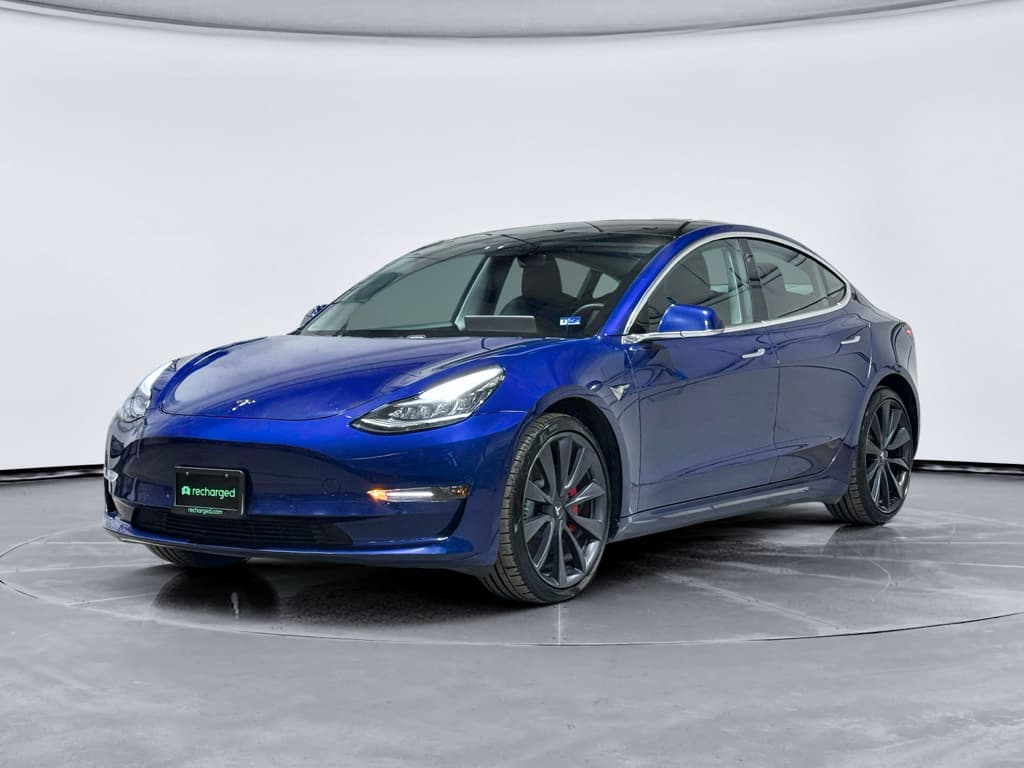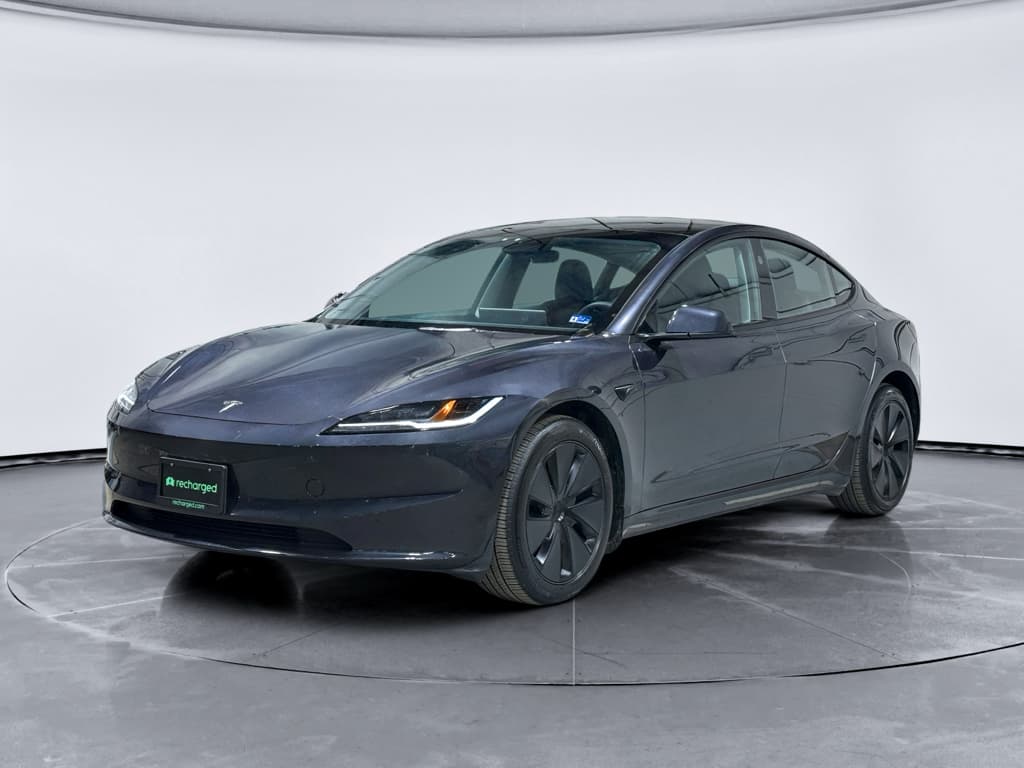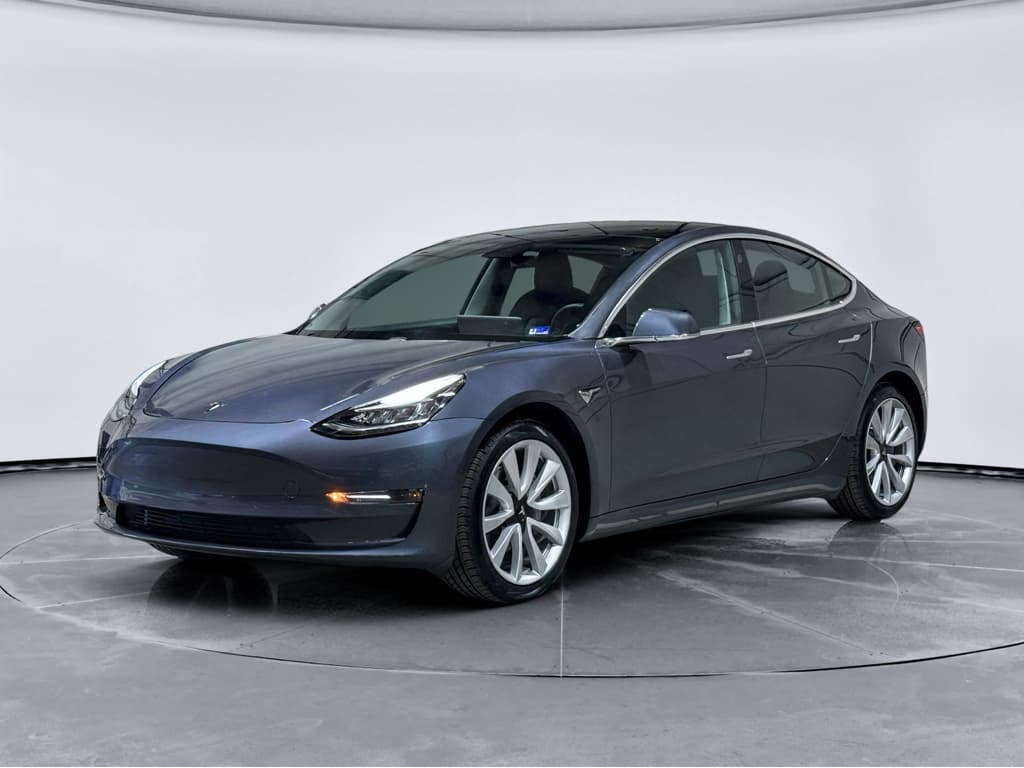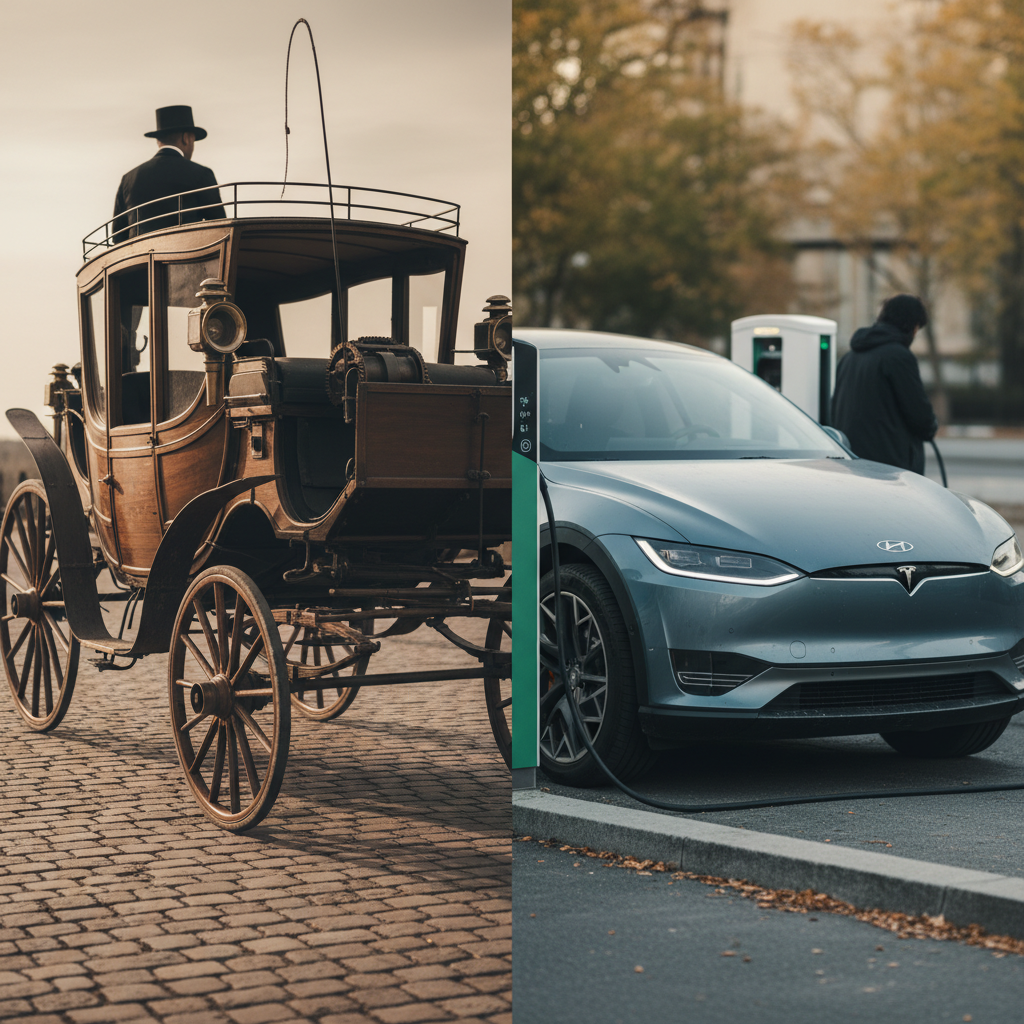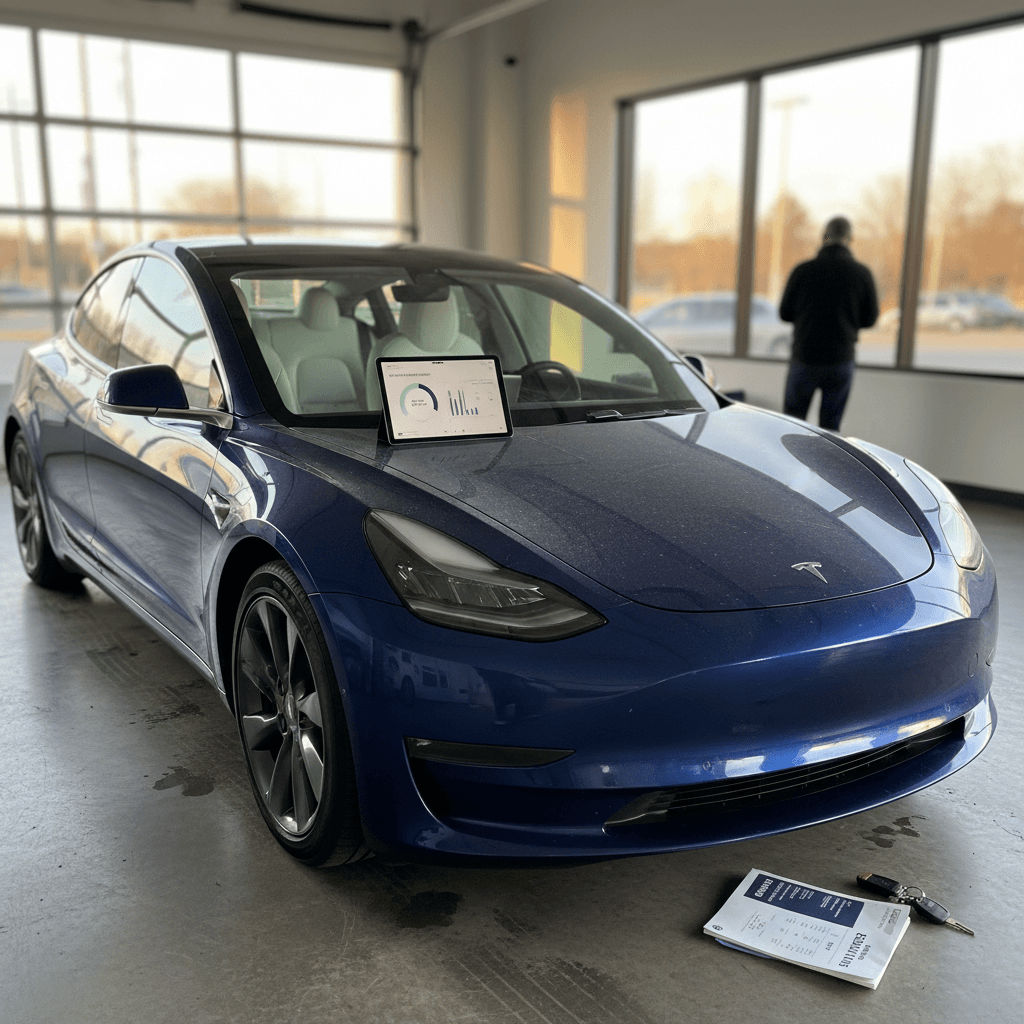
If you’re hunting for a used Tesla Model 3 in 2026, you’re shopping in the sweet spot of the EV market: cars that are fast, safe, cheap to run, and finally depreciated enough to feel like a bargain. The flip side is that the Model 3 has almost a decade of production under its belt, with meaningful differences in quality, hardware, and software from year to year. This buying guide walks you through trims, prices, battery health, warranties, and the red flags that turn a sleek EV into a very expensive science project.
How this guide is different
Why a Used Tesla Model 3 Is (Still) a Smart Buy in 2026
The Used Model 3 Market at a Glance (2025–2026)
For years, the Tesla Model 3 was the default electric car: compact luxury sedan, huge Supercharger network, and performance that shamed a lot of sports sedans. In late 2025 and early 2026, something interesting happened, the used market finally digested the first wave of Model 3s. Prices fell hard through 2023–24, then stabilized and even nudged upward after federal used‑EV tax credits sunset in fall 2025. You’re no longer catching a falling knife, but you’re still buying after the big drop.
- Strong performance and efficiency versus similarly priced gas sedans
- Massive charging network access compared with most non‑Tesla EVs
- Huge online community, DIY support, and well‑documented issues
- Plenty of inventory, so you can be choosy on spec, color, and mileage
- Lower running costs, no oil changes, fewer wear items, and cheap electricity in many regions
Why you can’t just buy the cheapest one
Model Years and Trims: Which Used Tesla Model 3 Should You Target?
Tesla Model 3 Generations in the Used Market
What changes as you move from early builds to recent refreshes
2017–2019: Early adopter era
Pros: Often the cheapest entry into a Model 3; many have high mileage but lots of highway use. Simple, minimalist interior still feels current.
Cons: Rougher early build quality, more panel‑gap and paint complaints, higher odds of suspension and trim issues. Tech is good, but cameras and hardware are a generation or two behind current cars.
2020–2022: Sweet‑spot cars
Pros: Running improvements to build, quieter cabin, heat pump introduced on later cars, more efficient motors, and better range. Many are coming off lease with reasonable miles.
Cons: Prices sit higher than early cars; you’ll want to scrutinize warranty timeline, as many are nearing the end of basic coverage but still inside battery warranty.
2023–2025: Refresh & late‑run
Pros: Updated styling and interior tweaks, improved efficiency, and the newest software/hardware stack. These cars feel nearly new but at a discount to new‑car pricing.
Cons: Smaller price gap versus buying new; some cheaper trims launched with fewer features to hit price points. Make sure you know exactly what equipment you’re getting.
Major Used Tesla Model 3 Trims and What They Mean
Trim names moved around over the years, but the underlying ideas stayed consistent: rear‑drive efficiency or all‑wheel‑drive speed.
| Trim | Drivetrain | Typical EPA range (new) | Character | Good pick for |
|---|---|---|---|---|
| RWD / Standard Range / Standard Plus | RWD | 220–272 mi | Most efficient and usually cheapest. Slower, but still quick enough around town. | Budget shoppers, commuters, first‑time EV drivers. |
| Long Range (LR) | AWD | 310–358 mi | Best balance of range, performance, and resale value. | Road‑trippers, one‑car households, cold‑climate buyers. |
| Performance (P) | AWD | 299–322 mi | Super‑sedan acceleration, sportier suspension and wheels. | Enthusiasts, drivers who’d otherwise be in an M3, S4, or AMG. |
| Rear‑wheel‑drive "Highland" (late refresh) | RWD | ~272 mi | Refreshed exterior/interior, efficiency gains, newer hardware. | Shoppers who want "new Tesla" experience on a used‑car budget. |
Always check the actual battery size and EPA range on the specific year you’re shopping, names like "Long Range" hide small year‑to‑year changes.
Trim sanity check
Real-World Used Tesla Model 3 Prices in 2026
After a brutal 2023–24 slide, used Tesla prices flattened in mid‑2025. By early 2026, average used Teslas have climbed a few percent from their absolute lows, especially after federal used‑EV credits expired in September 2025. The upside for you: prices have stopped free‑falling, and you can shop with a clearer sense of where the market is settling.
Typical Asking Prices for Used Model 3s in Early 2026 (U.S.)
Ballpark retail prices from dealers and marketplaces; private‑party sales may run a little lower, certified or specialty sellers a bit higher.
| Model years | Trim examples | Approx. miles | Typical price band |
|---|---|---|---|
| 2017–2018 | RWD / Long Range | 60k–110k | $17,000–$23,000 |
| 2019–2020 | Standard Plus / Long Range / some Performance | 40k–90k | $20,000–$28,000 |
| 2021–2022 | RWD / Long Range / Performance | 25k–70k | $24,000–$33,000 |
| 2023–2024 | Newer RWD & LR, some Performance | <40k | $28,000–$38,000 |
| Late 2024–2025 (refresh) | RWD / Long Range | <25k | $33,000–$42,000 |
Actual prices swing with mileage, options, battery health, and regional demand.
How this compares to gas sedans
If you want the most value in 2026, look hard at 2019–2021 Long Range and 2021–2022 RWD cars: enough range for real road trips, most early‑run bugs worked out, and prices that sit comfortably below a comparable new EV. Performance models make sense only if you’ll actually use the extra speed, and budget for pricier tires and potential suspension work.
Battery Health, Range and Warranty: What Actually Matters
A used EV is a used battery with a car attached. The Model 3’s pack has aged better than many skeptics predicted, but range and warranty status should sit at the top of your checklist.
Model 3 Battery & Warranty Basics (U.S.)
Know what coverage you still have before you fall in love with the paint color.
Battery & drive‑unit warranty
- Standard / RWD packs: 8 years or 100,000 miles (whichever comes first), with minimum 70% capacity retention.
- Long Range / Performance packs: 8 years or 120,000 miles, same 70% capacity threshold.
- If the car is 4 years old with 45k miles, you likely have 4 years and ~55–75k miles of pack coverage left.
What the warranty doesn’t cover
- Normal range loss below 70% before the term ends is covered, above that, it’s considered normal wear.
- Damage from non‑Tesla repairs, aftermarket hacking, or collision work can void coverage.
- Charging‑network fees, Supercharger idle fees, and cosmetic issues are on you.
Ask for a 100% charge screenshot
Healthy battery signs
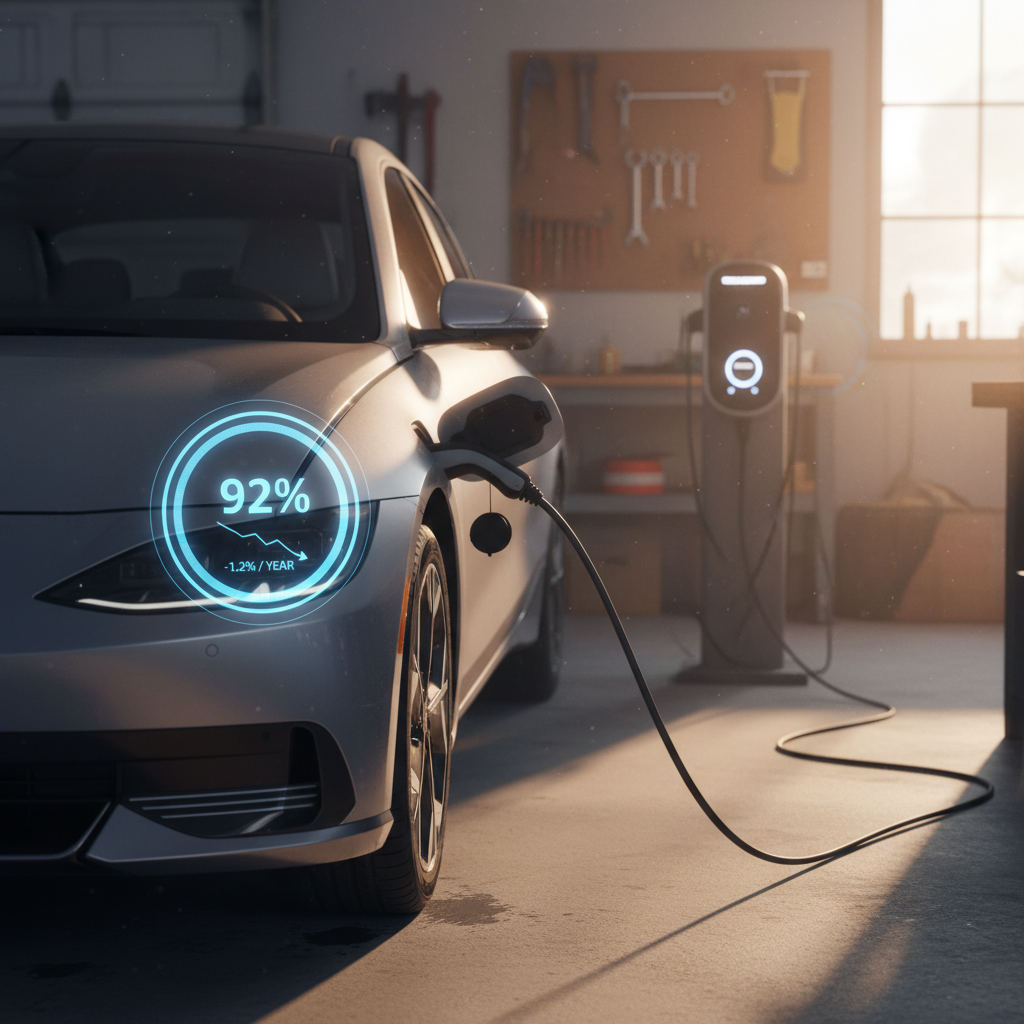
- Degradation in the 8–12% range after 4–6 years is common and generally fine.
- Car moves quickly from 10% to 20% or 80% to 90%, but slows as it nears 100% (normal behavior).
- No warnings about reduced power, charging limited, or battery service.
- Fast‑charging speeds that ramp up normally on a DC fast charger.
Red flags to investigate
- Displayed full‑charge range more than 20–25% below original EPA rating.
- Car frequently supercharged on road‑trip duty (check trip history and charging stats) and now shows unusual degradation.
- Warnings about battery, charging, or power‑reduced modes.
- DC fast‑charge sessions that stall at very low power even with a warm battery.
How Recharged handles battery health
Common Used Model 3 Issues to Watch For
The Model 3 is not an unreliable car in the classic sense, motors and packs are holding up well, but certain weak points repeat like a chorus, especially on earlier builds and abused cars. You want to spot these before you own them.
The Greatest Hits of Used Model 3 Problems
Not every car will have these. Enough do that you should look for them.
Front suspension wear
Owners report premature front control‑arm and ball‑joint wear, especially on 2018–2020 cars and Performance trims with big wheels. Listen for clunks over bumps and during low‑speed steering, and check service history for prior replacements.
Paint, panel gaps, water leaks
Early Fremont‑built cars in particular can show thin paint, misaligned doors and trunks, and occasional water intrusion in the trunk or tail lights. Inspect seals, lift trunk carpets for dampness, and walk the car in bright light for color mismatches.
12V / low‑voltage issues & electronics
Earlier Model 3s had some 12V battery and power conversion issues that could trigger random warnings or no‑start situations. Verify recalls and service campaigns were completed and check for any lingering dashboard alerts.
Don’t ignore warning lights

Used Tesla Model 3 Inspection Checklist
If you remember nothing else from this guide, remember this section. You are about to buy several thousand lithium‑ion cells and a rolling computer. Here’s how to keep that decision boring, in the best possible way.
10-Step Used Model 3 Buying Checklist
1. Verify VIN, title, and accident history
Run the VIN through a history service and confirm the seller’s name matches the title. Multiple accidents, structural damage, or airbag deployment should knock the price down or send you looking elsewhere.
2. Check remaining warranties
Ask for in‑service date and mileage. Confirm whether the car still has basic bumper‑to‑bumper coverage (4 years/50k from original sale) and how many years/miles remain on the 8‑year battery and drive‑unit warranty.
3. Inspect exterior and glass
Look for paint mismatches, overspray, uneven panel gaps, and cracked or chipped glass, especially the expensive panoramic roof. Uneven wear here can hint at past collisions or rough roads.
4. Look under the car
Check the battery pack’s underbody shield for scrapes or punctures, inspect plastic aero panels, and scan for rust on suspension components in salty climates.
5. Evaluate tires and wheels
Uneven tire wear suggests poor alignment or bent arms. Performance cars on low‑profile tires may have more wheel damage and upcoming tire bills.
6. Test drive over rough pavement
Listen for clunks and rattles over bumps and during low‑speed parking maneuvers. Pay attention to steering feel, brake noise, and any pulling to one side.
7. Check battery health and charging behavior
Review trip consumption, recent charging habits, and, if you can, run a DC fast‑charge session to watch how quickly it ramps. Look for any charging warnings or unusually slow rates.
8. Verify Autopilot and safety features
Make sure Autopilot and safety systems (AEB, lane‑keeping, blind‑spot alerts) are present and active as advertised. Hardware versions differ by year; confirm the exact package in the car’s menu.
9. Confirm software status and app access
Have the seller demonstrate phone‑app control, remote lock/unlock, and charging controls. After the sale, ensure ownership transfer is completed in the Tesla app so you’re not stuck in limbo.
10. Get a professional EV inspection
Even if you’re car‑savvy, a pre‑purchase inspection from someone who understands EVs, battery, high‑voltage systems, and Tesla‑specific issues, is cheap insurance. Recharged bakes this into our process automatically.
Download and bring this checklist
Software, Connectivity and Features: What Your Used Model 3 Comes With
The Model 3 ages more like a smartphone than a traditional sedan. Over‑the‑air updates add and subtract features as Tesla experiments. When you buy used, you’re inheriting that entire software journey, and sometimes the previous owner’s bad subscription decisions.
Confirm paid software options
- Autopilot vs. Enhanced Autopilot vs. Full Self‑Driving (FSD): These packages change names and capabilities over time. Confirm what’s actually active on the car today, not what the original window sticker said.
- Premium Connectivity: Many early cars had lifetime connectivity; later cars switched to subscriptions. Check whether streaming, satellite maps, and live traffic work without a subscription.
- Acceleration Boost: Some dual‑motor cars have a paid "boost" upgrade. It usually stays with the car, but verify it’s still there.
Check for feature deletions
- Some late‑run cars dropped features (like ultrasonic parking sensors) as Tesla chased cost cuts and camera‑only systems. Decide if that matters to you.
- Hardware revisions (cameras, computer) affect future software updates. A cheaper car with very old hardware may hit a software wall sooner.
- Ask whether the car has had all software recalls and safety updates applied; most do automatically, but cars left offline can lag behind.
Offline cars are a red flag
Ownership Costs: Charging, Maintenance and Depreciation
The Model 3 can be startlingly cheap to run, if you buy the right car and charge it the right way. But you should go in with eyes open about electricity, tires, and the depreciation story from here.
What You’ll Actually Spend After You Buy
Three big buckets: energy, wear items, and resale.
Charging & energy
At typical U.S. residential rates, home charging often pencils out to the equivalent of $1–$2 per gallon of gas. DC fast charging is pricier, great for road trips, expensive for daily use. If you can install a Level 2 home charger, do it.
Maintenance & repairs
No oil changes, but you’ll buy tires more often (especially on Performance trims), cabin air filters, brake fluid, and alignment work. Budget something like $500–$800 a year on average, more if you’re hard on tires and suspension.
Future depreciation
Used Model 3 prices dropped double digits year‑over‑year in 2024, then leveled and ticked up a bit in late 2025. From here, expect slower, more normal depreciation, the biggest cliff has likely already passed, especially on 3–6‑year‑old cars.
Cold‑climate reality check
Why Buy a Used Model 3 from Recharged Instead of Going It Alone
You can absolutely chase deals on classifieds and auction sites. You can also do your own dental work. The question isn’t whether it’s possible; it’s whether it’s wise when tens of thousands of dollars and a 4,000‑pound battery pack are involved.
How Recharged De‑Risks the Used Model 3
What we build into every transaction that private sales usually skip.
Battery‑forward inspection
Every car gets a Recharged Score Report with verified battery health, charging behavior, and real‑world range analysis, not just a guess based on odometer and vibes. We check high‑voltage components, not just fluids and filters.
That gives you a clear picture of how much of the pack’s useful life you’re buying.
Transparent pricing & flexible deals
Recharged benchmarks each Model 3 against fair‑market data so you’re not paying a "Tesla tax" just because the badge is hot again. We also offer financing, trade‑in options, instant offers or consignment, and nationwide delivery.
You can do the whole thing digitally or visit our Experience Center in Richmond, VA if you prefer to see metal in person.
Ready to find your next EV?
Browse VehiclesBuy with a plan, not a hunch
Frequently Asked Questions About Buying a Used Tesla Model 3 in 2026
Used Tesla Model 3: 2026 FAQ
The Bottom Line: How to Shop Smart for a Used Model 3 in 2026
The used Tesla Model 3 in 2026 is no longer the wild frontier. It’s a mature product with known strengths and documented flaws, spread across a deep used market where the difference between a great car and a bad one is rarely more than patience, inspection, and a willingness to walk away. Focus on battery health, remaining warranty, and honest condition instead of chasing the lowest list price, and the Model 3 can give you years of fast, quiet, low‑maintenance miles.
If you want to compress that learning curve, Recharged exists for exactly this kind of shopper: someone who wants the upside of a used EV without turning it into a second job. Whether you start browsing online, get pre‑qualified, or visit our Richmond, VA Experience Center, the goal is the same, make your first (or next) used Model 3 feel less like a gamble and more like a smart, well‑researched decision.