
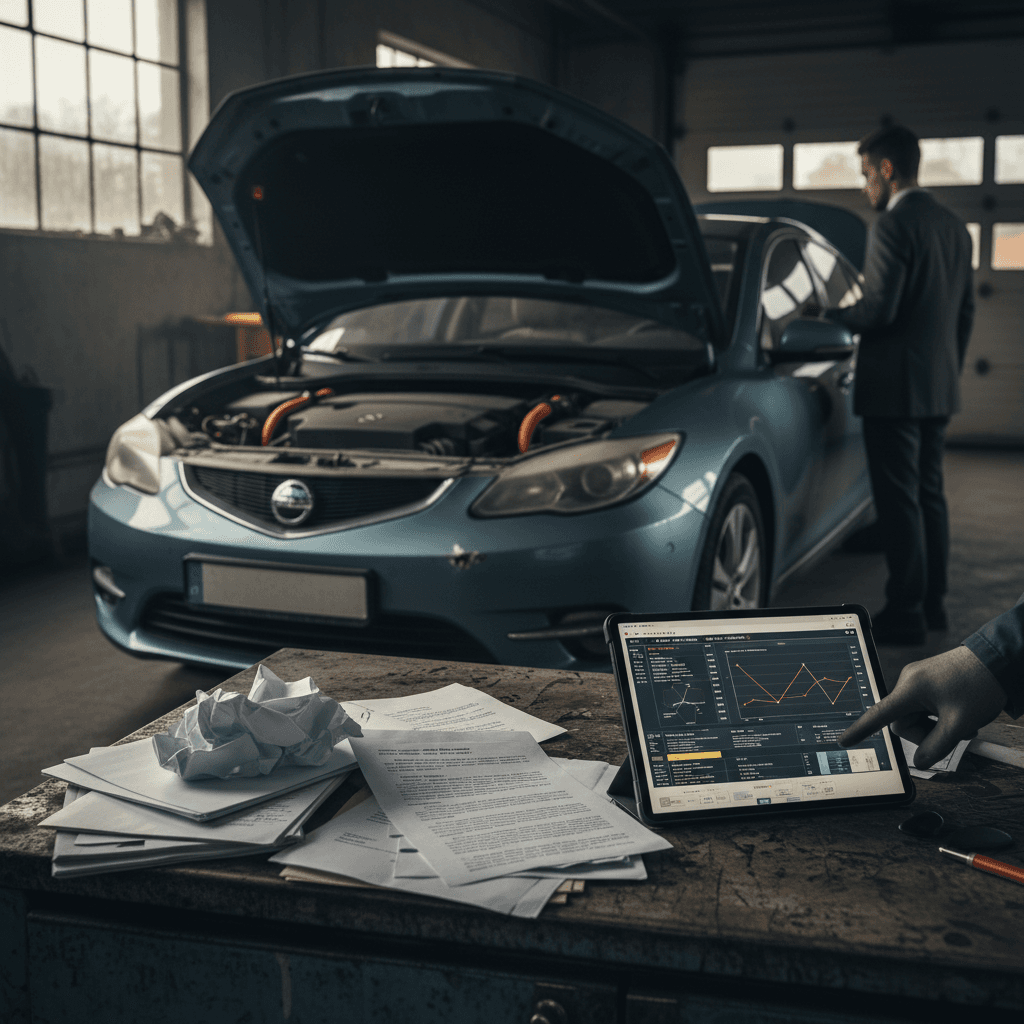
When you’re shopping for a used electric vehicle, the last thing you want is to discover you’ve bought a lemon with a sick battery and a dealer who’s suddenly stopped returning your calls. You’ve probably heard about lemon laws, but used EV lemon law protection is a lot murkier than the glossy dealership brochure suggests, especially in 2026, when several states have quietly tightened the rules on used cars.
Quick reality check
Why lemon law protection matters for used EV buyers
Electric vehicles add a twist to the age‑old fear of buying a bad used car. On top of normal defects, no‑start problems, warning lights, leaks, you’re also betting on a high‑voltage battery pack, complex power electronics, and a vehicle that’s more computer than carburetor. When something big goes wrong, the repair bill can jump from a couple hundred dollars to several thousand in a hurry.
- A failing traction battery can chop your range in half, or worse.
- Charging issues can leave you stranded or tethered to slow Level 1 charging.
- Software bugs can take key features offline or even prevent the car from driving.
- Some franchise dealers still don’t have EV technicians or parts on hand, so repairs drag on for weeks.
That’s why used EV lemon law protection matters: it’s about having a legal safety net if repeated repair attempts don’t fix a serious defect. But that safety net looks different depending on where you live, how you bought the car, and what’s in writing on your paperwork.
How lemon laws actually work (in plain English)
Every state has some version of a lemon law for vehicles, but they share a common backbone. At a high level, lemon laws say that if a warrantied vehicle has a serious defect that the manufacturer or dealer can’t fix in a reasonable number of tries, or it’s stuck in the shop for too long, you may be entitled to a refund, replacement, or cash compensation.
Core pieces of most lemon laws
The details vary by state, but the building blocks are similar.
Warranty coverage
The vehicle must be covered by a written warranty when the defect appears. That might be a factory warranty, a CPO warranty, or a dealer warranty.
Serious defect
The problem has to substantially affect use, safety, or value, think loss of range, repeated shutdowns, or major safety systems.
Reasonable repair chances
Manufacturers usually get several attempts to fix it (often 3–4, or 2 for a serious safety defect) or a set number of days the car can be out of service.
Watch the fine print
Do lemon laws cover used EVs in your state?
Here’s where things get tricky. In most states, the classic lemon law protections were designed for new vehicles. Some states have added used‑car coverage; others rely on separate used‑car warranty laws; a few have recently pulled back on used‑car lemon rights altogether, California being the headline example as of late 2024 and 2025.
How states typically treat used vehicles under lemon laws
This is a big‑picture snapshot, not legal advice. Always confirm details with your state attorney general or a lemon law attorney.
| State approach (category) | What it usually means for used EVs | What you should do before buying |
|---|---|---|
| Strong used-car coverage | Some states extend lemon law rights to certain used vehicles, often under a mileage and age cap, and only when sold with a warranty from a dealer. | Ask: Which used vehicles qualify? Age/mileage limits? Does coverage include EV‑specific defects like batteries and charging systems? |
| Limited used-car coverage | States that cover only a narrow slice of used cars (for example, those sold with a short dealer warranty, or only within the first 30–90 days). | Ask: How long does protection last after purchase? Is it just a basic powertrain warranty, or does it clearly include EV components? |
| New‑only lemon laws | Many states focus almost exclusively on new vehicles; used‑car buyers rely more on warranty law, fraud statutes, and the federal Magnuson‑Moss Warranty Act. | Assume your lemon law rights are thin. Put extra weight on a strong written warranty, battery documentation, and a thorough inspection. |
| Recently tightened rules | States like California have narrowed lemon remedies for used vehicles, especially where the car just has the leftover balance of a factory warranty. | If you’re buying in one of these states, lean toward CPO EVs with fresh manufacturer warranties, or used EVs sold with clear written dealer warranties. |
Where your used EV likely stands before you even sign the paperwork.
How to check your state’s rules
Where EV batteries fit into lemon law protection
For EV shoppers, the heart of the matter is the traction battery. It’s the single most expensive component in the car and the one you worry about the most. The good news: manufacturers know this, which is why most EVs carry separate, longer warranties on the battery and electric drive system, often 8 years and 100,000 miles or more for defects and, sometimes, for excessive degradation.
Typical EV battery warranty terms (manufacturer, not legal, promises)
Here’s the hitch: a warranty is not the same thing as a lemon law. The warranty is the manufacturer’s promise about repairs; lemon law is the legal hammer you can use if they don’t keep that promise after multiple tries. In many states, your best leverage on a weak used EV battery comes from warranty law and the federal Magnuson‑Moss Warranty Act, not the state’s new‑car‑focused lemon statute.
When a weak battery might help a lemon claim
- Range has fallen well below the warranty’s stated capacity threshold.
- The car has been in repeatedly for battery or charging diagnostics without a permanent fix.
- Charging failures or shutdowns create clear safety issues, sudden loss of power, for example.
When it’s probably not a lemon issue
- Normal, gradual range loss over many years, especially near or beyond warranty limits.
- Used EV was sold clearly “as‑is” with no remaining battery warranty.
- You bought in a state that doesn’t extend lemon law protections to used vehicles at all.
Pro move: get objective battery data
Other laws that protect you beyond state lemon laws
Even if your state lemon law barely acknowledges used vehicles, you’re not naked out there. Three other legal tools often matter more for used EV buyers:
- Manufacturer and dealer warranties. If a written warranty promises to repair defects, and the shop can’t or won’t fix the problem after multiple visits, you may have a breach‑of‑warranty claim, even without classic lemon law rights.
- The federal Magnuson‑Moss Warranty Act. This nationwide law covers consumer products sold with written warranties, including new and used vehicles. If the warrantor doesn’t honor the warranty, Magnuson‑Moss can support a claim for a refund, replacement, or damages, and it often lets you recover attorney’s fees.
- State consumer protection and fraud statutes. If a seller lies about accident history, battery health, open recalls, or warranty status, that misrepresentation can give you legal remedies separate from any lemon law.
Why this matters for used EVs
How to stack the deck before you buy a used EV
Lemon laws and warranty rights are the parachute. Your best move is to reduce the odds you’ll ever need to pull the ripcord. With used EVs, that means being picky about who you buy from, what’s in writing, and what you know about the battery before money changes hands.
Used EV buyer checklist: protection first
1. Know exactly what warranty you’re getting
Ask for the <strong>full warranty terms in writing</strong>, manufacturer coverage, CPO coverage, and any dealer warranty. Note the start date, end date, mileage cap, and whether EV components and battery degradation are clearly included.
2. Avoid “as‑is” sales on complex EVs
An “as‑is” used EV with no remaining warranty is essentially yours to love or hate, no matter what breaks tomorrow. If your state gives you little used‑car lemon law protection, an as‑is EV is a big bet.
3. Get an EV‑specific inspection
A generic safety check isn’t enough. You want a shop, or marketplace, experienced with electric vehicles to review software history, charging behavior, and high‑voltage components, not just tires and brakes.
4. Demand real battery health data
Ask for independent battery diagnostics, not just a full‑charge range guess. At Recharged, every vehicle comes with a <strong>Recharged Score report</strong> that quantifies battery health and flags outliers before you commit.
5. Verify title, recall, and accident history
Pull a vehicle history report and check for branded titles, structural damage, or unresolved recalls. Battery‑related recalls or flood damage are especially important flags on an EV.
6. Save every document
Keep copies of the buyer’s order, warranty booklet, window sticker, and any pre‑purchase inspections. If something goes sideways later, this paperwork becomes evidence.
Red flags your used EV might be a lemon
Some EV problems are quirks you can live with. Others are the kind of recurring defects lemon laws and warranty statutes were built for. Pay attention if you start seeing patterns like these in the first months of ownership:
- Repeated high‑voltage battery warnings, shutdowns, or sudden drops to very low state of charge.
- Chronic charging failures across different stations and cables, especially if the car has been in the shop several times for the same complaint.
- Software updates that temporarily “fix” issues only for them to return within days or weeks.
- Long repair stays where the dealer seems to be guessing at parts rather than following a clear diagnostic path.
- A dealer or manufacturer hotline that keeps telling you “it’s normal” even as range and drivability clearly worsen.
Don’t wait too long
What to do if you think your used EV is a lemon
If your used EV is racking up service visits and you’re starting to dread the next warning chime, it’s time to stop hoping and start building a record. You don’t have to be confrontational, but you do need to be organized.
Step‑by‑step if your used EV goes bad
1. Get your paperwork in order
Collect the purchase contract, all warranty booklets, any CPO documentation, and your vehicle history report. Confirm whether a manufacturer or dealer warranty is still active, and on what terms.
2. Document every repair visit
For each visit, record the date, mileage, symptoms, and what the advisor wrote on the repair order. Ask for copies of <strong>every</strong> repair invoice, including “no problem found” entries.
3. Give the shop a fair chance to fix it
Manufacturers usually must be given a reasonable number of attempts or days out of service. Don’t bounce between random shops; follow the warranty instructions so there’s no argument later about improper repairs.
4. Escalate in writing
If the defect persists, contact the manufacturer or dealer in writing, email or certified mail, describing the history and requesting a buyback, replacement, or further diagnosis. Keep copies of everything you send and receive.
5. Talk to a lemon law or warranty attorney
Most lemon law and warranty attorneys offer <strong>free consultations</strong> and work on contingency. Thanks to statutes like Magnuson‑Moss, many can recover their fees from the manufacturer if you win, not from your pocket.
6. Know when to walk away next time
If this experience has soured you on private‑party deals or bare‑bones used‑car lots, that’s understandable. Next time, consider marketplaces that specialize in EVs, provide third‑party battery health data, and stand behind the car with transparent warranties. That’s exactly what Recharged was built to do.
How Recharged helps protect you from a used EV lemon
You can’t lawyer your way out of every bad car, but you can dramatically lower the odds of buying one. Recharged is built around that idea: making used EV ownership simple and transparent so you’re not relying on hope and a handshake.
Layers of protection when you buy a used EV through Recharged
Not legal advice, just smart risk reduction.
Recharged Score battery diagnostics
Every vehicle on Recharged comes with a Recharged Score report that verifies battery health and performance. You see how the pack compares to similar vehicles, so you’re not guessing about range or longevity.
Transparent pricing & history
Fair market pricing, vehicle history, and condition details are laid out clearly, so you can focus on how the car fits your life, not whether you’re missing something in the fine print.
Financing, trade‑in & support
Recharged offers EV‑friendly financing, trade‑in options, and access to EV specialists who can walk you through warranty terms, battery questions, and ownership costs before you commit.
Want a second set of eyes?
Used EV lemon law FAQ
Frequently asked questions about used EV lemon law protection
The bottom line on used EV lemon law protection
Used EV lemon law protection in 2026 is a patchwork. In some states, it’s a sturdy safety net. In others, it’s barely a thread, especially for cars sold “as‑is” or with only leftover factory coverage. What doesn’t change is this: your best defense is buying smart. Demand clear, written warranty terms. Insist on real battery‑health data. Keep a paper trail from day one. And if something big goes wrong, don’t suffer in silence, use the rights you do have.
When you shop through Recharged, you get a head start on all of that. The Recharged Score verifies battery health, EV specialists walk you through ownership questions, and fair, transparent pricing keeps the focus where it belongs: on finding the used EV that fits your life, not fearing the one that doesn’t.
Related Articles
Ford Electric Car Battery Replacement Cost: 2025 Guide
Wondering what a Ford electric car battery replacement really costs? See 2025 estimates for Mustang Mach-E & F-150 Lightning, warranty coverage, and smart alternatives.
Mobile EV Charging Service: 2025 Guide to On‑Demand Power
Learn how mobile EV charging services work, what they cost, when to use them, and how they compare with home and public charging options.

How to Use an EV Trip Planner for Stress‑Free Road Trips
Learn how to use an EV trip planner to map charging stops, avoid range anxiety, and plan smooth road trips in any electric car.