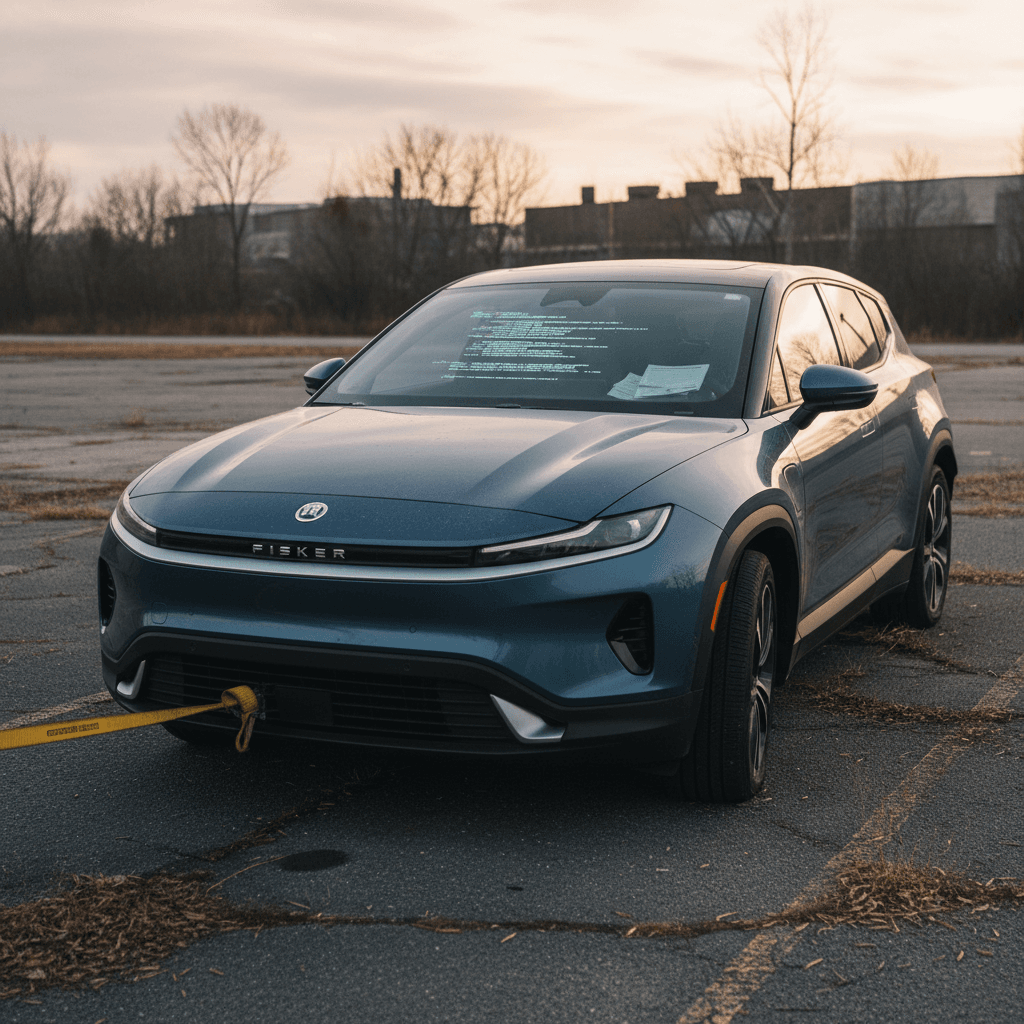
If you’re researching 2024 Fisker Ocean problems, you’re probably seeing two very different stories. On paper, the Ocean promised long range, eco-friendly materials, and striking design. In reality, early software bugs, safety concerns, and Fisker’s 2024 bankruptcy have turned it into one of the most controversial EVs on the road today.
Context: A Promising EV That Unraveled Fast
Overview: Why 2024 Fisker Ocean Problems Matter Now
The 2024 model year Fisker Ocean isn’t a clean, separate generation; it’s part of the same troubled production run that began in 2023. That means 2024 Oceans inherit the same core issues seen across the lineup: serious software bugs, loss-of-power episodes, braking irregularities, and build-quality problems. On top of that, Fisker’s mid‑2024 bankruptcy means there’s no traditional automaker behind the product anymore, only a patchwork of bankruptcy commitments, third‑party fleets, and a highly motivated owner community trying to keep these cars on the road.
Fisker Ocean at a Glance
Numbers only tell part of the story. To decide whether you should buy, or keep, an Ocean, you need to understand what’s actually going wrong, how fixable those problems are, and how the lack of a functioning automaker changes your risk.
Common 2024 Fisker Ocean Problems Reported by Owners
Owner reports, internal documents, and early reviews paint a consistent picture: the Fisker Ocean’s biggest problems are software, braking behavior, basic drivability, and access to the car itself. Here are the issues that come up again and again.
Major 2024 Fisker Ocean Problem Categories
What owners and testers keep running into
1. Sudden Loss of Power
Internal documents and owner complaints describe over 100 loss-of-power incidents, including vehicles shutting down at highway speeds or in intersections. In many cases, owners see error messages about the high-voltage battery or 12‑volt system before the car dies.
Causes range from 12‑volt battery drain and water-pump faults to issues in the battery management and driver-assistance software. Software updates have reduced some occurrences, but they have not eliminated the risk entirely.
2. Braking and Regeneration Issues
Owners have reported sudden reduction of braking performance, especially in blended braking where regenerative and friction braking work together. NHTSA opened an investigation into loss of braking performance, and Fisker issued a software recall to address it.
Some drivers also describe the regen changing behavior after bumps or software updates, undermining confidence in predictable stopping distances.
3. Door, Lock, and Key Fob Failures
It’s not just about driving, some people have struggled to get into or out of their Oceans. Reports include owners locked inside a hot car with inoperative door buttons, and others locked out because the key fob or door handles wouldn’t respond.
Later software updates improved key fob behavior, but the underlying design, electronic latches heavily dependent on software and 12‑volt power, remains a point of concern.
4. Build Quality and Trim Issues
Beyond headline-grabbing failures, there are more typical startup-EV problems: misaligned panels, buggy infotainment screens, inconsistent driver-seat sensors that don’t always detect someone in the seat, and random warning lights.
Normally, you’d expect an automaker to quietly iterate and fix these. With Fisker gone, some of these minor issues become chronic annoyances or require DIY/third‑party fixes.
Safety vs. Annoyance: Know the Difference
Safety Recalls and NHTSA Investigations
Like most new vehicles, the Fisker Ocean accumulated several recalls. The difference is that these weren’t just airbag labels or headlight glare, they struck at the heart of the vehicle’s software and braking systems, and Fisker’s bankruptcy made fixing them far more complicated.
Major Fisker Ocean Recalls and Safety Actions
Key software and braking campaigns affecting 2023–2024 Fisker Oceans
| Issue | Scope | Model Years | Risk | Fix (Originally Intended) |
|---|---|---|---|---|
| Loss of Power / Safe Mode Activation | ~11,200 vehicles worldwide | 2023–2024 | Vehicle may enter Safe Mode and lose motive power while driving | Over‑the‑air and service-center software updates to powertrain and battery management systems |
| Instrument Cluster Non‑Compliance | ~6,600 vehicles in U.S. & Canada | 2023–2024 | Cluster may display incorrect information, potentially confusing drivers about speed or warnings | Instrument cluster software update via dealers or mobile service |
| Blended Brake Behavior (TSB campaign) | All U.S./Canada 2023–2024 Oceans | 2023–2024 | Inconsistent or reduced braking performance, especially after bumps | Brake-control software update on all affected vehicles |
| Subsequent NHTSA Investigation on Braking | Ongoing probe into loss of braking performance | Primarily 2023–2024 | Potential for longer stopping distances or unpredictable brake feel | Regulators sought additional data; complicated by Fisker’s bankruptcy and lack of active engineering staff |
Check any Ocean’s VIN against official recall databases before you drive or buy.
Bankruptcy Makes Recalls Harder to Resolve
Software Bugs, Bricking Risk, and Digital Dependence
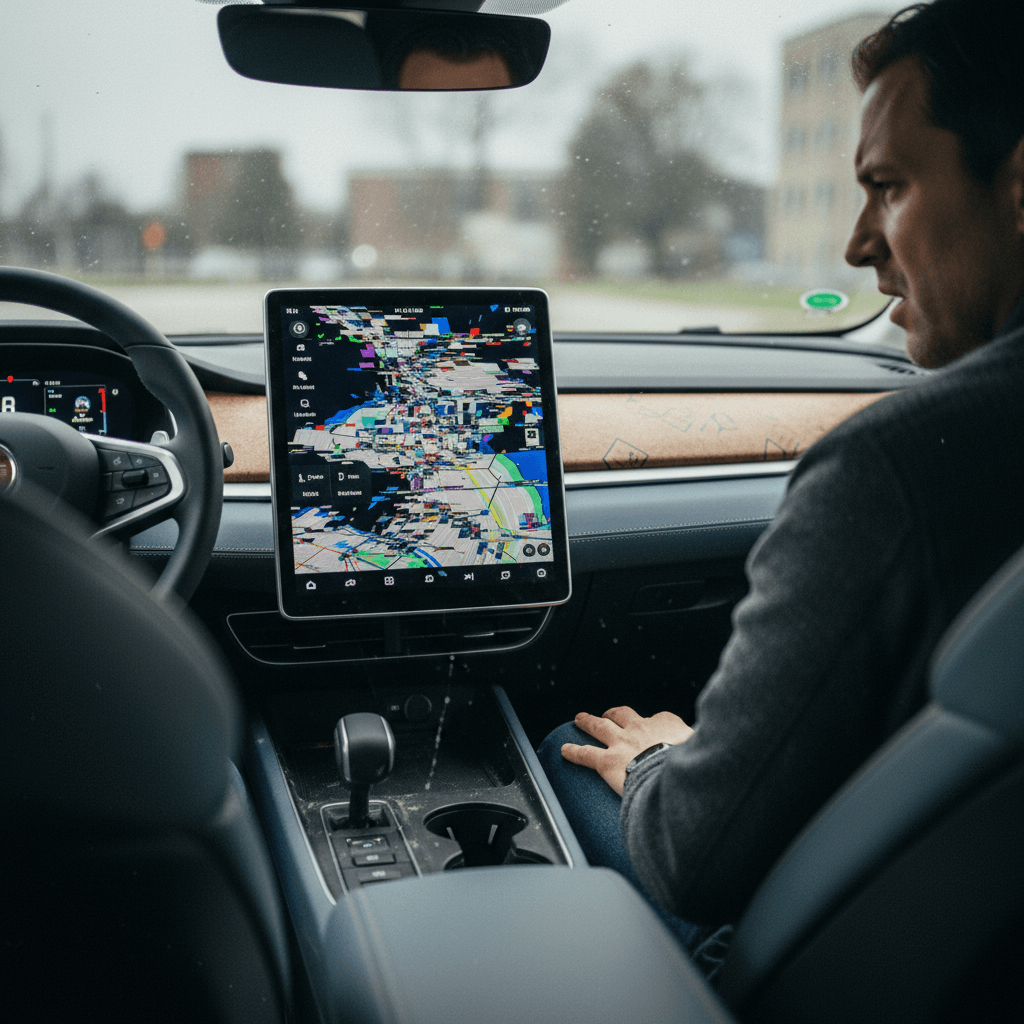
If you zoom out, the 2024 Fisker Ocean’s story is really about software-first design without software-first maturity. Almost every major complaint, loss of power, braking anomalies, locks and doors, infotainment glitches, traces back to software that wasn’t ready for prime time.
How Software Problems Show Up Day to Day
- Random reboots and freezes: Infotainment and driver-display screens can freeze or restart mid‑drive, sometimes taking key vehicle information with them.
- Inconsistent driver detection: Seat sensors occasionally fail to recognize a driver, triggering warnings or preventing the car from going into gear.
- Overly sensitive safety logic: Some loss-of-power events appear to be the software overreacting to faults, putting the car into a "safe" but undrivable state.
- Keyless and app dependence: Many access and convenience functions run through the Fisker app and cloud, both of which have proven unreliable as the company collapsed.
Why That’s Worse After Fisker’s Collapse
- No official OTA roadmap: Startups often ship incomplete software and fix it later. With Fisker gone, there’s no coherent, long‑term update plan.
- Cloud dependence risk: Features that rely on Fisker servers, remote access, certain telematics, some diagnostics, may degrade over time or disappear if those servers go dark.
- Third‑party owner apps: Groups like the Fisker Owners Association have begun reverse‑engineering software to keep features alive. It’s impressive work, but it’s also a sign owners are effectively maintaining their own brand.
- Bricking potential: Any EV can theoretically be bricked by serious software faults or server shutdowns. The Ocean sits closer to that cliff edge than a mainstream EV supported by a large automaker.
Smart Move: Treat the Ocean Like a Classic With Firmware
Bankruptcy Fallout: What It Means for Fisker Ocean Owners
Fisker filed for Chapter 11 bankruptcy in June 2024, and court proceedings have since pushed the company toward liquidation. That changes the 2024 Fisker Ocean from a "risky new model" into a textbook orphaned EV, a car whose maker no longer operates as a normal automaker.
Key Ways Bankruptcy Changes Ocean Ownership
The risks go beyond just warranty coverage
Uncertain Warranty Support
On paper, Fisker is still obligated to honor warranty and recall obligations. In practice, the company laid off most staff, shuttered locations, and has limited funds earmarked for parts. That means finding someone to actually do the work can be slow, inconsistent, or impossible in some regions.
Parts Scarcity and Cannibalization
Reports describe Fisker and partners pulling parts from unsold or test vehicles, the so‑called "graveyard", to repair customer cars. That’s a red flag for long‑term parts availability, especially for unique body, trim, and electronic components.
Regulators vs. Reality
Regulators pushed Fisker to cover full recall costs, including labor, but legal obligations don’t magically produce parts or technicians. Owners are stuck between what the law says should happen and what a collapsed startup can actually deliver.
This is where Fisker Ocean ownership diverges from buying a troubled Ford or Tesla product. Traditional automakers have dealer networks, parts pipelines, and the balance sheet to support long‑tail issues. With Fisker, those institutional safety nets largely don’t exist.
Real-World Ownership: Parts, Service, and Resale Value
From a distance, the Ocean still looks like a compelling EV: modern styling, long range, and competitive performance. Up close, the ownership reality is far more complicated, especially in 2025 and beyond.
Service and Repair Experience
- Limited authorized service: With Fisker’s network mostly wound down, many owners rely on a mix of former service partners, fleet operators, and independent shops willing to learn the car.
- Owner-led support networks: Groups like the Fisker Owners Association have organized meetups, created their own apps, and even coordinated global repair efforts to keep Oceans on the road.
- Variable downtime: When a part fails, some owners are back on the road quickly; others wait weeks or months for rare components or workarounds.
Your experience will depend heavily on where you live and whether there’s a local shop or community connection that understands the Ocean.
Resale and Depreciation
- Steep value drops: After bankruptcy and mounting complaints, used values for the Ocean fell dramatically, over 40% in many cases, leaving some owners badly underwater on loans.
- Thin buyer pool: Only a small subset of buyers is comfortable taking on a complex, orphaned EV with safety investigations and recall baggage.
- Volatile pricing: Bargain-basement deals appear at auction and in private sales, but financing, warranties, and trade‑in values are unpredictable.
From a pure dollars‑and‑cents perspective, the Ocean behaves more like a distressed asset than a normal used SUV.
Where Recharged Can Help
Ready to find your next EV?
Browse VehiclesShould You Buy a Used Fisker Ocean Now?
For most mainstream shoppers, the honest answer is: probably not. That doesn’t mean nobody should buy a 2024 Fisker Ocean, but it does mean you should only consider one if you’re very clear-eyed about the risks and have the skills, resources, or community support to manage them.
Who (Maybe) Should, and Definitely Shouldn’t, Buy a Fisker Ocean
Maybe: Technically Savvy Tinkerers
If you’re comfortable with diagnostics, firmware quirks, and sourcing parts from owner networks or salvage vehicles, the Ocean can be an intriguing high‑risk project with upside in performance and design.
Maybe: Fleet Operators With Redundancy
Larger fleets can spread risk over many vehicles and may have dedicated technicians. Some fleet buyers have scooped up Oceans at deep discounts for rideshare and rental duty, accepting higher maintenance overhead.
Not Recommended: One‑Car Households
If you absolutely need one reliable vehicle for commuting, family duty, or long trips, the Ocean’s combination of software issues, parts scarcity, and recall complexity makes it a poor choice.
Not Recommended: Buyers Without a Repair Plan
If you don’t already know who will service the car, how you’ll handle recall work, or where you’ll get hard‑to‑find parts, you’re taking on open‑ended risk that can easily exceed any purchase discount.
Maybe: Short‑Term, Low‑Mileage Owners
In some scenarios, like a low‑mileage second car with easy access to a sympathetic independent EV shop, the math can work. But you should treat it like a speculative asset, not a long‑term family SUV.
Don’t Let Price Alone Convince You
How to Safely Own a Fisker Ocean Today
If you already own a 2024 Fisker Ocean, or decide to take the plunge, your job shifts from simply "driving an EV" to managing a complex, partially unsupported product. Here’s how to stack the odds in your favor.
Practical Steps for Safer Fisker Ocean Ownership
1. Verify All Recall and Campaign Status
Run the VIN through official recall databases and confirm which software and hardware campaigns have actually been completed. Ask for repair invoices or service logs, not just verbal assurances.
2. Document and Prioritize Safety Issues
Keep a written log of any episodes of power loss, braking irregularities, or lock/door malfunctions. Treat anything that affects control of the vehicle or your ability to exit as top priority for repair or mitigation.
3. Establish a Service Relationship Now
Identify at least one shop, former Fisker partner, fleet service provider, or independent EV specialist, willing to work on the Ocean. Building that relationship before a crisis pays dividends later.
4. Join Owner Communities and Support Networks
Online forums and groups like Fisker owner associations have become de facto support organizations, sharing DIY fixes, software workarounds, parts sources, and safety bulletins faster than any official channel.
5. Keep a Conservative Driving Profile
Until you fully trust the car, avoid long high‑speed trips, remote areas with no cell coverage, or situations where a sudden loss of power or braking would be catastrophic. Think like a test pilot, not a casual commuter.
6. Have an Exit Strategy
Decide in advance what would make you sell or retire the vehicle, repeated safety-critical failures, an unfixable software fault, or the loss of any remaining service path, and budget accordingly.
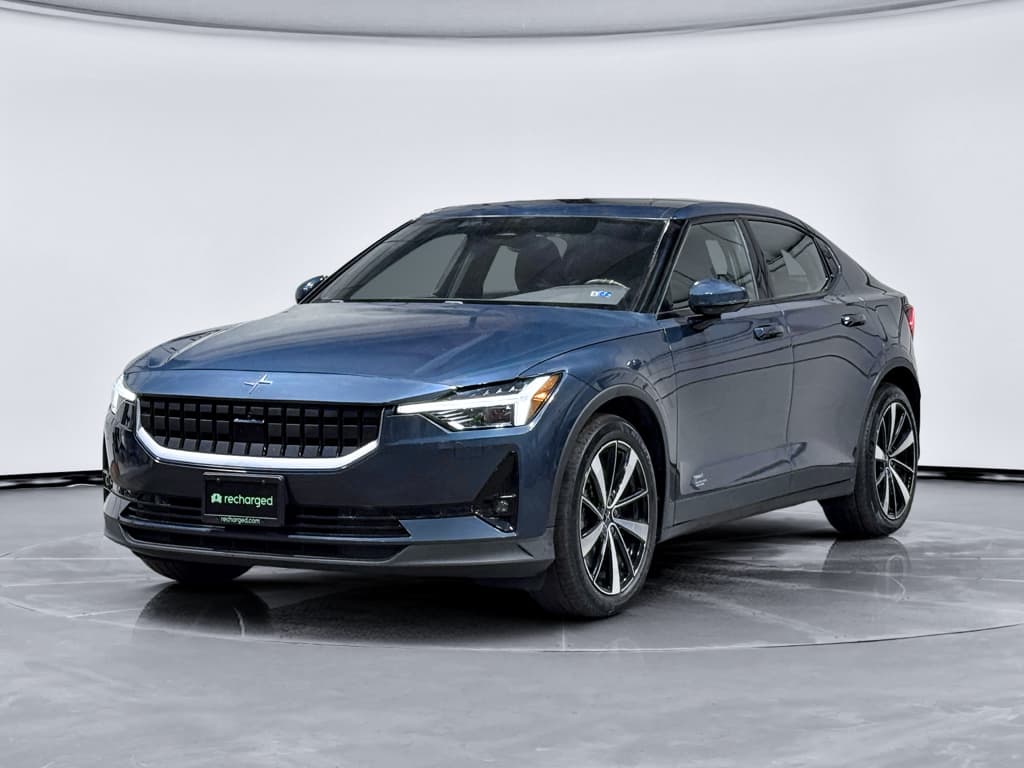
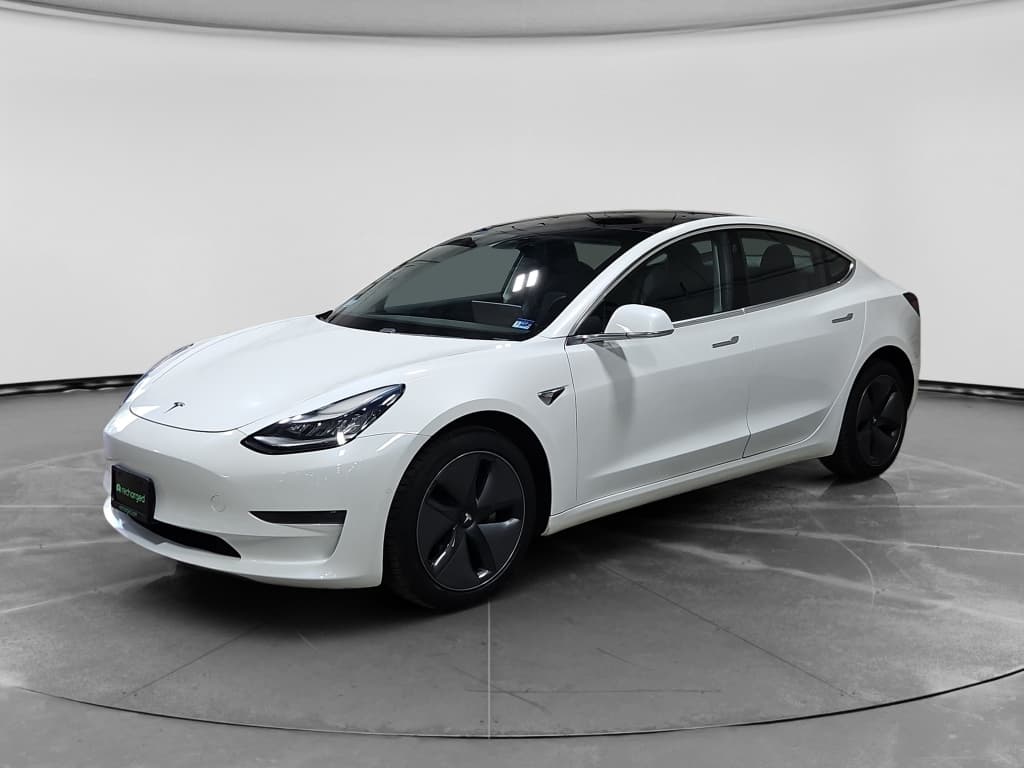
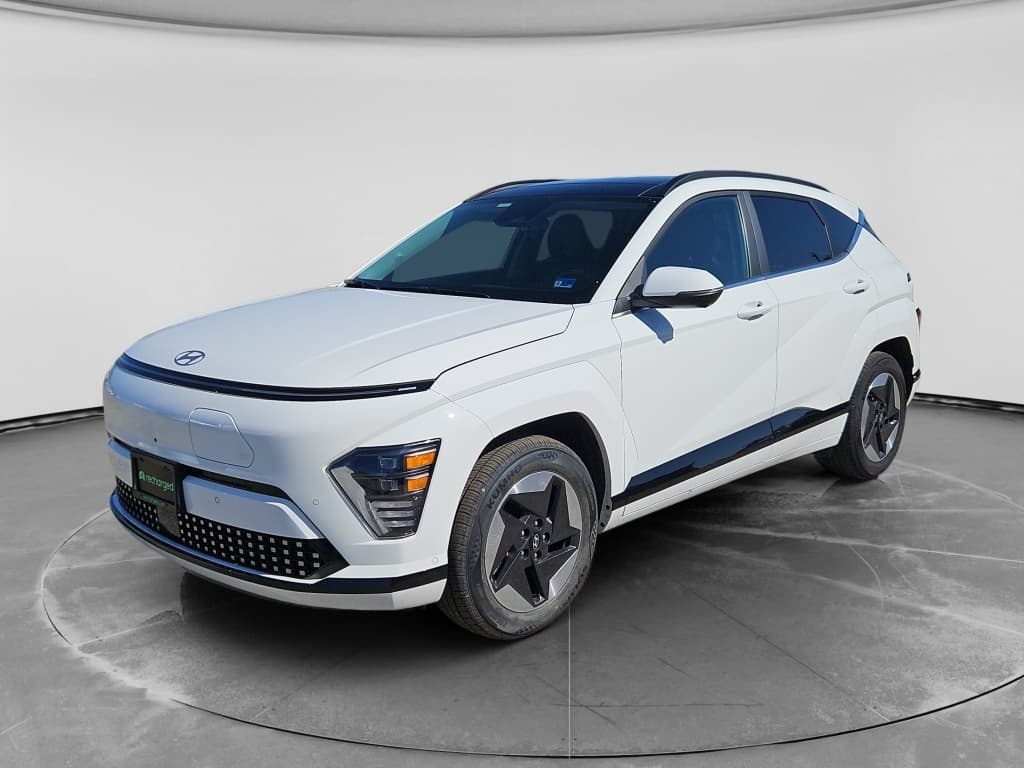
Consider a More Supported Used EV Instead
2024 Fisker Ocean Problems: FAQ
Frequently Asked Questions About 2024 Fisker Ocean Problems
Bottom Line: Who the Fisker Ocean Still Makes Sense For
The 2024 Fisker Ocean is a case study in how quickly a promising EV can become a high‑risk ownership bet. On paper, it checks many boxes: range, styling, sustainability story. On the road, and in the service bay, it’s defined by unfinished software, serious safety-adjacent problems, and the collapse of the company that built it.
If you’re a technically inclined enthusiast with access to good tools, strong owner communities, and a backup vehicle, the Ocean can be an interesting project at the right price. For everyone else, especially first‑time EV buyers or single‑car households, it’s hard to justify the risk when there are so many well‑supported used EVs on the market.
Whichever path you choose, approach orphaned EVs with the same rigor an institutional investor would bring to a distressed asset: demand clear data, understand the downside, and don’t assume the future will look like the glossy launch brochure. And if you’d rather enjoy the upsides of EV ownership without becoming your own service department, platforms like Recharged exist precisely to match you with used EVs whose long‑term stories are a lot less complicated than the Fisker Ocean’s.