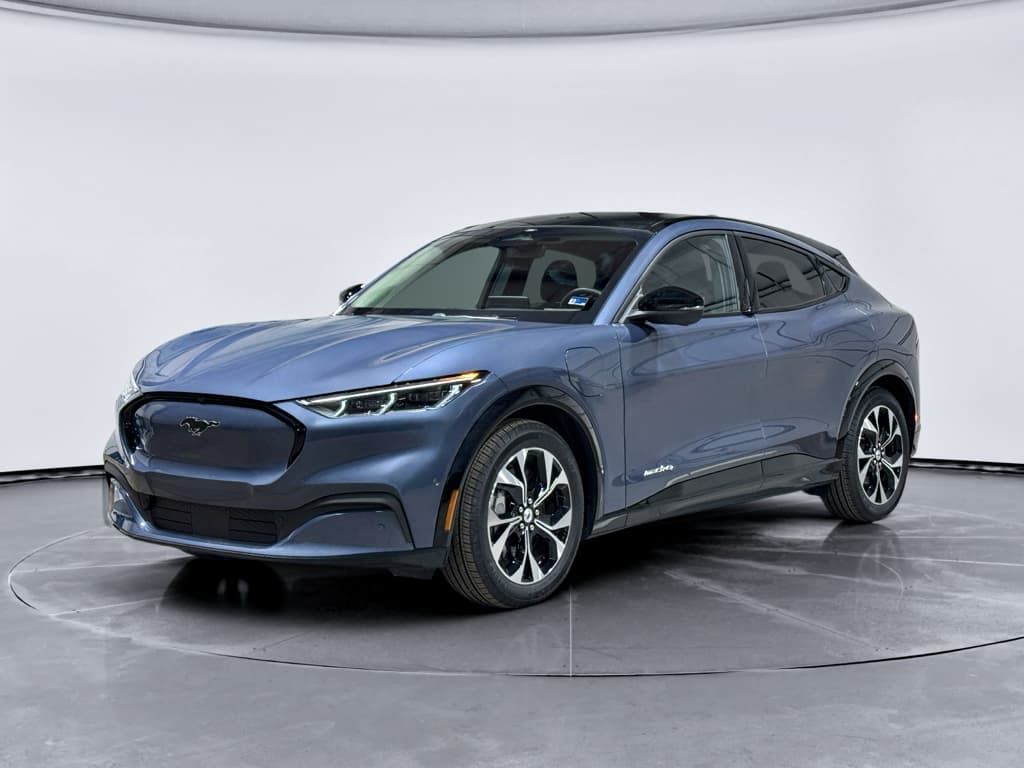
If you own a Ford Mustang Mach-E, or you’re shopping for a used one, learning how to maximize battery life is one of the smartest things you can do. The high-voltage battery is the most valuable component in the car, and the way you charge, drive, and store your Mach-E today will shape its range and resale value years from now.
Good news for Mach-E drivers
Why Mach-E battery care matters (especially for used buyers)
Unlike an engine in a gas car, your Mach-E’s battery will gradually lose some usable capacity over time. That’s normal. But there’s a real difference between a pack that’s been fast‑charged to 100% every day and one that’s been treated with care. Better habits typically show up as more range, faster DC charging, and higher resale value, all things you’ll care about whether you keep the car or trade it in later.
Battery health: what most Mach-E owners can expect
For shoppers, this is exactly why tools like the Recharged Score battery health diagnostics matter on a used Mach-E. They give you an objective look at pack condition instead of guessing based on a dash‑displayed range number.
How the Ford Mustang Mach-E battery actually works
Mach-E battery packs in plain English
The Mach-E uses a large lithium-ion battery pack mounted under the floor. Depending on trim, you’ll see Standard Range (SR) and Extended Range (ER) packs, each with different usable capacities and EPA-rated ranges.
- The pack is made of modules and cells wired together.
- A Battery Management System (BMS) acts as the brain, monitoring temperature, voltage, and state of charge (SoC).
- Ford reserves some capacity at the top and bottom of the pack as a buffer so 0% and 100% on the screen aren’t the true physical extremes.
What actually wears the battery
Over years of use, these factors have the biggest impact on degradation:
- Spending lots of time at very high SoC (near 100%).
- Frequent or back‑to‑back DC fast charging at high power.
- Excessive heat, especially when combined with high SoC.
- Sitting parked for weeks at a very low or very high charge.
You can’t change the chemistry, but you can change the way you use it, and that’s what this guide focuses on.
Think in ranges, not perfection
Daily charging habits that maximize Mach-E battery life
Daily charging is where most Mach-E owners either quietly help or quietly hurt their battery. The car’s software does a lot for you, but a few simple habits go a long way.
Four daily charging rules for a healthier Mach-E battery
These are the low-effort habits that make the biggest difference over years of ownership.
1. Use a custom charge limit
Set your Mach-E’s daily charge target to about 70–80% instead of 100% when you don’t need maximum range.
- Use the in‑car screen or FordPass app to adjust the limit.
- Reserve 100% charges for road trips or unusual days.
2. Charge more often, but not all the way
For most commutes, topping up from, say, 30% to 70% is easier on the battery than running down to nearly empty and then charging to 100%.
Think of it like smaller sips of energy instead of empty‑to‑full swings.
3. Finish charging just before departure
If your utility offers cheaper off‑peak rates, schedule charging so it finishes close to the time you leave.
That keeps the battery from sitting for hours at a high state of charge, especially on hot days.
4. Prefer Level 2 at home
Whenever possible, use a Level 2 (240V) home charger instead of relying on DC fast charging for routine use.
It’s gentler on the pack, often cheaper per kWh, and easier to schedule around your routine.
Don’t panic about occasional 100% charges
Smart DC fast-charging strategy for your Mach-E
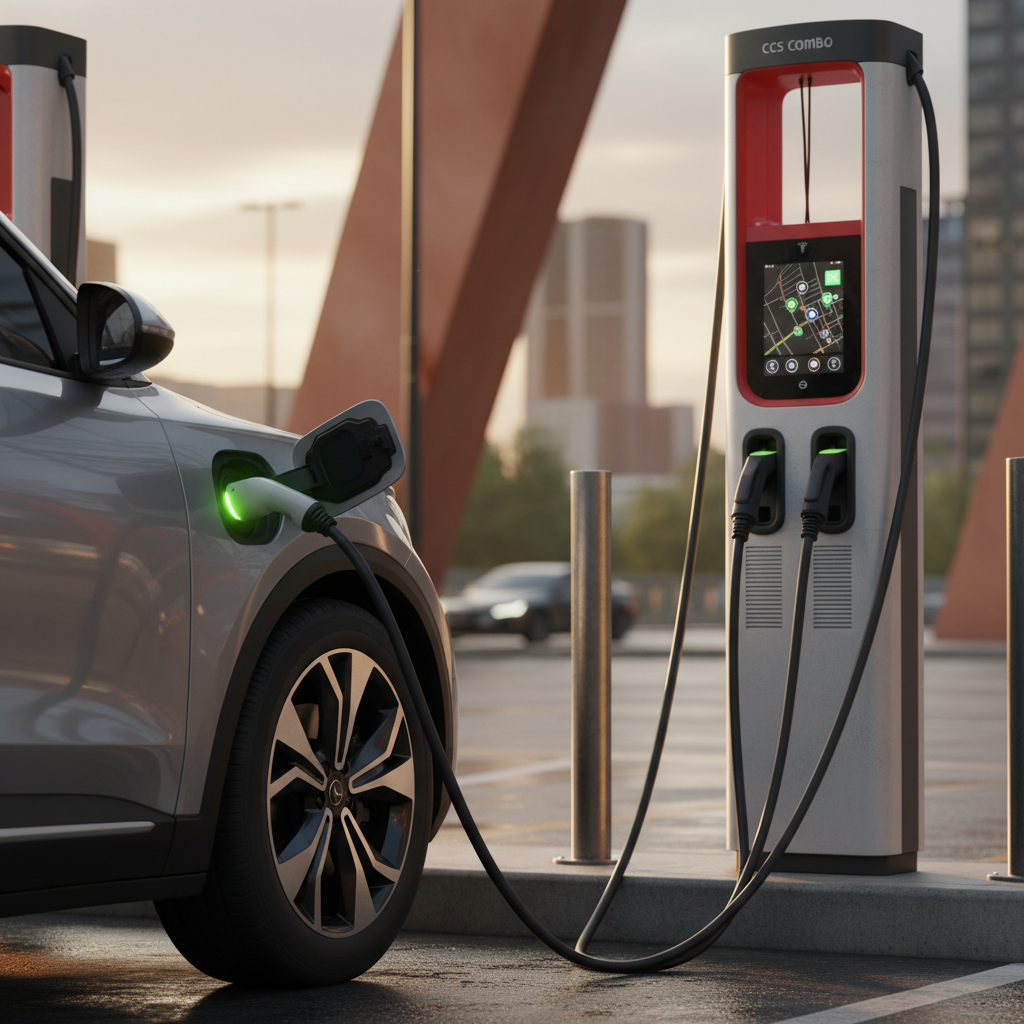
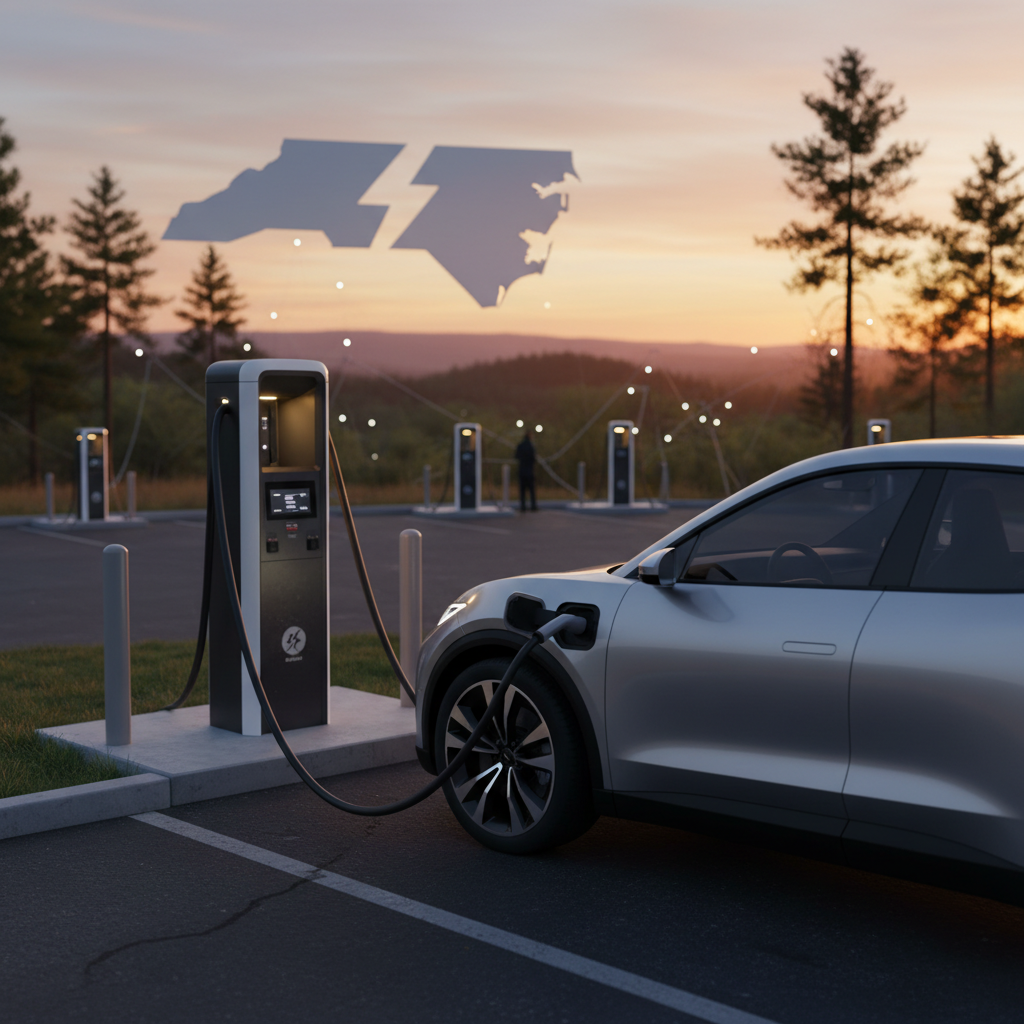
DC fast charging is one of the Mach-E’s superpowers, but it’s also one of the main ways owners unintentionally stress the battery. Used wisely, it’s a convenience feature, not a daily habit.
How to fast-charge your Mach-E without abusing the battery
Use DC fast charge as a road-trip tool
Rely on DC fast charging mainly when you’re traveling or when you truly need a quick top‑up, not as your everyday fuel source.
Arrive with a lower state of charge
The Mach-E will charge faster and more efficiently if you arrive at the fast charger around <strong>10–30%</strong> SoC instead of 60–70%.
Plan to unplug around 70–80%
Above roughly 80%, charging power naturally tapers to protect the battery. You spend more time for fewer miles and gain little benefit in daily use.
Avoid back-to-back fast-charge sessions
If you need multiple fast charges in a day, give the car some time at highway speeds between stops so the pack can cool and stabilize.
Watch for preconditioning features
If your Mach-E supports battery preconditioning for DC fast charging on certain routes, use it, it helps the pack charge efficiently by bringing it to an optimal temperature.
Skip DC fast charging on very hot days if you can
Extreme heat plus high charge rates is harder on the pack. If it’s 100°F and you don’t truly need a fast charge, Level 2 is the kinder option.
Red flag habit to avoid
Driving habits that protect range and battery health
How you drive won’t make or break your battery chemistry the way charging does, but it does affect heat, efficiency, and how often you need to fast‑charge. Gentle, consistent driving is good for both your pack and your wallet.
Mach-E driving habits that help your battery, and your range
You bought a Mustang; you don’t have to drive like a saint. But these tweaks pay off.
Smooth acceleration
Hard launches generate more heat and drain the pack faster. Enjoy the torque, but save full‑throttle runs for special moments, not every stoplight.
Manage highway speed
Above about 65–70 mph, aerodynamic drag climbs steeply. Even a small speed reduction can save a surprising amount of range.
Use drive modes wisely
Try more efficient drive modes when you’re not in a hurry. Ford’s settings can soften throttle response and optimize energy use.
Plan routes with gentle grades
When you have a choice, routes with fewer steep climbs help reduce energy use and heat buildup, especially on hot days.
Take advantage of regen
One‑pedal driving and strong regenerative braking recapture energy that would otherwise become heat in the friction brakes.
Precondition cabin while plugged in
In extreme temperatures, preheat or precool the cabin while the Mach-E is still charging. That reduces the energy load on the battery once you unplug.
Temperature, weather, and your Mach-E battery
Lithium‑ion batteries are like people, they prefer moderate temperatures. Both intense heat and deep cold affect range in the short term and can influence long‑term health if they’re frequent and combined with extreme states of charge.
Hot weather habits
- Park in the shade or a garage when possible to keep pack temperatures down.
- Avoid leaving the car at high SoC in brutal heat (for example, 95–100°F plus). If you’ll be parked for days, aim for 50–60% instead of 90–100%.
- Let the car’s thermal management do its job, don’t worry if you hear fans running after you park; that’s normal.
Cold weather habits
- Expect temporary range loss in winter; that’s mostly from battery chemistry and cabin heating, not permanent degradation.
- Precondition the cabin while plugged in so you’re using grid power instead of battery power to get warm.
- If you can, keep the Mach-E plugged in overnight in very cold climates, this lets the car manage pack temperature more effectively.
Cold ≠ permanent damage (most of the time)
Long-term storage: when your Mach-E sits for weeks
Maybe you’re going on an extended trip without the car, or you split time between homes. Letting the Mach-E sit is fine, but it pays to set it up properly first.
Checklist: Storing your Mach-E for weeks or months
Leave the car around 40–60% SoC
Before storage, charge or discharge the battery to a moderate state of charge. Avoid parking it long‑term at 5% or 95%.
If possible, leave it plugged into Level 2
A connected car can use shore power to manage pack temperature and offset minor vampire drain instead of relying solely on the battery.
Turn off unnecessary accessories
Disable always‑on accessories or aftermarket devices that might drain the 12‑volt system while the car sits.
Avoid extreme storage conditions
Choose a covered or indoor space when you can. Long stints in blazing heat or deep cold are harder on all components, battery included.
Check in periodically via app
If you’re away, use FordPass, or similar, to glance at the state of charge every week or two and confirm nothing unusual is happening.
Drive it a bit when you return
After long storage, take a normal drive and a moderate charge cycle so the BMS can re‑calibrate its estimates.
How to monitor battery health on a Mach-E
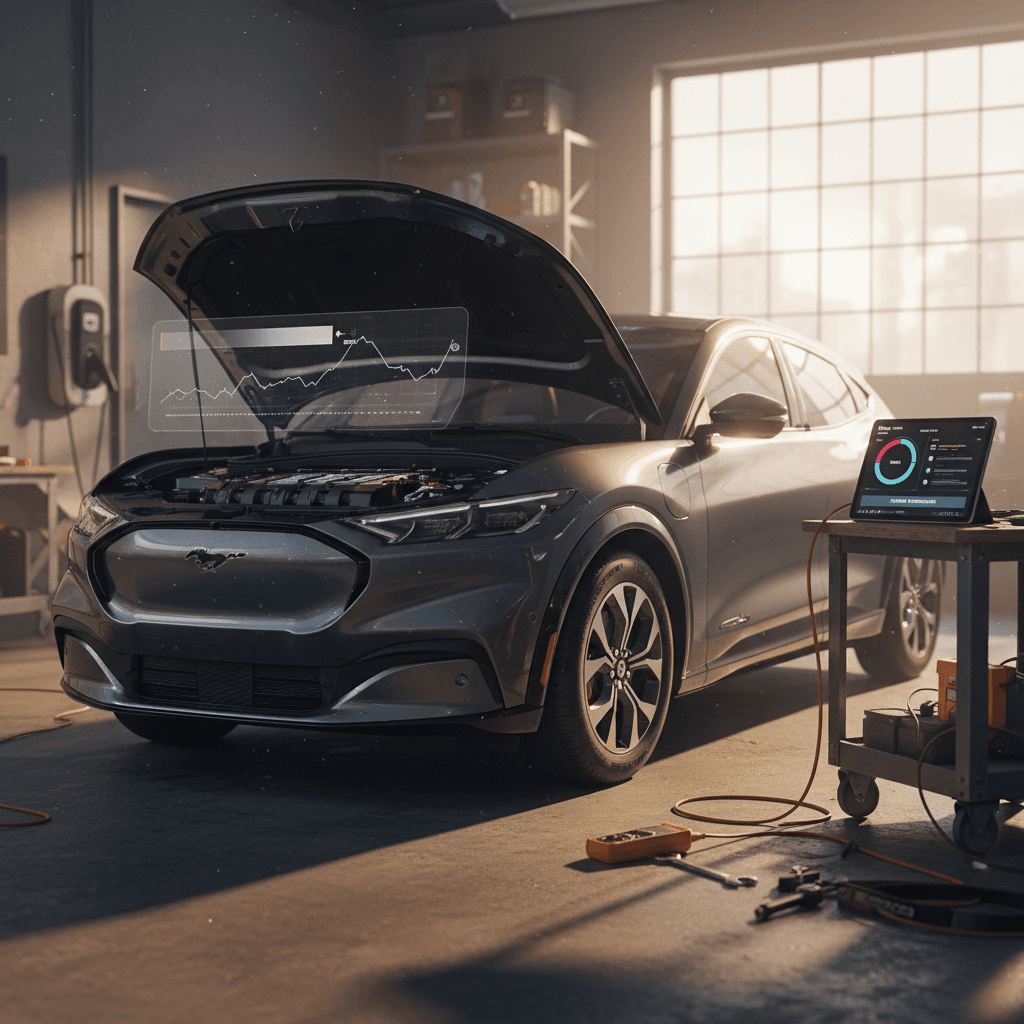
You can’t see raw battery degradation numbers on the dashboard, but there are several ways to keep tabs on how your Mach-E’s pack is aging.
- Watch real‑world range over time. Compare what you actually get on a familiar commute or highway trip at similar speeds and temperatures year over year.
- Compare to EPA range only as a rough guide. EPA numbers assume specific test cycles; your daily driving conditions may be very different.
- Use third‑party tools carefully. Some OBD‑based apps attempt to estimate state of health (SoH), but results can vary. Treat them as directional signals, not gospel.
- Look for warning messages or charging changes. Unusual warnings, sudden loss of range, or dramatically slower DC fast‑charging can be signs that merit dealer attention.
How Recharged evaluates Mach-E batteries
Ready to find your next EV?
Browse Vehicles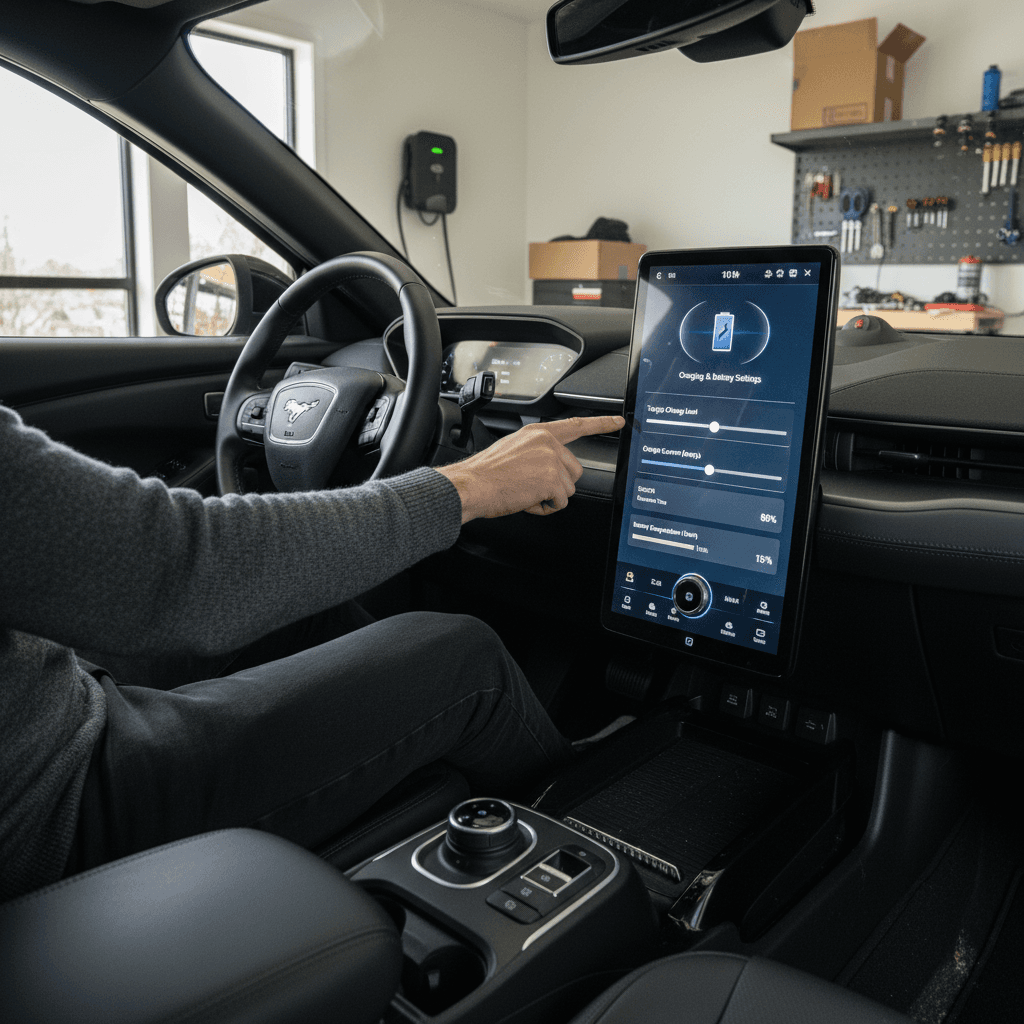
Extra steps for maximizing battery life on a used Mach-E
If you’re shopping for, or already own, a used Mach-E, you inherit someone else’s habits. You can’t rewrite the past, but you can stack the deck in your favor going forward.
Used Mach-E battery: what to check and what to do
Use this as a quick reference whenever you’re evaluating a pre-owned Mach-E.
| Area | What to look for | What to do next |
|---|---|---|
| Displayed range vs. trim | Is the indicated full‑charge range way below what similar Mach-E trims report online in similar conditions? | Test drive and observe real‑world range; consider a professional EV battery assessment. |
| Charging behavior | Does it refuse to fast‑charge at normal speeds or taper extremely early? | Ask for service records and have a Ford dealer or EV‑knowledgeable shop investigate. |
| Software & recalls | Are all software updates and recall campaigns completed? | Bring the car current, updates can improve thermal management and charging logic. |
| Previous use pattern | Was it a high‑mileage commuter, rideshare, or fleet vehicle? | High miles aren’t bad by themselves; focus on how it charges today and how it fits your needs. |
| Independent battery report | Is there objective documentation of pack health? | If buying through Recharged, review the Recharged Score Report before you commit. |
Combine these checks with a professional inspection or a Recharged Score Report for the clearest picture of battery health.
FAQ: Ford Mustang Mach-E battery life & degradation
Common questions about maximizing Mach-E battery life
Key takeaways for a healthier Mach-E battery
- Treat 20–80% as your normal operating window, with 100% reserved for trips and special situations.
- Use Level 2 home charging with sensible charge limits instead of leaning on DC fast charging for everyday use.
- Keep an eye on heat and time at high SoC, especially in hot climates or during summer road trips.
- Drive smoothly, manage highway speeds, and use preconditioning to reduce unnecessary energy use and pack stress.
- For used Mach-E shoppers, combine real‑world range checks with objective battery‑health data, such as a Recharged Score Report, to understand the pack you’re buying.
You don’t need to turn battery care into a second job to get good life out of your Ford Mustang Mach-E. A handful of thoughtful habits, how high you charge, how often you fast‑charge, and how you treat the car in extreme temperatures, will quietly protect your range and your resale value year after year. And if you’re considering a used Mach-E, working with a seller that provides transparent battery‑health data, like Recharged, makes it much easier to find a car that will stay strong for the long haul.