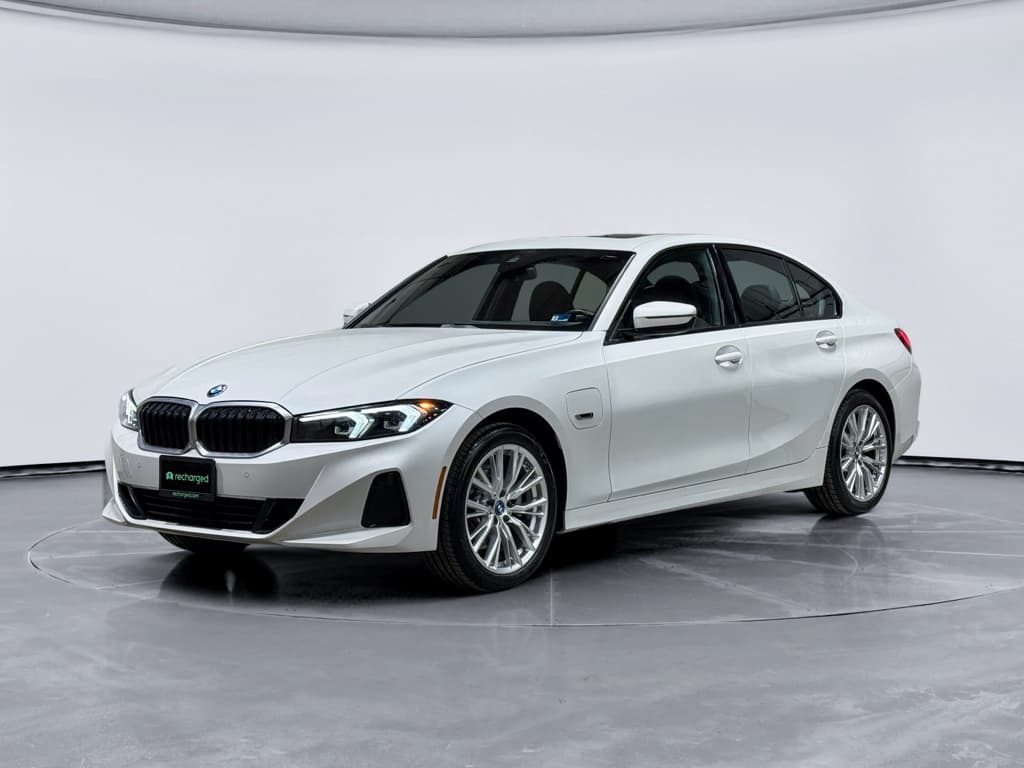
If you’re eyeing a 2024 BMW i4, especially on the used market, it’s smart to ask about **2024 BMW i4 problems** before you fall for the spec sheet. The i4 delivers classic BMW feel with electric torque, but like most early EVs it’s had its share of recalls, software glitches, and real‑world quirks that don’t show up in the brochure.
Quick take
Overview: How Serious Are 2024 BMW i4 Problems?
Let’s set the stage. The BMW i4 launched for the 2022 model year, so by the time you get to a **2024 i4**, BMW has two years of real‑world feedback baked in. That doesn’t erase problems, but it does mean many early bugs have been chased out with updated hardware and, especially, software.
2024 BMW i4 Problem Snapshot
Where the i4 shines, and where it stumbles
Battery & high-voltage system
Biggest fear for most buyers. There have been recalls on i4 battery electronics and a tiny number of battery modules, but widespread pack failures are rare. Most issues are caught and fixed via warranty campaigns.
Software & electronics
Over‑the‑air updates have introduced and fixed bugs: infotainment lag, weird charging behavior, and in rare cases motor control software that can trigger a loss of drive power, covered by recalls.
Everyday drivability
Owners praise acceleration and refinement. Complaints center on winter range drops, charging network frustrations, some wind/road noise, and firm ride quality on M Sport setups.
Model years matter
Recalls and High-Voltage Battery Issues
The phrase “battery recall” will make any EV shopper’s palms sweat, and the i4 has had a few high‑voltage‑system campaigns. It’s important to separate **what’s software, what’s hardware**, and how likely your specific 2024 car is to be affected.
Battery-Related Recall Context for BMW i4
From a shopper’s standpoint, these numbers matter. Instead of a mass battery replacement program, BMW’s i4 recalls have mostly focused on **software misdiagnosing conditions** inside the high‑voltage system or on a very small number of battery modules built outside spec. A properly updated 2024 i4 should have these issues corrected.
VIN check is your friend
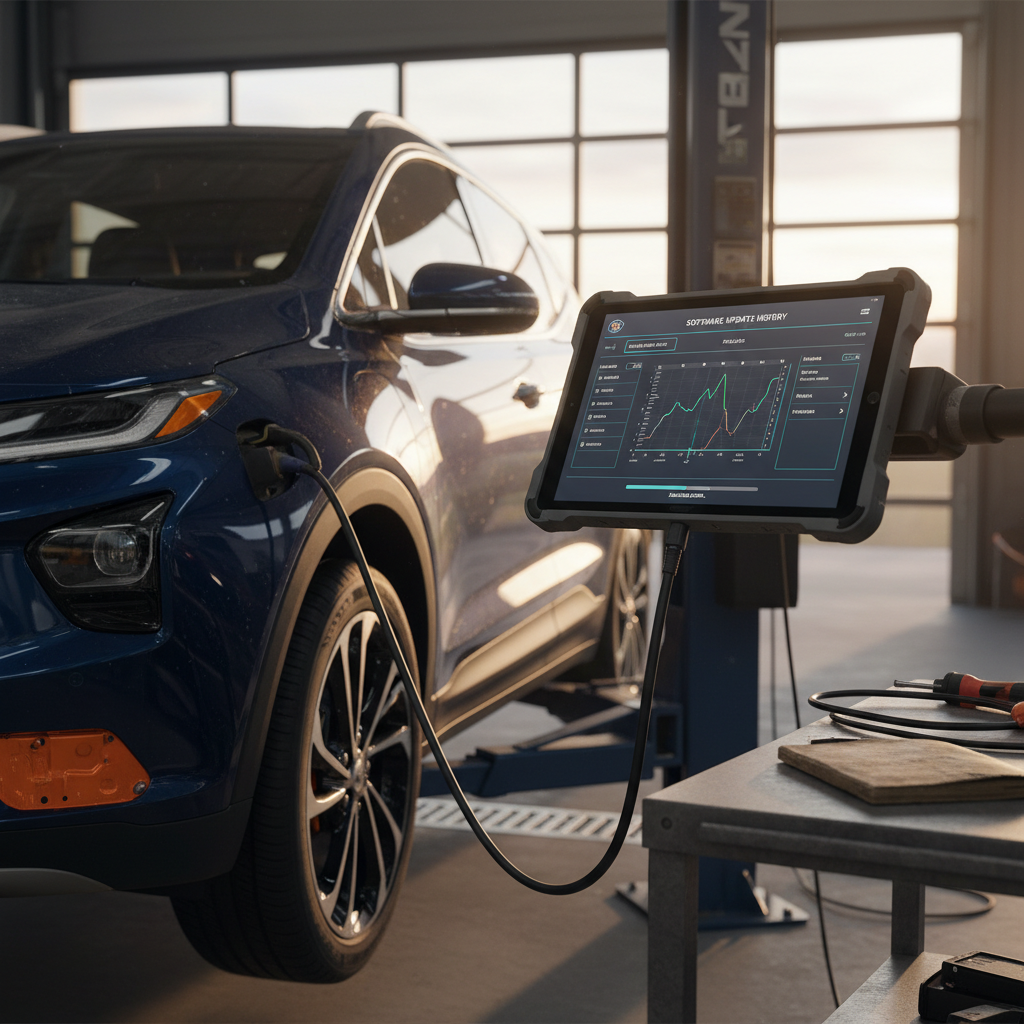
Software Bugs and Sudden Loss of Power
Modern BMWs are rolling computers, and the i4 is no exception. Owners of 2022–2024 cars have reported glitches that range from mildly annoying to confidence‑shaking.
- Infotainment reboots or freezes, especially right after startup or after an over‑the‑air update.
- Random driver‑assist warnings or temporarily disabled features after updates until the car “relearns” conditions.
- In rare cases, the high‑voltage system shutting down because software incorrectly thinks there’s an isolation fault, leading to a loss of drive power and a warning on the dash, this is the behavior covered by BMW’s motor‑control software recall.
Loss of power: scary but rare
What owners describe
On i4 forums you’ll see posts from owners whose cars spent a day or two at the dealer after an update broke something, often related to charging behavior or new features like Plug & Charge. BMW usually responds with a follow‑up software patch, but there can be a lag between problem and fix.
What you can do
- Ask for a printout of the vehicle’s software level during a pre‑purchase inspection.
- Plan on one dealer visit early in ownership to clear any outstanding campaigns.
- If you buy from a platform like Recharged, confirm that all recalls are completed before delivery.
Charging Problems: Home and Public Stations
Charging is where BMW i4 owners either shrug and say “no big deal” or write multi‑paragraph rants online. The car’s hardware is fundamentally solid, but the combination of BMW software and inconsistent public charging networks can create headaches.
Common BMW i4 Charging Complaints
Most are fixable with settings changes or updates
Home charging quirks
Some owners report the i4 mysteriously switching from “charge immediately” to delayed charging windows, pausing sessions until they dig into menus or the MyBMW app. Often the culprit is a misconfigured location‑based charging profile, or a buggy software release that later gets patched.
Level 1 adapter issues
A few i4 drivers have complained that BMW’s included Level 1 cord stopped working correctly after a software update, even though third‑party chargers still worked. Dealer visits and subsequent updates typically resolve it, but it’s an example of BMW’s ecosystem not always playing nicely with itself.
Public DC fast charging
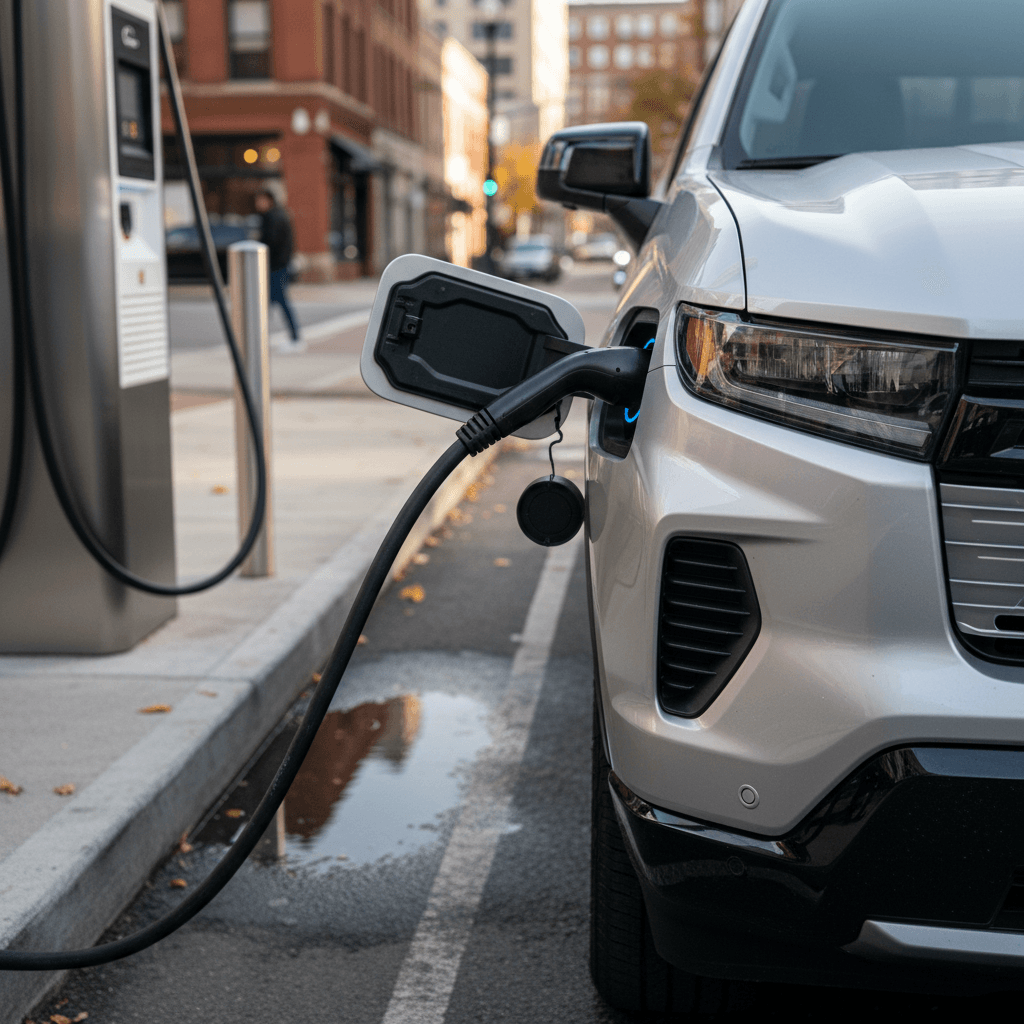
The i4 fast‑charges well when the station behaves, but owners do see the usual non‑Tesla EV headaches: failed handshakes, stalls that deliver less power than advertised, and Plug & Charge activation that can take multiple dealer visits to sort out.
Simple charging sanity checks
Real-World Range and Winter Performance
On paper, the 2024 BMW i4 posts competitive range numbers. In the real world, especially in cold climates, owners frequently see **20–30% less range** than the window sticker suggests during winter driving, which is broadly in line with other EVs but still catches first‑time owners off guard.
- Short trips in cold weather hurt the most, because the car has to repeatedly warm up the battery and cabin.
- High‑speed interstate driving (75 mph+), roof racks, and winter tires all chip away at range.
- Preconditioning and using seat heaters instead of blasting cabin heat help, but they don’t erase the physics.
Is the i4 worse than other EVs in winter?
Build Quality, Noise, and Ride Complaints
BMW knows how to bolt together a car, and the i4 feels solid overall. Still, electric powertrains are quiet enough that small flaws stand out in ways they never did in a gasoline 3‑Series.
Typical Non-Drivetrain Complaints on BMW i4
These issues don’t strand you, but they can affect perceived quality.
| Issue | Where It Shows Up | What It Feels Like | How Serious It Is |
|---|---|---|---|
| Wind noise at highway speeds | Front door glass, mirrors | Whooshing or whistling around 70+ mph | Annoying, but usually fixable with seal or mirror tweaks |
| Road noise on rough pavement | M Sport suspension, large wheels | Tire roar and sharp impacts over expansion joints | Comfort issue, particularly on long trips |
| Interior rattles | Door cards, rear hatch, seatbacks | Buzzing over sharp bumps or at certain speeds | Chase‑the‑rattle warranty visits; not safety‑critical |
| Panel alignment nitpicks | Trunk, charge port, door gaps | Uneven gaps visible on close inspection | Mostly cosmetic unless seals are compromised |
Not every 2024 i4 will show these problems, but they’re worth listening and looking for on a test drive.
What a good i4 feels like
Ownership Costs and Depreciation
The other “problem” with the BMW i4, if you’re the first owner, is depreciation. Luxury EVs in general, and the i4 in particular, have dropped quickly in value as newer models arrive and incentives change. One analysis pegged i4 five‑year depreciation at roughly **49%**, which is steep but also makes the car very attractive as a used buy.
Where you save
- Electricity is usually cheaper per mile than premium gas, especially if you can charge overnight at home.
- Fewer moving parts than a gas BMW means no oil changes, timing chains, or exhaust systems to maintain.
- BMW’s battery warranty (typically 8 years/100,000 miles for most EVs) covers significant degradation and manufacturing defects.
Where you spend
- Tires: instant torque and heavy curb weight chew through performance rubber faster than a 330i.
- Out‑of‑warranty repairs on advanced driver‑assist systems and infotainment can be pricey.
- Fast‑charging on road trips can cost more per mile than you’d think, depending on rates.
What to Check on a Used 2022–2024 BMW i4
Shopping a used i4 is where all this research pays off. The core car is good, great, even, if you take the time to separate a well‑cared‑for example from one that’s been a beta tester for every software glitch known to Munich.
Used BMW i4 Problem Checklist
1. Confirm recall and software status
Ask the seller for a service history printout. You want to see completed high‑voltage and motor‑control software recalls, plus recent campaign codes. If anything’s open, get written confirmation it will be done before you take delivery.
2. Test home and DC fast charging
If possible, plug the i4 into a Level 2 home charger and at least one public DC fast charger. Watch for unexplained pauses, error messages, or failure to initiate a session even though other EVs can charge there.
3. Listen for noise and rattles
On your test drive, take the car onto both smooth and rough pavement and up to highway speeds. Listen for whistles (seals), buzzes (interior trim), or knocks (suspension). Minor noises can be fixed, but a chorus of them hints at a hard life.
4. Check range against expectations
Reset a trip meter, drive 20–30 miles at your normal mix of speeds, and compare the battery percentage drop to the distance traveled. You’re looking for realistic range for your climate, not the brochure number.
5. Inspect tires and wheels
Uneven tire wear or bent wheels can indicate alignment issues or curb impacts, both of which can introduce vibrations and future suspension problems.
6. Scan for warning lights and messages
Before and after the test drive, check for any persistent warnings in the instrument cluster or iDrive menus. A clean dashboard doesn’t always mean no stored codes, but visible alerts are your cue to dig deeper.
Leaning on an expert helps
How Recharged Evaluates BMW i4 Battery Health
Because so many prospective buyers worry about **BMW i4 battery problems**, Recharged bakes battery and charging checks into every listing. Instead of just telling you the car “feels fine,” we quantify how its pack is aging and how it behaves on real chargers.
Inside the Recharged Score for a BMW i4
Turning vague EV fears into clear data
Verified battery health
We use diagnostic tools and on‑road testing to estimate usable capacity compared with when the i4 was new. You see a clear battery‑health percentage in the Recharged Score Report, not guesses or seller assurances.
Charging behavior
Each i4 is tested on Level 2 charging to confirm it starts, holds, and ends a session normally. Where possible, we also verify DC fast‑charging behavior and note any anomalies in the report.
Transparency on history
Service records, recall completion, and any disclosed repairs related to the high‑voltage system are summarized in plain language so you understand what’s been done and what to watch.
Ready to find your next EV?
Browse VehiclesWhy this matters on a used i4
FAQ: 2024 BMW i4 Problems & Reliability
Your 2024 BMW i4 Questions, Answered
Bottom Line: Should You Worry About 2024 BMW i4 Problems?
Every EV has a personality, and the 2024 BMW i4’s personality is classic BMW: rewarding to drive, dense with tech, and occasionally exasperating when that tech misbehaves. The headline problems you’ll read about, high‑voltage software recalls, a tiny battery‑module campaign, charging glitches, are real, but they’re also manageable when you know what to look for.
If you’re willing to keep software up to date, confirm recall work, and spend a thoughtful test drive listening for rattles and watching how the car charges, a well‑sorted 2024 i4 can be a stellar daily driver. And if you’d rather not play service‑advisor detective, shopping a car that’s already been through a Recharged Score inspection, with verified battery health and charging behavior, lets you enjoy the good parts of BMW’s electric sedan without losing sleep over the scary forum threads.