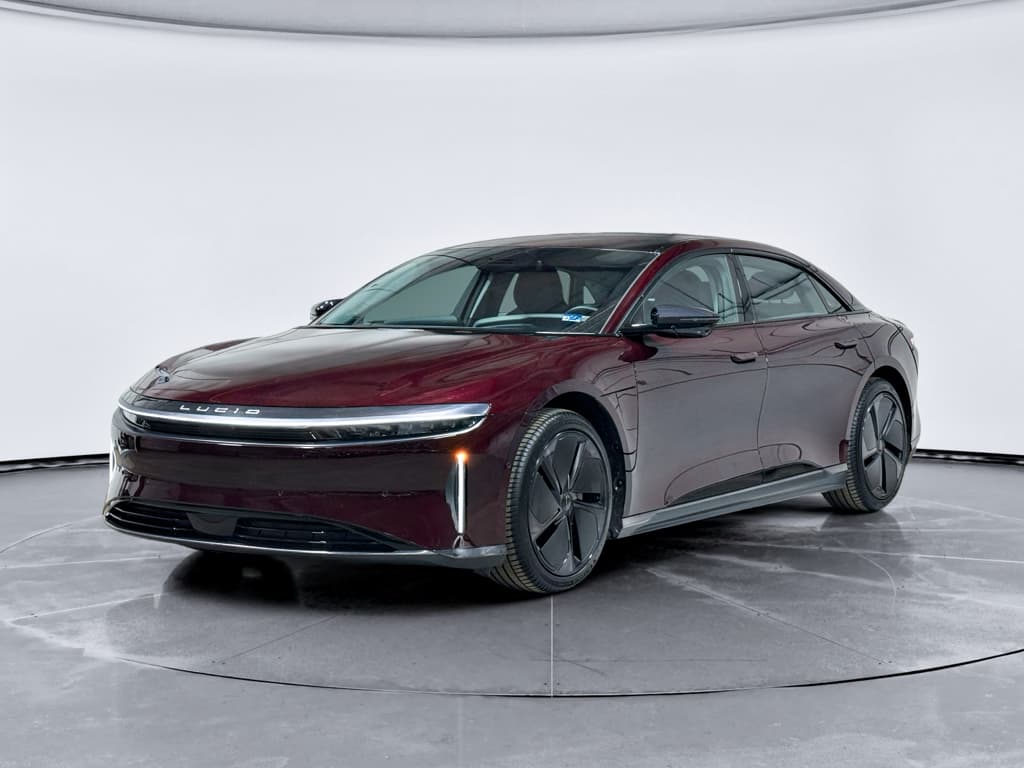
If you’re looking at a Lucid Air in 2025, you’re probably noticing something unusual: this six-figure luxury EV can sometimes be found used for well under its original MSRP. Lucid’s price cuts, low brand awareness, and fast-evolving EV incentives have all combined to make Lucid Air resale value one of the most interesting, and volatile, stories in the used EV market.
Why Lucid Air resale is so unusual
Lucid Air resale value in 2025: the short version
Lucid in the market, by the numbers
Put simply, Lucid Air resale value in 2025 is soft compared with its original sticker prices, but that’s not the whole story. Early cars that sold new for around $150,000 have shown steep dollar depreciation. But 2025-model Airs are launching with much lower MSRPs than 2021–2022 cars, which should stabilize future resale. For informed used buyers, that means there are some compelling values, if you’re careful about battery health, warranty coverage, and Lucid’s long‑term outlook.
Big picture for 2025 shoppers
How the Lucid Air used market got here
To understand Lucid Air resale value in 2025, you need to know how quickly the ground has been shifting under this car. Lucid started delivering Airs in late 2021 as an ultra‑premium luxury sedan, often optioned well north of $150,000. Volumes were tiny in 2022 and 2023, which kept used supply low but also meant there wasn’t much data for buyers, lenders, or pricing guides to work from.
- In 2023, Lucid delivered about 6,001 vehicles worldwide, mostly Air sedans, after building 8,428 units.
- In 2024, deliveries jumped to around 10,241 vehicles as Lucid cut prices and ramped production, including the first Gravity SUVs.
- Lucid’s own 2024 results show production guidance of about 9,000 vehicles and a plan to target roughly 20,000 units in 2025.
- At the same time, Tesla and other brands repeatedly cut prices, putting pressure on all luxury EV residual values.
The most important resale story is Lucid’s aggressive price reductions. The 2025 Lucid Air Pure now starts around the high-$60,000s, versus roughly $90,000 for similar trims just a couple of years earlier. When a new car’s MSRP drops that far, used examples that were sold at the "old" price tend to fall hard to stay competitive.
Why price cuts hurt resale
Current Lucid Air resale patterns by trim
1. Early Dream Edition & Grand Touring
These are the launch-spec halo cars with huge power and range, often optioned well into six figures. On paper they should age like AMG or M cars, but reality is more complicated.
- Steep dollar depreciation: Massive original MSRPs mean big absolute drops, even if percentage loss is similar to other luxury flagships.
- Limited buyer pool: Not many shoppers want a 1,000+ hp sedan with track‑car performance and very high insurance costs.
- Upside: If you value performance and range above all else, these can deliver a lot of car per dollar in 2025.
2. Touring & Pure (most common used buys)
From a value perspective, the Touring and Pure trims are the heart of the used Lucid Air market.
- Lower entry prices: They already launched below the halo trims and saw heavy incentives in 2023–2024.
- More normal spec: Still very fast, still long-range, but without the extreme performance or price tag.
- More resilient resale: Future buyers and lenders are more comfortable with mid-trims at realistic price points.
There’s still huge variation by color, options, and mileage, but the pattern is clear: the farther a given car’s original MSRP was from today’s pricing, the more it’s been punished on resale. Buyers should worry less about the launch price and more about how the car is priced relative to a new 2025 Air with similar equipment.
Where value is strongest
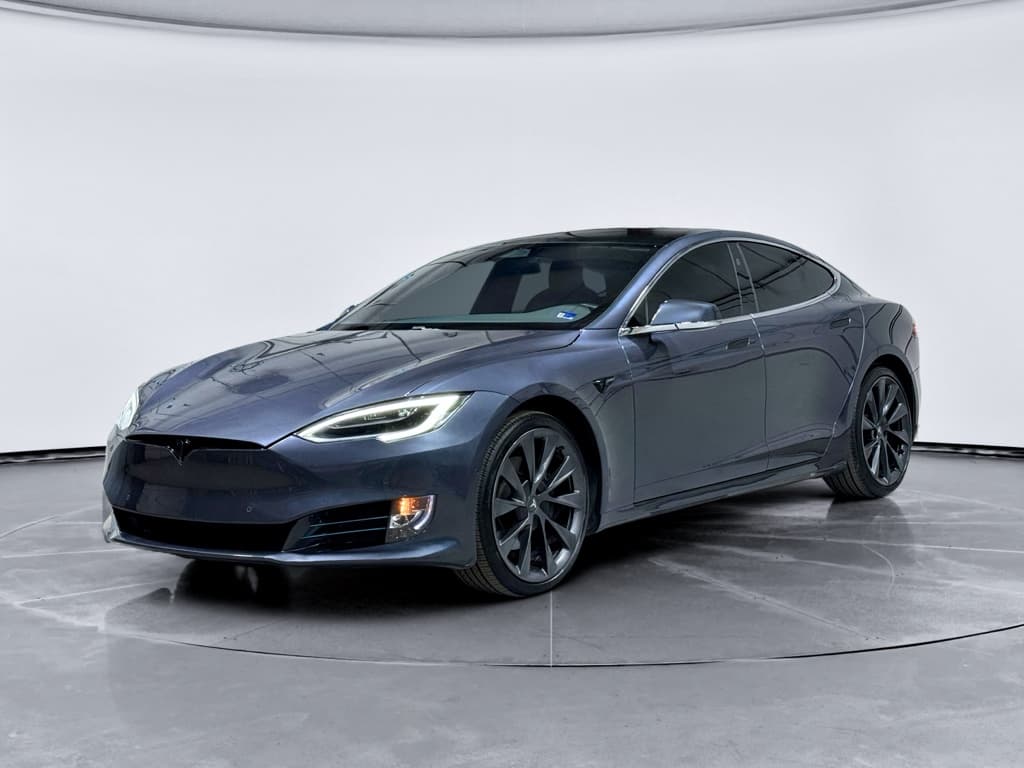
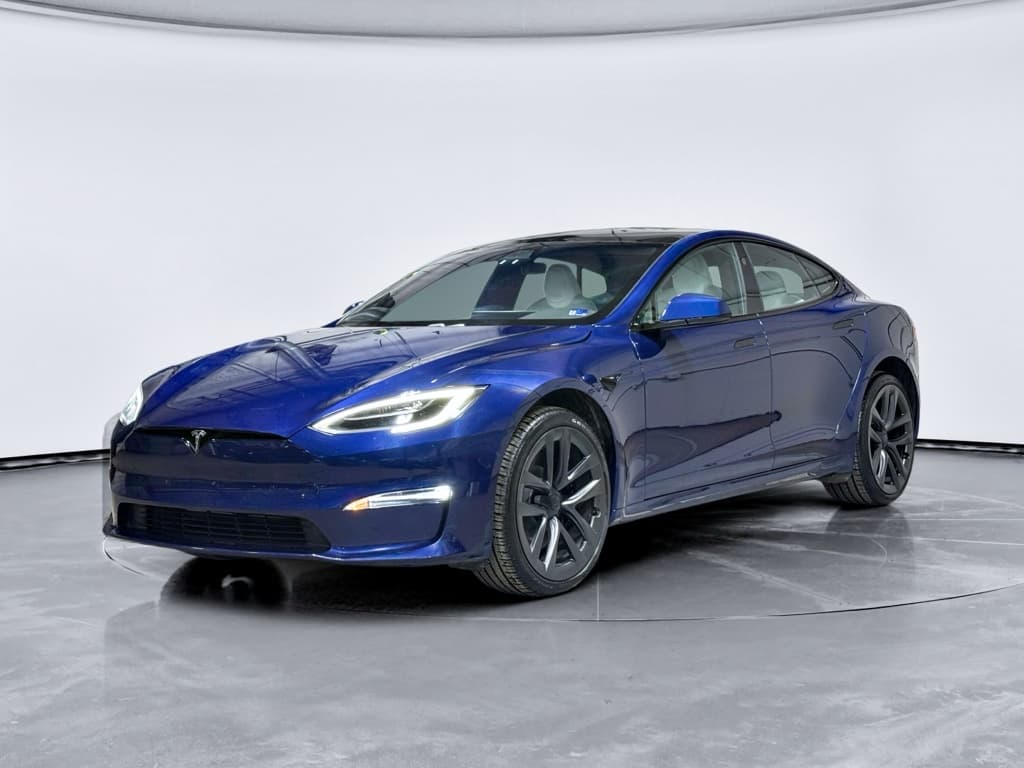
Lucid Air vs. Tesla Model S resale value
Lucid Air vs. Model S: used-market snapshot
How the two big luxury EV sedans stack up for 2025 shoppers
Brand maturity
Tesla: More than a decade of Model S sales, deep used market, banks know the car well.
Lucid: Small fleet, younger company, and evolving pricing mean more uncertainty and wider spreads between asking and transaction prices.
Resale curve
Tesla: After steep early drops, depreciation has become fairly predictable.
Lucid: Still in early "price discovery" phase; current values are discounted but could move more with company news.
Product strength
Lucid: Often leads on efficiency and real-world range at similar price points.
Tesla: Strong Supercharger access and brand familiarity support long‑term demand.
Right now, you’ll often find a used Lucid Air at a similar or even lower price than a comparable‑age Model S, despite Lucid’s advantages in range and ride quality. That’s almost entirely about brand and balance sheet risk, not the product itself. If Lucid were as established as Tesla, we’d expect Air resale to be significantly stronger.
How to think about the risk gap
What helps or hurts Lucid Air resale value
Key Lucid Air resale drivers in 2025
Factors that tend to move Lucid Air used values up or down.
| Factor | Helps Resale | Hurts Resale |
|---|---|---|
| Brand outlook | Clear path to higher production and stable funding; continued tech leadership. | Negative news about finances, leadership turnover, or lower‑than‑expected demand. |
| Price positioning | New-car pricing stabilizes and discounts normalize. | Further price cuts on new Air or heavy incentives on Gravity that undercut sedans. |
| Trim & options | Touring/Pure with popular colors and driver-assistance features. | Obscure color combos, unusual wheel/tire packages, or very high‑spec halos with tiny buyer pool. |
| Battery & range | Documented battery health, strong real-world range tests. | Unknown history, frequent DC fast charging without records, significantly reduced range. |
| Warranty status | Substantial factory warranty remaining, plus strong third‑party or retailer backing. | Out of warranty, unclear service access, no clear support if Lucid dealer network shrinks. |
| Charging ecosystem | Easy access to CCS and growing NACS support through adapters and network deals. | Local charging desert, or buyer needs DC fast charging that isn’t available nearby. |
Use this table as a quick gut-check when comparing specific cars.
The biggest swing factor: company risk
Battery health & range on a used Lucid Air
Lucid built its brand around efficiency and range, so battery health is central to Lucid Air resale value. A car that still delivers close to its original EPA‑rated range is worth considerably more than one that’s lost a meaningful chunk of capacity, even if odometer miles are similar.

Battery checks to do before you buy
1. Ask for a recent battery health report
Ideally you’ll see a quantified state-of-health (SoH) reading, not just a seller’s opinion. Every Lucid sold by Recharged includes a <strong>Recharged Score battery report</strong> so you can see remaining capacity up front.
2. Compare displayed range to original EPA rating
On a full charge at 100%, how does the car’s estimated range compare with its original EPA figure? A modest gap is normal; a large gap is a negotiation point, or a reason to walk.
3. Review charging history
Frequent high‑power DC fast charging isn’t a deal‑breaker, but a car that lived almost entirely on road trips may show more degradation than one mostly charged at home on Level 2.
4. Confirm firmware is up to date
Lucid, like Tesla, uses software updates to tweak range estimates, efficiency, and thermal management. Make sure the car is on current software so you’re seeing the most accurate picture possible.
5. Verify remaining battery warranty
Check the in‑service date and confirm how much of the high‑voltage battery warranty is left. A car with years of coverage remaining will always be easier to resell.
How Recharged helps
Tips for buying a used Lucid Air in 2025
Because Lucid Air resale value is still settling, your approach as a buyer matters more than usual. You’re not just choosing a car; you’re pricing in technology, incentives, and company‑level risk that could change over the next few years.
Smart buyer strategies for the Lucid Air
How to capture value without getting burned by volatility
Buy the right part of the curve
Focus on used cars that are already aligned with current new-car pricing. For example, a 2023–2024 Air Pure or Touring purchased after Lucid’s big price cuts will have less room to fall than a 2021 launch car bought at full early‑adopter price.
Prioritize warranty & support
Look for cars with substantial factory coverage left, plus a seller that can support you with financing, trade‑in, and service guidance. Buying through a specialist like Recharged means you also get a battery health report and help evaluating long‑term ownership costs.
Used Lucid Air buying checklist
1. Benchmark against new pricing
Before you fall in love with a specific car, compare its asking price with a similarly equipped new 2025 Air, including current incentives. If the gap is small, either negotiate hard or keep shopping.
2. Cross‑shop alternatives
Look at comparable Tesla Model S, Mercedes EQE/EQS, and BMW i5/i7 prices. If a Lucid Air is dramatically cheaper at similar age and mileage, that’s a sign you’re being compensated for higher perceived risk.
3. Inspect cosmetic and interior condition
Because the Lucid fleet is small, buyers tend to be picky. Scratches, curb rash, and wear in the cabin can hit resale harder than on mass‑market EVs. Use defects as leverage in negotiations or insist they be reconditioned before purchase.
4. Confirm charging compatibility
Make sure the car works seamlessly with the charging network you plan to use (CCS and, increasingly, NACS through adapters or future hardware changes). Ask the seller to demonstrate public charging before you sign.
5. Line up realistic financing
Some banks are still conservative on residual values for emerging brands. Working with a retailer that understands used EVs, like Recharged, can make it easier to secure fair, EV‑friendly financing terms.
Don’t overpay for early halo cars
Tips for selling or trading in your Lucid Air
If you already own a Lucid Air, 2025 may feel like a tough time to sell. The key is to accept that the market has moved, then control what you can: presentation, timing, and the sales channel you use.
Maximize how the car presents
- Detail inside and out: Luxury EV buyers are ruthless about cosmetic condition. Invest in paint correction and a thorough interior detail.
- Document everything: Keep service records, software notes, and charging logs handy. Buyers and dealers will pay more for a well‑documented car.
- Highlight software updates: Lucid’s over‑the‑air updates matter; mention range, driver‑assist, and interface improvements in your listing.
Choose the right selling path
- Instant offer or trade‑in: Good if you value speed and certainty, or if the market feels choppy.
- Consignment: Lets a specialist retailer market the car for you, usually achieving a better net than a pure wholesale offer.
- Private sale: Can bring the highest price but adds complexity, especially with an emerging brand like Lucid.
How Recharged can help sellers
Ready to find your next EV?
Browse VehiclesIs a used Lucid Air a good buy in 2025?
Whether a used Lucid Air in 2025 is a smart move depends on what kind of risk you’re comfortable with. From a pure product standpoint, range, performance, comfort, and design, the Air is one of the best EVs on the road. On price, early‑run depreciation and price cuts have made it unusually attainable on the used market.
- If you want the most proven choice with clearer resale and a huge fleet, a late‑model Tesla Model S still makes more conservative sense.
- If you’re willing to accept more company and resale risk in exchange for more car per dollar, a used Lucid Air can be a very compelling bet.
- If you care most about long‑term cost of ownership, focus on battery health, total warranty coverage, and a realistic exit price three to five years down the road.
The bottom line: Lucid Air resale value in 2025 is discounted, not doomed. The car is over‑delivering on engineering and under‑delivering on brand security, for now. If you treat that gap as an opportunity, buy with your eyes open, and lean on tools like the Recharged Score to quantify battery health and fair pricing, you can turn Lucid’s early‑market volatility into a long‑range advantage.