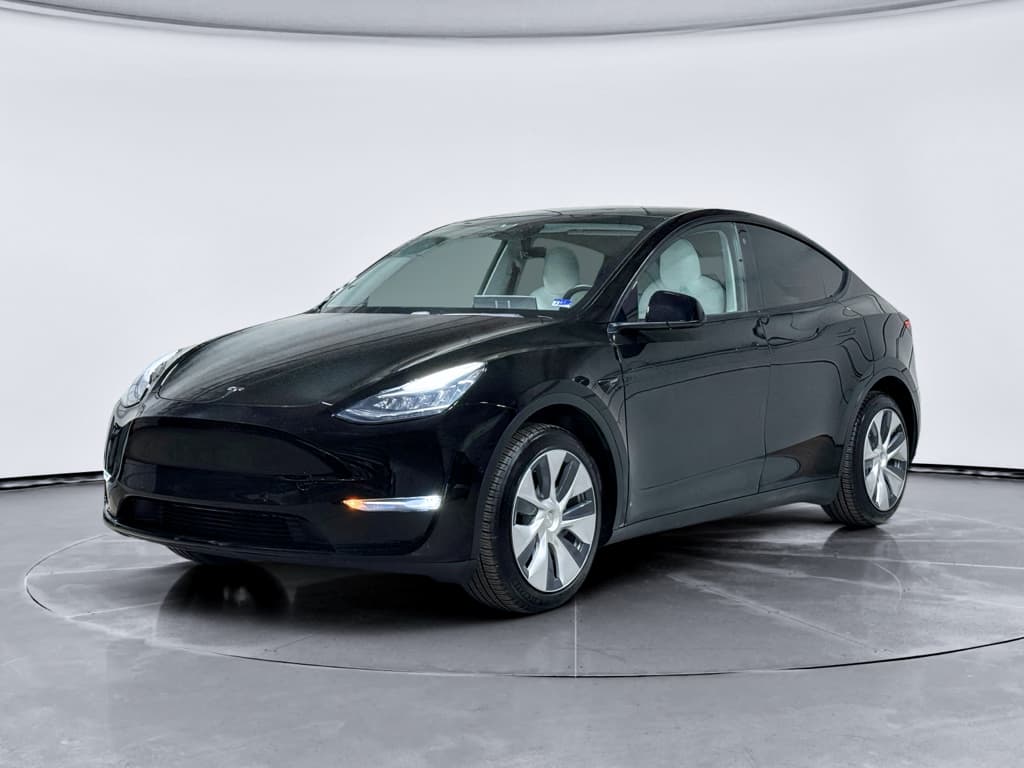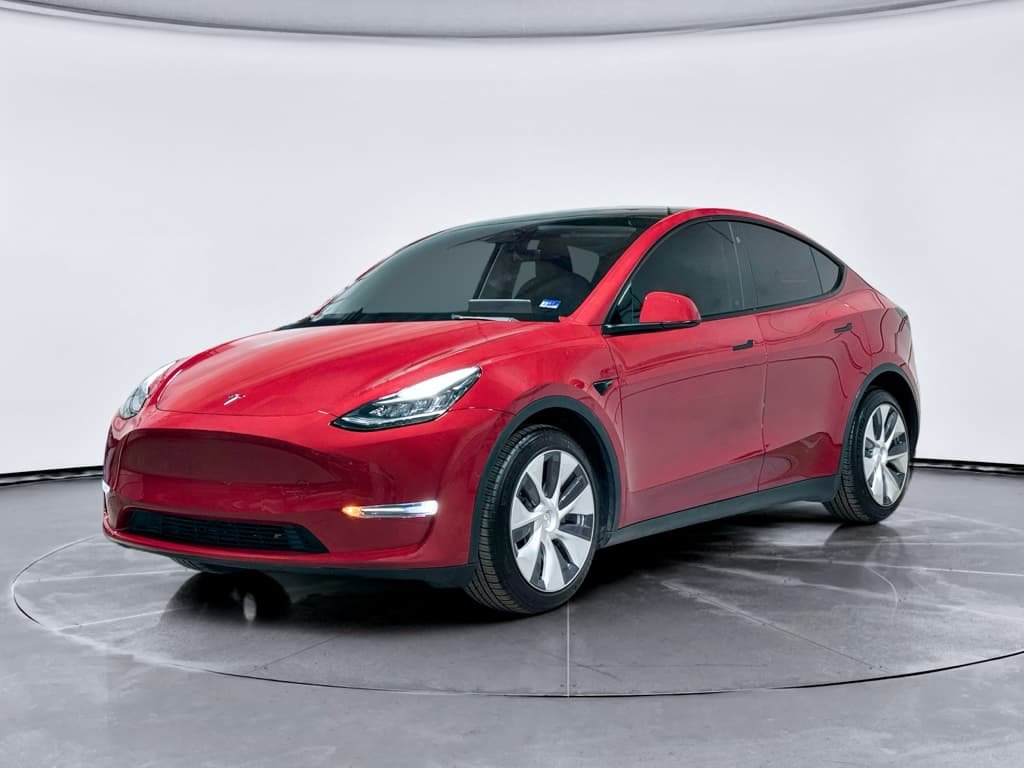
If you’re shopping for a practical, efficient electric SUV, a used 2023 Tesla Model Y will end up on your shortlist whether you like Tesla or not. It was the world’s best‑selling vehicle in 2023, and by 2025–2026 there’s a growing supply of off‑lease and early‑trade 2023s hitting the used market. The question now is simple: does a 2023 Model Y still make sense used, at today’s prices, once you factor in range, battery health, reliability, and all the newer EV competition?
Why focus on 2023 specifically?
Overview: Is a Used 2023 Tesla Model Y a Smart Buy?
2023 Model Y Used at a Glance (2025–2026)
Broadly, a used 2023 Tesla Model Y is still one of the most compelling all‑electric family crossovers you can buy. It combines efficient powertrains, strong performance, spacious cargo room, and access to Tesla’s Supercharger network. On the downside, you’re trading into Tesla’s minimalist interior, inconsistent build quality, and the reality that EV prices overall, and Tesla prices in particular, have been volatile since 2023.
- Pros: strong performance even on base trims, excellent efficiency, huge charging network, over‑the‑air software updates, robust battery warranty remaining.
- Cons: ride quality still firmer and noisier than some rivals, interior materials feel basic for the price, lots of minor squeaks/rattles and trim issues reported, rapid Tesla price cuts complicate resale math.
Who the 2023 Model Y fits best
Key Specs & Trims for the 2023 Model Y
The 2023 Model Y lineup in the U.S. centered on three main variants. Tesla quietly offered different combinations through the year, but on the used market you’ll mostly encounter these:
2023 Tesla Model Y Trims & Core Specs
Approximate EPA range and performance figures for the key 2023 Model Y variants.
| Trim | Drivetrain | EPA Range (mi) | 0–60 mph (sec) | Top Speed (mph) | Notes |
|---|---|---|---|---|---|
| Model Y (AWD / "base") | Dual-motor AWD | ~279 | ~5.0 | 135 | Shorter range, often best value on used market where available. |
| Long Range AWD | Dual-motor AWD | ~330 | ~4.8 | 135 | Most common trim; best combo of range and price. |
| Performance | Dual-motor AWD | ~303 | ~3.5 | 155 | Sportier suspension, bigger wheels; quickest but least efficient. |
Always confirm exact specs in the car’s listing or via the VIN in the Tesla app; equipment and range can vary slightly by wheel choice and build date.
Some early‑2023 cars also show up as rear‑wheel‑drive “Standard Range” variants in certain markets, but in the U.S. most 2023s are dual‑motor all‑wheel drive. When you’re evaluating a specific car, focus on three things: trim (for range/performance), wheel size (19" wheels ride better and give more range than 20"/21"), and whether the car has the optional third row.
Don’t overpay for the wrong trim
Real-World Range & Efficiency
On paper, a 2023 Tesla Model Y Long Range is rated around 330 miles of EPA range, with the base AWD in the high‑200‑mile range. In real‑world driving, especially on the highway, you should plan on less:
- Highway at 70–75 mph: think 70–80% of EPA range in mild weather.
- Cold winters: temporary range loss of 20–40% is common on short trips, especially if the car sleeps outside.
- City/suburban use: you’ll often match or beat EPA figures if you drive gently and precondition when plugged in.
Where the Model Y shines
- Efficiency: Compared with many rival EV SUVs, the Model Y typically uses less kWh per mile, especially at moderate speeds.
- Trip planning: Tesla’s built‑in trip planner reliably routes you through Superchargers with realistic arrival charge estimates.
- Heat pump: All 2023 Model Ys use a heat pump, which improves cold‑weather efficiency versus early Tesla designs.
Where you need realistic expectations
- High‑speed, cold‑weather trips: At 75 mph in winter, even a Long Range can feel more like a 200–230‑mile EV between fast charges.
- Performance trim: Wide sticky tires and a more aggressive tune mean more energy use and more frequent charges on road trips.
- Heavier wheels/roof rack: 20" or 21" wheels and accessories shave noticeable range compared with the base 19" setup.
Range rule of thumb for used buyers
Used Pricing & Depreciation in 2025–2026
Tesla’s rapid new‑car price changes in 2023–2024 pushed used values down faster than the broader market. By early 2025, pricing services were estimating three‑year depreciation on the 2023 Model Y in the roughly 40–45% range from original MSRP, with typical used asking prices clustering in the low‑ to mid‑$30,000s for average‑mileage examples.
Used 2023 Model Y Pricing Snapshot (Early 2025–2026)
The headline: you’re no longer paying near‑new money for a 2023 Model Y the way some early buyers did in 2023. At the same time, used Y prices are still firmer than many non‑Tesla EVs because of demand and the strength of Tesla’s charging ecosystem.
Typical Asking Price Bands for 2023 Model Y (U.S.)
Approximate retail asking prices you’ll often see in early 2025–2026; real listings vary by region, mileage, options, and condition.
| Condition / Mileage | Base / AWD | Long Range | Performance |
|---|---|---|---|
| High miles (50k+), basic spec | High $20Ks–low $30Ks | Low–mid $30Ks | Mid $30Ks |
| Average miles (~36k–45k) | Low–mid $30Ks | Mid $30Ks | High $30Ks–low $40Ks |
| Low miles (<25k), loaded | Mid $30Ks | High $30Ks–low $40Ks | Low–mid $40Ks |
Use this table as a directional guide, not a quote. Always compare against multiple live listings in your area.
Watch out for mispriced Teslas
Reliability & Common Issues on 2023 Model Y
Broadly, owner surveys for the 2023 Model Y show a familiar Tesla pattern: strong scores for the powertrain (motors, battery, charging hardware) and lower scores for build quality, trim, and various squeaks and rattles. Many 2023 owners still rate the car 4–5 out of 5 overall, but they also report small annoyances that legacy automakers tend to avoid.
Most Common 2023 Model Y Complaints
What owners actually report after 1–3 years of use
Squeaks, rattles & trim
Paint & exterior fit
Steering software recall
Warranty matters more with Tesla
"When you drill into owner surveys and defect reports for the 2023 Tesla Model Y, a pattern emerges: lots of small irritations, a handful of serious hardware issues, and very few powertrain failures."
Battery Health on a 2023 Model Y: What to Expect
Tesla’s thermal management and conservative buffers mean the Model Y’s high‑voltage battery generally ages well. Most 3‑year‑old Teslas show modest degradation, often in the single‑digit percentage range, unless they’ve lived an unusually hard life on fast chargers. That’s a big part of why used Teslas still carry a price premium versus many other EVs.
- Typical early degradation: many owners see an initial 3–8% drop from the original rated range over the first 30,000–40,000 miles, then a slower decline.
- Supercharging vs. home charging: heavy DC fast‑charging use can accelerate degradation, though Tesla packs are more tolerant than early‑generation EVs.
- Warranty cushion: most 2023 Model Y packs are covered for 8 years or 120,000–150,000 miles (depending on variant) against excessive capacity loss.
How Recharged measures battery health
Healthy signs on a used 2023 Model Y
- DC fast charging used, but most miles clearly added at home or work.
- Battery range display consistent with age and mileage (e.g., a Long Range still showing roughly 280–300 miles at 100% after ~40k miles).
- Clean service history with no high‑voltage battery or drive‑unit replacements flagged.
Red flags to investigate
- On‑screen range much lower than peers of similar age and mileage.
- History as a rideshare or fleet vehicle with very high annual mileage and heavy fast‑charging use.
- Any warning lights or messages related to the battery, charging system, or high‑voltage system.
Ownership Costs & Charging Experience
Operating a 2023 Model Y is generally cheaper than running a comparable gas SUV, especially if you can charge at home on off‑peak electricity. The two big cost buckets to keep an eye on are electricity vs. fuel and tires vs. traditional maintenance.
Where the 2023 Model Y Saves You Money
And where it can still surprise you
Energy vs. fuel
Low routine maintenance
Tires & repairs
Charging network advantage
If you don’t already have home charging, budget for a 240‑volt outlet or wallbox. A typical setup with a 40–48‑amp circuit will let you replenish 30–40+ miles of range per hour overnight, turning the Model Y into a "full tank" car every morning instead of a weekly gas‑station chore.
What to Check Before You Buy a Used 2023 Model Y
Because Tesla sells and services cars differently from traditional automakers, your pre‑purchase checklist should focus as much on software status and service history as on classic used‑car items. Here’s what to look for.
Used 2023 Tesla Model Y Pre‑Purchase Checklist
1. Verify software & recall status
From the car’s touchscreen or Tesla app, confirm it’s on current software and that no open recalls or service campaigns remain (including the 2023 steering‑assist recall).
2. Inspect exterior fit & finish
Look closely at panel gaps, paint quality (especially on edges and bumpers), and glass alignment. Minor cosmetic issues are common, but larger misalignments can hint at prior damage or sloppy repair work.
3. Test for squeaks, rattles & wind noise
On a test drive over rough pavement and at highway speed, listen for buzzing from the dash, hatch, or door panels, and for wind noise around mirrors or the roof. Some noise is normal; loud or localized sounds may need adjustment.
4. Check tire wear and wheel size
Uneven tire wear can signal alignment issues or aggressive driving. Larger wheels look great but often mean shorter tire life and a harsher ride. Factor upcoming tire replacement into your budget.
5. Confirm battery health & charging behavior
Ideally, view a recent 100% charge estimate and a fast‑charge session. Watch for unusually slow DC fast‑charging or warning messages. If you’re buying through Recharged, review the Recharged Score battery report.
6. Review service history & warranty
Ask for Tesla service records or a screenshot of the app’s service history. Confirm in‑service date so you know exactly how much new‑car and battery warranty remains.
Mind the title and ownership paperwork
How Recharged Helps You Buy a Better Used Model Y
Buying a used Tesla shouldn’t mean guessing about battery health or trying to reverse‑engineer depreciation curves on your own. That’s exactly the gap Recharged is built to fill.
What You Get with a Used Model Y from Recharged
Transparency on the things that matter with EVs
Recharged Score Report
Flexible ways to sell & trade
Nationwide delivery & expert support
Ready to find your next EV?
Browse VehiclesIf you’re comparing multiple 2023 Model Ys, having an apples‑to‑apples Recharged Score across candidates makes it much easier to see which one has the healthier battery, better spec, and cleaner history relative to price. And if you need financing, Recharged can help you pre‑qualify with EV‑friendly lenders who understand residual values and battery warranties, often with better terms than generic used‑car loans.
FAQ: Used 2023 Tesla Model Y
Frequently Asked Questions About the 2023 Model Y (Used)
Bottom Line: Should You Buy a Used 2023 Model Y?
If you want an efficient, tech‑forward family EV with excellent charging support and you’re comfortable with Tesla’s minimalist interior and direct‑to‑consumer service model, a used 2023 Tesla Model Y is still a very strong choice in 2026. You’re getting most of what makes new Teslas appealing, software, range, charging access, at a meaningful discount from new, while the car is still young and safely within its battery warranty.
The key is to buy the car as it actually exists, not as a YouTube thumbnail or price graph: confirm battery health, evaluate build quality and ride comfort with your own senses, and make sure the price reflects today’s EV market reality. If you’d like help doing that, Recharged can put real diagnostic and pricing data behind your decision, line up transparent financing, accept your trade‑in, and deliver a vetted 2023 Model Y to your driveway, so you spend less time decoding Tesla forums and more time actually driving your EV.