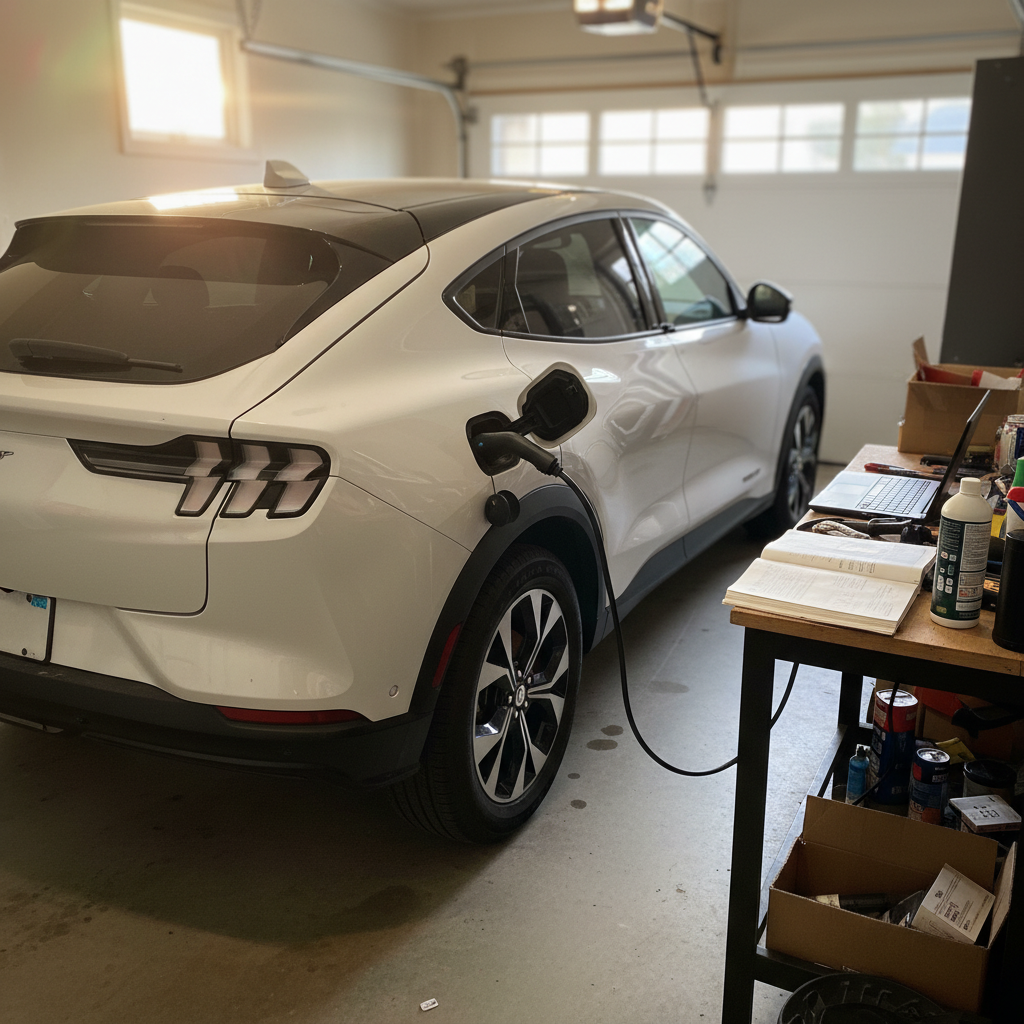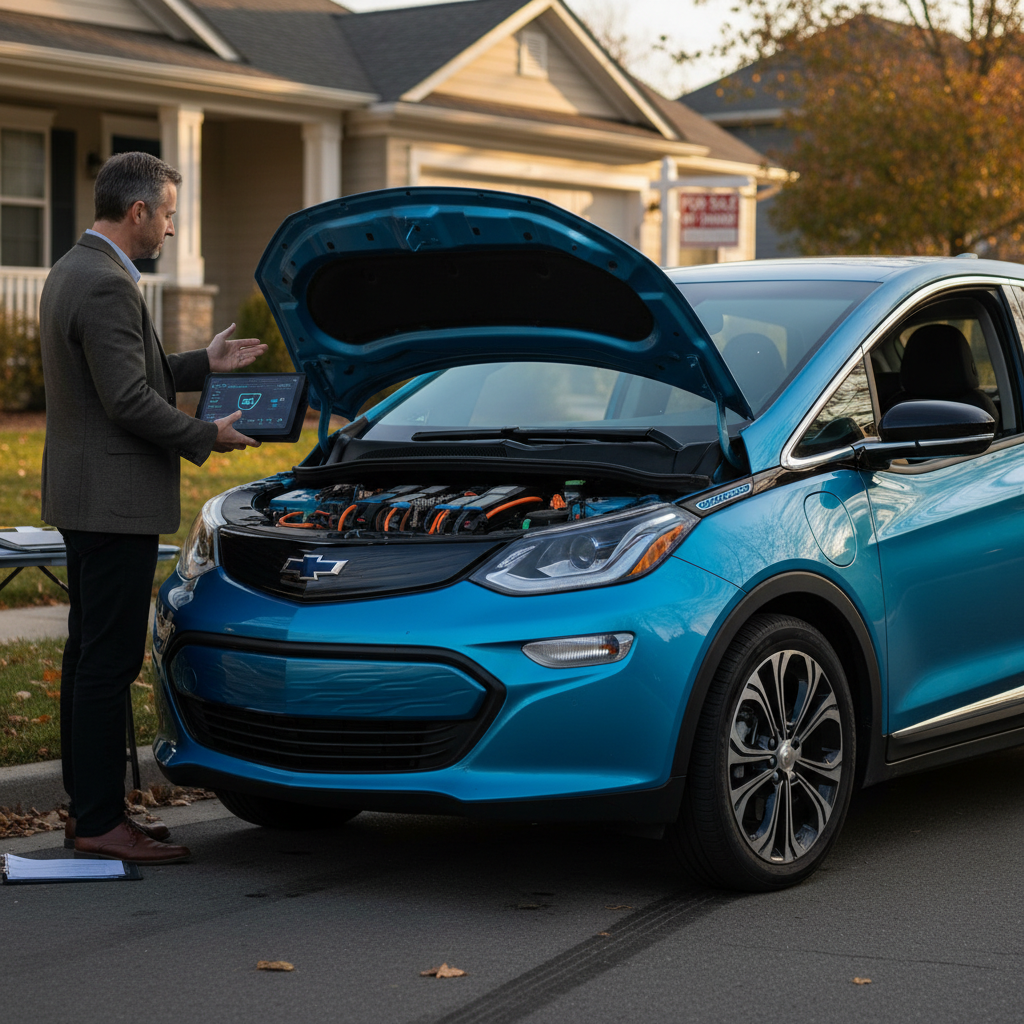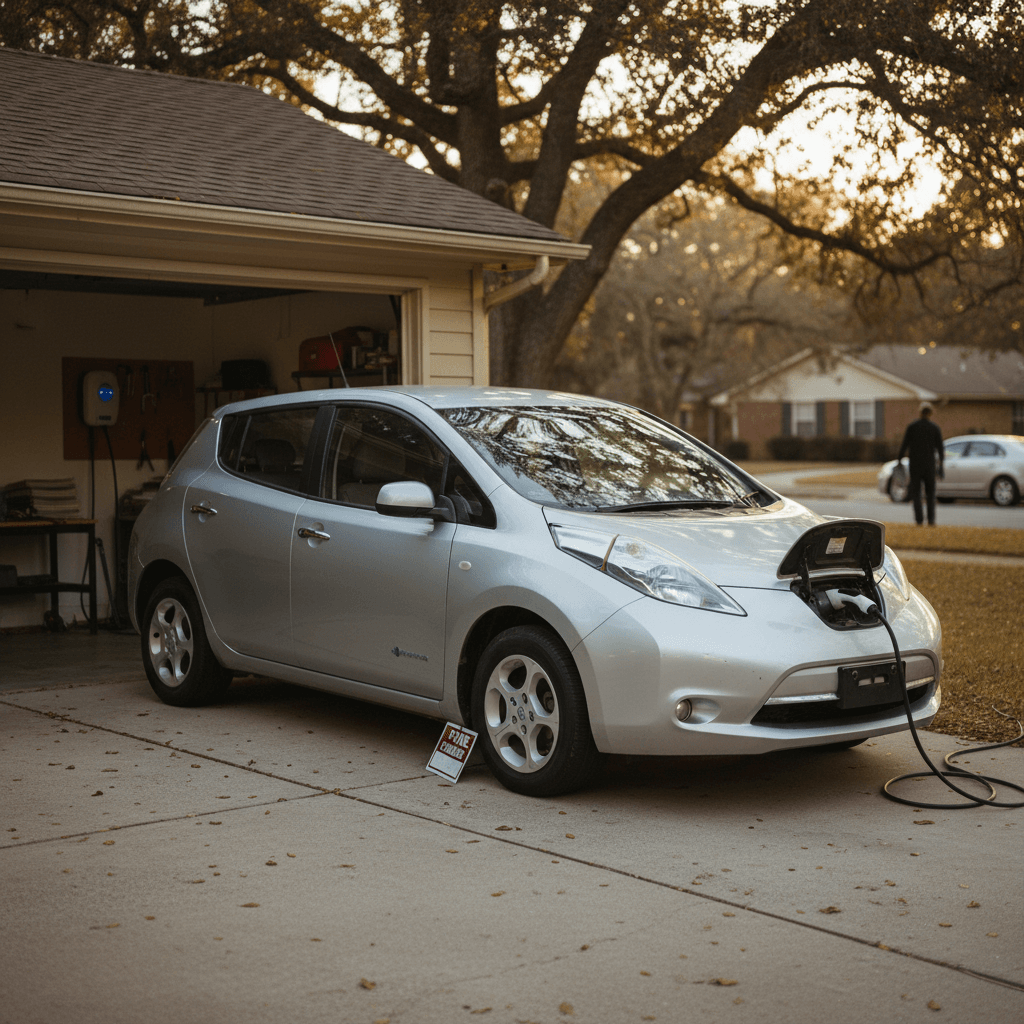
If your budget tops out around $18,000, you’re right in the sweet spot for a first or next electric car. Thanks to steep depreciation on early EVs, some genuinely good vehicles now live in this price band, if you know which ones to chase and how to avoid the duds. This guide walks through the best used electric cars under $18,000, what kind of range and features you can expect, and how to check battery health before you fall in love with a low price.
Good news for used EV shoppers
Why $18,000 Is a Sweet Spot for Used EVs
In the current U.S. market, $18,000 puts you above the very oldest, shortest‑range EVs, but just below the wave of newer, 250‑plus‑mile models that still command $20,000–$30,000 on the used side. It’s the narrow middle ground where you can land a 2017–2020 Nissan Leaf, an early Chevy Bolt EV, a BMW i3, or even a well‑kept Fiat 500e without living entirely on Level 1 charging and guesswork.
What $18,000 Buys in a Used EV (Typical 2026 Listings)
Those numbers are averages, not promises. The real differentiator isn’t just model or mileage; it’s battery state of health. Two identical cars on the lot can drive very differently if one has lost 25% of its capacity and the other has lost 8%. That’s why marketplaces that surface verified battery data, like the Recharged Score report that comes with every vehicle on Recharged, are so useful: they help you compare the car you’re buying, not just the badge on the trunk.
Quick Look: Best Used Electric Cars Under $18,000
Best Used Electric Cars Under $18,000 (Typical 2026 U.S. Market)
Approximate pricing and headline specs for common used EVs you can realistically find near or under $18,000. Local markets will vary.
| Model | Typical Used Price (2026) | EPA Range When New | Best For | Watch Out For |
|---|---|---|---|---|
| Nissan Leaf (2018–2020, 40 kWh) | $11,000–$16,000 | 151 mi | Daily commuting, short trips, value | Heat‑heavy climates can accelerate battery fade; limited DC fast‑charging speed. |
| Nissan Leaf Plus (2019–2020, 62 kWh) | $16,000–$18,500 | 215–226 mi | Longer‑range commuters | Higher-mile examples may just creep above $18k; confirm battery health carefully. |
| Chevy Bolt EV (2017–2019) | $15,000–$19,000 | 238 mi | Maximum range under $18k | Battery recall history, verify recall work and current battery health. |
| BMW i3 (2017–2021 BEV or REx) | $10,000–$18,000 | 80–153 mi (BEV), lower but flexible with REx | City driving, style, premium feel | Shorter range than modern EVs; unusual tire sizes and carbon-fiber body repairs can be pricey. |
| Fiat 500e (2015–2019) | $7,000–$13,000 | 84–121 mi | Urban errands, second car, tight parking | Very limited highway range; often sold off‑lease from California/OREV programs. |
| Hyundai Ioniq Electric (2017–2019) | $12,000–$17,000 | 124–170 mi | Efficiency nerds, commuter duty | Scarcer than Leaf/Bolt; lower charging speeds than newer rivals. |
Always verify battery health and local pricing, these ranges are guideposts, not guarantees.
How to read these numbers
Nissan Leaf: Best All-Around Budget Commuter
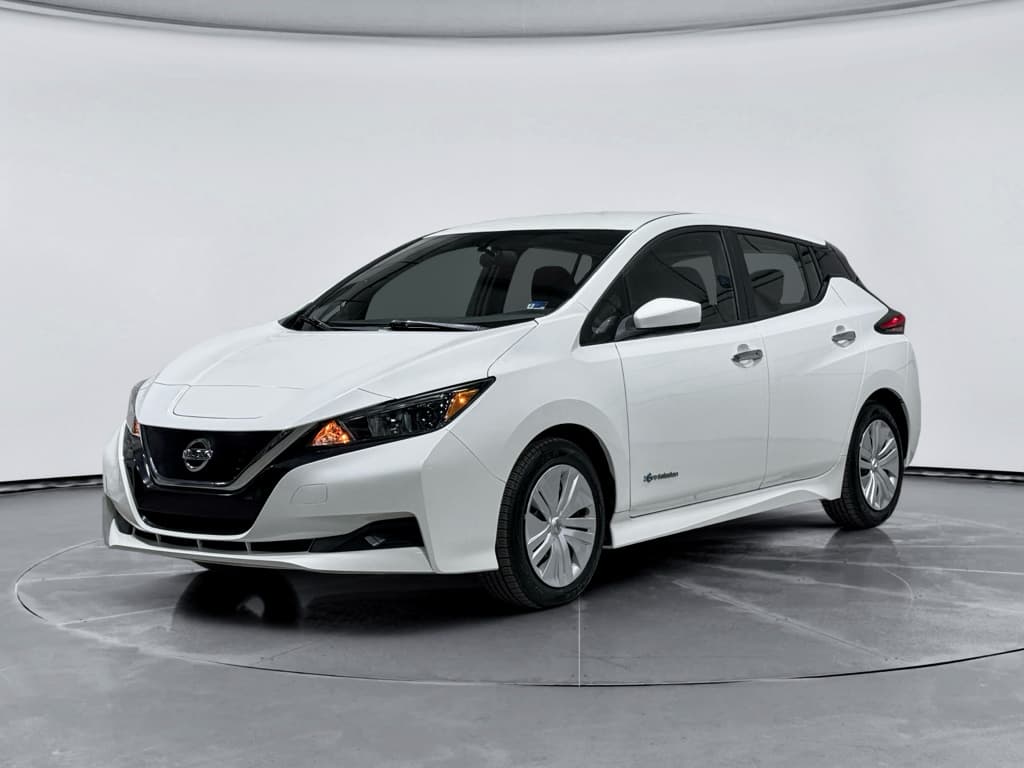
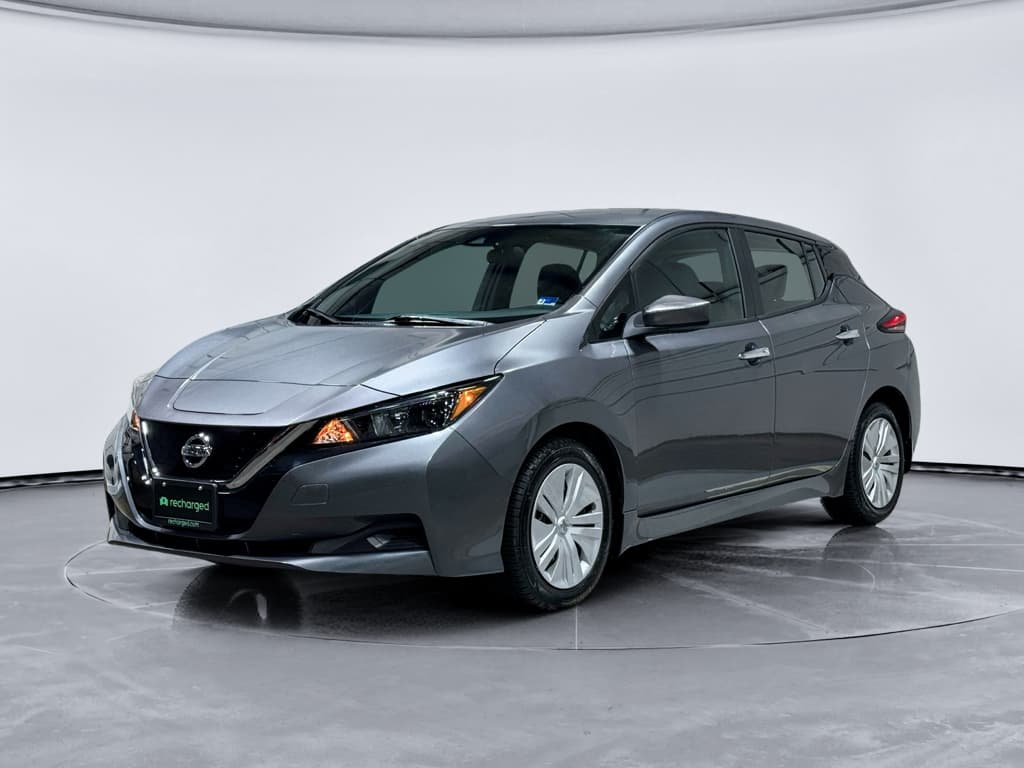
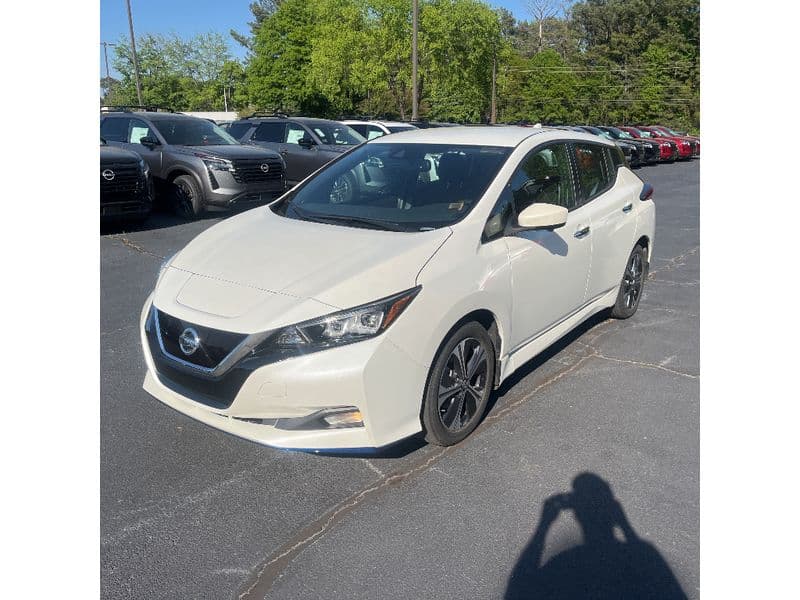
If you’re looking for the most car for the least money, it’s hard to ignore the Nissan Leaf. It was an early mass‑market EV, which means there are plenty of them, parts support is solid, and prices have come down to earth. For an $18,000 cap, you’re usually looking at a 2018–2020 Leaf with the 40 kWh battery or an early Leaf Plus (62 kWh) if you shop aggressively.
Nissan Leaf Under $18,000: At a Glance
What you get, and what to think hard about, before you buy.
Why the Leaf is a great budget pick
- Affordable and plentiful: Many sub‑$15k options, especially for 40 kWh cars.
- Comfortable and familiar: Feels like a conventional compact hatchback inside.
- Smooth, quiet commuter: Perfect for short to medium daily drives, school runs, and errands.
- Low running costs: Minimal maintenance and cheap off‑peak electricity where available.
Where the Leaf can disappoint
- Range drops with age: Early batteries, especially in hot climates, can lose capacity faster.
- Limited fast charging: Older CHAdeMO DC fast‑charging is slower and less common than CCS.
- Not a road‑trip star: Think regional and commuting use, not cross‑country adventures.
Climate and Leaf batteries
On a marketplace like Recharged, you’ll see each Leaf’s Recharged Score report spell out remaining battery capacity, estimated real‑world range, and how that compares to when the car was new. That lets you spot, for example, a 2019 Leaf that still comfortably handles a 60‑mile daily round‑trip versus one that’s better kept as a city‑only runabout.
Chevy Bolt EV: Longest Range Under $18,000
If your definition of "best" leans heavily on range for the money, the Chevy Bolt EV jumps to the front of the line. Early 2017–2019 cars offered an EPA‑rated 238 miles when new, and thanks to aggressive depreciation and past recall headlines, many now list in the mid‑teens to high‑teens on the used market.
Why the Bolt is a standout deal
- Big range, small price: It’s one of the only EVs you can find near $18k with ~230 miles of original EPA range.
- DC fast charging on CCS: Plugs into the most common fast‑charging standard in the U.S. (outside Tesla).
- Compact but usable: Hatchback practicality and a roomy cabin for the size.
What to check before you sign
- Battery recall history: Many Bolts received new or reconditioned packs after GM’s recall campaigns.
- Charging behavior: Confirm that DC fast charging works normally and isn’t capped by software because of unresolved recall work.
- Interior wear: Some early Bolts feel more economy‑car than you’d expect; condition matters.
Bolt recall, explained simply
If you regularly drive 70–150 miles a day, or you want to stretch to occasional road trips with strategic fast‑charging stops, a well‑sorted Bolt EV with verified battery health is arguably the strongest "best used electric car under $18,000" candidate in the market right now.
BMW i3: Fun to Drive and Surprisingly Premium
On paper, the BMW i3 doesn’t look like the smart money: shorter range than a Bolt, quirky styling, and unusual materials. In real life, it’s one of the most charming, fun‑to‑drive used EVs you can buy on a budget. You’re often looking at $10,000–$18,000 for 2017–2021 cars, depending on mileage, battery size, and whether it has the tiny gas range‑extender (REx) engine.
Who the BMW i3 Fits Best
It’s not a one‑size‑fits‑all car, but when it fits, it really fits.
Drivers who love character
Urban and suburban use
Range‑Extender flexibility
Mind the "BMW tax"
Battery health is again the swing factor. Some i3s were lightly driven city cars that still have excellent packs; others spent years fast‑charging to the hilt. A Recharged Score report that quantifies remaining capacity and expected range will tell you which one you’re about to test‑drive.
Fiat 500e: City-Car Bargain If You Stay Local
If you picture "best used electric car under $18,000" as a cute city runabout, the Fiat 500e is your little ray of Italian sunshine. Most used examples live well below your budget, think $7,000–$13,000, because they were originally sold in limited markets as compliance cars. That makes them dirt‑cheap second cars or urban commuters.
- Easy to park, easy to love: The 500e keeps the cheeky style of the gas 500, but swaps in smooth, quiet electric torque.
- Short‑range specialist: Original EPA range was around 84–121 miles depending on year, totally workable for 10–30‑mile daily use, but tight for long highway days.
- Often well‑equipped: Many came loaded with heated seats, premium audio, and colorful interiors.
- Ideal use case: Apartment dwellers or households that already have a road‑trip car and want something efficient for the in‑between miles.
Don’t buy a 500e for long‑distance commuting
Other Used EVs Worth a Look Near $18,000
Depending on where you live, you may also see cars like the Hyundai Ioniq Electric, first‑gen Kia Soul EV, or older Volkswagen e‑Golf wander into your search results. They don’t show up in the same volume as Leafs and Bolts, but they can be smart buys.
When These "Other" EVs Make Sense
Hyundai Ioniq Electric
Known for excellent efficiency, fewer kWh used per mile than many rivals. Range is modest but predictable, making it a great commuter if you have regular home charging.
Kia Soul EV
Boxy, upright seating and easy visibility. Early models have short range; newer ones tend to sit just above the $18k mark but can dip lower with higher mileage.
Volkswagen e‑Golf
Feels like a normal Golf to drive, which is a compliment. Range is similar to an older Leaf; look for well‑cared‑for examples with clear battery‑health documentation.
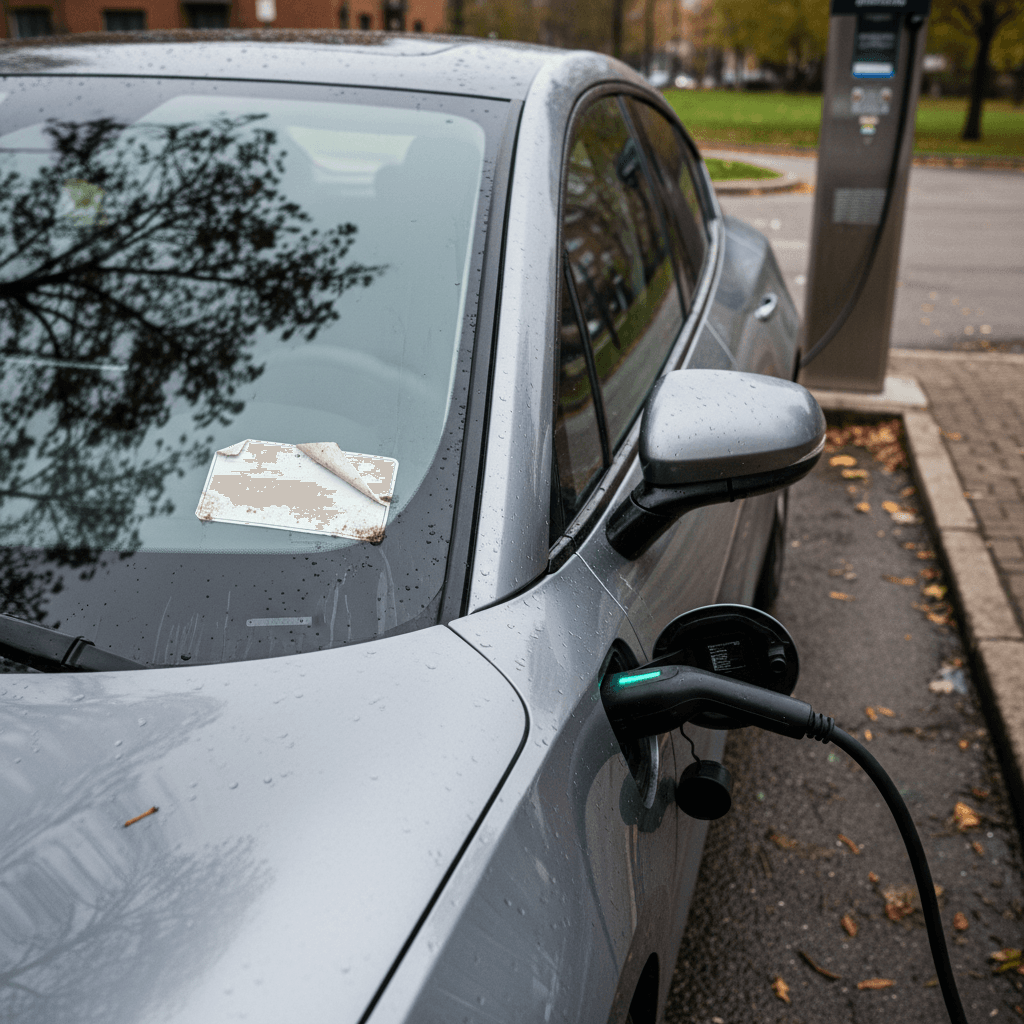
Battery Health Matters More Than Model Year or Miles
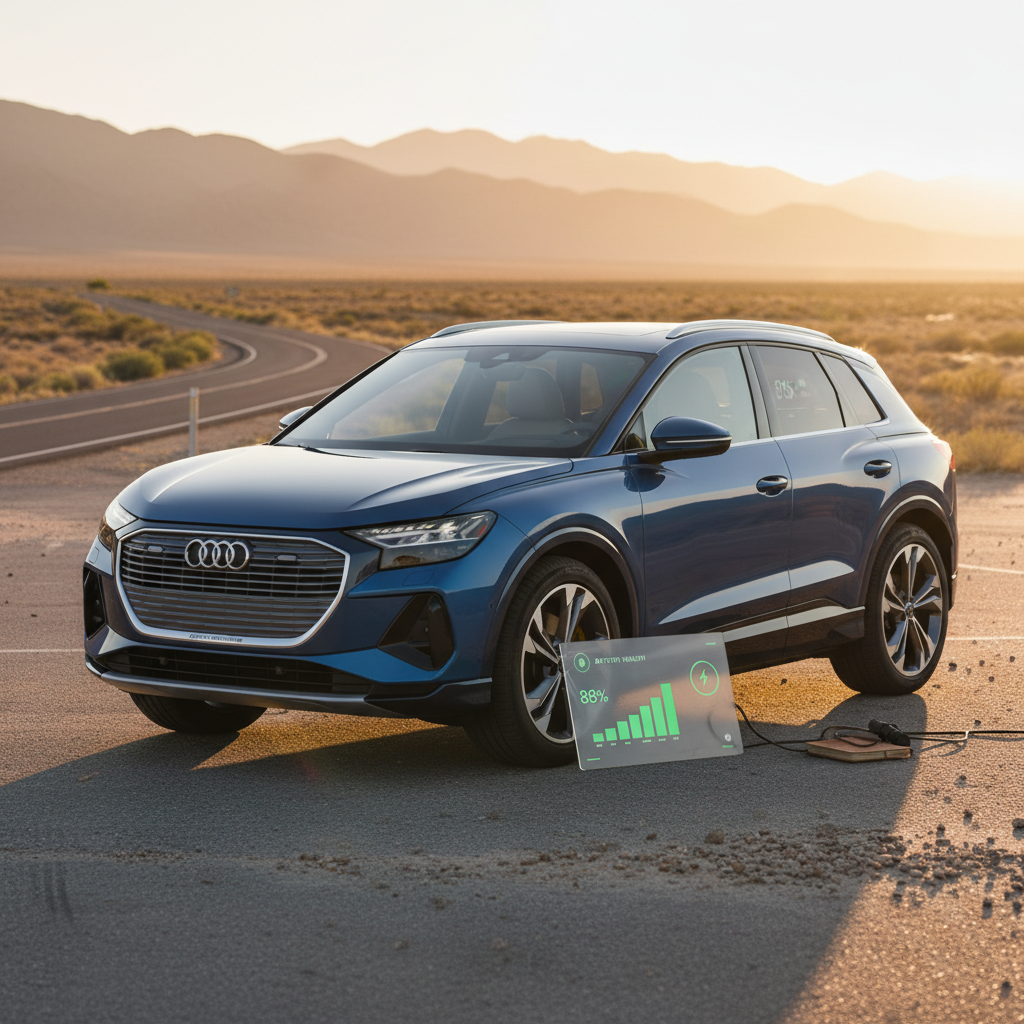
A decade into mainstream EVs, real‑world studies have consistently shown that batteries age more slowly than many shoppers fear, especially after the first few years. Large samples of used EVs suggest that the majority still retain around 90% of their original capacity well into middle age, assuming normal use and charging habits. At the same time, there are outliers: cars that towed, fast‑charged constantly, or baked in extreme heat can see noticeably more fade.
Why odometer mileage is a blunt tool for EVs
What to look for in battery reports
- State of health (SoH): Usually expressed as a percentage of original capacity.
- Estimated real‑world range: Not just the original EPA number, but what the car should deliver now.
- Charging history: Mix of Level 2 and DC fast charging, plus any signs of rapid‑charging abuse.
How Recharged helps here
Every vehicle listed on Recharged comes with a Recharged Score battery health report, based on specialized diagnostics rather than just dashboard guesses. You see remaining capacity, expected range, and how that aligns with the asking price, making it much easier to compare two used EVs side by side.
How to Shop Smart for a Used EV Under $18,000
Once you’ve narrowed down models, say, Leaf vs. Bolt vs. i3, the real work is matching a specific car to your life. That starts with range needs, then zooms into charging access, climate, and finance terms. Here’s a simple checklist you can walk through before you ever set foot in a showroom or schedule a delivery.
Used EV Under $18,000: 7-Step Buying Checklist
1. Define your real daily range
Write down your longest typical day, round‑trip, including detours: commute, school runs, errands, hobbies. Add a 25–30% buffer. That’s the <strong>minimum usable range</strong> you should shop for after degradation, not when the car was new.
2. Confirm how and where you’ll charge
Do you have a driveway or garage with access to a 120V or 240V outlet? Will you rely on public charging? A short‑range EV is easy to live with if you can plug in every night at home; much tougher if you can’t.
3. Filter by battery health, not just price
Pass on listings that can’t show recent, objective battery‑health data. On Recharged, the Recharged Score is baked into every listing so you’re never guessing about SoH or expected range.
4. Check remaining factory warranty
Most EV batteries carry 8‑year / 100,000‑mile warranties (or similar). A car that’s 5–6 years old with average miles may still have years of coverage left, added peace of mind on a budget.
5. Look up recall and service history
Search the VIN for open recalls and, if possible, review service records. On models like the Bolt EV, you want clear documentation of completed battery campaigns.
6. Test‑drive with an eye on range
On the test drive, note indicated range versus state of charge, and how quickly the guess‑o‑meter drops. Combine that with the battery report to decide if this car fits your lifestyle, not just today, but three winters from now.
7. Compare total cost of ownership
Even under $18,000, look beyond sticker price: electricity vs. gas, insurance, tires, and home charging upgrades. Many used EVs beat similar gas cars on monthly cost once you add everything up.
Pre‑approval makes you a stronger buyer
Financing and Tax Credit Considerations
One overlooked perk of the sub‑$18,000 EV world is that many of these cars qualify for the used EV federal tax credit when purchased from a dealer, as long as the sale price and your income fall within the current IRS limits. That credit can be worth up to $4,000, effectively turning an $18,000 car into a $14,000 one after tax time, though the rules and timing have evolved and you’ll want to confirm the latest details before you sign.
Smart financing moves
- Shop loan rates before you fall in love with a specific car.
- Consider total interest over the life of the loan, not just the monthly.
- Avoid stretching to longer terms just to chase a newer badge if a slightly older Leaf or i3 fits your needs and budget comfortably.
How Recharged fits in
Recharged offers integrated financing options on used EVs, plus trade‑in and consignment services if you’re coming out of a gas car. That means you can line up pre‑qualification, value your current vehicle, and browse only cars that make sense for your actual budget.
FAQ: Best Used Electric Car Under $18,000
Frequently Asked Questions
Bottom Line: So What’s the Best Used EV Under $18,000?
If you want one simple answer, here it is: for most shoppers who can charge at home and occasionally hit the highway, a Chevy Bolt EV with documented recall work and a strong battery report is the best used electric car under $18,000 right now. It offers the longest, most flexible range in this price band without demanding luxury‑car money.
If your world is mostly city streets and short hops, a healthy Nissan Leaf, BMW i3, or Fiat 500e can be a smarter, cheaper fit, often well below your budget ceiling. The key is to shop the actual health and range of each individual car, not just the model nameplate.
That’s where shopping on an EV‑focused marketplace like Recharged helps. With verified battery diagnostics, transparent pricing, and EV‑savvy support from first search to delivery, you can treat that $18,000 budget like a tool, not a gamble, and end up with an electric car that still feels like a great decision five years from now.