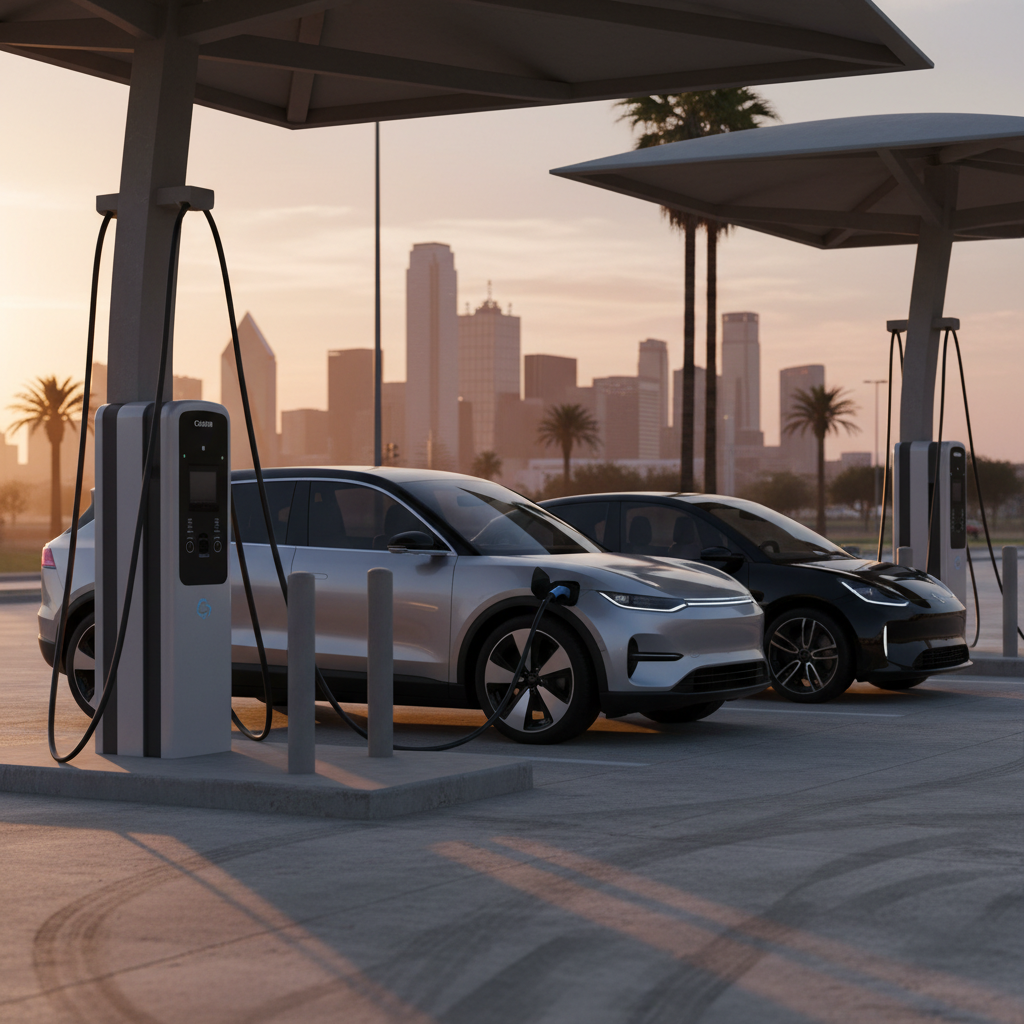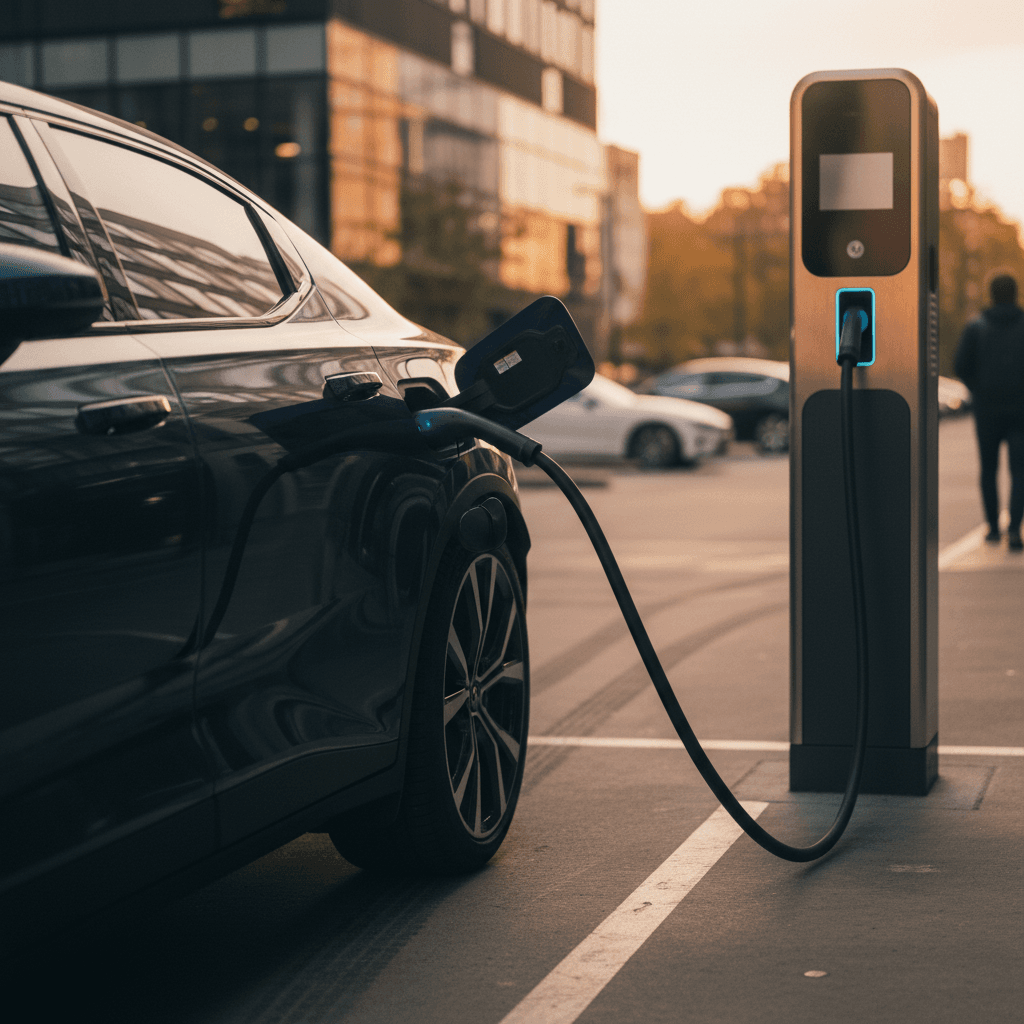
If you’re considering a Polestar 2, especially on the used market, one of your first questions is naturally **how long it takes to charge**. The short answer: a Polestar 2 can add a big chunk of range in about half an hour on a strong DC fast charger, and it’ll comfortably refill overnight on a Level 2 home charger. The longer answer depends on battery size, model year, charger type, temperature, and how full you need the pack to be.
Quick context
Polestar 2 charging time at a glance
Typical Polestar 2 charging-time ranges
Rule of thumb
Polestar 2 battery and charging specs that drive time
Charging time is simply **battery size divided by charging power**, then adjusted for inefficiencies and the fact that charge speed tapers as the pack fills. Across model years, Polestar 2 battery size and peak DC power have evolved, but all share the same 11 kW AC onboard charger for home and workplace charging.
Polestar 2 battery and charging specs (U.S.-focused, simplified)
These specs influence how long your Polestar 2 takes to charge. Exact figures vary slightly by trim and model year, but this table captures the basics shoppers care about.
| Model / era | Approx. usable battery | Max AC (Level 2) | Max DC fast charge | Typical DC 10–80% window |
|---|---|---|---|---|
| Early Polestar 2 (2021–2023 LRDM) | ~75–78 kWh | 11 kW | up to 155 kW | ~30–40 minutes |
| Standard range variants (mostly Europe) | ~64 kWh | 11 kW | ~135–150 kW | ~25–35 minutes |
| Updated Polestar 2 (2024+ long range RWD / AWD) | ~79–82 kWh | 11 kW | up to 205 kW | ~25–35 minutes in ideal conditions |
Later long‑range cars have larger batteries and higher peak DC rates, which shifts both charging time and road‑trip strategy.
Advertised vs. real life
How long to charge a Polestar 2 at home
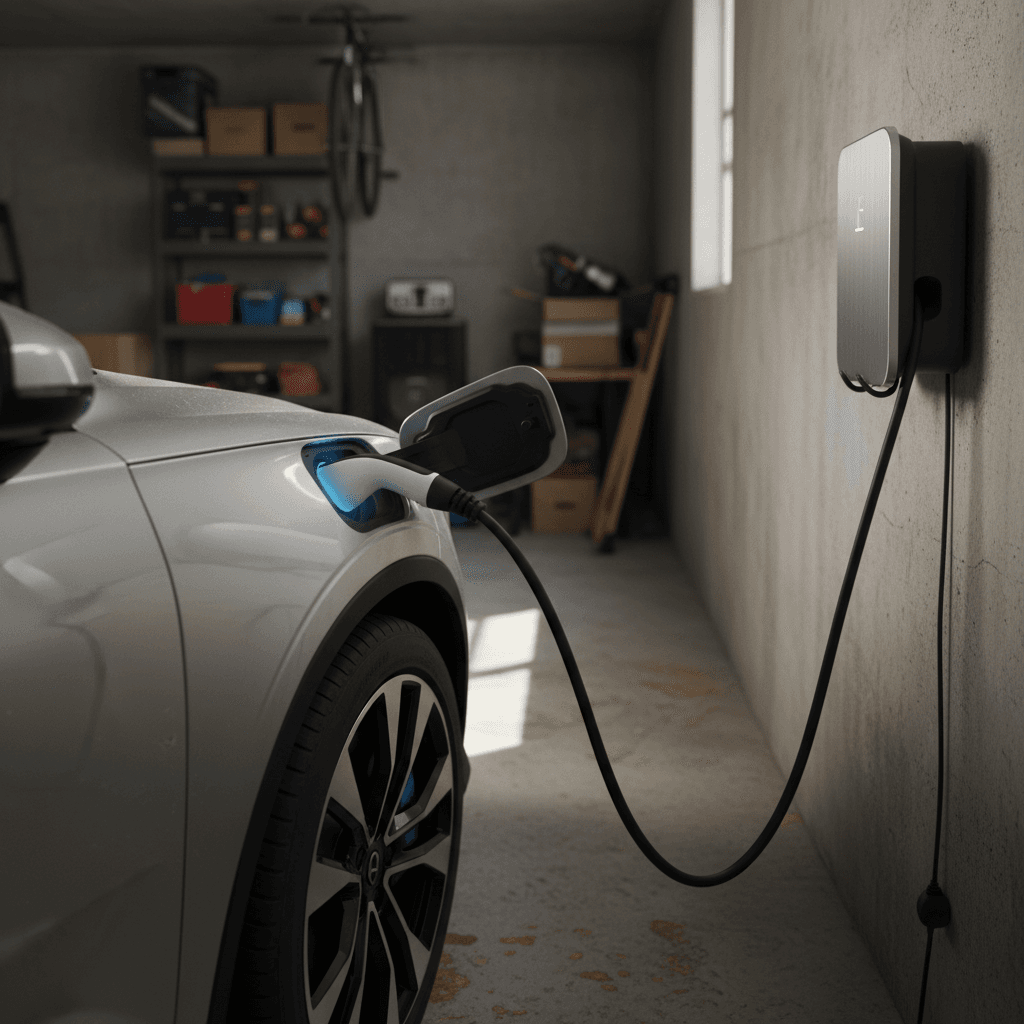
Home charging is where most Polestar 2 owners do the bulk of their refueling. The car supports **three practical charging scenarios** at home in the U.S.: Level 1 (120V), Level 2 (240V on a 14‑50 or hardwired EVSE), and occasional public Level 2 at workplaces or apartments.
Home charging options for your Polestar 2
How long from (nearly) empty to full in typical U.S. setups
Level 1 – 120V wall outlet
Use case: Plugging into a standard household outlet (about 12A–15A at 120V).
- Power: ~1.4–1.8 kW
- Approx. 0–100% on long‑range pack: 30–40 hours
- Realistic overnight top‑up: ~40–60 miles of range
Good for light daily driving if you can plug in every night, but slow for big refills.
Level 2 – 240V, 32A (7.7 kW)
Use case: Many plug‑in home chargers or multi‑unit dwelling setups.
- Power: ~7.2–7.7 kW
- Long‑range 0–100%: roughly 10–12 hours
- Ideal for overnight charging, even from low state of charge
This is the minimum most Polestar 2 owners aim for at home.
Level 2 – 240V, 40–48A (up to 11 kW)
Use case: Dedicated wallbox on a 50–60A circuit, taking full advantage of the 11 kW onboard charger.
- Power: up to ~11 kW
- Long‑range 0–100%: roughly 7–9 hours
- 10–80%: often 4.5–6 hours
This is the sweet spot for **overnight refills and used‑Polestar ownership**.
Tips to cut your Polestar 2’s home charging time
1. Aim for a dedicated 240V circuit
If you own your home, a 240V Level 2 circuit (30–60A) massively reduces charging time versus a 120V outlet. Work with a licensed electrician, 240V isn’t DIY territory.
2. Size your charger to 11 kW
Polestar 2’s onboard charger tops out at <strong>11 kW</strong>, so a 48A home unit on a 60A breaker is a good ceiling. Going bigger won’t make the car charge faster.
3. Use charge scheduling
Set your Polestar 2 or your wallbox to charge off‑peak. You’ll still be full by morning, and in many utilities you’ll pay less per kWh.
4. Don’t obsess over 100% for daily use
For battery health, charging to around **70–90%** for regular driving is usually enough, and it shortens total charge time compared to filling to 100% every night.
How long does DC fast charging take (10–80%)?
When people ask **“how long to charge Polestar 2”**, they often mean **how long at a DC fast charger on a road trip**. That’s where published 10–80% numbers come from, and where conditions matter the most.
Polestar 2 DC fast-charging time benchmarks
Approximate 10–80% DC fast-charging time on a healthy charger in good weather, starting from a warm battery.
| Model / pack | Peak DC rating | Typical 10–80% time | Best‑case scenario |
|---|---|---|---|
| Early long‑range dual‑motor (up to 155 kW) | ~155 kW | ~30–40 minutes | Low state of charge, 150 kW+ charger, mild temps: ~30–32 minutes |
| Standard‑range packs (~64 kWh) | ~135–150 kW | ~25–35 minutes | Smaller pack can hit low‑30‑minute 10–80% in good conditions |
| Updated 2024+ long‑range (up to 205 kW) | up to 205 kW | ~25–35 minutes | Ideal conditions at a 250–350 kW charger: high‑20s to low‑30s minutes |
Use these as planning ranges, not promises. Charger quality, battery temperature, and occupancy can easily add 5–15 minutes per stop.
Why 10–80%, not 0–100%?
- Expect peak DC power only briefly, usually when the pack is low (under ~20–30%) and already warm.
- From about 40–60% state of charge, the Polestar 2’s charging curve steps down gradually, so average power over the whole 10–80% window is far below the headline 155–205 kW.
- In cold weather or on a weak charger, 10–80% may stretch toward the **40–45 minute** side of the range.
Real‑world vs. advertised Polestar 2 charging times
Official materials and marketing blurbs often quote numbers like **“10–80% in about 28–32 minutes”** for newer Polestar 2 models on a suitably powerful DC fast charger. That’s technically achievable, but only when several things line up in your favor.
When you’ll see the best numbers
- You arrive at the charger with a low state of charge (around 5–15%).
- You’ve set the charger as a destination so the car can precondition the battery.
- Outside temps are moderate (roughly 50–75°F / 10–24°C).
- You’re on a 150–350 kW capable station that’s working properly.
In this window, a newer 205 kW‑capable Polestar 2 really can tick off 10–80% in the high‑20s to low‑30s minutes.
When charging will be slower
- You start the session above 30–40% or stop charging well past 80%.
- The pack is cold (winter highway driving straight to a charger without preconditioning).
- The station is power‑limited (older 50–75 kW sites, shared cabinets, or DC equipment derated by heat).
- You’re using a non‑ideal connector or an adapter setup.
In these cases, plan for **35–45 minutes** from 10–80%, or adjust expectations if you’re only adding a partial charge.
Road‑trip sanity check
Factors that change how long your Polestar 2 takes to charge
Charging‑time calculators and spec sheets assume ideal conditions. Real life rarely does. Here are the main variables that can lengthen or shorten how long it takes to charge a Polestar 2.
Key variables behind your Polestar 2 charging time
Same car, different conditions = very different wait times
Battery temperature
Cold packs charge **much more slowly**, especially on DC fast chargers. Use built‑in navigation and preconditioning so the car warms the pack as you approach a high‑power station.
Starting & target state of charge
Charging from 10–60% is much faster on average than 60–100%. If you routinely fill to 100%, expect long tail‑end times, especially on DC.
Charger power & load
A 50 kW DC charger will simply take longer than a 150+ kW unit. Shared cabinets or busy sites can also reduce available power per stall.
Driving pattern before charging
Long highway stretches before a DC stop help warm the battery. Short trips from a cold start to a fast charger are a recipe for slow charging.
Software & model year
Newer Polestar 2s have refined charging curves and, in some trims, higher peak power. Older cars may sit closer to the high end of quoted time ranges.
Battery health over time
Healthy used Polestar 2 packs still charge very close to new. Excessive fast‑charging abuse, however, can soften performance, one reason a verified battery‑health report helps.
Safety first
Charging strategies for daily driving and road trips
Knowing **how long to charge a Polestar 2** is only half the story. The other half is learning how to structure your day, or your trip, so you’re almost never waiting on the car.
Smart Polestar 2 charging strategies
Daily commuter (20–60 miles/day)
Install or regularly use a 240V Level 2 charger. A few hours each night is usually enough to stay between ~30–80%.
Use departure timers or scheduled charging to have the car ready (and cabin pre‑conditioned) when you leave.
Don’t worry about 100% unless you’re about to take a longer drive the next morning.
If you can only use Level 1 at home, plug in whenever you’re parked to slowly accumulate miles.
Apartment & workplace charging
Prioritize parking spots with Level 2 access, even if you have to walk a little farther.
Top up in bulk once or twice a week instead of chasing every free outlet.
Use apps to locate reliable DC fast chargers near your regular routes for occasional deeper refills.
Be courteous with shared stations, unplug promptly once you’ve hit your target state of charge.
Road‑trip driver
Plan legs around 10–80% DC windows and aim to arrive at chargers around 10–20% state of charge.
Use the car’s navigation to route to DC fast chargers so it can precondition the battery.
Stop a bit more often for shorter charges instead of sitting for a single 0–100% marathon session.
In winter, assume each fast‑charge stop might be 5–15 minutes longer than in summer and pad your schedule.
Where Recharged fits in
Ready to find your next EV?
Browse VehiclesCharging a used Polestar 2: what to watch
Because charging time is closely tied to battery health and software, it’s especially important to know what you’re getting with a used Polestar 2. The good news: these cars generally age well if they’ve been charged sensibly. But there are a few charging‑related checks worth doing before you buy.
Used Polestar 2 charging checklist
Confirm DC fast‑charging behavior
On a test drive, if possible, stop by a 100 kW+ DC charger. From a low state of charge, you should see the car ramp quickly and then gradually taper, not crawl from the beginning.
Verify Level 2 charging speeds
Ask the seller, or test yourself, on a 40–48A Level 2. The car should report close to its 11 kW maximum. Much lower numbers on a known‑good charger can point to wiring or onboard‑charger issues.
Review software update history
Polestar improves charging curves and thermal management over time. A car kept current on software tends to charge more predictably than one that’s been neglected.
Look for honest battery reporting
Services like the Recharged Score go beyond the dash guess‑o‑meter to measure real battery health. That’s critical context for both range and charging time on a used EV.
FAQ: How long to charge a Polestar 2
Frequently asked questions about Polestar 2 charging time
Key takeaways on Polestar 2 charging time
To sum it up, a Polestar 2 is built to fit easily into daily life: **overnight Level 2 charging** covers normal driving without drama, and **30‑ish‑minute DC fast‑charge stops** keep road trips practical. The headline numbers, 10–80% in the high‑20 to low‑30‑minute range and 7–9 hours for a full Level 2 refill, are realistic targets when you have a solid charging setup and reasonable conditions.
If you’re exploring a **used Polestar 2**, factor charging time into the whole ownership picture: the quality of your home or workplace charging, how often you road‑trip, and the verified health of the battery you’re buying. At Recharged, every EV comes with a **Recharged Score battery‑health report**, transparent pricing, and EV‑specialist support to help you pick a car, and a charging plan, that fits the way you actually drive.