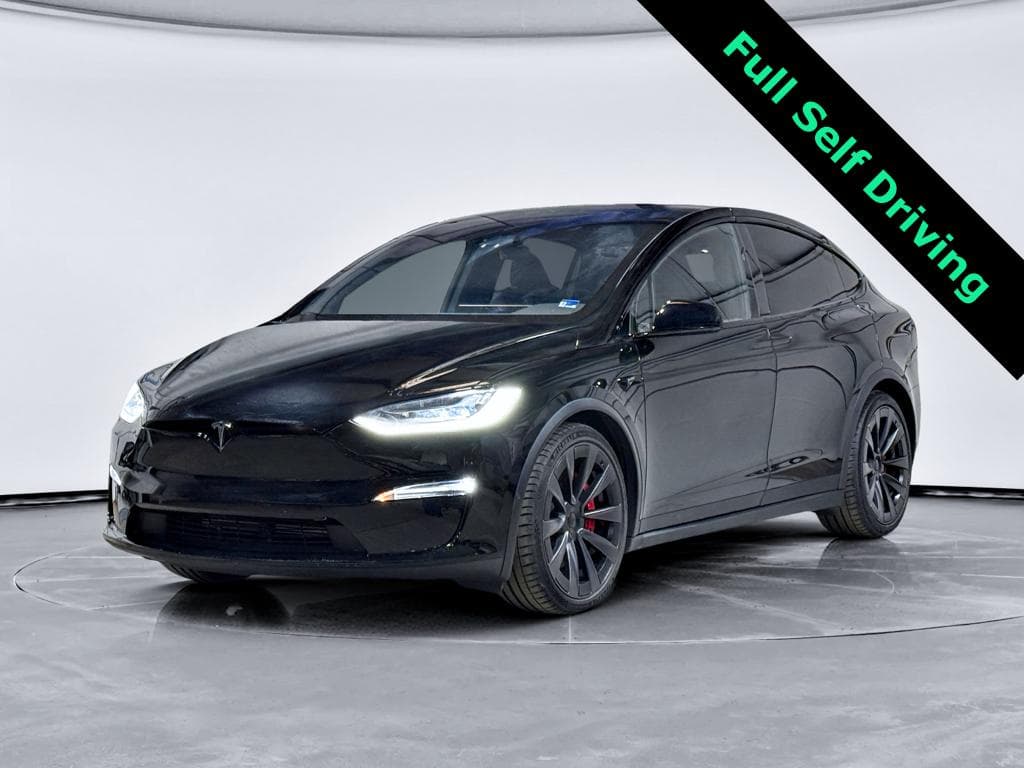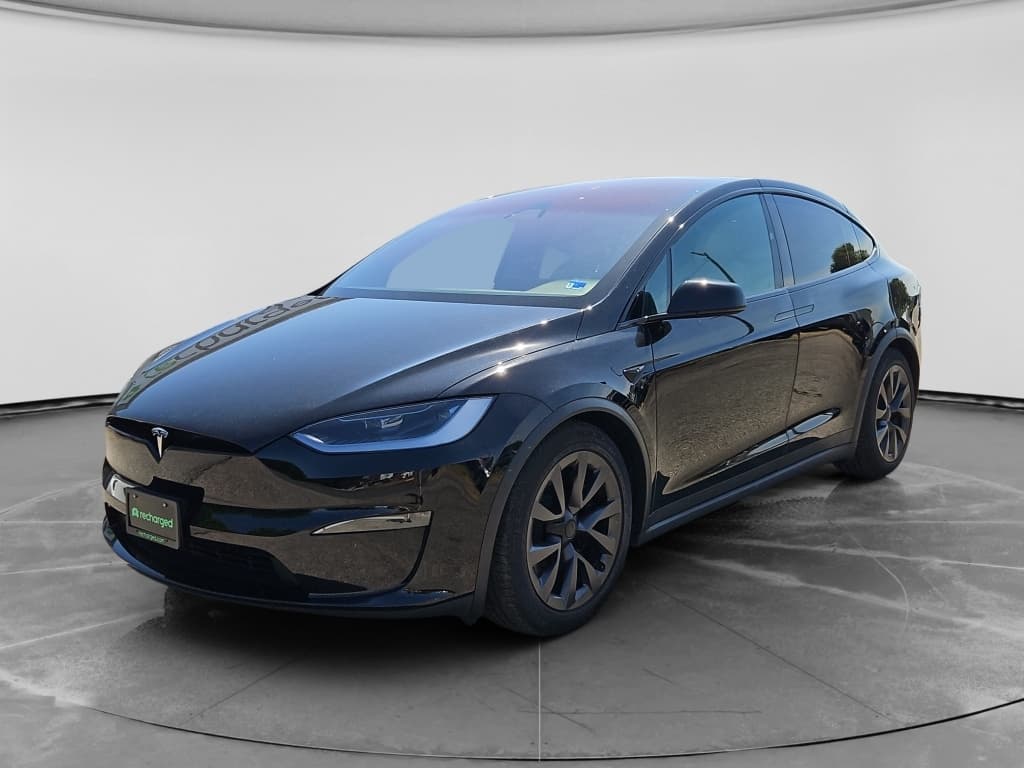
If you’re eyeing a 2023 Tesla Model X, you’re probably torn between its wild performance, huge glass windshield, and falcon-wing doors, and the nagging question, “What are the real 2023 Tesla Model X problems I should worry about?” This guide walks through reliability, common issues, and recalls so you can decide if a used 2023 Model X fits your life, your budget, and your risk tolerance.
Quick Take
Overview: Why the 2023 Model X Raises Questions
Tesla has steadily improved build quality over the years, but the Model X remains one of its more complex and trouble-prone vehicles. That’s not just reputation, independent reliability data shows the 2023 Model X scoring below average compared with other 2023 SUVs, and it’s been hit with a surprisingly high number of recalls for a relatively low-volume vehicle.
2023 Tesla Model X At a Glance
Important Context
Big-Picture Reliability: Is the 2023 Model X Trouble-Prone?
Among EVs, Tesla actually looks like a bright spot these days, recent brand rankings show Tesla climbing into the top tier of mainstream brands for overall performance and owner satisfaction. But when you zoom into individual models, the Model X still drags down the average. Owners report more issues with doors, electronics, and driver-assistance tech than you’ll see on simpler Teslas like the Model 3 and Model Y.
- Complex falcon-wing and front doors mean more motors, sensors, and latches that can fail.
- The Model X packs a ton of software, cameras, and driver-assistance hardware that all have to play nicely together.
- It rides on an air suspension and big wheels, great for comfort and looks, but more expensive when something wears or breaks.
- Like every Tesla, it’s heavily dependent on over-the-air software updates, which can both fix and create new issues.
Used-Buyer Tip
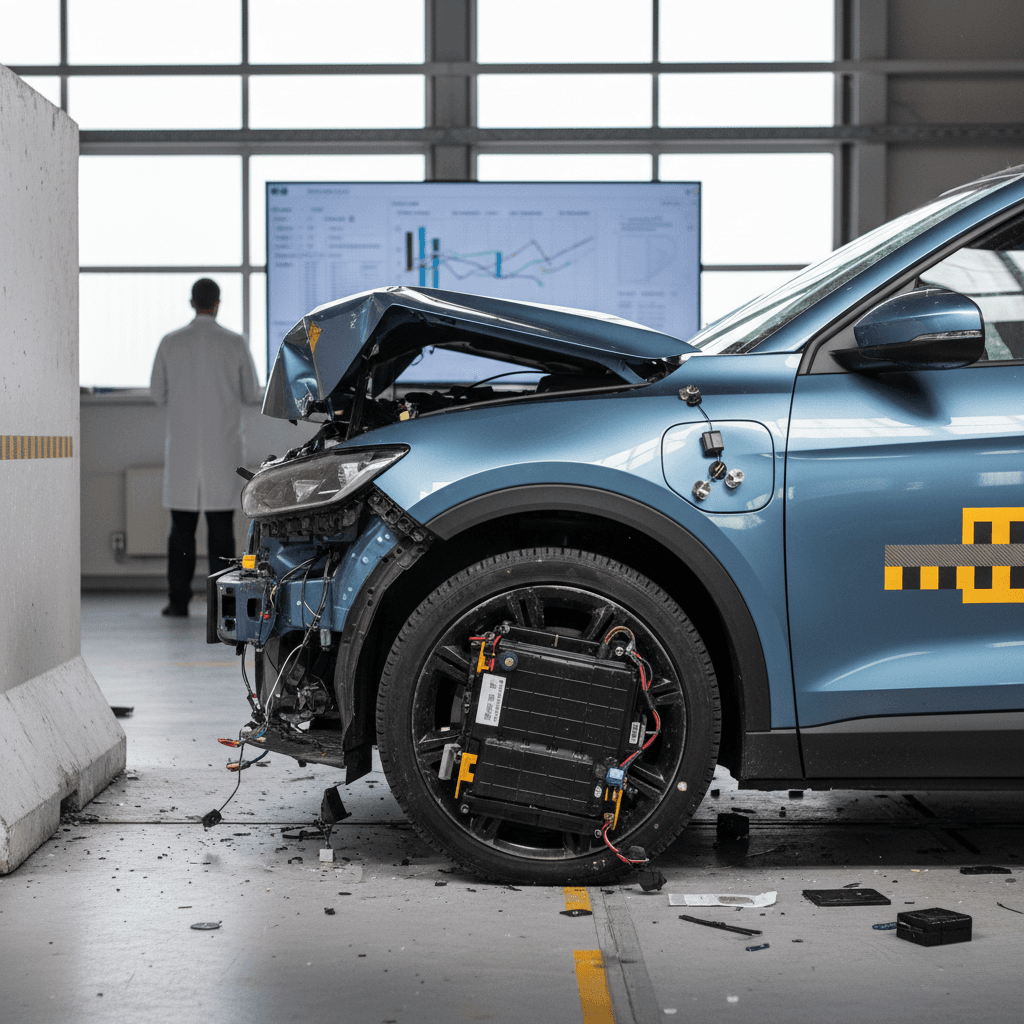
Major 2023 Model X Recalls You Should Know About
By early 2026, the 2023 Model X had been swept up in more than a dozen NHTSA recalls, ranging from minor font-size issues on the dash to serious safety defects involving airbags, cameras, Autosteer, and seat belts. Many repairs were handled through over-the-air (OTA) updates, but a few require physical inspection or parts replacement at a Tesla service center.
Key Recalls Affecting the 2023 Tesla Model X
This table highlights some of the most important recalls that can touch 2023 Model X vehicles. Specific applicability depends on build date, options, and software version.
| Issue | System Affected | What Can Happen | Typical Fix |
|---|---|---|---|
| Rear camera failure | Back-over prevention / electrical | Rearview image can disappear or fail to display when backing up, increasing crash risk. | OTA update plus, for some cars, replacement of affected computer hardware. |
| Door unlocks in a crash | Locks / latches / electrical | Cabin doors may unlock during a side impact, increasing injury risk. | OTA update to correct door lock behavior in a crash. |
| Autosteer misuse risk | Autopilot / Autosteer | Drivers may over-rely on Autosteer; system warnings and engagement logic not sufficient, raising crash risk. | OTA update to change Autosteer alerts, engagement, and supervision requirements. |
| Seat belt attachment | Front seat belts | Improperly attached front seat belts could detach in a crash. | Physical inspection and reattachment or replacement of front seat belt assemblies. |
| Airbag horn pad / deployment | Airbag & horn | Incorrect horn pad assembly can make horn inoperative or risk airbag deployment issues. | Inspection and replacement of steering-wheel airbag/horn pad module. |
Always run the VIN through NHTSA or Tesla’s recall checker before you buy a used Model X.
Non‑Optional To-Do
Most Common 2023 Model X Problems by Category
Let’s break down the most common 2023 Tesla Model X problems the way owners actually experience them: weird behavior from Autopilot, door and latch issues, glitches in the giant touchscreen, and the usual EV questions about battery and range.
Software and Autopilot Issues
Tesla’s driver-assistance features, Autopilot and Full Self-Driving (Supervised), are a big reason people buy a Model X. They’re also one of the most controversial problem areas across the lineup. For 2023 vehicles, NHTSA has focused on Autosteer misuse and safety risks, prompting a large software-related recall to change how the system engages, alerts, and hands control back to the driver.
- Autosteer suddenly disengaging or refusing to activate on certain roads.
- Overly aggressive or timid lane changes, braking, or acceleration when driver-assistance is active.
- False or late alerts, especially in complex traffic or bad weather.
- Owners expecting more autonomy than the system is designed to deliver, leading to misuse.
Reality Check on FSD
Doors, Latches and Hardware Quirks
The Model X’s party trick is also one of its headaches. Those falcon‑wing rear doors and the power-opening front doors rely on a small orchestra of sensors, motors, and latches. On 2023 models, Tesla has improved the hardware over earlier years, but this is still more complicated than your average SUV.
- Falcon‑wing doors stopping mid‑travel, refusing to open fully, or misreading obstacles.
- Front doors that don’t always latch cleanly on the first try, or auto‑present unpredictably.
- Wind noise or water leaks from door seals, especially after body repairs or glass replacement.
- Hood and trunk latch sensors misreading open/closed status, sometimes tied into recall-related software.
What to Do on a Test Drive
Electrical, Infotainment and Camera Glitches
Like most modern Teslas, the 2023 Model X runs almost everything through its central touchscreen. That makes it powerful, but when something goes wrong, it’s instantly noticeable. Owner complaints and recall campaigns point to backup camera failures, screen blackouts, and random reboots as recurring themes.
- Rearview camera image cutting out or failing to display when shifting into reverse (the subject of multiple recalls and OTA fixes).
- Center display freezing, going black, or rebooting while driving, temporarily taking climate and navigation with it.
- Glitchy Bluetooth, audio, and phone integration that resolve only after a reset or software update.
- Phantom warnings about parking sensors or blind-spot cameras.
Soft vs. Hard Problems
Battery, Range and Charging Concerns
The good news: the 2023 Model X’s high‑voltage battery pack is not widely associated with catastrophic failures. Tesla backs it with an 8‑year / 150,000‑mile warranty, and most real‑world range complaints are about expectations vs. reality, not failing packs.
- Noticeable range loss in cold weather or at sustained highway speeds, which is normal for EVs but can surprise first‑time owners.
- Slower-than-expected DC fast‑charging, sometimes tied to battery temperature, software limits, or repeated high‑power fast‑charging history.
- Home charging hiccups caused by wiring or breaker issues in the house rather than the car itself.
- State‑of‑charge or projected-range numbers that swing up and down more than expected.
Battery Health Matters Most on a Used EV
Suspension, Brakes and Driving Feel
Underneath the flash, the Model X is a heavy, very quick SUV with an adjustable air suspension. On a 2023, you’re mostly dealing with normal wear and tear, but because it’s a premium system, repairs cost more than on a typical gas crossover.
- Clunks or rattles over bumps that suggest worn bushings or loose suspension components.
- Uneven tire wear, often from aggressive driving, curb hits, or alignment issues.
- Brake noise or surface rust from light usage, EVs rely heavily on regenerative braking, which can let the friction brakes sit unused.
- Ride-height or damping quirks if the air suspension compressor or height sensors start to go.
Don’t Skip an Alignment and Suspension Check
What These Problems Mean If You’re Buying Used
Put all of this together and you get a clear picture: a 2023 Tesla Model X is not a set‑and‑forget appliance. It’s a high‑tech luxury SUV that rewards you with incredible performance and convenience, but only if you’re willing to be proactive about software updates, recalls, and maintenance. As a used EV shopper, that means two things: you want proof of care, and you want data, not vibes, about the battery and major systems.
Who a 2023 Model X Fits
- Drivers who value tech, performance, and the Supercharger network above all.
- Families that need three rows and easy access for kids or older passengers.
- Owners comfortable scheduling service visits and living through the occasional software quirk.
Who Should Think Twice
- Shoppers who want "set it and forget it" reliability with minimal trips to the service center.
- People on a tight budget for repairs, especially out of warranty.
- Anyone uncomfortable with driver-assistance systems that are evolving via software updates.
Inspection Checklist for a Used 2023 Model X
Here’s a practical checklist you can use whether you’re buying from a private seller, a traditional dealer, or a dedicated EV retailer like Recharged. Treat this as your minimum due diligence on a 2023 Tesla Model X.
10 Must-Do Checks Before You Buy
1. Run the VIN for recalls
Use the NHTSA database and Tesla’s own recall search to make sure every applicable 2023 Model X recall has been completed. Ask for documentation from Tesla service history if possible.
2. Verify software and connectivity
Confirm the car is on a current software version, can connect to Wi‑Fi, and logs into a Tesla account normally. An orphaned account or repeated update failures are red flags.
3. Test all doors and latches
Open and close every door, including the falcon‑wing doors, frunk, and hatch several times. Watch for warnings, misalignment, or scraping. Check for water stains around seals.
4. Check cameras and sensors
Engage reverse, turn on turn signals, and use parking features to verify every camera view works and no sensor is throwing repeated errors.
5. Drive with and without Autopilot
On the test drive, use basic Autopilot where legal and safe. Note any odd disengagements, warning messages, or behavior that feels unpredictable.
6. Evaluate battery and range
Start with a high state of charge and take a 15–20 mile highway loop. Compare real‑world energy use to what the car predicts. Big mismatches may warrant a deeper battery health check.
7. Inspect tires and suspension
Look for uneven tire wear, sidewall damage, or bent wheels. Listen for clunks over bumps or during tight turns. Air suspension should raise and lower smoothly.
8. Test charging at home and fast chargers
If possible, plug into a Level 2 charger and a DC fast charger before buying. Confirm charging starts promptly, with no error messages or wildly fluctuating speeds.
9. Review service history
Ask for Tesla service invoices or screenshots from the Tesla app showing past repairs, recalls, and visit summaries. Repeated issues with the same system may signal a lemon.
10. Get an independent EV inspection
For such a complex EV, consider a third‑party inspection or a vehicle that comes with a <strong>professional battery and systems report</strong>, like the Recharged Score on every car we sell.
Ownership Costs, Warranty and Long-Term Outlook
Even with its problem list, a 2023 Tesla Model X can be cheaper to run than a comparable gas luxury SUV once you factor in fuel and routine maintenance. But when something does go wrong, it can be pricey, especially if you’re outside of warranty or far from a Tesla Service Center.
Model X Ownership: What to Budget For
Factor these into your decision before you sign anything.
Repairs & Service
Expect higher labor and parts costs than a mainstream SUV. Door mechanisms, air suspension, and infotainment hardware are all premium-ticket items.
Charging & Energy
Home charging is usually your cheapest "fuel." Fast charging on road trips costs more but can still undercut premium gasoline, depending on local rates.
Warranty Coverage
For a 2023 Model X, the basic warranty is 4 years/50,000 miles from original in-service date. The battery and drive unit are covered for 8 years/150,000 miles.
Where You Can Save
How Recharged Helps You Buy a Model X With Confidence
If you love what the 2023 Model X can do but don’t love the idea of uncovering problems the hard way, buying from an EV‑focused retailer can make a real difference. At Recharged, every used EV, including the Model X, comes with a Recharged Score Report that digs into battery health, usage patterns, and mechanical condition so you’re not buying blind.
- Independent Recharged Score battery and systems diagnostics so you know how the pack and drive unit are aging.
- Transparent, data-backed pricing that reflects actual market value and condition, not just mileage and trim.
- EV‑specialist support that can walk you through Autopilot options, charging at home, and realistic range for your commute or road trips.
- Flexible options to finance, trade in, or get an instant offer on your current vehicle, plus nationwide delivery and an Experience Center in Richmond, VA.
Why This Matters for a 2023 Model X
FAQ: 2023 Tesla Model X Problems
Common Questions About 2023 Model X Problems
Bottom Line: Should You Buy a 2023 Tesla Model X?
The 2023 Tesla Model X is not the quietest choice in the reliability department, but it’s one of the most capable and distinctive electric SUVs you can buy. If you’re the kind of driver who appreciates cutting‑edge tech, can live with some quirks, and is willing to do your homework on recalls and condition, a carefully vetted 2023 Model X can be a fantastic long‑distance family hauler.
If, on the other hand, you want a plug‑in that behaves like a refrigerator, always on, never surprising, you might be happier in a simpler EV. Whichever way you lean, treat this guide as your roadmap. And if you’d rather someone else handle the homework, a used Model X with a Recharged Score Report already in hand is a much easier way to get into Tesla’s flagship SUV without rolling the dice.