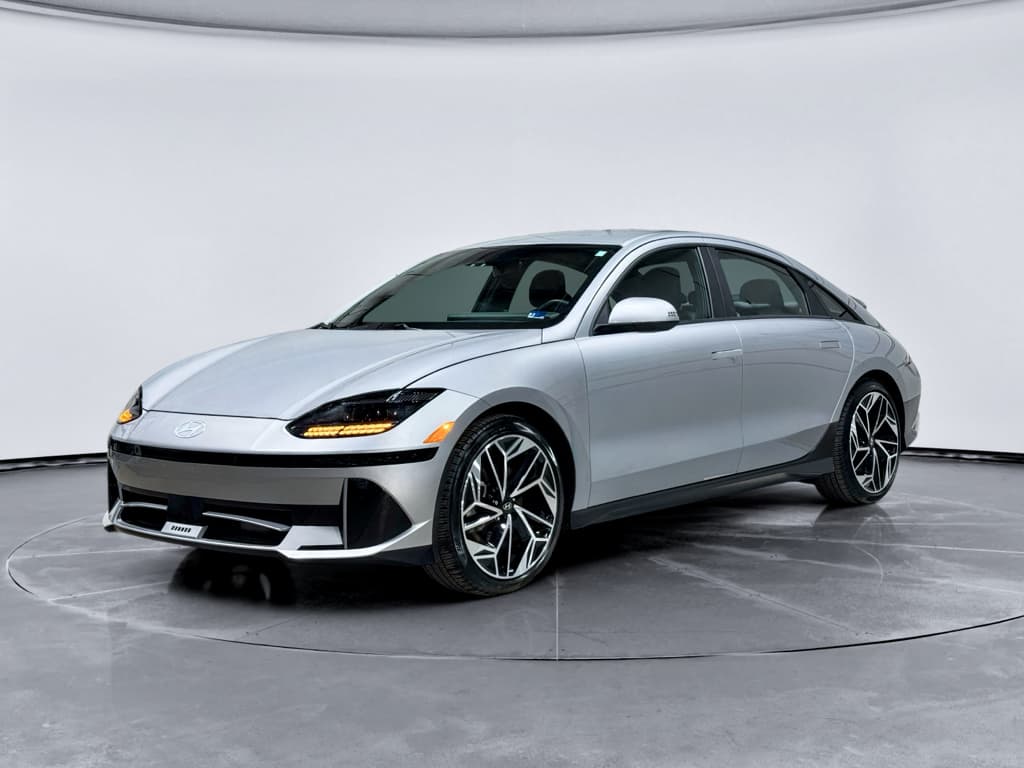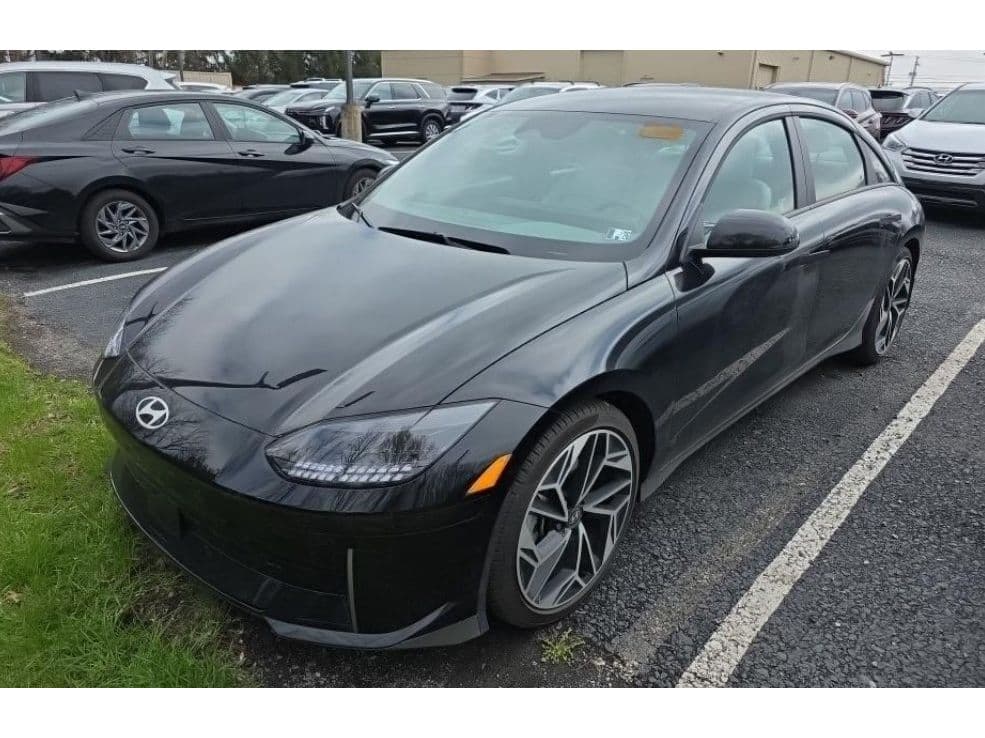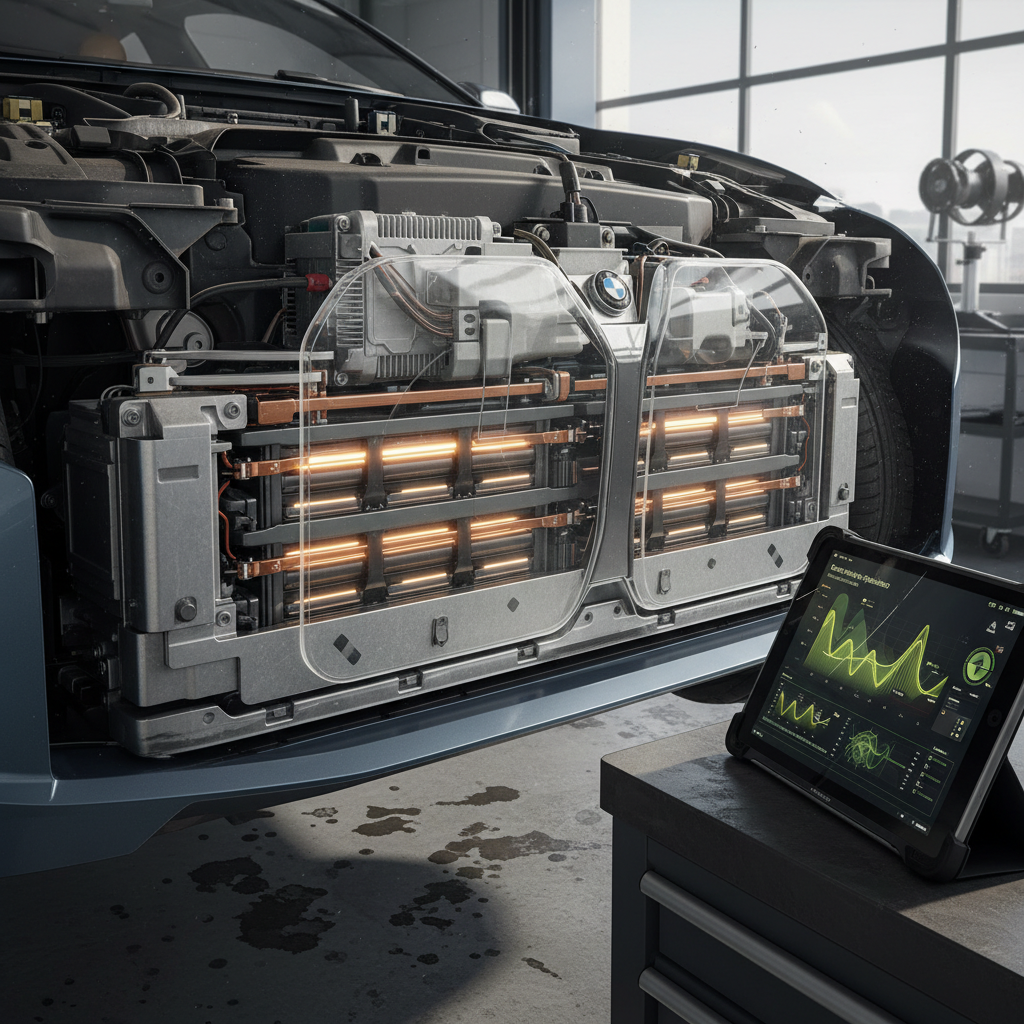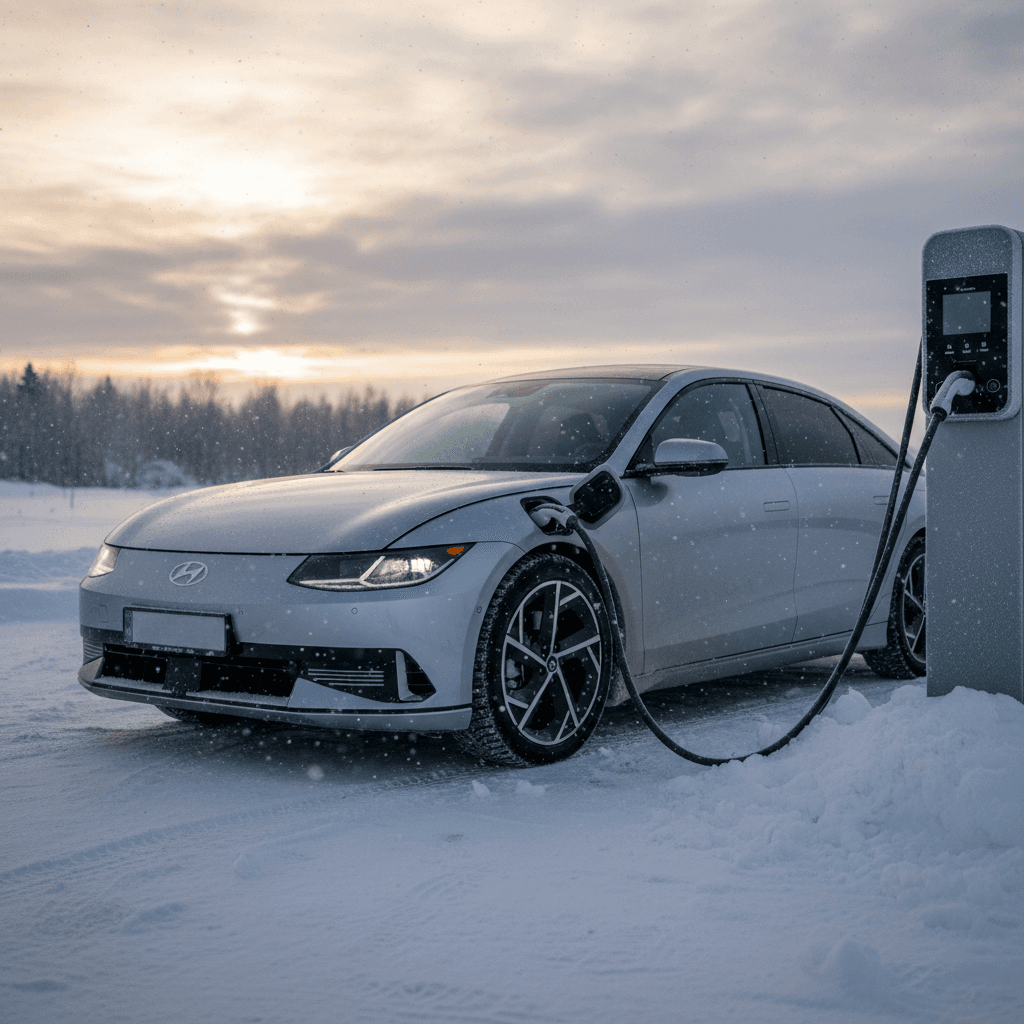
If you’ve just bought (or are eyeing) a Hyundai IONIQ 6, its long EPA range looks like a dream, until the first real cold snap. Suddenly that confident range estimate on the dash shrinks, your heater’s working overtime, and you’re asking the same question thousands of drivers are: how much winter range loss should I expect in an IONIQ 6, and what can I do about it?
Quick takeaway
Hyundai IONIQ 6 winter range loss at a glance
IONIQ 6 range: lab numbers vs. winter reality
On paper, the IONIQ 6 is one of the most efficient EVs you can buy. Hyundai quotes up to 361 miles of EPA-estimated range for the SE Long Range RWD on 18-inch wheels, and even the thirstiest AWD trims on 20s still land around 270 miles. In winter, though, that headline number is just a starting point. Actual range depends on temperature, speed, trip length, tire choice, HVAC settings, and how you charge.
EPA range vs winter reality for the IONIQ 6
EPA estimates for common Hyundai IONIQ 6 trims
These are official EPA ratings for 2025 IONIQ 6 trims. Real-world winter range will be lower, especially in sustained cold.
| Trim (long-range battery) | Drivetrain | Wheels | EPA range (miles) | What many owners see in typical winter* |
|---|---|---|---|---|
| SE Long Range | RWD | 18" | 342–361 | 220–280 |
| SE Long Range | AWD | 18" | 316 | 200–250 |
| SEL / Limited | RWD | 20" | 291–305 | 190–240 |
| SEL / Limited | AWD | 20" | 270 | 170–220 |
Use these numbers as a baseline, then adjust for winter conditions in your climate.
Those winter estimates in the last column aren’t official, they reflect common real-world drops owners discuss in forums, winter test data from other Hyundai E-GMP models, and what we know about EV behavior in the cold. A 20–30% loss in light winter (around freezing) is very normal, and 30–40% isn’t unusual on long highway drives in sub-freezing or sub-zero conditions.
Remember: your range estimate is just that
Why the Hyundai IONIQ 6 loses range in winter
- Battery chemistry hates the cold. Lithium-ion cells can’t move energy as easily at low temperatures, so usable capacity and power output both drop until the pack warms up.
- Cabin heat is expensive. Unlike a gas car that gets “free” heat from waste engine heat, an EV has to run an electric heater or heat pump. That can pull several kW continuously in very cold weather.
- Short trips are punishing. You spend a chunk of energy just warming the battery and cabin, then park before they can really pay you back in efficiency.
- Winter tires & slushy roads add drag. Softer compounds and more aggressive tread patterns roll less efficiently, and wet or snowy pavement adds resistance.
- High speeds amplify losses. At 70–75 mph in cold air, aerodynamic drag and heater use combine to slash efficiency more than you’d expect from summer driving.
The IONIQ 6 fights back with an efficient heat pump and an ultra-slick body that posts a drag coefficient as low as 0.21. That helps, but it doesn’t change the physics of cold-soaked lithium-ion cells or the energy cost of keeping you warm.
Real owner experiences: how much winter range loss?
Owners in colder climates are now logging their first and second winters with the IONIQ 6, and the pattern is clear: expect somewhere between 20% and 35% winter range loss on average, with outliers on either end depending on how and where you drive.
What IONIQ 6 drivers are reporting in winter
Anecdotes aren’t lab data, but they line up with what we see across modern EVs.
Mild winter, mixed driving
Owners in climates around 30–40°F (–1 to 4°C), running all-season tires and doing a mix of city and highway, often report:
- 20–25% range loss compared with summer.
- Near-EPA range on longer, gentle highway trips once the pack is warm.
Deep cold, highway and winter tires
Drivers in northern climates on winter tires, at temps well below freezing, frequently see:
- 30–40% range loss on highway-heavy trips.
- Even larger losses on repeated short hops where the battery never warms fully.
A quick rule of thumb
How wheel size and trim change your winter range
18" wheels: your winter efficiency ally
If you care about cold-weather range, the 18-inch wheel SE trims are your friends. They start with the best EPA numbers, up to 361 miles, and the narrower, higher-profile tires tend to perform better in slush and cold rain. In winter, that higher baseline gives you more headroom before losses start to sting.
Pairing 18s with a good all-weather or winter tire can mean dozens of extra miles of usable range on a cold day compared with the flashy 20s.
20" wheels and AWD: traction at a cost
The SEL and Limited trims on 20-inch wheels, especially with AWD, trade range for looks and grip. Their EPA ratings drop into the 270–305 mile band already. Add winter tires, heavier curb weight, and more drivetrain drag from the front motor, and you’ll feel winter losses more acutely.
If you regularly drive in snow-belt states, AWD may still be worth it, but plan your winter trip stops around 170–220 real miles instead of the brochure numbers.
Thinking about wheels on a used IONIQ 6?
Cold-weather charging: why your IONIQ 6 may charge painfully slow
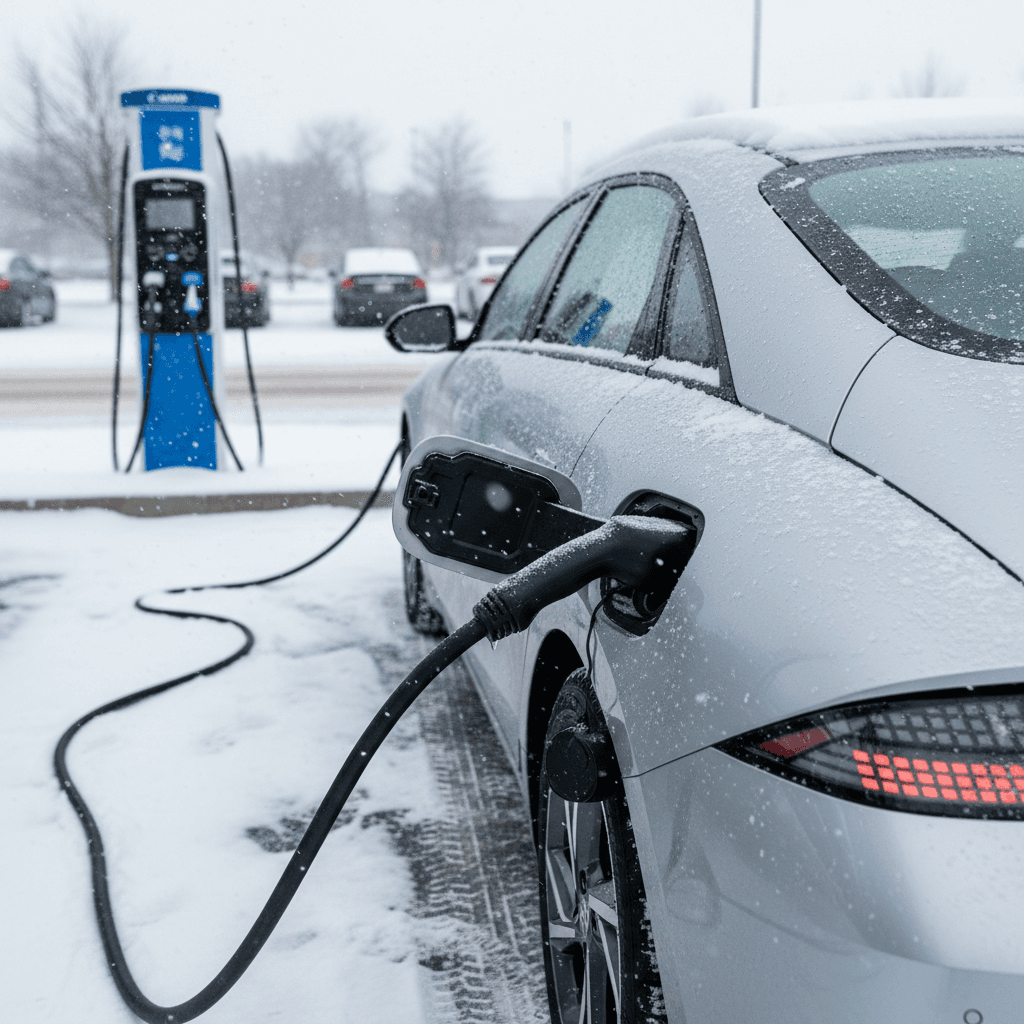
Range isn’t the only thing that suffers in winter; DC fast charging speeds can plummet if the battery is cold. The IONIQ 6’s 800-volt architecture is capable of charging from 10–80% in as little as 18 minutes on a 350 kW DC fast charger, when the battery is warm. In winter, owners regularly see the car hang in the 40–70 kW range instead of spiking past 200 kW.
- The car protects itself by limiting charge power until the coldest cells reach a safe temperature.
- Battery preconditioning (heating the pack before you arrive) helps, but you need enough lead time, often 25–45 minutes of driving with a DC fast charger set as your destination.
- Preconditioning draws several kW while it runs, so you’re trading some driving range for faster charging once you reach the station.
- If you only drive 5–10 minutes to the charger, preconditioning may barely move battery temperature, and you’ll still see slow speeds.
Don’t panic at 40–60 kW
Driving habits that protect winter range
Simple changes that add miles back to your winter range
You can’t change the weather, but you can change how your IONIQ 6 uses energy in it.
Use seat & wheel heaters first
Heated seats and steering wheel sip energy compared with cranking cabin heat. Set the cabin a bit cooler and lean on those localized heaters to stay comfortable.
Dial back your speed
On a cold day, every extra 5 mph above 65 can cost a surprising chunk of range. If you can stick to 60–70 mph instead of 75–80, you’ll see immediate gains.
Bundle your trips
EVs are happiest on longer, continuous drives. String errands together so the battery and cabin warm once, instead of doing multiple cold starts that hammer efficiency.
- Precondition the cabin while plugged in at home so you’re using grid power, not battery, to warm the car.
- Avoid aggressive acceleration and hard braking until the battery warms up; it won’t just protect range, it’s easier on the pack.
- If you don’t need instant heat, try starting with the fan only and gradually increasing temperature instead of blasting full heat from a cold soak.
- On road trips, navigate to DC fast chargers through the built-in nav so the car knows to precondition the battery. Enter the stop well in advance, not five minutes before.
IONIQ 6 winter prep checklist
Get your Hyundai IONIQ 6 ready for cold-weather season
1. Check your tires and pressures
Cold air drops tire pressure. Verify your IONIQ 6’s pressures match the door-jamb label and consider a dedicated set of winter or all-weather tires if you see frequent snow.
2. Update vehicle software
Battery preconditioning behavior, range estimation, and climate controls can be improved with updates. Before winter, have a Hyundai dealer apply any outstanding campaigns or software updates.
3. Learn your climate control settings
Spend a few minutes experimenting with Eco climate mode, seat and wheel heaters, and different temperature settings so you know how to stay comfortable without wasting energy.
4. Practice DC fast charging with preconditioning
On a mild day, plan a test run to a DC fast charger. Set it as a destination in the nav 30–40 minutes before arrival and watch how charge speeds differ from a cold arrival.
5. Adjust your mental range budget
If your car is rated for ~340–360 miles, start planning winter days around <strong>220–260 usable miles</strong> and build in a comfortable buffer for detours or headwinds.
6. Plan home charging around off-peak times
In many areas, electricity is cheaper at night. Charging to 80–90% overnight and topping up during warmer afternoons can help both your wallet and your winter efficiency.
Shopping for a used IONIQ 6? Winter questions to ask
If you’re considering a used Hyundai IONIQ 6, winter performance shouldn’t be an afterthought. A car that feels fine in July can be a frustration machine in January if the battery is tired, the wrong tires are fitted, or software is out of date.
Key winter questions for used IONIQ 6 shoppers
Use this as a quick interview guide when talking to a private seller or dealership.
| Question to ask | Why it matters |
|---|---|
| What trim, battery, and wheel size does it have? | Determines your starting EPA range and how sensitive the car will be to winter losses. |
| Has the car had recent software updates or recall patches? | Updates can affect preconditioning, range estimation, and cold-weather behavior. |
| Do you have winter or all-weather tires for it? | The right tires improve safety and can slightly improve or worsen efficiency. |
| How was it charged most of the time? | Frequent DC fast charging at high states of charge can affect long-term battery health. |
| What kind of winter range did you typically see? | Owner experience in your climate is more useful than brochure numbers. |
You don’t need to be a battery engineer, just ask direct, practical questions like these.
Where Recharged fits in
Ready to find your next EV?
Browse VehiclesHow Recharged helps you avoid winter range surprises
Verified battery health, not guesswork
With any used EV, especially one as efficient as the IONIQ 6, the health of the battery dictates how bad winter range loss will feel. At Recharged, every vehicle gets a Recharged Score battery health diagnostic. Instead of taking the seller’s word for it, you see objective data on pack condition and expected range.
That’s especially helpful if you’re comparing an IONIQ 6 against other used EVs that may suffer larger winter losses or lack a heat pump.
Guided shopping for your climate and driving style
Our EV specialists can help you decide whether an SE RWD on 18s or an AWD Limited on 20s makes more sense for your winters, commute, and road-trip style. We can walk you through total cost of ownership, charging options, and even nationwide delivery, so you’re not stuck picking from whatever happens to be local.
Already own an IONIQ 6 and thinking of selling? Recharged offers trade-in, instant offer, or consignment, all with a digital process designed around EVs.
Hyundai IONIQ 6 winter range loss: FAQ
Frequently asked questions about IONIQ 6 winter range
Bottom line: living with an IONIQ 6 in winter
The Hyundai IONIQ 6 is one of the most efficient EVs on the road, but winter isn’t magic-proof. You should expect meaningful range loss in cold weather, especially on short trips, at high speeds, or in deep cold. The flip side is encouraging: with smart use of preconditioning, heater settings, tire choice, and realistic trip planning, the IONIQ 6 remains a relaxed, capable winter companion.
If you’re already driving one, think of this winter as your data-gathering season, pay attention to how temperature, speed, and HVAC settings affect your real-world range. If you’re shopping for a used IONIQ 6, let tools like the Recharged Score Report and EV-specialist guidance take the guesswork out of battery health and winter performance. Cold weather will always steal a slice of your range; the goal is to make sure it never steals your confidence.