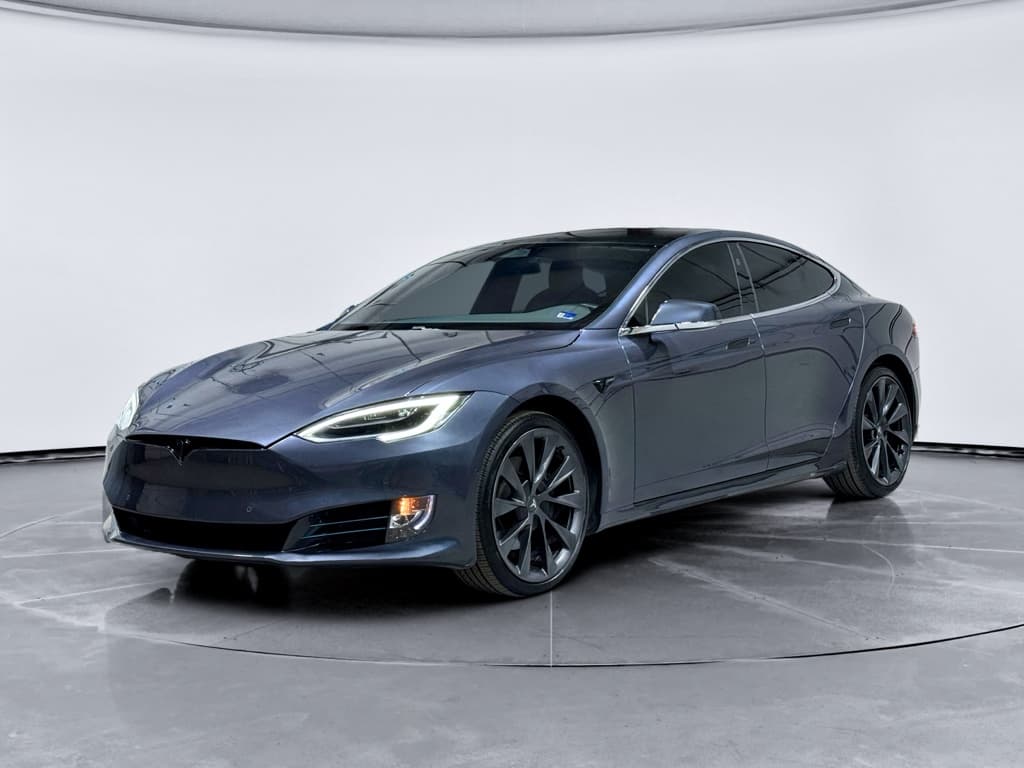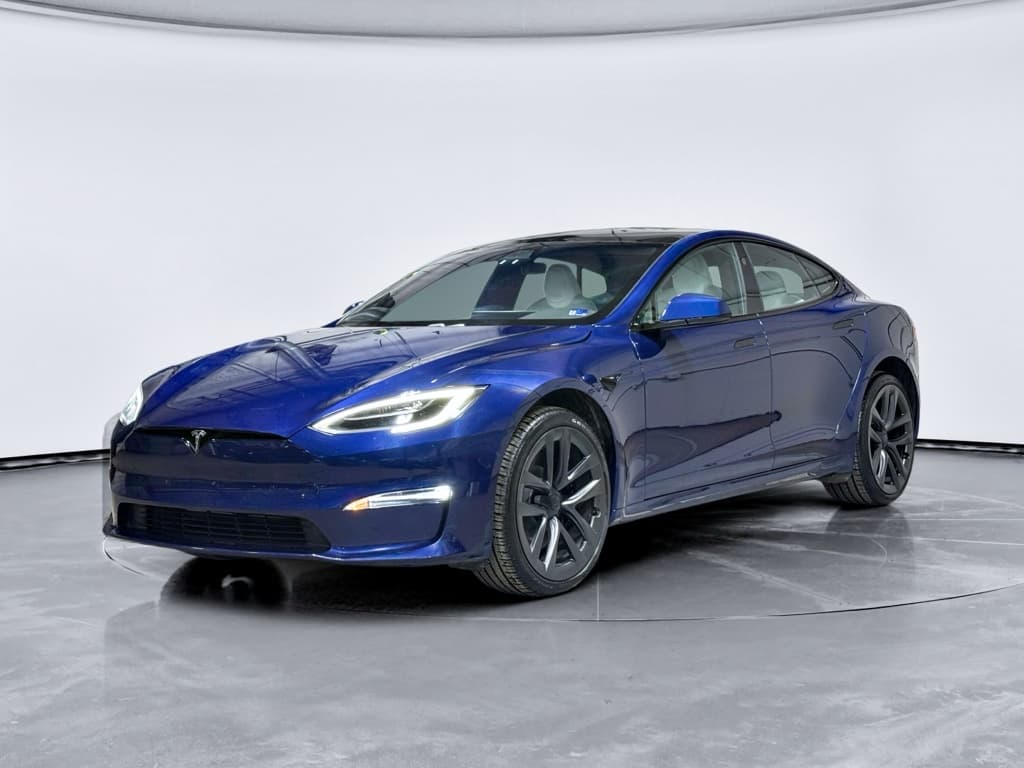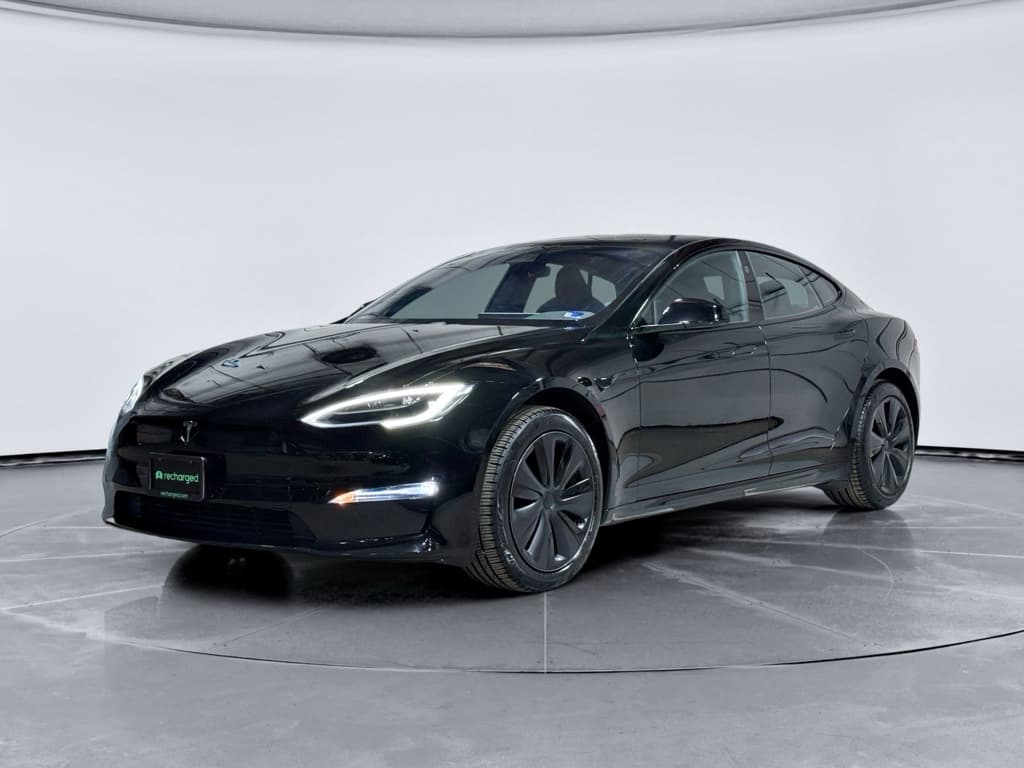
If you’re hunting for a fast, long‑range luxury EV, a used 2023 Tesla Model S sits in a strange but tempting spot. It’s the modern, refreshed body style with serious performance and range, but it’s also been battered by Tesla’s price cuts and brutal depreciation. That’s bad news for original owners, and a big opportunity if you’re the second one in line.
Context: 2023 is near the end of the Model S era
Why the 2023 Model S matters as a used EV
A halo sedan that finally depreciates like one
By 2023 the Model S wasn’t Tesla’s sales star anymore, that job belonged to the Model 3 and Y, but it still played halo car, with huge power and long‑distance range. Price cuts on new Teslas in 2023–2025, plus slowing EV demand, have pushed used Model S prices down sharply, especially for high‑MSRP Plaid cars.
Modern hardware, few running changes after 2021
The big refresh arrived for 2021 (new interior, horizontal screen, yoke option, updated motors). By 2023, Tesla had worked through many early teething issues, and there were no major mechanical changes after mid‑2023. That means a used 2023 feels current, without you paying new‑car money for what is essentially the same package.
Key numbers for used 2023 Model S shoppers
2023 trims: Long Range vs Plaid (and the brief Standard Range)
For 2023 in North America, the Model S lineup is simple on paper but messy in the used market. Officially you have two main trims: the dual‑motor all‑wheel‑drive Model S (often called Long Range) and the wild, tri‑motor Model S Plaid. In mid‑2023, Tesla briefly added a software‑locked "Standard Range" with less range and a lower price; a few of those cars are now trickling into used listings, sometimes mislabeled.
2023 Tesla Model S trims at a glance
Approximate headline specs when new. Always confirm exact equipment on any used car you’re considering.
| Trim | Motors / Drive | Approx. EPA range* | 0–60 mph | Notes |
|---|---|---|---|---|
| Model S (Long Range) | Dual‑motor AWD | ~405 mi (19"), ~375 mi (21") | ≈3.1 s | Best blend of range, speed, and price for most buyers. |
| Model S "Standard Range" | Dual‑motor AWD | ~320 mi | ≈3.7 s | Software‑locked battery. Rare; sometimes mislabeled in vehicle history reports. |
| Model S Plaid | Tri‑motor AWD | ~390 mi (19"), ~348 mi (21") | Down to 1.99 s | Supercar‑quick, still a practical four‑door. Costs more to buy and to feed tires. |
Wheel size, software options, and later software updates can change these numbers slightly.
Watch for mis‑labeled Standard Range cars
Range and charging: what you’ll see in the real world
On paper, the 2023 Model S is still a range champ. In the real world, you’ll never see the window‑sticker numbers every day, but you’ll get closer in a Model S than in many rivals. The large battery (roughly 100 kWh usable) and slippery shape mean that even with some degradation, a well‑kept 2023 car can still feel like a 300‑plus‑mile sedan a few years in.
Real‑world range expectations for a used 2023 Model S
Assuming a reasonably healthy battery and typical U.S. driving
Daily mixed driving
Long Range: 280–340 miles on a full charge is realistic depending on climate, pace, and wheel size.
Plaid: Expect 260–320 miles; Plaid drivers tend to use that power, which eats range.
Cold‑weather highway
Sustained winter highway runs can drop effective range 20–35%. A Plaid on 21" wheels in sub‑freezing temps might be comfortable planning only 200–230 miles between stops.
Charging experience
All 2023 cars use the Tesla connector (NACS) and get access to the Supercharger network, plus DC fast charging on many third‑party stations as networks adopt NACS. Peak rates around 250 kW are possible on a warm battery at low state of charge.
Range sanity check on a test drive
Used pricing & depreciation: 2023 Model S in 2025–2026
Here’s where the 2023 Model S gets really interesting as a used car. Between Tesla’s new‑car price cuts starting in 2023 and softer EV demand, the Model S has become one of the fastest‑depreciating EVs on the market. Studies of five‑year‑old EVs show the Model S losing well over half of its original value, and more recent data from 2024–2025 found the Model S had the steepest year‑over‑year price drop of any model studied.
What used 2023 Model S prices look like in early 2026 (U.S.)
Broad real‑world price bands to frame your search, assuming clean history. Local market, mileage, and options still matter.
| Trim & condition | Typical mileage | Typical asking range | What it means |
|---|---|---|---|
| Long Range, light use | 15k–30k mi | ≈$45,000–$55,000 | Often one‑owner cars, still under full battery/drivetrain warranty. |
| Long Range, higher miles | 40k–60k mi | ≈$40,000–$48,000 | Best value sweet spot if the battery and records check out. |
| Plaid, light use | 10k–25k mi | ≈$60,000–$70,000+ | Supercar performance, but you’re paying for bragging rights and tire bills. |
| Plaid, higher miles or heavy use | 35k–60k mi | mid‑$50k–low‑$60k | Big depreciation from original MSRP; scrutinize tires, brakes, and alignment. |
These are typical asking ranges, not guaranteed deals. Always check live listings and a fair‑market‑value tool.
What’s driving that depreciation?
Battery health and drivetrain longevity
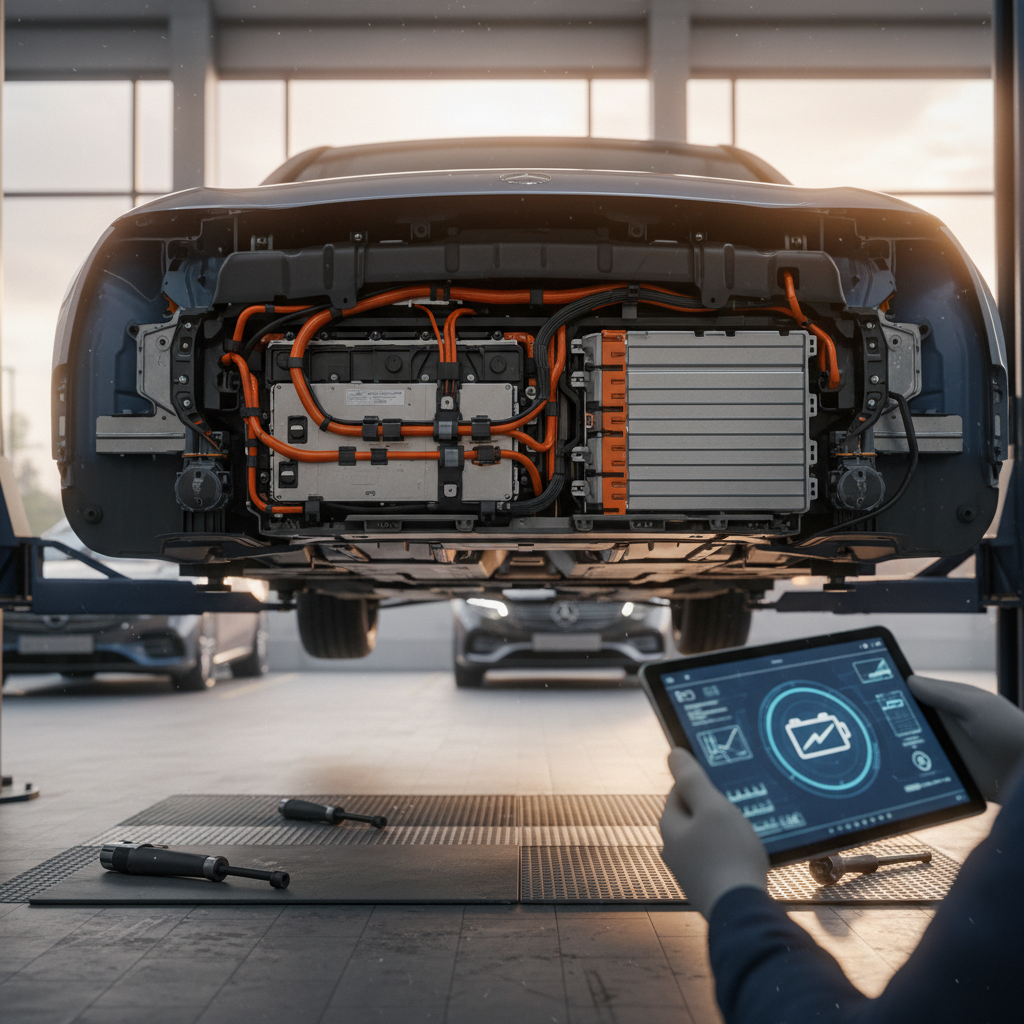
The million‑dollar question for any used EV is, “How’s the battery?” With the 2023 Model S, the answer is usually “quite good so far”, but that only matters if you verify it on the specific car you’re looking at. Tesla’s large packs tend to lose the most capacity in the first few years, then settle into a slow, gradual decline if the car’s been treated reasonably.
How to think about 2023 Model S battery health
Good news overall, but check the details on each car
Typical degradation pattern
Many owners report roughly 5–10% capacity loss over the first 3–5 years, then a slower decline. Abuse (lots of DC fast charging from 0–100%, constant high‑speed runs) can accelerate this.
Tesla’s battery warranty
For 2023 cars, the high‑voltage battery and drive units are usually covered for 8 years / 150,000 miles with a minimum 70% capacity guarantee. A 2023 car in 2026 is still early in that coverage window.
How Recharged checks battery health
Every car listed on Recharged includes a Recharged Score Report with battery diagnostics. We read pack data where possible and correlate it with mileage, charging history, and real‑world performance so you’re not guessing about the most expensive part of the car.
DIY battery check when shopping private‑party
Reliability, build quality, and known issues
Tesla has never been a reliability poster child, and the Model S is no exception. Consumer surveys and recall data show recurring concerns with suspension pieces, alignment, electronics, and various trim and build‑quality gremlins. The 2023 cars benefit from a decade of continuous improvement, but they still share the family DNA.
- Suspension and steering components: Owners and regulators have flagged premature wear in certain suspension bits on multiple Tesla models over the years. On a test drive, listen for clunks over bumps and feel for wandering or vibration at highway speed.
- Air suspension: When it works, it’s lovely. When it doesn’t, it’s expensive. On higher‑mileage cars, ask about prior air‑suspension work, and pay attention to overnight sagging or warning lights.
- Exterior trim and seals: Wind noise, misaligned panels, and water intrusion have shown up often enough that you should always inspect seals, sunroof (if equipped), and trunk area carefully.
- Electronics and infotainment glitches: The 2023 UI is fast and modern, but software updates can introduce bugs. Make sure everything works: cameras, Autopilot features, Bluetooth, climate, and all the powered gizmos.
- Recalls and over‑the‑air fixes: Many Tesla recalls are handled by software update, but not all. Run the VIN through NHTSA and confirm all open campaigns are addressed before purchase.
Don’t ignore suspension noises
Interior, tech, and driving experience
Slide into a 2023 Model S and it still feels modern, minimalist, a little stark, but undeniably high‑tech. You get the horizontal 17‑inch center screen, a separate driver display, and a clean, ventilated dash. Most 2023s came with the controversial yoke steering, though many later cars and some retrofits use a conventional round wheel.
Performance and comfort
- Long Range: Think silent, effortless shove every time you merge. It’s more than quick enough for daily life and road‑trip duty.
- Plaid: You will run out of courage before it runs out of power. Fun on ramps, utterly wasted in traffic. Plan on more tire wear and a firmer ride.
- Ride and noise: The air suspension smooths most bad pavement, but deep potholes still thump through, especially on 21" wheels.
Cabin and usability
- Space: Huge hatchback trunk, usable rear legroom, and an optional rear‑facing jump seat in some earlier years (rare by 2023).
- Controls: Nearly everything routes through the screen, from wipers to vents. If you prefer knobs, this isn’t your car.
- Assistance tech: Autopilot is standard, and many cars have Enhanced Autopilot or Full Self‑Driving capability purchased. Treat it as driver assist, not magic.
Where the 2023 Model S still shines
How the 2023 Model S compares to rivals and to Model 3/Y
Used shoppers in this price band are also looking at cars like the Lucid Air, Mercedes EQE/EQS, BMW i5/i7, and high‑spec Tesla Model 3 and Y. The 2023 Model S plays its own game: part luxury sedan, part tech product, part drag‑strip toy.
2023 Model S vs common alternatives
What you trade off when you pick the big Tesla
Vs. Tesla Model 3/Y
Pros: More space, longer range in many configs, more isolation on the highway, and Plaid performance that the smaller cars can’t touch.
Cons: Higher purchase price, higher insurance, and potentially higher repair bills outside warranty.
Vs. German luxury EV sedans
Pros: Better range and charging network coverage in most of the U.S., simpler option structure, over‑the‑air magic.
Cons: Cabin materials and noise isolation may still lag a Mercedes or BMW at the same used price point.
Vs. Lucid Air and others
Lucid and a few others can beat the Model S on pure range or charging speed in ideal conditions, but can’t yet match the size and reliability of Tesla’s Supercharger network. On the used market, Tesla’s steep depreciation often makes a 2023 Model S feel like the safer long‑distance bet.
Inspection checklist for a used 2023 Model S
Hands‑on checklist before you buy a used 2023 Model S
1. Verify trim, wheels, and options
Confirm whether you’re looking at Long Range, Standard Range, or Plaid. Check wheel size (19" vs 21") and look for option codes or original window sticker to confirm Autopilot/FSD purchases.
2. Pull and review the vehicle history
Look for accident damage, flood branding, lemon/buyback status, and repeated service visits for the same concern. Any structural repairs deserve a deeper inspection.
3. Check battery health indicators
Note projected range at a known state of charge, ask for any prior service notes on the high‑voltage battery, and look for warnings in the energy or charging menus.
4. Drive it hard enough to listen
On your test drive, include rough pavement and highway speeds. Listen for suspension clunks, rattles, or wind noise, and feel for vibration or pull under braking.
5. Test every electronic feature
Camera views, Autopilot, heated and cooled seats (if equipped), climate control, Bluetooth, audio, phone app connectivity, the works. Software‑heavy cars live or die by their electronics.
6. Inspect tires, brakes, and alignment
Uneven tire wear or a steering wheel that’s off‑center can hint at alignment or suspension issues. Plaid cars are especially hard on tires; budget accordingly.
7. Confirm warranty and recall status
Have the seller show current warranty coverage in the Tesla app or service portal and check the VIN for open recalls. A 2023 car should still have substantial coverage left.
8. Get a third‑party or Recharged inspection
If you’re not buying from a retailer that provides detailed reports, pay a trusted shop with EV experience, or let Recharged handle the diagnostics, battery report, and fair‑market pricing work for you.
How Recharged simplifies shopping a complex car
Ready to find your next EV?
Browse VehiclesWho should (and shouldn’t) buy a used 2023 Model S
Great fit for
- High‑mileage commuters and road‑trippers who want 300+ miles of real‑world range and fast, predictable DC charging.
- Luxury sedan drivers coming out of S‑Class, 7 Series, or Audi A8 who care more about smooth power and technology than about wood veneer.
- Enthusiasts who secretly wanted a supercar but need four doors and a hatch; Plaid turns any on‑ramp into an event.
Think twice if
- You live far from Tesla‑friendly service options and don’t have an EV‑savvy shop nearby.
- You’re extremely sensitive to squeaks, rattles, or minor cosmetic flaws; a Lexus this is not.
- You’re on a tight budget for unexpected repairs once the basic warranty expires.
- You mostly do short trips in the city, where a smaller, cheaper EV or PHEV might make more sense.
FAQ: Used 2023 Tesla Model S
Frequently asked questions about the 2023 Tesla Model S as a used car
Bottom line: Is a used 2023 Model S worth it?
If you’re chasing maximum value per dollar, the 2023 Model S is not the cheapest way to put an EV in your driveway. But if you want a long‑legged, brutally quick luxury sedan that still feels ahead of the curve in 2026, a used 2023 Tesla Model S, especially a carefully chosen Long Range, can be a superb play. Depreciation has already done the dirty work. Your job is to pick a car with a healthy battery, a clean underbody, and a history that makes sense.
Take your time, drive more than one, and don’t let the screens and speed distract you from the basics. And if you’d rather have a team that speaks fluent EV do the worrying for you, start your search with Recharged. Every Model S we list comes with a Recharged Score Report, EV‑specialist support, and options for financing, trade‑in, and delivery, so you can enjoy the car without losing sleep over what you missed in the fine print.