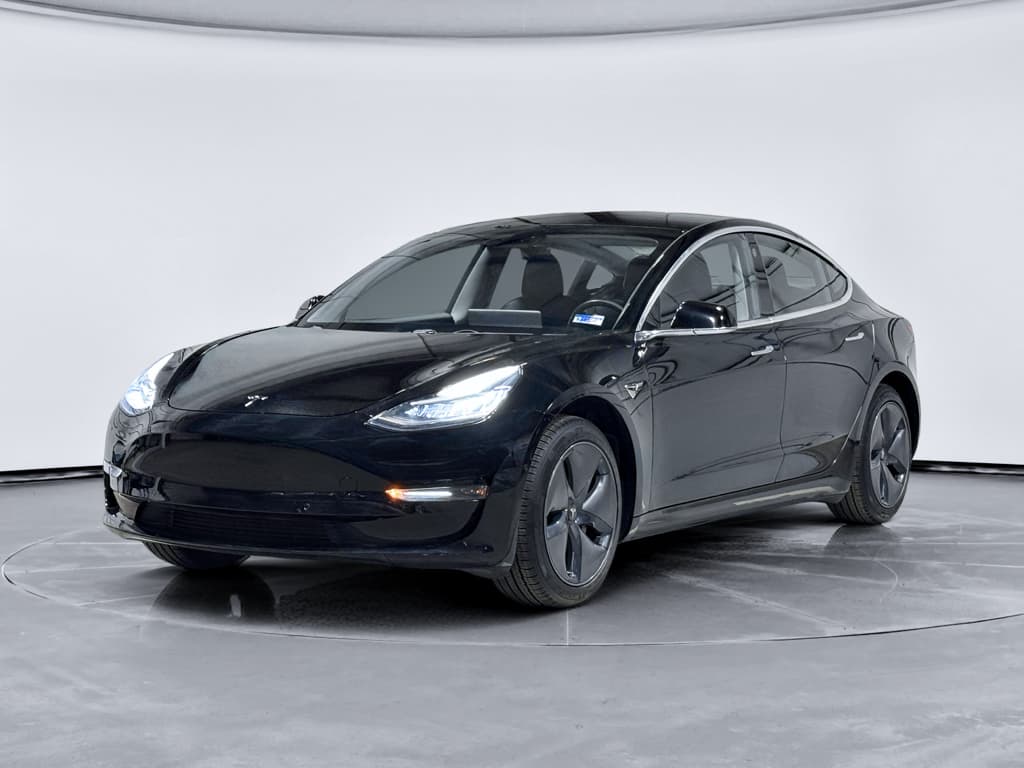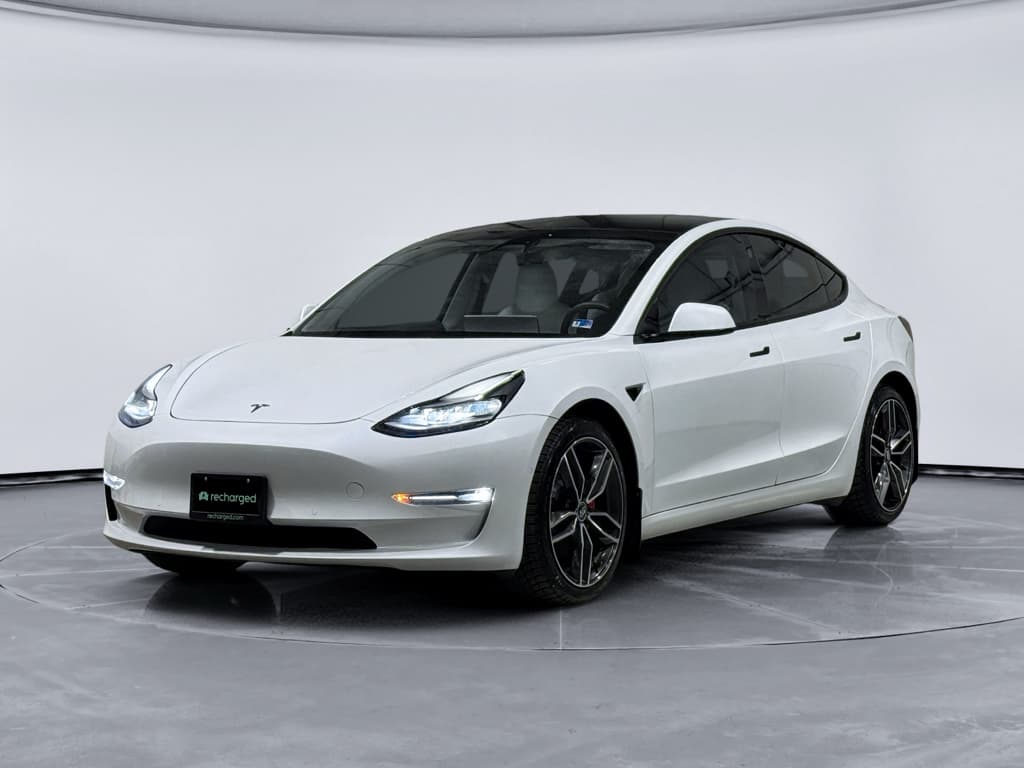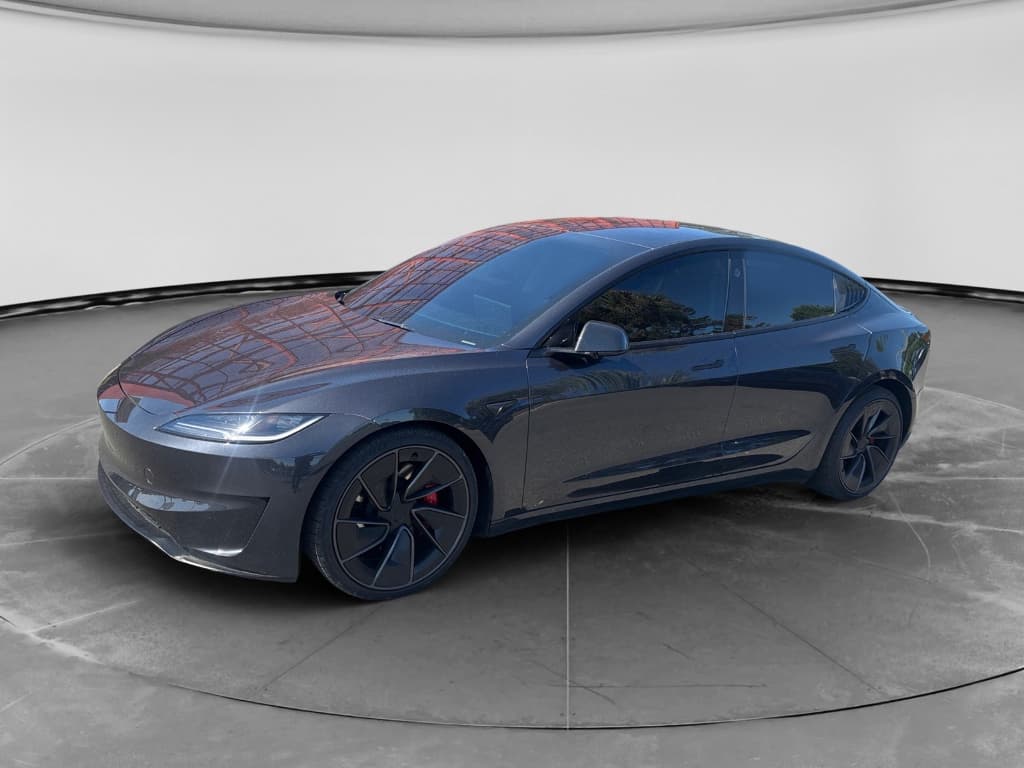
Search for “2023 Tesla Model 3 reliability rating” and you’ll see two very different stories. Owner reviews on mainstream sites are glowing. At the same time, regulators and inspection agencies flag more defects and software-related recalls than you’d see on a typical Toyota or Honda. If you’re thinking about a used 2023 Model 3, you need to reconcile those two realities.
Quick take
2023 Tesla Model 3 reliability at a glance
Owner sentiment vs. defect data
Ratings are not one number
How the 2023 Model 3 scores on reliability
When shoppers ask about the 2023 Tesla Model 3 reliability rating, they’re usually looking for a simple score. In reality, you’re dealing with a patchwork of sources, owner reviews, third‑party reliability indexes, inspection data, and long‑term studies that mostly track earlier model years.
2023 Tesla Model 3 reliability ratings snapshot
How major data sources and owner communities view the 2023 Model 3’s reliability, as of early 2026.
| Source / signal | What it measures | 2023 Model 3 signal | Key takeaway |
|---|---|---|---|
| Owner reviews (Cars.com, KBB, etc.) | Self‑reported satisfaction and reliability | Around 4.7–4.8 / 5 for reliability | Most owners report few hard failures and would buy again. |
| Independent reliability index sites | Complaints, recalls, and defect rates | Scores in the mid‑range vs. all cars, above average vs. EVs | Volume of complaints and recalls is higher than mainstream gas sedans. |
| European inspection data (TÜV, etc., older Model 3s) | Defect rate at mandatory inspections | Model 3 shows higher‑than‑average defect rate at 2–5 years | Points to more wear on suspension and brakes, plus lighting and alignment issues. |
| U.S. regulator data (NHTSA) | Recalls and formal safety investigations | Multiple software‑driven recalls plus some hardware campaigns | Tesla leans heavily on over‑the‑air fixes; still, a recall is a recall. |
These are directional summaries, not official scores from Recharged.
Put simply: if you judge reliability the old‑fashioned way, "does the engine blow up?", the 2023 Model 3 looks excellent. The battery and motors are holding up well, and major breakdowns are rare. But if you factor in software bugs, trim defects, and service headaches, the picture gets more complicated.
How to read mixed reliability scores
Common issues with the 2023 Tesla Model 3
From owner reports, service bulletins, and safety databases, a clear pattern emerges: the 2023 Model 3’s biggest pain points are build quality, suspension and steering components, and software/driver-assistance behavior, not core EV hardware.
Most frequently reported 2023 Model 3 problems
What you’re most likely to run into on a 3–5 year‑old car
Build quality & trim quirks
- Wind noise from frameless windows
- Interior rattles and buzzes
- Loose trim or misaligned panels
- Premature wear on interior surfaces
Most of these issues are annoying rather than dangerous, but they can be hard to get addressed quickly at Tesla service centers.
Suspension, steering & tires
- Clunks or thumps over bumps
- Premature tire wear, especially on performance trims
- Occasional reports of steering feel changes or assist loss traced to firmware
These are the main areas where independent shops are starting to see out‑of‑warranty repair work.
Software & driver-assistance behavior
- Glitches with Autopilot or Full Self‑Driving features
- Random screen reboots or slow UI
- Unexpected braking or lane‑keeping behavior
These issues are often addressed via over‑the‑air updates, but they’re also the focus of ongoing safety investigations.
Software isn’t “free” from a reliability standpoint
Battery health and drivetrain longevity
If you care most about whether a 2023 Model 3 will leave you stranded, the good news is that the battery pack and motors have been stand‑out strengths so far. Earlier Model 3s with similar pack designs are now well past 100,000 miles with modest degradation and very low failure rates, and there’s no sign that the 2023 model year suddenly reversed that trend.
- Most owners report only single‑digit percent range loss after 2–3 years of typical use.
- Battery thermal management and lack of a multi‑speed gearbox remove some of the big wear items that plague gas cars.
- The rear‑drive and dual‑motor setups are proving robust, with very few motor replacements reported relative to fleet size.
- Charging behavior and peak speed tend to be consistent over time, assuming the pack is kept within reasonable state‑of‑charge windows.
How to keep a 2023 Model 3 battery happy
From a used‑car perspective, this means that a 2023 Model 3 with higher mileage but a healthy pack can be a smarter buy than a low‑miles gas sedan with an aging transmission. The challenge is verifying that health, which is exactly why Recharged bakes battery diagnostics into every Recharged Score report on Model 3 listings.
Recalls and safety concerns for the 2023 Model 3
No discussion of the 2023 Model 3’s reliability is complete without talking about recalls and safety investigations. Tesla has issued multiple campaigns that include 2023 Model 3s, often delivered as over‑the‑air software updates rather than traditional dealer visits.
Key recall themes affecting 2023 Model 3 vehicles
Representative examples of recall types that have touched 2023‑era Teslas.
| Recall category | What changed | Why it matters | How it’s usually fixed |
|---|---|---|---|
| Autopilot / driver-assistance behavior | Limits where and how Autopilot or Full Self‑Driving beta can be engaged; tweaks alerts and driver monitoring. | Aims to reduce crashes where the system was misused or failed to respond correctly. | Software update; owner may barely notice beyond different behavior or warnings. |
| Steering assist firmware | Updates electronic power steering logic to reduce risk of sudden assist loss. | Loss of steering assist at speed can make the car harder to control, even if basic steering still works mechanically. | Over‑the‑air software update, sometimes followed by a steering inspection if symptoms persist. |
| Exterior lighting and visibility | Adjusts brightness or aiming of exterior lights; checks for potential failures. | Poor lighting or glare can increase crash risk, especially at night. | Software update or, in rarer cases, a hardware replacement at a service center. |
| Braking / unintended movement (legacy issues) | Earlier Model 3s saw campaigns related to parking brake components or flashing brake lights appropriately. | Shows that Tesla will recall for both hardware and software behavior when regulators push. | Hardware inspection and replacement, plus occasional software updates. |
Always run a VIN check on NHTSA or Tesla’s own recall tool for the exact status of a specific car.
Investigations aren’t the same as verdicts
- Verify all recall work has been completed on any used car you’re considering.
- Understand the limits of Autopilot and treat it as driver assistance, not autonomy.
Because Tesla can remediate many issues via software, 2023 Model 3 owners often never visit a service center for a recall. That’s convenient, but it also means you should proactively check the car’s recall status rather than assuming "no news is good news."
How 2023 Model 3 reliability compares to other EVs
Versus other EVs
- Better than average: The 2023 Model 3 generally looks more reliable than first‑generation EVs from some legacy brands, especially on battery and drivetrain durability.
- Competitive with Model Y: The compact Tesla duo (3 and Y) are the bright spots in EV reliability rankings, even if they don’t match Toyota for bulletproof simplicity.
- More software-heavy: Compared with simpler EVs (like some Korean models), you’re taking on more software complexity and driver‑assist features, which brings more opportunity for glitches.
Versus gas compact sedans
- Fewer moving parts: No engine, transmission, or exhaust cuts down on big, expensive failures.
- More early‑life defects: Panel alignment, wind noise, and rattles are more common than in a typical Civic or Corolla.
- Different cost curve: You trade oil changes and timing belts for potential out‑of‑warranty suspension or tech repairs.
Why many owners still rate it highly
What reliability means for used prices and ownership costs
Reliability doesn’t just determine how often the car is in the shop, it also shapes depreciation, financing options, and your total cost of ownership. The 2023 Model 3 sits in an interesting spot: not as bulletproof as a boring gas sedan, but backed by a simple powertrain and strong demand that supports used values.
Reliability impact on your wallet
How the 2023 Model 3’s track record shows up in real costs
Depreciation
The Model 3 remains one of the stronger‑resale EVs thanks to demand and Tesla’s brand pull. You’re not insulated from market swings, but its mainstream appeal helps.
Repair & maintenance
You’ll likely spend less on routine maintenance than a gas car, but budget for items like tires, suspension work, and out‑of‑warranty door handles or window regulators.
Energy & charging
Excellent efficiency and broad Supercharger access (especially on later NACS‑equipped cars) keep per‑mile energy costs low, helping offset any small repair premium.
How Recharged helps you price risk in
How Recharged evaluates 2023 Model 3 reliability
Because Tesla’s ecosystem is so different from traditional brands, we don’t just glance at a Carfax and call it a day. For a 2023 Model 3, our team leans on data, diagnostics, and EV‑specific inspection steps to translate reliability risk into something you can actually use when you shop.
- Battery health scan: We use our Recharged Score diagnostics to estimate remaining capacity and flag abnormal fast‑charge patterns or cell imbalance.
- Drive unit and inverter checks: Road tests and data logs help us spot unusual noises, vibrations, or power delivery issues that could indicate future failures.
- Suspension and steering inspection: We pay special attention to clunks, uneven tire wear, and steering feel given the higher defect rates seen in inspection data.
- Software and feature verification: Our specialists confirm that key features (Autopilot where equipped, basic safety systems, cameras, sensors) behave as expected on the current firmware.
- Recall and campaign status: We cross‑check VINs against known campaigns so you know whether a previous owner actually completed recall updates.
Ask for the Recharged Score report
Checklist for buying a used 2023 Tesla Model 3
Smart reliability checks before you sign
1. Pull the recall and software history
Run the VIN through NHTSA’s recall lookup and Tesla’s own tool. On the test drive, check that the car is on a current firmware version and ask the seller when the last update was installed.
2. Inspect tires, alignment and suspension
Uneven tire wear, the car pulling to one side, or clunks over bumps can point to alignment or suspension issues, some of the most common real‑world problems on used Model 3s.
3. Test all doors, windows and handles
Cycle every door, window and trunk/frunk multiple times. Listen for grinding or sticking, and confirm that emergency releases and child locks work correctly.
4. Stress‑test the screen and cameras
Drive on a rougher road while interacting with the center screen. Watch for reboots, freezing, or camera dropouts. Confirm that backup and side cameras display promptly when selected.
5. Evaluate Autopilot behavior cautiously
If equipped, test basic Autopilot on a familiar highway. Stay fully engaged and treat it as a driver aid. You’re looking for consistent, predictable behavior, not full self‑driving magic.
6. Review charging habits and battery health
Ask the seller how they typically charged (home vs. DC fast, charge limits, daily mileage). Use a battery health report, like the Recharged Score, to confirm the pack is aging normally.
Walk‑away red flags
- Unresolved safety recalls or a seller who dismisses them as “just software.”
- Severe uneven tire wear combined with steering pull or wandering.
- Multiple body repairs or structural damage with vague documentation.
- A seller who refuses a pre‑purchase inspection or battery health report.
FAQ: 2023 Tesla Model 3 reliability
Frequently asked questions about 2023 Model 3 reliability
Bottom line: should you trust a 2023 Model 3?
If you define reliability as “will it get me to work every day without a huge repair bill,” the 2023 Tesla Model 3 earns a solid reliability rating, especially for an EV. The battery and drivetrain are strong, and owner satisfaction remains high. Where it comes up short is in the sort of polish, panel alignment, rattle‑free cabins, flawless software behavior, that long‑time Toyota or Honda owners take for granted.
For a used‑car shopper, that split personality can work in your favor. If you go in with clear eyes about the recalls, inspect for suspension and trim issues, and insist on a battery health report, you can capture the benefits of Tesla’s powertrain and charging ecosystem without overpaying for a problematic example. That’s exactly what Recharged is built to help you do, with transparent Recharged Score reports, EV‑savvy inspections, and expert guidance from your first search to delivery.