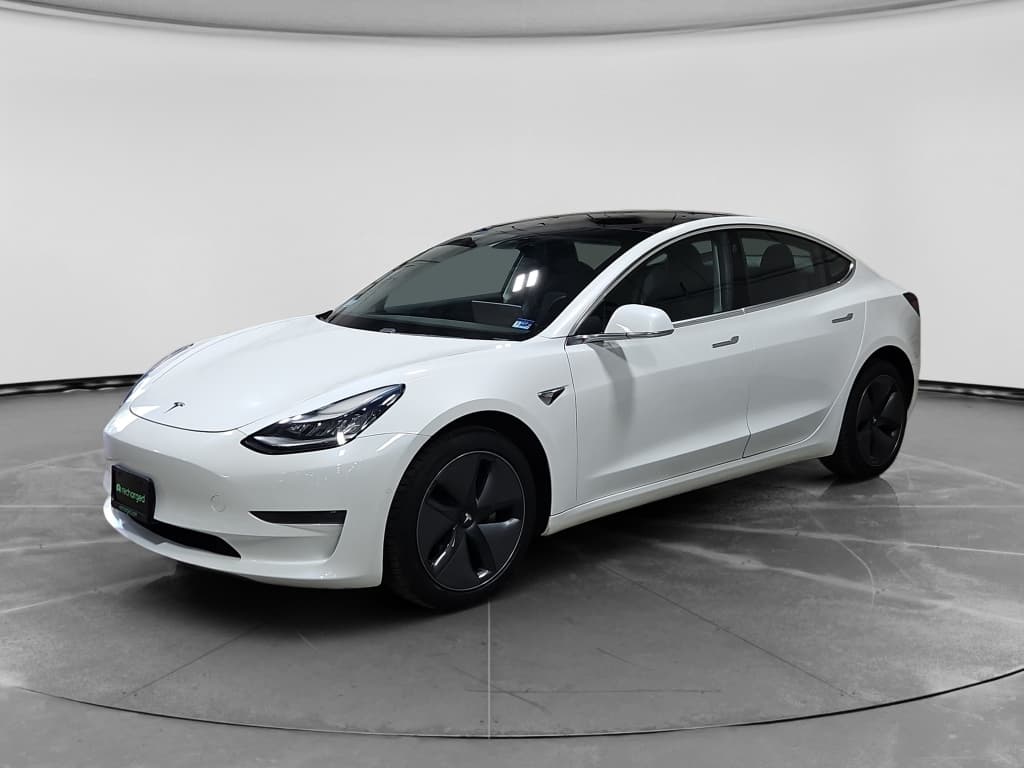
If you’re considering a 2023 Tesla Model 3, you’ll quickly run into one big question: does it really go as far as the sticker says? Official EPA ratings are one thing, but a proper 2023 Tesla Model 3 range test in the real world can tell a very different story, especially at 70 mph on the highway or in winter weather.
At a glance
Why 2023 Tesla Model 3 range tests matter
Range numbers on a spec sheet are lab results. Your commute, climate, driving style, and even wheel choice will push the 2023 Model 3 above or below its official figure. For used shoppers, it’s even more important: you’re not just asking, “What was this car rated when new?” but “What will it actually deliver now, with real miles on the battery?”
What EPA range tells you
- Standardized lab cycle used for window-sticker ratings
- Good for comparing EVs to each other
- Assumes moderate speeds, mild weather, and smooth driving
What real range tests reveal
- How far you can actually go on a charge in your conditions
- Highway, city, and mixed-driving differences
- Impact of winter, rain, elevation, and speed
EPA range isn’t a promise
2023 Tesla Model 3 EPA range by trim
For the 2023 model year, the Tesla Model 3 lineup in the U.S. centered on three main trims. Here’s how their EPA-rated ranges stack up when new, on standard wheel options:
2023 Tesla Model 3 EPA-rated range (new)
EPA combined range ratings for the main 2023 Tesla Model 3 trims on common wheel sizes.
| Trim (2023) | Drive | Battery (approx.) | Wheel size | EPA range (mi) |
|---|---|---|---|---|
| Model 3 RWD | RWD | ~60 kWh | 18" | 272 |
| Model 3 RWD | RWD | ~60 kWh | 19" | 267 |
| Model 3 Long Range | AWD | ~80 kWh | 18" | 358 |
| Model 3 Long Range | AWD | ~80 kWh | 19" | 334 |
| Model 3 Performance | AWD | ~80 kWh | 20" | 315 |
Official EPA range is a useful comparison tool, but real-world tests tell the full story.
Wheel size matters
Real-world range tests: what drivers are actually seeing
Independent tests and owner data give a clearer picture of how a 2023 Tesla Model 3 range test plays out on normal roads. Across multiple sources, the pattern is consistent: Teslas remain efficient, but like most EVs they rarely hit their lab-rated maximum in real driving.
2023 Model 3: lab vs real-world snapshot
In one widely reported real-world program, a newer Model 3 delivered roughly 14% less range than its lab figure on a mixed route, right in line with what many owners experience when they blend highway and city driving at reasonable speeds. Separate cold-weather testing by another group found around a 30% winter range loss for the Model 3, similar to several other popular EVs.
Owner anecdote: RWD reality check
Highway range testing at 70 mph
Most standardized range cycles don’t spend much time at a steady 70–75 mph. That’s why independent testers and owners like to run a simple highway-only Model 3 range test: set cruise at 70 mph, drive a loop, and see how far you get before reaching a low state of charge.
- On pure highway at 70 mph, many 2023 Model 3 RWD tests land in the 200–230 mile range from 100% down to a low buffer.
- Long Range AWD versions often stretch closer to 260–290 miles on the same 70 mph test, depending on temperature and elevation.
- Performance trims with 20-inch wheels tend to sit below the Long Range, often tracking closer to real-world RWD numbers despite the larger battery.
Why 70 mph hurts
Cold-weather range tests and winter penalties
Every EV loses range in the cold, and the 2023 Tesla Model 3 is no exception. Independent winter tests that ran EVs in freezing temperatures until they stopped found 20–30% range losses for many models, including the Model 3. The reasons are straightforward: battery chemistry is less efficient when it’s cold, and cabin heating draws substantial power.
What winter testing shows
- Model 3 can lose roughly 1/5 to 1/3 of its rated range around freezing temps.
- Short trips are hardest on range because the battery and cabin repeatedly warm from cold.
- Highway winter driving with heat on full can push energy use far above the EPA test cycle.
What that means for you
- Plan around ~70–75% of EPA range for winter road trips.
- Precondition the battery and cabin while plugged in to protect range.
- Expect fewer miles from 80–90% state of charge when you start cold.
Don’t discover the winter penalty on a road trip
Six factors that make or break your Model 3 range
The gap between EPA and real-world results isn’t random. Most 2023 Tesla Model 3 range tests live or die by a handful of controllable factors:
Key range levers for the 2023 Model 3
Tweak these, and you’ll see instant changes in Wh/mi and total miles.
Speed
Temperature
Wheels & tires
Elevation & wind
Driving style
Charging habits
How much range to plan for: daily driving vs road trips
It’s one thing to know the theoretical maximum of a 2023 Tesla Model 3 range test; it’s another to know how much range you should actually plan for in day-to-day life. Here’s a practical way to think about it.
Practical range planning for a 2023 Model 3
1. For daily commuting
If your round-trip is under 120 miles, even a 2023 Model 3 RWD with some degradation is more than enough. Charge to 70–80% overnight, and you’ll rarely think about range unless it’s extremely cold.
2. For weekend trips
For 150–230 mile one-way journeys, assume you’ll stop once in a RWD and maybe once in a Long Range, earlier and more often in winter. Plan around roughly 75–85% of EPA range to stay comfortable.
3. For cross-country drives
Use a planner or the Tesla trip planner and assume you’ll charge from about 10–15% back up to 60–80% at each Supercharger. That keeps charge times short and minimizes anxiety about whether you’ll make the next station.
4. For cold-climate owners
In sustained winter, mentally treat your 272-mile RWD as more like 190–210 miles and the 358-mile Long Range as more like 250–280 miles before you hit a low state of charge.
Good news for most drivers
Used 2023 Tesla Model 3: what range buyers should realistically expect
By 2026 and beyond, most 2023 Model 3s on the used market will have tens of thousands of miles on the odometer. Tesla packs are known to lose a chunk of capacity in the first few years, then taper, but the exact number depends heavily on climate, charging habits, and mileage.
- It’s common to see early battery degradation in the single-digit percent range over the first few years.
- A 2023 RWD originally rated at 272 miles might realistically show something like 250–260 miles at 100% after a few years in mild conditions, and less in harsher climates.
- Real-world range from 80–90% state of charge will feel lower still, because you’re not using the full pack top to bottom.
How Recharged translates this for buyers
Maximizing your 2023 Model 3’s range: practical tips
You can’t change physics, but you can stack the deck in your favor. Whether you’re testing range for yourself or just trying to go farther between charges, these steps make a measurable difference in a 2023 Tesla Model 3 range test.
Everyday strategies to stretch your range
Quick wins that cost nothing but attention.
Drive the car, not the rating
Use climate controls smartly
Precondition before you leave
Choose efficiency over looks
Think in percent, not miles
Range and battery health: how Recharged evaluates used Teslas
For used shoppers, the key question isn’t just how a brand-new 2023 Model 3 performed in a magazine test. It’s how the specific car you’re considering will behave on your commute and your road trips, years into its life.
What the Recharged Score looks at
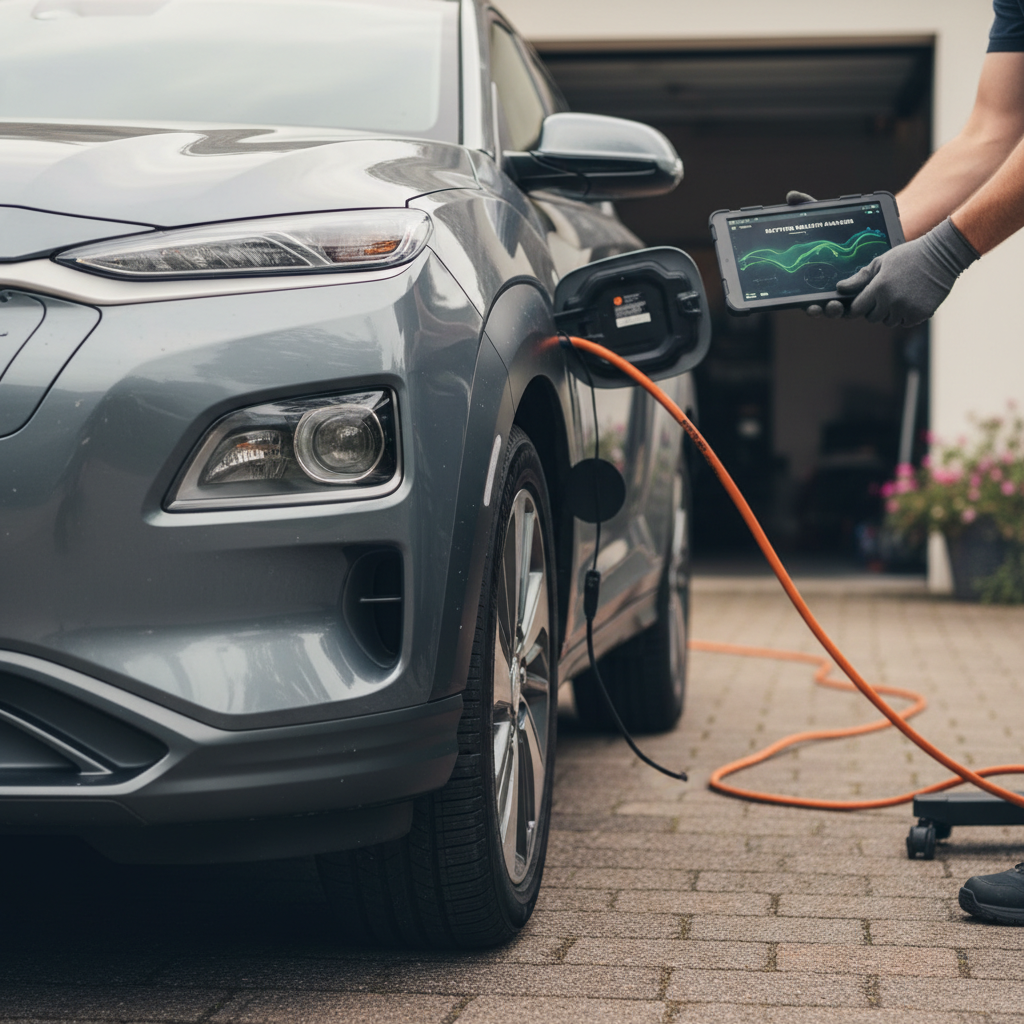
- Battery health diagnostics using pack data and specialized tools.
- Charging history patterns where available (frequent DC fast charging vs mostly home charging).
- Odometer and climate context to frame any observed degradation.
- Software and firmware status, since updates can tweak efficiency and range displays.
How that helps you shop
- You see a transparent snapshot of remaining usable capacity, not just the original EPA sticker.
- Our specialists can translate that into realistic daily and trip range for your driving patterns.
- If you’re trading in or selling your Model 3, a strong battery score supports fair market pricing.
From range test to purchase decision
Ready to find your next EV?
Browse VehiclesFAQ: 2023 Tesla Model 3 range tests
Frequently asked questions about 2023 Model 3 range
Bottom line: is the 2023 Model 3’s range good enough?
Taken together, independent tests and owner data show that the 2023 Tesla Model 3 doesn’t quite live up to its EPA stickers in real-world range tests, but neither does almost any other EV. The key takeaway is that it remains one of the most efficient and road-trip-friendly electric cars on the market, particularly in Long Range form, with excellent charging speeds to back it up.
If you’re shopping used, don’t fixate on the original 272–358 mile numbers. Focus instead on realistic daily and highway range, the car’s battery health, and how it fits your driving patterns. That’s exactly what Recharged’s battery diagnostics and Recharged Score are designed to surface, so you can buy, or sell, a 2023 Model 3 with clear, data-backed expectations about how far it will actually go.