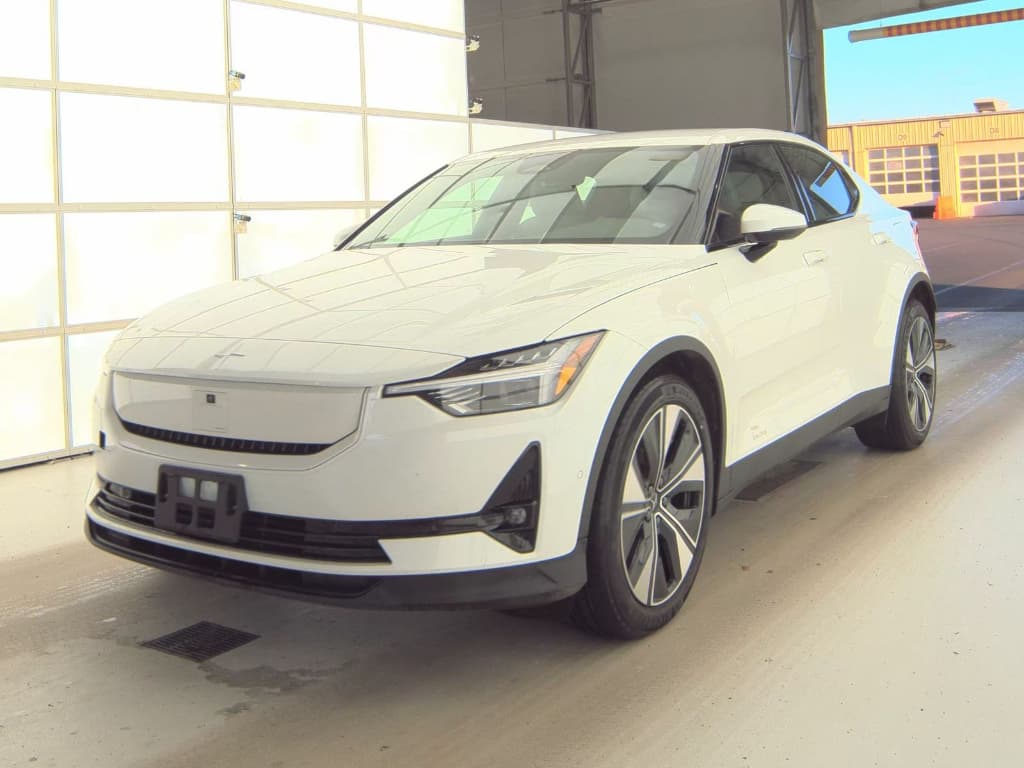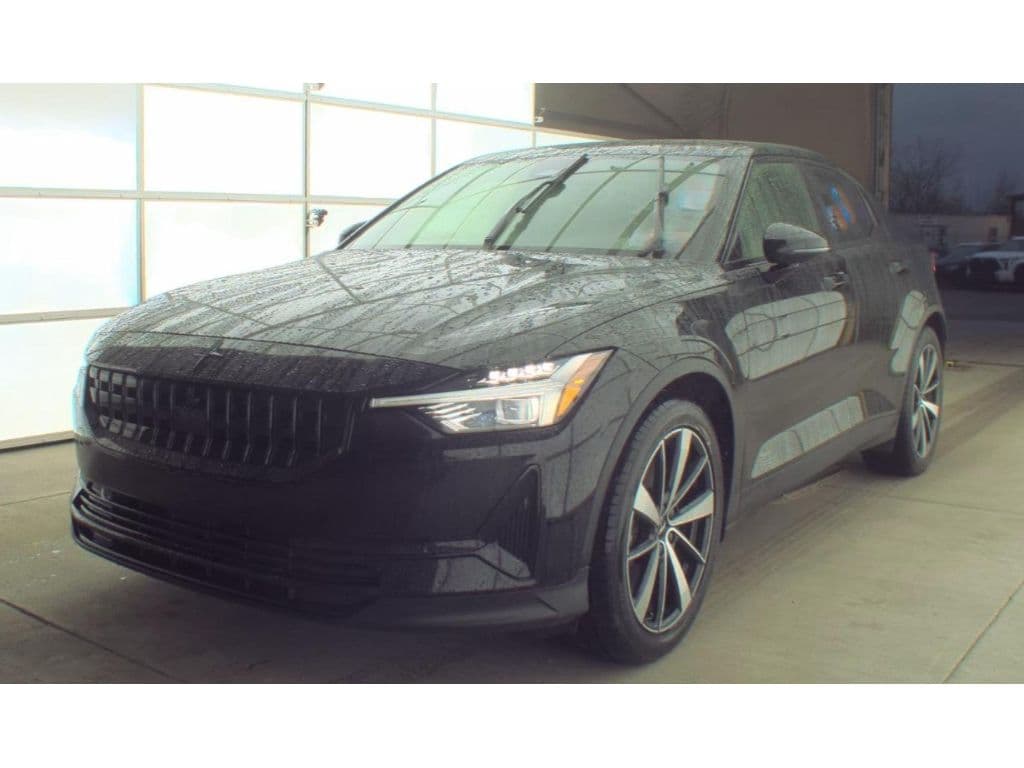
If you’re eyeing a sleek Scandinavian EV but don’t want to gamble on an unproven brand, the 2023 Polestar 2 reliability rating is probably high on your shopping list. The short version: the Polestar 2 isn’t as bulletproof as a Toyota hybrid, but for an early-generation performance EV it’s doing reasonably well, provided you know where the weak spots are and how to shop carefully.
Quick take
2023 Polestar 2 reliability rating at a glance
2023 Polestar 2 reliability snapshot
Because there’s no single official "2023 Polestar Polestar 2 reliability rating" for the US market, you have to triangulate from owner surveys, recall activity, and real‑world complaint data. Together, they paint a picture of a car that’s mechanically solid, battery, motors, and chassis hold up well, but still maturing on the software and electronics side.
Good news for late‑build 2023 cars
How predictable is the 2023 Polestar 2’s reliability?
Strengths
- Battery and drive unit have not generated large numbers of failures compared with some rival EVs.
- Volvo heritage in crash protection and chassis engineering shows up in solid long‑term durability.
- Many issues are fixable by software update or minor component replacement rather than major mechanical work.
Weak spots
- Infotainment and connectivity glitches are still too common, especially in early software versions.
- The rear‑view camera system has been the subject of multiple recalls and ongoing NHTSA scrutiny.
- Because Polestar is young and volumes are modest, long‑term data is thinner than for Tesla, Hyundai, or legacy brands.
In practice, that means your experience with a 2023 Polestar 2 can be almost trouble‑free, or a bit glitchy, depending on how up to date the car is and how good the original prep was. This "hit‑or‑miss" pattern is something we hear consistently from owners: some report thousands of miles with no issues; others have had repeat visits for software and camera fixes.
Common 2023 Polestar 2 problems and weak spots
Most-reported 2023 Polestar 2 issues
What tends to go wrong, and how serious it really is
Rear-view camera failures
The most high‑profile Polestar 2 issue is the backup camera intermittently going blank or taking a long time to display. It’s annoying and has safety implications, which is why it’s become the focus of multiple recalls and an NHTSA investigation.
Most owners see this as a software/electronics nuisance rather than a reason to walk away from the car, provided it has had the latest recall work done.
TCAM & connectivity glitches
Many owners report problems with the Telematics and Connectivity Antenna Module (TCAM): the car going offline, app not connecting, or remote features failing.
These issues are usually resolved with software updates, module resets, or a TCAM replacement under warranty.
Infotainment lag & random reboots
Because the 2023 Polestar 2 leans heavily on its Google‑based infotainment system, screen freezes, slow boot‑up, and random reboots are common complaints.
Again, most are software‑level annoyances rather than catastrophic failures, but they define much of the day‑to‑day reliability story for this car.
- Occasional warning lights that clear after a restart, often tied to software bugs rather than hardware failure.
- Door handles, seals, and squeaks/rattles that are typical of an early‑generation model from a new brand.
- Isolated reports of suspension or wheel bearing issues at higher mileage, worth checking on any used car inspection.
Why software issues matter
Recalls that affect the 2023 Polestar 2
Like most early‑run EVs, the Polestar 2 has seen a steady cadence of recalls, many of them software‑driven. The key for a 2023 example is not whether it was ever recalled, that’s almost a given, but whether all recall work has been completed and properly documented.
Major recall themes for 2023 Polestar 2 (US market)
These recall categories have affected 2023 model‑year cars. Always verify a specific VIN at NHTSA.gov or Polestar’s recall site.
| Recall theme | Model years involved | Typical symptom | Fix type |
|---|---|---|---|
| Rear-view camera / display | 2021–2024, including 2023 | Backup camera image fails to appear or drops out | Software update; in some cases hardware inspection or replacement |
| Brake control software | Select 2021–2025 units | Under rare conditions, braking response may not match regulations | Software update to braking/regen control logic |
| High-voltage / power electronics checks | Early production years primarily, may include some 2023s | Warning messages, limp mode in rare cases | Software and, if needed, component inspection or replacement |
Recall campaigns evolve over time; use this as a guide, not a substitute for a VIN‑specific check.
Always run a VIN recall check
At Recharged, every Polestar 2 we list has its recall status checked and documented. If a campaign is still open, we work with service partners to get it completed or we disclose it clearly so you know exactly what you’re stepping into.
Safety ratings vs reliability: where the Polestar 2 shines
One of the confusing things about the 2023 Polestar 2 reliability rating conversation is that the car’s safety ratings are excellent. Euro NCAP gave the Polestar 2 a 5‑star rating with high scores for adult and child protection, and its suite of driver‑assist tech is competitive with anything in the segment.
Where it’s strong
- Rigid structure and Volvo‑influenced crash engineering.
- Advanced safety aids like Pilot Assist, adaptive cruise, and lane‑keeping systems.
- Good track record in real‑world crash data so far.
Where owners get frustrated
- Safety‑adjacent systems (rear‑view camera, sensors) let down by software glitches.
- Warning chimes or driver‑assist features occasionally fail to load until the system reboots.
- Inconsistent refinement: some cars are nearly flawless, others feel beta‑test‑y.
Safety is a core strength
Battery health and range reliability for 2023 models
The heart of any EV reliability story is the battery pack. Early data on the Polestar 2, especially 2021–2023 cars, suggests modest, well‑controlled degradation. Owners typically report that real‑world range declines slowly and predictably, rather than falling off a cliff.
- Most 2023 Polestar 2 owners report range loss in the low single‑digit percentage range over the first few years, in line with other modern EVs.
- There’s been no widespread pattern of battery pack failures or sudden capacity loss unique to the 2023 model year.
- DC fast‑charging speeds are competitive for the segment and don’t appear to degrade dramatically with normal use, assuming reasonable charging habits.
How to gauge battery health on a used Polestar 2
Real-world ownership experience and warranty coverage
When you aggregate owner reviews, forum posts, and survey data, a pattern emerges: most 2023 Polestar 2 owners are happy with the car overall, but a meaningful minority have dealt with repeated trips to the dealer for electrical and software gremlins.
What 2023 Polestar 2 owners tend to say
Summarizing common themes from real-world feedback
Positives
- Distinctive design and high‑quality interior feel special compared with more mainstream EVs.
- Strong performance and confident road manners make it rewarding to drive.
- Google‑based infotainment feels modern when it’s behaving.
Frustrations
- Glitchy software undermines the premium experience some days.
- Service network can feel thin, especially in smaller markets, and some recall fixes require patience.
- Resale values are still finding their level because the brand is young.
On the upside, Polestar backs the 2023 Polestar 2 with a typical premium‑EV warranty structure: a multi‑year/limited‑mileage new‑vehicle warranty (check the original in‑service date) and a separate longer‑term battery and high‑voltage system warranty. On a 2023 car in 2026, you should still have significant coverage remaining, especially on the battery.
Warranty tip for used shoppers
Used 2023 Polestar 2 buying checklist
Smart checks before you buy a 2023 Polestar 2
1. Run a full recall and campaign check
Use the VIN on NHTSA.gov and Polestar’s recall page. Confirm that rear‑view camera and any braking or power‑electronics recalls show as completed, not just "open." Ask for documentation from the servicing dealer.
2. Test the rear-view camera repeatedly
On the test drive, shift into reverse multiple times, at startup and after the car has been on for a while. Watch for delayed or missing images, error messages, or flickering. Any glitch here should be addressed before you sign.
3. Stress-test infotainment and connectivity
Connect your phone, run navigation, swap between apps, use voice commands, and test the Polestar app connectivity. A car that freezes, reboots, or drops connection often may need software updates or hardware scrutiny.
4. Listen for suspension and wheel bearing noise
Drive at different speeds on a rougher surface and gentle curves. Persistent humming, grinding, or clunks from the front could indicate wheel bearing or suspension wear that you’ll want inspected.
5. Inspect tires and brakes for uneven wear
Performance EVs are hard on consumables. Uneven tire wear can hint at alignment or suspension issues; scored rotors or lipped pads can signal aggressive driving or high mileage, even if the odometer says otherwise.
6. Get a battery health report
If possible, request a battery health assessment from a shop that knows EVs, or buy from a retailer that includes one. At Recharged, our <strong>Recharged Score</strong> report gives you a clear, third‑party view of battery condition and expected range.
Be careful with "OTA will fix it" promises
How Recharged evaluates 2023 Polestar 2 reliability
Because the 2023 Polestar 2 mixes solid hardware with evolving software, it really rewards a structured, data‑driven inspection. That’s where the Recharged model of EV retail, built specifically around used electric vehicles, comes into its own.
What goes into a Recharged Score for a Polestar 2
Beyond a basic test drive
Battery & charging diagnostics
Software & feature health
Structural & ownership checks
Ready to find your next EV?
Browse VehiclesEvery used EV on Recharged, including the Polestar 2, comes with a transparent Recharged Score Report and expert guidance on trade‑in, financing, and nationwide delivery. That level of transparency matters more than ever when you’re buying from a newer brand with a still‑evolving reliability record.
2023 Polestar 2 reliability FAQ
Frequently asked questions about 2023 Polestar 2 reliability
Bottom line: is the 2023 Polestar 2 a reliable EV?
Stepping back from the data, the 2023 Polestar 2 looks like a classic first‑wave premium EV from a new brand: very strong fundamentals in safety, performance, and battery engineering, wrapped in software and electronics that are still maturing. If you want an absolutely drama‑free appliance, it may not be your first choice. But if you’re drawn to its design and driving experience and you buy carefully, it can be a satisfying and reasonably dependable EV.
The smartest way to approach a 2023 Polestar 2 is to treat the reliability rating as a starting point, not the whole story. Focus on a specific car’s recall history, software status, battery health, and service records. That’s exactly what Recharged’s Recharged Score Report is built to capture, turning a fuzzy, forum‑driven reputation into concrete, vehicle‑specific data you can actually make a decision on.
If you’re considering a 2023 Polestar 2, it’s worth comparing it to other used EVs in the same price band and seeing how each scores on battery health, recall history, and real‑world running costs. With the right example, and the right due diligence, the Polestar 2 can absolutely earn its place in your driveway.