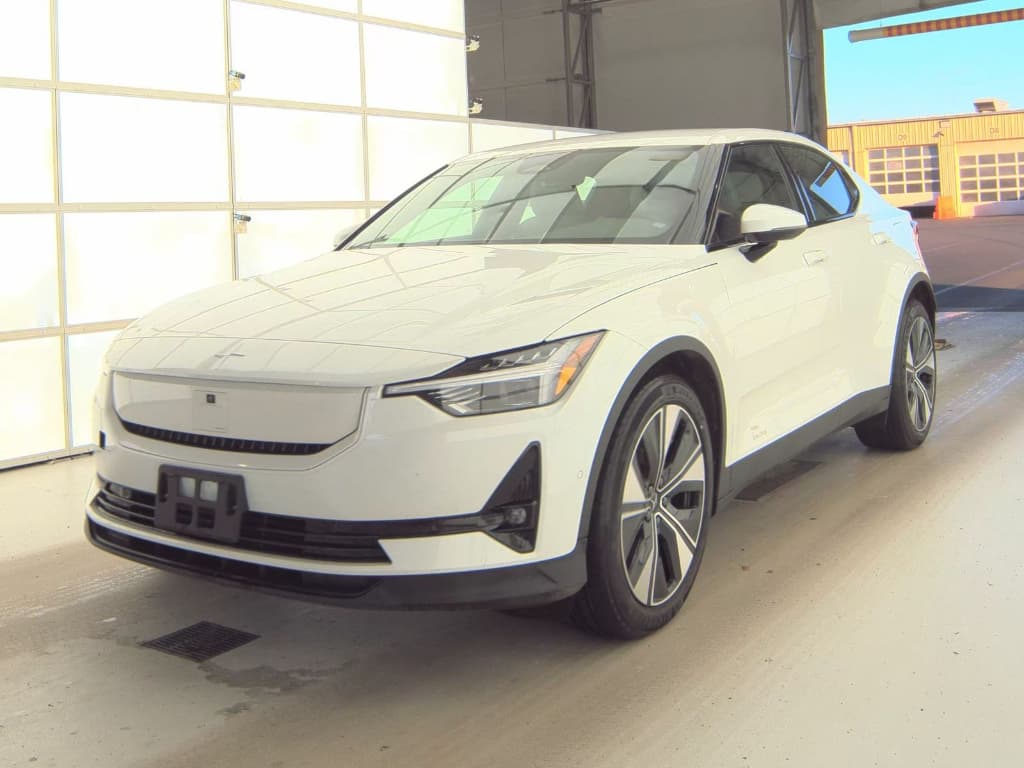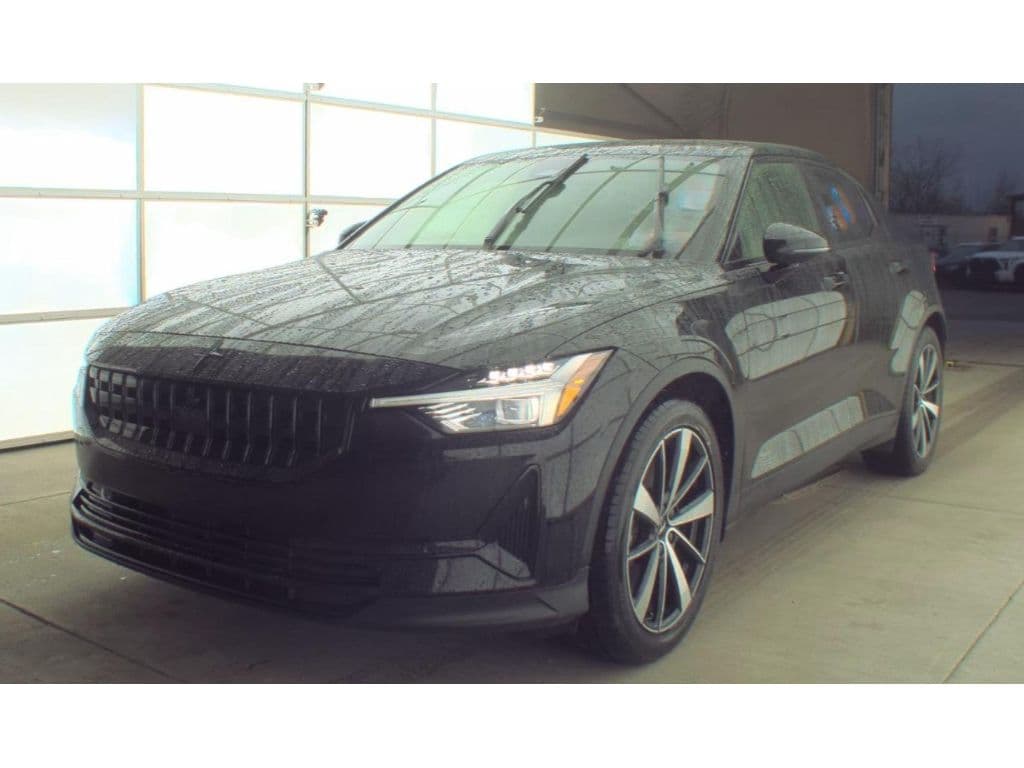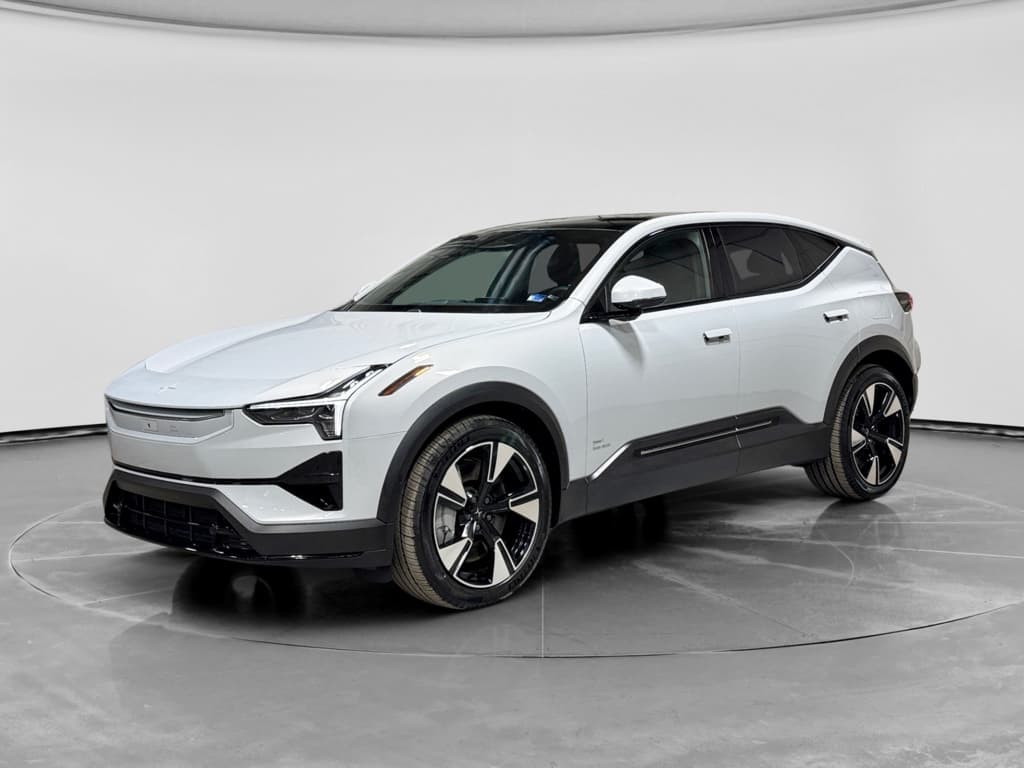
If you’re considering a 2023 Polestar 2, reliability is probably near the top of your list, especially if you’re shopping used. The 2023 model brought useful updates to Polestar’s compact electric fastback, but it also sits in the middle of the brand’s growing pains. Real‑world owner reports paint a mixed picture: the 2023 Polestar 2 is generally solid to drive and efficient, but software bugs, axle and suspension noise, and the occasional big-ticket repair keep it from being a reliability champ.
Quick take
2023 Polestar 2 reliability at a glance
2023 Polestar 2 reliability snapshot
Reliability data for newer EVs is always a moving target, but several clear themes have emerged for the 2023 Polestar 2. Owners praise its **build quality, performance, and styling**, yet a subset report repeated service visits for **axle/suspension noises, software glitches, and connectivity issues**. Think of it as a sophisticated first‑generation product from a young brand: not a disaster, but not yet Toyota‑level boring.
How the 2023 Polestar 2 scores on reliability
Independent reliability scores for the Polestar 2 are still sparse compared with mainstream brands, but early signals aren’t glowing. Industry roundups that aggregate **Consumer Reports and J.D. Power predicted reliability** put the Polestar 2 near the bottom of the compact luxury segment, with a predicted reliability score **around 2 out of 5** and a J.D. Power quality and reliability score in the mid‑60s out of 100. That doesn’t mean every car is problematic, but it does mean you should go in with eyes open and pay close attention to inspection and warranty coverage.
Averages hide the spread
Common 2023 Polestar 2 problems owners report
Because the Polestar 2 has been on sale since 2021, patterns are starting to emerge by 2023. Not every issue affects every car, but if you’re evaluating a used 2023 model, these are the problem areas to ask about and test drive for:
Most-reported Polestar 2 trouble spots
From owner forums, service bulletins, and real-world experience
Axle & drivetrain noises
Symptoms: Clunks or thumps from the rear when taking off, low‑speed rumbling, or vibration under load. Dual‑motor cars are most often mentioned.
What’s happening: Many owners have had rear axles replaced under warranty. It’s more of a refinement and durability concern than an immediate safety issue, but it’s inconvenient and can be expensive out of warranty.
Suspension clunks & squeaks
Symptoms: Creaking over driveways or speed bumps, “wooden plank” feel, front‑end clunk over broken pavement.
What’s happening: Some owners blame front suspension bushings or strut mounts. Multiple visits and revised parts are not uncommon. A quiet test drive over rough roads is essential.
TCAM & connectivity issues
Symptoms: Poor LTE connection, dropped data, Polestar app not seeing the car, or needing frequent TCAM reboots.
What’s happening: The TCAM module that handles connectivity can be finicky. Most problems are resolved with software updates or module resets, but persistent issues are frustrating.
Phone-as-key & app bugs
Symptoms: Phone-as-key (PAK) refusing to unlock or start the car, scheduled charging ignored, app not syncing.
What’s happening: Owners regularly report software quirks. They’re rarely dangerous, but they undermine confidence when the car strands you because the app won’t cooperate.
Onboard charger failures (rare but pricey)
Symptoms: Car won’t AC charge at home or at Level 2 public stations, even though DC fast charging may still work.
What’s happening: A few owners report failed onboard chargers replaced under warranty. Out of warranty, this could be a multi‑thousand‑dollar repair, so confirm charge behavior and warranty status.
HVAC & A/C oddities
Symptoms: Clicking vents, weak airflow, intermittent heating on one side, noisy heat pump mounts, or A/C compressor issues at higher mileage.
What’s happening: These are typical early‑EV HVAC teething issues. Many have been handled with updated parts or software, but they’re worth testing thoroughly, especially in extreme climates.
How to probe for these issues on a test drive
Recalls affecting the 2023 Polestar 2
Like most modern EVs, the Polestar 2 has seen several recalls over its life, most of them **software‑related**. For a 2023 model, the most relevant recent action is a large recall of **2021–2025 Polestar 2s** for a rear‑view camera issue. The camera image may not appear while reversing and instead show a “Camera is temporarily unavailable” message. Polestar’s remedy is a software update that changes how the camera and infotainment system communicate and adds an automatic reset routine. Owners are notified and the fix is applied at no charge, often over-the-air or at a service visit.
How to check recall status on a used Polestar 2
Battery health and range over time
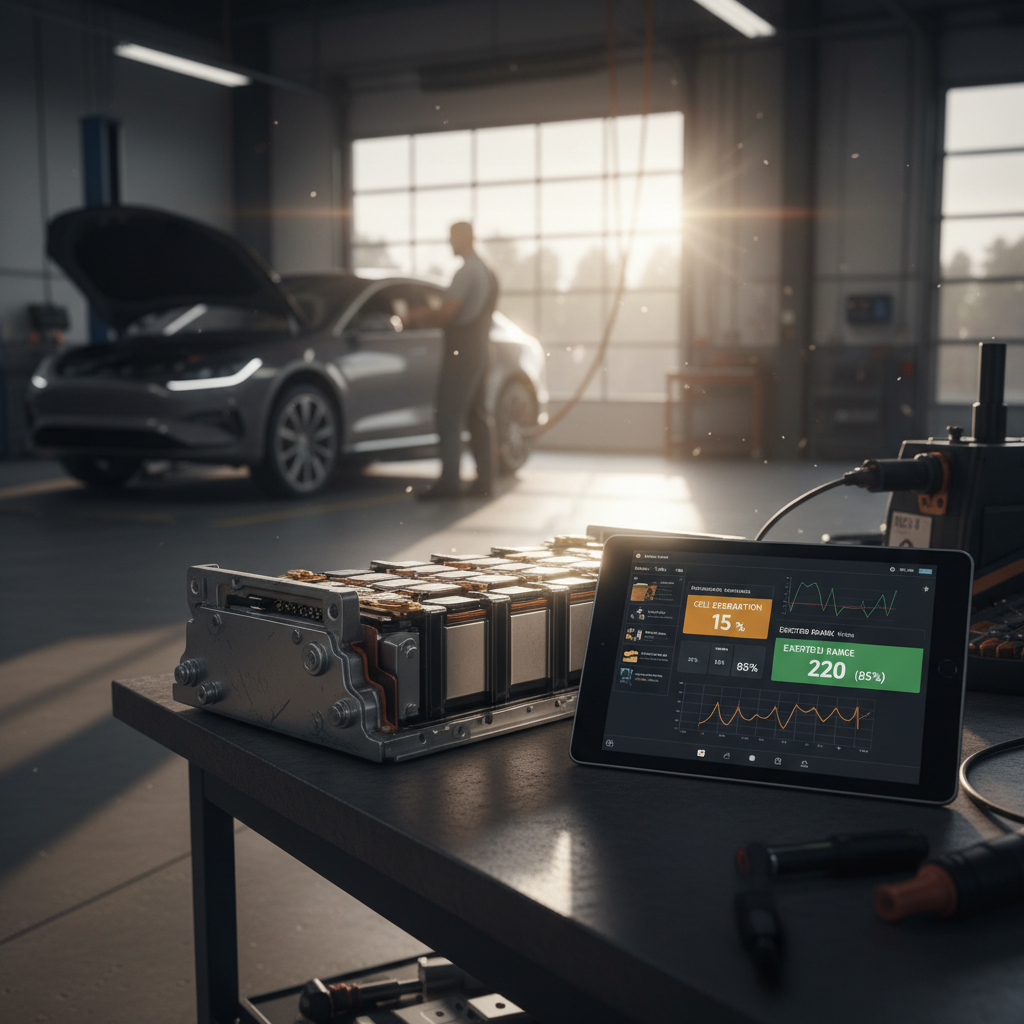
Battery reliability is the single biggest question mark for any used EV. The good news for the 2023 Polestar 2 is that, so far, there’s **no widespread pattern of early battery degradation**. Owners with 2–4‑year‑old cars and moderate mileage generally report **small range losses, often in the single‑digit percent range, when charged and stored reasonably**.
- The Polestar 2 uses a liquid‑cooled lithium‑ion pack, which helps maintain consistent temperatures and slow degradation.
- Most issues seen so far are **software‑related state-of-charge display quirks**, not actual capacity loss.
- DC fast charging at very high rates, especially in hot climates, can accelerate wear over many years, but this is true of all EVs, not just the Polestar 2.
Battery-health best practices for Polestar 2 owners
When you shop with Recharged, every used EV comes with a **Recharged Score battery health report**, based on diagnostics and real‑world data. For a 2023 Polestar 2, that means you’re not guessing about pack health, you can see how its current capacity compares with similar vehicles of the same age and mileage.
Software and infotainment reliability
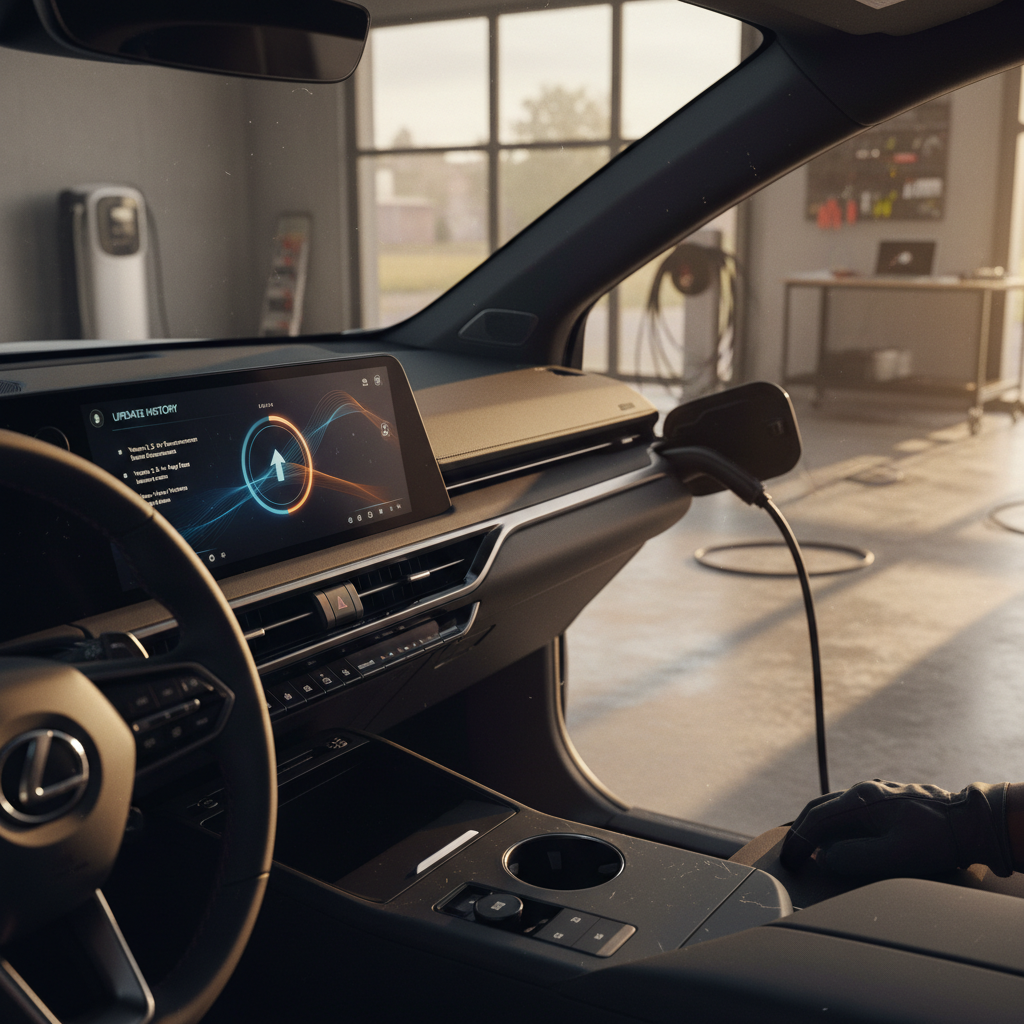
Polestar runs Android Automotive OS, which sounds like a dream, native Google Maps, Google Assistant, and over‑the‑air updates, but it also means your car behaves a bit more like a new smartphone than an old‑school Volvo. Owners routinely report **glitches in the infotainment system, lag, frozen screens, and the occasional need to reboot**. Some also find the **phone‑as‑key** system unreliable enough that they just carry the physical fob.
Typical software annoyances
- Center screen freezing or going black until rebooted.
- Rear camera image delayed or briefly unavailable (addressed in the recall fix).
- Voice commands or Google Assistant timing out.
- App not syncing charge status or climate commands.
The good news
- Many issues are fixed or improved through over‑the‑air updates.
- You usually don’t need to replace hardware; a software patch or reset is enough.
- Third‑party apps like Android Auto or CarPlay can bypass some quirks.
- As the fleet ages, Polestar has more data to target common bugs.
Why software reliability matters more in EVs
Maintenance costs & ownership experience
On paper, the 2023 Polestar 2 benefits from the same **low routine maintenance** advantages as other EVs: no engine oil, spark plugs, fuel system, or multi‑gear automatic transmission. Most scheduled services are inspections, cabin air filter changes, brake fluid, and tire rotations. Where Polestar stumbles a bit is **service network density and quality**, especially in North America, where coverage can be spotty and some owners drive hours to reach a qualified Volvo/Polestar service center.
What 2023 Polestar 2 owners like (and don’t) about reliability
Pulled from owner reviews and forum threads
Positives
- Strong build quality in most cabins.
- Solid efficiency and range consistency.
- Few catastrophic driveline failures reported.
- Over‑the‑air updates add features and fixes.
Mixed
- Software updates can fix issues, or introduce new ones.
- Phone-as-key works great for some, poorly for others.
- Ride comfort depends heavily on wheel/tire choice.
Negatives
- Some cars in the shop multiple times per year.
- Suspension and axle noises that are hard to fully cure.
- Limited service locations in some regions.
- Out-of-warranty repairs (onboard charger, HVAC) can be expensive.
Service access is part of reliability
Used 2023 Polestar 2: what to check before you buy
If you’re looking at a 2023 Polestar 2 on the used market, the right pre‑purchase checks can turn a potential gamble into a smart value play. Because the underlying EV drivetrain has generally been solid, your main job is to screen out software lemons and cars with unresolved hardware issues.
Pre‑purchase checklist for a 2023 Polestar 2
1. Confirm recall and software campaign completion
Ask for a printout or screenshot confirming that all open campaigns, including the rear‑view camera fix and any powertrain/TCAM updates, have been completed. At Recharged, this is part of our standard intake process.
2. Inspect suspension and axles on a real‑world drive
Drive over speed bumps, rough pavement, and tight turns in a parking lot. Listen for clunks or squeaks from the front or rear. Any knocking or grinding on acceleration or regen deserves further inspection.
3. Test AC, heat, and defog in multiple modes
Cycle through temperature settings, fan speeds, and different vents. Make sure the cabin heats and cools quickly and evenly with no persistent clicking noises or “dead” zones on one side.
4. Verify all charging methods
Plug into Level 2 AC (home or public) and, if possible, DC fast charging. Confirm that the car charges at expected speeds and doesn’t throw errors. Onboard charger issues can be expensive post‑warranty.
5. Stress-test the software
Pair your phone, try phone-as-key, use built‑in Google Maps navigation, and run CarPlay or Android Auto. Reboot the system to see how long it takes and whether everything comes back cleanly.
6. Review service history and warranty dates
Look for evidence of axle replacements, TCAM or charger replacements, and HVAC work. A car that has already had updated parts installed and still drives well may be a better bet than one with no history but obvious noises today.
How Recharged de‑risks a used Polestar 2
Ready to find your next EV?
Browse VehiclesHow reliable is the 2023 Polestar 2 vs rivals?
If you’re cross‑shopping the 2023 Polestar 2 with alternatives like the Tesla Model 3, Hyundai Ioniq 5, Kia EV6, or Volvo XC40 Recharge, it helps to place its reliability in context.
2023 compact EV reliability comparison (big picture)
How the 2023 Polestar 2 stacks up against key rivals on reliability‑related factors.
| Model | Predicted reliability | Common complaints | Service network strength |
|---|---|---|---|
| Polestar 2 (2023) | Below average | Software bugs, axle/suspension noise, connectivity issues | Sparse but improving; relies on Volvo dealers in many areas |
| Tesla Model 3 (2023) | Average | Paint/trim issues, rattles, some MCU glitches | Strong in EV‑dense regions; direct Tesla service network |
| Hyundai Ioniq 5 (2023) | Average to above | 12V battery issues, some charging bugs | Broad Hyundai dealer footprint, but variable EV expertise |
| Kia EV6 (2023) | Average | Occasional software glitches, wind noise | Wide dealer network with growing EV familiarity |
| Volvo XC40 Recharge (2023) | Similar to Polestar 2 | Software issues, charging bugs, some driveline noise | Stronger dealer reach; shares tech with Polestar 2 |
Scores are directional summaries based on owner reports and independent surveys, not precise rankings.
In short, the 2023 Polestar 2 is **not an outlier lemon**, but it also isn’t the safest choice if rock‑solid reliability is your top priority. It appeals most to buyers who value design, driving dynamics, and Google‑native tech enough to tolerate a higher chance of software or refinement issues.
FAQ: 2023 Polestar 2 reliability
Frequently asked questions about 2023 Polestar 2 reliability
Bottom line: is the 2023 Polestar 2 a safe used bet?
The 2023 Polestar 2 isn’t a horror story, but it’s also not the car you buy to avoid *ever* thinking about reliability. Mechanically, its battery and motors have held up well so far, and many owners log tens of thousands of miles with minimal drama. The headaches tend to come from the edges: **noisy axles and suspension, fussy software, and an uneven service network**.
If those trade‑offs sound acceptable, and you take the time to find a well‑sorted example with documented service and software updates, a 2023 Polestar 2 can be a compelling used EV with distinctive character. Working with a specialist like Recharged gives you an extra layer of protection: verified battery health, transparent pricing, financing support, trade‑in options, and guidance from EV experts who know which issues matter and which are just background noise.
In a young brand’s early years, reliability is less about sweeping averages and more about **picking the right car, with the right history, from the right seller**. Approach the 2023 Polestar 2 that way, and it can fit comfortably into your life rather than become another source of range anxiety, this time about service bays instead of charging stations.