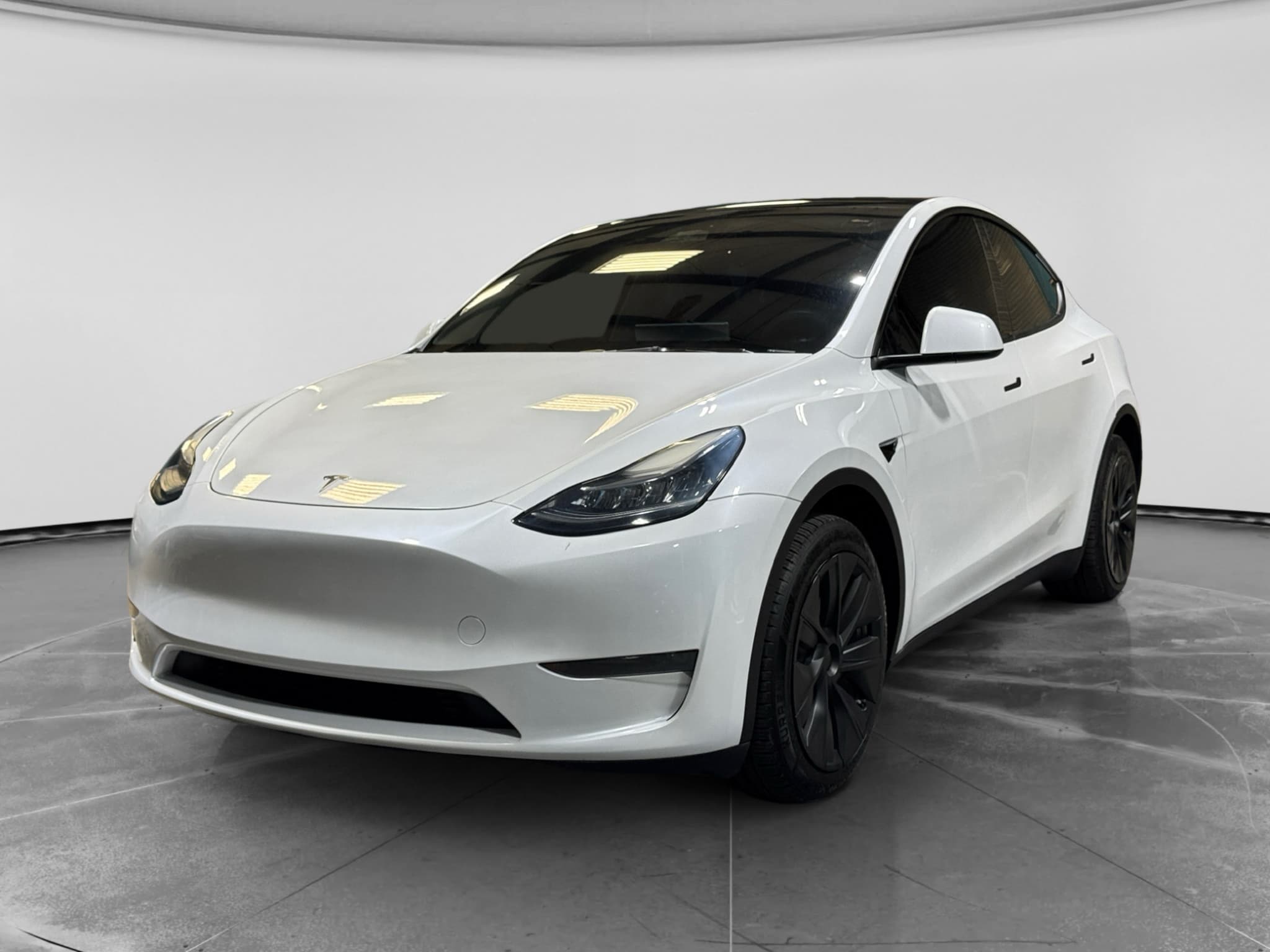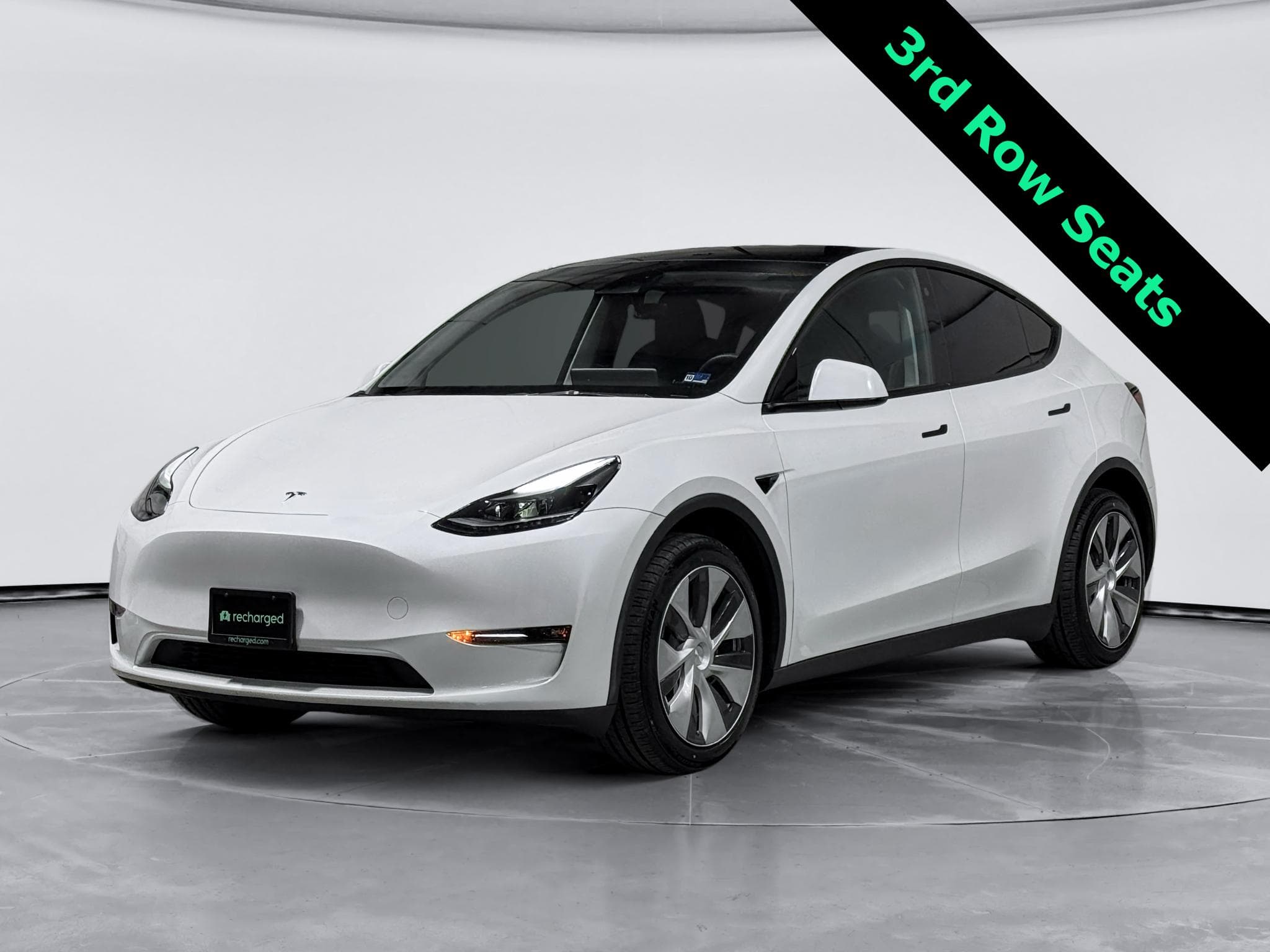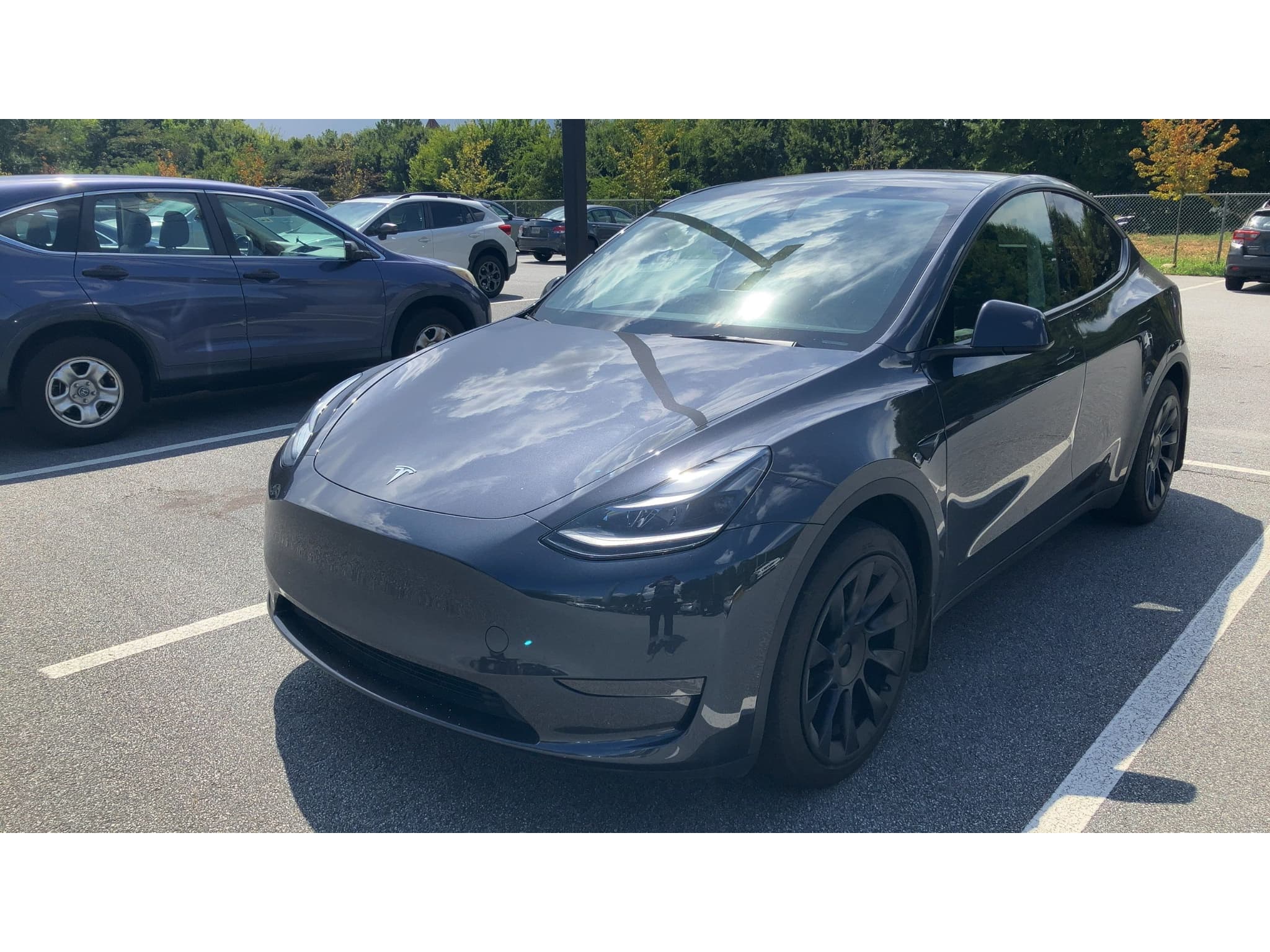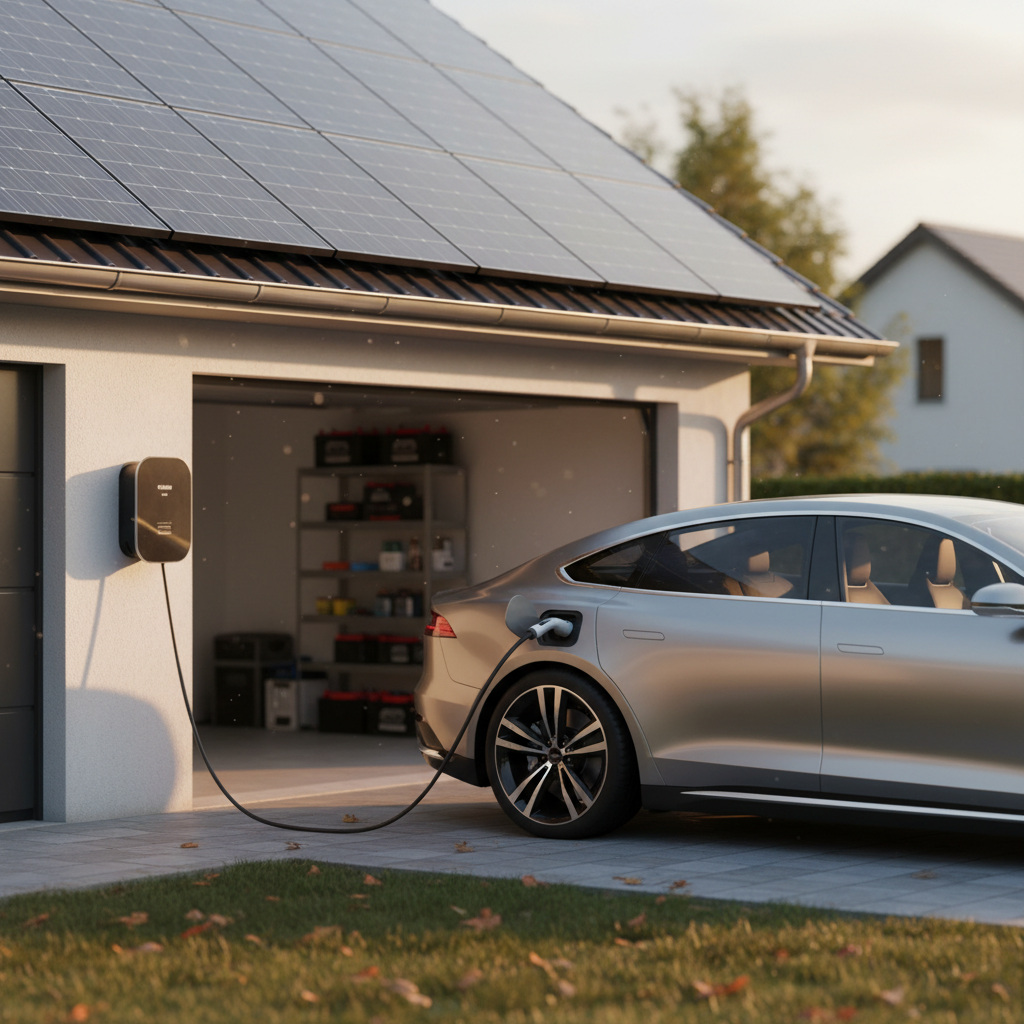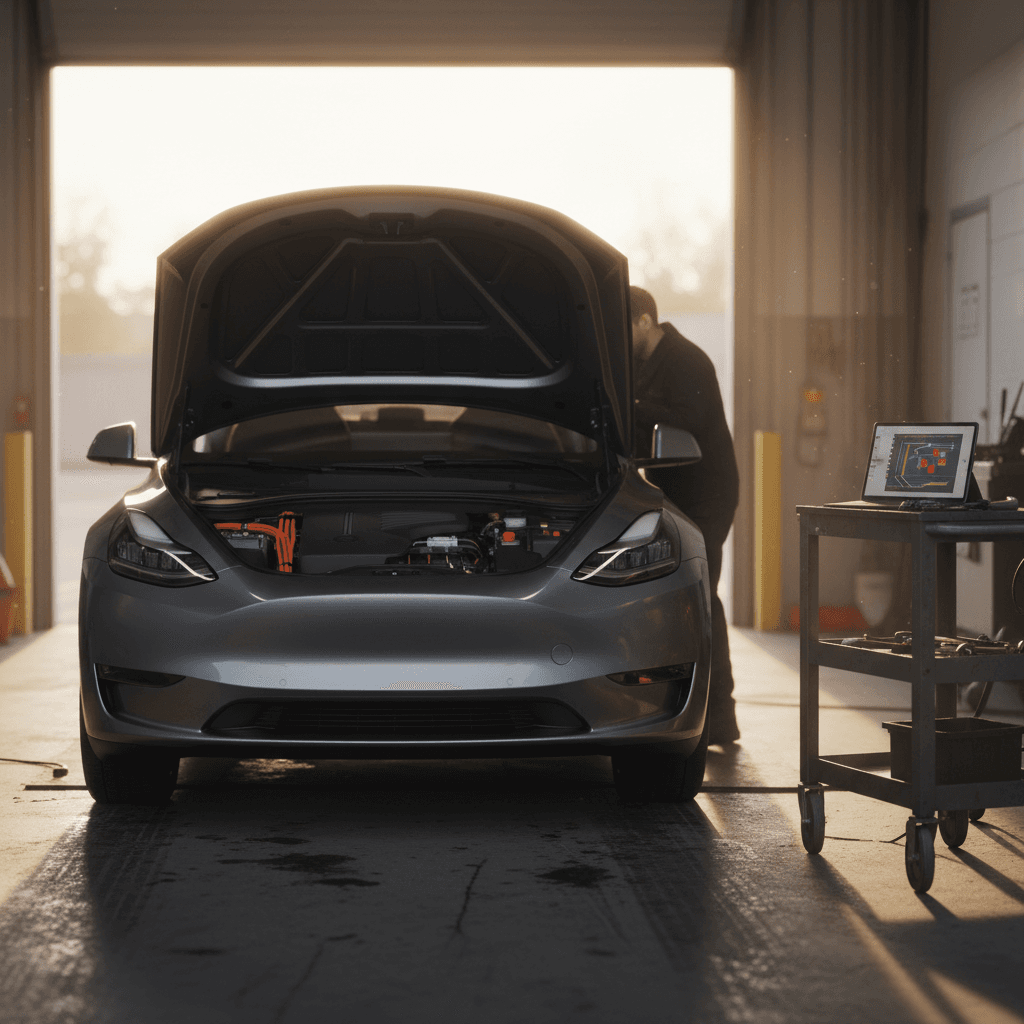
A 2024 Tesla Model Y deserves consideration as a used electric SUV, but its condition matters more than the nameplate alone. Battery capacity, prior repairs, charging hardware, tires, controls, cameras, and aftermarket changes can all affect how dependable a particular vehicle will be. Before you buy, pair a conventional used-EV inspection with a verified battery diagnostic rather than relying only on mileage or the dashboard range estimate.
Recharged battery data is encouraging
Recharged battery diagnostics show generally encouraging results across the broader Model Y population. In 316 Model Ys inspected through the Recharged Score process, average verified remaining battery capacity was 88.9%, while the median was 88.8%. These figures cover multiple Model Y years and should not be read as a model-year-specific result for 2024 vehicles.
Average and median tested real-world range were both 280 miles, with individual results ranging from 195 to 327 miles. That wide spread can reflect differences among vehicles, so the average cannot tell you what a specific Model Y will deliver. The practical takeaway is simple: use the aggregate data for context, then review the vehicle’s own battery-health report before committing.
We don’t treat odometer mileage as a battery diagnosis. A verified capacity and range test gives you a much clearer view of the Model Y you’re actually considering.
Recharged data
Used Tesla Model-Y battery health
89%
avg remaining capacity
From Recharged battery inspections, not manufacturer estimates.
- Lowest
- 77%
- Median
- 89%
- Highest
- 100%
- Est. range
- 280 mi avg
- Cell balance pass
- 100%
- Quick charges
- 22 avg
- Slow charges
- 77 avg
Average cell imbalance: 6.3 mV
Based on vehicles Recharged tested
Recharged data
Used Tesla Model-Y prices at Recharged
$33,599
median list price
Current list prices for matching inventory at Recharged.
- Lowest
- $23,599
- Average
- $35,631
- Highest
- $54,998
Average Recharged Score on these listings
4.7 / 5
Range
4.0 – 5.0
Based on available listings
Every EV is battery-tested with a Recharged Score. Nationwide delivery.
Reliability is bigger than battery health
Battery condition is only one part of Model Y reliability. You also need to verify that the charging port, climate controls, touchscreen, cameras, locks, powered seating, lighting, and driver-assistance hardware operate as expected. Inspect body-panel alignment and seals, listen for suspension or cabin noises on uneven pavement, and confirm that no warning messages appear during an extended test drive.
Accident history deserves equally close attention because a completed repair is not the same thing as a verified repair. Review the history report, examine panel finish and tire wear, and ask whether cameras or sensors were recalibrated after body work. You should also enter the VIN in the appropriate official recall lookup and confirm that any outstanding work has been completed.
Battery health is not the same as displayed range
What should you inspect before buying?
You should inspect the battery, charging system, physical condition, technology, and ownership records before buying a used 2024 Model Y. Complete the checks below in addition to reviewing a Tesla Model Y buying guide. If the seller cannot provide clear answers or allow an independent inspection, treat that as a reason to slow down.
Used Model Y reliability checklist
Verify battery capacity
Review a diagnostic showing tested remaining capacity and estimated real-world range for the individual vehicle.
Test both charging methods
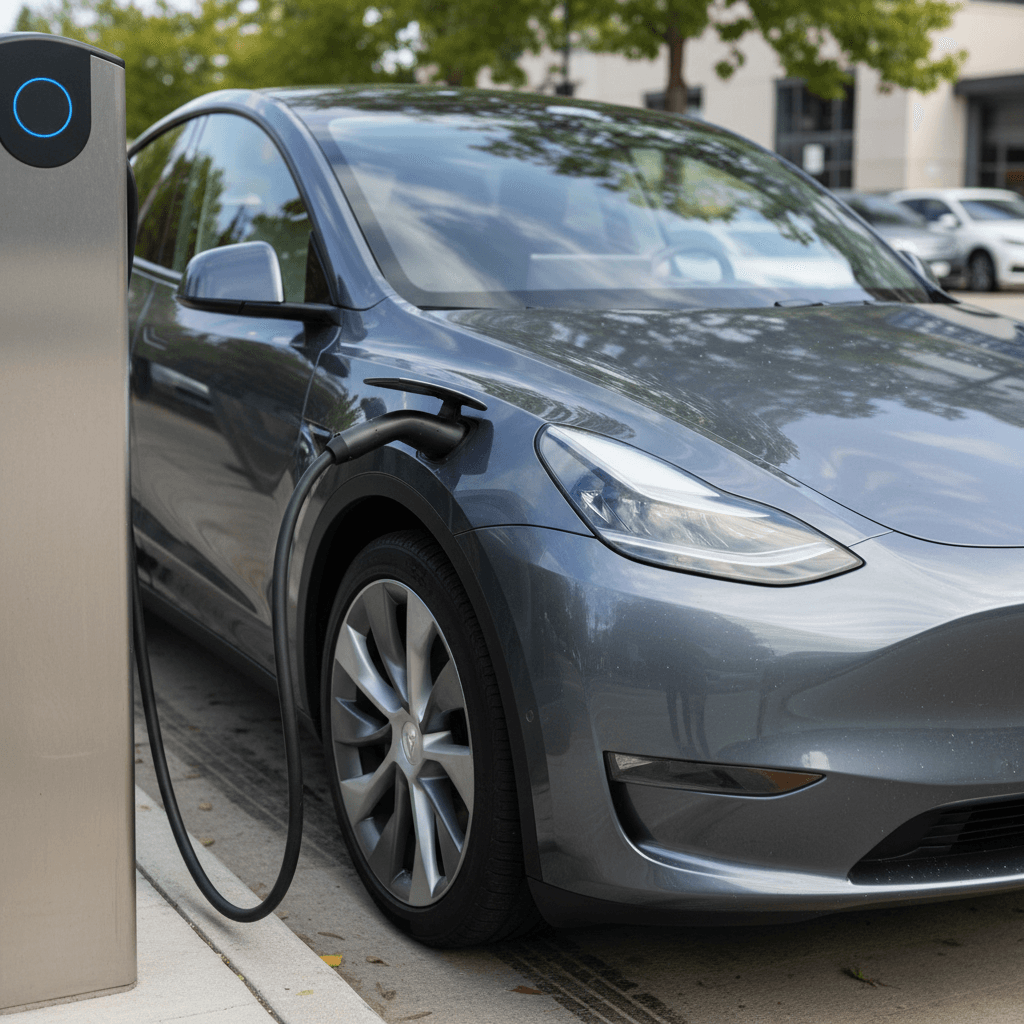
Confirm the car accepts AC charging, such as home Level 2 charging, and DC fast charging without errors.
Check every powered feature
Operate the touchscreen, climate system, cameras, locks, windows, seats, liftgate, lights, and charging-port door.
Take a varied test drive
Drive on smooth and uneven roads while listening for suspension, steering, tire, wind, and cabin noises.
Review damage and repair records
Inspect repaired areas closely and confirm that affected cameras or sensors were recalibrated when necessary.
Examine tires and wheels
Look for uneven wear, sidewall damage, bent wheels, mismatched tires, and oversized aftermarket wheel setups.
Inspect modifications
Check wraps, spoilers, suspension changes, interior accessories, wiring additions, and other nonfactory work.
Confirm included equipment
Make sure charging equipment, keys or access devices, adapters, and removable cargo components are present.
Custom wheels, wraps, and interior changes don’t automatically make a Model Y unreliable, but they should trigger a closer inspection of workmanship, tire condition, clearance, and any altered wiring.
What does a used Model Y cost now?
Used Model Y pricing varies considerably, so condition and battery health should be evaluated alongside the asking price. As of Recharged’s September 22, 2026 snapshot, 53 matching Model Y listings had an average asking price of $35,631 and a median of $33,599; the complete live-listing range was $23,599 to $54,998. Those figures cover the wider Model Y market represented in Recharged’s listings, not just the 2024 model year.
Recharged separately had six 2024 Model Ys in inventory priced from $35,998 to $38,998 at the time of the snapshot. These are asking prices, and live inventory can change. When comparing vehicles, consider the Recharged Score, verified battery capacity, tested range, accident history, mileage, equipment, and physical condition rather than choosing the lowest price automatically.
Instant offer, trade-in, or consignment. Pickup available.
Tesla Model Y reliability FAQ
The bottom line
A well-inspected 2024 Model Y can be a sensible used-EV purchase, and Recharged’s broader battery data provides a positive starting point. It is not a substitute for checking the specific vehicle’s battery capacity, tested range, physical condition, repair history, charging performance, and technology. Prioritize a documented, independently evaluated Model Y over one that is simply newer, lower-mileage, or cheaper.