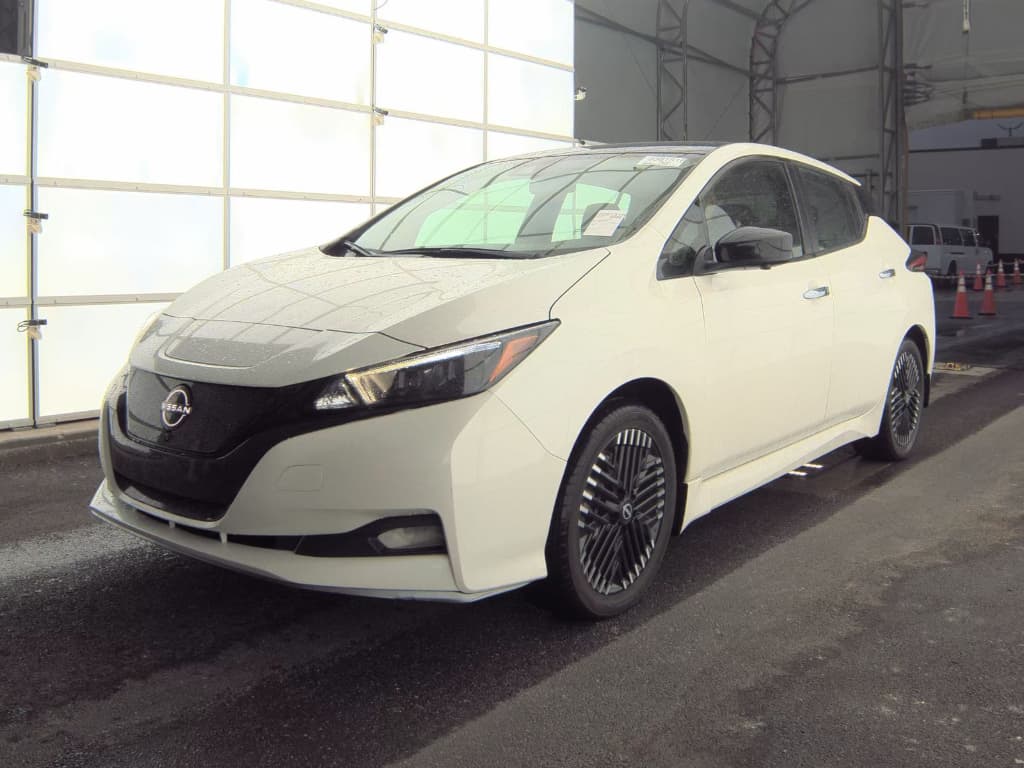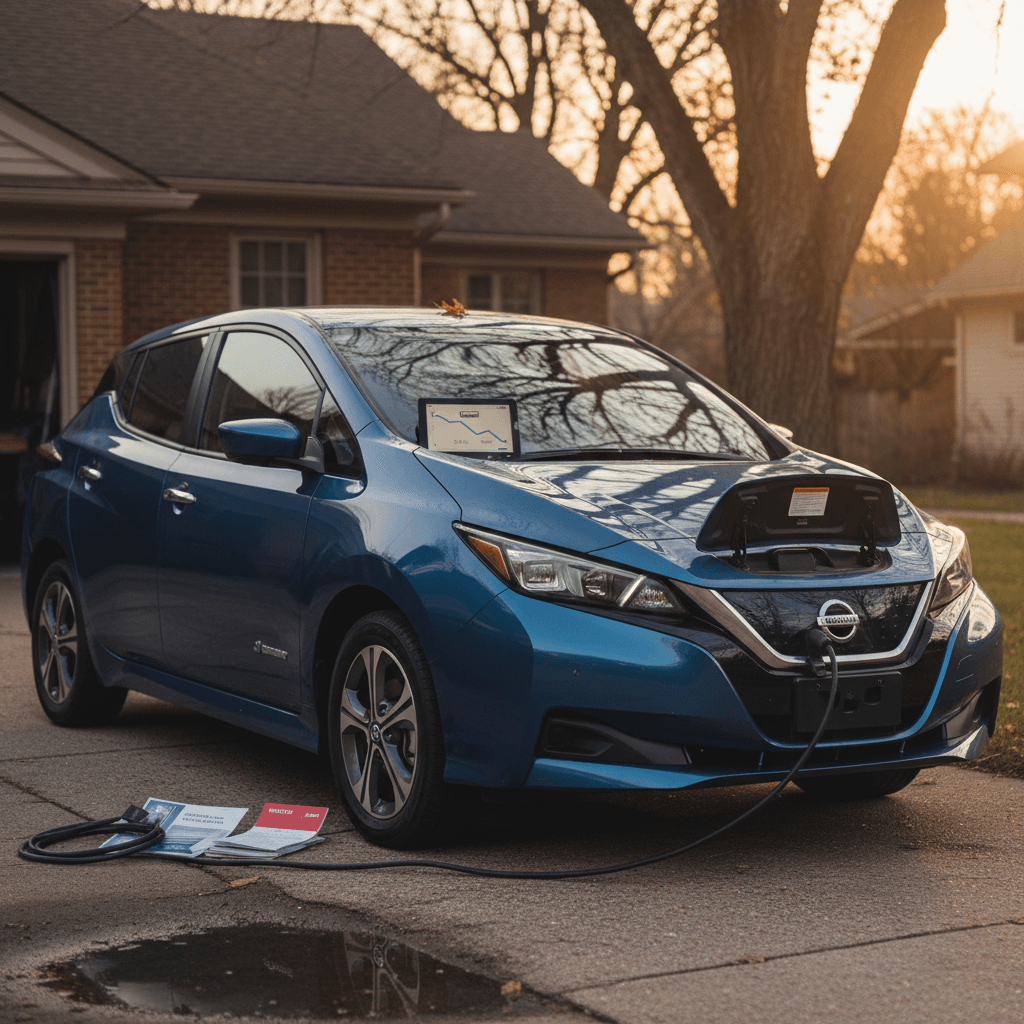
If you’re eyeing a 2023 Nissan Leaf as an affordable way into EV ownership, reliability is probably near the top of your shopping list. The Leaf has been around longer than almost any other modern EV, and that long history tells us a lot about how it holds up, especially when you’re buying used.
Quick Take
Overview: How Reliable is the 2023 Nissan Leaf?
Across major reliability trackers, the 2023 Nissan Leaf lands roughly in the “average” to “better than average” camp. That’s not perfection, but in EV land, where some brands are still working out first‑generation kinks, that’s a good place to be.
The Good News
- Simple, proven electric powertrain with no engine, transmission, or exhaust to fail.
- Strong reliability scores from some third‑party sources, with relatively few serious complaints.
- Most issues are minor (trim, body hardware, infotainment) rather than drive‑stopping failures.
- Lower than average repair costs compared with many EVs.
The Caveats
- Battery range is modest by 2026 standards, so degradation matters more.
- Air‑cooled battery can be more sensitive to very hot climates and frequent fast‑charging.
- A few recalls (mainly software and brake‑line‑related) need to be verified as completed.
- Limited DC fast‑charging speed and CHAdeMO connector reduce long‑trip convenience.
2023 Nissan Leaf Reliability at a Glance
Owner Reviews & Reliability Ratings
You learn a lot by listening to people who live with a car every day. Owners of the 2023 Nissan Leaf are, on balance, pretty happy with how their cars are holding up.
What 2023 Leaf Owners Are Saying
Where the Leaf shines, and where it doesn’t, from real drivers
Reliability & Quality
Most owner reviews highlight the Leaf’s dependable daily performance. It starts, it drives, it charges, and it doesn’t nickel‑and‑dime you with surprise breakdowns.
Day‑to‑Day Use
For commuting and errands, drivers praise the Leaf as "just easy", easy to charge, easy to park, and quiet. Complaints mostly pop up when people try to stretch it into road‑trip duty.
Most Common Gripes
When owners do complain, it’s usually about limited range, aging CHAdeMO fast‑charge infrastructure, and small annoyances like infotainment glitches or trim creaks.
How to Read Owner Reviews
Battery Life, Degradation & Warranty
Ask any used‑EV shopper what keeps them up at night and you’ll hear the word "battery". For the 2023 Nissan Leaf, battery health is the main long‑term reliability question, but the news is better than you might think if the car has been treated well.
2023 Nissan Leaf Battery & Range Basics
Key battery details for both versions of the 2023 Leaf.
| Trim | Battery Capacity (kWh) | EPA Range (mi) | DC Fast‑Charge Port |
|---|---|---|---|
| Leaf S | Approx. 40 kWh | Up to ~149 | CHAdeMO |
| Leaf SV Plus | Approx. 60 kWh | Around 212 | CHAdeMO |
Always confirm exact specs on the specific car you’re considering, trim, wheel size, and climate all affect real‑world range.
Unlike many newer EVs that use liquid‑cooled battery packs, the Leaf uses an air‑cooled battery. That design has proven acceptable in moderate climates, but it can mean faster degradation in very hot regions or when the car lives on DC fast‑charging. A well‑cared‑for 2023 Leaf in a mild climate should still deliver range close to new specs after a few years; a hard‑used car in Phoenix will tell a different story.
Heat is the Leaf’s Kryptonite
- Capacity bars matter. The Leaf’s dash shows 12 little bars of battery health. A healthy, low‑mileage 2023 should still show 12. Anything below 11 bars on a young car deserves questions.
- Look at miles and usage, not just age. A low‑miles Leaf used gently and charged mostly at Level 2 can be a better bet than a high‑miles car that fast‑charged daily.
- Battery warranty: Nissan typically backs the battery pack against excessive capacity loss (below about 9 bars) for 8 years / 100,000 miles on newer Leafs, but the fine print and required maintenance can matter. Always verify exact coverage for the VIN you’re buying.
How Recharged Helps on Battery Health
Common Issues & Trouble Spots on the 2023 Leaf
No car is issue‑free, but the 2023 Leaf’s problems tend to fall into the "annoying" rather than "stranded on the shoulder" category. Here are the main reliability hot spots owners and testers have reported so far.
Most Common 2023 Leaf Problem Areas
What tends to go wrong, and how serious it really is
Body & Interior Hardware
Some owners report small issues with door seals, window mechanisms, and trim creaks. These rarely affect drivability but can be irritating in a car that otherwise feels quiet and solid.
Most are addressed under basic warranty if they show up early.
Infotainment & Electronics
Occasional complaints about slow startup, Bluetooth hiccups, or a frozen screen. A software update often cures it; in worst cases, a head unit replacement under warranty.
Charging Quirks
Issues like the car refusing a charge from a specific public station, or a sticky charge‑port door, come up now and then. They’re usually station or hardware specific, not a systemic Leaf flaw.
Range Expectations vs. Reality
Many "problems" are actually mis‑matched expectations. Winter weather, high speeds, and highway hills can knock real‑world range down faster than new EV shoppers expect.
The Big Reliability Win: No Engine, No Transmission
Recalls & Safety-Related Software Updates
By early 2026, the 2023 Leaf has been the subject of three main recalls. That sounds scary on paper, but in practice they’re the kind of software and component‑inspection campaigns we expect as vehicles get more complex.
Key Recalls Affecting the 2018–2023 Nissan Leaf
Always verify recall status by VIN before you buy.
| Issue | Model Years Affected | What Happens | The Fix |
|---|---|---|---|
| Unintended acceleration software bug | 2018–2023 | In rare situations, the car could continue accelerating after a change in drive mode. | Dealer software update to the vehicle control module. |
| Brake line corrosion risk | 2023 only (limited build) | Right‑hand brake tube may have been damaged and could corrode, leading to a potential fluid leak. | Dealer inspection and brake line replacement if needed. |
| Defroster manual labeling | 2018–2023 | Incorrect owner’s‑manual instructions could lead to poor windshield defogging in certain conditions. | Updated manual addendum with proper defroster operation guidance. |
Recall remedies are free at Nissan dealerships, don’t skip them.
Before You Sign: Run a Recall Check
Cost of Ownership, Maintenance & Repairs
Reliability isn’t just about whether a car breaks, it’s about what it costs you when it does. On this front, the 2023 Leaf is one of the more affordable EVs to own over the long haul.
Cost & Maintenance Snapshot
Most Leafs sail through early years with minimal unscheduled repairs. Independent EV‑friendly shops can handle brakes, suspension, and tires, and Nissan dealers are familiar with the Leaf’s long‑running platform. Your biggest financial exposure is battery capacity loss decades down the road, which is why verifying present‑day health is so important.
How the 2023 Leaf’s Reliability Compares to Other EVs
If you line up the 2023 Leaf against other affordable EVs, it comes off as the quiet kid who does their homework, doesn’t cause drama, and gets solid B+ grades.
Versus Entry‑Level Teslas
- Leaf: Fewer high‑tech features, fewer software annoyances.
- Tesla: More range and faster charging, but more build‑quality complaints.
- Leaf reliability is generally steadier; Tesla gets the tech headlines.
Versus Other Budget EVs
- Competitors like the Chevy Bolt offer more range and CCS fast‑charging, but have their own recall histories.
- The Leaf’s simplicity is a reliability asset, but CHAdeMO fast‑charging is a future‑proofing downside.
Versus Hybrids & Gas Compacts
- No engine or transmission to fail, no exhaust or fuel system.
- Many owners report lower unexpected costs than with similarly priced gas compacts.
Think Use Case, Not Just Scorecards
Buying a Used 2023 Nissan Leaf: What to Check
If you’re shopping used, the 2023 Leaf can be a smart buy, as long as you’re methodical. At Recharged, we see three big questions determine whether a Leaf is a hero or a headache: battery health, climate history, and charging habits.
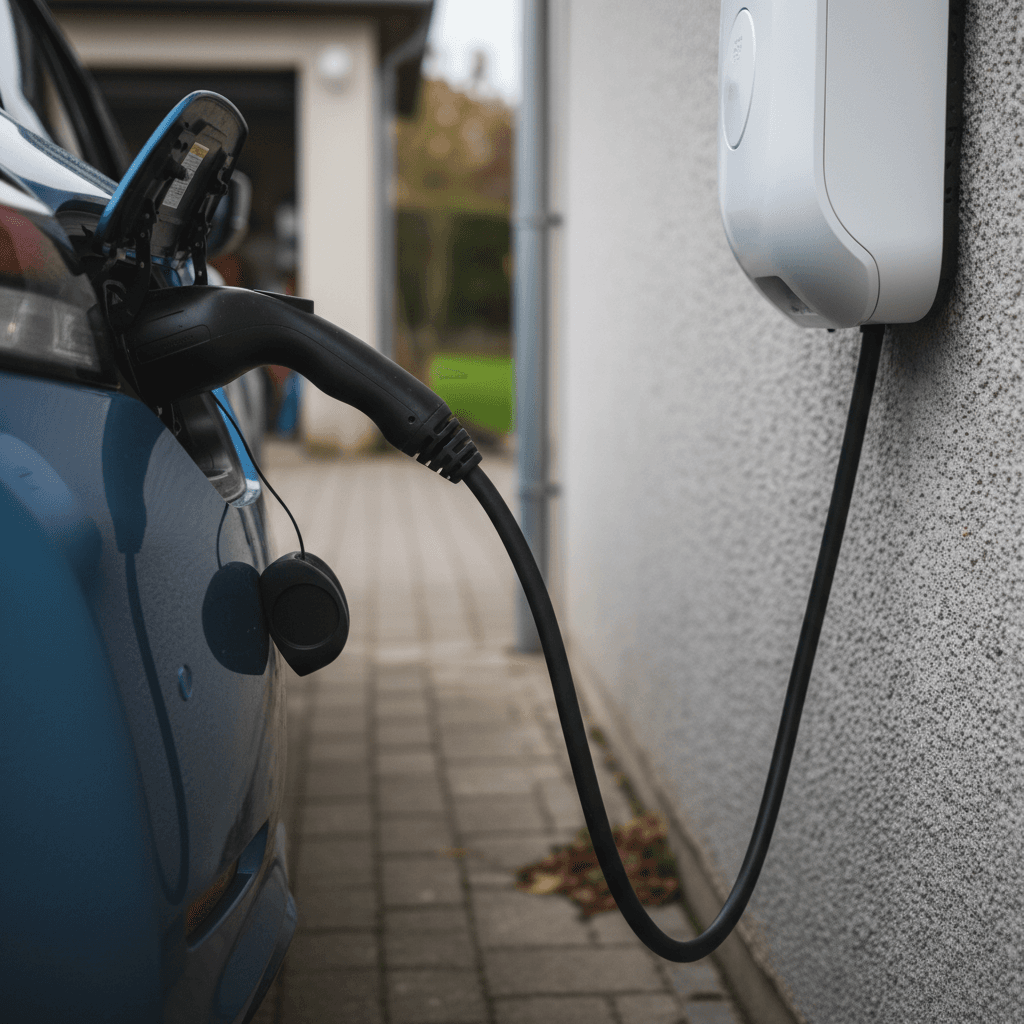
Three Reliability Pillars for a Used 2023 Leaf
Get these right and the odds are in your favor
1. Where Has It Lived?
Hot‑climate Leafs (think Southwest deserts or Deep South) have a tougher life. If a 2023 Leaf spent its years in a cooler region, that’s a quiet win for long‑term battery health.
2. How Was It Charged?
Mostly Level 2 at home or work is ideal. A car that lived on DC fast‑charging may show faster capacity loss, especially in hot climates.
3. What’s the Verified Battery Health?
Don’t settle for "seems fine." Ask for a battery health report or Recharged Score that quantifies state‑of‑health, capacity bars, and realistic range.
Expert Help From EV Specialists
Pre‑Purchase Checklist for a 2023 Leaf
Reliability‑Focused Checklist for a Used 2023 Leaf
1. Confirm Recall Completion
Ask for service records showing that the unintended‑acceleration software update, brake‑line inspection, and defroster manual update (where applicable) have been completed. If not, plan a dealer visit.
2. Pull a Battery Health Report
Use a formal battery diagnostic, not just a phone photo of the dash. Look for strong state‑of‑health and 12 capacity bars on a low‑mileage 2023; dig deeper if you see 10–11 bars already gone.
3. Test Real‑World Range
On a fully charged battery, drive your typical route and note remaining range. Does it match expectations for the trim and weather? A big gap hints at hidden degradation or out‑of‑date software.
4. Inspect Tires, Brakes & Suspension
Uneven tire wear, shaking at highway speeds, or clunks over bumps aren’t unique to EVs, they’re standard used‑car red flags. The Leaf’s hardware is conventional and should feel tight and quiet.
5. Check Charging Behavior
Try both Level 2 and, if possible, a CHAdeMO fast‑charge session. The car should initiate charging cleanly, with no error lights or repeated disconnects.
6. Review Service History
Look for regular checks and software updates rather than a history of repeated electrical or charging complaints. A "quiet" service file is what you want on a 2023 Leaf.
7. Evaluate Your Use Case
Be honest: if you routinely drive 180–200 miles in a day with limited charging, the Leaf will feel stretched. For 40–80‑mile daily use with overnight charging, it’s in its element.
FAQ: 2023 Nissan Leaf Reliability
Frequently Asked Questions About 2023 Nissan Leaf Reliability
Bottom Line: Is the 2023 Nissan Leaf a Good Bet?
Viewed purely through the lens of reliability, the 2023 Nissan Leaf is an easy car to live with. Its electric drivetrain is simple and proven, repair costs tend to be reasonable, and most issues are annoyances rather than disasters. The real deciding factors are battery health, climate history, and whether its modest range fits your life.
If you want an EV that quietly does the job of commuting, school runs, and errands without demanding constant attention, a well‑chosen 2023 Leaf can be a smart, dependable partner. Just choose carefully: insist on verified battery diagnostics, make sure all recalls are complete, and be honest about your range needs. A marketplace like Recharged, with expert EV support, detailed battery health data, and fair‑market pricing, can tilt the odds in your favor and turn "I hope this works out" into "this was the right call."