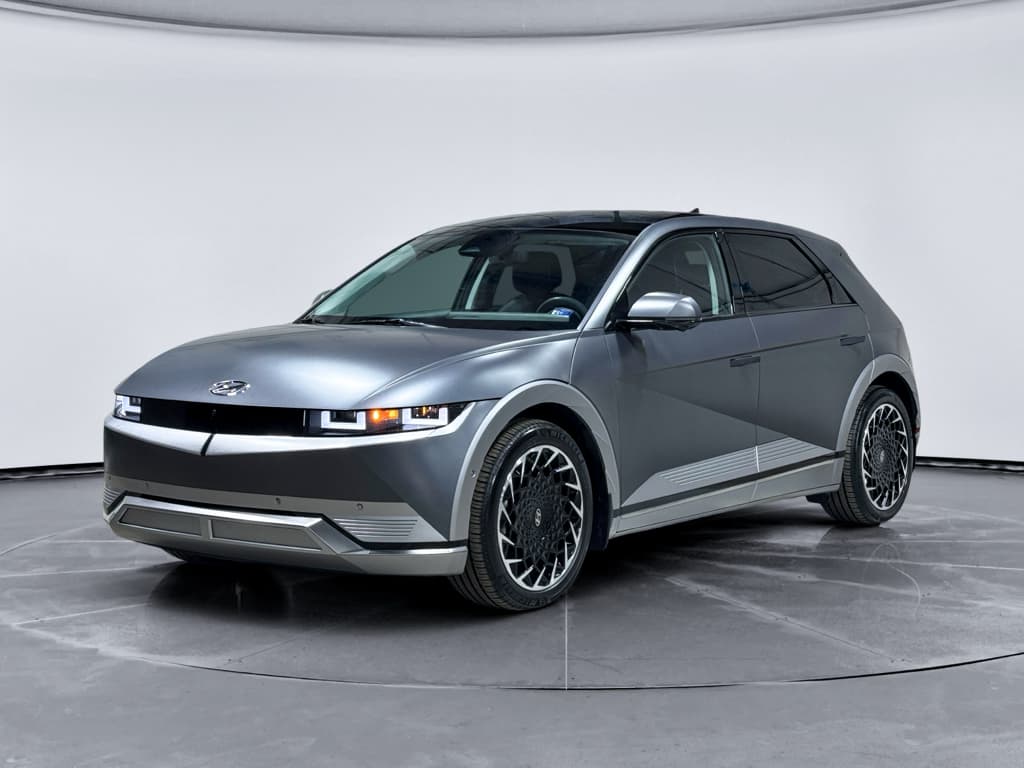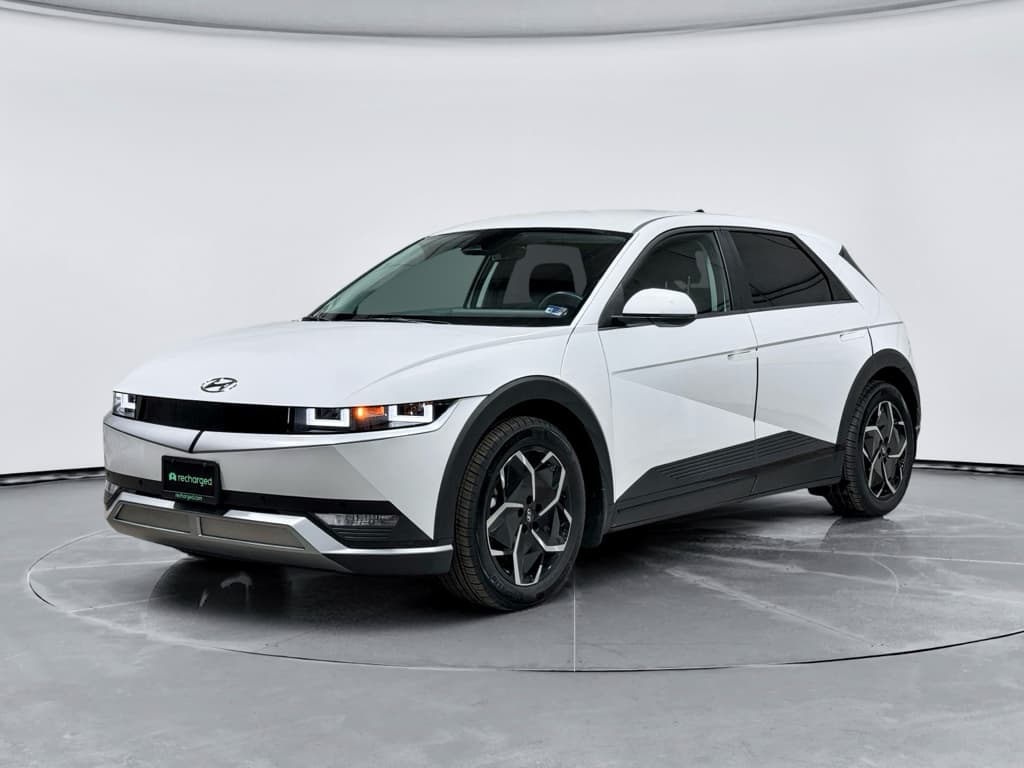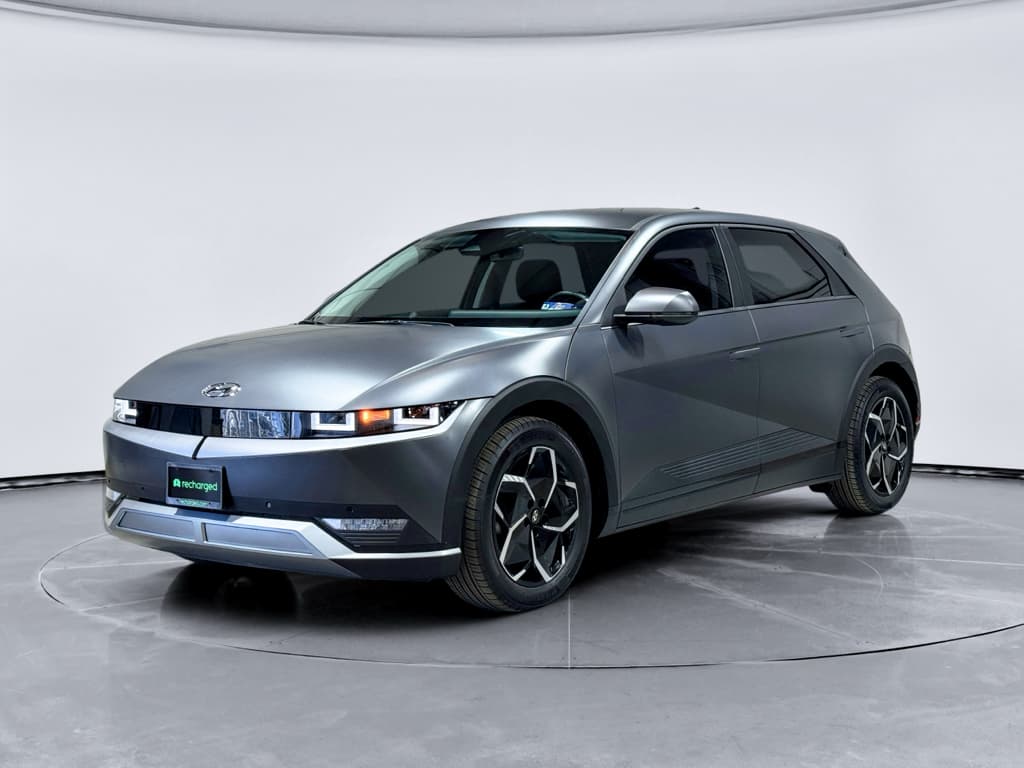
If you’re considering a Hyundai IONIQ 5, or already driving one, you’ve probably discovered that insurance cost is one of the squishier parts of EV ownership. Quotes can swing wildly from one company to the next, and electric models like the IONIQ 5 don’t always fit neatly into the price buckets insurers use for gas SUVs.
Quick takeaway
Hyundai IONIQ 5 insurance cost at a glance
Typical Hyundai IONIQ 5 insurance snapshot (2025 estimates)
Important context
How much does Hyundai IONIQ 5 insurance cost?
When people ask, “How much is insurance for a Hyundai IONIQ 5?” they’re usually imagining a single number. In reality, insurance is closer to a sliding scale. For a clean‑record driver in their 30s or 40s with good credit and typical full‑coverage limits, it’s common in 2025 to see IONIQ 5 quotes somewhere around $1,700–$2,100 per year.
That’s roughly what many crossovers with a similar sticker price cost to insure. The IONIQ 5’s advanced crash performance and driver‑assist tech are a plus; its relatively high parts and repair costs (especially for batteries, sensors, and aluminum bodywork) pull in the other direction.
Example 1: Suburban commuter
40‑year‑old driver, clean record, suburban Midwest ZIP code, ~10,000 miles/year, full coverage with $500 deductibles.
- Typical quote window: $135–$165/month
- Small multi‑car or bundling discounts can shave that down further.
Example 2: Urban new EV owner
29‑year‑old, limited insurance history, lives in a dense coastal city, on‑street parking, one minor speeding ticket.
- Quotes can stretch into the $200+ per month range.
- Here, location and recent driving history add more to the bill than the EV badge itself.
Why you’ll see wildly different numbers online
7 factors that shape your Hyundai IONIQ 5 insurance cost
Insurers don’t care that you fell for the pixel headlights and lounge‑chair seats. They care about risk and repair bills. Here are the knobs they quietly turn when pricing Hyundai IONIQ 5 insurance.
What insurers look at with IONIQ 5 drivers
Some you can control, some you can only plan around
1. Driver profile
Age, driving experience, tickets, and accidents all feed into your rate. A 45‑year‑old with a clean record will almost always pay less than a 23‑year‑old with a recent claim, no matter what they drive.
2. Where you live and park
Dense urban ZIP codes, high‑theft areas, and on‑street or public‑garage parking usually add cost. A garaged IONIQ 5 in a low‑crime suburb sits at the friendlier end of the scale.
3. Coverage limits & deductibles
Full coverage with high liability limits and low deductibles costs more, period. Bumping a $500 deductible to $1,000 can save meaningful money, but only if you’re prepared to pay more out of pocket after a claim.
4. EV‑specific repair costs
Battery packs, high‑voltage components, and sensor‑packed bumpers make modern EVs expensive to fix or total. That claims history gets baked into what you pay for any IONIQ 5, even if you never file a claim.
5. Safety & driver‑assist tech
Hyundai SmartSense, strong crash‑test scores, and a rigid structure can help offset the cost side. Fewer serious injuries and fewer total losses are good news for insurers.
6. Annual mileage & usage
Drive 6,000 miles a year and park in a quiet garage? Low risk. Commute 70 miles of mixed freeway and city traffic every day? Your exposure, and likely your premium, goes up.
- 7. Credit and insurance history (where allowed): In many states, your credit‑based insurance score and how long you’ve continuously carried insurance quietly nudge the price up or down.
- 8. Aftermarket mods: Big wheels, aftermarket suspension, or cosmetic changes need to be disclosed. Some carriers charge extra or limit coverage if the car strays far from stock.
Don’t forget this EV‑specific risk
How IONIQ 5 insurance compares with other EVs and gas SUVs
The IONIQ 5 lives in a busy neighborhood: compact crossovers and small luxury SUVs. From an insurance standpoint, it’s rarely an outlier, which is good news. You’re not paying a huge premium just for choosing an electric drivetrain, but you’re not sneaking into the bargain basement either.
Hyundai IONIQ 5 insurance vs. similar vehicles (directional)
How the IONIQ 5 often stacks up against familiar alternatives, assuming similar drivers and coverage.
| Vehicle | Body style / class | Typical insurance feel* | Why it’s higher or lower |
|---|---|---|---|
| Hyundai IONIQ 5 | Electric compact crossover | Baseline | EV parts cost + strong safety cancel each other out |
| Tesla Model Y | Electric compact crossover | Slightly higher | Higher repair costs and strong demand in some markets |
| Ford Mustang Mach‑E | Electric compact crossover | Similar | Comparable price and repair complexity |
| Hyundai Tucson (gas) | Compact gas SUV | Slightly lower | Cheaper mechanical parts and more shops able to repair |
| Small economy car | Compact sedan / hatch | Much lower | Lower purchase price, simpler hardware, lower claim payouts |
These are generalized comparisons for illustration, not quotes. Your actual pricing can invert this order based on your personal profile and local market.
Think of the IONIQ 5 as sitting in the middle lane: more expensive to insure than a bare‑bones commuter car, but generally within reach of most compact crossovers you’d consider cross‑shopping.
Insuring a used Hyundai IONIQ 5: what changes
If you’re eyeing a used Hyundai IONIQ 5, the good news is that insurance doesn’t automatically spike just because the car isn’t brand‑new. In many cases, stepping into a 2‑ or 3‑year‑old IONIQ 5 can actually bring your premium down a bit, especially if the purchase price and replacement cost are lower than a fresh‑off‑the‑lot model.

How going used affects IONIQ 5 insurance
Lower vehicle value over time
As the IONIQ 5 ages and depreciates, the maximum amount your insurer might have to pay after a total loss drops. All else being equal, that puts gentle downward pressure on comprehensive and collision costs.
Battery health & claims risk
An older EV with a poorly documented battery history can worry insurers. They know that a high‑voltage repair or pack replacement can get very expensive. That’s why documentation matters.
Where Recharged comes in for used IONIQ 5s
When insurers see a well‑maintained vehicle with a clean history and an owner who carries appropriate coverage, it often translates, quietly, into more favorable pricing over time. Even if your insurer never asks for the Recharged Score by name, that underlying condition is what keeps unpleasant surprises (and big claims) at bay.
9 ways to lower your Hyundai IONIQ 5 insurance cost
You can’t move your car to a cheaper ZIP code overnight, but you’re far from helpless. These are the levers that typically make the biggest dent in Hyundai IONIQ 5 insurance cost without cutting into the coverage that actually protects you.
Practical steps to trim your premium
1. Get quotes from at least 3–4 insurers
Pricing for EVs varies more than you’d think from carrier to carrier. Make sure at least one quote comes from a company that openly advertises EV‑friendly products or green‑vehicle discounts.
2. Right‑size your coverage limits
Don’t blindly copy the minimums in your state. In many cases, bumping liability coverage slightly while trimming extras you don’t need (like duplicate roadside coverage) keeps you better protected for similar money.
3. Consider a higher deductible
If you can comfortably cover a $1,000 repair bill without putting it on high‑interest credit, a higher deductible often drops your comprehensive and collision premiums noticeably. Just don’t raise it beyond what you could really pay in an emergency.
4. Take advantage of EV and telematics discounts
Ask specifically about clean‑vehicle, low‑mileage, and usage‑based (app‑tracked) programs. The IONIQ 5’s connected tech and easy‑to‑monitor charging habits can play in your favor here.
5. Bundle home and auto
If you own a home or condo, bundling policies with one insurer can shave a double‑digit percentage off your auto rate. Even renters policies can unlock multi‑policy discounts with some companies.
6. Park smart
If possible, garage your IONIQ 5 or park in a secure lot. Tell your insurer the truth about where the car spends the night, many rating systems treat garaged vehicles as lower risk for theft and weather damage.
7. Ask about mileage tiers
If your IONIQ 5 is mainly a commuter or school‑run shuttle and you drive fewer miles than average, be sure your policy reflects that. Under‑reporting mileage isn’t worth the risk, but accurately reporting low usage is money in your pocket.
8. Keep your record clean for 3+ years
The most effective long‑term discount is simply avoiding tickets and at‑fault collisions. Many surcharges fall off after three to five years with a clean record, and your IONIQ 5 won’t be held hostage to one bad year forever.
9. Re‑shop when life changes
Moved, changed jobs, or paid off the car? Those are good moments to re‑quote your insurance. A used IONIQ 5 that’s paid off might not need the same coverage mix you chose when it was brand‑new and financed.
Leverage positive EV data
Picking the right coverage for your IONIQ 5
The right coverage for a Hyundai IONIQ 5 looks a little different from a 12‑year‑old compact sedan with 160,000 miles. The car is worth more, the technology is more complex, and the repair landscape is still evolving. That doesn’t mean you have to buy every add‑on your agent offers, but it does mean you should be deliberate.
Coverage most IONIQ 5 drivers should consider
- Liability insurance well above state minimums, to protect your assets if you cause an accident.
- Comprehensive and collision if the car is financed, leased, or represents a big chunk of your net worth.
- Uninsured/underinsured motorist coverage, especially in areas with many underinsured drivers.
- Gap coverage (through Hyundai or your insurer) if you financed with a small down payment.
Coverage you can evaluate case‑by‑case
- Rental reimbursement: Helpful if you rely on a car every day; less critical if you can live with public transit or a second car temporarily.
- Roadside assistance: Many EVs, including used IONIQ 5s sold through programs like Recharged, already bundle some form of roadside help. Avoid paying for it twice.
- Custom equipment coverage: Worth a look if you add aftermarket wheels, audio, or tint beyond what came with the car.
Don’t skimp on liability to save pennies
Where Recharged fits into your total cost of ownership
Insurance is just one slice of Hyundai IONIQ 5 ownership, alongside charging, maintenance, and depreciation. When you’re shopping used, how you buy the car can quietly influence how comfortable you feel setting deductibles and coverage limits.
How Recharged helps you make smarter insurance decisions
Recharged Score battery report
Every EV on Recharged comes with a Recharged Score Report that includes verified battery health. Knowing the pack is in good shape makes it easier to choose a deductible and decide whether gap coverage is worth the money.
Fair, transparent pricing
Because Recharged benchmarks vehicles against fair market pricing, you’re not paying above the odds for a used IONIQ 5. That keeps your loan balance more in line with the car’s true value, good news if you ever face a total‑loss claim.
EV‑specialist support
Recharged’s EV specialists can walk through total cost of ownership with you, from home charging to realistic insurance expectations. You can even explore financing and trade‑in options online or at the Richmond, VA Experience Center to see how the whole picture fits together.
Ready to find your next EV?
Browse VehiclesMake the numbers work together
Hyundai IONIQ 5 insurance: FAQs
Frequently asked questions about IONIQ 5 insurance
The bottom line on Hyundai IONIQ 5 insurance costs
Owning a Hyundai IONIQ 5 shouldn’t mean guessing what your insurance will be. For many drivers, premiums land in the same neighborhood as a well‑equipped compact SUV: not pocket change, but predictable once you know which levers matter most. Your driving record, ZIP code, mileage, and coverage choices do more to shape your final bill than the fact that there’s a battery pack underneath the floor.
If you’re shopping used, pairing a well‑documented IONIQ 5, with clear battery health and a fair price, with smart insurance shopping is the best way to keep total cost of ownership in check. That’s exactly the lane Recharged operates in: transparent reports, EV‑savvy support, digital‑first buying, and straightforward financing or trade‑in options to help the numbers add up. Do that homework once, and the pixel lights, quiet cabin, and low charging costs are a lot easier to enjoy every day.