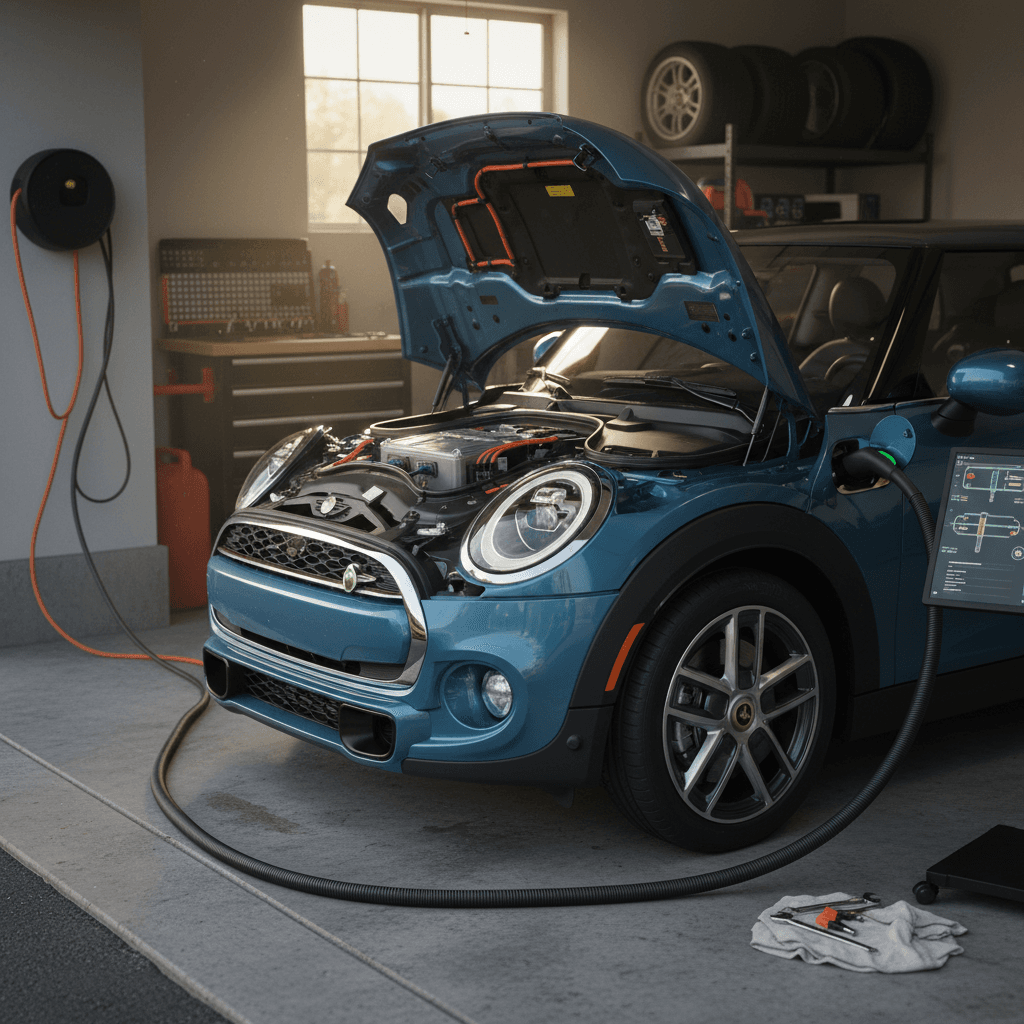
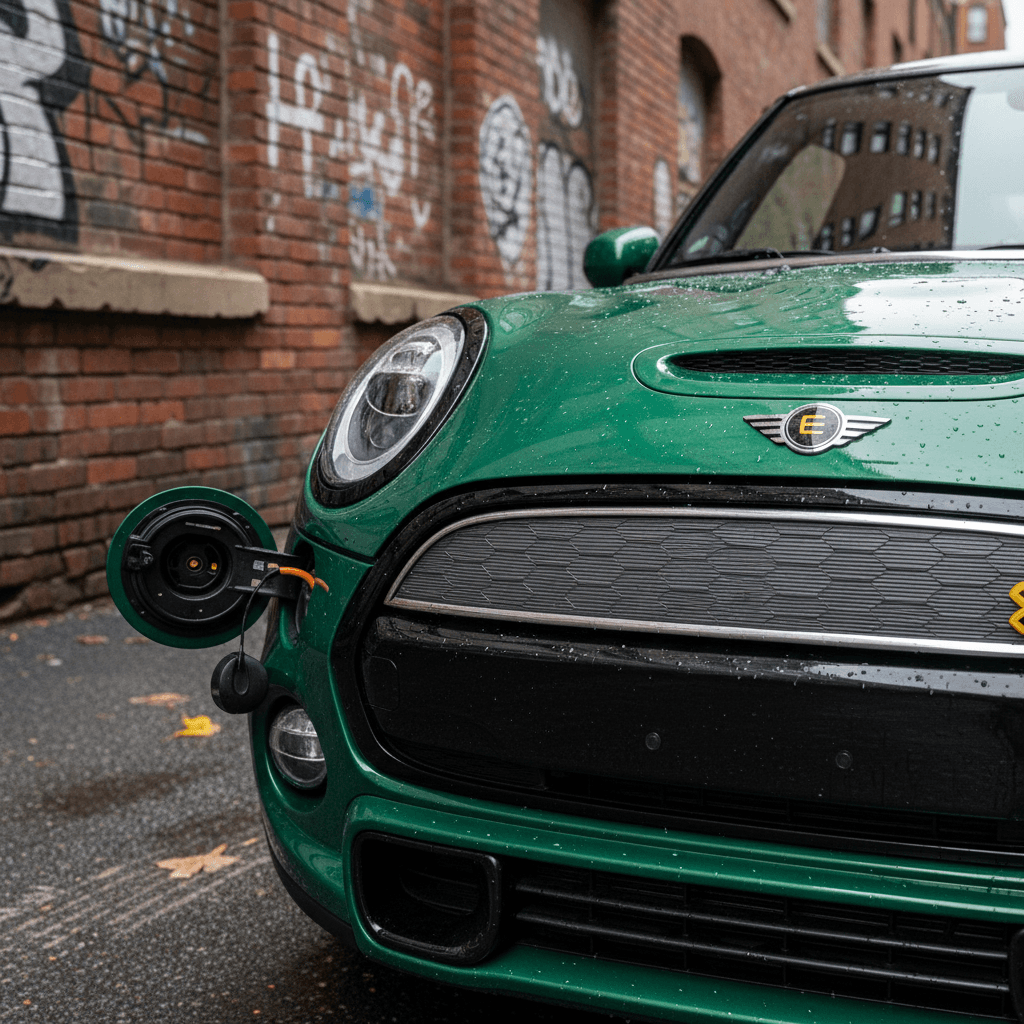
If you’re eyeing a used 2023 Mini Cooper Electric (Mini SE), you’re probably wondering whether the adorable city EV is secretly a headache waiting to happen. The good news: overall 2023 Mini Cooper Electric reliability is better than you might expect from an old‑school Mini stereotype. The reality is more nuanced, part BMW engineering exercise, part urban runabout with a few quirks you absolutely should know about before you buy.
Quick context
2023 Mini Cooper Electric reliability at a glance
2023 Mini Electric reliability snapshot
The short version: mechanically and electrically, the 2023 Mini Cooper Electric has been a pretty solid little car. Most of the drama you’ll read about online falls into three buckets: isolated HVAC issues, a small high‑voltage battery housing recall, and classic Mini stuff like fragile low‑profile tires meeting bad pavement. That’s a very different picture from the “unreliable Mini” memes of a decade ago.
How reliable is the 2023 Mini Cooper Electric, really?
To understand 2023 Mini Cooper SE reliability, you have to zoom out a bit. Mini as a brand spent years near the bottom of dependability charts. But by the late 2010s the company quietly rebuilt the cars from the inside out. Independent studies now place recent Mini Cooper Hardtops in the “Great” reliability band, even cracking the top five brands in some dependability surveys. That improved hardware and quality control underpins the electric SE.
- The 2023 Mini SE is built on the F56 Cooper Hardtop platform, which has benefitted from years of incremental quality improvements.
- Its electric drivetrain is heavily related to the BMW i3’s hardware, a powertrain with a solid long‑term track record.
- EVs in general have far fewer moving parts than a gasoline Mini, fewer things to leak, seize, or overheat.
Real‑world anecdotes line up with the data. When owners rack up 20,000–40,000 miles in forums and report their experiences, the pattern is consistent: either essentially drama‑free ownership, or a small number of recurring but fixable nuisances that show up early in the car’s life and get handled under warranty.
How to read owner reports
Known issues, recalls, and what they actually mean
No modern EV is completely trouble‑free, and the 2023 Mini Cooper Electric is no exception. The key is to separate nuisance issues from true reliability red flags. Here’s what shows up most often in owner discussions.
Common 2023 Mini Electric issues
What we see in owner forums and service reports
HVAC / heat pump issues
Some owners report losing cabin heat in the first year or two, sometimes repeatedly, due to failures in the heater unit, auxiliary coolant pump, or control module.
- Typically appears early in ownership
- Annoying for long‑distance service visits
- Covered under warranty in reported cases
High‑voltage battery housing recall
A small recall covers 128 U.S. Mini SEs from 2021–2023 where the battery shell wasn’t sealed correctly, allowing potential water intrusion and a risk of stalling or, in rare cases, thermal events.
- Dealers leak‑test and repair or replace pack as needed
- Repair is free; most cars are not in that tiny VIN window
Active grille shutter issues
Loose or rattling active grille shutters at the front bumper pop up regularly. It’s more annoyance than catastrophe.
- Usually fixed under warranty
- Easy visual check on a test drive
Suspension and tire damage
The SE is heavy for its size and ships on low‑profile performance tires. Add bad roads and potholes, and you get bent wheels, blown sidewalls, and expensive suspension repairs.
- Not unique to the SE, but more likely with rough roads
- Consider switching to more robust all‑season tires
Shifter mechanism glitches
A handful of 2023 SE owners have seen the gear selector refuse to engage Park, requiring replacement of the shifter assembly.
- Covered under warranty; repair is straightforward
- Potentially pricey if it happens out of warranty
Software quirks & recalls
Like many EVs, the Mini SE has seen software updates and a recall campaign related to battery thermal management and control modules.
- Updates are typically quick dealer visits
- Make sure all recalls and campaigns are closed on any used car
Safety first: recall status is non‑negotiable
2023 Mini Cooper Electric: issues by severity
Use this to separate deal‑breakers from manageable quirks when you shop used.
| Issue | How common it seems | Severity if fixed | What to do when buying used |
|---|---|---|---|
| HVAC / heat loss | Occasional clusters in owner forums | Medium (comfort, winter safety) | Verify strong heat and A/C on test drive; ask about past HVAC repairs. |
| Battery housing recall | Very rare (128 U.S. cars) | High if ignored, low if fixed | Have a dealer run VIN for recall completion before you buy. |
| Loose grille shutters | Relatively common nuisance | Low | Inspect front bumper for rattles or loose pieces; budget for a fix if out of warranty. |
| Shifter won’t go into Park | Infrequent but documented | Medium | Shift repeatedly between modes; watch for error messages or refusal to engage Park. |
| Pothole suspension damage | Dependent on local roads & tires | Medium to high | Inspect wheels and tires for bubbles, bends, and uneven wear; drive over rough pavement and listen for clunks. |
Severity assumes issues are addressed promptly and the car has full recall history.
Battery health and range over time
The beating heart of any used EV purchase is the battery. The 2023 Mini Cooper Electric’s pack is modest in size, about 32.6 kWh gross, with roughly 110–120 miles of EPA range, but the upside is that real‑world degradation so far looks encouraging.
- Owners of 2020–2023 Mini SEs with 20,000–35,000 miles commonly report state‑of‑health readings in the high‑90% range using OBD‑based apps or dealer tests.
- Several long‑term drivers report essentially unchanged usable range (around 110–120 miles) after a few years, even when charging to 100% regularly.
- Independent shop diagnostics often show slightly better numbers than consumer apps, suggesting that some “loss” owners see is within normal estimation error.
Why Mini’s pack seems to age well
Real‑world range expectations as the car ages
If you’re shopping a 2023 Mini Electric with, say, 20,000–30,000 miles, a healthy car should still deliver roughly the same range it did new, aside from the usual EV realities:
- Winter and high highway speeds will cut range dramatically, seeing 80–90 miles in cold weather at 75 mph is normal, not a defect.
- Short urban hops at moderate speeds can feel almost miraculous, with 4+ miles per kWh and very slow range drop.
- Frequent DC fast charging doesn’t seem to be harming these packs in noticeable ways yet, but most SEs live their lives on Level 2 home charging anyway.
How to evaluate battery health on a used Mini SE
Running costs, maintenance, and daily livability
Here’s where the 2023 Mini Cooper Electric makes its strongest case: once you’re past any early‑life teething issues, ongoing costs are delightfully low. Scheduled maintenance is sparse, and EV‑specific wear items are few.
Owning a 2023 Mini Cooper Electric day to day
Where the money actually goes
Maintenance schedule
Early SE owners report first dealer checks focused on brakes and brake fluid at around two years. With strong regen, pads last a long time.
Oil changes don’t exist, spark plugs don’t exist, and transmission service is minimal.
Tires & wheels
The big expense you will see is tires and occasionally wheels.
- Low‑profile, performance‑oriented rubber
- Heavy curb weight for such a short wheelbase
- Potholes can translate directly into repair bills
Charging costs
At U.S. residential electricity averages, home charging is typically a fraction of the cost per mile of gasoline.
Because the pack is small, topping up from 20–80% overnight on Level 2 is cheap and quick.
Where the 2023 Mini SE shines
Is the 2023 Mini Cooper Electric a good used buy?
From a pure reliability and value‑for‑money standpoint, a well‑cared‑for 2023 Mini Cooper SE is one of the more interesting used EV buys on the market right now. Depreciation on low‑range EVs has been steep, which hurts original owners but benefits you.
Why it’s a smart used EV
- Solid reliability record so far for both the underlying F56 platform and the i3‑based electric drivetrain.
- Limited battery degradation reported even on earlier model years with similar hardware.
- Low operating costs if you’re mainly driving in town.
- Fun, premium feel compared with many budget‑oriented small EVs.
Where it can disappoint
- Short range by modern standards kills its appeal as an only car for road‑trip people.
- Pothole sensitivity: tires and suspension can get expensive on bad roads.
- Dealer network isn’t as dense as some mainstream brands, so warranty trips can mean long drives for rural owners.
When the 2023 Mini Electric is the wrong choice
Inspection checklist for a used 2023 Mini Electric
Pre‑purchase checklist for a 2023 Mini Cooper Electric
1. Confirm recall and software status
Ask a Mini dealer to run the VIN for open recalls and service campaigns, especially the high‑voltage battery housing leak test and any thermal‑management software updates. Walk away from any car with unresolved HV‑battery or fire‑risk recalls.
2. Get a real battery‑health report
Request a recent dealer battery test or a third‑party report like the <strong>Recharged Score</strong>, which uses professional diagnostics to verify state of health. Aim for high‑90s on a low‑mileage 2023 car; anything unusually low needs an explanation.
3. Test HVAC thoroughly
With the car cold, run the heater on full in Eco and normal modes, then test A/C. Watch for intermittent heat, weird smells, or error messages, especially in cars with prior HVAC repairs.
4. Inspect wheels, tires, and suspension
Look for sidewall bubbles, uneven wear, and bent wheels. On the test drive, listen for clunks or vibration at highway speed, signs of pothole damage. Replacing a strut, steering gear, and axle after a big hit is not cheap.
5. Check active grille shutters and front end
Give the lower grille area a gentle push and visual once‑over. Loose shutters and minor front‑bumper fit issues are common but fixable; use them as bargaining chips if you’re out of warranty.
6. Exercise the shifter repeatedly
With the brake pressed, shift through R–N–D and into Park multiple times. If the lever refuses to go into P or throws warnings, budget for a shifter replacement or insist on repair before purchase.
7. Match range to your life
Fully charge the car and drive a mixed test loop. If your daily commute plus errands already eats most of the available range in good weather, you may want a larger‑battery EV instead, no matter how reliable the Mini is.
How Recharged helps you buy a used Mini Cooper Electric with confidence
Buying a used EV shouldn’t feel like a science experiment. With the 2023 Mini Electric in particular, the differences between a great example and a sketchy one are often invisible in a simple test drive. That’s where Recharged comes in.
What you get when you shop a Mini SE through Recharged
Less guesswork, more confidence
Recharged Score battery diagnostics
Every Recharged vehicle gets a Recharged Score Report with verified battery health, charging behavior, and range expectations. You see objective data, not just a seller’s claim that “it seems fine.”
Expert EV inspection
Our EV‑specialist partners understand issues like Mini SE HVAC failures, grille shutters, and pothole damage. They check the stuff most generic shops overlook and flag anything that could cost you later.
Fair pricing, financing, and trade‑in
Recharged benchmarks each car against the broader EV market, not just other Minis, to keep pricing transparent. Need to finance or trade out of your current car? We can help there, too, fully online, with nationwide delivery available.
Ready to find your next EV?
Browse VehiclesWhy this matters for the Mini SE
FAQ: 2023 Mini Cooper Electric reliability
Frequently asked questions about 2023 Mini Electric reliability
Bottom line: Who the 2023 Mini Electric is (and isn’t) for
Taken as a whole, 2023 Mini Cooper Electric reliability is quietly impressive. This isn’t the finicky, hyper‑neurotic Mini of internet legend. It’s a mature small‑car platform carrying a proven BMW‑sourced electric drivetrain, marred mainly by a few recurring HVAC and hardware quirks and the usual low‑profile‑tire drama.
If you’re a city or suburban driver with home charging, and you treat road trips as rare events rather than a lifestyle, a clean, well‑maintained 2023 Mini SE can be a stellar used buy, cheap to run, fun every day, and so far free of serious systemic reliability flaws. The key is buying the right car: one with full recall history, documented battery health, and a clean bill of health on the known trouble spots.
That’s exactly the gap Recharged is built to close. With a Recharged Score Report, EV‑savvy inspections, transparent pricing, and nationwide delivery, you can choose a used Mini Cooper Electric for what it is, a delightful, efficient city tool, rather than worrying about what might be lurking under the floor. If that sounds like your kind of daily driver, the 2023 Mini Electric deserves a serious look.