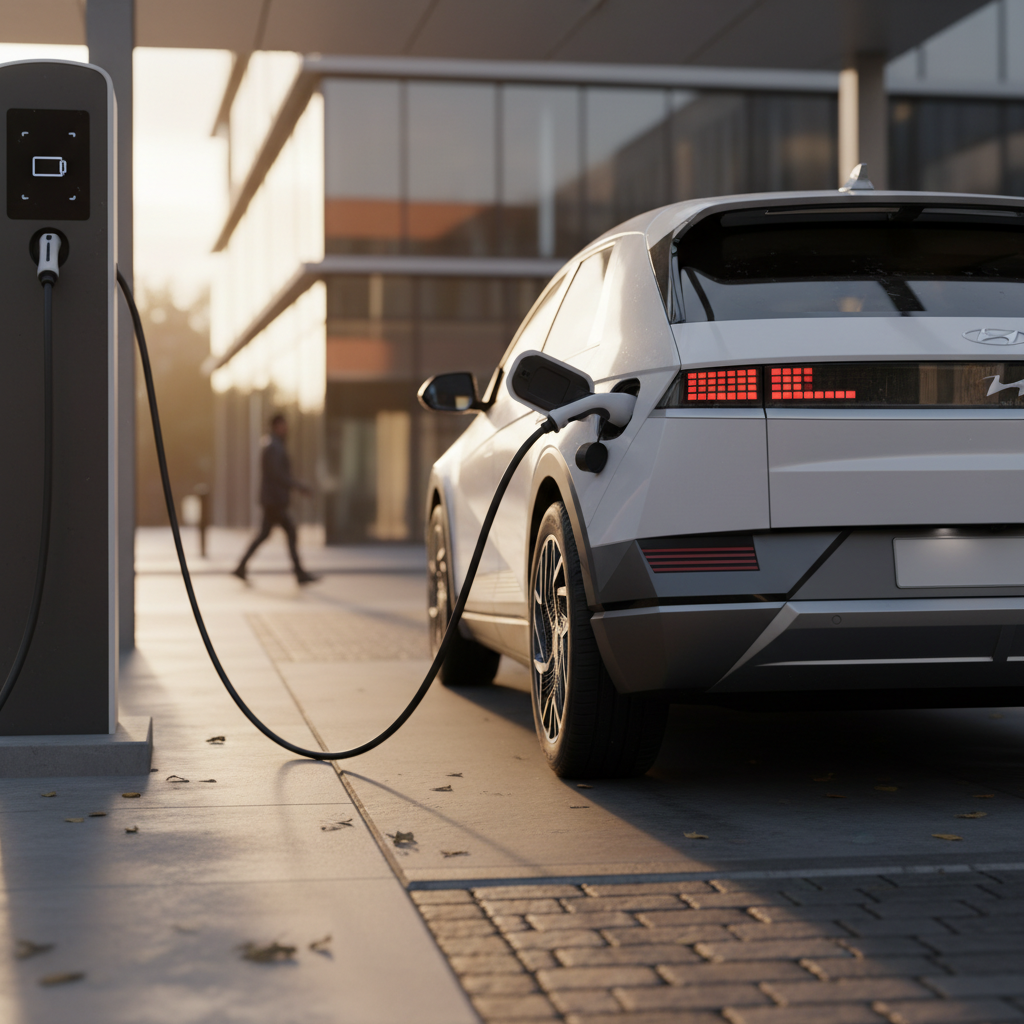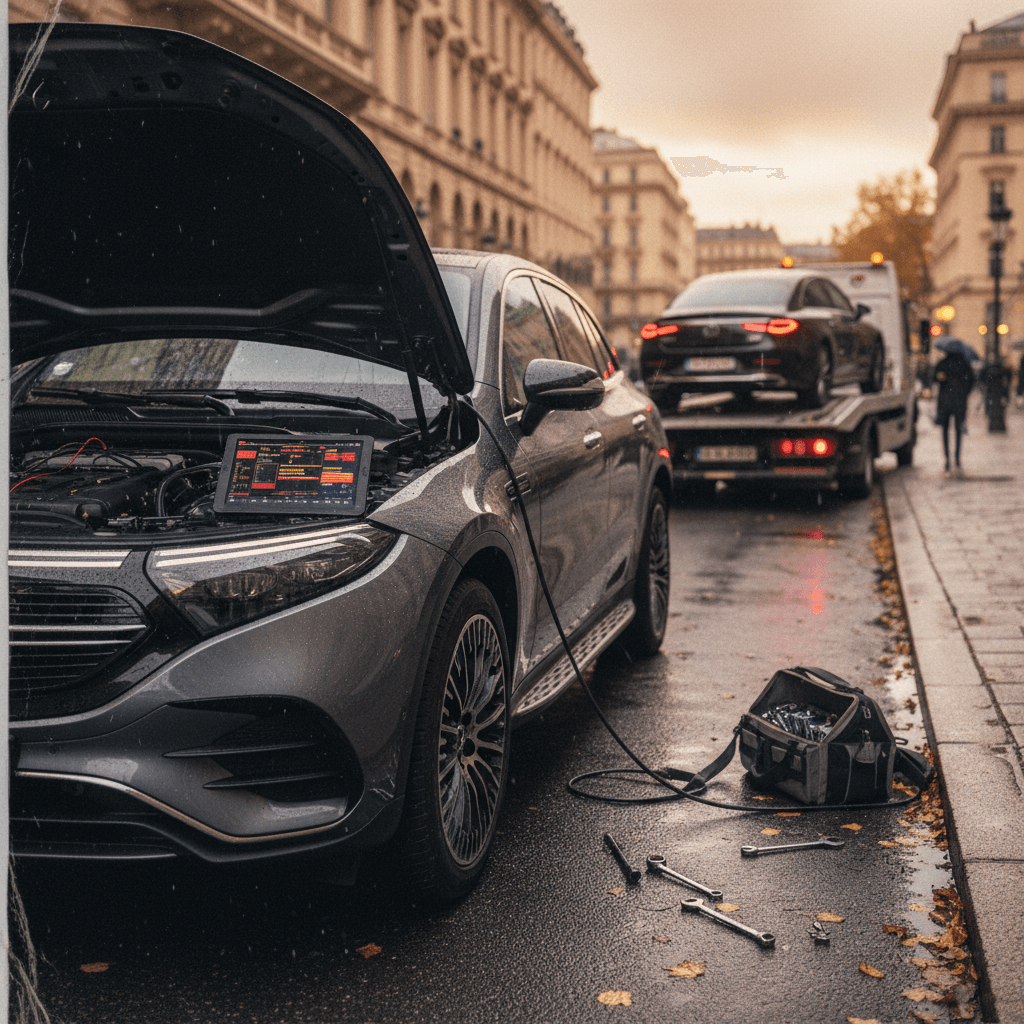
If you’re shopping for a used luxury EV, the 2023 Mercedes EQE sedan and EQE SUV are probably on your list, and so are questions about 2023 Mercedes EQE problems. Early EVs often arrive with first‑generation quirks, and the EQE is no exception. The good news: many issues are manageable if you know what to look for and how to protect yourself when you buy used.
Sedan vs. SUV
Overview: How Troublesome Is the 2023 Mercedes EQE?
Because the EQE is relatively new and not a huge-volume model, long‑term reliability data is still thin. Consumer-facing sources report limited statistical data so far, but several important patterns are already clear: a handful of notable recalls, some electrical and software oddities, and scattered build‑quality complaints, balanced by plenty of owners who report trouble‑free miles.
2023 Mercedes EQE Issues at a Glance
In other words, the EQE isn’t a disaster, but it is not a set‑and‑forget appliance. As with many modern luxury EVs, you’re buying a complex computer on wheels. If you’re considering a used EQE, you’ll want to understand the main problem areas and verify they’ve been addressed.
Major 2023 EQE Recalls and Safety Issues
Two recall campaigns stand out for 2023 EQE models in the U.S. They don’t affect every single vehicle, but any EQE you’re considering should be checked against both.
- Steering coupling bolt recall (2023–2026 EQE): An improperly tightened steering coupling bolt can loosen over time. In the worst case, the driver could lose steering control. The fix is straightforward, dealers inspect and tighten or replace the bolt, but it is a safety‑critical repair.
- Main fuse/electrical system recall: A defective 80‑amp main fuse in the power distribution box can fail, causing a sudden loss of drive power or critical systems like the instrument cluster and restraint systems. In rare scenarios, it can also increase fire risk. Dealers replace the fuse box with an updated unit.
- Headlight aim/software issue (select EQE 350 with comfort suspension): Some vehicles left the factory with incorrectly calibrated headlight control software, leading to mis‑aimed headlights and potentially reduced visibility. The remedy is a software update.
Always Run a VIN Recall Check
Electrical and Battery-Related Issues
Battery health is the first thing most shoppers worry about with a used EQE. So far, genuine high‑voltage battery degradation complaints are rare. The more common complaints are about how the car uses energy when parked and about the low‑voltage (12‑volt) system that supports the EQE’s computers and accessories.
Common Battery & Electrical Complaints on 2023 EQE
Most are fixable, but easy to miss on a short test drive
Phantom Battery Drain
12-Volt Battery Problems
Charging Anomalies
How to Test for Phantom Drain
When a 2023 EQE is healthy and configured correctly, owners routinely report almost no loss over several days of airport parking. When you see dramatic overnight drain, you’re usually looking at a specific fault or configuration problem, not an inherent design flaw in the traction battery.
Software Glitches and Tech Frustrations
If there’s a single consistent knock on the EQE, it’s not the chassis or battery, it’s the software experience. Owners often praise the way the car drives but complain that the software feels half a generation behind the hardware.
Common Software Complaints
- False collision alerts when using parking elevators or tight garages, with warnings that are hard to clear from the app.
- Occasional freezes or slow responses from the central screen and instrument cluster, especially on early software builds.
- Apple CarPlay or Android Auto disconnects mid‑drive, often resolved after a dealer software update.
- Mood‑killing bugs like the car insisting there’s a fault when no damage is visible.
Why It Matters When You Buy Used
- Software updates can quietly fix a lot of bugs, but only if the previous owner visited the dealer or kept over‑the‑air updates enabled.
- An EQE that hasn’t seen updates may feel slower, buggier, and less refined than the same car on current software.
- Persistent software faults can mask real problems. For example, repeated warnings may train a driver to ignore alerts that actually matter.
When you test‑drive, cycle through navigation, audio, phone mirroring, driver‑assist menus, and parking systems. Watch for lag, crashes, or features that don’t behave as described in the manual.
Software vs. Hardware
Build Quality and Hardware Complaints
Beyond software, the 2023 EQE has drawn some criticism for build quality, especially from vehicles assembled early in the production run. The EQE SUV comes out of Mercedes’ Alabama plant, and a few owners and even salespeople have hinted at inconsistent QC compared with some European‑built models.
Physical & Build-Quality Issues Owners Mention
Not universal, but worth checking on any used EQE
Trim & Console Problems
Doors, Handles & Mirrors
Ergonomics & Interior Layout
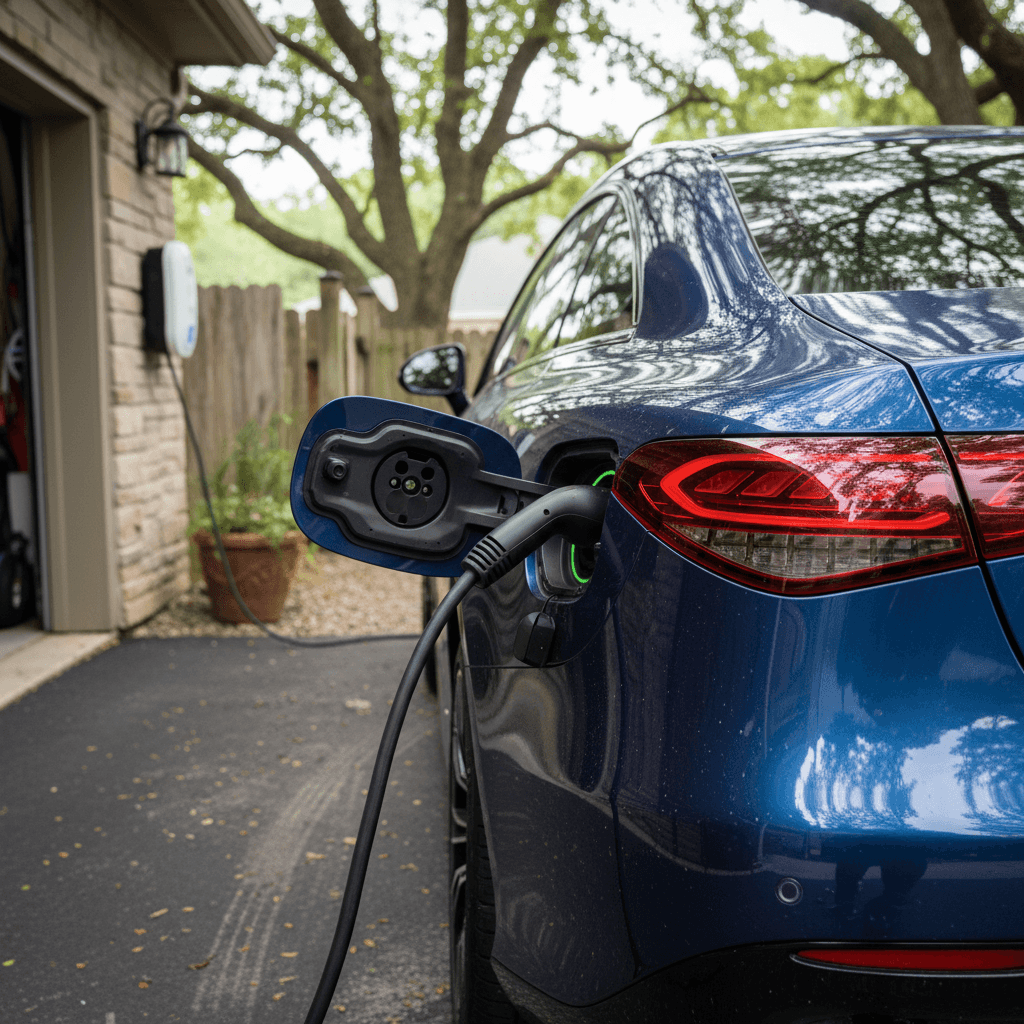
Don’t Ignore Small Noises
Ride, Tires, and Day-to-Day Drivability
On the road, the 2023 EQE is generally comfortable and quiet, especially in sedan form. But there are a few real‑world drivable concerns that keep popping up in owner discussions.
Everyday EQE Drivability Concerns
Items that aren’t necessarily defects, but can affect satisfaction and cost of ownership.
| Area | What Owners Report | What to Do on a Test Drive |
|---|---|---|
| Tire Wear | Front tires wearing close to bald by ~14,000 miles on some EQE sedans and SUVs, especially on factory Continental fitments. | Check tread depth on all four tires and ask for a printout of the last alignment. |
| Steering Feel & Visibility | Wheel and instrument cluster placement can block part of the windshield or gauges for some drivers. | Spend time adjusting the seat and wheel. Make sure you can see the road and key information comfortably. |
| Ride Quality | Sedan rides softer; SUV can feel firmer on 21-inch and AMG wheels. Occasional reports of creaks over bumps. | Drive on rough roads at varying speeds. Listen for rattles, strut noises, or hollow thumps. |
| Brakes | Some complaints of squeaky brakes at low speeds, fairly common on heavy EVs. | Perform several gentle and firm stops. Squeaks alone aren’t a dealbreaker, but grinding or vibration is. |
Use this as a checklist during your extended test drive.
Plan for Tires as a Wear Item
Real-World Reliability: What Owners Report
Scan through owner forums and you’ll find two very different EQE stories. In one, the car chews through tires, wakes up with phantom battery drain, and keeps its owner on a first‑name basis with the service advisor. In the other, the EQE quietly racks up 20,000–40,000 miles with almost nothing beyond routine service and a couple of software updates.
- Multiple owners of 2023 EQE sedans and SUVs report tens of thousands of miles with no significant issues beyond minor software quirks.
- Others describe having to visit the dealer several times in the first year to chase down bugs, phantom warnings, or 12‑volt battery behavior.
- Quality and experience seem to vary more by individual vehicle than by model. Two 2023 EQEs built within weeks of each other can have very different trouble histories.
- Dealers often resolve problems with a combination of software updates and targeted component replacements (fuse box, struts, small electrical modules).
Mercedes has a great built car, but the software sucks big time.
For a used‑vehicle shopper, that split story means one thing: you can’t buy the average, you can only buy the example in front of you. A thorough inspection and data‑driven battery health report matter more here than on a simpler gasoline car.
What to Check on a Used 2023 EQE Before You Buy
With the right checks, you can dramatically lower your risk of inheriting someone else’s headaches. Here’s how to vet a 2023 EQE, sedan or SUV, before you commit.
Used 2023 EQE Inspection Checklist
1. Run a Full Recall & Campaign Report
Ask a Mercedes dealer to pull the VIN and print out <strong>all open and completed recalls and service campaigns</strong>. Verify that steering, fuse‑box, and lighting campaigns are closed with a repair date, don’t rely on verbal assurances.
2. Get Objective Battery Health Data
Range estimates on the dash aren’t enough. A professional battery health diagnostic, such as the <strong>Recharged Score battery report</strong> included with every Recharged vehicle, gives you a quantified view of current capacity and cell balance.
3. Test for Phantom Drain
If possible, leave the car parked for 24 hours without charging. Record state of charge at drop‑off and pick‑up. Loss of more than a few percent in mild weather just sitting is worth investigating, especially if the car isn’t set to precondition.
4. Inspect Tires, Brakes & Suspension
Measure tread depth, look for uneven wear, and listen for <strong>creaks or clunks</strong> over speed bumps. Uneven wear can signal alignment or suspension issues. Don’t overlook squeaky brakes or pulsation under braking.
5. Stress-Test the Infotainment & ADAS
On your test drive, run navigation, phone mirroring, audio, and driver‑assist systems together. Look for freezes, random warnings, or features that don’t behave as described. Ask whether major software updates were done at the dealer.
6. Check All Doors, Sunroof & Mirrors
Cycle every <strong>door handle, power mirror, window, and the sunroof</strong> several times. Make sure everything closes and seals correctly. Water leaks and misaligned panels are expensive to correct later.
7. Review Service History & Warranty
Ask for complete service records, including any 12‑volt battery replacements or high‑voltage work. Confirm how much factory warranty remains and whether any <strong>extended or CPO coverage</strong> can be transferred to you.
How Recharged Reduces the Guesswork
Ready to find your next EV?
Browse VehiclesOwnership Costs, Warranty, and Likely Repairs
On paper, the 2023 EQE’s maintenance needs are modest compared with a gasoline Mercedes; there’s no engine oil, exhaust, or complex transmission. But when things do go wrong, you’re still dealing with a premium brand’s parts and labor rates.
Warranty Basics
- New‑vehicle warranty: Typically 4 years/50,000 miles from in‑service date, covering most non‑wear components.
- High‑voltage battery warranty: Usually 8 years/100,000 miles (or more in some markets) for capacity and defects.
- Many 2023 EQEs still have meaningful factory coverage left, especially those sold later in the model year or as service loaners.
Always confirm exact dates and mileage on the specific car, you’re buying the remaining warranty, not the brochure.
Likely Out-of-Pocket Items
- Tires: Expect earlier replacements than on a compact SUV, especially on AMG‑line trims and larger wheels.
- 12‑volt battery or related modules: If not previously replaced, these may become a maintenance item in years 3–6.
- Suspension components: Occasional strut or bushing replacements if noises develop, especially in harsh‑climate regions.
- Out‑of‑warranty electronics: Sensors, control units, or infotainment hardware can be costly; extended coverage is worth considering.
Avoid EVs with Mystery Electrical Gremlins
Should You Buy a Used 2023 Mercedes EQE?
From an ownership perspective, the 2023 Mercedes EQE is a mixed bag: excellent ride comfort, a refined cabin, strong range, and fast‑charging capability, paired with software that can frustrate and a few meaningful recalls and electrical quirks you need to respect.
- If you prioritize comfort, quiet, and a traditional luxury feel, the EQE stacks up well against rivals like the BMW iX and Audi e‑tron lines.
- If you want a “set‑and‑forget” tech experience with constant over‑the‑air improvements, Tesla or certain Korean EVs may feel more seamless.
- If you buy carefully, verifying recalls, software status, battery health, and build quality, a 2023 EQE can be a strong value as prices soften on first‑generation luxury EVs.
Your best move is to treat each 2023 EQE as an individual case. Look for a car with clean history, documented dealer care, recent software, and strong battery health. If you’d rather not do that detective work alone, buying through a specialist marketplace like Recharged, with its Recharged Score battery diagnostics, transparent pricing, and EV‑savvy support, can make stepping into a used EQE feel a lot less risky and a lot more rewarding.