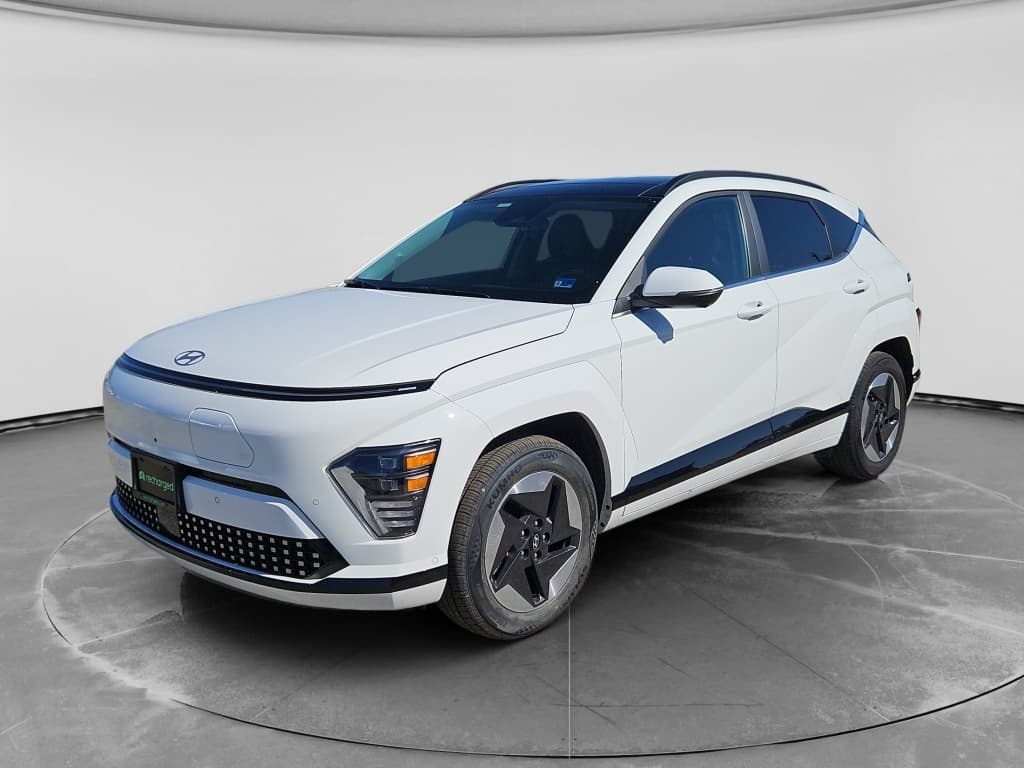
If you’re researching 2023 Mazda MX-30 problems, you’ve probably already heard the headline: very short range, and a car that disappeared from U.S. showrooms almost as soon as it arrived. That doesn’t automatically make it a bad buy, but it does mean you need to go in with your eyes wide open, especially in the used market.
Quick context
Overview: What’s “wrong” with the 2023 Mazda MX-30?
Most of the “problems” with the 2023 Mazda MX-30 aren’t catastrophic mechanical failures. They’re baked into the concept of the car: a small battery, modest performance, and a body that looks great in photos but can be awkward in daily use. On top of that, there are a few early-build glitches and the reality that Mazda has already discontinued the MX-30 EV in the U.S., which limits long-term support and resale appeal.
2023 Mazda MX-30 at a glance
The big picture
Problem 1: Extremely limited range and modest charging
Let’s start with the deal-breaker for many shoppers: range. The 2023 Mazda MX-30 uses a roughly 35.5 kWh battery and carries an EPA-estimated range of about 100 miles on a full charge. In 2023, that made it the shortest-range EV on sale in the U.S., and nothing has changed since. Many competitors now run 230–300+ miles.
- In mixed city driving, you might see 90–110 miles in mild weather.
- On the highway at 65–75 mph, owners and testers report range dropping into the 70–80 mile zone between charges.
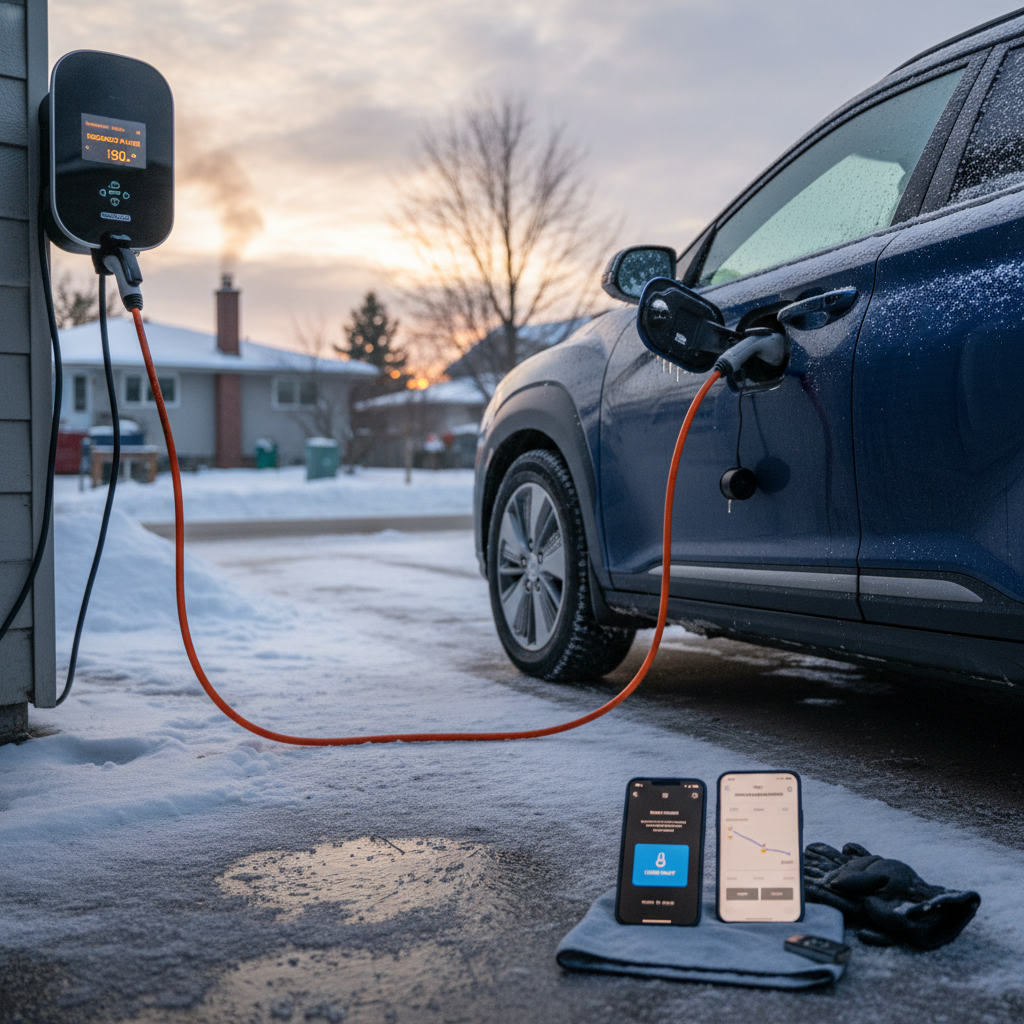
- Cold temperatures or heavy A/C use can trim that further.
Why short range becomes a real problem
Charging is another sore spot. The MX-30 supports Level 2 AC charging around 6.6 kW and DC fast charging up to about 50 kW. That’s not unsafe or defective, it’s just below the curve compared with newer EVs that can take 100–200 kW. For a small battery, the times aren’t terrible, but you don’t get the "splash and go" highway charging experience that makes longer trips feel easy in other EVs.
2023 MX-30 charging: what to expect
Numbers are approximate and assume a healthy battery and typical conditions.
Level 1 (120V home outlet)
Slow, emergency-only.
- Roughly 3–4 miles of range per hour
- Empty to full can take well over 24 hours
Level 2 (240V home or public)
Typical daily charging.
- Full charge in about 4–5 hours
- Easy overnight top-off from 20–80%
DC fast charging
On the road.
- 20–80% in ~35–40 minutes
- Max 50 kW, fine, but behind newer EVs
How to live with the range
Problem 2: Performance and driving quirks
Mazda knows how to make a car drive well, and the MX-30 has the familiar accurate steering and tidy body control the brand is known for. The catch is that its electric powertrain is tuned for calm, not excitement. With about 143 horsepower and front‑wheel drive, reviewers measured 0–60 mph times around 8.5–9 seconds, fine for commuting, but well off the pace of zippier rivals.
- Acceleration feels more like a subcompact economy car than a quick EV.
- Top speed is capped under 95 mph, which you’ll never legally need but hints at a conservative tune.
- Regenerative braking offers multiple levels, but it won’t quite give you true one‑pedal driving. You’ll still use the brake pedal more than in some competitors.
Not exactly a problem, unless you expect EV punch
Problem 3: Freestyle doors and everyday practicality
Mazda gave the MX-30 rear-hinged back doors, "freestyle" doors in Mazda-speak, like the old RX‑8 sports car. They look fantastic in a photoshoot and make for a wide opening when both doors are open. In tight parking lots or on school run duty, though, they can be one of the MX-30’s biggest daily usability problems.
- You must open the front door before the rear door can open. That’s awkward if rear passengers are trying to get in or out on their own.
- In narrow parking spaces, it’s hard to open both doors wide enough to load kids or bulky items.
- Rear legroom and headroom are on the tight side, and the chopped window line makes the back feel darker and more closed‑in than many rivals.
Test this with your actual life
Problem 4: Reliability, recalls & real-world complaints
On paper, the 2023 Mazda MX-30 doesn’t have a long rap sheet. It shares a lot of hardware with mainstream Mazdas, and the EV-specific bits are relatively simple compared with big‑battery, high‑power EVs. Officially, the 2023 MX-30 has had no major U.S. safety recalls specific to the EV powertrain, and it carries an 8‑year/100,000‑mile high‑voltage battery warranty.
Battery & EV system coverage
That said, when you only sell a few hundred cars, every problem feels louder. Owner forums and discussion threads have raised a handful of themes you’ll want to know about if you’re shopping used:
- Early software bugs: A few owners reported stability‑control or brake‑system warnings and odd behavior early on that were later cured with software updates at the dealer.
- Lone-wolf technicians: Because the MX-30 is rare, some dealers only have one trained EV technician. That can mean longer wait times for diagnosis or repair if something goes wrong.
- Electrical smell or warning lights: Isolated reports mention a burning‑smell concern or persistent warning lights that took several visits to resolve, again, usually addressed under warranty.
Why rarity itself is a "problem"
"There are still some annoying problems, but it drives well and it's just a joy to be in… I wouldn't buy it again, not even second hand, but that's mostly because of the bad taste after all this hassle."
For balance, there are also owners who report essentially trouble‑free operation beyond routine maintenance and software campaigns. With such tiny production numbers, it’s hard to draw broad statistical conclusions. If you’re considering a specific 2023 MX-30, its individual service history matters far more than the averages.
Problem 5: Resale value and long-term costs
Because Mazda killed off the MX-30 EV in the U.S. after extremely low sales, it never had a chance to build a following. It also never qualified for the same federal tax incentives as some rivals, and its short range made reviewers lukewarm. The combination has pushed used prices down, sometimes sharply compared with the original MSRP.
Depreciation: one buyer’s problem is another buyer’s deal
Why the MX-30’s weak resale can hurt some shoppers but help others.
Where it hurts
- Original owners took a big depreciation hit.
- Limited demand can make it harder to resell later.
- Insurance companies may total borderline-damage cars more quickly.
Where it helps
- Used buyers can find low‑mile MX-30s at deep discounts.
- You get a modern interior and safety tech for compact‑car money.
- Lower purchase price can offset higher charging frequency.
Think about exit strategy
Who the 2023 MX-30 does, and doesn’t, fit
Every car that looks like a failure on the sales chart can be perfect for someone. The trick with the 2023 Mazda MX-30 is to be sure you’re that someone. Its "problems" shrink or grow depending entirely on how you drive.
Good fit
- You drive mostly in town and rarely top 40–50 miles a day.
- You can charge at home or at a reliable workplace charger.
- You value style and a premium-feeling cabin over maximum space.
- You’re shopping on a budget and looking at discounted, low‑mile used EVs.
Probably a misfit
- You regularly take 100+ mile trips or use interstates often.
- You don’t have guaranteed home charging.
- You need easy access to the back seat for kids, adults, or cargo.
- You want a model with a long, clear future and strong resale value.
When an MX-30 makes a ton of sense
Used 2023 MX-30 checklist: What to inspect
If you’re seriously considering a used 2023 Mazda MX-30, don’t assume every low‑mile example is automatically a safe bet. You want to separate the cars that have already had their teething issues sorted from the ones that might hand you the bill.
Essential checks before you buy a used MX-30
1. Review warranty and in-service date
Confirm when the car was first put into service so you know how much of the 8‑year/100,000‑mile battery warranty and basic warranty remain. A later in‑service date buys you more coverage.
2. Scan for open recalls or service campaigns
Ask the seller for a printout of completed campaigns and check for outstanding updates. Software fixes can clear up warning lights or braking‑system oddities you don’t want to inherit.
3. Inspect charging behavior
Test Level 2 charging and, if possible, a DC fast charge session. Watch for unusual noises from the onboard charger, unexpected charge cut‑offs, or error messages at the station.
4. Check for water leaks and interior wear
Look around the doors, rear hatch, and roof for signs of water intrusion. Because the MX-30 is quiet, squeaks or rattles stand out, listen during a drive on rough pavement.
5. Verify range estimate vs. odometer
With the car near full, compare the estimated range to what’s typical for a healthy MX-30 in your climate. A significantly low estimate might indicate heavy past fast‑charging, tough use, or a battery that deserves a closer look.
6. Drive it like you actually will
Do a realistic test route: highway, stop‑and‑go, merging, hills if you have them. Live with the acceleration, regen tune, and those rear doors before you sign anything.
Bring data to the test drive
How Recharged evaluates a used MX-30
Because the MX-30 is such a niche EV, having an expert second opinion matters even more than usual. At Recharged, every EV we list, including rare models like the MX-30, goes through our Recharged Score process so you aren’t guessing about the car’s past life or battery health.
What Recharged looks at on a 2023 MX-30
Beyond a standard used-car walkaround.
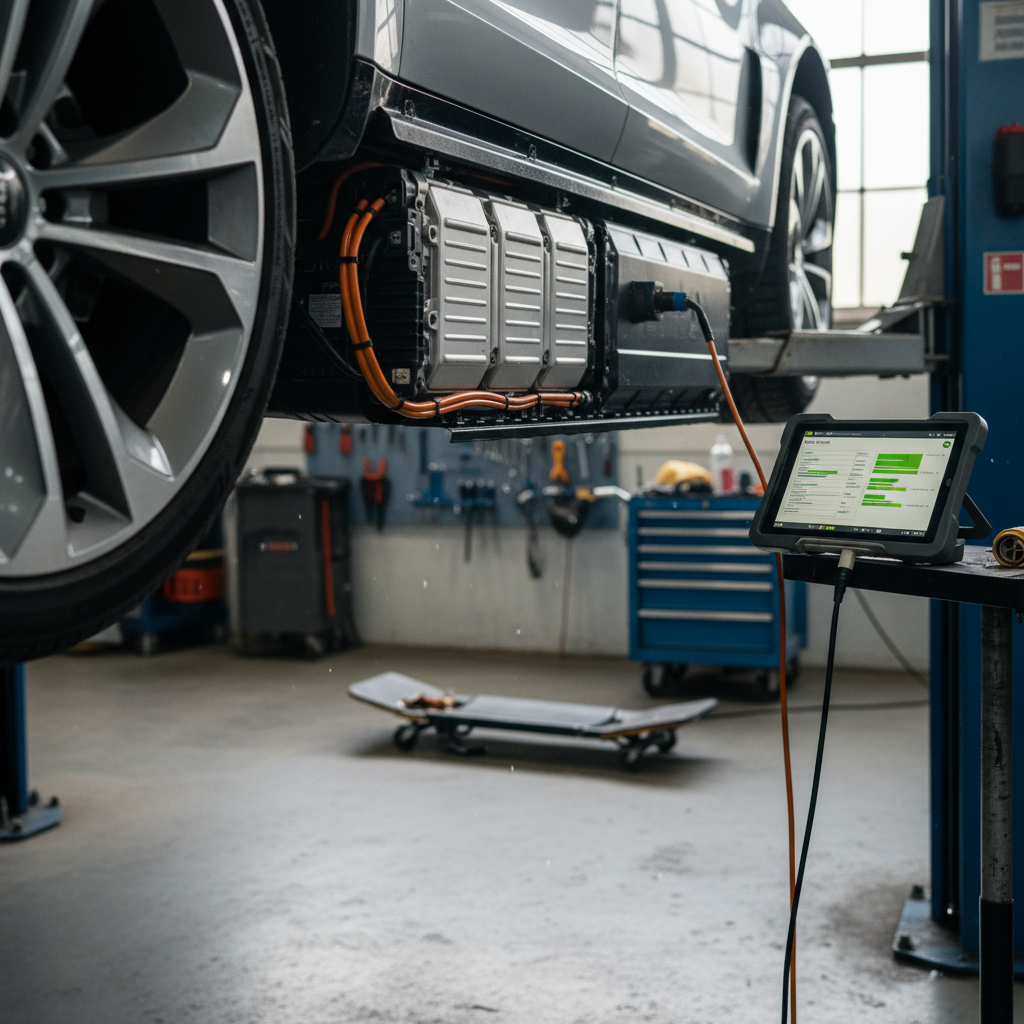
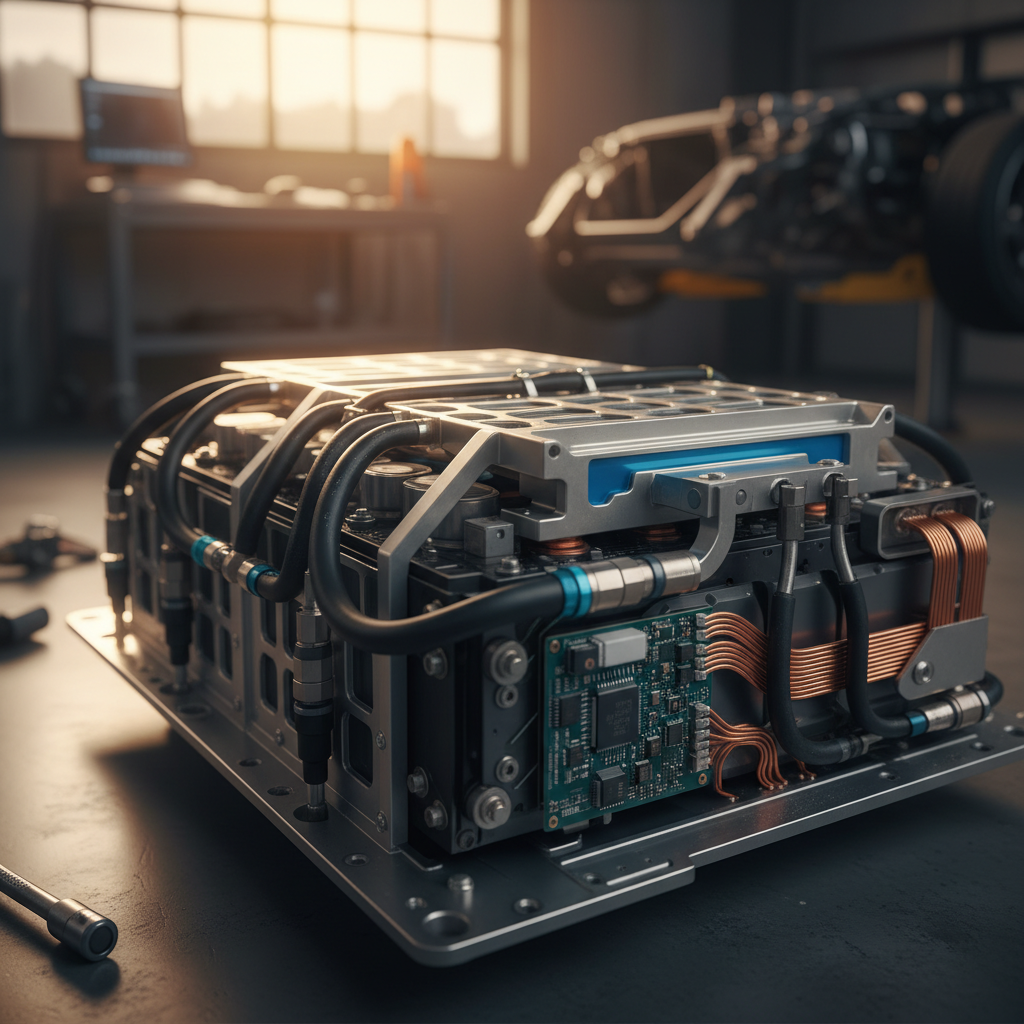
Battery health diagnostics
Service & software history
Usage pattern & environment
Ready to find your next EV?
Browse VehiclesYou also get transparent pricing, EV‑savvy financing options, trade‑in support, and nationwide delivery, plus expert guidance on whether a 2023 MX-30 truly fits your lifestyle, or if you’d be better served by a longer‑range alternative.
FAQ: 2023 Mazda MX-30 problems answered
Frequently asked questions about 2023 Mazda MX-30 problems
Bottom line: Is a 2023 Mazda MX-30 worth it?
The 2023 Mazda MX-30’s biggest problems are not hidden, they’re right there on the spec sheet. A roughly 100‑mile range, modest performance, and quirky rear doors kept it from catching on when new and ensure it will always be a niche used EV. But under the right driver, in the right environment, those flaws can fade into the background and leave a quiet, comfortable, surprisingly premium little city runabout.
If you’re EV‑curious, live in an urban or close‑in suburban area, and can find a clean 2023 MX-30 at a strong discount, it can be a smart, low‑stress way into electric ownership, as long as you never ask it to be something it isn’t. If your life demands flexibility, longer trips, or family practicality, treat the MX-30 as a cautionary tale and aim for a longer‑range used EV instead. Either way, leaning on an expert, battery‑focused inspection like the Recharged Score is the best way to separate a bargain MX-30 from someone else’s problem child.