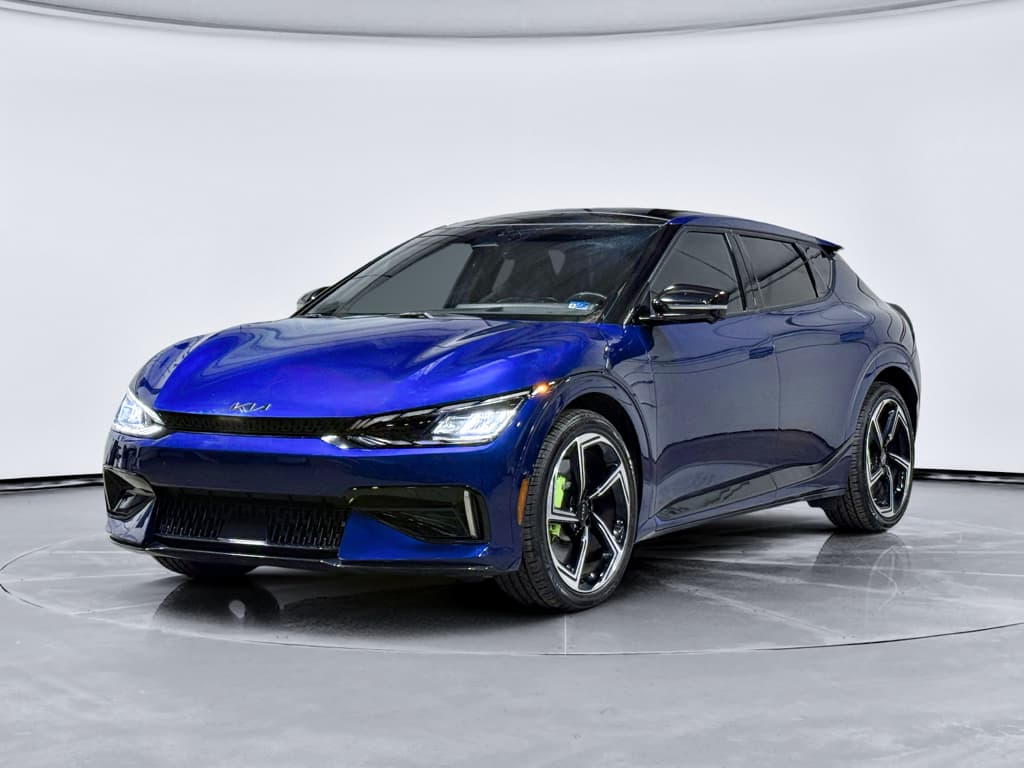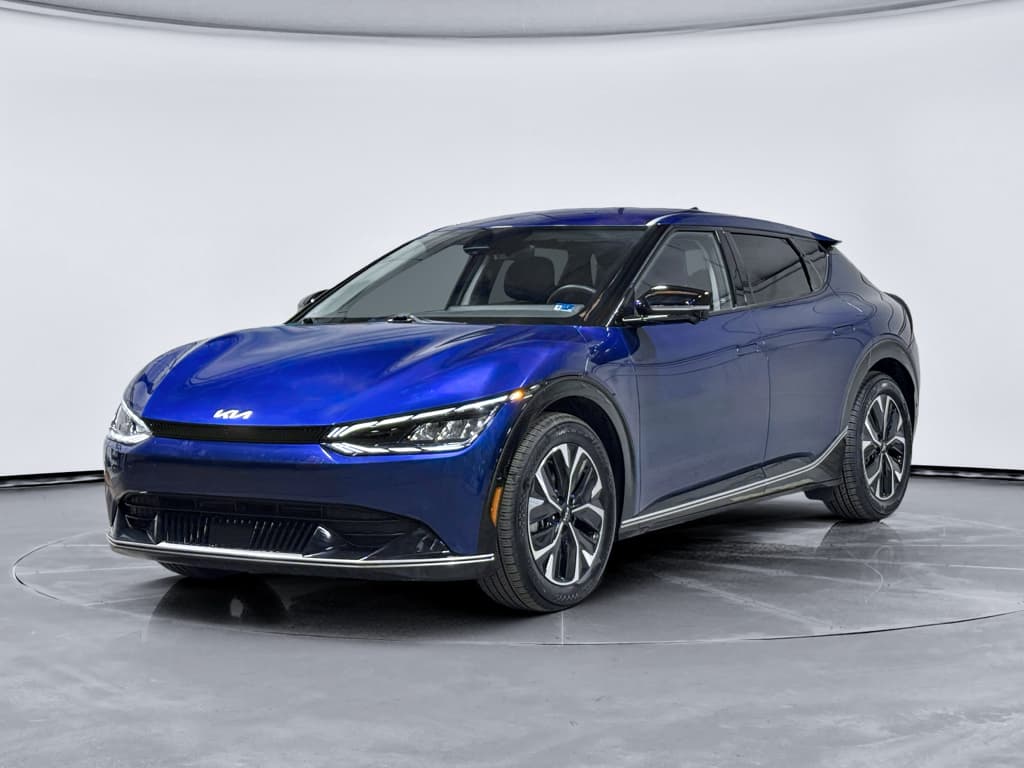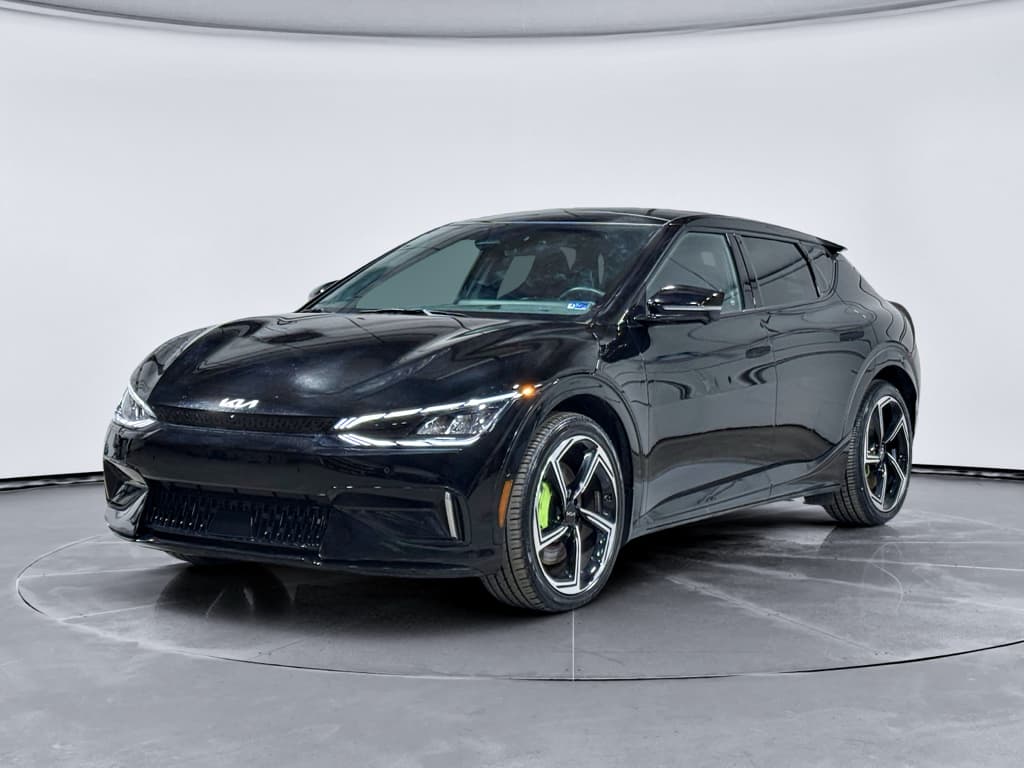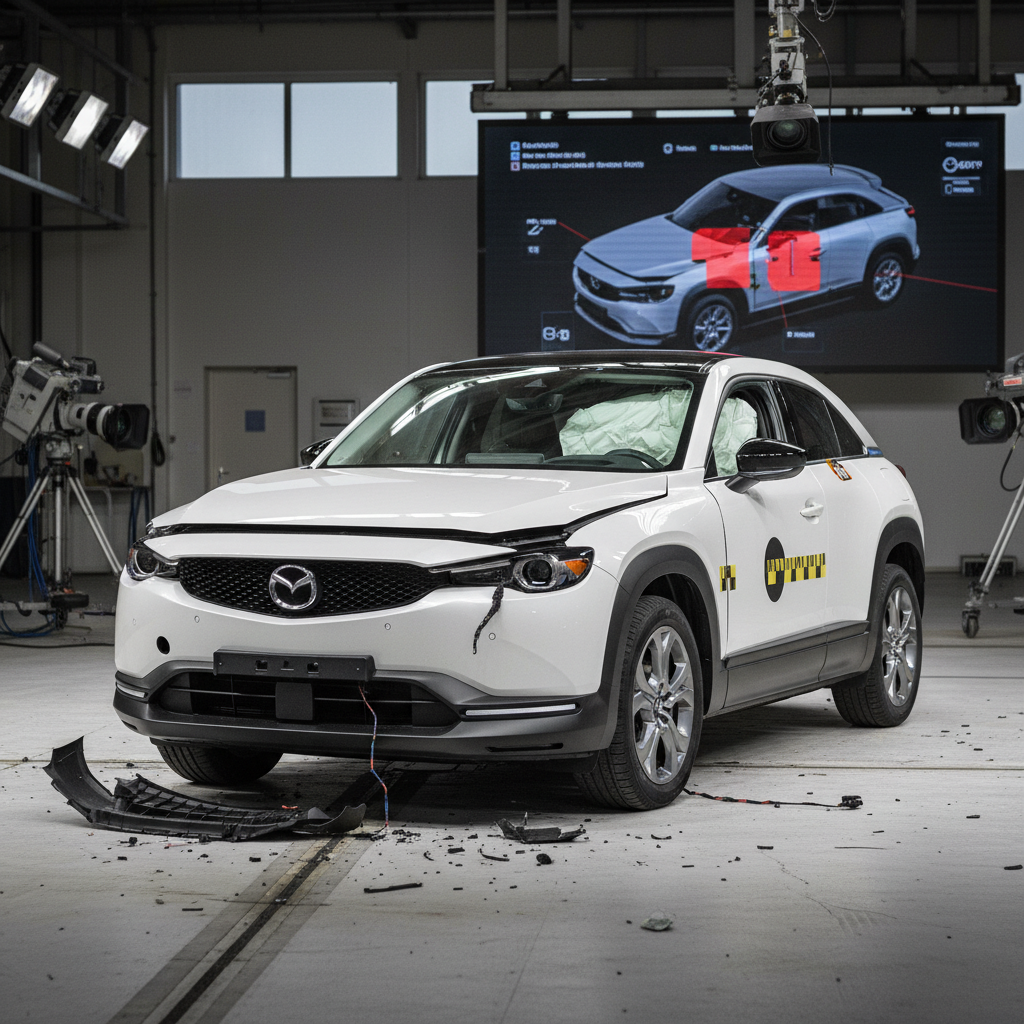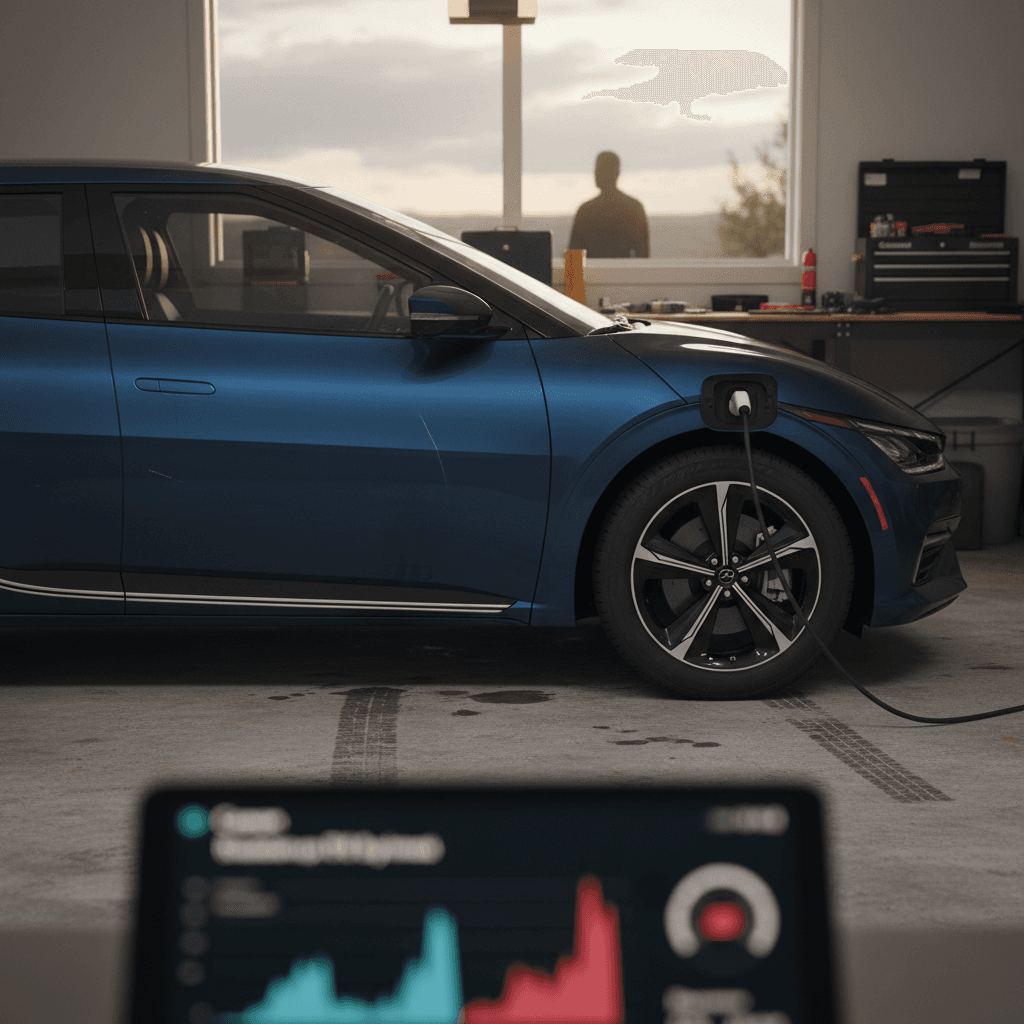
If you’re eyeing a 2023 Kia EV6, especially on the used market, you’ve probably heard two very different stories. On one hand, owners rave about the performance and design. On the other, you’ll see posts about sudden loss of power, charging glitches, and long waits for parts. This guide pulls those threads together so you can understand 2023 Kia EV6 reliability before you commit.
Quick reliability snapshot
2023 Kia EV6 reliability at a glance
Key 2023 Kia EV6 reliability signals
So where does that leave the 2023 EV6? Statistically, it’s tracking as an average-to-above-average reliability EV with one standout weak spot: charging electronics. The rest of the car, body, interior, drive motors, and battery pack, hasn’t generated the same level of concern.
How reliable is the 2023 Kia EV6 overall?
The 2023 EV6 rides on Hyundai–Kia’s E-GMP platform, shared with the Hyundai Ioniq 5/6 and Genesis GV60. That’s important, because reliability trends on those siblings often show up on the EV6 too. Early data tells a mixed but understandable story for a relatively new EV platform.
Where the 2023 EV6 is proving solid
- Powertrain durability: Very few reports of traction motor or gearbox failures.
- Battery performance: Degradation so far appears modest and in line with other modern EVs.
- Structure & safety: Strong crash-test performance and solid body integrity over time.
- Interior hardware: Seats, trim and switchgear generally holding up well.
Where reliability gets shakier
- Charging electronics: ICCU failures and onboard charger issues have stranded some owners.
- Software quirks: Occasional glitches with driver-assistance, infotainment, or one-pedal drive modes.
- Dealer expertise: Not every Kia dealer is fluent in diagnosing EV-specific problems, adding to downtime.
What you should worry about most
Common 2023 Kia EV6 problems owners report
Every new EV has its pattern of complaints. For the 2023 Kia EV6, a few themes show up again and again in owner reviews, technical bulletins, and safety complaints. You won’t see them on every car, but they’re common enough that a smart buyer should know them by name.
Most talked-about 2023 EV6 trouble spots
Not every EV6 will have these issues, but they’re the ones to ask about before you buy used.
ICCU & 12V power failures
The Integrated Charging Control Unit (ICCU) can fail and take the 12-volt system with it. Owners describe sudden loss of propulsion, limp-home "turtle" mode, or a completely dead car that won’t go into gear or even turn on hazard lights.
Home Level 2 overheating
Some owners running 40–48 amp home charging report overheating and charge stoppage, despite the car being advertised with an 11 kW onboard charger. In a few cases, dealers struggled to reproduce the issue because their equipment couldn’t charge at full power.
Software & one-pedal quirks
Drivers have reported i-Pedal one‑pedal drive unexpectedly disengaging, or failing to illuminate the brake lights during strong regen. Others mention random resets of drive modes or driver-assistance features.
12V accessory battery drain
Like many EVs, the EV6 can suffer from 12‑volt battery drain if driven infrequently or if there’s a parasitic draw. Sometimes this is related to ICCU issues, sometimes it’s just a traditional 12V battery aging faster than expected.
Infotainment & connectivity bugs
Glitchy Bluetooth pairing, frozen screens, or laggy navigation show up in some owner reviews. These issues are annoying more than dangerous and are often improved with over‑the‑air or dealer software updates.
ADAS false alarms or inconsistency
Lane-keeping assist, smart cruise, and collision-warning systems can feel overly sensitive or inconsistent. That’s become a fairly normal complaint across brands, but it’s worth testing thoroughly on your own test drive.
How to separate internet noise from real risk
Battery health, range, and high-voltage components
Here’s the good news: so far, the 2023 Kia EV6’s high‑voltage battery packs are holding up well. Across owner communities, you’ll see occasional reports of early capacity loss, but widespread, severe degradation is not a trend at this point.
- Most owners report only modest range loss over the first 1–3 years, in line with other modern EVs.
- Kia’s 10‑year/100,000‑mile battery warranty gives added protection if a pack has a genuine defect.
- DC fast‑charging speed is still one of the EV6’s party tricks, though repeated high‑power sessions can add heat and stress, something to keep in mind if you road‑trip heavily.
- Cold‑weather range drops are noticeable, as with any EV, but not uniquely bad compared with competitors like the Ioniq 5 or Mustang Mach‑E.
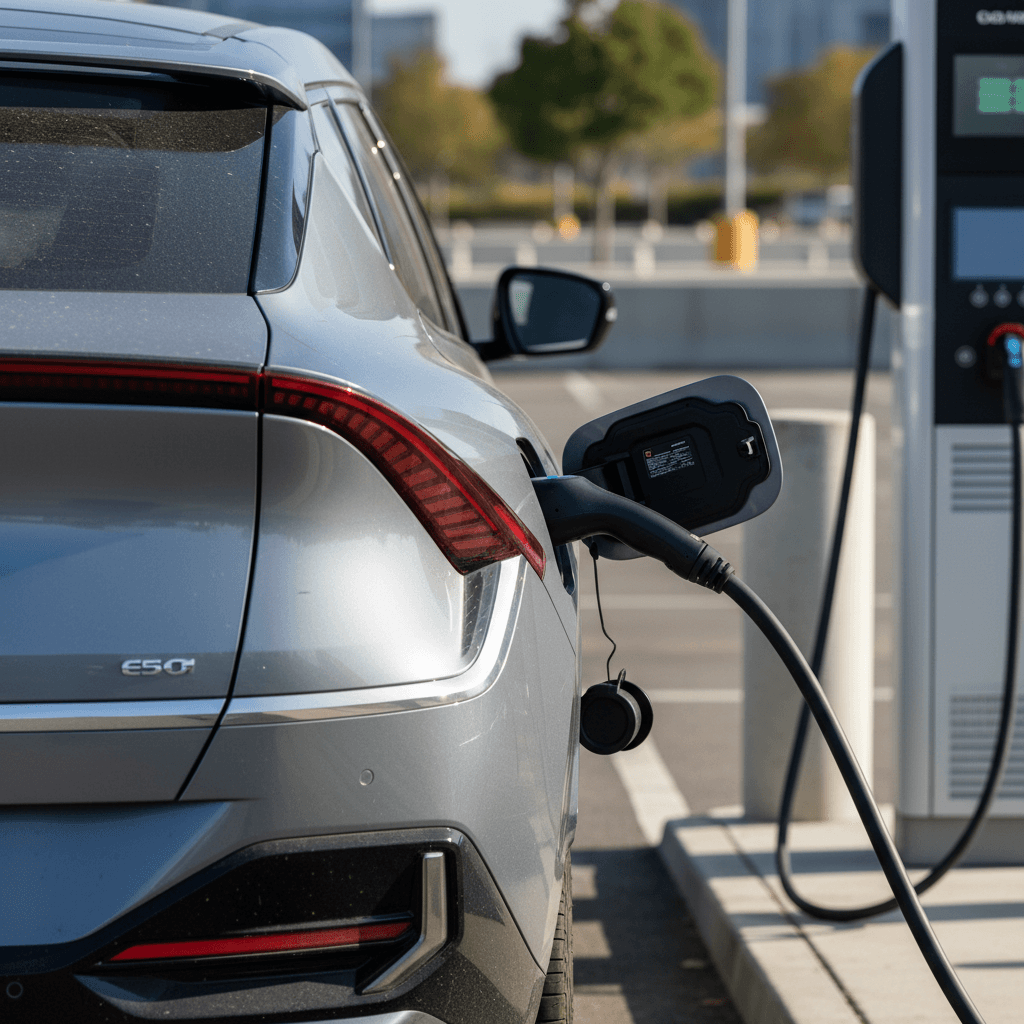
Battery vs. charging hardware
Charging reliability and the ICCU failure issue
If there’s one reliability story you need to understand on the 2023 EV6, it’s the Integrated Charging Control Unit. When it fails, it can take the 12‑volt system down with it, leaving the car powerless, sometimes while driving, sometimes when you go to start the car or charge it.
What happens when the ICCU acts up?
Not every symptom means the ICCU is failing, but these are the patterns EV6 owners most often describe.
| Symptom | What you’ll notice | Why it matters |
|---|---|---|
| Sudden power loss while driving | Car drops into limp mode or loses propulsion; warnings like “Stop vehicle and check power supply.” | Can create a genuine safety hazard if it happens in traffic. |
| Dead 12V system | Car won’t start, shift, or even power accessories. May appear to be “totally bricked.” | You’re stranded and likely need a tow plus ICCU/12V diagnosis. |
| Charging failures at home | Charging session stops prematurely or throws errors at 40–48 amps. | May indicate overheating or stress in charging electronics. |
| Frequent “turtle mode” | Car limits power and speed even at healthy state of charge. | Often a protective response to an underlying fault that needs investigation. |
Ask the seller directly whether the car has ever shown these behaviors and what the dealer found.
Why ICCU failures are taken seriously
Kia has released several software and hardware actions aimed at improving ICCU longevity and detection. The catch is that not every vehicle is up to date, and in some owner stories the fix didn’t prevent a later failure. When you buy used, documentation here is your best friend.
Warranty coverage, recalls, and software updates
On paper, Kia gives the 2023 EV6 a strong warranty package. That’s a key reason many shoppers are willing to live with some first‑generation EV teething issues, at least while the car is still under coverage.
What protects you on a 2023 Kia EV6?
These coverages apply from the original in‑service date, so ask for documentation when buying used.
Basic & powertrain warranty
- 5-year/60,000-mile basic limited warranty.
- 10-year/100,000-mile powertrain coverage on original owner (may change for second owners depending on region).
- Covers many mechanical and electrical failures, but not wear items.
EV component & battery warranty
- High‑voltage battery typically covered up to 10 years/100,000 miles.
- EV‑specific components like motors and certain control units get extended coverage.
- Exact terms vary by market, so verify with Kia or a dealer using the VIN.
Recalls & service campaigns
The EV6 has been subject to ICCU‑related recalls and software campaigns intended to reduce failure risk or catch problems earlier. A good seller will have paperwork showing these have been completed.
Software & feature updates
Software updates can improve charging logic, driver‑assist behavior, and infotainment stability. Some are over‑the‑air; others require a dealer visit. An up‑to‑date car usually behaves better than one still on its original firmware.
VIN check is non‑negotiable
Real-world costs: maintenance, repairs, and downtime
Day to day, the 2023 EV6 is cheap to keep fueled and doesn’t need oil changes, spark plugs, or exhaust repairs. Routine maintenance mostly comes down to tires, brake fluid, cabin filters, and inspections.
- Kia’s maintenance schedule calls for tire rotations about every 8,000 miles and periodic checks of brake fluid, drive shafts, reduction gear fluid, and coolant over longer intervals.
- Regenerative braking means brake pads and rotors can last significantly longer than on a gas car, unless you drive aggressively.
- The big wildcard is out-of-warranty electronics, if an ICCU or onboard charger fails outside warranty, it can be a four‑figure repair.
- Where you live matters: in areas with few EV‑certified Kia technicians, parts delays and diagnosis can turn a simple repair into weeks of downtime.
How a used‑focused retailer can help
Ready to find your next EV?
Browse VehiclesUsed 2023 Kia EV6 buyer’s reliability checklist
If you’re shopping a used 2023 EV6, you’re not trying to win a recall bingo card, you’re trying to find a car that’s already had its early bugs shaken out. Here’s a focused checklist to separate the keepers from the headaches.
Reliability checks before you buy a 2023 EV6
1. Verify recall & campaign completion
Ask for a printed service history and look specifically for ICCU‑related recalls and software campaigns. If they’re missing, budget time and hassle to get them done right after purchase, or walk away.
2. Ask about any loss-of-power events
Has the car ever gone into turtle mode, lost propulsion, or been towed for a no‑start condition? If yes, get the repair order details. A properly repaired car isn’t an automatic no, but vague answers should be.
3. Inspect charging behavior at home and DC fast chargers
If possible, test the EV6 on a Level 2 charger at 32–40 amps and do a short DC fast‑charge session. Watch for overheating warnings, sudden stoppages, or errors on the dash or charger.
4. Check battery health & real-world range
Compare the displayed range at 100% charge with original EPA estimates, and, if available, ask for a <strong>battery health report</strong>. At Recharged, this is built into the Recharged Score so you know how much capacity remains.
5. Scan for warning lights and stored codes
During a pre‑purchase inspection, have an EV‑aware shop or retailer scan for EV‑specific fault codes, not just generic OBD-II. Hidden intermittent faults can explain odd charging or power behavior.
6. Test drive with driver-assistance and i-Pedal on
Drive with lane‑keep, adaptive cruise, and i‑Pedal engaged. Make sure one‑pedal mode behaves consistently and that brake lights activate under strong regen. Any weirdness you feel now will bother you more later.
7. Confirm remaining factory warranty
Use the in‑service date and mileage to calculate what’s left on the basic, powertrain, and EV component warranties. This matters a lot if you’re nervous about future ICCU or electronics issues.
Who the 2023 Kia EV6 is (and isn’t) a good bet for
The 2023 EV6 is a great fit if…
- You want sporty performance and fast charging without paying luxury‑brand prices.
- You’re comfortable staying on top of software updates and recall work.
- You have decent access to Kia dealers or a used‑EV retailer that understands the E‑GMP platform.
- You’re buying a car with clear documentation of ICCU and charging history.
It may not be your first choice if…
- You live far from any EV‑certified Kia service and rely on one vehicle for everything.
- Your top priority is "set it and forget it" reliability above all else, think Toyota Prius or a simpler HEV.
- Long repair wait times or occasional electronic quirks would drive you up the wall.
2023 Kia EV6 reliability FAQs
Frequently asked questions about 2023 Kia EV6 reliability
Bottom line: should you trust a 2023 Kia EV6 long-term?
If you’re expecting vault‑like, unremarkable reliability, the 2023 Kia EV6 may feel a bit too adventurous. This is a high‑performance, fast‑charging EV built on a modern platform that’s still maturing, and the ICCU story proves it. But if you go in with open eyes, prioritize cars with documented recall work and healthy charging behavior, and leverage tools like a professional battery health report, the EV6 can absolutely be a dependable daily driver with a lot of personality.
In other words, don’t write off the 2023 EV6 because of the loudest horror stories, but don’t buy blindly, either. Let data, documentation, and a careful test drive steer your decision. And if you’d like a guide in your corner, Recharged can help you compare individual cars, understand their Recharged Scores, and find a 2023 EV6 that fits your comfort zone for both performance and reliability.