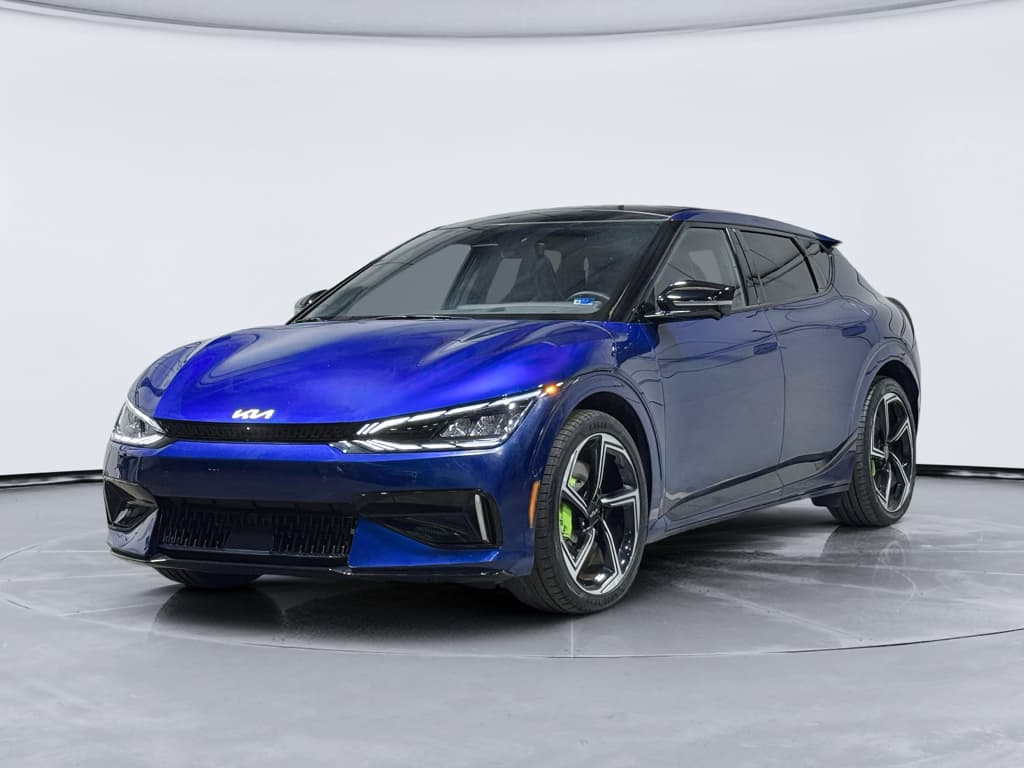
If you own or are considering a used 2023 Kia EV6, you’ve probably heard about recall headlines around sudden loss of power, 12‑volt battery failures, and the Integrated Charging Control Unit (ICCU). This 2023 Kia EV6 recalls list walks through each major campaign, what’s actually going wrong, how the fixes work, and what you should do next, especially if you’re buying used from a private seller or dealer.
Quick takeaway
Overview: 2023 Kia EV6 recalls at a glance
Key recall campaigns affecting 2023 Kia EV6
For the 2023 model year, the EV6 has been subject to a series of related recalls around the ICCU and 12‑volt system. These are not cosmetic issues, they can lead to reduced power (turtle mode) or complete loss of drive if ignored. On top of that, there are smaller campaigns and software updates that may not make headlines but still matter to long‑term reliability and resale value.
Safety first
ICCU & 12‑volt power-loss recall (NHTSA 24V200 / Kia SC302)
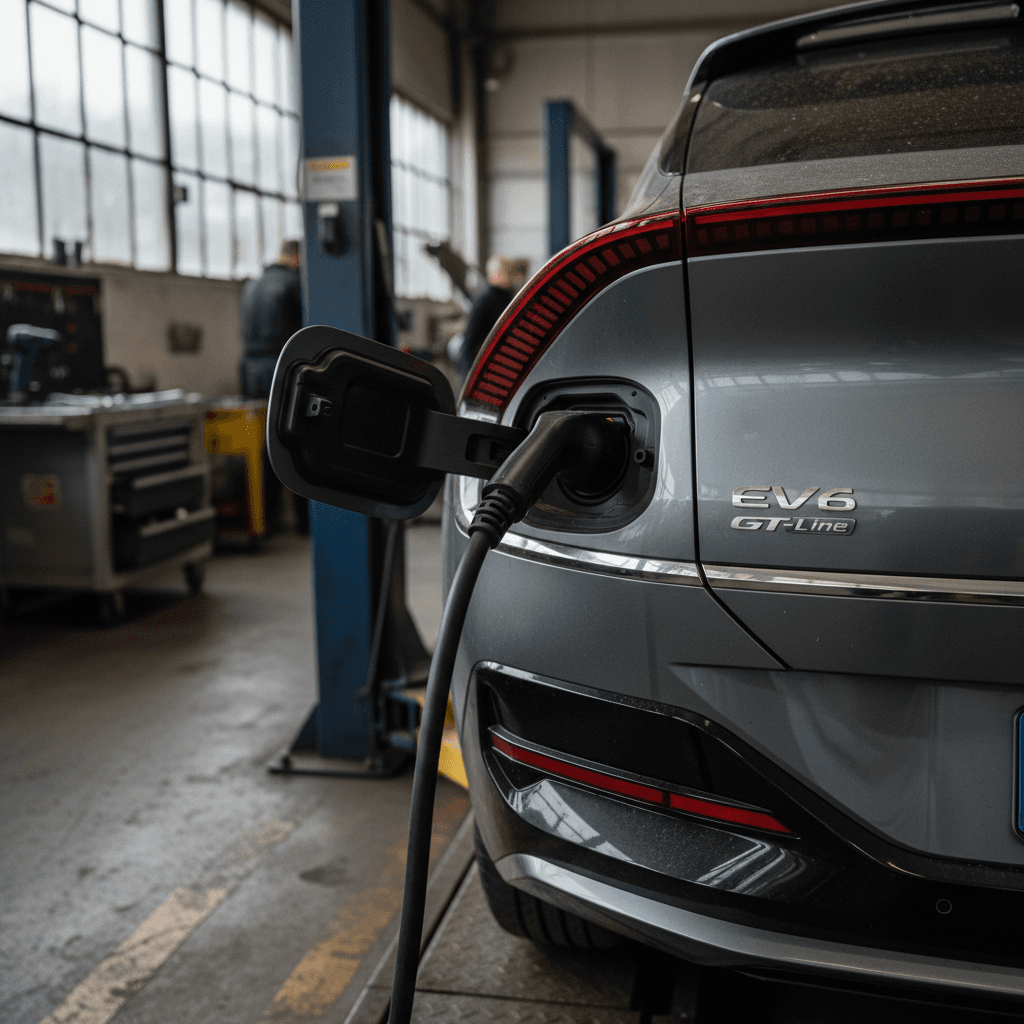
The headline recall for the 2023 Kia EV6 is NHTSA campaign 24V200, internally known by Kia as SC302. It applies to all 2022–2023 EV6 and certain 2024 units. The problem is centered on the Integrated Charging Control Unit (ICCU), the component that converts high‑voltage battery power into 12‑volt power to run accessories and charge the small 12‑volt battery.
- Over time, transient high‑voltage and thermal stress can damage the ICCU.
- A damaged ICCU may stop charging the 12‑volt battery while you drive.
- As the 12‑volt battery discharges, the car can throw multiple warnings, enter reduced-power "turtle" mode, or eventually lose motive power entirely.
- Because steering, brake assist, and many safety systems rely on the 12‑volt circuit, this is classified as a safety recall, not just an inconvenience.
Why this matters
Symptoms of the ICCU/24V200 recall issue
- Turtle icon and "Power limited" or similar message on the dash, often after 45–60 minutes of highway driving.
- Sudden reduction in available power, requiring you to move to the shoulder.
- Multiple warning lights, especially related to the electrical system or battery.
- 12‑volt battery repeatedly going dead overnight or after the car sits.
- Vehicle won’t go into READY mode even though the main battery shows plenty of charge.
Dealer remedy for 24V200 / SC302
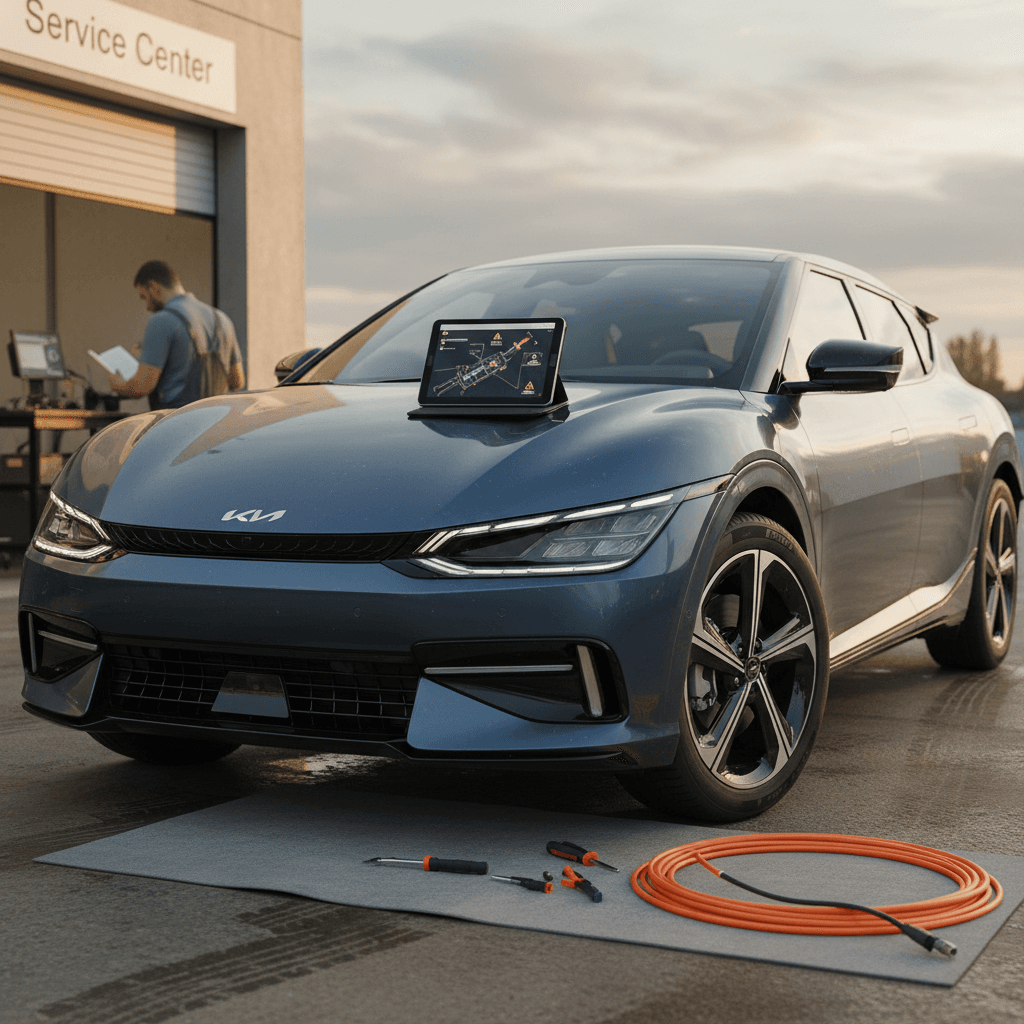
Under this recall, Kia dealers are instructed to perform a multi‑step remedy on affected 2023 EV6 vehicles:
What dealers typically do under the ICCU recall
1. Inspect ICCU and related wiring
Technicians check the Integrated Charging Control Unit, high‑voltage fuse, and related harnesses for signs of damage or overheating.
2. Replace ICCU and HV fuse if needed
If there’s evidence of ICCU damage or certain fault codes, the dealer replaces the ICCU and associated high‑voltage fuse. This is covered by the recall.
3. Update ICCU software
Even if hardware is not replaced, updated software changes how the ICCU manages charging and protects itself from future stress events.
4. Test 12‑volt battery and charging behavior
Dealers are supposed to verify that the 12‑volt battery charges properly and that the vehicle no longer throws ICCU‑related errors under load.
Owner tip during recall visit
Expanded ICCU recall and repeat repairs (NHTSA 24V867)
In late 2024, Kia followed up with an expanded ICCU recall, filed with NHTSA as 24V867. This campaign specifically calls back all 2022–2023 EV6 and certain 2024 EV6 units that were already repaired under 24V200/SC302 for an additional remedy.
Why the second recall? Real‑world experience showed that some vehicles continued to have ICCU and 12‑volt issues even after the initial repair. In other words, the first recall did not fully eliminate the risk for every car in the field.
What’s different about the 24V867 ICCU campaign?
A second bite at the apple for stubborn ICCU issues
More robust hardware focus
While the first recall leaned more heavily on software updates (with hardware replacement when needed), the expanded campaign pushes dealers toward proactive ICCU and fuse replacement on vehicles that still show issues.
Refined diagnostics & monitoring
Updated diagnostic routines and software make it easier to spot early ICCU degradation and keep the 12‑volt system healthier under sustained highway or high‑load driving.
Already had the first recall done?
Other 2023 Kia EV6 recalls and service campaigns
Beyond the ICCU saga, 2023 EV6 owners should be aware of a few additional items. Some are formal safety recalls, others are service campaigns or technical service bulletins (TSBs) that your dealer may perform during a visit even if you haven’t noticed issues.
Selected additional 2023 Kia EV6 campaigns (summary)
Exact applicability depends on build date and equipment. Always verify with your VIN.
| Campaign type | Area affected | Typical concern | What the dealer does |
|---|---|---|---|
| Safety recall (ICCU, 24V200/24V867) | Electrical/ICCU | 12‑volt not charging, loss of power | Inspect/replace ICCU & HV fuse, update software, test 12‑volt system |
| Service campaign / TSB | Software & diagnostics | False or intermittent warning lights, charging behavior quirks | Update control-module software for improved monitoring and fault handling |
| Component repair under warranty (case-by-case) | High‑voltage battery modules or cells | Rare early‑life cell issues, capacity anomalies | Replace individual modules or pack under warranty; not always a recall |
| 12‑volt battery replacement (often goodwill) | 12‑volt system | Repeated dead 12‑volt batteries after ICCU issues | Replace 12‑volt battery and re‑test charging behavior |
This table is a high‑level overview, not a substitute for an official VIN lookup.
Don’t confuse warranty repairs with recalls
Common symptoms: should you stop driving your EV6?
Owners of 2023 EV6 models report a fairly consistent pattern when ICCU or related 12‑volt issues crop up. Knowing the early signs lets you protect yourself and avoid finding out the hard way on a busy interstate.
- Power‑limited "turtle" mode after 30–60 minutes of steady driving, especially at highway speeds.
- Sudden loss of acceleration that forces you to move to the shoulder or exit early.
- Repeated dead 12‑volt battery events, even when the main pack shows plenty of charge.
- Multiple warning messages about the high‑voltage system, charging system, or battery management.
- Vehicle refusing to shift into Drive or READY mode after being parked.
When to stop driving immediately
How to check your 2023 Kia EV6 for open recalls
Because the ICCU campaign evolved over time, relying on word‑of‑mouth or old paperwork is risky. The only reliable way to know your situation is to run your exact VIN through an official recall lookup.
Step‑by‑step: verify recall status on your EV6
1. Locate your VIN
You’ll find the 17‑digit VIN on the lower left of the windshield, on the driver‑side door jamb label, and on your registration or insurance card.
2. Use NHTSA’s recall lookup
Go to NHTSA’s recall lookup site and enter your VIN. It will show <strong>all open safety recalls</strong> that have not yet been completed on your car.
3. Check Kia’s owner portal or app
Create or log into a Kia owner account, add your vehicle, and review open campaigns. Automaker portals sometimes show service campaigns in addition to safety recalls.
4. Call a Kia dealer with your VIN
The service department can confirm open recalls, see completed work, and schedule an appointment. Ask for an email copy of your service history if you bought the car used.
5. Keep your own paper trail
Save recall letters, repair orders, and any 12‑volt or ICCU‑related invoices. This documentation helps if you have repeat issues or pursue lemon‑law or goodwill assistance.
Buying used? Ask for the recall history
What these recalls mean if you’re shopping for a used 2023 EV6
Recalls don’t automatically make a car a bad buy. In fact, a 2023 Kia EV6 that has had its ICCU recall properly completed with thorough documentation may be a better bet than an identical car that’s still waiting for repairs. The key is understanding what’s been done and what’s still outstanding.
How to treat recalls as a shopper
- Completed recalls with clear paperwork are a plus. They show the car has been brought up to the latest safety standard.
- Open recalls aren’t a deal‑breaker, but you should factor in time without the car and potential parts delays.
- If a seller can’t show any recall paperwork on a 2023 EV6, assume you’ll need to schedule the work ASAP.
Questions to ask the seller or dealer
- “Has the ICCU recall (24V200 and 24V867) been completed on this VIN?”
- “Do you have service records showing what was replaced? ICCU, fuse, 12‑volt battery?”
- “Has the car ever gone into turtle mode or lost power while driving?”
How Recharged approaches the 2023 EV6
Ready to find your next EV?
Browse VehiclesWorking with dealers: parts delays, loaners, and documentation
With any large‑scale recall, especially on newer EV platforms, there’s a practical side: parts availability and repair timelines. Some 2023 EV6 owners have seen their cars sit at dealers for weeks while waiting for ICCU modules or related components.
Practical strategies when scheduling recall repairs
Protect your time, and your wallet
Ask about parts upfront
Before you drop off the car, ask if the dealer has ICCU parts on hand for your VIN. If not, see if they can order parts before you surrender the vehicle.
Clarify loaner or rental options
Many dealers offer a loaner or discounted rental for safety recalls that sideline the car for more than a day or two. It never hurts to ask, especially if you commute by car.
Document every visit
Keep copies of all repair orders, even if “no problem found.” If issues persist, a paper trail makes it easier to escalate with Kia or pursue lemon‑law protections where applicable.
Be realistic about timing
Frequently asked questions about 2023 Kia EV6 recalls
2023 Kia EV6 recall FAQ
The 2023 Kia EV6 remains one of the more compelling mainstream EVs on the market, but its early years have been shaped by real, structural issues with the ICCU and 12‑volt system. Those problems are exactly why detailed recall campaigns exist. If you already own an EV6, your best move is to verify your VIN’s recall status, get the latest repairs done, and keep every scrap of documentation. If you’re shopping used, look for cars with completed ICCU work and transparent histories. And if you want a shortcut, Recharged can help you find a used EV6 with verified battery health, clear recall status, and expert guidance from first click to final delivery.