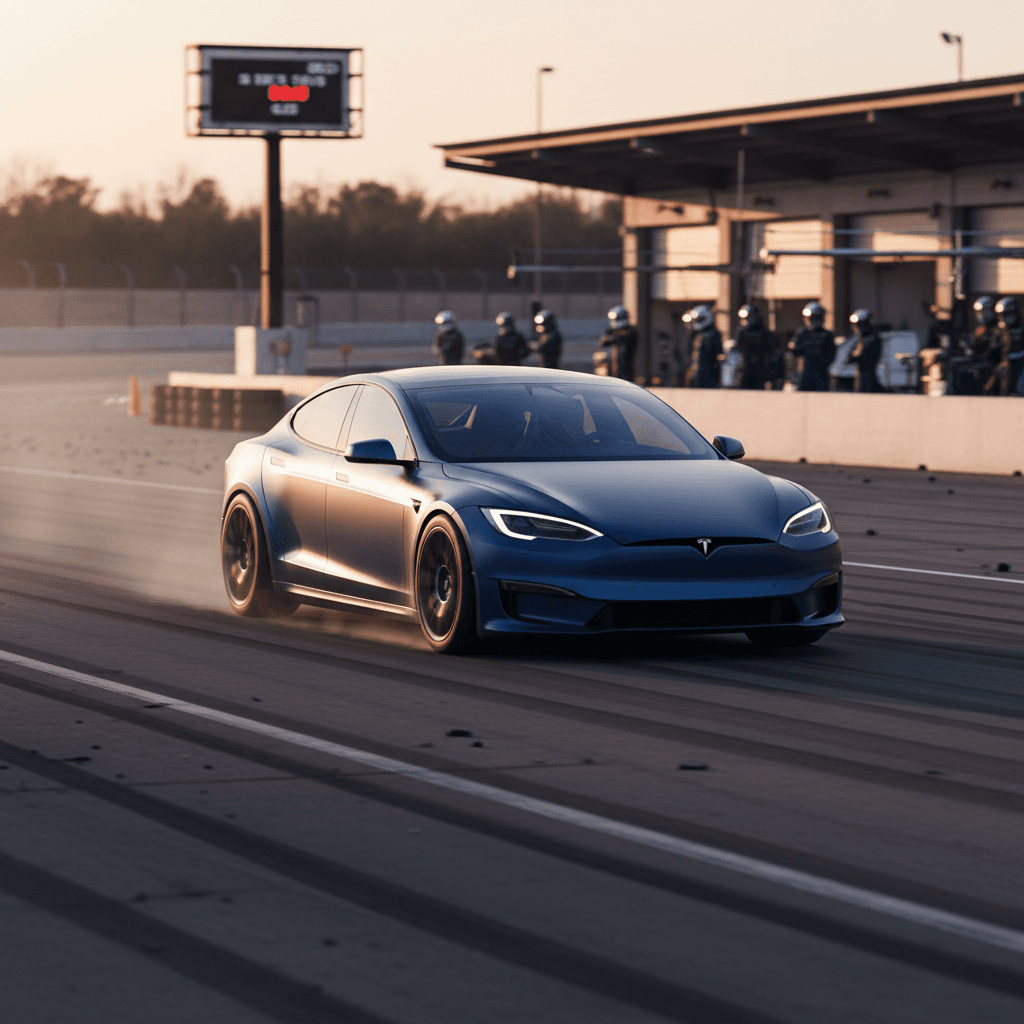
If you’re shopping for the best performance electric car in 2026, raw 0–60 mph times only tell part of the story. Today’s quickest EVs are running 0–60 in under two seconds and quarter miles in the 9s, numbers that would’ve sounded like science fiction a decade ago. The real question is which of these cars delivers the mix of speed, range, handling, and livability that actually makes sense for you.
Performance EVs are now in hypercar territory
Why “best performance electric car 2026” is a different question
In the internal‑combustion world, “best performance car” tends to mean a compromise between straight‑line speed, track capability, noise, and daily usability. With modern EVs, instant torque and sophisticated traction control change the equation. Sub‑3‑second 0–60 runs are almost table stakes at the top of the market, so you have to look deeper than a single number.
- Acceleration: 0–60 mph and quarter‑mile times are still the easiest way to compare straight‑line speed.
- Track performance: Lap times, brake durability, cooling, and repeatability matter if you’ll see a road course.
- Range and charging: Huge power is useless if the car can’t comfortably cover your daily driving or weekend trips.
- Driving feel: Steering, chassis tuning, and brake feel separate clinical fast from genuinely engaging.
- Total ownership cost: Performance tires, big brakes, and depreciation hit your wallet hard, especially on new six‑figure cars.
Think beyond the spec sheet
Quick ranking: fastest performance electric cars for 2026
2026 performance EV headliners at a glance
If your only criteria is "which 2026 EV is physically quickest," the crown shifts depending on whether you care more about 0–60, quarter‑mile times, or track use. But if you’re trying to pick the best performance electric car for 2026 to actually own, these three are the core shortlist:
Headline performance EVs for 2026
All are absurdly fast; the differences are in character and use case.
Tesla Model S Plaid (2026)
• ~2.0–2.1 s 0–60 mph
• ~9.3–9.4 s quarter mile
• Practical 4‑door with hatchback cargo
• Massive Supercharger access for road trips
Porsche Taycan Turbo GT (Weissach)
• As quick as ~1.9 s 0–60 mph with rollout
• 9.23 s @ ~150 mph quarter mile
• Track‑tuned chassis, serious brakes
• Less rear‑seat utility in Weissach spec
Lucid Air Sapphire
• Low‑2‑second 0–60 mph
• 9.21 s quarter mile at high trap speed
• Long‑range luxury cruiser with brutal speed
• Smaller dealer and charging footprint
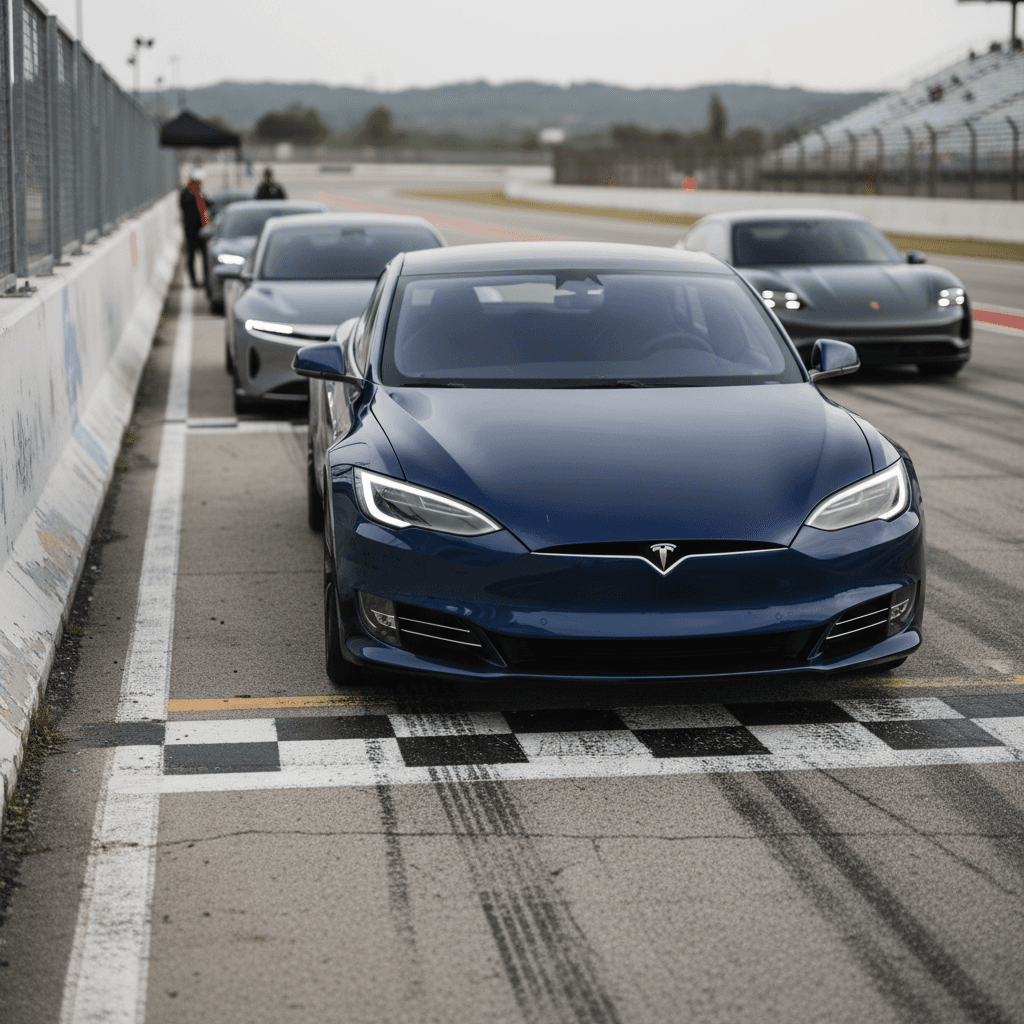
Tesla Model S Plaid (2026): Everyday drag-strip king
The Tesla Model S Plaid remains the benchmark if you want ludicrous straight‑line performance in a car that still does school runs and Costco duty. Tesla’s tri‑motor flagship continues into 2026 with essentially the same insane powertrain it’s had since launch.
- 0–60 mph: Around 2.0–2.1 seconds in independent testing with rollout, making it one of the quickest production sedans ever.
- Quarter mile: ~9.3–9.4 seconds at over 150 mph when properly set up on prep’d surfaces.
- Top speed: Up to ~200 mph with the right wheels, tires, and track‑focused hardware; more mainstream trims are electronically limited lower.
- Powertrain: Tri‑motor all‑wheel drive with over 1,000 hp on tap.
- Range: Roughly mid‑300‑mile EPA ratings depending on wheels and options, plenty for daily driving.
Where the Model S Plaid shines
- Repeatable launches: The car will do shocking 0–60 runs again and again on the street without much drama.
- Everyday packaging: Big rear hatch, adult‑usable rear seats, and decent ride quality in the latest iterations.
- Charging ecosystem: Easy long‑distance travel thanks to Tesla’s dense Supercharger network.
- Used availability: Plaids have been on the road since 2021, so there’s already a healthy used market, and steep depreciation helps buyers, not original owners.
Where the Plaid compromises
- Track durability: Earlier cars struggled with brake and cooling fade on road courses unless optioned with expensive carbon‑ceramic packages.
- Interior polish: Minimalist cabin and build feel won’t impress everyone compared with Porsche or Lucid.
- Steering feel: Wild straight‑line performance isn’t always matched by nuanced feedback at the limit.
If you mostly care about point‑and‑shoot acceleration and real‑world practicality, the Plaid is tough to beat.
Smart move: consider a used Plaid
Porsche Taycan Turbo GT: Track weapon with record 0–60s
If your idea of "best performance" includes apexes and braking zones, the Porsche Taycan Turbo GT, especially in Weissach trim, is arguably the sharpest track tool among 2026 performance EVs. Porsche engineered this Taycan variant specifically to chase records and abuse tires.
Independent testing has seen the Turbo GT Weissach launch to 60 mph in roughly 1.9 seconds with rollout and rip the quarter mile in the low‑9‑second range at about 150 mph. Those are ridiculous numbers for any vehicle, much less one with four doors and a usable trunk.
Why the Taycan Turbo GT is a driver’s EV
Not just fast, engineered for lap times, not just drag times.
Chassis tuning
Steering feel, body control, and brake modulation are classic Porsche: communicative and confidence‑inspiring even at the limit.
Thermal management
Track‑focused cooling and brake packages let the car repeat hard laps without wilting as quickly as rivals.
Track‑ready options
The Weissach package saves weight and tightens the focus: rear‑seat delete, aero tweaks, and more track‑forward hardware.
Weissach spec isn’t for everyone
Lucid Air Sapphire: Hypercar numbers in a luxury shell
The Lucid Air Sapphire approaches performance from a different direction. Rather than feeling like a street‑legal GT3 car, it’s more like a quietly furious luxury sedan that just happens to post hypercar numbers.
With three motors and well over 1,000 hp, the Sapphire has been clocked running the quarter mile in the low‑9‑second range at trap speeds north of 155 mph, edging out even the Taycan Turbo GT Weissach in some tests. Its 0–60 mph time sits solidly in the low‑2‑second bracket, right in the mix with the Plaid and Porsche.
Grand‑touring speed
- Long range: The Sapphire retains much of the long‑legged efficiency that put Lucid on the map, making it a genuine cross‑country missile.
- Luxury interior: High‑end materials, expansive glass, and more conventional controls than Tesla will appeal if you like a traditional luxury feel.
- Ride and refinement: Tuned more like an S‑Class with a rocket strapped to it than a track special.
Ownership realities
- Charging network: You’ll rely primarily on CCS fast‑charging networks, which vary in reliability by region (though NACS adoption should help over time).
- Brand footprint: Fewer service locations than Tesla or Porsche today, which matters if you live far from major metros.
- Price and supply: Sapphire is a range‑topper; availability and pricing will reflect that.
When the Sapphire is the “best” choice
Other notable performance electric cars for 2026
The three cars above define the bleeding edge, but they’re not the only compelling performance EVs for 2026. Depending on your budget and taste, these are worth a close look:
- Rivian R1S / R1T Quad Max: Large SUV and truck that can hit the mid‑2‑second 0–60 range in the right configuration, with serious off‑road and towing chops.
- Audi e‑tron GT Performance / RS variants: Sharply styled four‑door coupes with strong acceleration and a more relaxed personality than the Taycan they’re related to.
- Mercedes‑AMG EQE and EQS: Fast luxury EVs with a focus on comfort and tech, even if they’re not chasing lap records the way Porsche is.
- Performance SUVs (BMW iX M60, Tesla Model X Plaid, etc.): If you need space and speed, these deliver shocking acceleration with family‑friendly packaging.
What about electric supercars?
How to choose the best performance EV for you
Once you accept that anything on this list is way faster than you can responsibly use on public roads, the decision shifts from "fast" to "fast in what context?" Use this framework to narrow down the best performance electric car for 2026 based on your life, not just your ego.
Performance EV decision checklist
1. Define your primary use case
Are you commuting, taking long highway trips, or chasing lap times and drag‑strip slips? A Taycan Turbo GT Weissach that shines on track might feel wasted if you never leave city streets.
2. Decide how extreme you want to go
Do you actually need sub‑2‑second 0–60 launches, or would a "merely" 3‑second car tied to a lower purchase price and cheaper tires be more rational?
3. Audit your local charging ecosystem
Check where you live and travel. Tesla’s Supercharger network still offers the most seamless experience; CCS fast chargers can work fine but vary by location. Future NACS adoption will blur this line, but not overnight.
4. Consider comfort and NVH
Hard bushings, stiff springs, and low‑profile tires that help on track can make daily driving tiring. Pay attention to road noise and ride quality on test drives.
5. Budget for running costs
Performance EVs chew through tires and brakes. Big wheels and ultra‑high‑performance rubber can turn annual maintenance into a four‑figure line item, even if electricity is cheap.
6. Think about resale and depreciation
Six‑figure new EVs often take a steep depreciation hit in the first 3–4 years. That’s bad news if you’re buying new, but a huge win if you’re shopping used through a transparent marketplace like Recharged.
Don’t underestimate insurance costs
Spec comparison: 2026 performance EV heavyweights
Here’s a simplified look at how the main contenders stack up on the core performance metrics that actually matter. Numbers are representative of current 2025–2026 data and may vary with conditions, options, and test methodology.
Key specs: leading 2026 performance EVs
All three are absurdly fast; the differences lie in character, network support, and everyday livability.
| Model | 0–60 mph (approx.) | Quarter mile (approx.) | EPA range ballpark | Character |
|---|---|---|---|---|
| Tesla Model S Plaid (2026) | ~2.0–2.1 s | ~9.3–9.4 s | Mid‑300‑mile range | Brutal launches, practical 4‑door, huge charging network |
| Porsche Taycan Turbo GT (Weissach) | ~1.9–2.1 s | ~9.2–9.3 s | ~250–300 miles | Track monster with extreme focus, less rear practicality |
| Lucid Air Sapphire | Low‑2‑s | ~9.2 s | ~400+ miles | Luxury grand‑tourer with hypercar performance |
| Rivian R1S / R1T Quad Max | Mid‑2‑s | High‑10s / low‑11s | ~300+ miles | High‑riding SUV/truck fun, off‑road capable |
| Audi e‑tron GT RS / Performance | Low‑3‑s | ~11 s | ~230–250 miles | Stylish, fast, but more relaxed than the leaders |
Compare 0–60 mph, quarter‑mile performance, range, and character before choosing your 2026 performance EV.
Be skeptical of marketing numbers
Buying a used performance EV: battery, brakes, and depreciation
From an economic standpoint, the smartest way to get into a 2026‑caliber performance EV is often to buy a lightly used one. Early Plaids, Taycans, and high‑spec luxury EVs have already taken much of their depreciation hit, but they come with their own questions: battery health, prior track use, and upcoming maintenance.
Key risks with used performance EVs
- Battery degradation: Repeated fast‑charging and hard usage can shave noticeable range off the original EPA figure.
- Brake and tire wear: Track days and launches punish consumables; pads, rotors, and tires on these cars are not cheap.
- Hidden damage: Curb rash, underbody scrapes, or repair work after off‑track excursions can be hard to see in listing photos.
Why the used market is compelling
- Huge depreciation: A three‑year‑old six‑figure EV can often be had for 40–60% of original MSRP, depending on mileage and spec.
- Plenty of inventory: Cars like the Model S Plaid and Taycan have been in production long enough that you can be choosy about color, options, and ownership history.
- More real‑world data: By 2026, you can see how these cars actually age rather than relying solely on early marketing claims.
How Recharged helps de‑risk used performance EVs
Ready to find your next EV?
Browse VehiclesUsed performance EV pre‑purchase checklist
Ask for battery health data, not just range guesses
Look for objective diagnostics or third‑party tests rather than relying on the in‑car guess‑o‑meter. A good marketplace or dealer should show you degradation in clear, percentage‑based terms.
Inspect brakes, tires, and wheels closely
Uneven tire wear, heat‑checked rotors, or mismatched tires can all hint at harder use than the seller admits. Factor the cost of a full set of tires and possibly pads/rotors into your budget.
Check for software and hardware updates
Performance EVs often gain (or lose) capability via software and hardware changes over time. Verify what version of suspension, brakes, and firmware your car is actually running.
Review fast‑charging and track history
Ask for service records and any documentation of track days. Frequent DC fast‑charging isn’t automatically bad, but context matters.
Line up realistic financing
Not all lenders love six‑figure used EVs. Recharged can help you explore <strong>EV‑focused financing</strong> with terms that reflect the realities of high‑value electric cars.
FAQ: Best performance electric car 2026
Frequently asked questions about 2026 performance EVs
Bottom line: Which 2026 performance EV should you actually buy?
If you want the most complete answer to "best performance electric car 2026" rather than just a magazine‑cover stat, the Tesla Model S Plaid remains the default recommendation for most drivers. It’s violently quick, relatively practical, and supported by the most mature fast‑charging ecosystem. If your priority is lap times and driving feel, the Porsche Taycan Turbo GT, especially in non‑Weissach trims, offers a depth of engagement that others struggle to match. If you want hypercar numbers wrapped in a serene luxury experience and long range, the Lucid Air Sapphire is the outlier that might make the most sense.
For many enthusiasts, though, the smartest move in 2026 is to let someone else eat the early depreciation and buy a carefully vetted used performance EV. With a Recharged Score Report showing verified battery health and fair‑market pricing, plus EV‑savvy financing and nationwide delivery, you can step into Plaid‑, Taycan‑, or Lucid‑level performance without lighting your balance sheet on fire. In the new era of performance, the fastest move isn’t just 0–60, it’s how intelligently you get into the car in the first place.