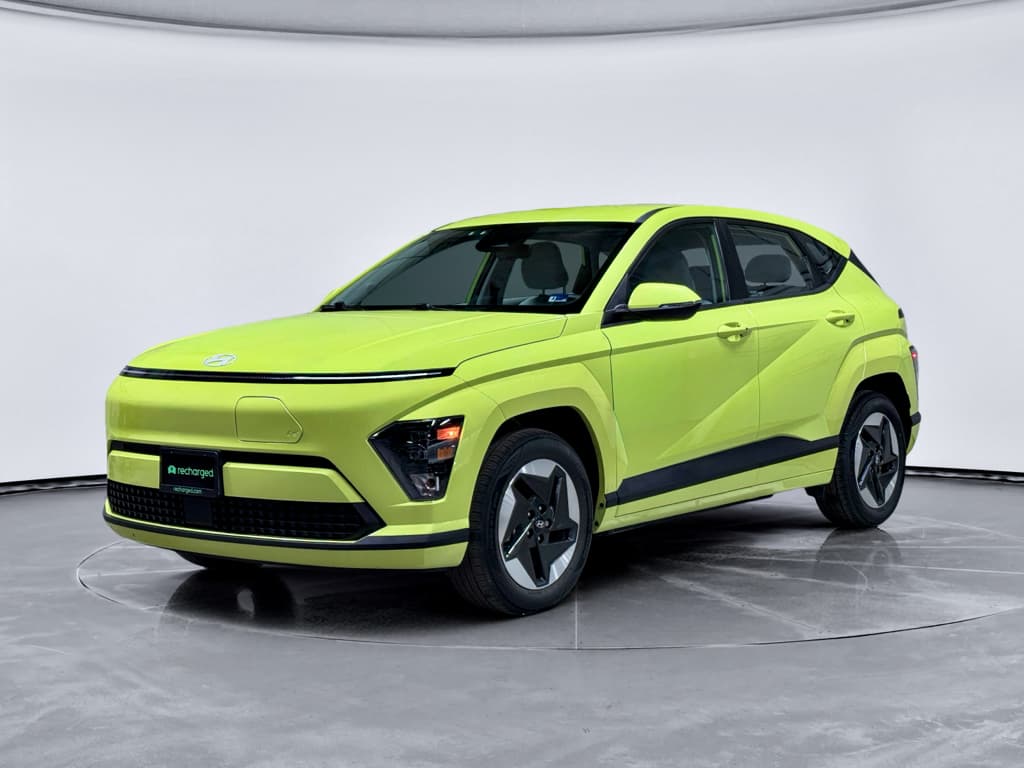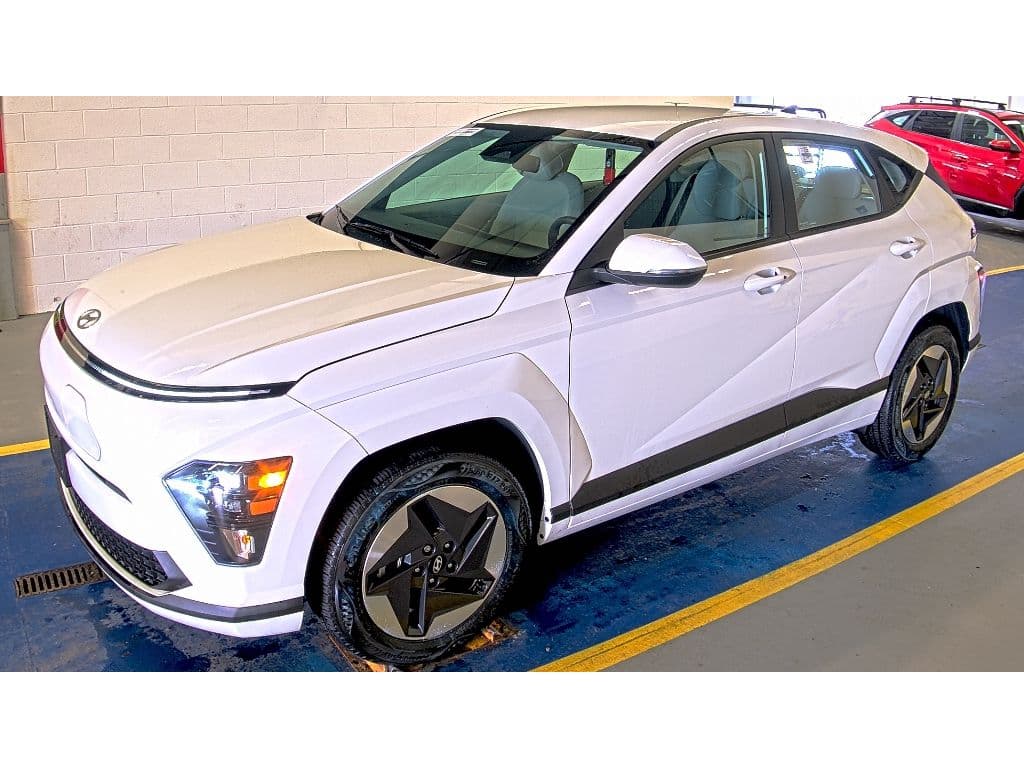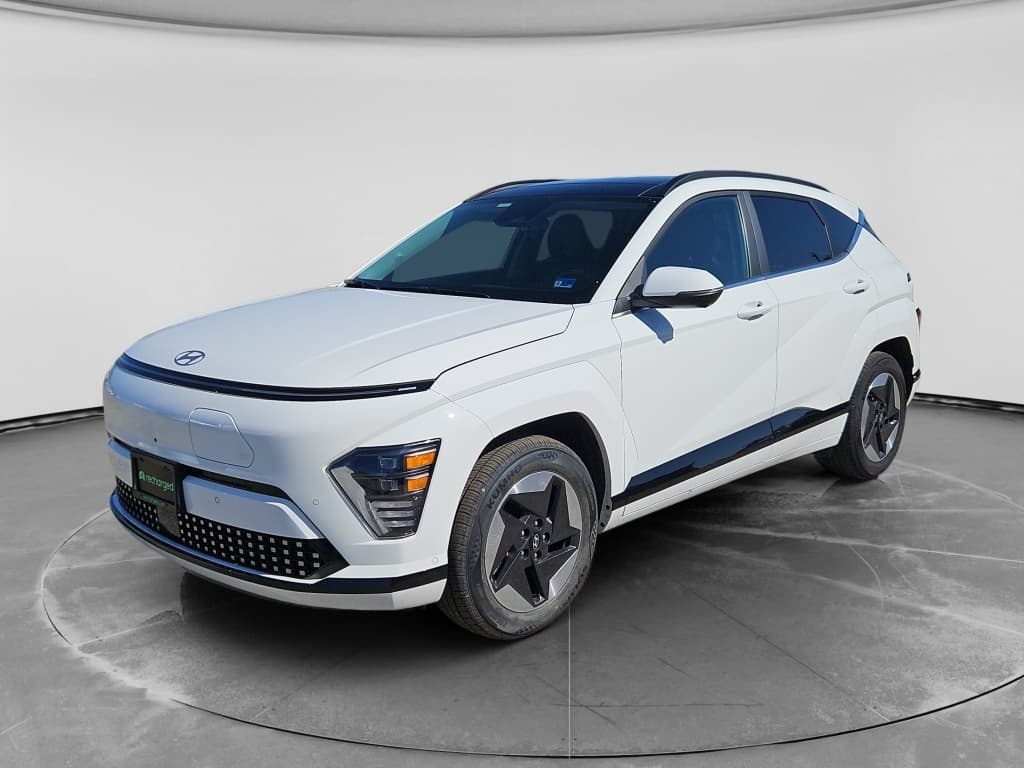
The 2023 Hyundai Kona Electric is the EV equivalent of a thrift‑store designer jacket: a little quirky in cut, surprisingly high quality, and quietly one of the smartest values on the rack. In this 2023 Hyundai Kona Electric review, we’ll unpack its standout efficiency, real‑world range, charging speeds, comfort compromises, and whether it makes sense, especially as a used EV in today’s market.
Key takeaways
2023 Hyundai Kona Electric overview
Hyundai’s first‑generation Kona Electric (sold in the U.S. from 2019 through 2023) is built on the same subcompact platform as the gas Kona, but with a dedicated electric powertrain. For 2023 in the U.S., there’s one battery and motor setup across the lineup, no confusing configurations, spread over SE, SEL, and Limited trims.
2023 Kona Electric headline numbers
On paper, the Kona Electric sits in a sweet spot: more range than a Nissan Leaf Plus, comparable efficiency to a Chevrolet Bolt EV, and pricing that undercut many larger crossovers when new. What keeps it interesting in 2026 is that used examples have depreciated faster than its usefulness. You’re buying range and efficiency, not the latest fashion.
Mind the model confusion
Battery, range and charging specs
The U.S.-spec 2023 Hyundai Kona Electric keeps things simple: one battery, one motor. Every trim gets a 64.0 kWh lithium‑ion pack and a front‑mounted 150 kW (201 hp) motor with 291 lb‑ft of torque. Officially, that’s good for 258 miles of EPA range on 17‑inch wheels and a combined efficiency of about 120 MPGe.
2023 Kona Electric core specs
Key technical specs shared across SE, SEL and Limited trims.
| Item | Spec |
|---|---|
| Battery capacity | 64.0 kWh lithium‑ion (approx. 356 V) |
| Motor | 150 kW (201 hp) permanent‑magnet synchronous |
| Torque | 291 lb‑ft (FWD only) |
| EPA range | 258 miles (all trims, 17" wheels) |
| EPA efficiency | 120 MPGe combined |
| On‑board AC charger | 7.2 kW Level 2 |
| DC fast‑charge rate | Up to 100 kW peak (CCS) |
| DC 10–80% (100 kW) | Approx. 47 minutes |
| DC 10–80% (50 kW) | Approx. 64 minutes |
| AC 10–100% (7.2 kW) | Approx. 9 hours 15 minutes |
All U.S. 2023 Kona Electric trims use the same battery and motor; equipment differences are mostly comfort and tech.
Home charging sweet spot
The Kona’s DC fast charging is “good enough” rather than class‑leading. Peak rates around 100 kW and a 10–80% window in under 50 minutes are acceptable for the occasional road trip, but if you live at Electrify America stations, you’ll notice newer 800‑volt EVs blasting past you while you’re still mid‑charge. For a subcompact commuter, though, this is more than serviceable.
Real‑world efficiency and performance
Hyundai’s engineers did something close to witchcraft with the Kona Electric’s efficiency. In mixed driving, many owners report 4.0–4.3 miles per kWh, which lines up with independent testing that consistently places the Kona Electric among the most efficient EVs on sale. That means you’re realistically seeing 230–260 miles on a full charge without babying it, and more in ideal conditions.
On‑road character: what it actually feels like
Subcompact crossover body, hot‑hatch personality.
Punchy off the line
Firm, busy ride
Agile in the city
The flip side of that efficiency is NVH, noise, vibration and harshness. With no engine masking sound, tire roar and suspension thumps make themselves heard on coarse asphalt. It’s not punishing, but if you’re cross‑shopping a Kona Electric against a plusher VW ID.4 or Tesla Model 3, you’ll feel the Hyundai’s budget roots.
Regenerative braking you can tune
Interior, space and tech
Slide into the 2023 Kona Electric and you’re reminded this is a converted gas platform, not a clean‑sheet EV. The seating position is a bit upright, the center tunnel is high, and the plastics are honest rather than opulent. But the important touchpoints, steering wheel, screens, controls, feel well thought‑out.
Space & practicality
- Front seats: Supportive and comfortable even for longer drives; taller drivers may wish for more seat travel, but most will fit fine.
- Rear seats: Adequate for kids and shorter adults; legroom is tight for anyone over about 6 feet, especially behind another tall driver.
- Cargo: Roughly mid‑100s of liters behind the rear seats (low‑teen cubic feet). The load floor is high, and it’s smaller than class leaders, but fine for grocery duty and weekend bags.
Tech & features (varies by trim)
- Large central touchscreen with Apple CarPlay and Android Auto.
- Digital or semi‑digital gauge cluster with EV‑specific readouts.
- Available heated seats, sunroof, premium audio and full ADAS suite on higher trims.
- Convenient front‑mounted charge port for easy head‑in parking at home or public stations.
Check rear seat comfort if you carpool
Safety ratings and reliability
The first‑gen Kona platform has generally tested well for safety, and the Electric variant benefits from the same underlying crash structure plus the inherent rigidity of a battery pack in the floor. Hyundai bundles a solid suite of driver‑assist tech: automatic emergency braking, lane‑keeping assist, and adaptive cruise are common on mid and upper trims.
Safety and reliability snapshot
What we know from owners and testing so far.
Crash safety
Reliability & battery
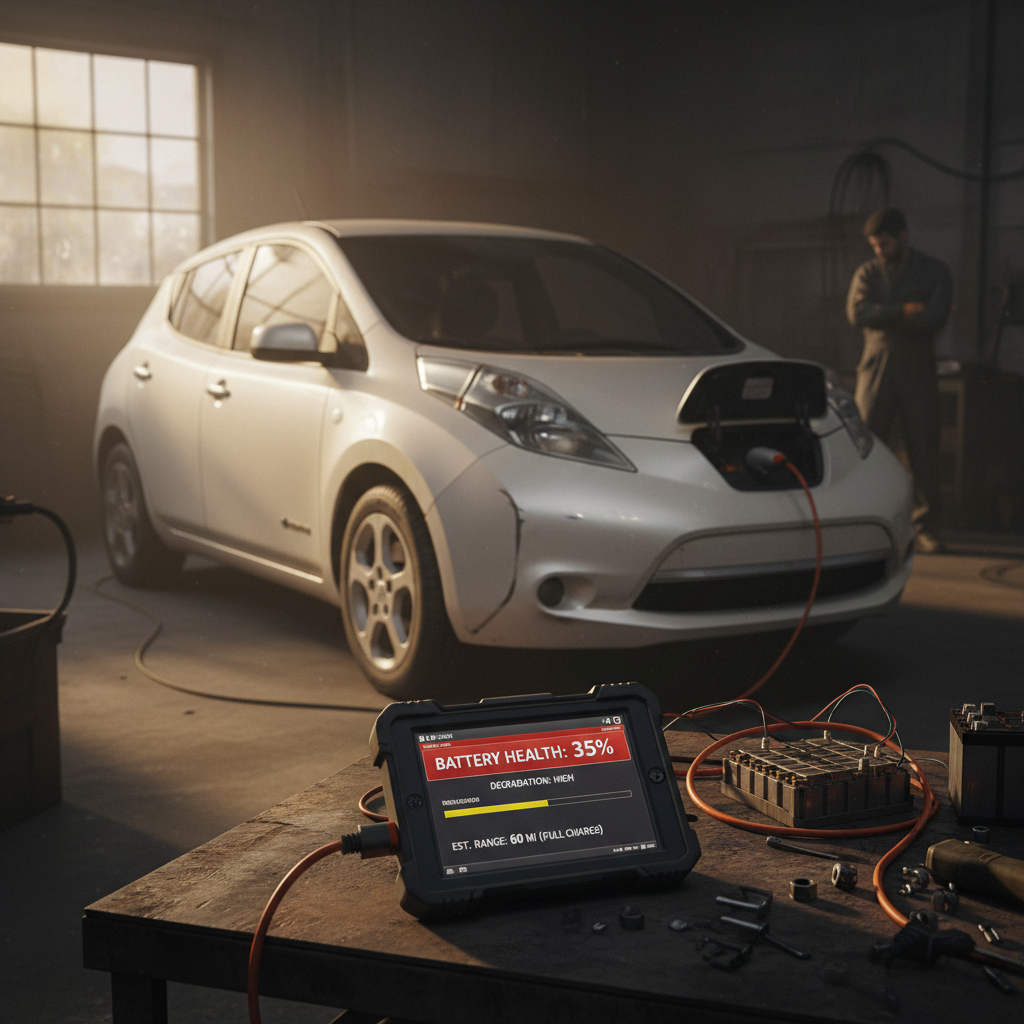
Battery and high‑voltage checks matter on used cars
Ownership costs: pricing, incentives and depreciation
When it was new, the 2023 Hyundai Kona Electric started around the mid‑$30,000s before destination, with SEL and Limited trims climbing into the low‑$40,000s. After changes to federal EV incentives, the 2023 Kona Electric no longer qualified for the U.S. $7,500 federal tax credit, which hurt its value story against newer competitors that did qualify.
Cost of ownership highlights
The upside today is that used 2023 Kona Electrics often undercut similarly ranged new EVs by a significant margin. You’re essentially getting 250‑ish miles of range, strong efficiency, and modern safety tech for the price of a well‑equipped compact gas crossover, while your running costs plummet.
Where Recharged fits in
Ready to find your next EV?
Browse VehiclesHow the 2023 Kona Electric compares to rivals
The 2023 Kona Electric competed in a crowded but important niche: compact, relatively affordable EVs with usable road‑trip range. Its closest peers were the Chevrolet Bolt EV/Bolt EUV, Kia Niro EV, Nissan Leaf Plus, and the lower‑range versions of the VW ID.4 or Tesla Model 3.
2023 Kona Electric vs key rivals (high level)
Approximate comparisons for range and character. Exact specs vary by trim and wheel size.
| Model (2023) | Approx. EPA range | Powertrain feel | Space/comfort | Standout trait |
|---|---|---|---|---|
| Hyundai Kona Electric | 258 mi | Quick, FWD, firm ride | Tight rear seat, small cargo | Excellent efficiency and value |
| Chevrolet Bolt EV | 259 mi | Zippy, FWD | Similar size, slightly boxier cabin | Great value, DC fast charging also modest |
| Kia Niro EV | 239 mi | Smooth, FWD | More rear space than Kona | More practical interior, slightly less efficient |
| Nissan Leaf Plus | 226 mi | Soft, FWD | Comfortable seats, older platform | CHAdeMO fast charging limits long‑term flexibility |
| Tesla Model 3 RWD | ~267 mi | Very quick, RWD | Lower seating, more premium feel | Stronger charging network, higher price |
The Kona Electric’s efficiency and range are standout strengths; space and ride comfort are its main compromises.
The Kona Electric in one sentence
Buying a used 2023 Kona Electric
Looking at a 2023 Kona Electric on the used market, you’re likely seeing ex‑lease cars with modest mileage and a lot of life left in the battery. That’s the upside. The downside is typical used‑car opacity: you may not know how it was charged, how often DC fast charging was used, or whether software updates were applied.
Used 2023 Kona Electric: what to check
1. Battery health and real‑world range
Request a recent battery‑health report and take a long test drive. Compare the displayed full‑charge estimate with the original 258‑mile EPA rating to understand real‑world degradation.
2. DC fast‑charging history
Heavy DC‑fast‑charge use isn’t an automatic dealbreaker, but it can accelerate degradation. Ask the seller about typical charging habits, home Level 2 is ideal for longevity.
3. Software and recall status
Have a Hyundai dealer or EV specialist confirm that all software updates and recalls have been performed, especially anything related to battery management or charging behavior.
4. Tire and brake wear
The Kona Electric’s strong torque can be hard on front tires if driven aggressively. Check for uneven wear, and inspect brake rotors for rust if the car spent long stretches parked.
5. Charging hardware
Verify that the OEM Level 1 charger is included and test the charge port door and lock. Look for corrosion in the CCS port, especially in salty‑road regions.
6. Interior wear and water leaks
Check the cargo area for moisture or staining and test the rear hatch seal. Subcompact crossovers often do family duty; check seats and trim for kid‑related wear and tear.
Leverage the Recharged Score
Charging tips for Kona Electric owners
Living with a 2023 Kona Electric is straightforward if you set up your charging life correctly. The car’s efficiency gives you some breathing room, your “gas station” is mostly your driveway, but a few habits will help maximize battery health and convenience.
- Install a 240‑volt Level 2 charger at home if possible; relying only on Level 1 (120 V) will feel slow with a 64 kWh battery.
- For daily use, charging to around 80–90% instead of 100% can help reduce long‑term battery stress, save 100% charges for road trips.
- Avoid letting the battery sit at 0% or 100% for extended periods; both extremes are harder on lithium‑ion chemistry.
- On road trips, plan to arrive at DC fast chargers around 10–20% state of charge; charging is fastest in this window.
- In cold climates, precondition the cabin while plugged in so you’re using grid power, not battery power, to warm the car.
Cold‑weather range reality check
2023 Hyundai Kona Electric FAQ
Frequently asked questions about the 2023 Kona Electric
Bottom line: Who is the 2023 Kona Electric for?
If you’re shopping for a used EV in 2026, the 2023 Hyundai Kona Electric is a deeply rational choice hiding in an unassuming subcompact wrapper. It delivers big‑car range, standout efficiency, and thoroughly modern safety tech, at prices that often match or beat high‑trim gas crossovers.
You do trade away some rear‑seat space, cargo capacity, and long‑distance charging speed versus newer, larger EVs. But if your life is mostly commuting, errands, and the occasional weekend away, the Kona Electric’s blend of low running costs and honest, no‑drama engineering is hard to ignore.
And if you want to skip the guessing game on battery health and pricing, buying through Recharged means every Kona Electric comes with a Recharged Score Report, EV‑specialist guidance, and options for financing, trade‑in, and nationwide delivery. In other words: you get the benefits of one of the market’s most efficient EVs, without the usual used‑EV anxiety.