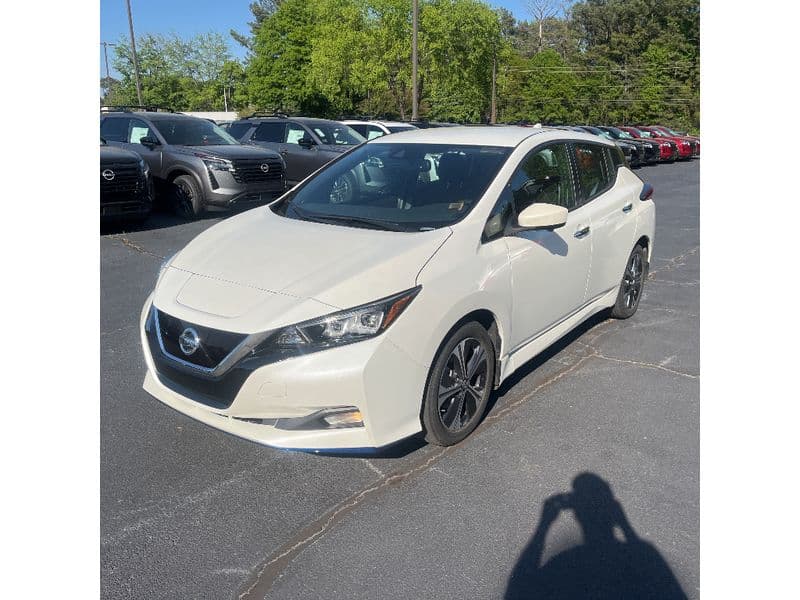
If you’re cross-shopping an electric hatchback against a gas compact, one of the first questions you’ll ask is: how much does Nissan Leaf service cost in the real world? The Leaf famously skips oil changes and many traditional maintenance items, but you’ll still see line items like brake fluid, coolant and inspections on the dealer menu. Let’s break down what you can actually expect to pay, and how to keep those numbers under control.
Quick takeaway
Nissan Leaf service cost at a glance
Nissan Leaf service cost snapshot
Online cost-of-ownership tools and owner-reported data tend to converge on the same story: Leaf maintenance sits in the mid‑hundreds of dollars per year, not thousands. Repair-focused sites peg annual maintenance and light repairs for the Leaf around the $700–$750 per year mark on average, while brand-wide data for Nissan as a whole sits a bit higher because it includes gas models.
Battery not included
How much does Nissan Leaf service cost per year?
If you average out glossy forecasts from tools like Edmunds’ True Cost to Own with the messy reality of aging cars, reasonable budget ranges look like this for a Nissan Leaf in the U.S.:
Typical annual Nissan Leaf service costs
Approximate maintenance + minor repair spend by age, assuming 12,000–15,000 miles per year and no major battery work.
| Leaf age | Typical annual service cost | What’s included |
|---|---|---|
| 0–2 years | $100–$250 | Inspections, tire rotations, cabin air filter, wiper blades; many owners only pay for tires and basic checks. |
| 3–5 years | $300–$600 | Brake fluid service, coolant check or change per schedule, cabin filters, 12V battery checks, tire replacement. |
| 6–8 years | $600–$900 | More frequent tires, brake pad/rotor work if needed, 12V battery replacement, suspension and alignment work. |
| 9–12+ years | $700–$1,100 | Shocks/struts, wheel bearings, AC service, plus all routine items; aging components start to dominate. |
Real-world spend can be lower if you use an independent EV-savvy shop or drive fewer miles.
For a newer Leaf (0–5 years), many owners end up averaging closer to the lower end of these bands because there simply isn’t much to do. By contrast, an older Leaf that’s already lived a hard life, potholes, salted roads, high mileage, can easily creep toward the upper end, even if the EV drivetrain itself is behaving perfectly.
How to sanity-check these numbers
Common Nissan Leaf services and typical prices
Unlike a gas car, the Leaf doesn’t need oil changes, spark plugs, timing belts, or exhaust work, but it still relies on the same basic chassis as any compact hatchback. Here’s what you’ll see on real service invoices, and rough U.S. price ranges at dealers versus independent shops (parts + labor).
Services you’ll rarely (or never) see
Nissan Leaf service schedule: what happens when
Nissan publishes slightly different maintenance schedules by model year and driving conditions, but the overall pattern is consistent: frequent inspections and tire rotations, infrequent fluid changes. Here’s a simplified view for a recent-generation Leaf used in typical conditions in the U.S.:
Key Nissan Leaf service intervals (typical)
Every 6–7,500 miles
Tire rotation, brake and suspension inspection, basic EV system checks. Many owners combine this with seasonal tire swaps.
Every 15,000–30,000 miles
Cabin air filter replacement and more detailed inspections. Some dealer schedules also call for <strong>brake fluid change</strong> as often as every 15,000–30,000 miles, which many owners choose to stretch if fluid tests clean.
Around 60,000–75,000 miles
Deeper inspection of brakes, steering and suspension; possible first set of tires and, in harsher climates, brake service. 12V battery may be nearing end of life.
Around 75,000–125,000 miles
Coolant service for the onboard charger/inverter and related components, depending on model year. Often one of the priciest scheduled jobs, but infrequent.
Every 2–3 years
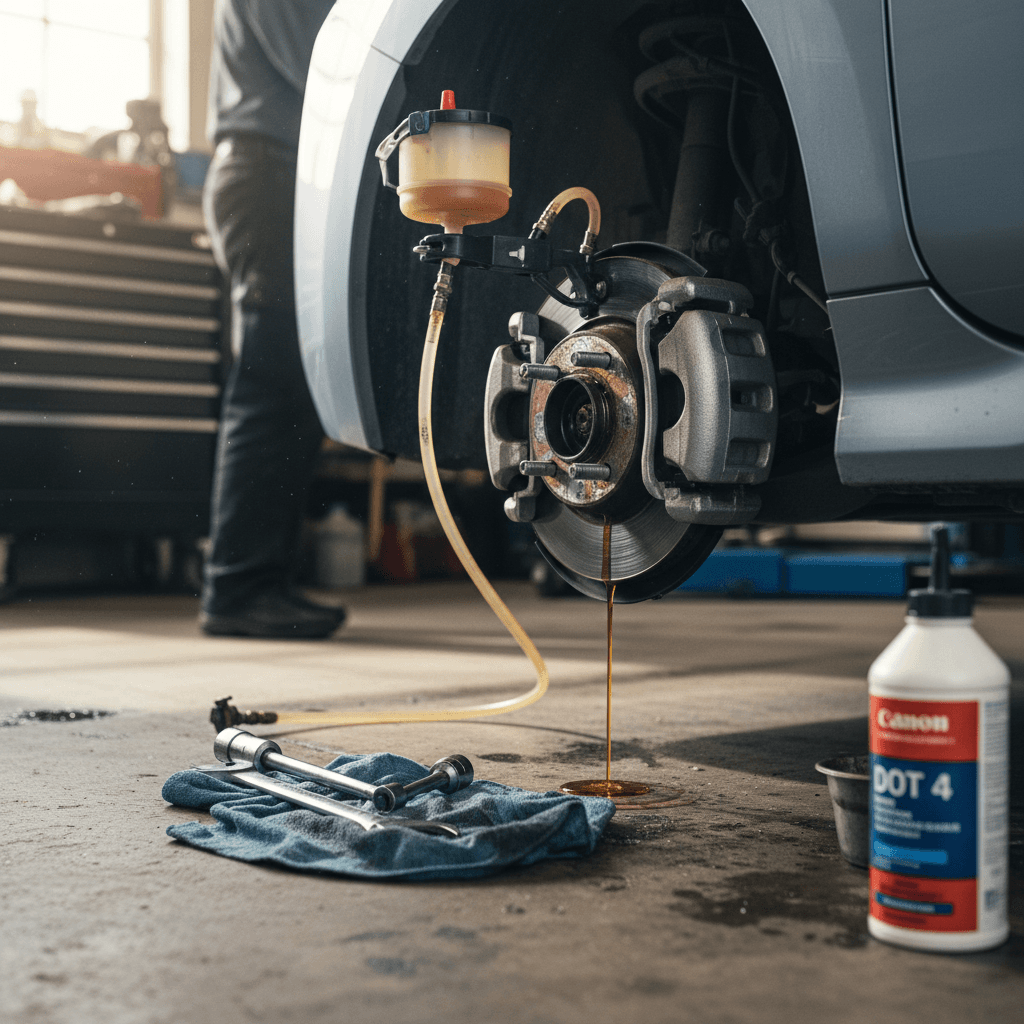
Brake fluid flush, especially in humid or salty regions. The job isn’t EV-specific, but neglecting it can get expensive if corrosion damages the ABS actuator.
As needed
Wiper blades, bulbs, alignment, tire balancing, occasional chassis repairs, similar to any other compact hatchback.
Don’t skip brake fluid forever
Dealer vs. independent shop for Leaf servicing
Where you take your Leaf has almost as much impact on your bill as what you’re actually doing. Nissan dealers understand the platform and have access to the latest software and recalls, but their menu prices on simple jobs can be eye-watering. Independent shops with EV experience often charge less for the same work.
When the dealer makes sense
- Warranty and recall work – Anything high-voltage or covered by Nissan should go straight to the dealer.
- Battery diagnostics and software updates – Dealers have factory scan tools and direct support from Nissan.
- Complex electrical issues – Intermittent warning lights, HV system faults and charging problems are usually best handled by the OEM network.
When an independent is smarter
- Brake fluid, cabin filters, 12V battery – Straightforward jobs that local shops do all day long, usually for less.
- Brake pads/rotors and suspension – Nothing exotic here; any competent independent can handle it.
- Tires and alignments – Tire specialists often beat dealer prices and have better selection.
Hybrid strategy works best
How service costs change as your Leaf ages
Service spending on a Leaf doesn’t arrive in a steady monthly drip. It comes in clumps: almost nothing early on, then more noticeable bills as wear items stack up. Thinking in phases makes it easier to budget, and to decide whether a new or used Leaf makes more sense for you.
Nissan Leaf service cost by ownership phase
How your maintenance profile typically evolves over 12+ years of Leaf ownership.
| Ownership phase | Approx. annual cost | Typical jobs |
|---|---|---|
| Years 1–2 | $100–$250 | Inspections, tire rotations, cabin air filter, first wiper replacement; many owners barely see the service lane. |
| Years 3–5 | $300–$600 | Brake fluid service, coolant checks, possible first tire set, 12V battery testing, occasional small fixes (sensors, door seals). |
| Years 6–8 | $600–$900 | More frequent tires, brake pad/rotor work, 12V battery replacement, suspension bushings/links, alignment corrections. |
| Years 9–12+ | $700–$1,100 | Shocks/struts, wheel bearings, AC repairs, charging-port wear items, plus all the usual inspection and fluid work. |
These ranges exclude major battery work and assume normal driving, not abuse or collision damage.
Why used Leafs can be a bargain
Ways to reduce your Nissan Leaf service costs
You can’t control every squeak or rattle, but Leaf owners have more levers than they think when it comes to keeping routine service affordable, without cutting corners on safety.
Practical ways to keep Leaf service affordable
1. Separate EV work from generic jobs
Use the Nissan dealer for high-voltage diagnostics, battery concerns and recalls, and a reputable independent shop for work that’s the same on any compact (brakes, tires, suspension, brake fluid, cabin filter).
2. Learn a couple of simple DIYs
If you’re comfortable with basic tools, jobs like <strong>cabin air filters</strong> and wiper blades are quick wins. Doing just those at home can save $100+ per year compared with dealer menu pricing.
3. Don’t overservice, but don’t neglect
An annual brake fluid change at low mileage in a dry climate is probably overkill; never doing it is asking for trouble. Use a trusted shop that can test fluid condition and set intervals that match your environment.
4. Align early, not late
A $120 alignment after a pothole hit is cheaper than burning through a set of $700 tires. Because the Leaf is relatively heavy for its size, poor alignment shows up quickly in tire wear.
5. Shop quotes on high-dollar jobs
For big-ticket items like coolant service or a full brake job, get at least two quotes. Price spreads of <strong>30–40%</strong> between shops are common even within the same metro area.
6. Use clear, written estimates
Ask any shop, dealer or independent, for a written estimate that lists parts, labor hours and shop fees. It’s easier to spot add-ons and compare apples to apples when you have numbers on paper.
How Recharged helps here
Ready to find your next EV?
Browse VehiclesService costs and buying a used Nissan Leaf
If you’re in the market for a used Leaf, service history is one of the simplest ways to separate a cared‑for car from a rolling science experiment. The good news: because the Leaf’s maintenance needs are fairly light, it’s not hard to get up to speed on what you should see in the records.
Service history you want to see
- Regular tire rotations and inspections at least every 10,000–15,000 miles.
- Evidence of at least one brake fluid change every 3–4 years in normal climates (more often in humid or salty areas).
- Cabin filter changes every 15,000–30,000 miles, depending on dust and pollen exposure.
- A documented 12V battery replacement if the car is more than 5–6 years old.
- Any recall and campaign work completed at the dealer.
Possible red flags
- No service records at all, especially on a higher‑mileage car.
- Repeated ABS or brake system repairs, which can hint at neglected fluid changes or corrosion.
- Uneven tire wear or multiple alignments, suggesting frequent curb hits or suspension damage.
- Unresolved EV system warning lights or charging issues in the notes.
Don’t ignore battery health
Nissan Leaf service FAQ
Frequently asked questions about Nissan Leaf service costs
Bottom line on Nissan Leaf service costs
Owning a Nissan Leaf doesn’t mean a life free of service visits, but it does mean trading a long list of engine-related chores for a short list of fluids, tires and inspections. For most owners, that translates into a maintenance budget in the mid‑hundreds per year, materially lower than a comparable gasoline compact once you zoom out over a decade.
If you’re evaluating a used Leaf, focus on three things: battery health, basic chassis condition, and evidence of routine care like brake fluid and tire maintenance. Get those right and the Leaf’s simple drivetrain becomes a real asset in keeping long‑term costs predictable. And if you’d rather not decode all this alone, Recharged can pair you with a used Leaf that comes with transparent battery data, fair pricing, and EV‑savvy support from your first test drive to the day you schedule that first service visit.