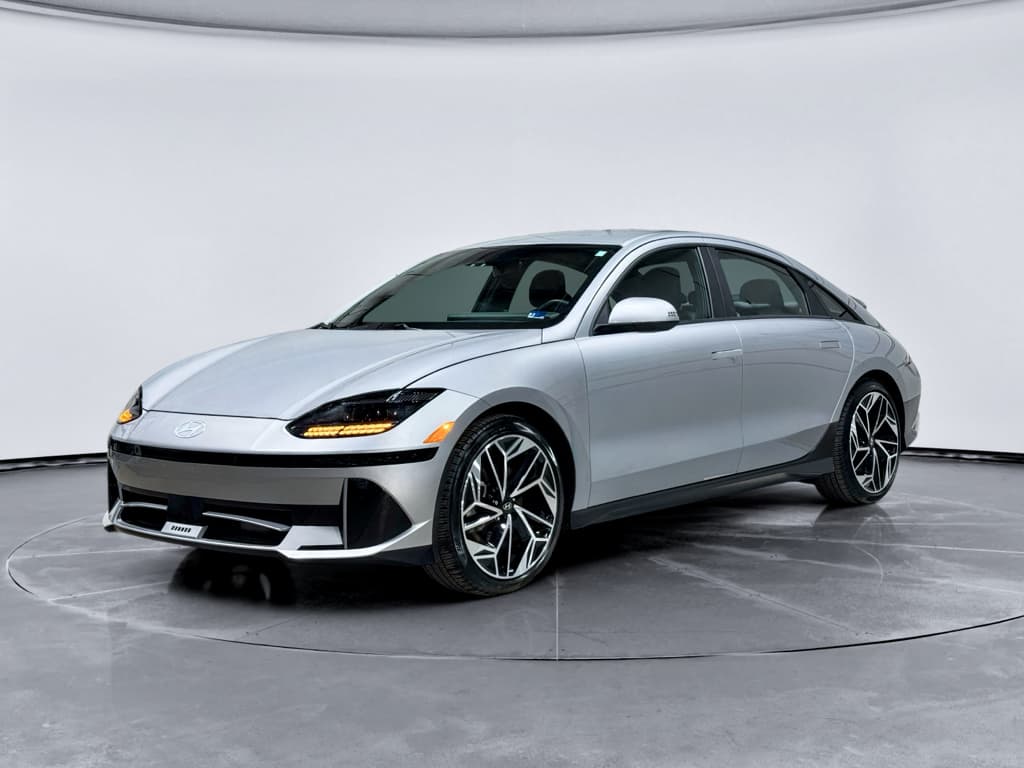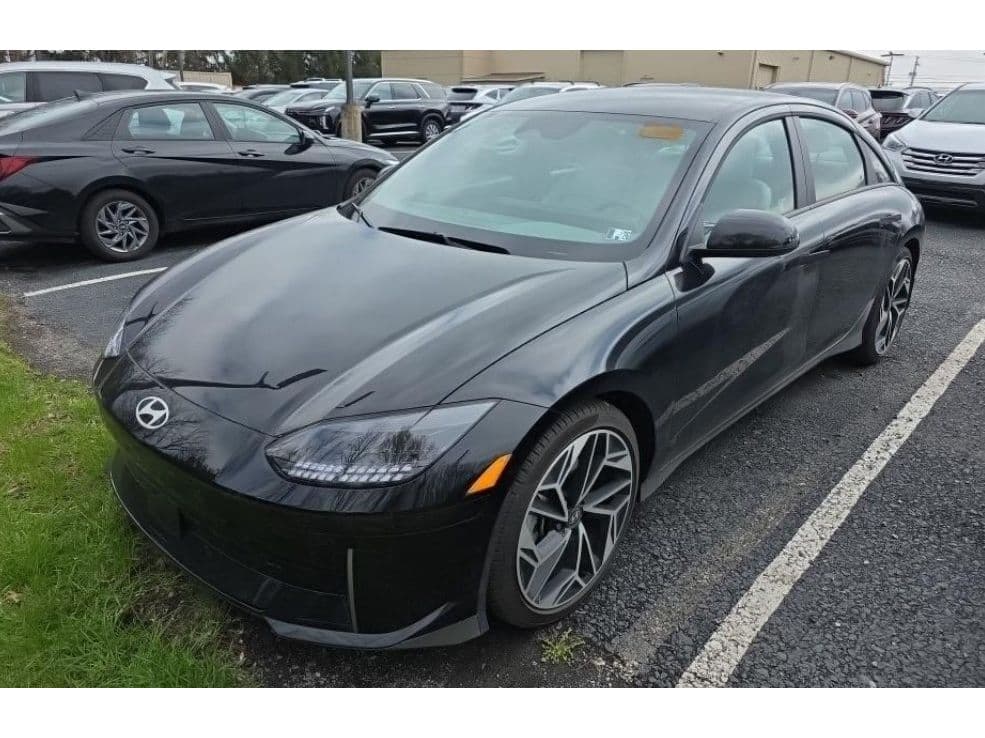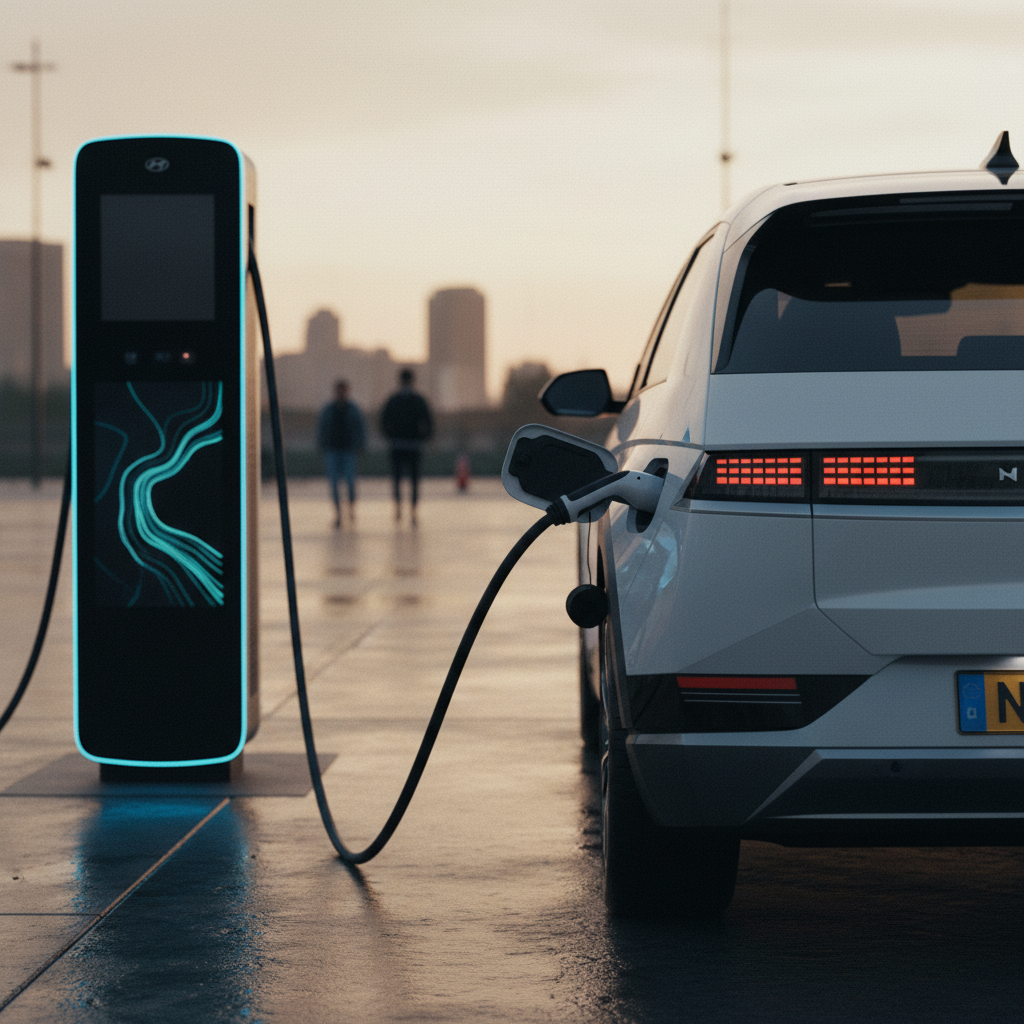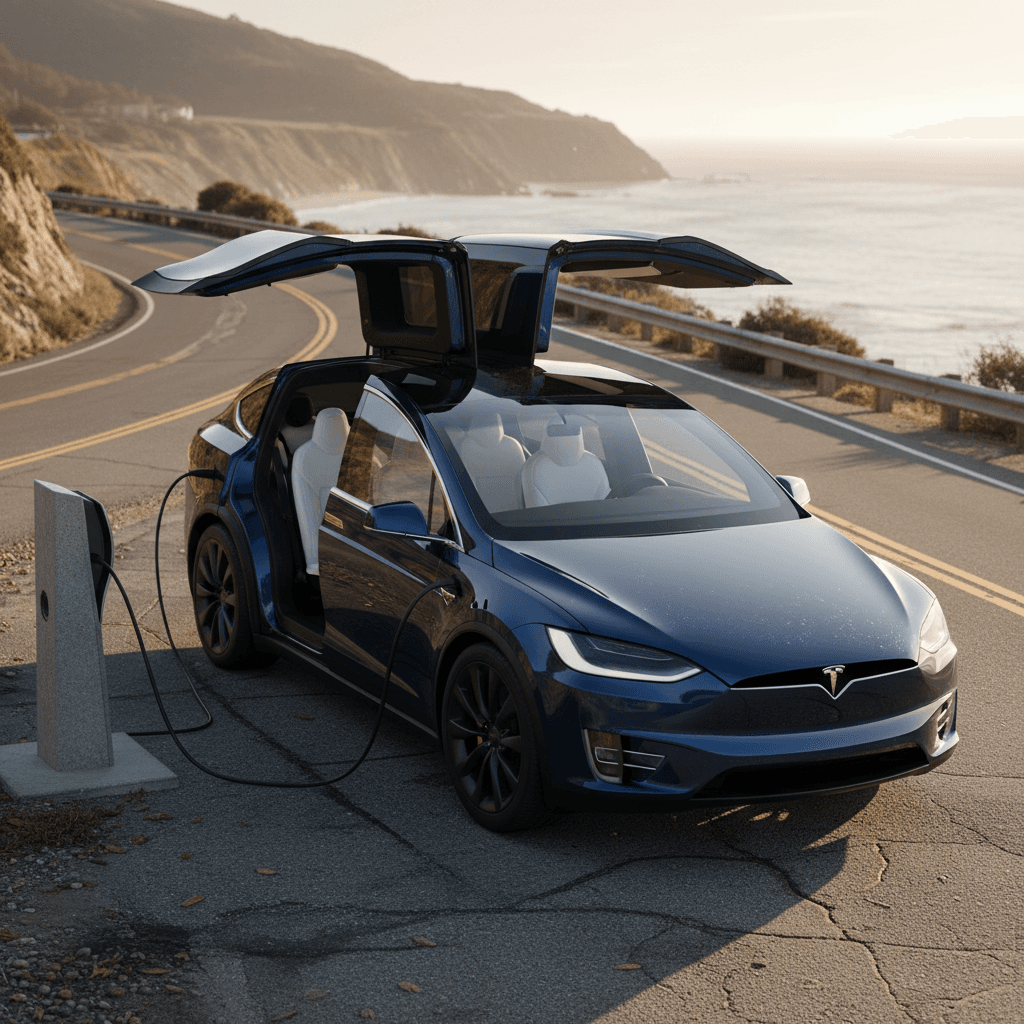
If you’re shopping for a sleek electric sedan, the 2023 Hyundai IONIQ 6 is probably on the same short list as the Tesla Model 3 and Polestar 2. With its teardrop profile, ultra-efficient powertrain and genuinely quick DC fast charging, it’s one of the most thoughtfully executed EVs of the last few years. This 2023 Hyundai IONIQ 6 review walks through range, charging, comfort, safety and what to watch for if you’re considering a used example.
At a glance
2023 Hyundai IONIQ 6 overview
Hyundai didn’t play it safe with the IONIQ 6. Instead of yet another anonymous crossover, the company built a low, aero‑sculpted sedan that looks like it slipped out of a wind tunnel and onto the freeway. It rides on the Electric‑Global Modular Platform (E‑GMP) shared with the IONIQ 5 and Kia EV6, which means 800‑volt charging hardware, a flat battery floor, and generous interior space for its footprint.
2023 IONIQ 6 key specs (U.S.)
What most shoppers really want to know, in one place
Battery & range
- Standard Range: 53 kWh battery, RWD
- Long Range: 77.4 kWh battery (most trims)
- Up to 361 miles EPA range (SE Long Range RWD)
Power & performance
- 149 hp RWD (SE Standard Range)
- 225 hp RWD (Long Range)
- 320 hp dual‑motor AWD, 0–60 mph under 5 sec
Charging
- 11 kW AC onboard charger
- Up to 350 kW DC fast‑charging
- 10–80% in about 18 minutes on a 350 kW charger
Good news for used shoppers
Powertrain, battery options and real-world range
Under the skin, every 2023 Hyundai IONIQ 6 is a fully electric sedan with a lithium‑ion battery under the floor and either one or two motors. Where things get interesting is how those pieces are configured across trims, and what that means for range and performance.
2023 Hyundai IONIQ 6 batteries, power and EPA range (U.S.)
Approximate published figures for the 2023 model year; always confirm exact specs for the car you’re considering.
| Trim / configuration | Battery | Drive | Power | Approx. EPA range |
|---|---|---|---|---|
| SE Standard Range RWD | 53 kWh | RWD | 149 hp | ~240 miles |
| SE Long Range RWD | 77.4 kWh | RWD | 225 hp | up to 361 miles |
| SEL / Limited RWD | 77.4 kWh | RWD | 225 hp | around 305 miles |
| SEL / Limited AWD | 77.4 kWh | AWD (dual motor) | 320 hp | around 270 miles |
Range drops with bigger wheels and all‑wheel drive, but even the quickest IONIQ 6 is competitive.
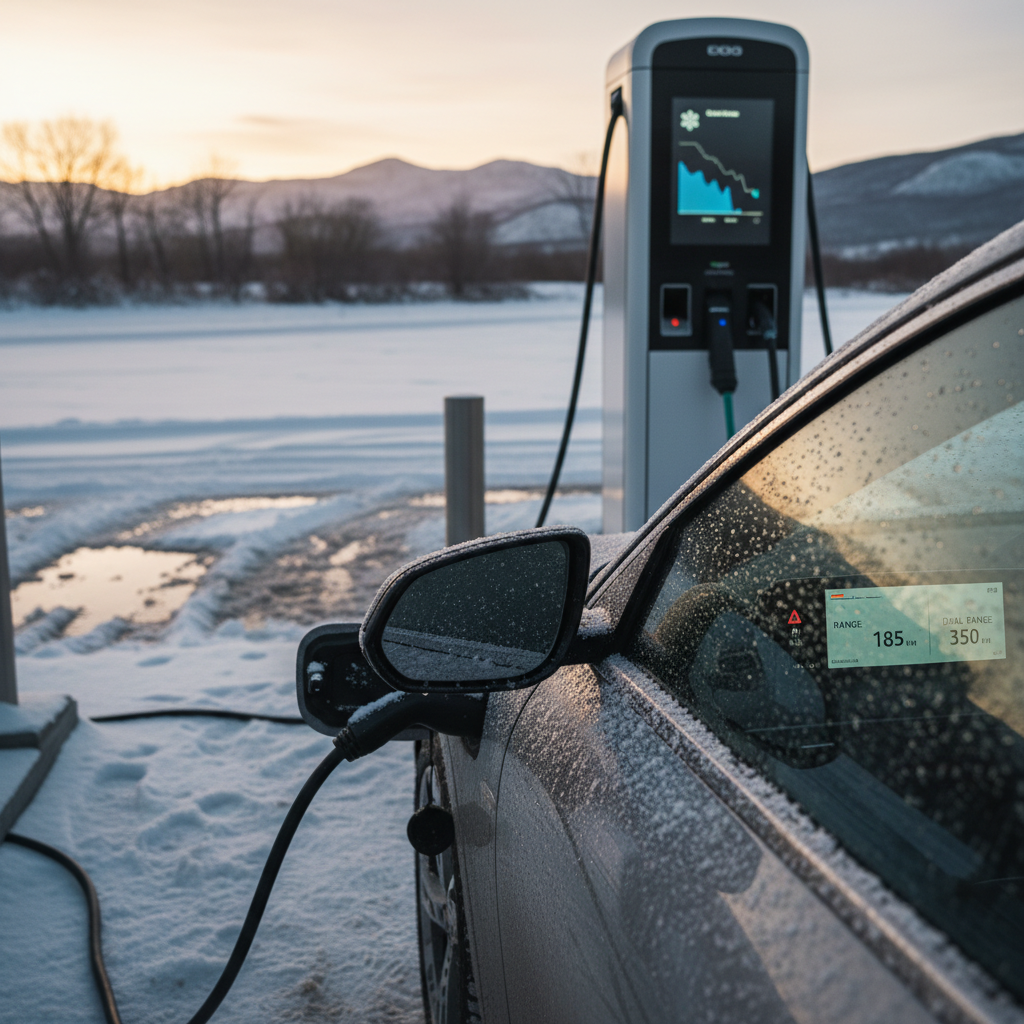
Those are lab numbers. In the real world, you should expect something a bit lower, especially at highway speeds, in winter, or with a roof box or full load of people and gear. The IONIQ 6’s secret weapon is its shape: with an exceptionally low drag coefficient (around 0.21), it uses less energy to push through the air than chunkier EVs, and that helps it beat many rivals on highway efficiency.
Range in cold weather
Charging performance: living with the 800-volt system
Hyundai’s E‑GMP platform gives the 2023 IONIQ 6 something you’ll feel every time you stop at a DC fast charger: an 800‑volt electrical architecture. In simple terms, that lets the car pull big power from capable chargers without melting its own cables, and it means genuinely short charging stops when conditions are right.
Charging numbers that matter day to day
In independent testing, many owners and reviewers see 10–80% times closer to the low‑30‑minute range on public fast chargers once you factor in charger limitations, battery temperature and traffic. That’s still excellent for this class. For daily life, most IONIQ 6 drivers plug into a 240‑volt Level 2 charger at home and wake up to a full battery in about 7–8 hours from low state of charge.
Home charging sweet spot
Trims, features and which 2023 IONIQ 6 to pick
Hyundai kept the 2023 IONIQ 6 lineup straightforward in the U.S.: SE, SEL and Limited, each available with rear‑wheel drive, and SEL/Limited also offering dual‑motor all‑wheel drive. Standard equipment is strong, but there are meaningful differences in comfort and tech as you move up the ladder.
2023 IONIQ 6 trims in plain English
Where the money goes as you move from SE to Limited
SE & SE Long Range
- 53 kWh (Standard Range) or 77.4 kWh (Long Range) battery
- Cloth seats, manual adjustment
- Dual 12.3‑inch screens, navigation, CarPlay/Android Auto
- Most safety tech standard
Best choice if you prioritize value and range.
SEL
- 77.4 kWh battery only
- Heated front seats and steering wheel
- More driver‑assist features, ambient lighting
- Optional AWD
Nice middle ground for comfort without going all‑in.
Limited
- 77.4 kWh battery, RWD or AWD
- Leatherette, ventilated front seats, sunroof
- 360° camera, Blind‑Spot View Monitor
- More premium audio and convenience features
The one to get if you like your tech and creature comforts.
Recharged’s sweet spot pick
Interior, comfort and day-to-day practicality
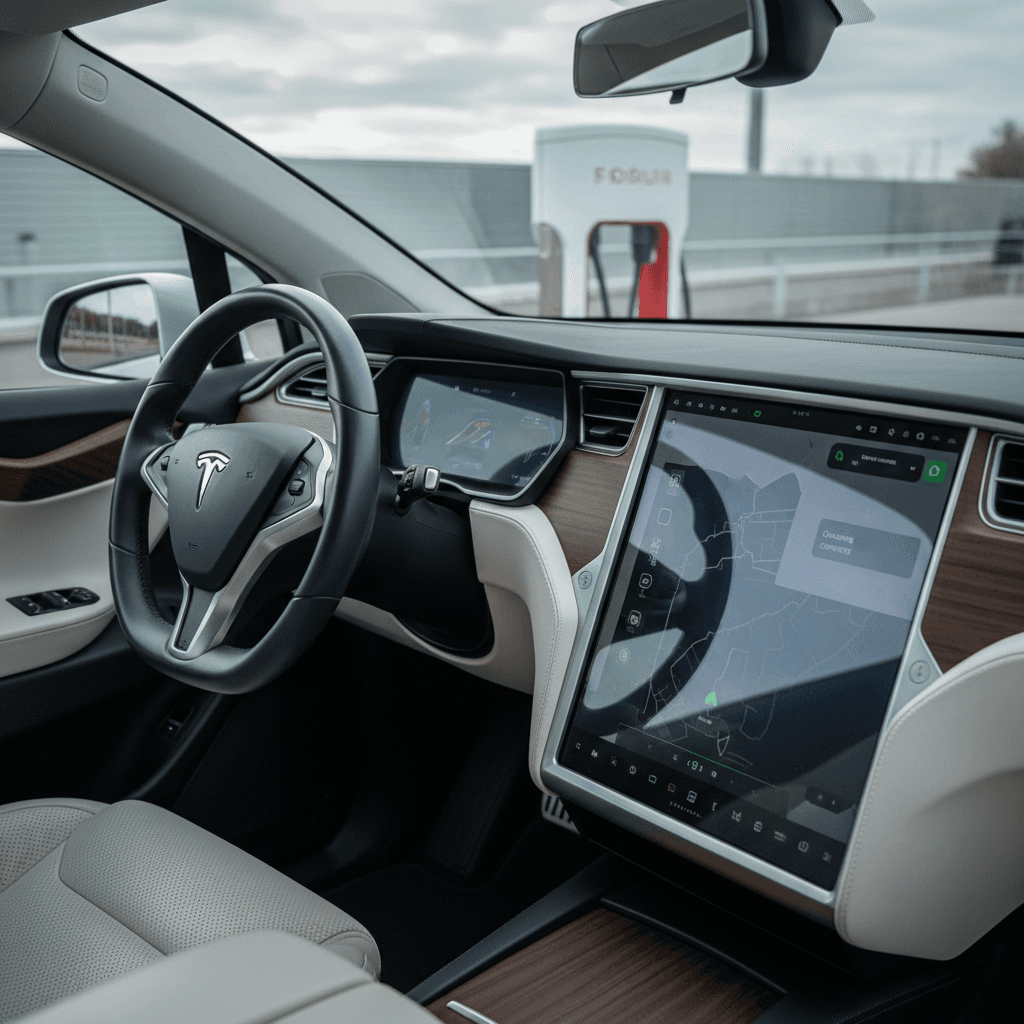
From the driver’s seat, the 2023 IONIQ 6 feels like a modern lounge more than an old‑school sedan. Two 12.3‑inch screens stretch across the dash, controls are mostly intuitive, and the materials feel more premium than you might expect at the base price. The long wheelbase creates generous legroom front and rear, and the flat floor makes the middle rear perch more usable than in many gas sedans.
Comfort & noise
- Ride: Firm but controlled; SEL and Limited ride slightly softer on their adaptive‑feeling dampers and tire choices.
- Noise: Very quiet at city speeds; some wind and tire noise creeps in at 70+ mph, but less than many rivals.
- Seats: Supportive for long drives; Limited’s ventilated seats are worth seeking out in hot climates.
Space & storage
- Trunk: Around 11.2 cubic feet; the fastback roofline looks great but limits vertical cargo.
- Seats fold: Rear seatbacks split‑fold for longer items, but opening is tighter than a hatchback’s.
- Cabin storage: Big center console bin, open shelf, and plenty of small cubbies for family duty.
The trunk is the compromise
Driving experience: quiet, quick and composed
On the road, the 2023 Hyundai IONIQ 6 feels more like a premium European sedan than a science project. Steering is light but accurate, and the low center of gravity from the under‑floor battery helps it corner with confidence. Even the base 149‑horsepower model has instant torque around town, and the 320‑horsepower dual‑motor AWD version is legitimately quick, with 0–60 mph in under 5 seconds.
- RWD models feel lighter and more relaxed, with excellent efficiency and plenty of power for daily driving.
- AWD models add a strong shove off the line and more traction in bad weather, at the cost of some range.
- Adjustable regenerative braking with paddle shifters lets you choose from near‑coast to strong one‑pedal driving.
- Hyundai’s Smart Cruise Control and lane‑centering systems do a solid job easing highway fatigue when used attentively.
Tuned for comfort, not track days
Safety ratings and driver-assistance tech
If safety is high on your list, and it should be, the 2023 Hyundai IONIQ 6 is one of the standouts in the EV sedan class. It earned the Insurance Institute for Highway Safety’s coveted TOP SAFETY PICK+ rating, meeting tougher crash‑worthiness and headlight standards and scoring top marks for daytime and nighttime pedestrian detection.
2023 IONIQ 6 safety highlights
Driver assistance is a helper, not a chauffeur
2023 IONIQ 6 vs Model 3 and other rivals
You can’t talk about the 2023 Hyundai IONIQ 6 without parking it next to the Tesla Model 3, along with newer electric sedans and hatchbacks like the Polestar 2 and Hyundai’s own IONIQ 5 crossover. Each takes a different swing at the same problem: how to move five people on electrons without drama.
How the 2023 IONIQ 6 stacks up
High‑level comparison to its most common cross‑shopped rivals.
| Model | Body style | EPA range (approx.) | DC fast‑charge peak | Notable strengths |
|---|---|---|---|---|
| Hyundai IONIQ 6 (’23) | Sedan | 240–361 mi | Up to ~350 kW | Great efficiency, very quick charging, strong safety, upscale interior. |
| Tesla Model 3 (RWD/Long Range) | Sedan | ~272–333 mi | ~170–250 kW | Supercharger network access, minimalist cabin, robust software ecosystem. |
| Polestar 2 | Liftback | ~270–320 mi | ~155 kW | Scandinavian design, Google‑based infotainment, hatchback practicality. |
| Hyundai IONIQ 5 | Crossover | ~220–303 mi | Up to ~350 kW | Roomy cabin and cargo, SUV stance, same fast‑charge hardware as IONIQ 6. |
The IONIQ 6 wins on charging speed and comfort, while others fight back with cargo space or brand cachet.
Where the IONIQ 6 shines
- Among the best DC fast‑charging experiences in its class.
- Superb efficiency and long‑range RWD options.
- Comfortable, quiet ride with a premium‑feeling cabin.
- Top Safety Pick+ credentials and robust driver‑assist suite.
Where it asks for compromise
- Small trunk opening vs hatchback rivals.
- Rear headroom can feel snug for very tall passengers due to the sloping roof.
- Fewer native “brand” chargers than Tesla, so you rely on public networks (which are improving, but uneven).
Battery health, degradation and used-buying tips
Because the 2023 Hyundai IONIQ 6 is still relatively new, most examples on the used market should have modest mileage and plenty of life left in their packs. Hyundai backs the high‑voltage battery with a long warranty (typically 10 years/100,000 miles in the U.S. for original owners), and the E‑GMP battery design has already built a good reputation in the IONIQ 5 and Kia EV6.
Checklist for shopping a used 2023 IONIQ 6
1. Verify battery capacity and range
Confirm whether the car has the 53 kWh Standard Range or 77.4 kWh Long Range battery. Compare the displayed range at 100% charge with original estimates, keeping in mind that 5–10% loss over the first few years is normal.
2. Review fast‑charging history
Frequent DC fast charging is fine in moderation, but an EV that lived on DC stations might show more wear. Ask the seller how they typically charge and inspect public‑charging receipts or app logs if available.
3. Inspect tires and alignment
EVs are heavy and can chew through tires and suspension components. Uneven tire wear or a pull to one side on the test drive may indicate alignment issues or past curb impacts.
4. Test all driver‑assist features
On the test drive, verify that adaptive cruise, lane‑keeping, blind‑spot monitoring and parking cameras behave as expected. Calibration problems can follow collision repairs or windshield changes.
5. Request a battery health report
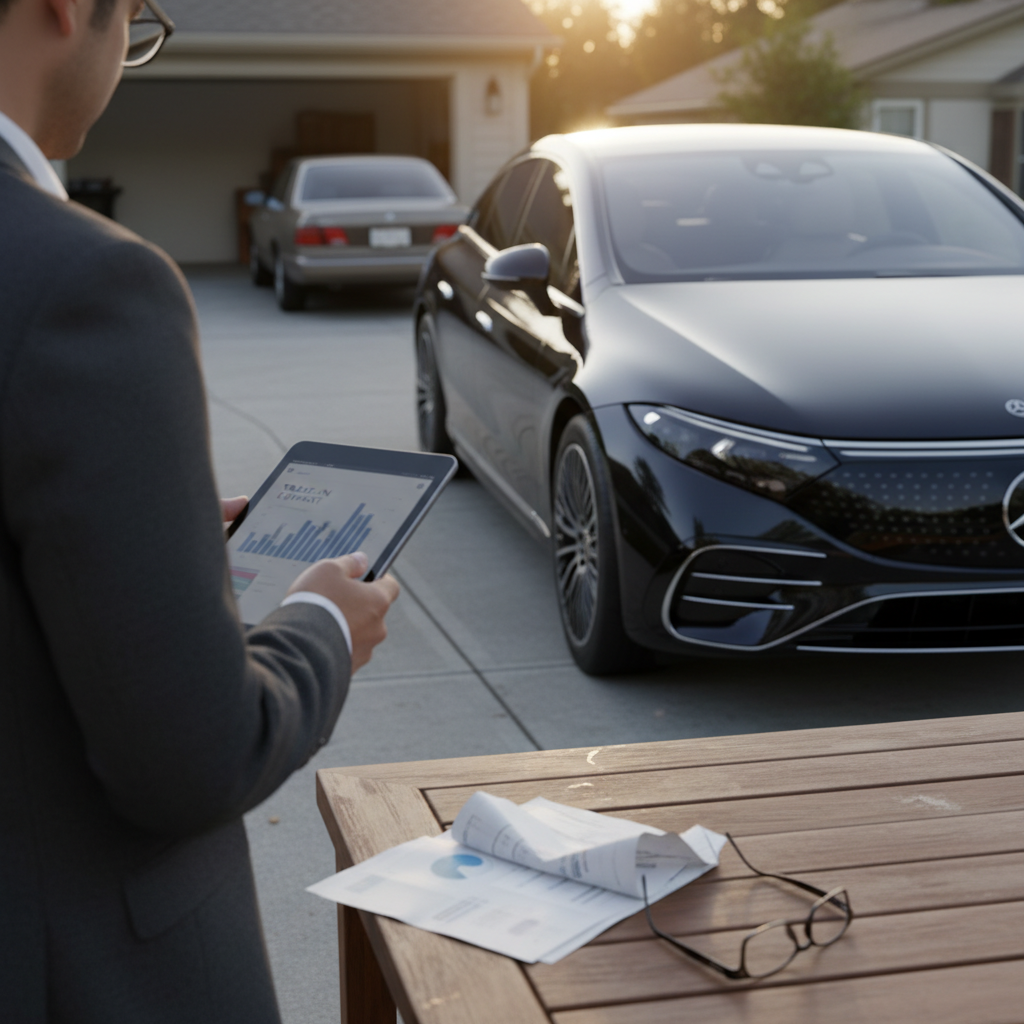
Whenever possible, get an independent <strong>battery health diagnostic</strong> rather than relying only on the dash gauge. Services like the Recharged Score analyze pack health and charging behavior so you can judge whether the price matches the remaining life.
Why a dedicated battery report matters
Cost of ownership and charging costs
Electric sedans like the 2023 IONIQ 6 can be dramatically cheaper to run than comparable gas cars, especially if you charge primarily at home. There’s no oil to change, no exhaust system, and far fewer moving parts overall. Your biggest running costs are electricity, tires and routine brake and fluid checks.
- On a typical U.S. residential electricity rate, many IONIQ 6 owners see an effective “fuel” cost equivalent to roughly 70–90 mpg in a gas car, depending on local rates and driving style.
- Public DC fast charging is more expensive per kWh than home charging, so long‑distance road‑trippers will spend more than commuters who plug in at night.
- Hyundai’s maintenance schedule for EVs is lighter than for gas models, primarily inspections, cabin filters and brake fluid changes, though heavier EVs can wear tires faster.
- Insurance for a new EV sedan can run higher than for an older gas car, but a 2023 used IONIQ 6 may benefit from lower valuations and strong safety scores.
Running the numbers on a used IONIQ 6
2023 Hyundai IONIQ 6 FAQ
Frequently asked questions about the 2023 IONIQ 6
Final verdict: who the 2023 IONIQ 6 is for
The 2023 Hyundai IONIQ 6 is what happens when an automaker leans into EV strengths instead of just swapping a gas engine for a battery. It’s sleek, efficient, quick‑charging and genuinely comfortable, with a safety record that should set any parent’s shoulders at ease. The main compromises are a small trunk and slightly tight rear headroom, both byproducts of that slippery silhouette.
If you want a roomy cargo hold, a hatchback or crossover will serve you better. But if you like the idea of a modern electric sedan that feels special every time you walk up to it, and you value fast‑charge capability, strong safety, and low running costs, the 2023 IONIQ 6 deserves a spot at the top of your list. And if you’re ready to explore used examples, Recharged can help you find an IONIQ 6 with verified battery health, fair pricing and expert EV support from the first click to delivery.