If you own or are eyeing a Genesis GV60, you’ve probably heard two things: it’s quick, and its range can take a hit in the cold. When people search for the exact Genesis GV60 winter range loss percentage, what they really want to know is whether the car will still fit their life in January, commutes, kids, ski trips, and all. Let’s unpack what’s normal, what’s not, and how to make winter range a non‑issue.
Quick answer: the headline numbers
Why Genesis GV60 winter range loss matters
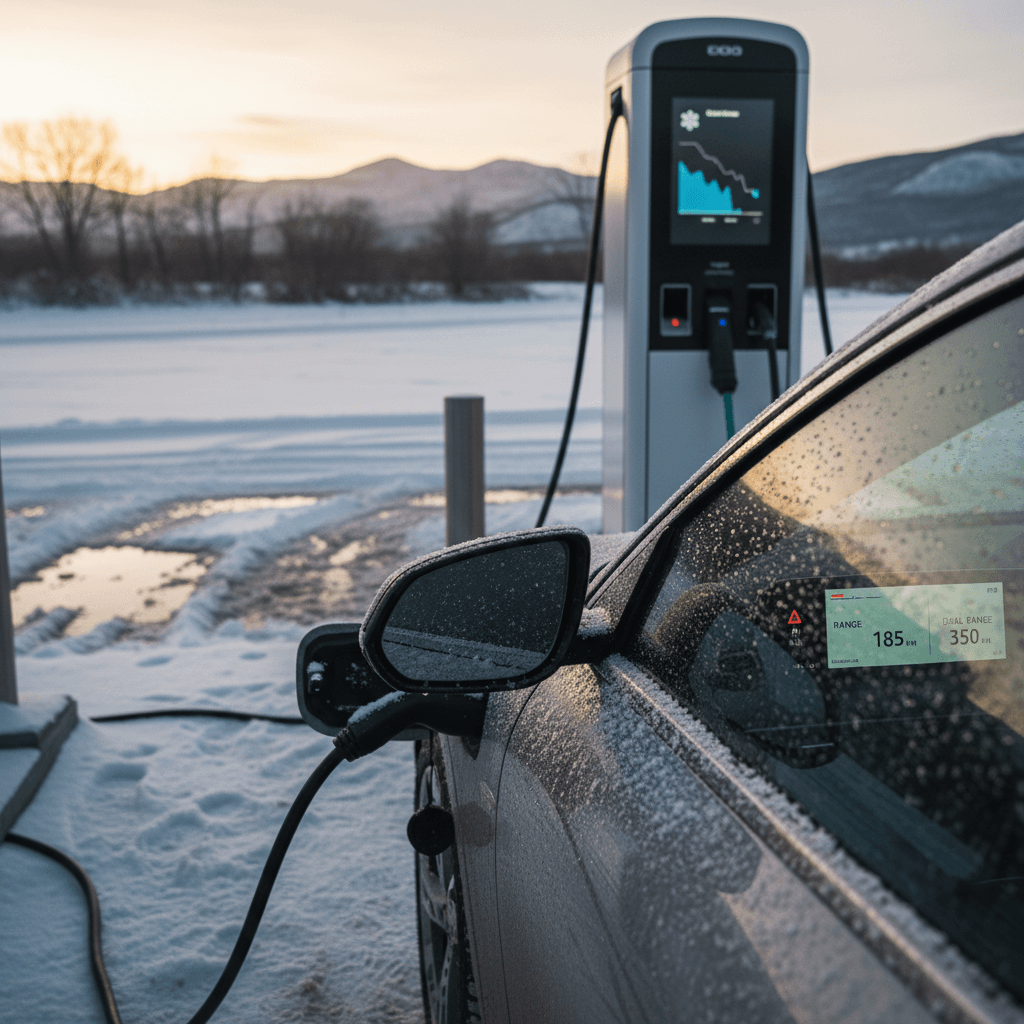
On paper, the Genesis GV60’s EPA‑rated range, roughly **235–306 miles**, depending on model year and trim, looks more than adequate for most drivers. But winter doesn’t care about window stickers. Batteries are chemical systems; when temperatures drop, you pay twice: once in reduced efficiency, and again in energy spent heating the cabin and battery. That’s why understanding winter range loss percentage on a GV60 is crucial, especially if you live in the northern U.S. or are shopping for a used GV60 as your only car.
The good news is that Genesis gave the GV60 a heat pump and an efficient 800‑volt E‑GMP platform, which helps it hold up relatively well in the cold compared with many first‑generation EVs. The bad news: physics still wins. You should expect your winter range to drop, but it’s predictable and manageable once you understand what’s going on.
GV60 range baseline: EPA vs real‑world
Genesis GV60 official range vs typical real‑world
To talk about winter loss percentage, you first need a summer or "ideal" baseline. Across early U.S. model years (2023–2025), the GV60 uses a ~77.4 kWh battery pack. Depending on whether you choose rear‑wheel drive or all‑wheel drive, and standard or Performance trims, you’re looking at EPA combined ranges in the ballpark of 235–294 miles. The refreshed 2026 GV60 adds an 84 kWh pack and bumps the top EPA estimate to just over 300 miles on the most efficient trims.
In real‑world mixed driving (not a gentle EPA loop), most GV60 drivers see something closer to **180–230 miles per charge** in mild weather, with the dual‑motor Performance models at the lower end of that spread. That real‑world number, not the brochure, is the better starting point for calculating winter losses.
How much winter range loss in a Genesis GV60?
Let’s put numbers to the question everyone asks: "What winter range loss percentage should I expect on a GV60?" While every commute, climate, and driver is different, owner data and cold‑weather testing on the E‑GMP platform cluster pretty tightly around a few patterns.
Typical Genesis GV60 winter range loss by condition
Approximate real‑world winter range vs a mild‑weather baseline, assuming a healthy battery and normal driving.
| Scenario | Example conditions | Approx. winter loss % | What that means in miles* |
|---|---|---|---|
| City & suburban, light heat | 25–40°F, mostly 25–45 mph, Eco or Normal mode, heated seats & wheel, light cabin heat | 15–25% | From ~210 mi mild to ~160–180 mi winter |
| Mixed driving, normal heat | 20–35°F, some highway, cabin at 68–70°F, auto climate | 20–35% | From ~210 mi to ~135–170 mi |
| Highway commute, strong heat | 10–25°F, 65–75 mph, cabin 70–72°F, defrost used often | 30–40% | From ~210 mi to ~125–150 mi |
| Bitter cold road trip | 0–10°F or below, 70–75 mph, multiple cold starts, full cabin heat and defrost | 35–45% | From ~210 mi to ~115–135 mi |
Percentages are approximate; think of them as planning tools, not promises.
So if your 2024 GV60 Advanced AWD typically returns about **210 miles per charge in mild weather**, seeing **140–170 miles on a cold January day** is completely normal. That’s a **20–35% loss**, right where most modern EVs land when temperatures and heater use both stack up.
Don’t confuse guess‑o‑meter swings with real loss
What really drives winter range loss on the GV60
Four main culprits behind GV60 winter range loss
Understanding them helps you claw range back.
1. Cold battery chemistry
2. Cabin & battery heating
3. Aerodynamic drag at speed
4. Short, stop‑and‑go trips
Why the E‑GMP platform still does reasonably well
Trims, batteries and which GV60 loses the most range
Not every GV60 behaves exactly the same in winter. Battery size, motor count, tire choice, and software all matter. Here’s how the main trims stack up in the real world if you start from a healthy battery and similar driving patterns.
- Early 77.4 kWh AWD/Performance (2023–2025): EPA ratings in the mid‑200‑mile band. In winter, many owners report full‑charge estimates dropping into the 160–190 mile range on cold days with normal heat, roughly 25–35% below a realistic mild‑weather baseline.
- RWD or efficiency‑oriented trims: Where available, rear‑wheel‑drive or non‑Performance trims start with more EPA range, so even after a 25–30% winter hit they often feel less range‑constrained day‑to‑day.
- 2026 refresh with 84 kWh pack: The newer, larger pack bumps EPA range up to just over 300 miles on the most efficient trims. Apply the same 20–35% winter penalty and you’re still working with a very usable 190–240 winter miles for most daily needs.
- Performance models on winter tires: The sportiest trims wear wider rubber; add dedicated winter tires and you’ll usually see the largest percentage loss on the highway thanks to rolling resistance and aero. Around town, the gap narrows.
Think in percentages, not just miles
Daily driving vs road trips in winter
Daily driving in winter
For most GV60 owners with commutes under 50–60 miles round trip, winter range loss is more about comfort and convenience than capability. You can precondition from home, leave with a warm cabin and battery, and still finish the day with plenty of charge, especially if you can plug in each night.
Expect your state of charge to drop faster on the first 10–15 miles of each drive as the car warms everything up. After that, consumption usually improves.
Road‑tripping in winter
On long winter drives, the GV60 behaves like most modern EVs: more stops, shorter legs, but still absolutely workable. Plan for **shorter distances between fast chargers**, often 100–140 miles instead of stretching 170–190 in mild weather, and expect charge sessions to be a bit longer when the pack is cold.
If you use the built‑in navigation to route to a DC fast charger, the GV60 can precondition the battery to help maintain strong charging speeds, an important trick in sub‑freezing weather.
How to cut Genesis GV60 winter range loss
Practical ways to reduce winter range loss in your GV60
1. Precondition while plugged in
Use the Genesis app or in‑car settings to warm the cabin (and, when navigating to a DC fast charger, the battery) while you’re still plugged in at home. That moves most of the energy cost off the high‑voltage battery and onto grid power.
2. Rely on seat and wheel heaters
Heated seats and steering wheel sip power compared with blasting cabin heat. Keep the cabin set a couple of degrees lower and lean on the contact heaters; you’ll be more comfortable with less energy use.
3. Watch your speed on cold highways
In 20°F air, jumping from 65 mph to 75 mph can shave another chunk off range. If your schedule allows, driving 60–65 mph on a frigid day can net a surprisingly big efficiency gain.
4. Bundle short trips together
If you can string several errands into one longer drive instead of three cold starts, you’ll spread the warm‑up penalty over more miles and see noticeably better winter efficiency.
5. Use Eco mode when it’s truly cold
Eco mode softens throttle, tamps down climate output, and can help curb wasteful bursts of power when grip is low. You don’t have to live in Eco, but using it in the worst winter weather can save you meaningful range.
6. Keep tires properly inflated
Tire pressure drops in cold weather. Under‑inflated tires increase rolling resistance and hurt range. Check pressures at least monthly in winter and set them to the recommended values when tires are cold.
What "good" winter efficiency looks like
Is your winter loss normal or a problem?
Because EVs are still new to many drivers, normal winter behavior can feel like a defect. Here’s a simple way to sanity‑check your Genesis GV60.
Normal vs concerning winter range loss
Use this as a gut check, not a diagnostic tool.
Likely normal
- Loss is **20–35%** compared with your mild‑weather range.
- Most of your trips are short (under 10 miles) in sub‑freezing temps.
- You use strong cabin heat and defrost, especially at start‑up.
- Efficiency improves noticeably on longer drives once everything is warm.
Worth investigating
- You’re consistently seeing **40–50%+ loss** even on longer drives at moderate speeds.
- Range remains very poor on mild winter days (40–50°F) with gentle driving.
- The car refuses to fast‑charge anywhere near its rated speeds once the pack is warm.
- There are warnings, reduced‑power messages, or noticeable performance changes.
When to get the GV60 checked
Used Genesis GV60 & winter range: what to look for
If you’re shopping for a **used Genesis GV60**, winter range should be part of the conversation from day one, especially if you live in a cold‑weather state and this will be your primary car. Battery health, software version, and how the previous owner used and charged the car all influence how it behaves when temperatures fall.
Winter‑focused checklist when buying a used GV60
1. Ask for verified battery health data
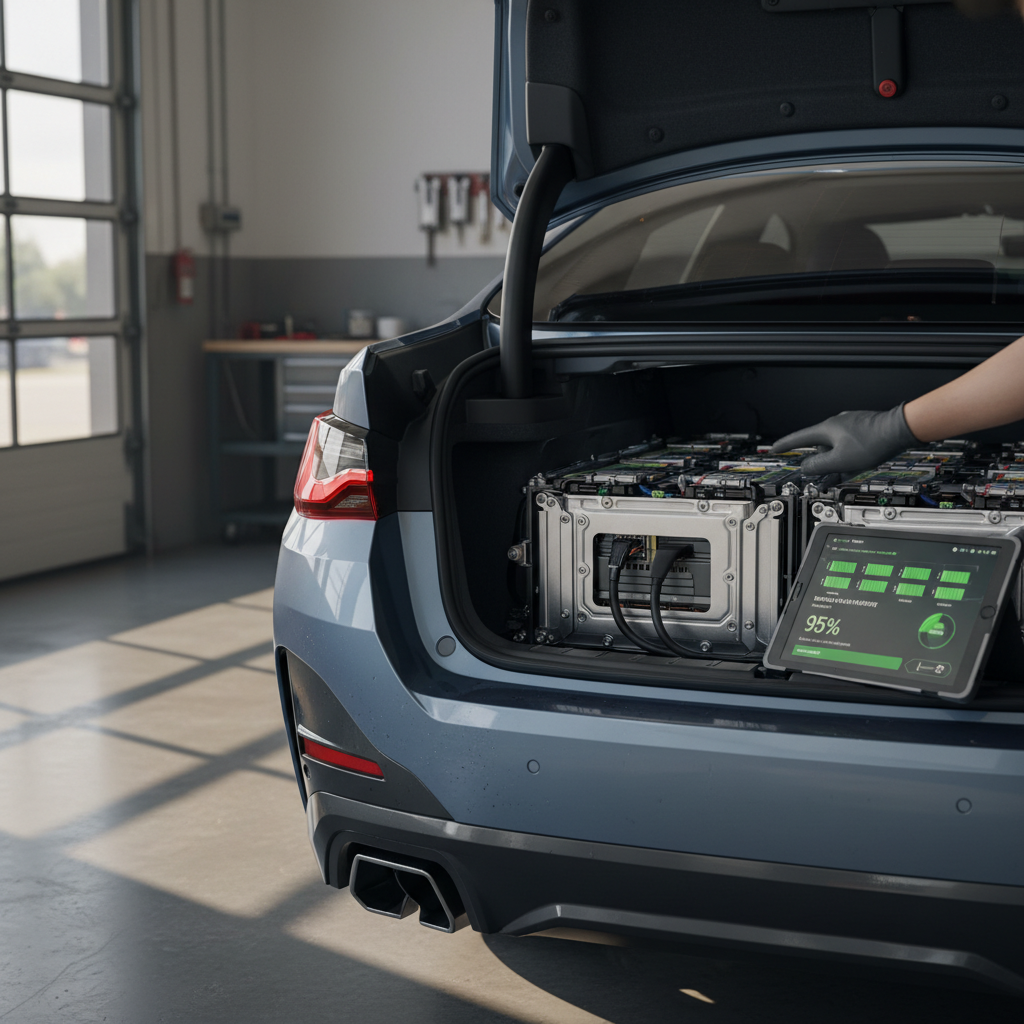
An independent battery health report, like the <strong>Recharged Score</strong> included with every EV sold on Recharged, tells you how much usable capacity remains versus new. A healthy pack means winter losses are about temperature and usage, not hidden degradation.
2. Test drive in realistic conditions
If possible, schedule a drive on a genuinely cold day. Start with the car parked outside, note the state of charge, precondition, then see how quickly % drops over 15–20 miles of mixed driving.
3. Check for software and recall history
The GV60, like many modern EVs, has had software updates that improve charging logic and thermal management. Confirm that updates and any applicable recalls have been completed; on a Recharged vehicle, this is documented as part of our intake process.
4. Verify home charging setup
Cold‑weather ownership is much easier if you can plug in overnight. Confirm whether you’ll be using Level 1 (120V) or Level 2 (240V) at home and factor that into your daily winter range planning.
5. Inspect tires & wheels
Oversized wheels, aggressive tires, and under‑inflation all hurt winter range. A GV60 on 21‑inch wheels with soft winters will use more energy than one on smaller, efficiency‑oriented tires.
How Recharged helps de‑risk winter range
FAQ: Genesis GV60 winter range loss percentage
Frequently asked questions about GV60 winter range
Bottom line: living with GV60 winter range
If you remember nothing else, remember this: a 20–35% winter range loss in a Genesis GV60 is normal, predictable, and manageable, especially if you can charge at home. In the real world, that means planning for shorter legs on frigid road trips and being smart about preconditioning, speed, and heat use on your daily drives.
When you zoom out, the GV60’s winter behavior sits comfortably within the modern EV pack. It’s not magically immune to cold, but it’s also not the outlier horror stories you may see on forums. If you’re shopping for a used GV60, pairing this knowledge with a verified battery health report, like the Recharged Score included with every EV on Recharged, turns winter range from a scary unknown into a line item you can plan around. And once you’ve done that, you’re free to enjoy what the GV60 does best: quiet, quick, all‑weather driving with zero tailpipe emissions.