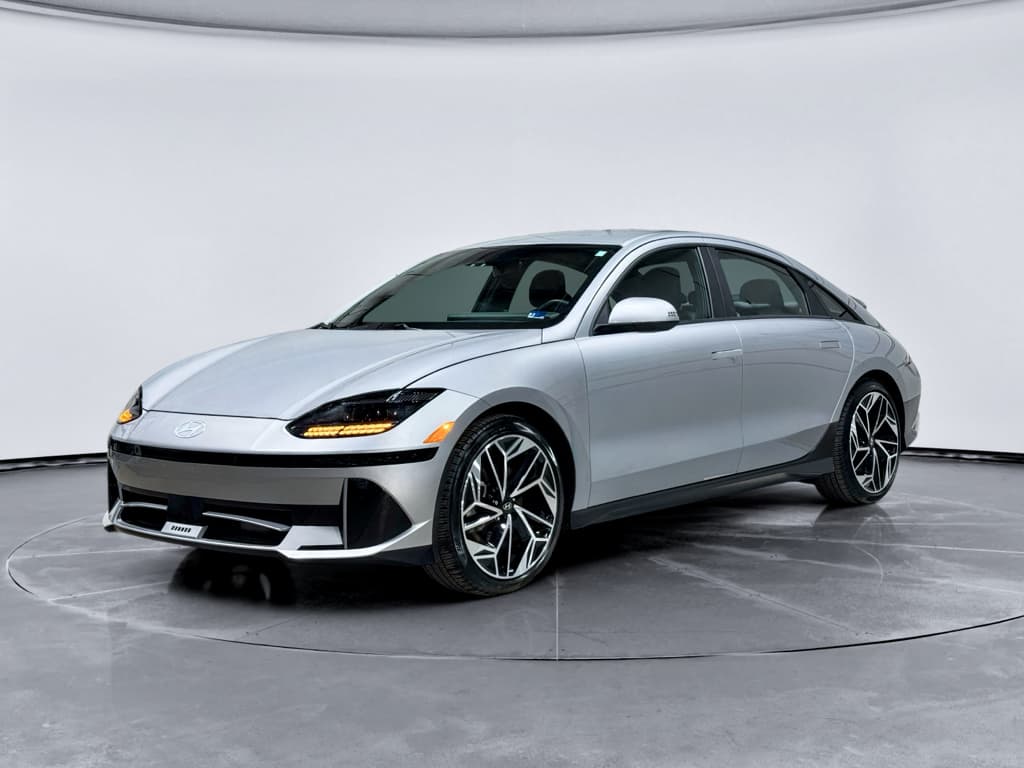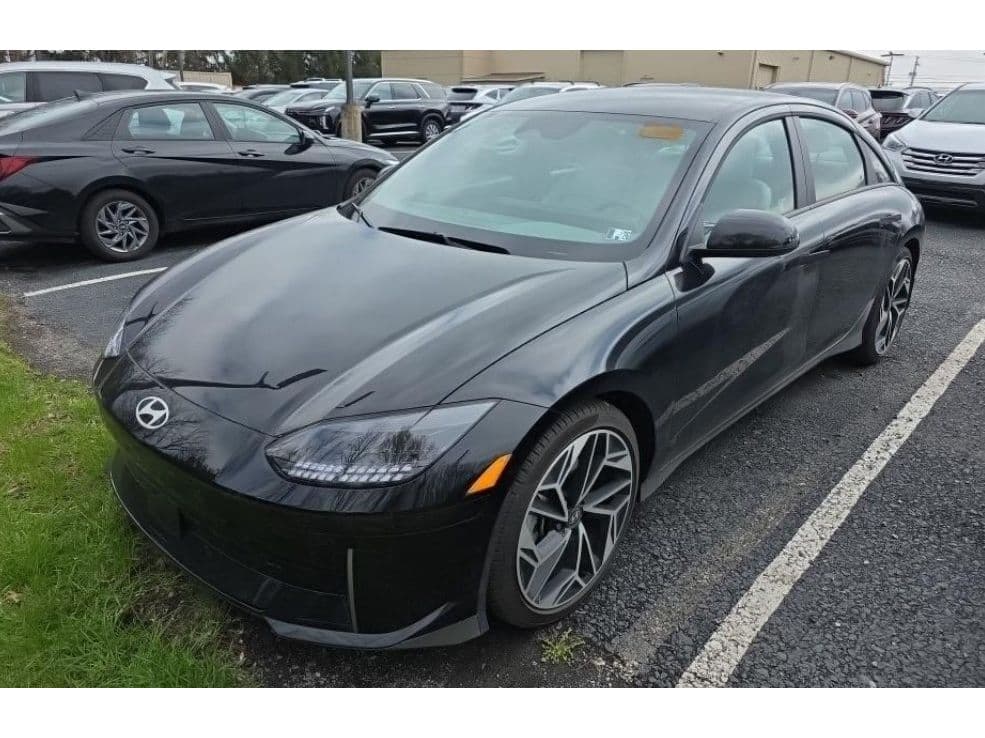
If you’re eyeing a 2023 Hyundai Ioniq 6 on the used market, you probably care less about concept-car looks and more about whether it’s going to strand you. The good news: the **2023 Hyundai Ioniq 6 reliability rating** is generally above average for an early-model EV, but there are a few recalls and pattern issues you should understand before you buy.
Fast take
2023 Ioniq 6 reliability at a glance
2023 Hyundai Ioniq 6: key reliability signals
On balance, the 2023 Ioniq 6 lands in the **“better than average but watch the recalls”** bucket. That’s a respectable place for a first full model year on a new EV platform, but it’s not the bulletproof appliance some shoppers imagine when they hear “Hyundai.”
Model-year reality check
Official reliability ratings for the 2023 Ioniq 6
How major sources rate 2023 Ioniq 6 reliability
Remember that each service uses its own scoring scale and methodology.
Consumer-focused reliability scores
Consumer-facing outlets reporting on survey data currently place the 2023 Ioniq 6 around the mid‑pack for predicted reliability, roughly a 3 out of 5. That’s neither a disaster nor a standout, but it’s encouraging for a first‑year EV.
J.D. Power dependability-style scoring
In recent J.D. Power evaluations of battery‑electric vehicles, the Ioniq 6 has scored competitively on quality & reliability, with a solid score in the 70s out of 100 for that sub‑index and strong marks for driving experience and resale expectations.
Why scores vary
Reliability ratings depend on owner survey size, time in market, and defect definitions. A still‑new EV like the 2023 Ioniq 6 simply hasn’t had as much time to rack up high‑mileage data as models like the Tesla Model 3.
If you zoom out, the picture looks like this: the Ioniq 6 is **doing better than many early EV efforts**, especially on chronic drivetrain or battery failures, but it hasn’t reached the long-term, Camry‑like peace of mind that some buyers still (unfairly) expect EVs to deliver on day one.
Safety vs. reliability: how the 2023 Ioniq 6 scores
Crash safety is a strong point
The 2023 Hyundai Ioniq 6 earned the Insurance Institute for Highway Safety’s Top Safety Pick+ designation, thanks to top marks in crashworthiness, headlights, and active safety tech performance. For a family car, that’s about as reassuring as it gets on the safety side.
In plain English: if you’re worried about how the car behaves in a crash or how well its driver-assistance tech avoids one, the Ioniq 6 is a standout.
Reliability is a different question
Safety ratings measure how the car protects you when something goes wrong; reliability ratings measure how often things go wrong. The Ioniq 6 can be both very safe and only average in reliability, and that’s essentially the story we see emerging so far.
So don’t confuse an excellent crash rating with a guarantee of drama‑free ownership.
Known recalls for the 2023 Hyundai Ioniq 6
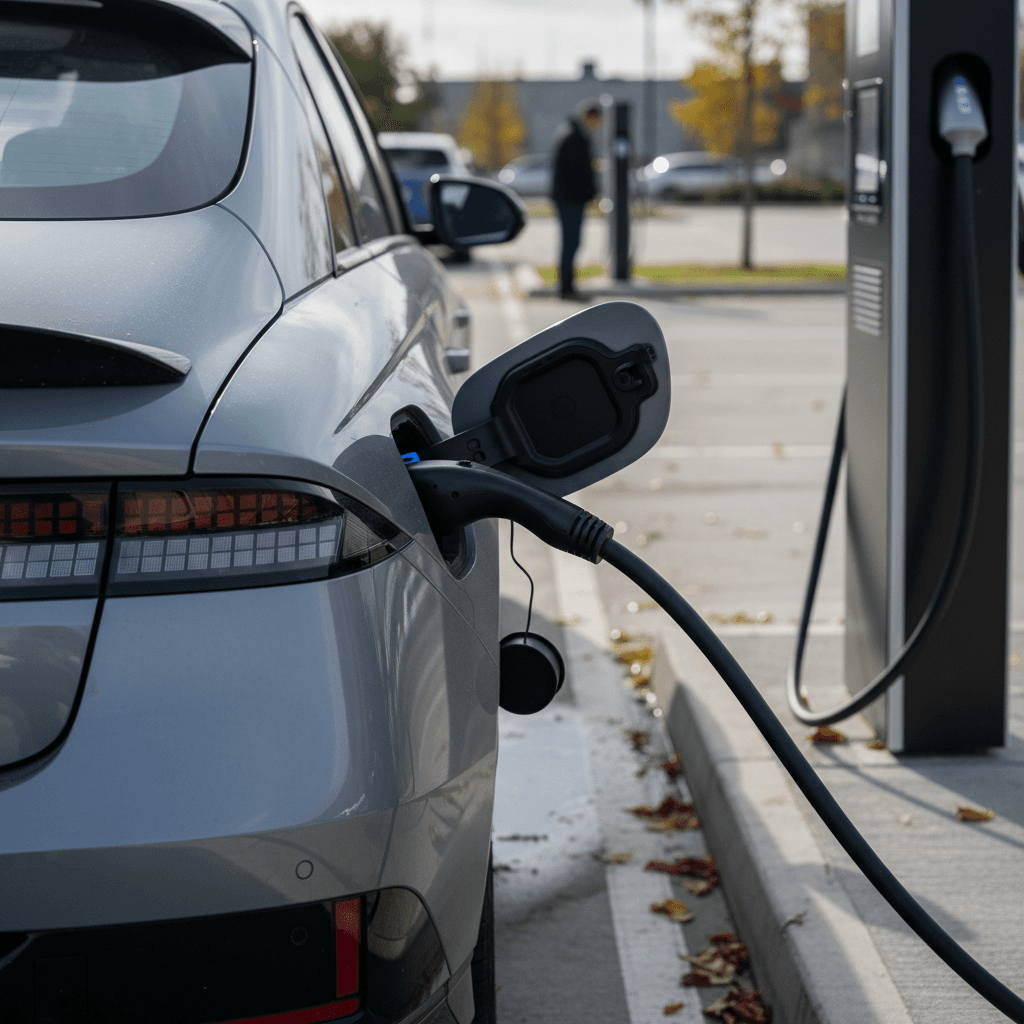
For any modern EV, recalls are part of the lifecycle. What matters is **what’s being fixed**, how serious it is, and whether the remedy is available. The 2023 Ioniq 6 has several notable recalls on record in the U.S. as of early 2026.
Major 2023 Ioniq 6 recalls buyers should know about
Check NHTSA or Hyundai’s VIN lookup to confirm whether a specific car has had these repairs completed.
| Area affected | Model years | Issue summary | Risk if ignored | Typical remedy |
|---|---|---|---|---|
| Charging port door | 2023–2025 | Charge-port door can fail or detach over time. | Inconvenience, exposed port, potential water/debris intrusion. | Dealer inspects and replaces defective door components. |
| Electrical system / ICCU | 2023–2025 (some builds) | Integrated Charging Control Unit (ICCU) can fail or shut down unexpectedly. | Loss of power or no‑start, potential safety concern if it happens on the move. | Reprogramming and/or replacing ICCU hardware and related components. |
| Drivetrain-related campaign | 2023 (limited VIN range) | Certain drivetrain components may fail prematurely under specific conditions. | Unusual noises, vibration, or in rare cases loss of drive. | Inspection and replacement of affected components where needed. |
Recall names and descriptions are simplified here; always read the full NHTSA bulletin for details.
Don’t ignore open recalls
Common 2023 Ioniq 6 problems and owner complaints
Owner forums, NHTSA complaints, and early‑ownership surveys all tell a similar story: most 2023 Ioniq 6s are trouble‑free, but a minority of drivers have encountered **electrical and charging‑system gremlins** rather than traditional mechanical failures.
- Integrated Charging Control Unit (ICCU) failures leading to sudden loss of propulsion or a no‑start condition after parking.
- 12‑volt battery draining or failing earlier than expected, sometimes tied to ICCU issues.
- Occasional software bugs in infotainment or driver-assistance systems that require updates or hard resets.
- Minor build‑quality complaints, squeaks, rattles, weatherstrip or trunk‑seal fixes, more nuisance than structural flaws.
How to read scattered complaints
Battery and charging-system reliability
Hyundai’s E‑GMP platform, shared by the Ioniq 6, Ioniq 5, Kia EV6 and others, is built around an 800‑volt electrical architecture. That delivers genuinely impressive fast‑charging performance, but it also means more complexity in the **ICCU, DC‑DC converter, and related components** than you’d find in a simple hybrid.
What we’re seeing so far on the 2023 Ioniq 6
Battery packs look robust; supporting hardware is where the noise is.
High-voltage battery health
So far there are very few reports of true battery-pack failures in 2023 Ioniq 6s. Degradation seems in line with other modern EVs, often in the single‑digit percentage range after the first few years when properly cared for.
ICCU & charging issues
The bulk of serious complaints revolve around the charging control hardware (ICCU) rather than the main battery. Failures can manifest as sudden loss of power or inability to charge, which is disruptive but typically repairable under warranty.
Home vs. DC fast charging
Frequent DC fast charging doesn’t appear to be uniquely problematic on the Ioniq 6, but as with any EV, a diet of mostly Level 2 home charging is better for long‑term battery health.
Battery warranty coverage
2023 vs. 2024–2025 Ioniq 6 reliability trends
By 2025, updated Ioniq 6 models were still scoring well in safety tests and had started to benefit from incremental hardware tweaks and software updates. That doesn’t mean the 2023 is a bad choice, but it does mean you should **factor model-year into price expectations**.
Why 2023 looks slightly riskier
- More recalls touch 2023 builds simply because they were on the road first.
- Some early cars may not yet have received the latest software and hardware updates.
- A few owners report lingering concerns around ICCU fixes that were software‑only at first.
Upside of choosing a 2023
- Often meaningfully cheaper than equivalent‑spec 2024–2025 cars on the used market.
- Any surviving 2023 with decent miles and no major issues has already passed an informal real‑world durability test.
- Plenty of warranty runway left for most U.S. buyers.
Smart shopper mindset
What to check when buying a used 2023 Ioniq 6
Pre‑purchase checklist for a 2023 Hyundai Ioniq 6
1. Run the VIN for recalls and campaigns
Use NHTSA or Hyundai’s own VIN tool to confirm all outstanding recalls, especially charging‑system and drivetrain campaigns, have documented repairs. Ask the seller for service records showing completion.
2. Get a battery health report, not just a range guess
Dash‑displayed range can be misleading. A proper battery diagnostic, like the <strong>Recharged Score</strong>, measures pack health and usable capacity based on real data rather than guesses.
3. Ask specifically about charging behavior
Probe for any history of the car refusing to DC fast charge, showing charge‑port errors, or dying after sitting parked. These can be red flags for ICCU or 12‑volt issues that deserve closer inspection.
4. Test DC fast charging before you sign
If possible, take the car to a public DC fast charger and verify that it connects, ramps up power properly, and doesn’t throw errors. Make sure the station itself is known‑good to avoid a false alarm.
5. Inspect for build-quality and water leaks
Check door and trunk seals, listen for rattles on rough pavement, and look for any signs of water ingress in the trunk or under-floor storage, minor but real issues some owners have noted.
6. Confirm ADAS and software are up to date
Verify that driver-assistance features (lane-keeping, adaptive cruise, etc.) behave consistently and that the infotainment system is on a current software version. Updates often quietly address bugs.
Avoid sight-unseen gambles
How Recharged evaluates a used Ioniq 6
At Recharged, every used Ioniq 6 we list goes through a standardized EV‑centric evaluation rather than a generic gas‑car checklist. The goal is simple: take the guesswork out of buying a sophisticated EV from its launch year.
What’s in a Recharged Score for a 2023 Ioniq 6
We’re less interested in floor mats and more interested in electrons.
Verified battery health
We run dedicated diagnostics on the Ioniq 6’s high‑voltage battery to estimate usable capacity and detect abnormal degradation, far more nuanced than a basic OBD scan or eyeballing the range gauge.
Charging-system stress test
Our technicians test Level 2 and, when possible, DC fast charging to look for intermittent ICCU or DC‑DC converter issues, charge‑port faults, or error messages that might hint at looming problems.
Transparent pricing & warranty context
Because we focus on used EVs, our pricing already bakes in known recall history and model‑year risk. We also help you understand remaining Hyundai warranty coverage and optional protection plans.
Ready to find your next EV?
Browse VehiclesIf you’d rather not decode recall bulletins and forum horror stories on your own, starting your search with vehicles that already have a Recharged Score report can save a lot of time, and potentially a lot of frustration.
FAQ: 2023 Hyundai Ioniq 6 reliability
Frequently asked questions about 2023 Ioniq 6 reliability
Is the 2023 Ioniq 6 a good used EV bet?
Look past the swoopy bodywork and the 2023 Hyundai Ioniq 6 is, fundamentally, a well‑engineered EV on a modern platform that’s still maturing. Its **reliability rating lands in the “respectable but recall‑sensitive” range**: not a lemon factory, not a Toyota hybrid either. If you’re willing to do your homework, verifying recall completion, testing the charging system, and getting a real battery‑health readout, a 2023 Ioniq 6 can deliver outstanding efficiency, safety and comfort for a very compelling used‑EV price. And if you’d rather have those checks done for you, shopping Ioniq 6 listings that include a Recharged Score report is a straightforward way to tilt the odds of a trouble‑free ownership experience in your favor.