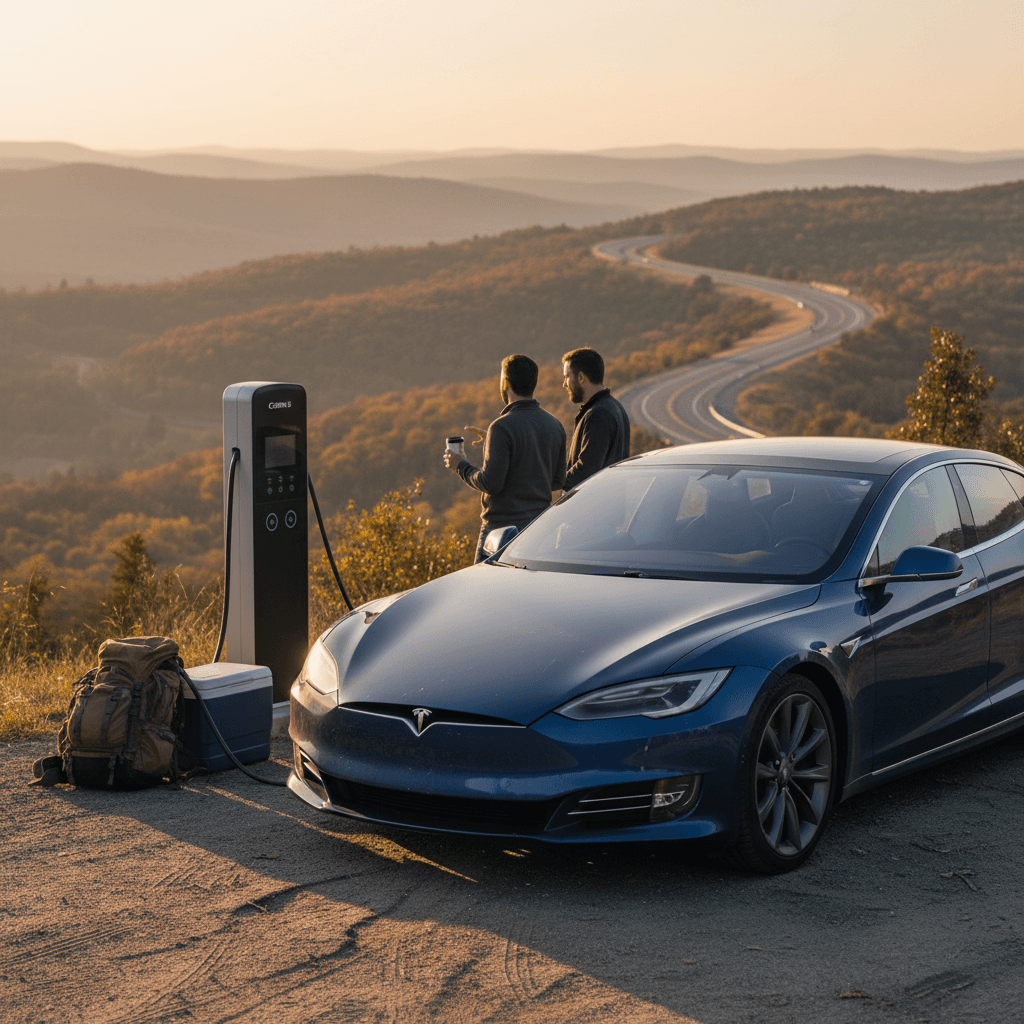
If you love long drives, the **best used electric car for road trippers** isn’t just the one with the biggest battery. It’s the car that lets you glide across states with minimal fuss: efficient at 75 mph, fast to DC fast‑charge, comfortable for hours, with a charging network that doesn’t strand you 40 miles from the last clean restroom.
Road‑trip reality check
Why road‑tripping in a used EV is different
Around town, almost any EV feels like a revelation. On a 700‑mile day, the cracks appear: cars that sip electrons in the city can drink like sailors at 80 mph, charging networks thin out between metro areas, and seats that felt fine on a test drive suddenly feel like wooden church pews in Kansas.
- Highway range is often 10–25% lower than EPA ratings, especially at 75–80 mph.
- Fast‑charging curves matter more than peak numbers, how long you sustain 150+ kW is what decides your stop length, not the marketing headline.
- Older batteries may charge more slowly or have less usable capacity, especially if they’ve seen a lot of DC fast‑charging.
- Access to a dense, reliable network (Tesla Supercharger and the growing NACS‑compatible landscape) matters more than one giant battery if you like interstates.
Don’t buy for your commute, buy for your worst day
What makes a used EV great for road trips?
Key road‑trip criteria for a used EV
Specs are only the start, think about how the car behaves hour 6, not minute 6.
Real highway range
For relaxed planning, aim for at least 220–250 real highway miles between 100% and about 10–15% state of charge. That usually means an EPA rating in the high‑200s or better, because high speed and weather chip away at the number.
Fast DC charging
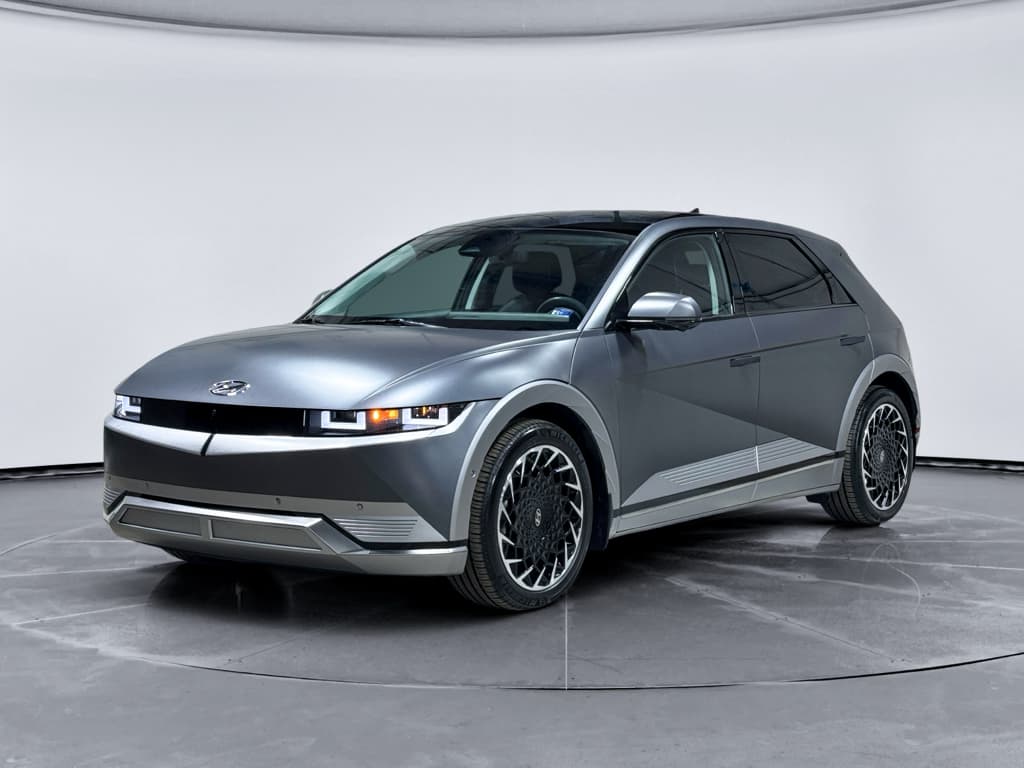
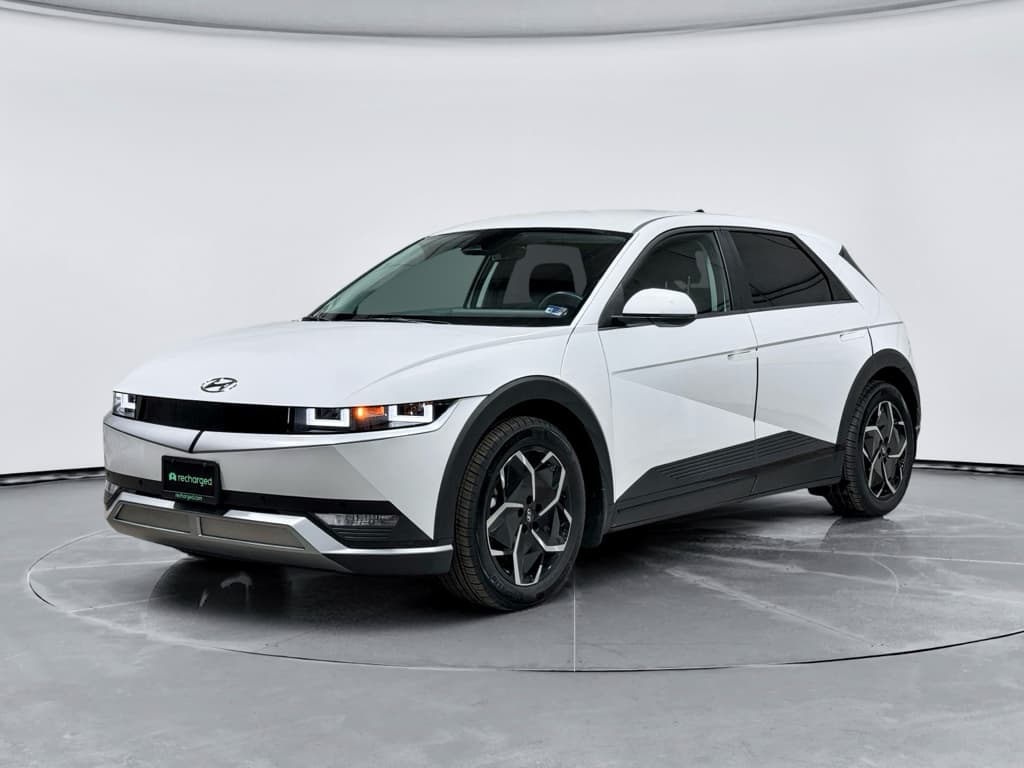
Look for cars that can hold 150 kW or more over a broad chunk of the battery, not just spike to a peak. The Hyundai‑Kia 800‑V cars (Ioniq 5/6, EV6) are standouts; many can add ~150–200 miles in under 20 minutes on a good charger.
Network access
For U.S. road trips, easy access to Tesla Superchargers and the stronger CCS networks along your routes is huge. Many non‑Tesla brands now have NACS access or adapters; used Teslas still enjoy the widest coverage today.
Comfort & noise
You’ll notice road and wind noise long before you notice 0–60 times. Supportive seats, a stable ride, and low cabin noise are non‑negotiable if you care about arriving fresh instead of wrecked.
Cargo & flexibility
Roof boxes, kids, dogs, camping gear, road trips expose tight packaging quickly. Crossovers and wagons often beat sleek sedans for real‑world usefulness, even if they lose a bit of range on paper.
Thermal management
Good battery and cabin thermal systems keep fast‑charging speeds up and range stable in heat or cold. Many modern EVs can precondition the pack before a planned DC fast‑charge stop, immensely helpful for winter road trippers.
Best used electric cars for road trippers: the shortlist
Core used‑EV road‑trip contenders (U.S. market)
Best used electric cars for road trippers (snapshot)
These are the models most U.S. shoppers should start with if road trips are a priority. Ranges are EPA for popular trims when new; expect modest reduction used.
| Model | Body style | Notable road‑trip strengths | Watch‑outs used |
|---|---|---|---|
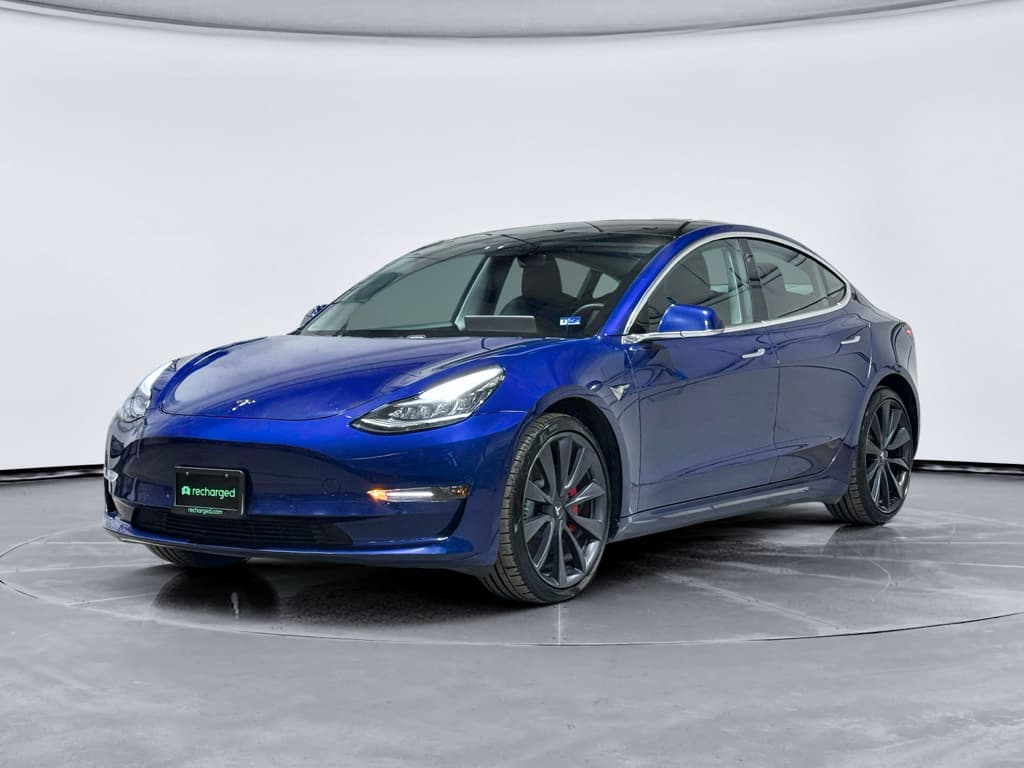
| Tesla Model 3 Long Range (AWD) | Compact sedan | Supercharger access, excellent efficiency, strong real‑world range, lots of charging data out there | Rear seat & trunk tighter than crossovers; ride can feel firm on broken pavement. |
| Tesla Model Y Long Range | Compact SUV | Supercharger access, family‑friendly cargo, strong efficiency, huge owner community and route tips | More aero and wind noise than Model 3; popular so some fleet cars may be high‑mileage. |
| Hyundai Ioniq 5 (77.4 kWh) | Compact SUV | Blistering 800‑V fast‑charging, lounge‑like interior, great visibility, rear legroom | EPA range is good but not extreme; taller, boxier shape can ding highway efficiency in crosswinds. |
| Kia EV6 (77.4 kWh) | Sporty crossover | Also 800‑V; slightly better aero than Ioniq 5, sharp driving dynamics, excellent charging curve | Rear headroom tighter; smaller cargo area than Ioniq 5/Model Y if you pack heavy. |
| Ford Mustang Mach‑E (Extended Range) | Sporty crossover | Comfortable ride, decent range, BlueCruise driver‑assist on some trims, big hatch | Charging speeds and network convenience lag the Hyundai‑Kia pair and Tesla; check battery warranty details. |
| Chevy Bolt EUV (2022–2023) | Small crossover | Excellent efficiency, low used prices, great as a budget road‑trip car for patient planners | Slow DC charging and smaller pack make it better for shorter legs and slower‑paced trips. |
Don’t treat this as a spec race, the right choice depends on how and where you road trip.
The short answer
A closer look at the top used road‑trip EVs
Tesla Model 3 Long Range: the efficiency king
The Model 3 Long Range is still one of the most efficient highway EVs you can buy used. Real‑world testing has shown it can approach or exceed its EPA rating on careful highway runs, especially in rear‑drive configurations. With access to the Supercharger network, routing is about as painless as EVs get right now.
- Best for: Couples or solo travelers who prioritize efficiency and driving feel over cargo volume.
- Why it works: Excellent aero, efficient powertrain, and a mature charging ecosystem.
- What to check used: Tire wear (these cars eat cheap all‑seasons), suspension noise on high‑milers, and DC fast‑charge history if you road‑trip constantly.
Tesla Model Y Long Range: the do‑everything default
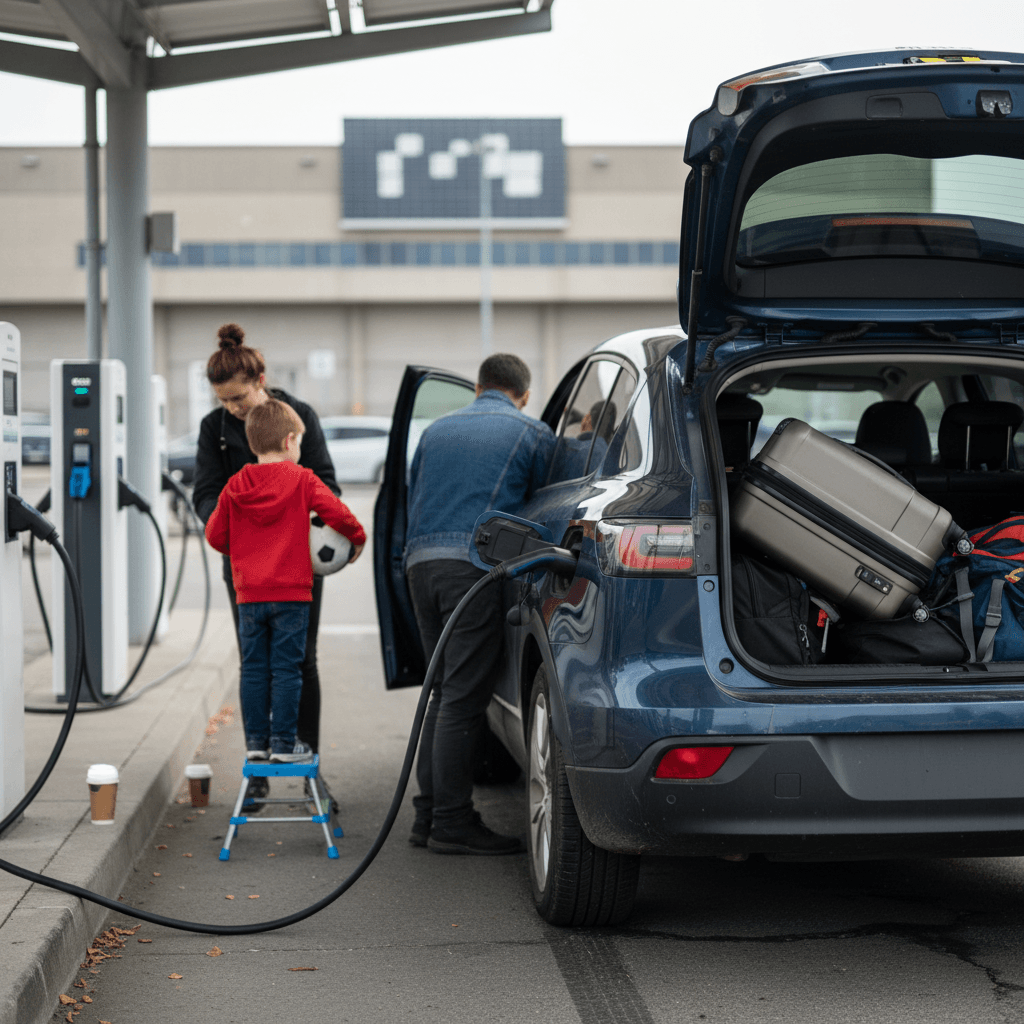
The Model Y Long Range trades a little efficiency for a lot more practicality. Taller seating, a huge hatch, and optional third‑row seats (tiny but occasionally handy) make it a road‑trip workhorse. Parents love that it swallows strollers, coolers, and camping gear without Jenga‑level packing.
- Best for: Families, dog owners, and anyone who wants one vehicle to handle Costco and cross‑country.
- Why it works: Same network and software advantages as the Model 3, with more space and similar range.
- What to check used: Panel‑gap and seal noise on early builds, cabin creaks on high‑mileage ex‑rideshare units, and rear hatch struts.
Hyundai Ioniq 5: the lounge on wheels
The Ioniq 5 has already earned a reputation among owners as a road‑trip sweetheart. Its 800‑V architecture lets it gulp power incredibly quickly at capable stations, owners routinely report 10–80% sessions in under 20 minutes when the battery is properly preconditioned. The airy interior, reclining rear seats, and flat floor make long stints genuinely pleasant.
- Best for: Families who want comfort and design flair, and road‑trippers who value time‑efficient charging.
- What to check used: Software updates, any recalls performed, and evidence of proper maintenance; verify DC fast‑charging behavior on a test route if possible.
Kia EV6: the driver’s choice
The EV6 shares the same basic hardware as Ioniq 5 but wraps it in a lower, sportier body. That sleeker shape tends to help highway efficiency a bit, and the car feels more tied‑down at speed. Charging performance is similarly excellent, making it an ideal choice if you like to knock out long legs and drive a little quicker.
- Best for: Road‑trippers who enjoy a more engaging drive and don’t need maximum rear headroom.
- What to check used: Tire condition (sportier alignment can wear shoulders), and wheel rash on big‑wheel trims.
If you’re shopping these used, remember that **Hyundai and Kia typically offer 10‑year/100,000‑mile battery warranties for first owners**, with coverage that can vary for subsequent owners. That makes it especially important to check the in‑service date and whether you’re buying from the original owner or not.
What about big luxury cruisers?
Range vs. charging speed: how to think about it
On the highway, you’re not chasing maximum range; you’re chasing **minimum door‑to‑door time** with enough comfort baked in. A car that can drive 300 miles and then charges painfully slowly may actually get you there later than a smaller‑battery car that charges like a hummingbird on espresso.
Big battery, slower charging
This is the traditional American instinct: big tank, few stops. An EV with a large pack but modest DC fast‑charging can run long legs, but when you do stop, you might be there 35–45 minutes to add the next chunk of range.
- Pros: Fewer stops, more flexibility if a station is down or busy.
- Cons: Each stop feels like an eternity, and if you mis‑time arrival (arriving with a warm but not hot battery), speeds can sag further.
Moderate battery, blazing charging
Cars like the Ioniq 5 and EV6 take the opposite approach: a good‑sized battery plus ferocious 10–80% times. You stop a little more often but for much shorter bursts, often barely enough time to grab a coffee and a restroom break.
- Pros: Short, natural‑feeling stops that can match human needs; less anxiety if you leave a charger at 65–70% instead of topping off.
- Cons: More planning needed where 350‑kW‑capable stations are sparse; efficiency matters more at high speeds.
A simple rule for road‑trip happiness
Comfort, cargo and tech: more important than specs
Range numbers are easy to compare; neck stiffness is not. The car that looks great on paper can be the one you swear never to sit in again after eight hours of crosswinds and bad pavement. Pay attention to the things that don’t show up on a spec sheet.
Road‑trip comfort features to prioritize
You’ll notice these long before you notice 0–60 mph times.
Seats & driving position
Look for multi‑way adjustment, lumbar support, and a natural armrest position. Long‑legged drivers often prefer Teslas and EV6; Ioniq 5 shines for rear‑seat comfort.
Noise & ride quality
Test at 70–80 mph on coarse pavement. Some EVs with big wheels and sporty suspensions drone and thump in ways that wear you out.
Climate & ventilation
Ventilated seats, effective rear vents, and a heat pump for efficient winter heating all pay off on long days, both in comfort and in preserved range.
Cargo layout
Hatchbacks and crossovers make life easier. Hidden under‑floor storage for charging cables keeps the main space usable.
Infotainment & nav
Native EV routing (like Tesla’s) that accounts for charging stops is a quiet game‑changer. Wireless CarPlay/Android Auto make podcast and nav juggling less painful.
Driver assists
Good lane‑centering and adaptive cruise reduce fatigue dramatically. Evaluate how natural they feel; some systems ping‑pong or nag more than they help.
Battery health and degradation on used road‑trip EVs
The quiet anxiety in any used‑EV shopper’s mind: **has the previous owner already eaten my road‑trip range?** The good news is that modern EV batteries are aging better than early skeptics predicted. Many owners report single‑digit percent loss after tens of thousands of miles, with degradation slowing after the early years. But variation is real, and how the car was charged and stored matters.
- A well‑treated pack (mostly AC charging, moderate climates, not sitting at 100% often) might lose only ~5–10% capacity over its first 5–7 years.
- Abusive patterns (constant DC fast‑charging from low state of charge, frequent 100% soaks in heat) can accelerate degradation and slow fast‑charging performance.
- Pack design matters: some cars have more robust thermal management and conservative buffers than others.
Why a generic “battery OK” isn’t enough
This is where **Recharged’s battery‑focused approach** is built for road‑trippers. Every vehicle on Recharged comes with a **Recharged Score Report** that includes verified battery health diagnostics, so you’re not buying blind. Instead of vague assurances, you see measured capacity, charging behavior, and how the car compares to similar models, critical context when you’re banking on that pack for 500‑mile days.
How much to budget for a used road‑trip EV
Used EV pricing moves quickly, but as of 2025–2026, most **serious road‑trip contenders** live in a fairly predictable band. Expect outliers, but this is a useful reality check when you’re scrolling listings at midnight.
Typical U.S. used‑price bands for road‑trip‑worthy EVs
Actual pricing varies by mileage, options, condition, incentives, and region, this is directional guidance, not a quote.
| Model & trim (approximate) | Model years | Typical used band (USD) | Notes |
|---|---|---|---|
| Tesla Model 3 Long Range | 2018–2022 | $23,000–$33,000 | Early cars cheaper but may have more miles; later ones have incremental refinement. |
| Tesla Model Y Long Range | 2020–2023 | $30,000–$40,000 | High demand keeps prices firmer; check for ex‑fleet units with heavy use. |
| Hyundai Ioniq 5 (77.4 kWh) | 2022–2024 | $28,000–$38,000 | Well‑equipped SEL/Limited trims at upper end; check warranty transfer details. |
| Kia EV6 (77.4 kWh) | 2022–2024 | $29,000–$40,000 | Sportier GT‑Line and GT variants command a premium. |
| Ford Mustang Mach‑E Extended Range | 2021–2023 | $27,000–$37,000 | Pricing can be aggressive where dealers over‑ordered; software updates matter. |
| Chevy Bolt EUV | 2022–2023 | $17,000–$24,000 | Excellent budget choice; pack recall means many have newer batteries, verify service history. |
These bands assume clean titles and reasonable mileage; low‑mile, late‑model cars can sit above them.
Factor in the rest of the road‑trip budget
Buying through Recharged, you can also line up **EV‑friendly financing, trade‑ins, or even consignment of your current car**, and arrange **nationwide delivery**. That’s especially helpful if the right spec for your road‑trip life is sitting three states away.
Used road‑trip EV buying checklist
Checklist: is this used EV truly road‑trip ready?
1. Verify usable highway range
Look up the original EPA rating, then mentally subtract 15–20% for high‑speed and weather, plus any measured degradation. Ask for a recent full‑charge range estimate and compare it with factory specs.
2. Review battery health data
Don’t settle for vibes. Use objective diagnostics, like the Recharged Score battery report, to understand current capacity, DC fast‑charging history, and whether the pack is behaving normally for its age.
3. Test DC fast‑charging behavior
If you can, do a real charging stop during the test drive. Start around 10–20%, go to ~60–70%, and watch how quickly power ramps and whether it holds steady. Spiky, inconsistent behavior can hint at issues.
4. Drive at real highway speeds
Insist on a test route that includes 70–80 mph. Listen for wind and road noise, feel how the car tracks in its lane, and pay attention to fatigue after 30–40 minutes, not just the first five.
5. Check driver‑assist features
Enable adaptive cruise and lane‑keeping. See how smoothly the car follows traffic and lanes, how often it nags, and whether it reduces your workload or adds to it.
6. Inspect tires and alignment
Uneven wear can point to alignment issues that hurt both efficiency and comfort. Budget for a new set if the current tires are mismatched or tired, EVs are picky about rubber.
7. Confirm software & nav capabilities
Make sure the car has up‑to‑date software, especially for charging logic and route planning. Native EV routing and charger integration can make or break your first big trip.
8. Map your actual routes
Before you sign, plug your regular routes into an EV‑routing app (or Tesla’s planner for Teslas). If the map looks like Swiss cheese, consider a different car or network strategy.
FAQs: best used electric car for road trippers
Frequently asked questions about used EVs for road trips
Bottom line: which used EV fits your kind of road trip?
If your road trips are mostly surgical strikes down well‑served interstates, a used **Tesla Model 3 or Model Y Long Range** is still the easiest answer, efficient, plentiful, and living on top of the Supercharger food chain. If you want something fresher in design and you’re willing to think a little more about which DC fast‑chargers you use, a **Hyundai Ioniq 5** or **Kia EV6** delivers road‑trip speed with living‑room comfort.
What matters most is not the brochure number, but how the car behaves on a gray Tuesday in February, 200 miles from home with tired passengers and a headwind. That’s where real‑world range, charging curves, noise levels, and battery health show their hand. Start with the shortlist here, map your actual routes, and insist on objective battery data.
If you’d like a second set of eyes, Recharged exists for exactly this moment: helping you pick a used EV that isn’t just good on paper, but genuinely great to live with from first plug‑in to your 20th road‑trip state line.