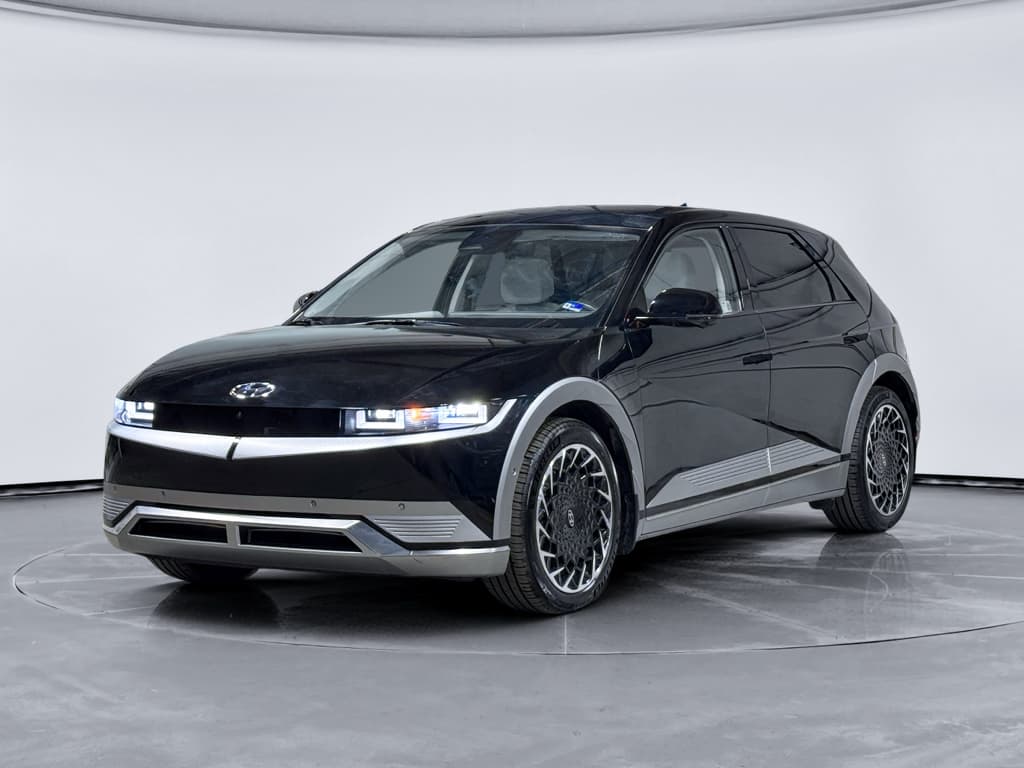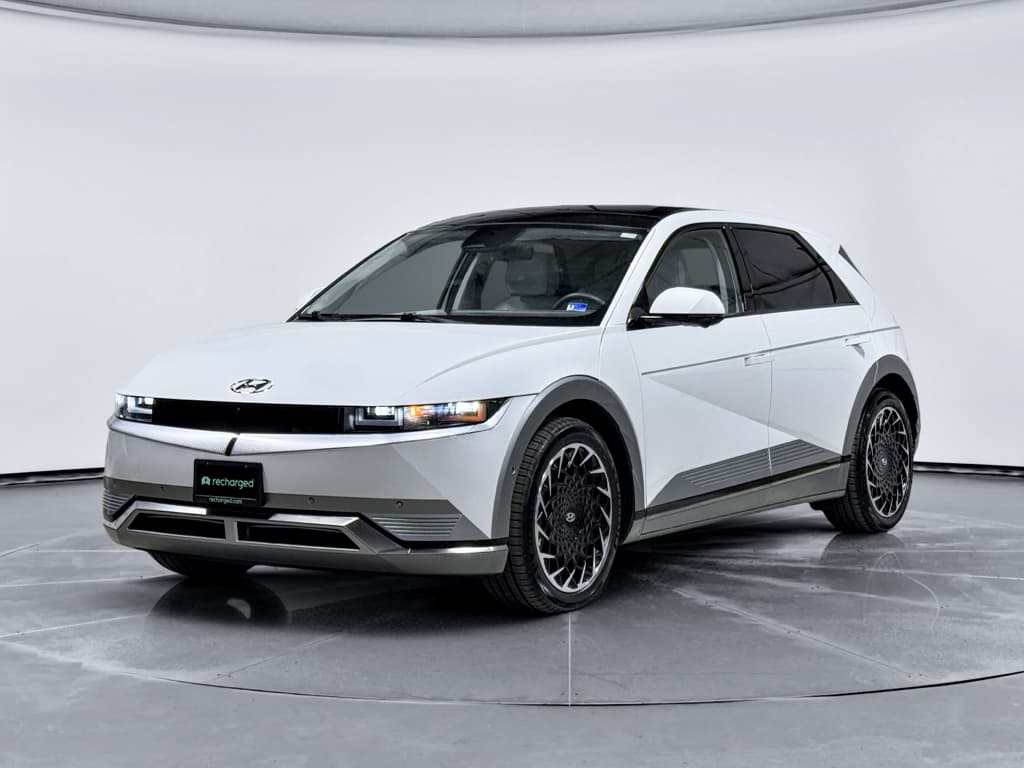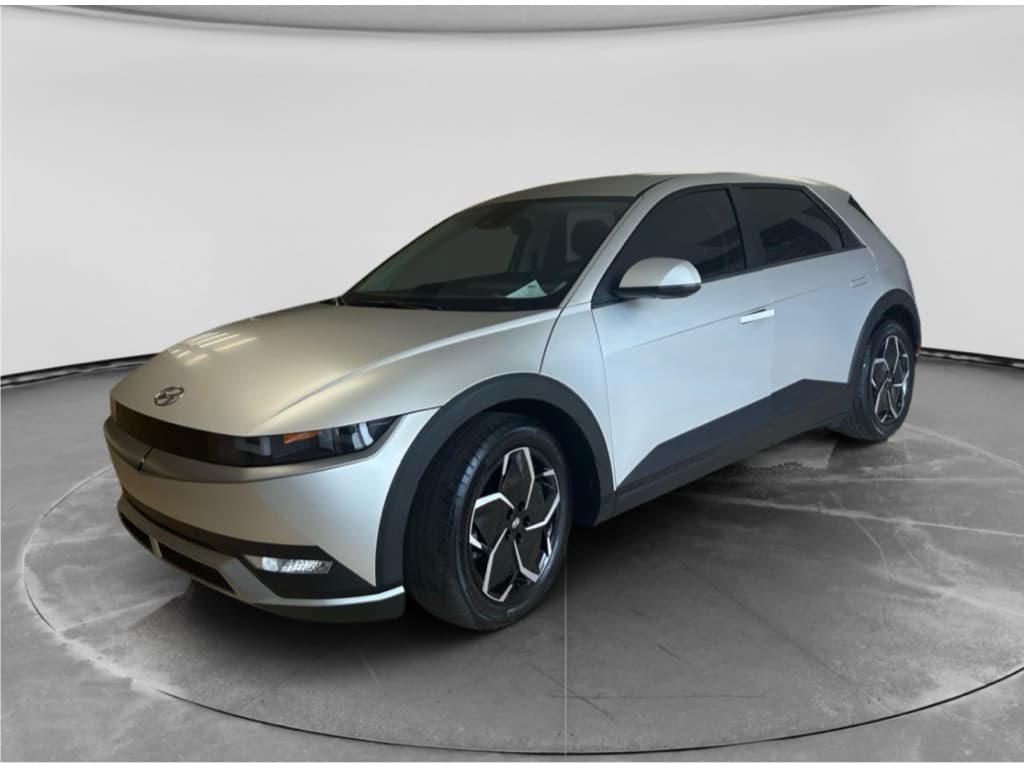
If you’re looking at a used electric crossover, the 2023 Hyundai Ioniq 5 reliability rating is probably high on your list. On paper, the Ioniq 5 is one of the most compelling EVs on the market: bold styling, ultra‑fast DC charging, and a comfortable, quiet ride. But like many newer EVs, its reliability story is more complicated than a simple thumbs‑up or thumbs‑down.
Quick verdict
Overview: How Reliable is the 2023 Hyundai Ioniq 5?
2023 Hyundai Ioniq 5 Reliability Snapshot
Compared with other 2023 model‑year vehicles, professional reliability surveys tend to rate the Ioniq 5 as below average to average. That’s largely because EV‑specific systems, especially the charging electronics, have generated more complaints than traditional mechanical parts. At the same time, owner satisfaction scores are high: many drivers would absolutely buy one again.
Key nuance for shoppers
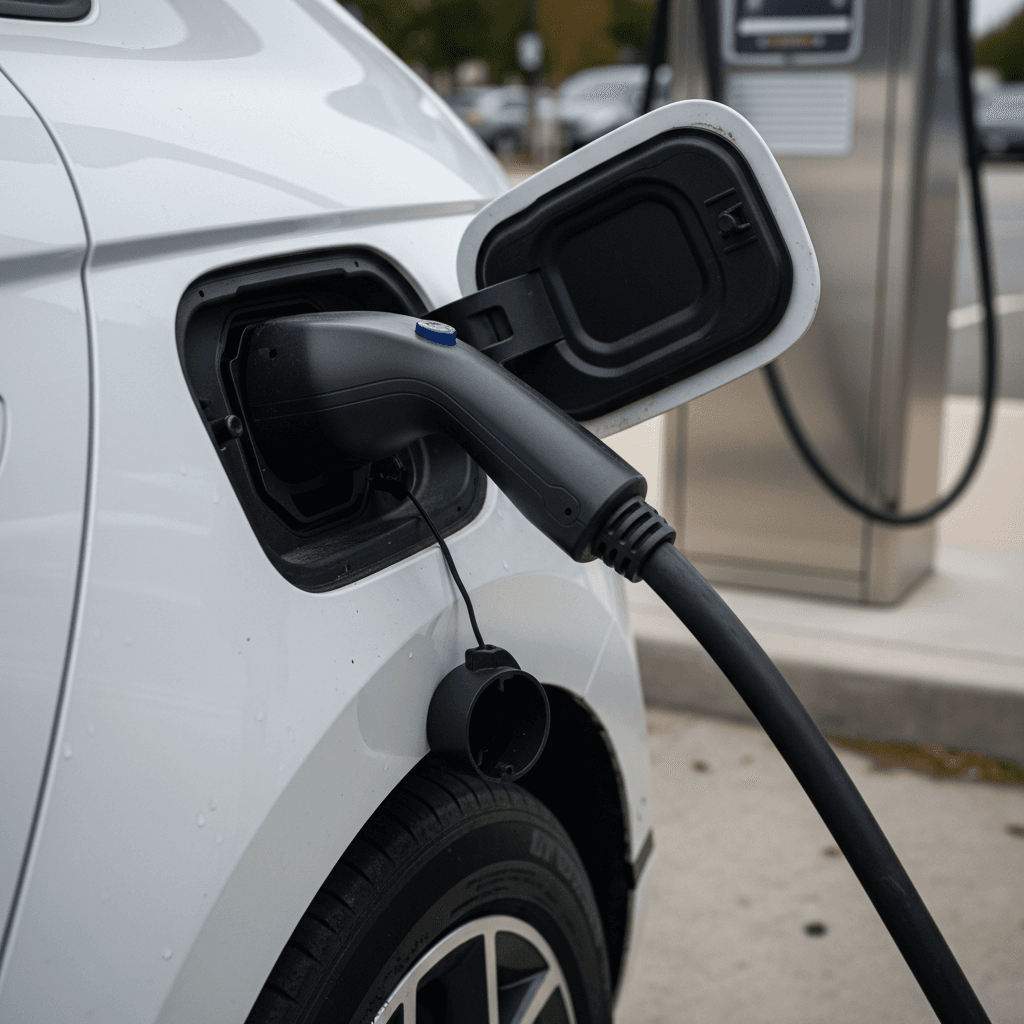
How Major Rating Groups Score the 2023 Ioniq 5
Different research firms look at reliability in different ways. To understand the 2023 Hyundai Ioniq 5 reliability rating, you have to blend survey scores with owner feedback and long‑term tests.
Professional Reliability Ratings at a Glance
What the big names say about the 2023 Ioniq 5
Consumer survey data
Independent owner surveys generally score the 2023 Ioniq 5 as below average for predicted reliability versus the overall vehicle market, mainly because of electronics and charging‑system complaints.
Owner review sites
On consumer review platforms, the Ioniq 5 typically earns strong overall scores, with many 4–5 star reviews. Owners rave about the driving experience but sometimes mention software bugs and charging‑network frustrations.
Expert road tests
Long‑term tests running 30,000–40,000 miles report solid day‑to‑day dependability with occasional electronic gremlins, especially early on, often resolved with software updates or warranty work.
None of these perspectives alone tells the full story. What matters to you as a used‑EV shopper is where the 2023 Ioniq 5 tends to have issues, how serious they are, and whether they can be identified, or ruled out, before you buy. That’s where we’ll spend most of our time.
Common 2023 Hyundai Ioniq 5 Problems to Know
Every model year has its patterns. For the 2023 Ioniq 5, a few themes show up repeatedly in owner complaints, online forums, and safety databases. You won’t see all of these on any single car, but they’re the hot spots to investigate.
- Integrated Charging Control Unit (ICCU) failures and charging faults
- 12‑volt battery draining or failing early
- DC fast‑charging connectivity issues, especially on some CCS public networks
- Random warning lights and software glitches that require updates or module resets
- Less commonly, hardware issues like window regulators or hatch hardware
ICCU and 12‑volt issues can strand the car
1. ICCU failures and charging problems
The Integrated Charging Control Unit is one of the Ioniq 5’s brains for managing onboard charging. On some 2022–2023 vehicles, owners report ICCU failures or software faults that trigger messages like “Check electric vehicle system”, refuse to accept a charge, or in extreme cases shut the car down and require a tow.
The good news: these failures are still the exception, not the rule, and Hyundai has been updating software and hardware over time. The bad news: when it happens, it can mean repeat dealer visits and extended downtime while parts are ordered and installed.
2. 12‑volt battery drain or early failure
Like many EVs, the Ioniq 5 uses a conventional 12‑volt battery to run control modules and accessories. Reports from some 2023 owners describe premature 12‑volt battery failure or repeated low‑battery warnings and no‑start scenarios, sometimes tied to infotainment modules not “going to sleep” when parked.
What to ask the seller
3. Public DC fast‑charging hiccups
The Ioniq 5’s 800‑volt architecture allows very fast DC charging on paper, but in practice some 2023 owners have seen handshake or session failures on certain CCS fast‑charging networks. In many cases the culprit is the station, not the car, but the pattern is worth noting if you rely on road‑trip charging.
Hyundai and charging‑network providers have steadily improved compatibility through software updates, and many owners report smooth 150–230 kW sessions. Still, it’s wise to test DC fast charging yourself during a pre‑purchase inspection.
4. Software bugs and minor hardware glitches
Beyond charging‑related items, 2023 Ioniq 5 owners occasionally report issues like: - Infotainment reboots or frozen screens - Driver‑assist features misbehaving until recalibrated - Power window or tailgate glitches These tend to be annoyances rather than deal‑breakers, and many have been addressed through over‑the‑air or dealer‑installed software updates.
Recalls and Service Campaigns Affecting 2023 Ioniq 5
When you’re evaluating reliability, recall history matters. Recalls and service campaigns don’t automatically make a vehicle unreliable, but they do show where a manufacturer has found problems serious enough to require a fix.
Always run the VIN
Typical Recall & Campaign Items to Check
Exact campaigns vary by production date and market. Use this as a checklist, then verify by VIN.
| Area | What to Ask About | Why It Matters |
|---|---|---|
| Charging electronics | Any software updates or hardware replacements for charging system/ICCU | Reduces risk of sudden charging failures or no‑start situations. |
| 12‑volt system | Battery replacements, parasitic‑draw fixes, or module updates | Helps prevent surprise dead‑battery events. |
| Safety systems | Airbag, seat belt, or stability‑control recalls | These are critical for crash protection and vehicle control. |
| Driver assists | Updates for lane‑keeping, forward collision, or smart cruise | Improves day‑to‑day usability and can prevent nuisance warnings. |
Recalls are only a problem if they’re ignored. A car with documented recall repairs is often a better bet than one that’s never seen a dealer.
Hyundai has been fairly proactive about updating 2022–2023 Ioniq 5s as issues surface. A car that’s visited the dealer for campaigns and is currently “up to date” is generally more desirable than one whose owner ignored recall notices.
Owner Experience: What 2023 Ioniq 5 Drivers Report Long-Term
Pulling together owner reviews, forum posts, and long‑term tests, a clear pattern emerges: the 2023 Ioniq 5 is delightful to live with when it behaves, and deeply frustrating for the small group of owners who hit the charging/12‑volt lottery in the wrong direction.
Positive long‑term stories
- Many owners report 15,000–40,000 miles with only routine service and minor software updates.
- Praise is consistent for ride comfort, quietness, interior space, and real‑world range.
- Fast‑charging performance, when the station cooperates, remains a standout versus many rivals.
Negative long‑term stories
- Some drivers report multiple visits for ICCU or 12‑volt issues, with long waits for parts.
- Dealing with inexperienced EV service departments can amplify frustration.
- A few owners ultimately sold or lemon‑lawed the car after repeat failures.
What this means for you
Battery Health and EV-Specific Reliability
Traditional reliability ratings don’t always separate high‑voltage battery health from other issues. For any used EV, that’s one of the most important questions: how much range does the pack still deliver, and is it degrading faster than expected?
Three Pillars of EV Reliability
For the 2023 Ioniq 5 and any used EV
High‑voltage battery
You want a pack that still delivers close to its original usable capacity. Normal degradation over a few years is expected; sudden, large drops are red flags.
Charging hardware & software
On the Ioniq 5, ICCU health, charge‑port condition, and up‑to‑date software are central. They determine whether the car charges smoothly at home and on the road.
12‑volt support system
A healthy 12‑volt battery and properly behaving modules keep the car waking, locking, and charging as it should. Neglect here can mimic “big” problems.
How Recharged helps here
Should You Avoid or Consider a Used 2023 Ioniq 5?
If you’ve read horror stories online, it’s easy to conclude the 2023 Ioniq 5 is a ticking time bomb. That’s not a fair picture. The reality is more nuanced, and, for many shoppers, encouraging.
Reasons to say yes
- Compelling package: Spacious cabin, smooth performance, and ultra‑fast DC charging.
- Modern tech and safety: Competitive driver‑assist suite and a comfortable highway demeanor.
- Depreciation works in your favor: As a used EV, the 2023 often undercuts newer rivals on price.
Reasons to be cautious
- Electronics‑heavy issues: ICCU and 12‑volt complaints are real, even if not universal.
- Dealer experience varies: Some Hyundai stores are still climbing the EV learning curve.
- Charging‑network dependence: If your area has spotty CCS support, compatibility matters.
If you’re willing to do your homework, verify updates, test charging, and get a proper EV‑focused inspection, the 2023 Ioniq 5 can be a smart buy. If you want a set‑it‑and‑forget‑it experience with minimal tech drama, you might lean toward an EV with a stronger reliability track record or a later Ioniq 5 build that benefits from more running changes.
Checklist: Shopping for a Used 2023 Hyundai Ioniq 5
Pre‑Purchase Checklist for a 2023 Ioniq 5
1. Confirm software and campaign history
Ask the seller for service records showing the latest software updates and any recall or service‑campaign work, especially related to charging or the 12‑volt system.
2. Inspect and test both charging types
At minimum, plug into Level 2 AC and, if possible, a DC fast charger. Watch for error messages, failed sessions, or unusually slow charge rates once the pack is warm.
3. Evaluate high‑voltage battery health
Get objective range or battery‑health data, not just a guess based on the dashboard. A <strong>Recharged Score</strong> report or similar diagnostic is ideal here.
4. Check 12‑volt battery age and behavior
Look for a relatively new 12‑volt battery and ask if the car has ever needed jump‑starts or had “12‑volt low” warnings. Repeated failures may point to deeper electrical issues.
5. Scan for warning lights and stored codes
During a test drive, ensure no warning lights remain on. If you can, have a shop or EV‑savvy inspector scan for stored fault codes that might not appear on the dash.
6. Evaluate dealer and warranty support
Confirm how much of the original warranty remains and which Hyundai dealer you’d use for service. A store with proven EV experience can make ownership far easier.
7. Consider a third‑party EV inspection
Because issues tend to be electronics‑related, a standard pre‑purchase mechanical inspection isn’t enough. Consider a shop or marketplace that specializes in EV diagnostics.
How Recharged fits into your search
Ready to find your next EV?
Browse VehiclesFAQ: 2023 Hyundai Ioniq 5 Reliability Rating
Frequently Asked Questions About 2023 Ioniq 5 Reliability
Bottom Line: Is the 2023 Ioniq 5 a Good Used Buy?
The 2023 Hyundai Ioniq 5 is neither a bulletproof appliance nor a reliability disaster. It’s a sophisticated, high‑tech EV with average overall reliability, standout driving manners, and a specific set of electronic and charging‑related issues you need to rule out before buying.
If you find a well‑maintained example with documented software updates, completed recall work, healthy 12‑volt and high‑voltage systems, and clean behavior on both Level 2 and DC fast chargers, it can be a terrific value in the used‑EV world. On the other hand, a 2023 Ioniq 5 that’s already lived through repeat ICCU or charging‑system failures, especially without clear fixes, may be one to pass on.
The key is information. Whether you work with a local EV‑savvy shop or use a marketplace like Recharged that provides a Recharged Score Report, verified battery health, and EV‑specialist guidance, you’ll be in a far better position to decide if a particular 2023 Ioniq 5 deserves a spot in your driveway.