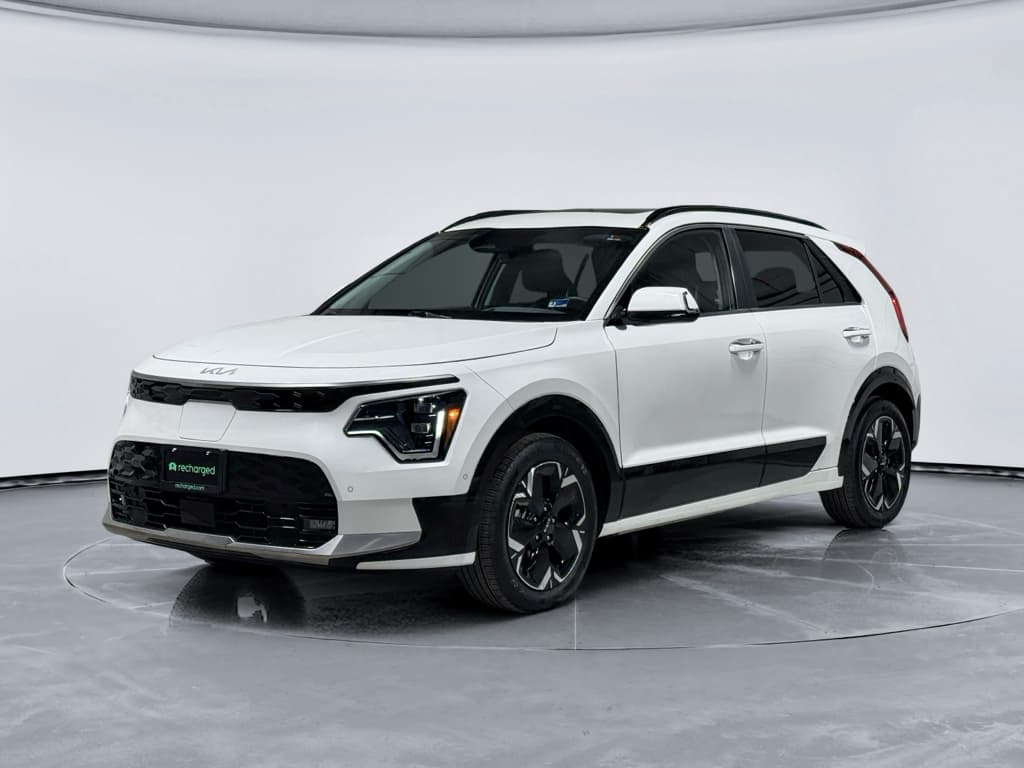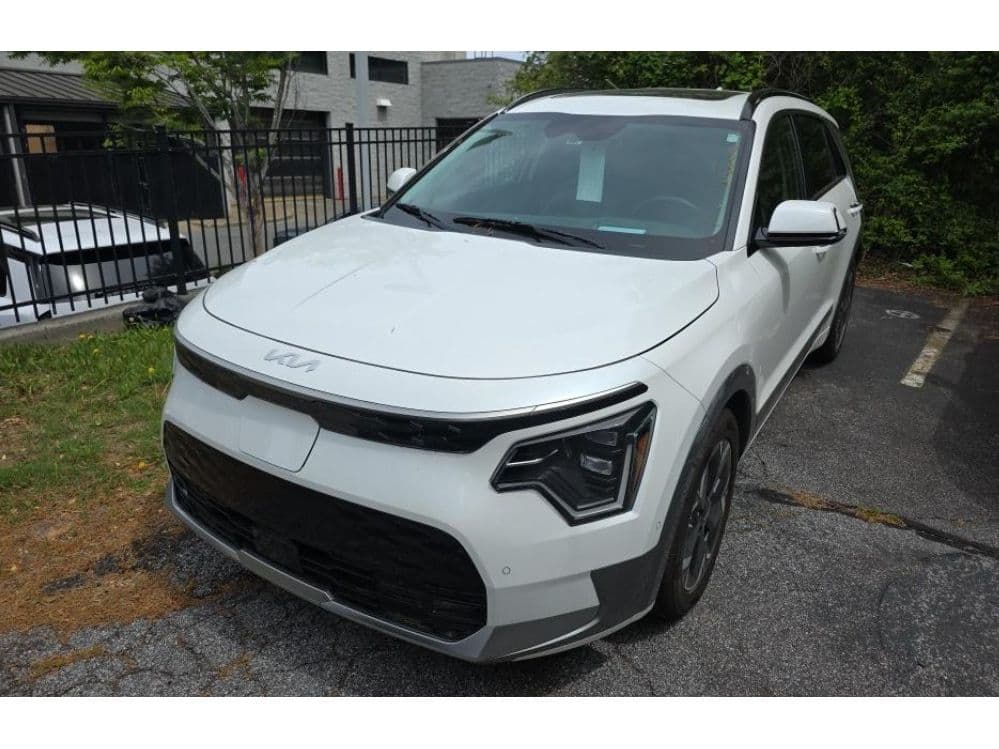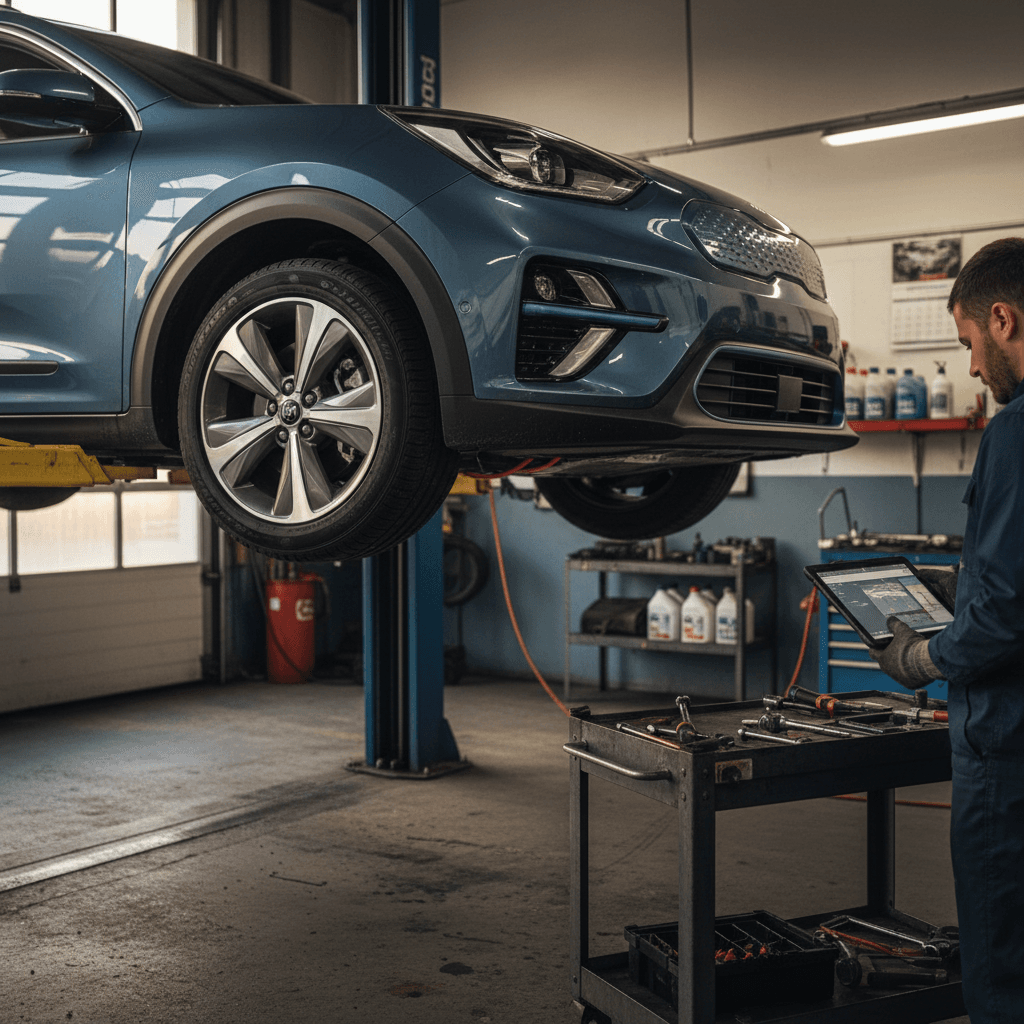
If you own, or are shopping for, a Kia Niro EV, understanding the official Kia Niro EV service schedule is the difference between painless ownership and surprise costs (or warranty headaches). The good news: compared with a gas Niro, the Niro EV has far fewer moving parts, so its maintenance is simpler and cheaper, as long as you know what actually matters and when.
Quick note on model years
Kia Niro EV service schedule at a glance
Typical Niro EV maintenance rhythm
Kia’s official schedule is built around time and mileage, whichever comes first. For most Niro EV owners driving 8,000–12,000 miles per year, that means one visit a year for basic checks and tire rotation, and a more detailed inspection every few years. The big takeaway: you’re mainly paying to keep eyes on tires, brakes, and the high‑voltage system, not for frequent fluid changes like a gas car.
How often should you service a Kia Niro EV?
In the U.S., the practical answer is: once a year for routine maintenance, plus a few milestone services as the odometer climbs. Kia and many dealers frame this as every 7,500–10,000 miles or 12 months for “normal” driving. If you drive very little, time still matters, rubber parts age, brake hardware can corrode, and fluids absorb moisture.
- Normal use: service about every 7,500–10,000 miles or 12 months.
- Severe use (lots of short trips, extreme heat/cold, rough roads, or heavy loads): consider closer to the time‑based interval even if mileage is low.
- High‑mileage drivers: you’ll hit mileage before time, don’t stretch beyond the recommended interval just to save a visit.
Warranty doesn’t care that it’s an EV
Kia Niro EV service schedule by mileage and time
Below is a model‑year‑agnostic guide to the Kia Niro EV service schedule. Exact line items and mileage stamps vary slightly by year, but this layout will get you 90% of the way there. Always confirm the fine print in your specific owner’s manual or Kia Access app.
Kia Niro EV service schedule (typical U.S. pattern)
Approximate maintenance intervals for modern Kia Niro EVs. Time or mileage, whichever comes first.
| Mileage | Time | Typical work | Notes |
|---|---|---|---|
| 7,500 miles | 12 months | Multi‑point inspection; tire rotation; check brakes, steering, suspension; inspect coolant and other fluids; software/recall checks | Your basic annual visit. Some manuals specify 7,500 or 10,000 miles, follow your book if it differs. |
| 15,000 miles | 24 months | Repeat 7,500‑mile items; inspect cabin air filter; check underbody, high‑voltage cabling and connections | Many dealers call this a “minor service.” Cabin filter may be inspected here and replaced later. |
| 22,500 miles | 36 months | Inspection service; rotate tires; inspect brake hardware more closely; check battery cooling system for leaks or damage | Good moment to address any brake noise or vibration before it worsens. |
| 30,000 miles | 36–48 months | Replace cabin air filter; comprehensive brake system inspection; repeat earlier checks | Often sold as a more expensive “30k service.” On the EV, this is mostly cabin filter + inspections. |
| 45,000 miles | 48–54 months | Repeat 15k and 30k service items; deeper inspection of high‑voltage components, suspension, and steering joints | Listen for clunks or steering play; this is when early wear starts to show on rough‑road cars. |
| 60,000 miles | 6 years | Inspection service; brake fluid replacement may be recommended; rotate tires; repeat underbody and HV inspections | Brake fluid change interval varies, many owners target 5–6 years as cheap insurance against corrosion. |
| 75,000+ miles | 7–8+ years | Continue annual/biannual inspections and tire rotations; repeat brake fluid and cabin filter changes as needed | Beyond this point, items are mostly condition‑based, brakes, tires, and suspension components wear at different rates. |
| Battery coolant | Often 8–10 years | Replace high‑voltage battery coolant per manual | Newer Niro EV manuals typically push coolant much farther out than older models; don’t let a dealer move this way forward without a specific reason. |
Use this as a planning tool and cross‑check against your specific model year’s manual.
Use the manual, not just the invoice

High‑voltage battery, coolant, and other EV‑only items
The Niro EV’s high‑voltage hardware doesn’t require much day‑to‑day attention, but there are a few key items in the service schedule that are easy to miss if you’re coming from a gas car.
Key EV‑specific maintenance items on the Niro EV
These don’t happen often, but they matter over a 10‑year ownership window.
High‑voltage battery health checks
During routine services, Kia dealers can run diagnostics on the traction battery to look for fault codes and abnormal cell behavior. You won’t see a "battery service" line item on every visit, but the technician should be scanning for errors whenever they plug in the diagnostic tool.
Battery coolant replacement
On newer Niro EVs, the owner’s manual typically calls for high‑voltage battery coolant service around the 8–10‑year mark rather than at a specific low mileage. Don’t be surprised if your 30,000‑mile car doesn’t need coolant yet, this is a long‑interval item.
Onboard charger & charge port
At inspection services, techs should check the charge port door operation, seals, and contacts, and confirm that the onboard charger isn’t logging faults. If you’ve noticed slow or unreliable charging, mention it so they can dig deeper during that visit.
High‑voltage work is not DIY
Brakes, tires, and other wear items on the Niro EV
Most of your real‑world Niro EV maintenance spending will fall into the “old‑fashioned” categories: tires, brakes, and a few fluids. The EV hardware doesn’t wear quickly, but the car is heavy and torquey, which is tough on rubber.
What to expect as the miles add up
Tire rotation at every visit
Regular tire rotation, roughly every 7,500–10,000 miles, helps even out wear on a relatively heavy EV. If you skip rotations, you may end up replacing a pair of tires much earlier than necessary.
Brake pad and rotor inspections
Regenerative braking means pads often last 60,000 miles or more, but corrosion can build up on rotors if the car sits. Have the shop measure pad thickness and look for uneven or rusty rotors at each inspection visit.
Brake fluid replacement every ~5–6 years
Brake fluid absorbs moisture over time, which can corrode internal components. Even if your manual’s interval is longer, many owners proactively change fluid around the 5–6‑year mark as cheap, high‑impact insurance.
Cabin air filter every 2–3 years
Kia often inspects at one visit and replaces at the next. If you notice weak airflow or bad smells from the vents, it may be time to replace sooner, this is a simple job for any competent shop.
Suspension and steering checks after 30k miles
As the odometer climbs, bushings, ball joints, and tie‑rods can start to loosen up, especially on rough roads. The 30k and 45k services are good times for a thorough underbody inspection.
EV advantage: fewer consumables
Dashboard reminders, dealer calls, and upsells
If you’ve owned your Niro EV for more than a few months, you’ve probably already seen a “service required” message in the cluster or gotten a call from a dealer well before your manual says service is due. That’s not a secret early‑failure warning, it’s just how the reminder system is configured.
How the car decides service is “due”
- Service intervals in the instrument cluster can be set by miles, days, or both.
- Cars often leave the factory or dealer with an aggressive reminder (for example, 6,000 miles instead of the manual’s 7,500–10,000).
- Software updates and dealer visits can reset or change those reminders, which is why you may see odd due dates after a visit.
How to protect your wallet
- Use the reminder as a nudge, not gospel, verify against your owner’s manual.
- If a dealer insists you’re “late,” ask them to show you the specific line in the Kia schedule.
- After each service, ask them to set the reminder to match the official interval, not an arbitrary number.
Common upsells to question
Typical Kia Niro EV maintenance costs and warranty impact
Exact pricing varies by dealer and region, but the pattern is consistent: basic inspection + tire rotation visits are relatively cheap, while 30k/60k‑style services carry bigger labor charges. Over a 5‑year window, most Niro EV owners will spend far less than they would on an equivalent gas crossover.
How Niro EV maintenance spending usually breaks down
Think in buckets, not individual invoices.
Annual visits
These are your bread‑and‑butter services: inspection, tire rotation, software/recall checks. Many owners land in the low‑hundreds of dollars per year at dealer rates, less if they use independent shops for tires and alignment.
Milestone services
At 30k, 45k, and 60k miles, expect higher line‑item counts: cabin filter, brake fluid, and deeper inspections. They cost more, but they’re infrequent and they keep you in good standing for warranty claims.
Warranty considerations
The Niro EV’s battery and electric drive components are covered by lengthy warranties, but they assume you’ve followed the official schedule. Keeping invoices (even from independent shops) that match the Kia book is your best protection.
Independent shop or dealer?
Using the service schedule when buying a used Niro EV
The same Kia Niro EV service schedule that guides your future visits is also a powerful tool when you’re evaluating a used car. Instead of just asking “Has it been serviced?”, you can compare the car’s mileage and age against what should have been done so far.
How to read a used Niro EV’s maintenance story
Match invoices to intervals
Ask for service records and line them up against the schedule above and the owner’s manual. You’re looking for at least annual visits with inspections and tire rotations, plus cabin filter and brake fluid around the suggested milestones.
Watch for long gaps
A car that went three or four years with no documented service is a yellow flag, even if the mileage is low. It might still be fine, but price should reflect the risk that brakes, tires, or fluids are overdue.
Look for EV‑savvy service
Records that mention high‑voltage system checks, battery diagnostics, and software updates are a good sign that previous owners took EV‑specific care seriously.
Confirm big‑ticket items
If the car is older (7–10 years), ask specifically whether <strong>brake fluid and battery coolant</strong> have been changed per the manual. If not, budget for catching up soon after purchase.
How Recharged uses the service schedule
Ready to find your next EV?
Browse VehiclesKia Niro EV service schedule: FAQ
Frequently asked questions about the Kia Niro EV service schedule
Bottom line: Build a simple, realistic Niro EV service plan
The Kia Niro EV service schedule is intentionally straightforward: one visit a year, deeper inspections every few years, and just a handful of long‑interval EV‑specific items like battery coolant. If you use the owner’s manual as your north star, treat dashboard reminders as suggestions, and push back politely on engine‑style upsells, you’ll keep costs low without jeopardizing your warranty.
If you’re shopping for a used Niro EV, this same schedule is your inspection checklist. Look for documented annual visits, mileage‑appropriate brake and fluid work, and evidence that someone was paying attention to the EV system, not just rotating tires. Recharged bakes all of that into every Recharged Score Report, from verified battery health to service history and fair‑market pricing, so you can step into Niro EV ownership with a clear view of what maintenance is behind you, and what’s realistically ahead.