If you’re eyeing a **2023 Genesis GV60** as your next used EV, you’ve probably heard whispers about charging issues, software bugs, and a growing list of recalls. The truth is more nuanced: the GV60 is a compelling luxury EV with some specific pain points you’ll want to understand before you sign anything.
Quick Take
Overview: How Troubled Is the 2023 Genesis GV60?
The 2023 GV60 is Genesis’s first dedicated EV for the U.S. market, built on the same E‑GMP platform as the Hyundai Ioniq 5 and Kia EV6. That shared DNA is mostly good news: strong performance, quick DC fast charging, and a comfortable ride. But early‑run EVs almost always carry more **software and charging gremlins** than later model years, and the GV60 follows that pattern.
2023 GV60 Reliability Snapshot
In other words, the GV60’s problems tend to cluster in **predictable areas for modern EVs**, charging hardware and software, rather than chronic engine or transmission failures you might see in a gas car. That makes your pre‑purchase inspection and day‑to‑day setup especially important.
Big-Picture Reliability: What Ratings and Owners Say
What the data says
- Consumer Reports rates the 2023 GV60’s overall reliability as below average for its model year, citing in‑car electronics and EV charging as common trouble spots.
- The GV60 has accumulated multiple NHTSA safety and equipment recalls, from seatbelts and driveshaft components to software issues.
- Warranty coverage is generous: 5 years/60,000 miles basic, and 10 years/100,000 miles on the EV battery and powertrain in the U.S.
What owners report
- On owner forums, you see a split: some drivers report 3 years and tens of thousands of miles with almost no problems, others list repeat visits for charging faults and software bugs.
- Common complaints include Level 2 charging that stops early, charge ports that overheat, phantom driver‑assist behavior, and sporadic infotainment glitches.
- Plenty of owners still call it their favorite car they’ve ever owned, even while chasing down a couple of fixes under warranty.
How to read this mix
Most Common 2023 GV60 Problems Reported by Owners
Top Problem Categories on the 2023 GV60
These are the themes that pop up most often in real‑world reports.
Charging quirks
Level 2 sessions that stop early or disconnect, home charger incompatibility claims, and reports of overheating charge ports.
Software & screens
Infotainment freezes, laggy UI, occasional black screens or reboots, and over‑the‑air update failures.
Driver‑assist oddities
Lane-keeping and Highway Driving Assist that feel overprotective, phantom braking, or unexpected speed changes in curves.
Hardware & trim
Isolated issues with squeaky or sticky door handles, steering shudder at parking speeds, and seat track play.
Recalls
Rear driveshaft, seatbelt, and other safety‑related campaigns; owners sometimes discover multiple outstanding recalls at once.
App connectivity
Genesis app not updating charge status, remote commands failing, or delayed notifications.
You’re unlikely to encounter all of these on one vehicle, but any used 2023 GV60 you’re considering deserves a careful check in each of these areas, plus a look at recall and software update history.
Charging Issues: Overheating Ports and Level 2 Disconnects
If there’s one area that makes GV60 owners grind their teeth, it’s **AC home charging behavior**. This is the most important section to read carefully if you plan to live with a GV60 every day.
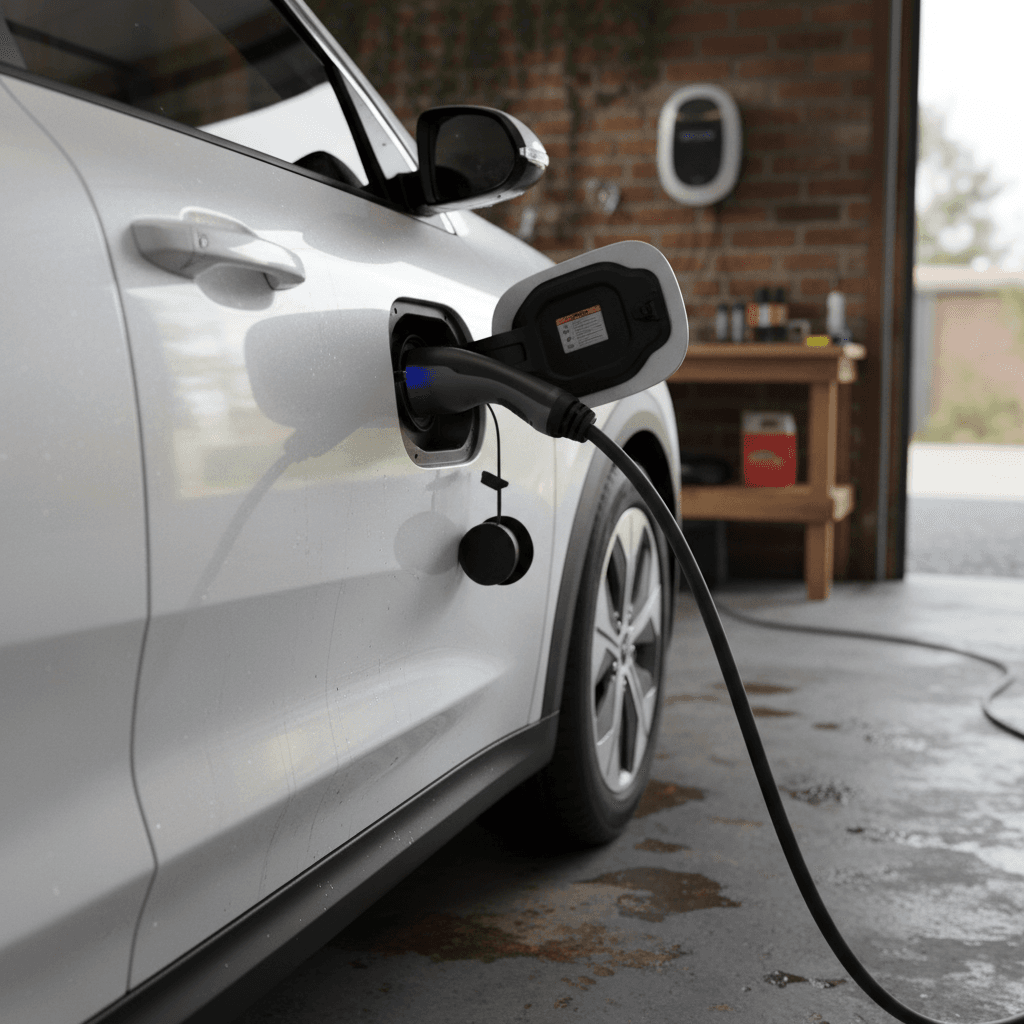
Overheating charge ports and cables
Multiple owners have documented the car **halting Level 2 sessions because the charge port or plug gets too hot**, sometimes in relatively mild ambient temperatures. In at least one long‑term ownership report, the driver was still fighting the same overheating issue at a three‑year service visit, with no clear permanent fix from Genesis yet.
- Charging starts normally, then slows dramatically or stops before reaching the target state of charge.
- The vehicle or charger shows a temperature‑related warning, but the home charger and wiring test fine with other EVs.
- Genesis service initially blames the home EVSE, even when different brands of chargers show the same behavior.
Why it matters
Level 2 disconnects and charger incompatibility
In owner polls and forum threads, a noticeable chunk of GV60 drivers report Level 2 charging sessions that **randomly disconnect or fail to initiate**, especially with certain third‑party wallboxes. Interestingly, those same chargers often work flawlessly with other EVs in the household, which points the finger back at the car.
How to spot charging problems on a test drive
1. Bring (or borrow) a Level 2 session
If possible, test the car on a known‑good 240 V charger, ideally the one you’ll use at home. Watch for early shut‑offs, error messages, or abnormal fan noise from the charge port area.
2. Check charging history in the car
Scroll through the charge logs in the infotainment system. Look for lots of short or aborted sessions that don’t match the seller’s explanation.
3. Ask specifically about overheating
Many sellers will just say “we never had a problem.” Follow up with: “Have you ever seen it stop charging early or throw a temperature warning at home?” and watch for hesitation.
4. Compare with another EV
If the seller has another EV, ask whether they’ve ever had charging problems on the same outlet or wallbox. If the GV60 is the odd one out, that’s a clue.
How Recharged can help on charging issues
Software, Infotainment, and Driver-Assist Glitches
Infotainment freezes, black screens, and OTA update failures
Software is another sore spot. Owners report **occasional freezes of the main screen**, backup camera delays, and the system rebooting on its own. Some have had over‑the‑air updates fail or hang, requiring a dealer visit or a manual USB update. Later Genesis recalls on newer model years even address software glitches that can cause instrument screens to go dark, underscoring how sensitive this ecosystem is to buggy code.
- Temporary loss of audio or navigation while the system reboots.
- Glitchy backup camera or 360° view that takes too long to appear from Park.
- CarPlay/Android Auto disconnecting more frequently than in other vehicles you own.
Driver-assist behavior: phantom braking and lane-keep drama
Like most modern luxury EVs, the GV60 is loaded with driver‑assist tech: Smart Cruise, Highway Driving Assist, lane centering, collision avoidance, and more. On paper, it’s terrific. In practice, some owners complain that the system can feel **nervous and inconsistent**.
- Unexpected slowdowns in curves when adaptive cruise is active, sometimes due to Highway Driving Assist interpreting the curve as a hazard.
- “Phantom braking” when the car misreads shadows or roadside objects as obstacles.
- Lane‑keeping assist tugging repeatedly at the wheel, then releasing suddenly in poorly marked lanes, which can feel unnerving.
Feature vs. flaw
Recalls Affecting the 2023 Genesis GV60
By early 2026, the 2023 GV60 has accumulated a **handful of NHTSA recalls**. These may change over time, so always check the latest information by VIN, but historically they’ve touched on critical safety components and software.
Key Recall Themes for the 2023 GV60
Exact campaigns vary by production date and region. This table summarizes the types of recalls you’re likely to see when you run a VIN check.
| Recall area | Typical concern | Why it matters | What to confirm |
|---|---|---|---|
| Seatbelts | Improperly manufactured or installed front seatbelt components. | Could reduce protection in a crash. | Verify recall completion in service records; look for a campaign code on the repair order. |
| Rear driveshaft / drivetrain | Hardware that may fail prematurely under certain conditions. | Can affect power delivery or create noise/vibration. | Ask seller for paperwork showing the recall repair, especially on early‑build 2023s. |
| Software / safety systems | ECU or ADAS software needing updates. | Can cause unexpected warnings, driver‑assist quirks, or in worst cases, safety system malfunctions. | Confirm the car is running the latest software; a dealer can print a campaign and update summary. |
| Electronics / displays | Infotainment or instrument cluster behavior on some Genesis models. | Loss or reset of screens can temporarily hide important driving information. | Make sure all screens wake quickly, stay on, and respond normally during your test drive. |
Always verify open recalls with the NHTSA database or a Genesis dealer before buying.
Don’t ignore open recalls
What to Check Before Buying a Used 2023 GV60
If you’re shopping used, your job is to separate the **good GV60s**, where issues have been addressed or never appeared, from the cars that will teach you every service advisor’s first name. Here’s how to do that.
Pre‑purchase Checklist for a 2023 Genesis GV60
1. Pull a full service and recall history
Ask for dealer service printouts that show recall completion, software updates, and any repeat visits for charging or infotainment issues. Multiple visits for the same complaint are a red flag.
2. Get an independent battery health report
Because range loss can be subtle, a quantified battery assessment is crucial. With a <strong>Recharged Score battery health report</strong>, you see actual usable capacity and any unusual degradation before you buy.
3. Test both home-style and DC fast charging
On the test drive, plug into a Level 2 charger for at least 20–30 minutes and watch for disconnects or overheating warnings. If possible, also hit a DC fast charger to confirm the car ramps up to expected power levels.
4. Stress-test the infotainment system
Cycle between navigation, audio, and camera views. Pair your phone, start CarPlay or Android Auto, and watch for freezes, reboots, or lag. A single quick reboot isn’t the end of the world; repeat glitches suggest deeper software issues.
5. Drive with all driver-assist features on
Turn on Highway Driving Assist and lane centering on a familiar stretch of road. If you find its behavior unsettling, ask yourself whether you’re truly okay living with it, or constantly turning it off.
6. Listen for clunks, squeaks, and shudders
At low speeds in a parking lot, turn the wheel lock‑to‑lock and listen for steering shudders or clunks. Open and close each door several times in cooler temps if you can; squeaky exterior handles have been replaced under warranty in some cases.
7. Inspect tires and brakes for uneven wear
Uneven tire wear can point to alignment issues or a previous impact. With instant torque and heavy curb weight, EVs can be hard on tires and pads if driven aggressively.
Where Recharged fits in
Ready to find your next EV?
Browse VehiclesOwnership Tips to Minimize GV60 Problems
Let’s say you’ve found a solid 2023 GV60 and the price is right. Smart setup in the first few weeks can go a long way toward **keeping its quirks in the background** instead of front and center.
Practical Tips for Living Happily With a GV60
Small habits that reduce headaches over the long haul.
Dial in your home charging
Use a quality Level 2 charger on a dedicated 240 V circuit. Start with modest current (32 amps instead of 40) and monitor for heat or disconnects. If everything is stable, gradually increase the current.
Keep software current
Don’t ignore update prompts. Schedule over‑the‑air updates when the car can sit undisturbed, and check for service campaign software updates at each dealer visit.
Tame the driver-assist features
Customize which assists are on by default. Many owners are happier after turning lane‑keeping aggressiveness down or off while keeping adaptive cruise.
Watch temperatures during long charges
On hot days, peek at the charge port area and cord during long sessions. If you see warnings or feel unusual heat, document it and get the car inspected under warranty.
Document issues early
If anything feels off, charging behavior, steering feel, random warnings, take photos or video and log dates and mileage. This record helps the dealer and strengthens warranty claims.
Use the warranty aggressively
The GV60’s long warranty is there to be used. Don’t wait until minor annoyances turn into major frustrations; book service while everything’s still covered.
Is a 2023 Genesis GV60 a Good Used EV Bet?
The 2023 GV60 is one of those EVs where **the driving experience and design are easy to fall in love with**, and the ownership experience depends heavily on the particular car you bring home. Many owners have racked up miles with only a couple of recall visits and the usual software updates. Others have battled stubborn charging quirks that never felt fully resolved.
Good candidate for you if…
- You want a luxury EV with serious performance and a distinctive interior.
- You have access to reliable home charging and are willing to test it thoroughly during your return window.
- You value a long warranty and are comfortable visiting the dealer to knock out recalls and software campaigns.
- You’re buying from a source that can show independent battery and charging diagnostics, not just a clean Carfax.
You may want to pass if…
- You can’t install home charging and will rely almost entirely on public Level 2 and DC fast chargers.
- You’re very sensitive to infotainment or driver‑assist quirks and prefer a set‑and‑forget experience.
- You’re shopping the absolute bottom of the market with no budget for a thorough inspection.
- Open recalls and thin service records make you uneasy, and this particular GV60 has both.
If you do your homework and let data, not just a glossy interior, guide your decision, a **2023 Genesis GV60 can be a rewarding used EV**. The key is verifying that the known trouble spots, charging hardware, software, and recalls, have been handled. Buying through a specialist like Recharged, where every car comes with a verified battery health report and EV‑savvy support, can tilt the odds more firmly in your favor.