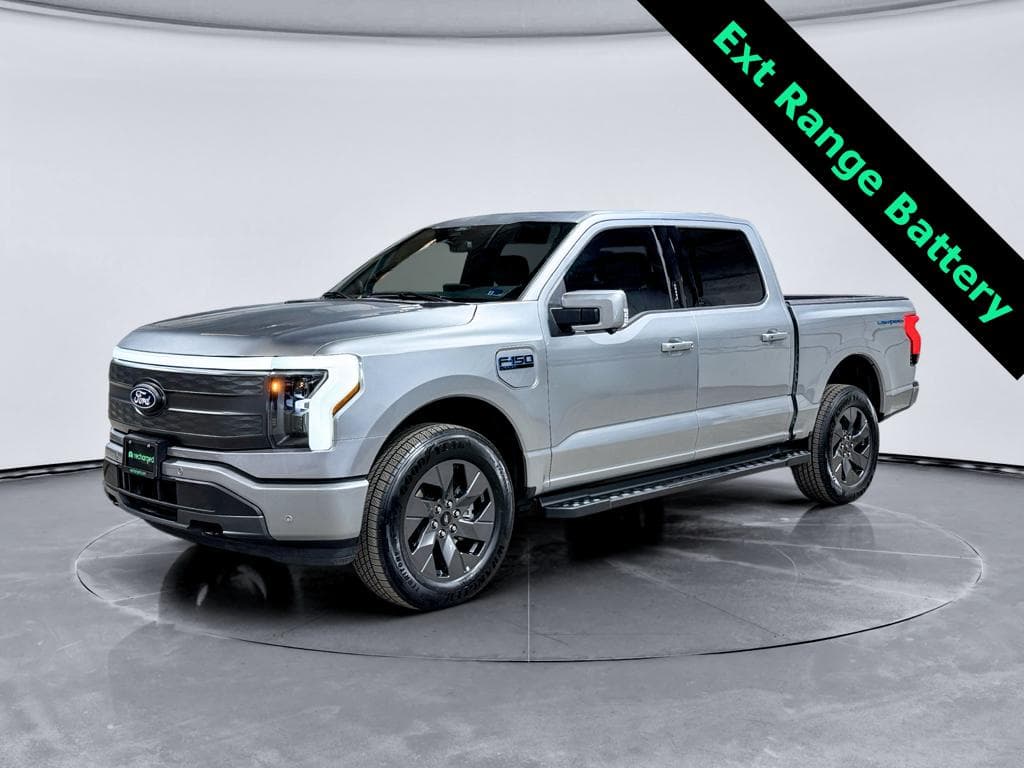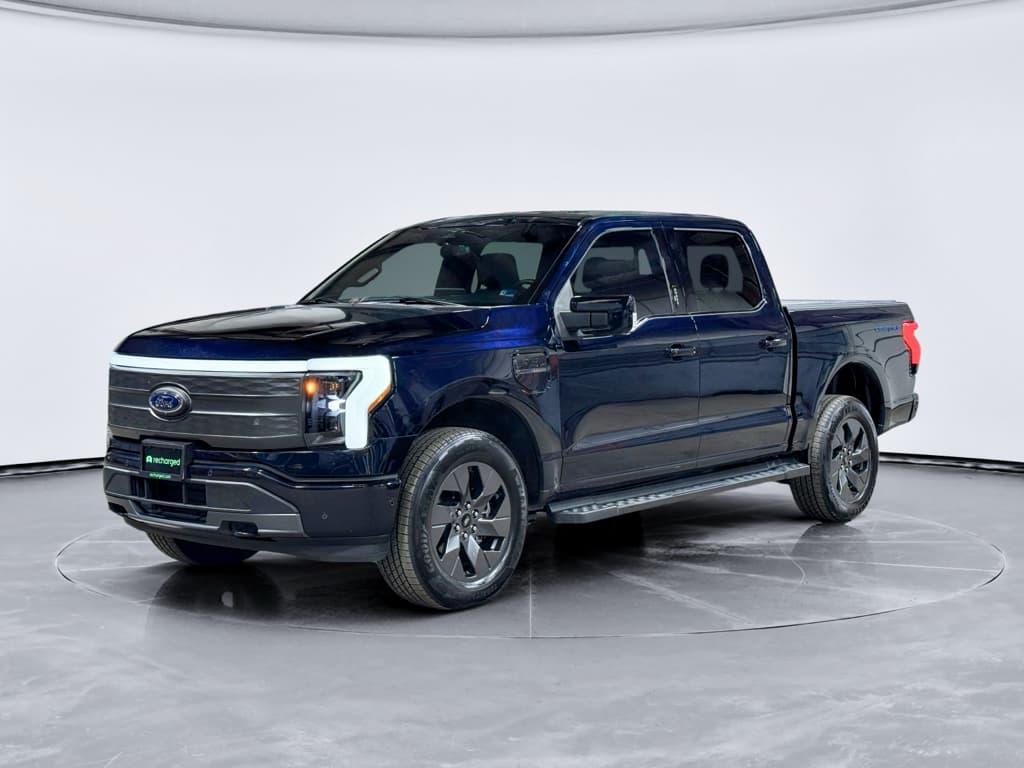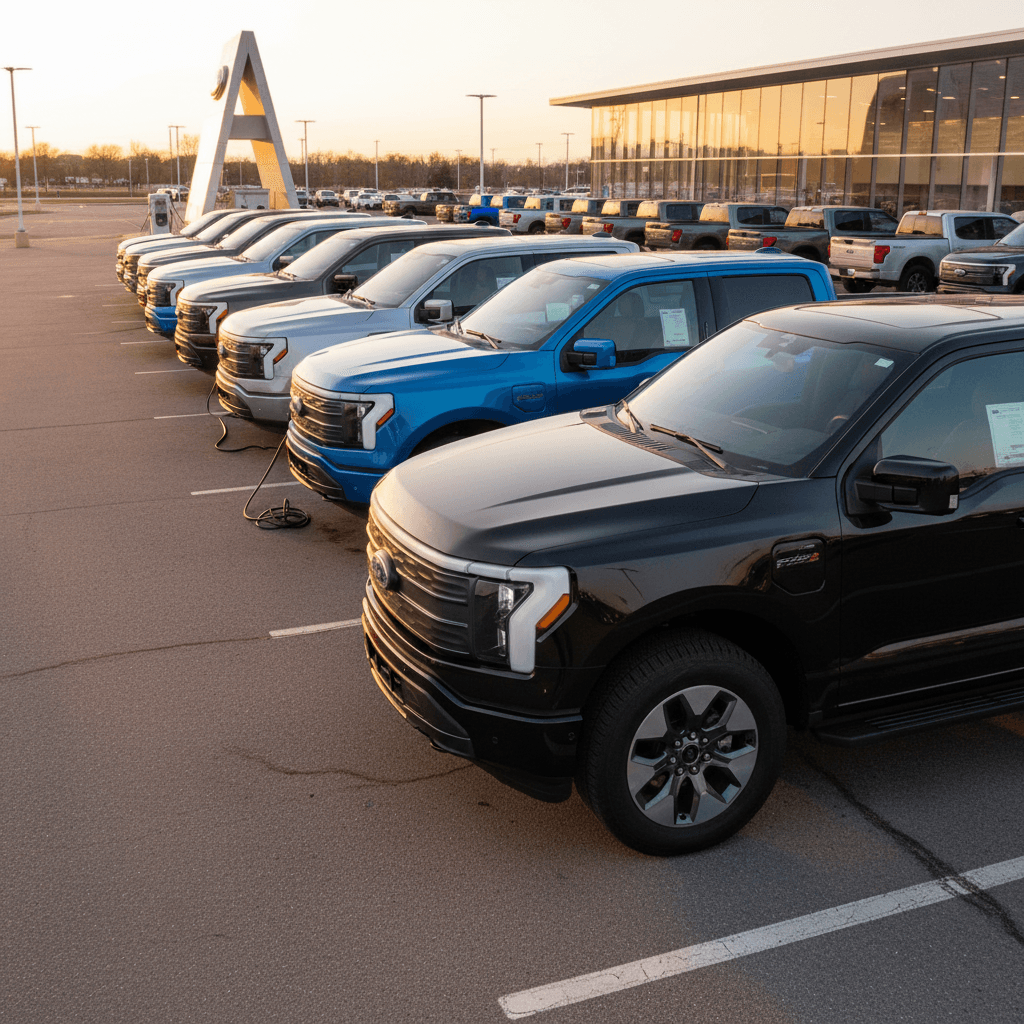
The 2023 Ford F-150 Lightning is the electric pickup that promised to drag America’s best-selling truck into the battery age, dual motors, up to around 320 miles of EPA range with the extended-range pack, and a towing number that starts with a 1 and four zeros. But if you’re thinking about buying a 2023 Lightning new or used, you’re not shopping for a science project. You’re trying to figure out whether this truck actually fits your commute, your trailer, your driveway and your budget. This 2023 Ford F-150 Lightning buying guide walks through trims, range, towing, charging, incentives and used‑market realities so you can decide with eyes wide open.
Quick take
Who should consider a 2023 F-150 Lightning?
Great fit if…
- You mostly drive local miles (commute, jobsites, school runs) and can charge at home.
- You want full-size truck utility, crew cab, 5.5-foot bed, big front trunk, without gas-station visits.
- You care about smooth, quiet power and tech like BlueCruise hands-free driving (on equipped trims).
- You value features like Pro Power Onboard to run tools, tailgates or even your house in an outage.
Think twice if…
- Your life is mostly long highway drives with heavy trailers.
- You can’t install home charging and rely entirely on DC fast charging.
- You expect gas-F-150 towing range from an EV pickup, it isn’t here yet.
- Your budget is tight and every dollar of resale and incentives matters more than the tech story.
Recharged can help you sanity-check the fit
2023 F-150 Lightning trims, batteries and key features
Every 2023 Lightning is a crew-cab, short‑bed, dual‑motor, all‑wheel‑drive truck. The big choices are trim level and battery pack, Standard‑Range (SR, about 98 kWh usable) or Extended‑Range (ER, about 131 kWh). Ford shuffled trims and pricing mid‑year, but the core hierarchy stayed familiar: work‑focused Pro, mid‑range XLT, nicely equipped Lariat, and luxury‑leaning Platinum.
2023 F-150 Lightning trims at a glance
High-level view of how the main trims stack up. Exact MSRP and equipment vary with options and production wave, but this gives you the lay of the land.
| Trim | Positioning | Battery options | Notable highlights |
|---|---|---|---|
| Pro | Work truck / fleet oriented | Standard-Range only on most retail; ER mainly on fleet & specific configs | Vinyl seats, basic cloth options, 12-in SYNC 4 screen, great value if you can live without frills. |
| XLT | Value play for retail buyers | SR standard, ER available on select packages | More comfort features, available tow & tech packages, popular middle ground. |
| Lariat | Well-equipped lifestyle truck | ER available and common; some SR builds exist | Leather, big infotainment screen, premium audio, available BlueCruise, lots of luxury touches. |
| Platinum | Range-topping luxury | Extended-Range only | 20-in wheels, max equipment, BlueCruise, panoramic roof, but heavier and rated for slightly less max tow. |
Battery availability refers to 2023 model-year U.S. retail trucks.
Battery and tow packages are make-or-break choices
Battery, range and real-world usage
2023 F-150 Lightning powertrain snapshot
On paper, the 2023 Lightning’s range looks like this: roughly 230 miles EPA for Standard‑Range models and up to 320 miles EPA for Extended‑Range in the most efficient trims. That’s competitive with other big EVs. But trucks live harder lives than compact crossovers. Payload, lift kits, winter tires and a brick‑shaped body all nibble at your range, and towing can devour it.
- Expect to see 70–85% of EPA range in mixed real‑world driving if you’re not hypermiling.
- Cold weather, headwinds, big wheels and highway speeds can drop that into the 60–70% of EPA zone.
- Add a trailer and it’s normal to see roughly half your solo range, depending on trailer size and speed.
Cold weather cuts deeper on trucks
Towing, payload and using it like a truck
Ford didn’t forget that the Lightning is supposed to be a truck. Properly equipped 2023 models can tow up to 10,000 pounds and haul over 2,000 pounds of payload with the right configuration. The catch is that payload and towing numbers move around depending on trim, battery and packages, and range falls quickly with big loads.
2023 F-150 Lightning capability overview
Approximate factory ratings for conventional towing and max payload. Always confirm the exact door‑jamb sticker and owner’s manual for a specific truck.
| Battery / package | Max towing | Max payload | Best for |
|---|---|---|---|
| Standard-Range, no Max Tow | ≈5,000–7,700 lbs | Up to ~2,200 lbs (work-focused trims) | Local hauling, small utility or landscape trailers, jobsite use. |
| Standard-Range with Max Trailer Tow | Up to ~7,700 lbs | Slightly lower than absolute max payload | Frequent moderate towing where SR range is acceptable. |
| Extended-Range, no Max Tow | ≈7,700–8,500 lbs | Around 1,800–1,950 lbs depending on trim | Longer solo trips, heavier payloads in the bed, occasional towing. |
| Extended-Range with Max Trailer Tow | Up to 10,000 lbs (XLT/Lariat), ≈8,500 lbs (Platinum) | Payload reduced vs SR | Serious towing where you’re willing to live with frequent charging stops. |
Max numbers aren’t available on every trim; many luxury builds will be lower.
The fine print on towing range
Ford’s Tow Technology Package helps by estimating remaining range based on trailer weight and conditions. It’s genuinely useful, but it can’t change physics. If you’re buying a 2023 Lightning primarily as a tow rig, consider mapping your regular routes against fast‑charging coverage before you sign anything.
Charging: home, public and backup power
Behind the marketing gloss, the 2023 Lightning is just a big battery on wheels, and charging is where it either fits your life seamlessly or becomes homework. Every truck can plug into Level 1 (120V) or Level 2 (240V) AC charging, and all support DC fast charging on the CCS standard used across public networks.
How the 2023 Lightning charges
Three main scenarios you should understand before you buy
Home Level 2 charging
Best experience is a 240V Level 2 charger on at least a 40–80A circuit, depending on your electrical panel and the truck’s onboard charger.
- Standard-Range: roughly overnight to full from low state of charge.
- Extended-Range: think 10–12+ hours from low to full on typical home setups.
Public DC fast charging
On a healthy battery and good charger, Ford claims roughly 15–80% in ~40–45 minutes on a capable DC fast charger.
That’s road‑trip viable, but stalls can be busy or undermaintained. Assume some variability.
Pro Power Onboard & backup power
Many 2023 Lightnings offer up to 9.6 kW of exportable power to run tools, camping gear or, with the right home hardware, even your house.
Used smartly, the truck can be a rolling generator and resiliency tool, not just transportation.
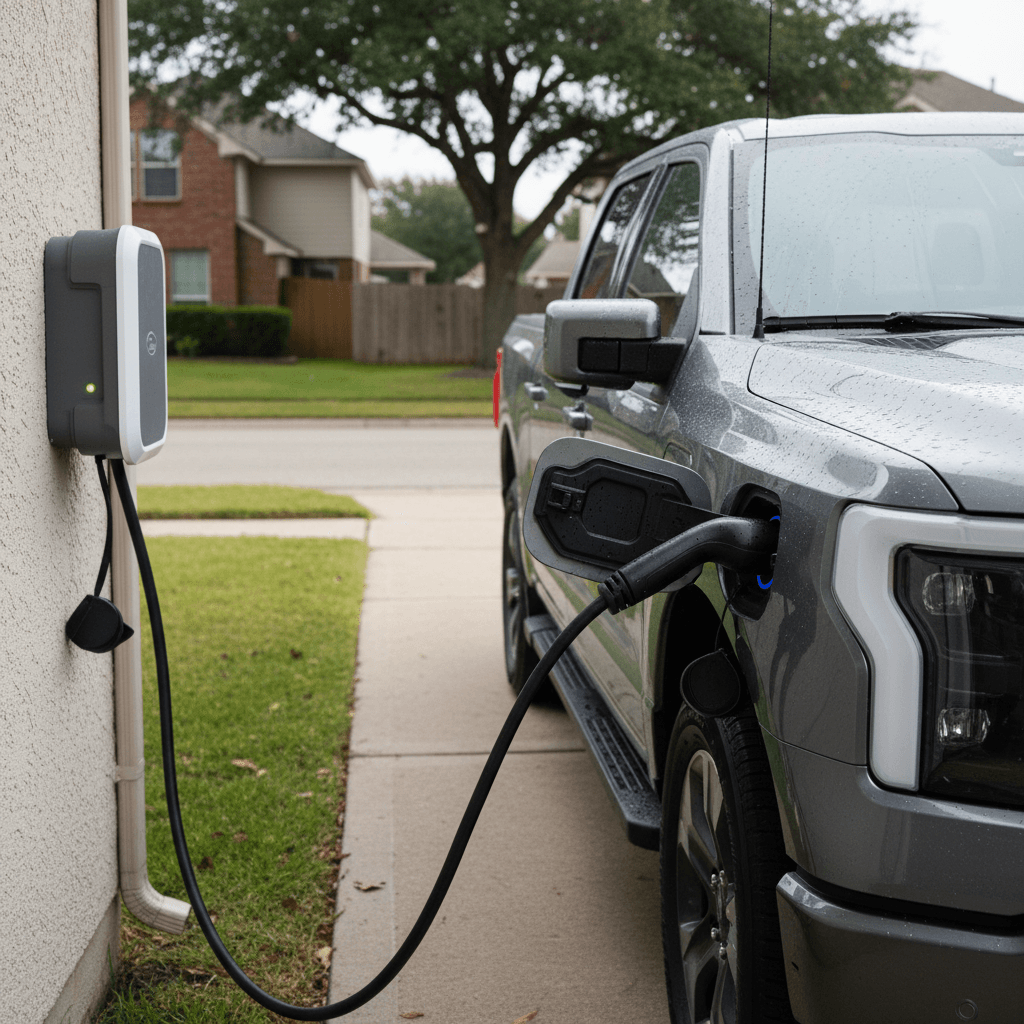
Home charging is the difference between love and regret
Safety tech and driving experience
Strip away the kilowatts and the Lightning is still an F‑150: tall driving position, familiar cabin, and a chassis tuned for day‑in, day‑out abuse. The difference is how eerily smooth and quiet it is. Acceleration, especially on Extended‑Range trucks, verges on comical for something this large. Instant torque makes merging and on‑ramps a non‑event.
- Standard safety tech includes forward collision warning, automatic emergency braking and lane‑keeping assist on most retail trims.
- Available BlueCruise (on Lariat/Platinum with the right packages) adds hands‑free driving on mapped divided highways, great for long slogs if you’re not towing.
- The low center of gravity from the battery helps stability in corners and crosswinds compared with a gas F‑150.
Crash safety and repair reality
Ownership costs, depreciation and incentives
When it launched, the Lightning’s pricing climbed faster than Ford’s own press releases could keep up. By 2023, many trims were deep into luxury‑SUV money. The upside of those high new prices and later factory discounts is that the used market now has 2023 trucks trading well below original MSRP, with a lot of value baked in if you buy carefully.
What it really costs to run a 2023 Lightning
Fuel, maintenance and incentives in plain English
Energy costs
Compared with an equivalent gas F‑150, the Lightning’s electricity costs are usually dramatically lower, especially if you can charge overnight on a decent residential rate.
What matters is your local kWh price and how often you fast charge.
Maintenance
No oil changes, fewer moving parts, and regenerative braking mean lower routine maintenance than a gas truck.
You’ll still buy tires (often), brake fluid, coolant service and suspension bits eventually.
Tax credits & rebates
Some 2023 Lightnings qualified for up to a $7,500 federal clean vehicle credit when new, subject to price caps and income limits.
On the used side, you may qualify for a separate used EV credit if the truck meets IRS rules and price caps, check current IRS guidance and have the dealer provide the VIN‑based eligibility report at time of sale.
Incentive rules change, don’t assume, verify
Used 2023 F-150 Lightning: how to shop smart
The 2023 Lightning is already a compelling used buy. You’re often looking at trucks with low mileage, remaining factory warranty and steep depreciation compared with original sticker. The flip side: you’re the second owner of an early‑cycle EV truck, with all the usual questions about battery health, software updates and first‑year teething issues.
Used 2023 Lightning due‑diligence list
1. Verify battery size and health
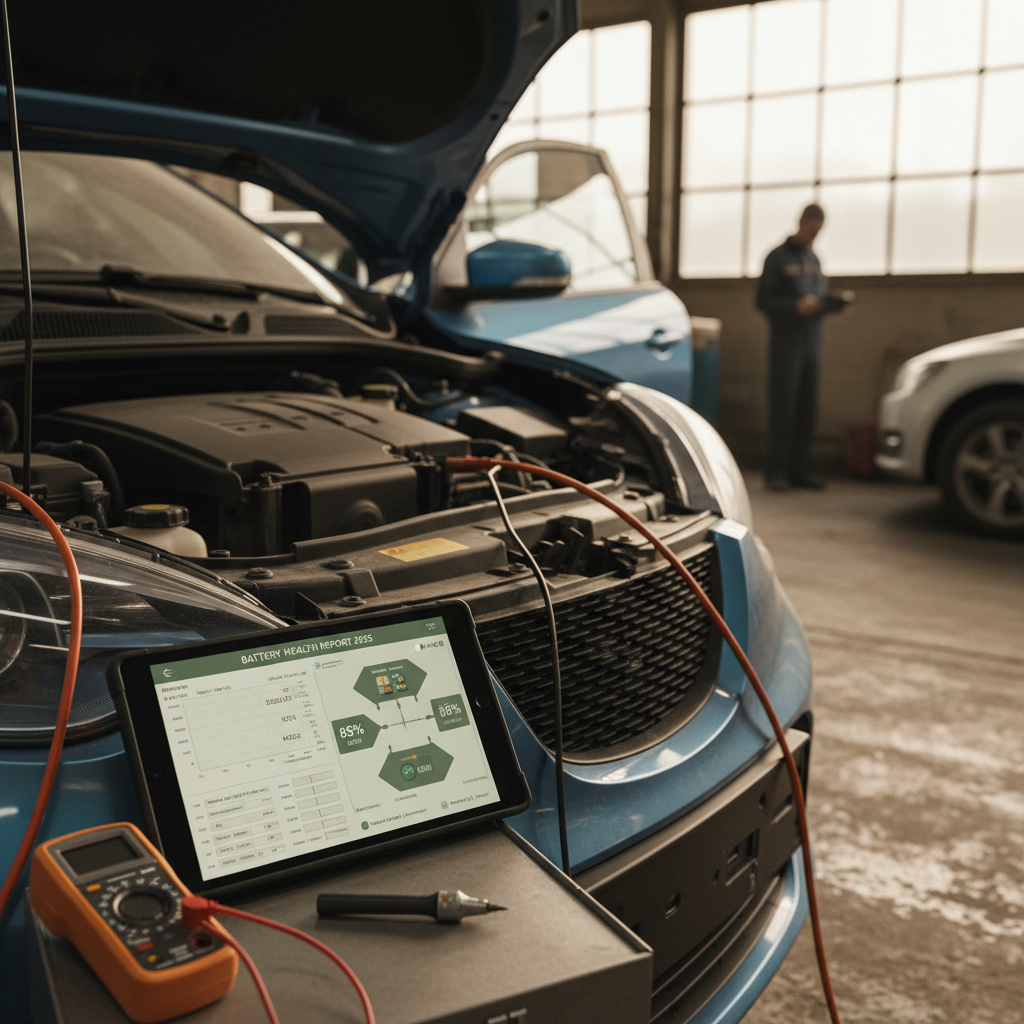
Confirm whether the truck has the Standard‑Range or Extended‑Range pack, then look for hard data on battery health. A Recharged Score report, for example, uses diagnostics to measure degradation so you’re not relying on a dashboard guess.
2. Check remaining factory warranty
Ford covers the Lightning’s high‑voltage battery and electric drive components for 8 years/100,000 miles from first in‑service date. Ask the seller to show the original in‑service date and any extended warranty details.
3. Inspect charging history
Heavy exclusive use of DC fast charging can age packs faster. You can’t see every charging session, but service records, prior owner habits and battery health tests tell a story.
4. Look for over-the-air updates and recalls
Ford has issued software updates and recalls for various Lightning issues. A truck that has been regularly serviced and updated is generally a safer bet than one that hasn’t seen a dealer since delivery.
5. Examine tires, suspension and brakes
The Lightning is heavy and powerful; it eats cheap tires for breakfast. Uneven wear, budget replacement tires, or tired shocks on a low‑mile truck can be a red flag about how it was used.
6. Confirm home-charging equipment
Some 2023 trucks were delivered with Ford mobile chargers or, on ER trucks, a Ford Charge Station Pro. Confirm what’s actually included with the sale, replacing missing hardware adds real cost.
How Recharged simplifies buying a used Lightning
Ready to find your next EV?
Browse VehiclesChecklist: key questions before you buy
- What is my worst‑case daily mileage, in winter, including detours, and does the SR or ER battery comfortably cover that with margin?
- How often will I tow more than 4,000–5,000 pounds, and what realistic highway range do I need while towing?
- Can I install Level 2 home charging where I live, or do I have reliable workplace charging?
- Would a well‑equipped XLT or Lariat do everything I need, or am I just chasing a Platinum badge?
- Is my local DC fast‑charging network strong enough for the occasional trip, or am I setting myself up for frustration?
- Have I compared total cost of ownership against a gas F‑150 or another EV truck over at least 5 years?
2023 F-150 Lightning buying guide FAQ
Frequently asked questions about the 2023 F-150 Lightning
Bottom line: is the 2023 F-150 Lightning right for you?
The 2023 Ford F-150 Lightning is one of those rare vehicles that really does feel like a glimpse of the future, brutally quick, eerily quiet, and capable of lighting up a jobsite or keeping your fridge humming through a storm. But it’s also a product of its time: battery tech that’s excellent for daily life, less so for cross‑country towing, draped in a body that still has the aerodynamic grace of a storage unit. If your world is built around local miles, home charging and occasional trips, it can be a fantastic truck. If your world is 500‑mile towing days, it may not be your forever rig just yet.
The smartest move is to start with your use case, miles, towing, charging, then back into the right trim and battery. From there, decide whether a discounted used 2023 Lightning with verified battery health offers a better value than ordering something new. If you want help making that call, Recharged’s EV specialists, financing options and Recharged Score battery reports are built to take the guesswork, and the drama, out of going electric with a full‑size truck.