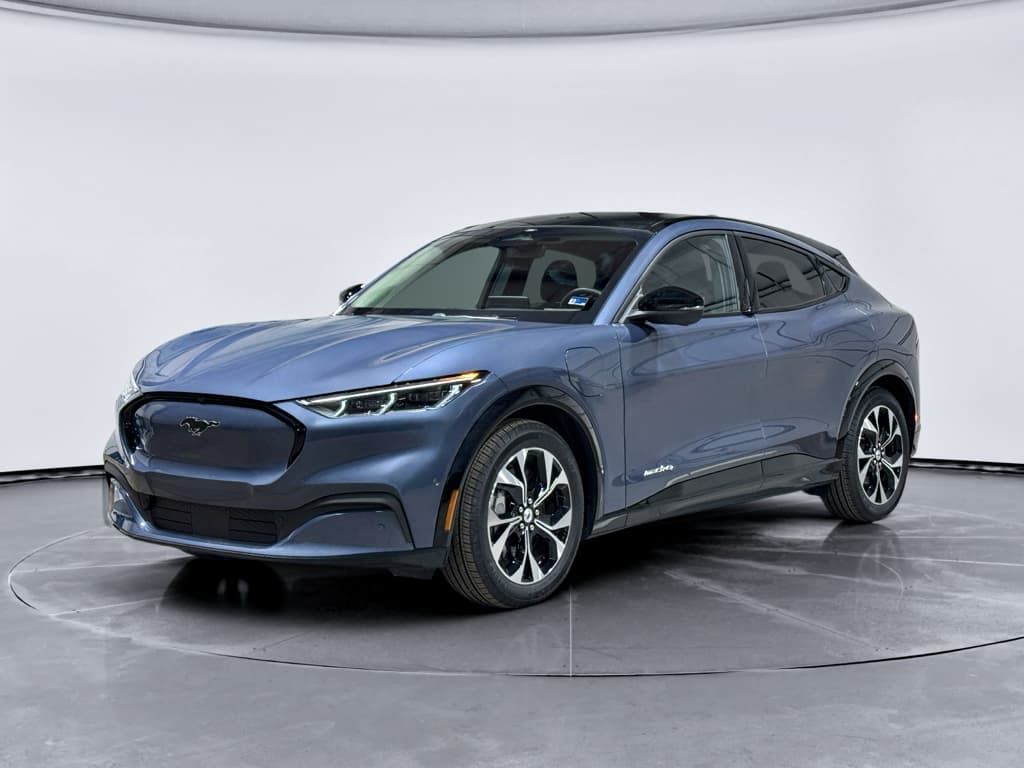
If you own (or are shopping for) a Ford Mustang Mach-E, you’ve probably wondered what happens when the big high-voltage battery wears out. The phrase “Ford Mustang Mach-E battery replacement cost” can sound scary, but the reality is more nuanced: full pack failures are rare so far, warranty coverage is robust, and replacement options are evolving as more used packs enter the market.
Quick takeaway
Ford Mustang Mach-E battery replacement cost: overview
Typical Mach-E battery replacement cost ranges
There is no single published MSRP for a complete Mach-E traction battery that applies everywhere. Ford treats the pack as an assembly with part numbers that can vary by capacity and drivetrain. On top of that, dealer pricing, regional labor rates, and whether you use a new, remanufactured, or used pack all push the final invoice in different directions.
Don’t confuse 12‑volt and high‑voltage batteries
What’s actually being replaced on a Mach-E
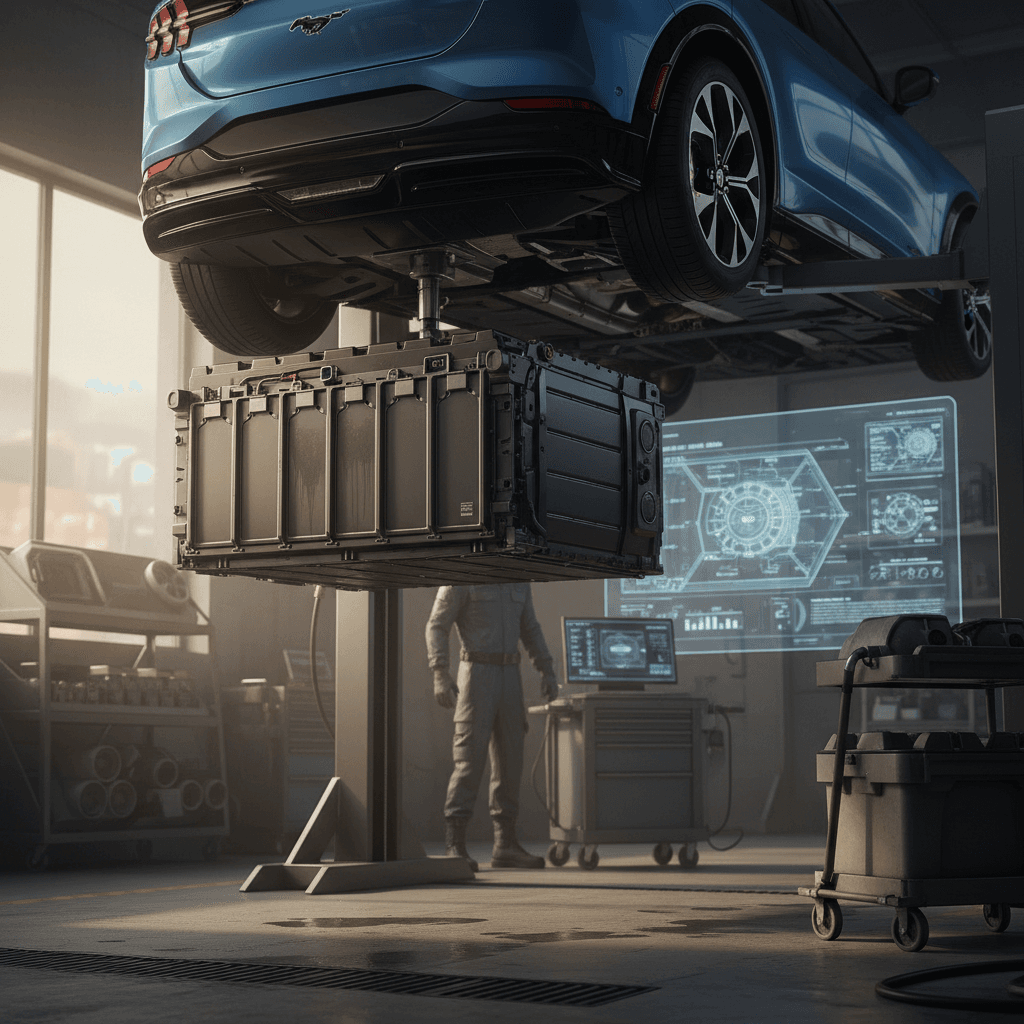
When people talk about Mustang Mach-E battery replacement, they’re usually thinking about the large lithium-ion pack under the floor, not the inexpensive 12‑volt battery in the frunk. That high‑voltage pack is a complex assembly containing hundreds of individual cells grouped into modules, a battery management system (BMS), cooling channels, contactors, and crash protection structures.
High-voltage traction battery
- Capacity: Roughly mid‑60 kWh (standard range) to high‑90 kWh (extended range), depending on model year and trim.
- Location: Packaged as a flat "skateboard" under the cabin floor.
- Function: Feeds DC power to the inverter and drive motors for propulsion.
- Cost driver: This is the expensive one, cells and pack assembly account for the bulk of any replacement bill.
12‑volt accessory battery
- Location: Under the hood (frunk area) like a conventional car battery.
- Function: Powers control modules, lights, and accessories; the high-voltage system depends on it to wake up.
- Replacement: Typically every few years; often under $300 installed at a dealer or service center.
- Common confusion: Many owners think their “EV battery” failed when the 12‑volt dies, but that’s a minor service item.
Get a precise diagnosis first
Real-world Mach-E battery pack prices
Because Ford does not advertise a consumer-facing sticker price for Mach-E battery packs, the best window into current costs comes from dealer parts quotes and the growing secondary market of dismantlers and parts recyclers selling full packs pulled from low‑mileage donor vehicles.
Illustrative Mach-E battery pack price examples (U.S.)
These examples use publicly advertised parts prices from salvage and specialty sellers as of late 2025. Dealer list prices for new packs can be higher, and actual quotes will vary by VIN and region.
| Pack type / source | Approx. capacity | Condition | Advertised price (parts only) | Notes |
|---|---|---|---|---|
| Extended-range pack from specialty dismantler | ≈98.8 kWh | Used, low miles | $8,100–$8,600 | Typical asking price for a complete AWD extended-range Mach-E pack from a 2023 donor vehicle. |
| Extended-range pack from online marketplace | ≈98.8 kWh | Used | Around $5,000 | Occasional lower-priced listings from dismantlers; availability is inconsistent. |
| Hypothetical new OEM pack via dealer | Standard or extended | New | Often well into 5 figures | Many dealers quote well above $10,000 for a brand-new pack before labor. |
| Module-level repair (where available) | Single or few modules | New or reman modules | Highly variable | Still emerging; some high-voltage specialists replace only bad modules when possible. |
Prices below reflect the high-voltage pack assembly only and exclude labor and shop fees.
Why actual quotes vary so much
Labor and related costs for Mach-E battery replacement
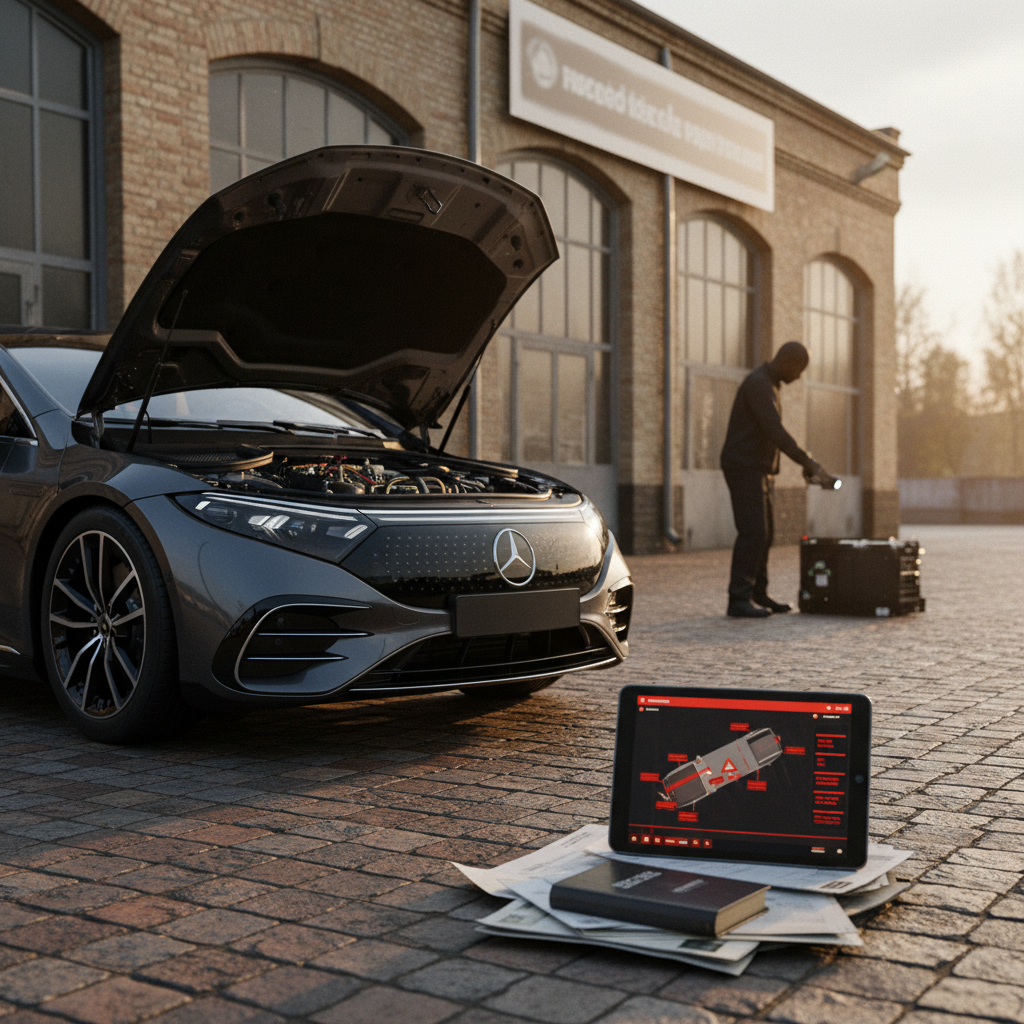
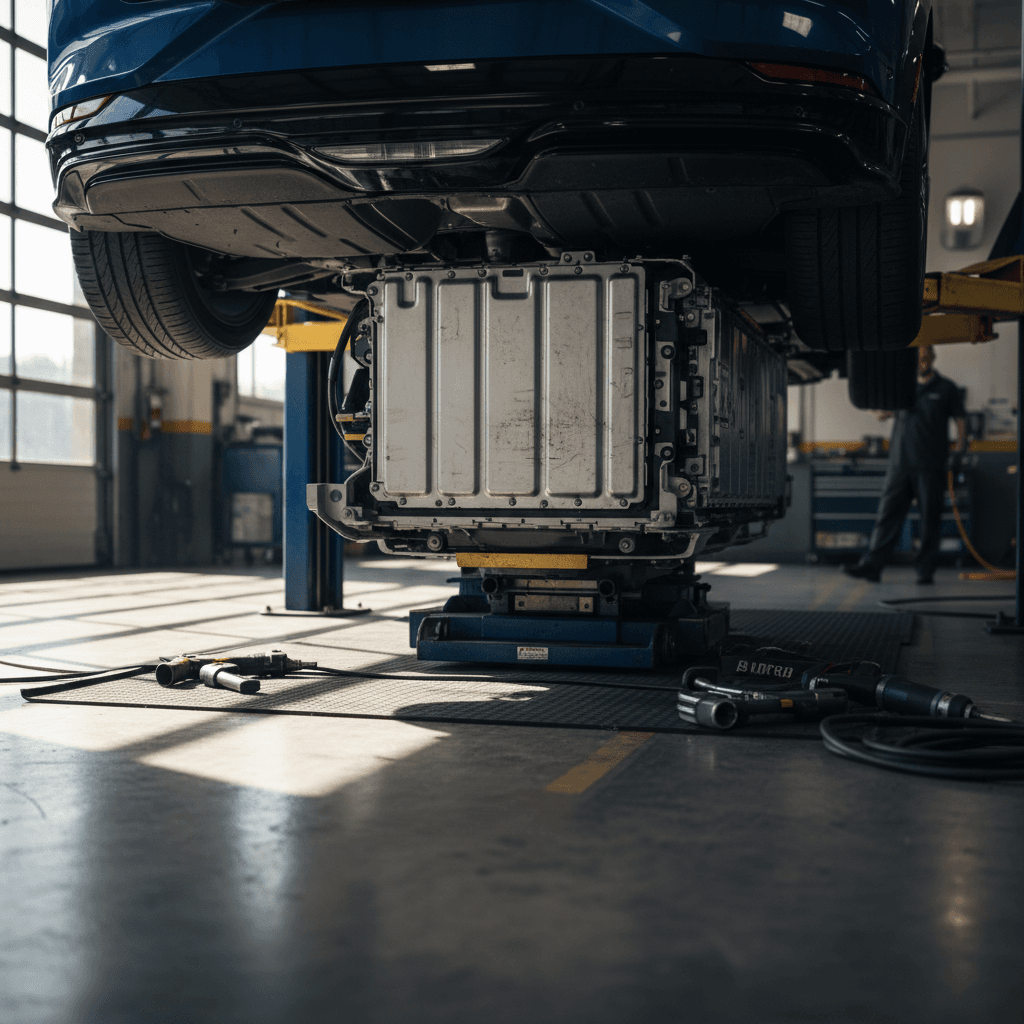
Swapping a Mach-E traction battery is not like changing a 12‑volt under the hood. The vehicle must be powered down and made safe, the pack is lowered from the underside using a lift and special jack or cradle, and high‑voltage safety procedures are mandatory. That’s why even when you find a relatively affordable pack, the installed cost still climbs quickly.
Where the rest of the money goes
Beyond the battery pack itself, several line items add to your final invoice.
Labor hours
Typical pack swap jobs can easily run 10–20+ billable hours, depending on shop familiarity, corrosion, and whether diagnostics or software updates are involved.
Consumables & hardware
Coolant, seals, fasteners, brackets, and high‑voltage safety gear all add up. It’s common to see hundreds of dollars in additional parts and shop supplies.
Diagnostics & programming
Post-install, technicians must run tests, clear codes, and in some cases perform software updates or BMS re‑learn procedures to match the pack to your Mach-E.
In many U.S. markets, once you add labor, shop fees, and taxes to the cost of the pack, a realistic total out-of-pocket bill for a full high‑voltage battery replacement on a Mach-E that is out of warranty often falls somewhere in the $8,000–$15,000+ range. That wide band reflects regional labor rates and whether you’re paying for a new, reman, or used pack.
Safety first with high-voltage work
Ford Mustang Mach-E battery warranty coverage
For most current Mach-E owners, warranty coverage is the most important factor in understanding battery replacement risk. Ford’s U.S. warranty on hybrid and EV batteries covers the high‑voltage pack for 8 years or 100,000 miles from the original in‑service date, whichever comes first, including protection against excessive capacity loss.
- If your pack fails or suffers abnormal degradation within the warranty window, Ford typically replaces or repairs it at no charge to you, aside from any diagnostic fees that may apply in edge cases.
- Warranty coverage follows the vehicle, not just the first owner, critical if you’re buying a used Mach-E.
- “Excessive capacity loss” does not mean every small drop in range; all lithium-ion packs lose some capacity over time. Ford uses internal thresholds and diagnostics to determine when it crosses the line into a warranty issue.
- Damage from accidents, flooding, or improper modifications is usually excluded, and may be handled through insurance instead of warranty.
Why most Mach-E drivers won’t pay for a pack
How to check your Mach-E battery warranty status
1. Confirm in-service date
Ask a Ford dealer to look up your Mach-E’s <strong>original in‑service date</strong> (when it was first sold or leased). This, not the model year alone, starts the 8‑year clock.
2. Verify current mileage
The high‑voltage battery warranty ends at <strong>100,000 miles</strong>, even if you’re still under eight years. Check your odometer before scheduling service.
3. Request a battery health check
If you suspect range loss, ask for a <strong>formal battery capacity test</strong>. This gives the dealer data to decide if your condition qualifies as excessive degradation.
4. Get the findings in writing
Ask the service advisor to note diagnostic codes and test results on your repair order. This paper trail helps if your pack deteriorates further before the warranty window closes.
5. Ask about goodwill options
If you’re just outside the warranty period, politely ask whether Ford offers any <strong>goodwill assistance</strong> or cost sharing. Results vary, but it doesn’t hurt to ask.
Repair, replace, or sell: which makes sense?
Let’s say your Mach-E is out of warranty, its range has dropped significantly, or the pack has developed an internal fault. Now you’re staring at a five‑figure estimate and wondering whether to write the check, hunt for a cheaper option, or move on from the vehicle entirely.
1. Replace the pack
Best when you love the vehicle, the body and interior are in excellent condition, and you plan to keep it for many more years.
- Restores range and performance.
- Strong choice if you secure a competitively priced used or reman pack.
- May make the most sense on higher-trim, extended-range or GT models worth more on the used market.
2. Explore repair or partial replacement
In some cases, only specific modules, contactors, or BMS components fail.
- Module-level repairs can cost significantly less than a complete pack swap.
- Availability depends on local EV specialists and Ford policies in your area.
- Good option if diagnostics show localized issues rather than broad degradation.
3. Sell or trade the vehicle
If the repair bill is close to the car’s value, selling may be more rational.
- Some buyers (and platforms like Recharged) specialize in EVs and account for battery condition directly.
- You avoid sinking major money into a car you don’t plan to keep long‑term.
- Works especially well if you’re ready to upgrade to a newer EV with better range or charging speed.
Run the math like a used-car pro
How battery health affects used Mach-E values
Battery health is the single most important lever on any used EV’s value. Two Mach-Es with the same model year and trim can have very different real‑world ranges depending on how they were charged, driven, and stored. The market is still learning how to price that risk, which is why objective battery data is so valuable for buyers and sellers.
Where Recharged fits in
How battery health shows up in real-world Mach-E pricing
These are typical patterns we see in the used‑EV market rather than strict rules.
Healthy battery, normal degradation
- Range close to original EPA figures.
- Buyers are willing to pay near top-of-market pricing for the trim and mileage.
- Battery worries rarely kill a deal; focus shifts to features, color, and condition.
Notable degradation or pack history
- Significant range loss versus new.
- Past pack repairs or replacements may raise questions.
- Buyers often demand discounts, extended test drives, or third‑party battery checks.
Tips to extend your Mach-E battery life
The best way to avoid ever paying for a Mach-E battery replacement is to treat the pack kindly from day one. You can’t stop natural, gradual degradation, but you can slow it down and keep your usable range higher for longer.
Everyday habits that protect your Mach-E battery
Avoid living at 100% state of charge
Charging to 100% occasionally for trips is fine, but for daily use, many experts suggest targeting around <strong>70–90%</strong> as your regular max when possible.
Don’t regularly run to 0%
Deep discharges stress lithium-ion cells. Try to plug in when you’re down around <strong>10–20%</strong> instead of waiting for warnings or near‑zero range.
Limit unnecessary DC fast charging
DC fast charging is a great tool for road trips, but frequent high‑power sessions generate more heat and can accelerate wear. Lean on Level 2 home or workplace charging when you can.
Watch temperature extremes
If you live in very hot or cold climates, park in a garage when possible and avoid leaving the car fully charged in extreme heat for long periods.
Keep software up to date
Ford continuously refines battery and thermal management through software updates. Staying current helps your Mach-E protect its own pack more intelligently.
Schedule periodic health checks
Every couple of years, or before selling, consider an <strong>independent battery health assessment</strong>. It can catch emerging issues early and document the pack’s condition for future buyers.
Ford Mustang Mach-E battery replacement cost FAQ
Frequently asked questions about Mach-E battery replacement
Bottom line: what Mach-E owners should plan for
Ford Mustang Mach-E battery replacement cost is a big number on paper, but for most owners in 2026 it’s still a low‑probability event, especially while the 8‑year / 100,000‑mile warranty is in force. The real financial risk comes later in the vehicle’s life, when that warranty expires and the decision shifts from “Is Ford covering this?” to “Does it make economic sense to repair, replace, or sell?”
If you already own a Mach-E, the smartest moves are simple: confirm your warranty dates, practice good charging habits, and consider periodic battery health checks so there are no surprises. If you’re shopping for a used Mach-E, buying through a marketplace like Recharged, with transparent, third‑party battery diagnostics baked in, lets you enjoy the performance and practicality of Ford’s electric SUV without guessing what’s happening inside the pack.