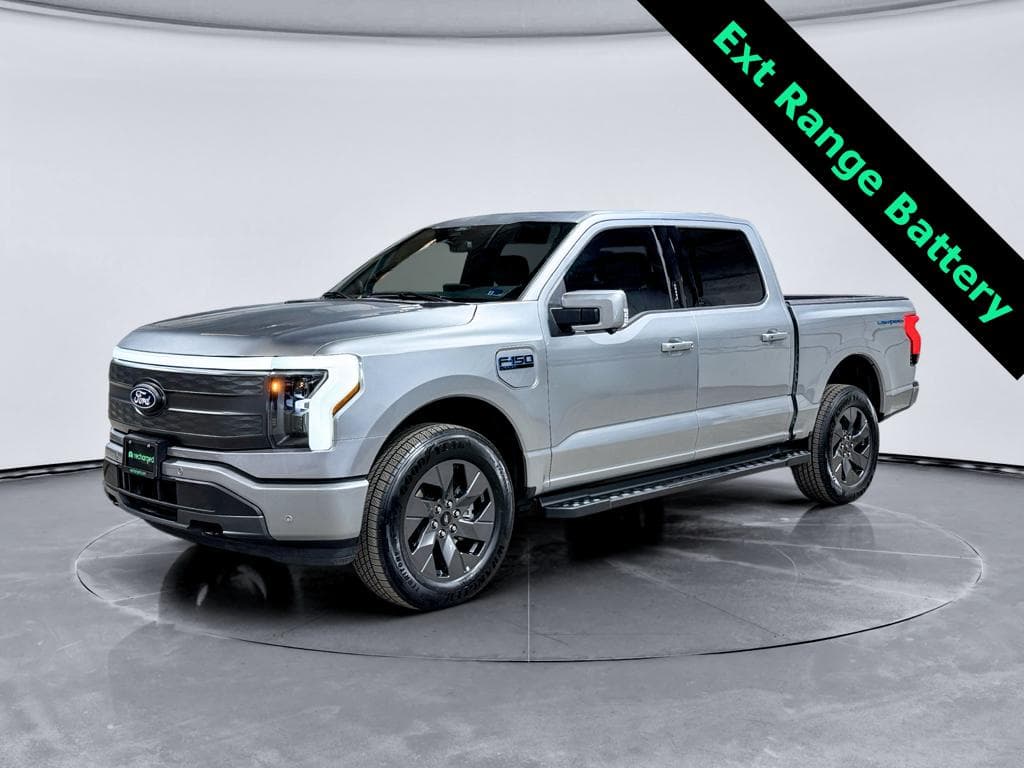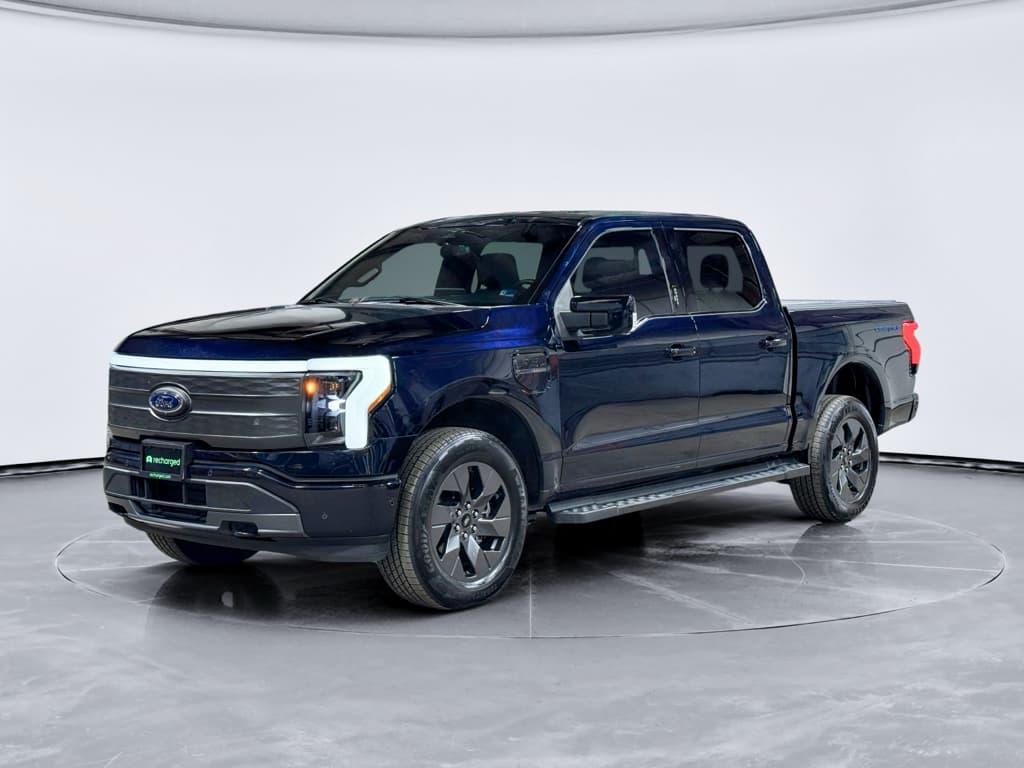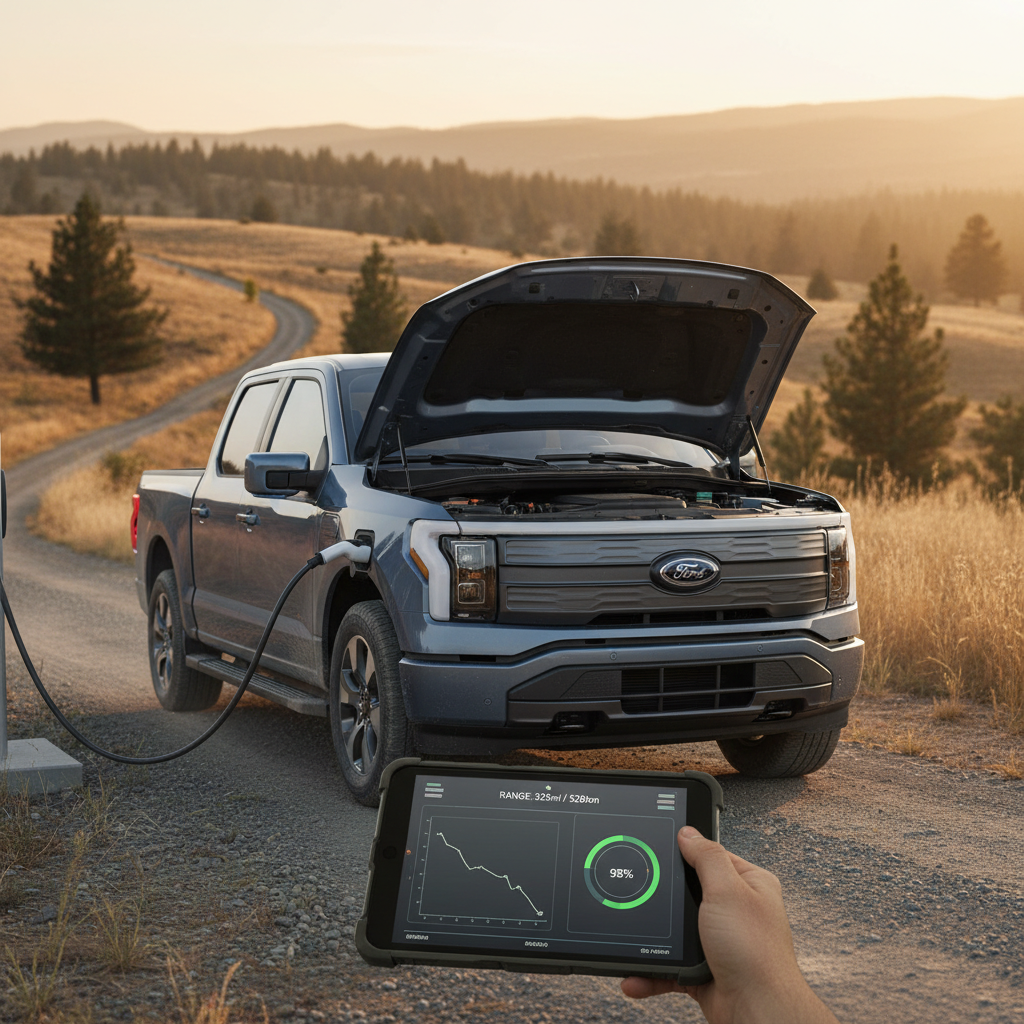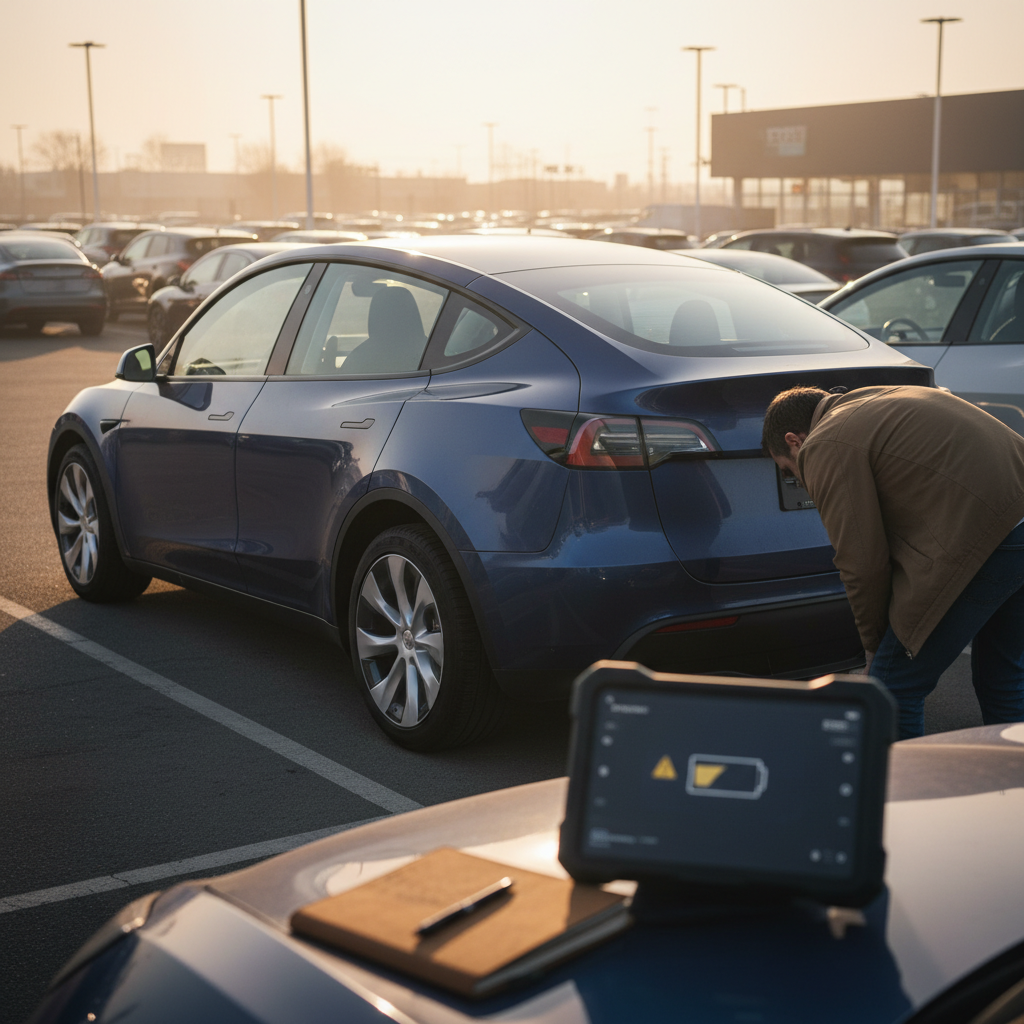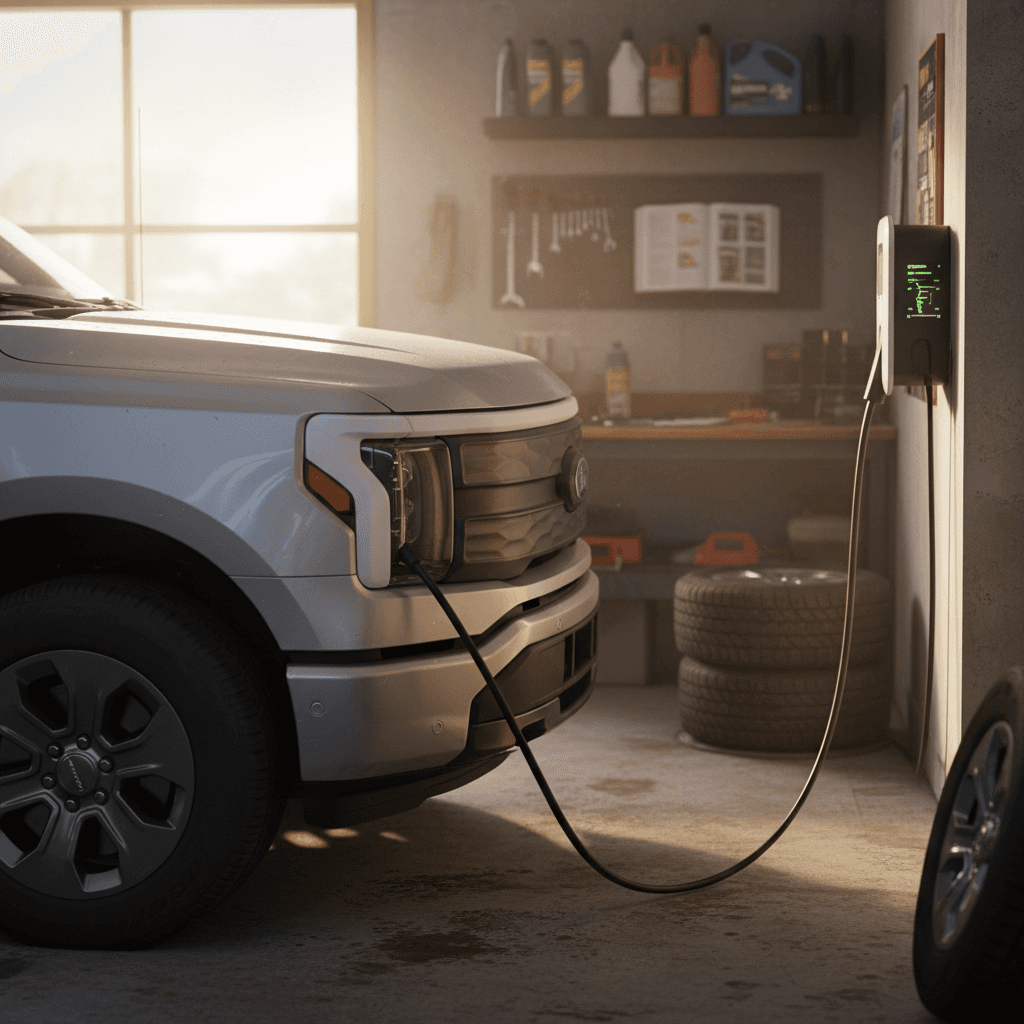
If you’re considering a 2023 Ford F-150 Lightning, you’re probably wondering less about 0–60 times and more about **reliability**. Can this first‑wave electric pickup handle daily use, work duty and road trips without becoming a science project in your driveway? This guide pulls together what we know so far about 2023 Ford F-150 Lightning reliability, including common problems, battery health, recalls and what to look for if you’re buying used.
Quick take
2023 F-150 Lightning reliability at a glance
Reliability snapshot for 2023 F-150 Lightning
Reality check on early EV trucks
How reliable is the 2023 F-150 Lightning so far?
At this point in the truck’s life cycle, we’re dealing with **real‑world data from the first few years**, not decades of history. Survey‑based testing programs rate the 2023 F-150 Lightning’s reliability as **worse than average** compared with other 2023 vehicles, pointing especially to in‑car electronics, charging troubles and some early powertrain concerns rather than chronic hardware failures.
Owner reviews are more nuanced. Many 2023 Lightning drivers praise the truck’s smooth powertrain, quiet cabin and everyday usability, but they also report **annoyances that add up**: intermittent charging issues, infotainment bugs, door‑lock glitches and frustrations with Ford’s public‑charging experience and app ecosystem.
What testing programs see
- Below‑average predicted reliability for 2023 model year.
- Trouble spots concentrated in in‑car electronics, charging hardware, and some early driveline issues.
- Multiple recalls, several involving the high‑voltage system or stability control.
What owners report
- Powertrain and ride quality get high marks.
- More complaints about software quirks and charging than about mechanical breakdowns.
- Mixed confidence about long‑term durability, especially for heavy towing and work duty.
Most common 2023 F-150 Lightning problems
Patterns are emerging in owner reports, forums and service bulletins. The list below highlights **recurring issues**, not one‑off defects. A used truck may have had many of these addressed under warranty already, but you still want to check.
Top trouble spots on the 2023 Lightning
What you’re most likely to encounter in the real world
Charging & charge port
- Truck won’t start a DC fast‑charge session with certain networks.
- Charge port door sticking or failing.
- Occasional refusal to charge at home until system is rebooted.
Infotainment & cameras
- Freezing or crashing of the large center screen.
- Glitchy backup camera or delayed image.
- Random audio/nav bugs that need a restart or over‑the‑air update.
Body & trim quirks
- Frunk (front trunk) latch or power‑open failures.
- Door handle lock/unlock sensitivity or misbehavior.
- Rear lightbar moisture intrusion or backup light failure (subject of an official recall).
More serious, but less common, complaints include **electric‑motor or drive‑unit warnings**, traction‑battery system fault codes and early front‑suspension issues. Many of these have been addressed through recalls or updated parts, but it underscores that the Lightning is still finding its footing.
Service‑history tip
Battery life, degradation and range over time
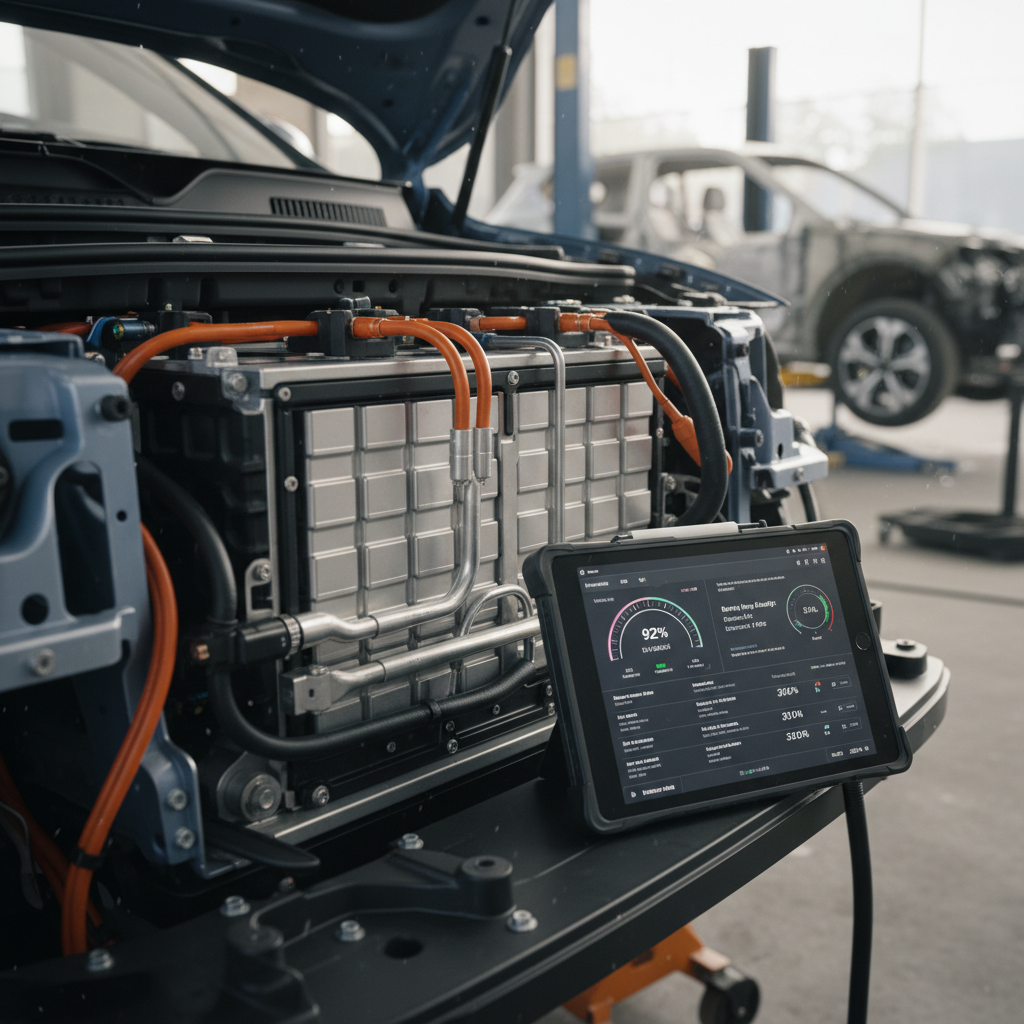
The good news: early high‑mileage owners are seeing **encouraging battery health**. One widely discussed F-150 Lightning owner reported about 97% state of health at nearly 100,000 miles, with most charging done at home and limited time spent at 100% state of charge. That aligns with what we’re seeing across modern EVs: when managed well, big‑pack batteries hold up better than many shoppers fear.
Ford uses a **Nickel Cobalt Manganese (NCM)** battery chemistry in the 2023 F-150 Lightning. NCM offers strong energy density but is more sensitive to high state of charge and high heat than newer LFP chemistries. Ford says routine charging to 90–100% is acceptable, but experienced owners and battery researchers generally recommend **keeping the truck in the 20–80% window for daily use** when possible.
- For most drivers, expect **roughly 1–5% capacity loss per year** in normal use, more if the truck regularly lives at 90–100% in hot climates, less if it’s kept cooler and below 80%.
- Unlike a gas engine, range loss is gradual and the truck can adapt its estimated range based on your driving and charging habits.
- Ford warranties the pack to maintain at least **70% of its original usable capacity** for 8 years or 100,000 miles, whichever comes first.
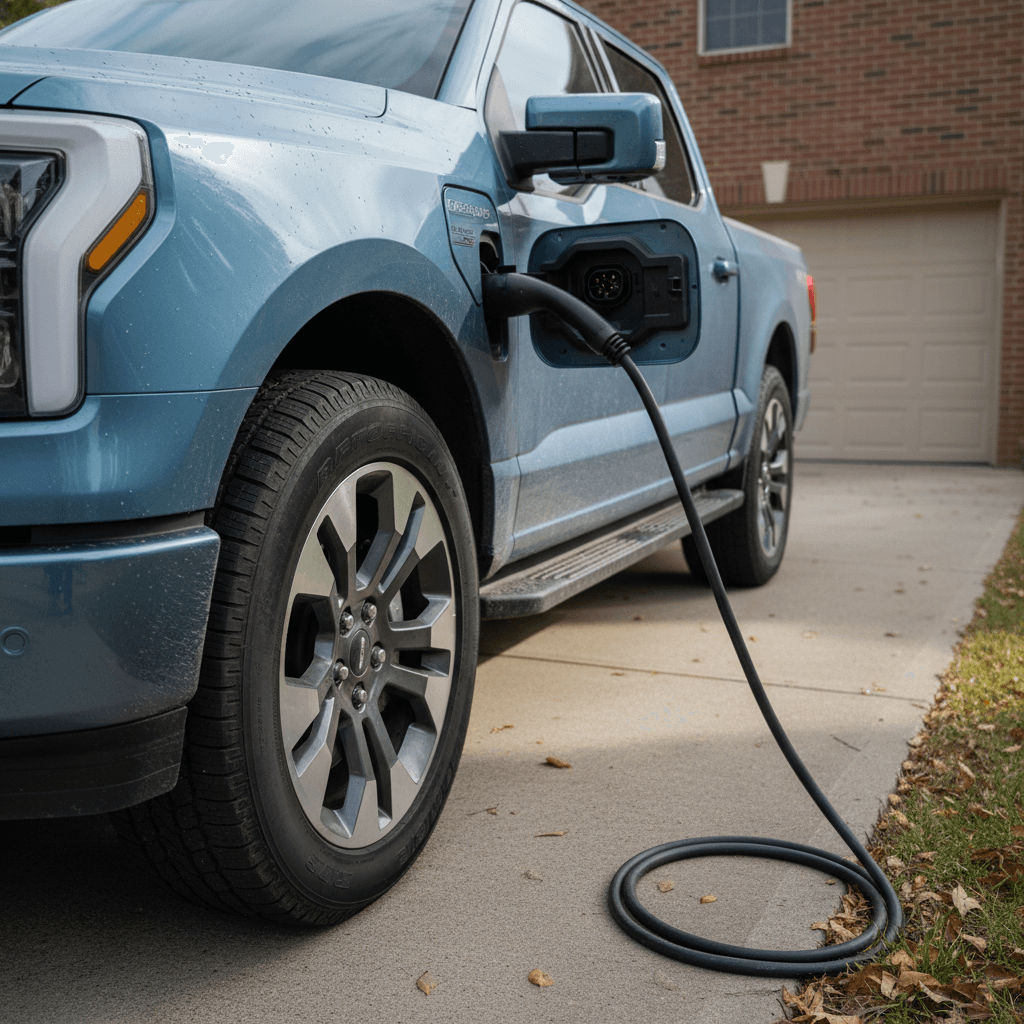
How to treat a Lightning battery well
Motor, drivetrain and towing durability
The Lightning’s **dual‑motor all‑wheel‑drive setup** has, so far, proven fairly stout. There have been isolated reports of drive‑unit warnings and battery‑system shutdowns, but compared with the volume of trucks in service, outright motor failures are still rare. Most owners describe the truck as one of the **smoothest and quietest F‑150s** they’ve ever driven.
Where reliability questions linger is **heavy towing and payload**. The 2023 Lightning can tow up to 10,000 pounds when properly equipped, but extended towing at high loads exposes the battery, cooling system and brakes to more stress. Owners who frequently tow close to max capacity sometimes report increased warning lights, reduced range and occasional derating of power if the truck gets hot.
If you’ll tow regularly with a 2023 Lightning
1. Right‑size your expectations
Even when everything is working perfectly, expect **significant range loss when towing**, often 40–50% compared with unladen driving. Plan routes and charging accordingly.
2. Watch temperatures
Keep an eye on battery and ambient temperatures, especially in hot weather. Give the truck a chance to cool down between long, heavy pulls.
3. Service brakes and tires proactively
The extra weight of the battery pack plus trailer makes brake and tire health crucial. Regular inspections will prevent small issues from becoming reliability problems.
4. Avoid maxing out every trip
For long battery and driveline life, it’s better to tow **well under the rated maximum** most of the time instead of running at the limit on every trip.
Software, charging glitches and electronics
If there’s a weak link in 2023 Ford F-150 Lightning reliability, it’s **software and connectivity**, not the hardware itself. Owners commonly describe the truck as fantastic to drive but occasionally frustrating to live with because of electronics.
Frequent electronic and software complaints
These problems are annoying more often than they are dangerous, but they can still cost you time.
| System | Typical symptom | How it’s usually resolved |
|---|---|---|
| Infotainment screen | Freezing, black screen, or unresponsive apps | Soft reset, over‑the‑air update, or replacement under warranty |
| Backup camera | Delayed or frozen image when shifting to reverse | Software update or camera module replacement |
| BlueCruise / driver assist | Overly sensitive hands‑on alerts, frequent beeping | Updated calibration or software; sometimes steering‑wheel sensor work |
| Public DC fast‑charging | Truck won’t start session or stops early on some networks | Software updates, trying different stations, or using Ford‑preferred networks |
| FordPass / BlueOval app | Chargers shown as available but actually out of service; missing Tesla sites | Updating apps, cross‑checking with third‑party apps, or using Tesla app directly |
Always verify that a used truck has received the latest over‑the‑air and dealer‑installed updates.
Don’t underestimate charging network "reliability"
Key recalls affecting the 2023 F-150 Lightning
The 2023 Lightning has been the subject of **multiple recalls**. That’s not unusual for a clean‑sheet EV in its early years, but you want to make sure any truck you’re considering has had all work completed. Here are some of the higher‑profile campaigns touching 2023 models:
- High‑voltage battery system and propulsion‑related recalls addressing potential pack or contactor issues and unexpected shutdown risks.
- Electronic stability control and traction‑control updates to ensure proper behavior in certain driving conditions.
- Rear lightbar recall on many 2022–2023 Lariat and Platinum trucks for **cracked lenses and moisture intrusion** that can cause flickering or inoperative backup lights.
- Various software‑related recalls that can be remedied through over‑the‑air or dealer‑installed updates, including camera behavior and warning‑system logic.
How to check recall status
Shopping used: what to check on a 2023 Lightning
With Ford now pivoting away from the original all‑electric Lightning toward extended‑range and hybrid trucks in the future, the 2023 model is shaping up to be **a key year on the used market**. Here’s how to separate a solid truck from a problem child.
Used 2023 F-150 Lightning reliability checklist
1. Battery health & fast‑charge history
Ask for a **battery‑health report** if available and look for evidence of mostly home charging versus constant DC fast‑charging. At Recharged, every vehicle includes a Recharged Score battery assessment so you can see real data, not guesses.
2. Recall & software campaign completion
Verify via VIN that all recalls and technical service bulletins have been performed. Trucks that stayed in dealer stock longer sometimes had updates delayed.
3. Frunk, doors and locks
Open and close the power frunk multiple times, check for smooth latching, and test every door handle and lock. Water intrusion around the frunk area can cause persistent electrical gremlins if not addressed.
4. Charging behavior
If possible, **test both Level 2 home‑style charging and DC fast‑charging** before purchase. Confirm the truck starts a session reliably, doesn’t drop out immediately and doesn’t throw error codes.
5. Suspension, tires and alignment
A heavy electric pickup is hard on suspension components. Look for uneven tire wear, steering pull or clunks over bumps, signs that bushings or control arms may need attention.
6. In‑car electronics
Spend time with the infotainment system, camera views and driver‑assist features. Repeated freezing, black screens or persistent warning chimes are red flags you don’t want to inherit.
How Recharged can help
Ready to find your next EV?
Browse VehiclesWarranty coverage and cost of ownership risks
Ford backs the 2023 F-150 Lightning with a **3‑year/36,000‑mile basic warranty** and an **8‑year/100,000‑mile warranty on the high‑voltage battery and electric drivetrain**. That’s in line with industry norms, and it meaningfully reduces your exposure to big‑ticket failures during the first ownership cycle.
What can still cost you money
Even with strong battery coverage, no truck is “maintenance‑free.”
Out‑of‑warranty items
- Suspension wear items (control arms, bushings, shocks).
- 12‑volt battery, which still exists and can cause weird behavior when weak.
- Door handles, frunk actuators and other convenience hardware.
Diagnostics & software
- Complex EV systems may require more time on the diagnostic computer.
- Some issues need multiple software updates to fully resolve.
- Plan a modest annual budget for dealer visits even if nothing "breaks" outright.
Financing a used Lightning
Who the 2023 F-150 Lightning suits best (and who it doesn’t)
Reliability isn’t just about failure rates, it’s also about **how well a vehicle matches your use case**. The same 2023 F-150 Lightning that’s bulletproof for one owner could be a headache for another.
Good reliability fit
- You can charge at home on Level 2 most nights.
- Your daily driving fits comfortably within the truck’s real‑world range, even allowing for winter and accessory loads.
- You tow or haul occasionally, not at max capacity every weekend.
- You’re comfortable with over‑the‑air updates and the occasional software quirk.
Questionable reliability fit
- You rely heavily on public fast‑charging in an area with spotty infrastructure.
- Your work requires frequent towing near the truck’s maximum rating.
- You need absolute uptime with minimal tolerance for dealer visits or software updates.
- You’re not interested in learning a new charging ecosystem or apps.
2023 F-150 Lightning reliability FAQs
Frequently asked questions about 2023 Lightning reliability
Bottom line: is a 2023 F-150 Lightning a good bet?
Taken as a whole, the 2023 Ford F-150 Lightning is **not a disaster, nor is it bulletproof**. It’s a pioneering electric pickup with a strong battery and driveline story, wrapped in a software‑heavy package that still has some rough edges. If you can charge at home, don’t depend on towing at the limit, and are comfortable living through the occasional glitch or update, it can be a highly satisfying truck to own.
If, on the other hand, you demand rock‑solid simplicity, spend your life at max tow or rely on fragile public charging every day, its reliability profile may feel more stressful than you’d like. In that case, a plug‑in hybrid truck or a later‑generation EV might be the more conservative play.
Either way, the key with a 2023 Lightning is **knowing what you’re getting**. A thorough inspection, verified battery health and a clean recall record go a long way. That’s exactly what Recharged was built for: to make used EV ownership, including trucks like the F-150 Lightning, as simple and transparent as possible.