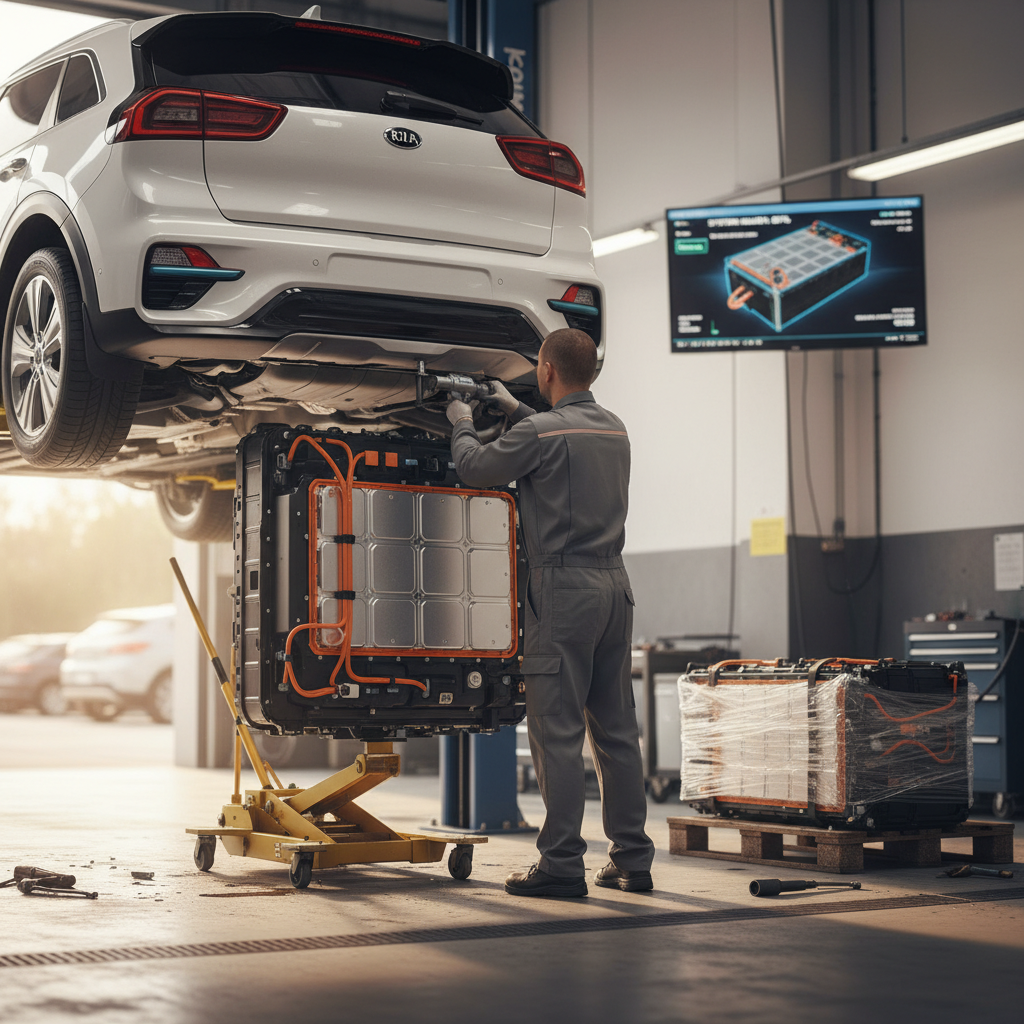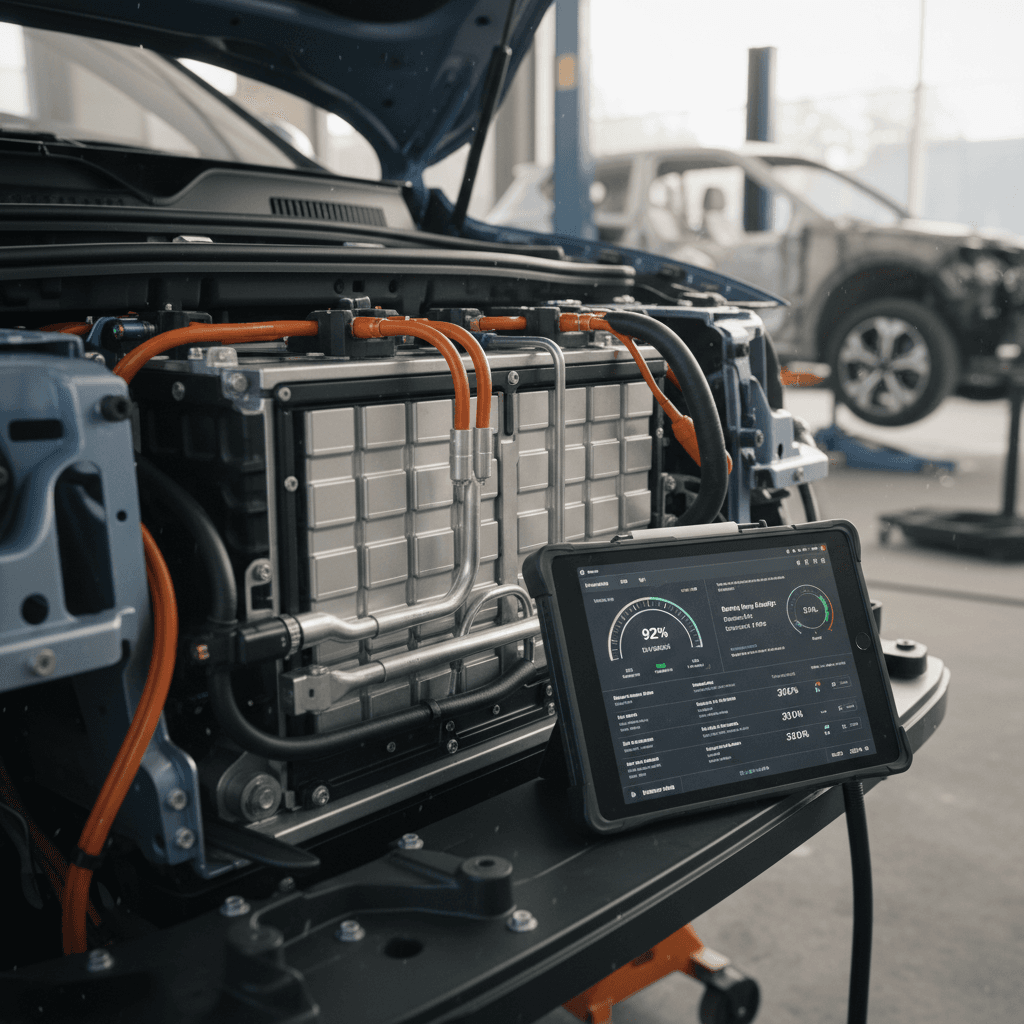
If you bought a Kia EV9, you paid for a lot of battery. Protecting that investment comes down to the habits you build now. The good news: maximizing Kia EV9 battery life doesn’t require spreadsheets or anxiety, it’s mostly about a few consistent charging and driving choices.
The short version
Why Kia EV9 battery care matters
The EV9’s pack is huge, either about 76.1 kWh or 99.8 kWh of gross capacity depending on trim. That much energy storage isn’t cheap to replace, so slowing degradation protects both your day‑to‑day range and your long‑term resale value. For used buyers, a healthier battery can easily be the difference between a confident purchase and a walk‑away.
What you gain by maximizing EV9 battery life
It’s about more than just a few extra miles of range.
More usable range
Slower degradation means your EV9 still feels like a road‑trip SUV in year 8, not a city car that’s always searching for a plug.
Stronger resale value
Buyers (and lenders) care about battery health. A pack that holds capacity well can support higher trade‑in or private‑sale prices.
Less warranty stress
Staying well above the warranty threshold gives you margin against edge‑case failures and lets you enjoy the truck without worry.
Kia EV9 battery basics in plain English
Every EV9 uses a high‑voltage lithium‑ion pack on Kia’s E‑GMP platform. Most trims in North America use the larger ~99.8 kWh pack, while some entry versions use a ~76.1 kWh pack. Both share the same core rules of thumb for longevity.
Kia EV9 battery variants at a glance
The battery chemistry and care principles are similar across trims.
| EV9 configuration | Battery size (gross) | Typical use case | Longevity implication |
|---|---|---|---|
| Standard battery (RWD) | 76.1 kWh | Shorter commutes, mixed city/highway | Less mass, slightly quicker to charge, habits still matter. |
| Long‑range battery (RWD/AWD) | 99.8 kWh | Family road trips, towing, heavy highway use | More capacity gives more headroom before degradation feels noticeable. |
Exact usable (net) capacity can vary slightly by market and software version, but daily‑care habits stay the same.
Don’t chase zero degradation
Build a daily charging routine that protects the pack
Your daily charging pattern is the single biggest lever you control. The EV9’s battery management system (BMS) handles the complex chemistry; you handle when and how far it swings between “low” and “full.”
An EV9‑friendly daily charging routine
1. Set a sane daily charge limit
In the Kia Access app or on the infotainment screen, set your AC charging limit around <strong>80%</strong> (some owners choose 70–85%). That keeps the pack away from the most stressful high‑voltage region in everyday use.
2. Use 100% only when you actually need it
For road trips or rare long days, bump the limit to 100% and time the charge so you hit full shortly before departure. Living at 100% every night is harder on the pack than briefly visiting it before a big drive.
3. Avoid deep discharges when you can
Try not to let the EV9 sit under ~10–15% state of charge, especially overnight in very hot or cold weather. Dropping to single digits occasionally on a road trip is fine; storing it there is not.
4. Prefer Level 2 at home
If you have a 240‑volt Level 2 charger, use it as your primary fuel. It’s gentle compared with repeated DC fast charges and lets you schedule overnight charging when the pack is cool and your utility rates are lower.
5. Schedule charging to finish near departure
Use the departure time / scheduled charging settings so the car completes most of its charge right before you leave. The battery spends less time sitting at a higher state of charge.
Resist the “always top it off” instinct
Use DC fast charging without abusing the battery
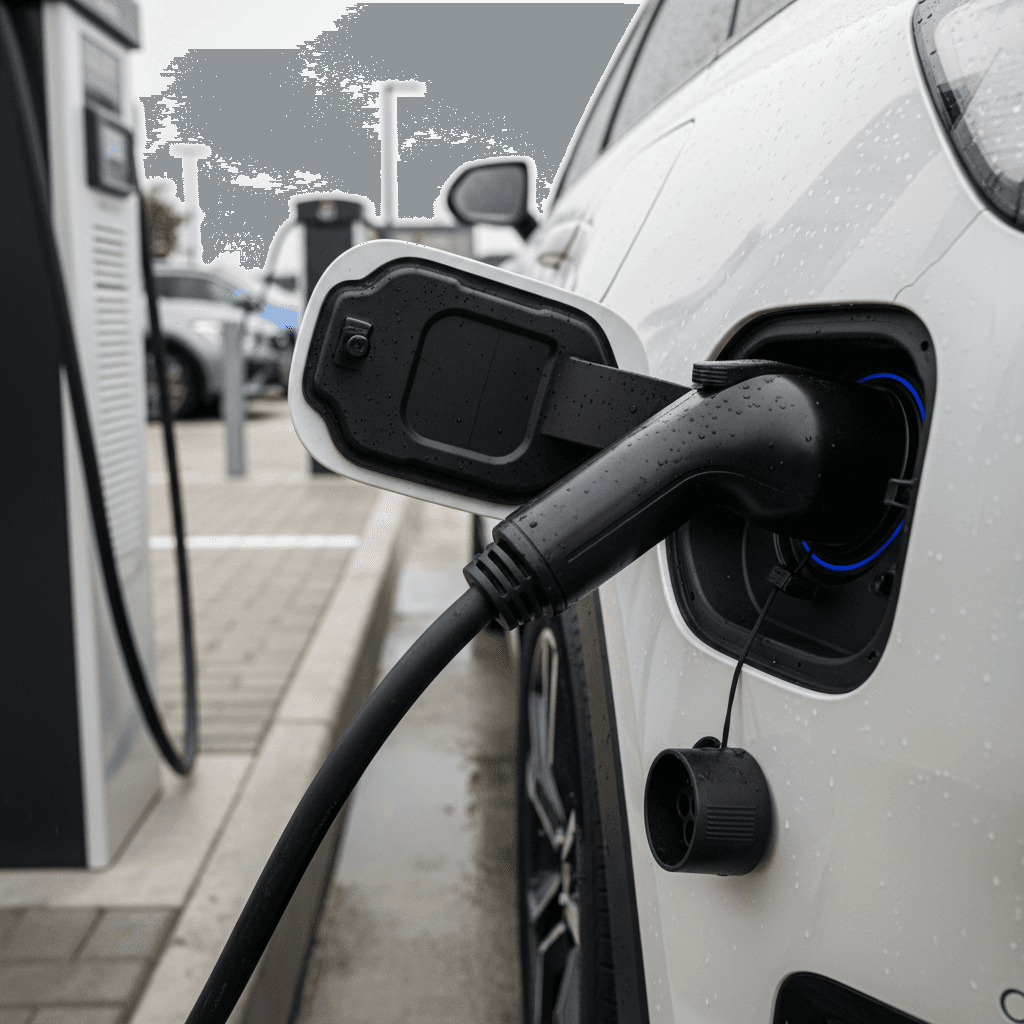
The EV9 supports very fast DC charging on 800‑volt hardware, which is a standout feature. The trade‑off is that high‑power charging creates more heat and stress than slow AC charging. Occasional road‑trip use is fine; using DC fast charge like a daily gas station is where problems start.
DC fast‑charging do’s and don’ts for the EV9
Treat it like a road‑trip tool, not a daily habit.
Smart fast‑charging habits
- Arrive between ~10–40%. The lower the state of charge, the more efficiently fast charging adds miles.
- Unplug around 70–80%. Above that, the EV9 tapers power anyway, and spending time at a high state of charge adds stress.
- Precondition in extreme weather. Let the car warm or cool the pack before a big fast‑charge session when possible.
- Plan clusters of charges on road trips. Multiple moderate fast charges are usually better than one marathon 10–100% blast.
What to limit or avoid
- Daily DC fast charging from high SOC. Plugging in at 60–70% just for convenience is hard on the pack.
- Back‑to‑back 100% DC sessions. Especially in heat, this is where you’ll pile on unnecessary stress.
- Ignoring hot‑battery warnings. If the car slows charging to protect itself, let it, don’t immediately hop to another charger to “force” higher speeds.
Don’t fear road trips
Driving habits that help (or hurt) Kia EV9 battery life
How you drive doesn’t just change today’s range readout, it also affects battery temperature and long‑term wear. Think of the EV9 like a heavy, powerful SUV that happens to be electric: smooth and predictable usually wins.
- Use Eco or Normal mode for most driving; save Sport for short bursts.
- Accelerate briskly when needed, but avoid constant full‑throttle launches.
- Anticipate traffic so regen can do more of the work instead of friction brakes.
- Set regenerative braking to a level you’re comfortable with and actually use, it recovers energy and reduces heating from mechanical brakes.
- High sustained speeds (80–85 mph+) heat the pack and burn through range; keeping closer to posted limits is good for both battery and wallet.
Let regen do its thing
Temperature, preconditioning, and long-term health
Like any modern EV, the EV9’s battery is happiest in a moderate temperature band, roughly room temperature. Its thermal management can heat or cool the pack, but your choices still matter, especially in very hot or very cold climates.
Hot‑weather tips
- Park in shade or indoors when possible to reduce cabin and pack temps.
- Avoid fast‑charging a very hot battery right after a long highway run if you don’t actually need the range.
- Use cabin pre‑cooling while plugged in so the A/C does its heavy lifting on grid power, not battery power.
- Don’t leave the car fully charged in blazing heat for days, drop the limit if it will sit.
Cold‑weather tips
- Preheat while plugged in using the app or departure timers so energy comes from the grid.
- Expect higher consumption; cold batteries are less efficient and charge slower.
- Avoid fast‑charging a deeply cold pack immediately; a short drive to warm things up first is kinder.
- Don’t panic if regen is limited when the car is cold, that’s normal, and it returns as the battery warms.
Use the tech you paid for
If you don’t drive much: storage and low‑usage tips
Some EV9s will be family haulers; others will spend long stretches parked at a vacation home or sitting at the airport. Long‑term storage habits are a little different from daily charging habits.
How to store a Kia EV9 for weeks or months
1. Aim for 40–60% before you park
Kia and battery experts generally prefer a mid‑pack state of charge for storage. Don’t put it away at 5% or 100% if you can avoid it.
2. Disable or relax charging schedules
If the EV is on a Level 2 charger, set a lower limit (around 60%) rather than letting it climb to 80–100% automatically while you’re gone.
3. Avoid extreme temperatures when possible
A garage is better than a sun‑baked driveway or unheated lot. If that’s not an option, focus on mid‑pack SOC and let the thermal system manage the rest.
4. Check in periodically
If you’re away for more than a month, have someone confirm the car still has charge and hasn’t been left in an unusual state (e.g., climate left on, doors ajar).
5. After storage, let the BMS recalibrate
On your first few drives back, allow a normal discharge and, if recommended in your manual, a full 100% charge to help the BMS re‑learn the pack’s true capacity.
Software updates, state-of-charge readings, and BMS calibration
EV9 owners have already seen over‑the‑air (OTA) updates change how the state‑of‑charge gauge behaves and how much usable capacity you can access at the top of the pack. That doesn’t always mean your battery suddenly got worse; sometimes Kia is just adjusting buffers for safety or longevity.
- It’s normal for the dash to show slightly different “full” numbers after certain software updates.
- Charging to 100% occasionally (for example, once a month on Level 2) can help the BMS recalibrate its view of the pack, which improves range‑estimate accuracy.
- Don’t obsess over every mile of displayed range. Track real‑world energy use over full trips instead; that’s a better indicator of health.
- If you see a sudden, large permanent‑feeling drop that doesn’t match your usage, it’s worth documenting and talking to a Kia dealer under warranty.
Watch for true red flags
How to monitor your EV9’s battery health over time
You don’t need lab equipment to keep tabs on an EV9 battery. What you want is a simple, repeatable way to check whether the pack is aging in a normal, boring way or if something seems off.
Simple ways to sanity‑check EV9 battery health
You’re looking for trends, not one‑off numbers.
Track a known route
Drive the same 20–40 mile commute or loop a few times a year, in similar weather, and note % used. Slow, gradual increases in consumption are normal; sudden jumps deserve a closer look.
Note % from 100% to low SOC
Once or twice a year, charge to 100%, then drive down to ~10–15% in normal conditions. The miles you cover versus what the car predicted can hint at real usable capacity.
Get a third‑party health check
Tools like the Recharged Score battery health report use diagnostics to estimate pack health. That’s useful both for peace of mind and when buying or selling a used EV9.
"For used‑EV shoppers, verified battery health is the new equivalent of a thick service history file. It tells you how the last owner actually treated the vehicle."
Kia EV9 battery warranty, and what it means for used buyers
Modern Kia EVs, including the EV9, come with a long high‑voltage battery warranty, typically 10 years or 100,000 miles with a capacity guarantee around 70% of original capacity. That doesn’t mean Kia expects 30% loss; it’s a floor that triggers potential repair or replacement if you fall below it under the right conditions.
What the warranty does for you
- Protects against outliers. If a pack degrades abnormally fast, you have formal recourse.
- Transfers to new owners. Battery coverage generally follows the vehicle, making a used EV9 more attractive.
- Sets expectations. A healthy pack that’s only lost a modest amount of capacity well into the warranty window is behaving as designed.
What it doesn’t guarantee
- Zero degradation. Some capacity loss is expected and not automatically a warranty case.
- Coverage after abuse. Ignoring maintenance, extreme modifications, or documented misuse can complicate claims.
- Exact range numbers. EPA ratings are lab figures; real‑world weather, speed, and load still rule.
How Recharged treats EV9 batteries
FAQ: Kia EV9 battery life & charging habits
Common Kia EV9 battery questions
Bottom line: Maximize battery life without overthinking it
The Kia EV9’s battery pack is engineered to work hard for a long time. You don’t need to live in fear of every kilowatt‑hour. If you keep daily charging in the 20–80% window, save 100% for real needs, treat DC fast charging as a road‑trip tool, and respect extreme temperatures, you’re already doing more than most owners ever will.
Where this really shows up is years down the road, when your EV9 still has the range to haul kids, gear, and trailers without constant charging stops, and when resale conversations aren’t dominated by battery‑health questions. And if you’re shopping for a used EV9 or considering selling yours, a Recharged Score battery health report can turn that long‑term care into real‑world value.