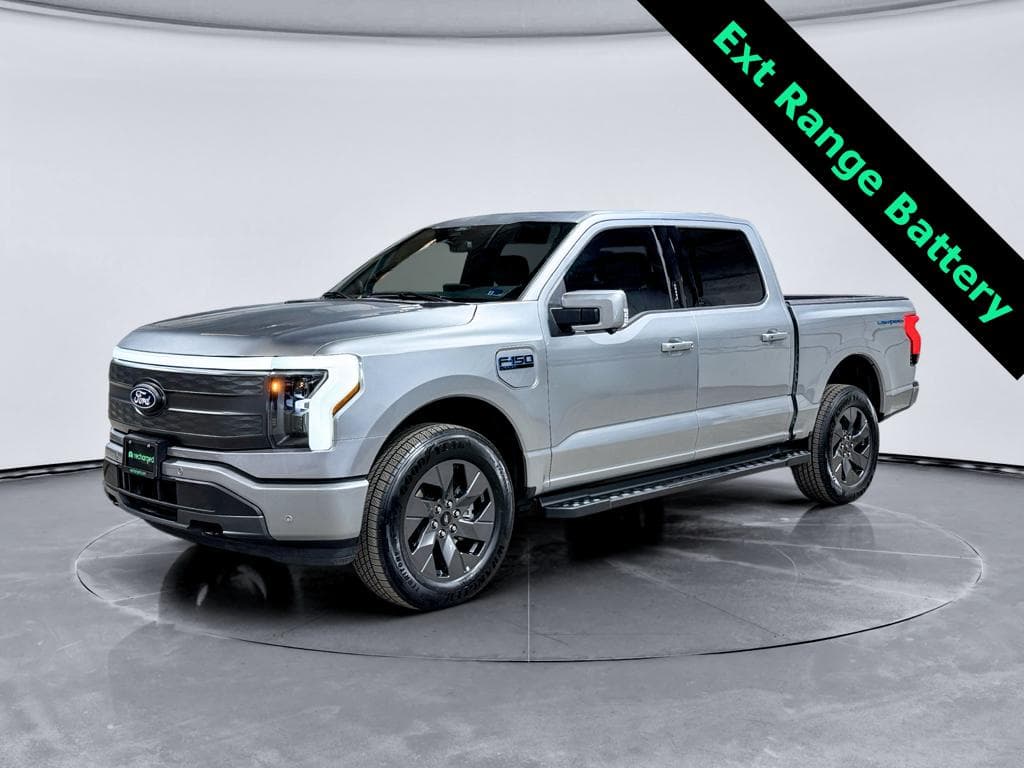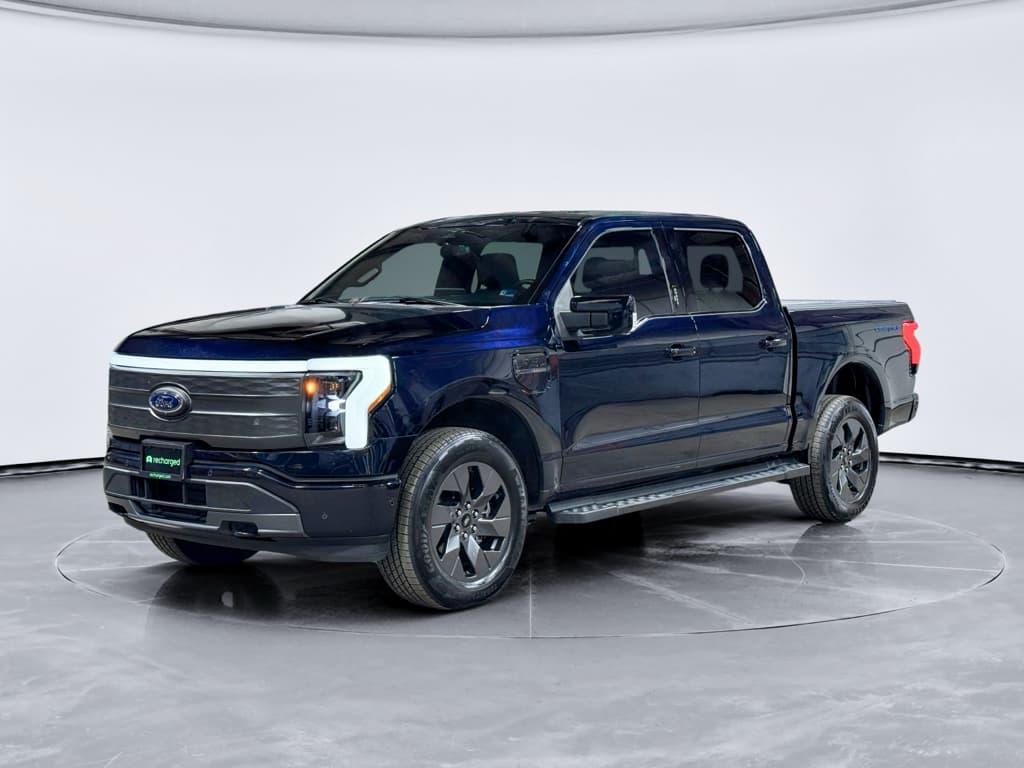
If you’re researching 2023 Ford F-150 Lightning problems, you’re probably trying to separate internet noise from real reliability data, especially if you’re considering a used Lightning. The first model years of any new EV tend to have more teething issues, and Ford’s electric pickup is no exception, but the story is more nuanced than “avoid it at all costs.”
Quick take
Overview: How Problematic Is the 2023 F-150 Lightning?
The 2023 F-150 Lightning is still an early-build EV truck riding on a heavily reworked F-150 platform, and that shows up in the data. Independent reliability surveys rate it below average overall, driven largely by issues with in-car electronics, charging behavior, and some electric drive concerns rather than constant mechanical breakdowns.
2023 F-150 Lightning Problem Snapshot
Compared with gas F-150s, the Lightning trades traditional engine/transmission worries for software complexity and high-voltage components. The good news: when problems are addressed properly, there’s little evidence that a healthy Lightning is inherently fragile. The bad news: downtime and dealer experience can vary a lot, and some issues are still being refined with over-the-air (OTA) updates.
Most Common 2023 F-150 Lightning Problem Areas
Where Owners Report the Most Trouble
Think in systems: electronics, charging, and driveline rather than old-school engine issues.
In-car electronics
EV charging behavior
Electric drive & driveline
Early-build reality check
Battery & Charging Problems on the 2023 Lightning
When shoppers search for 2023 Ford F-150 Lightning battery problems, they’re usually worried about two things: long-term battery health and scary failures like fires or sudden shutdowns. It’s important to separate high-profile headlines from statistically common owner experiences.
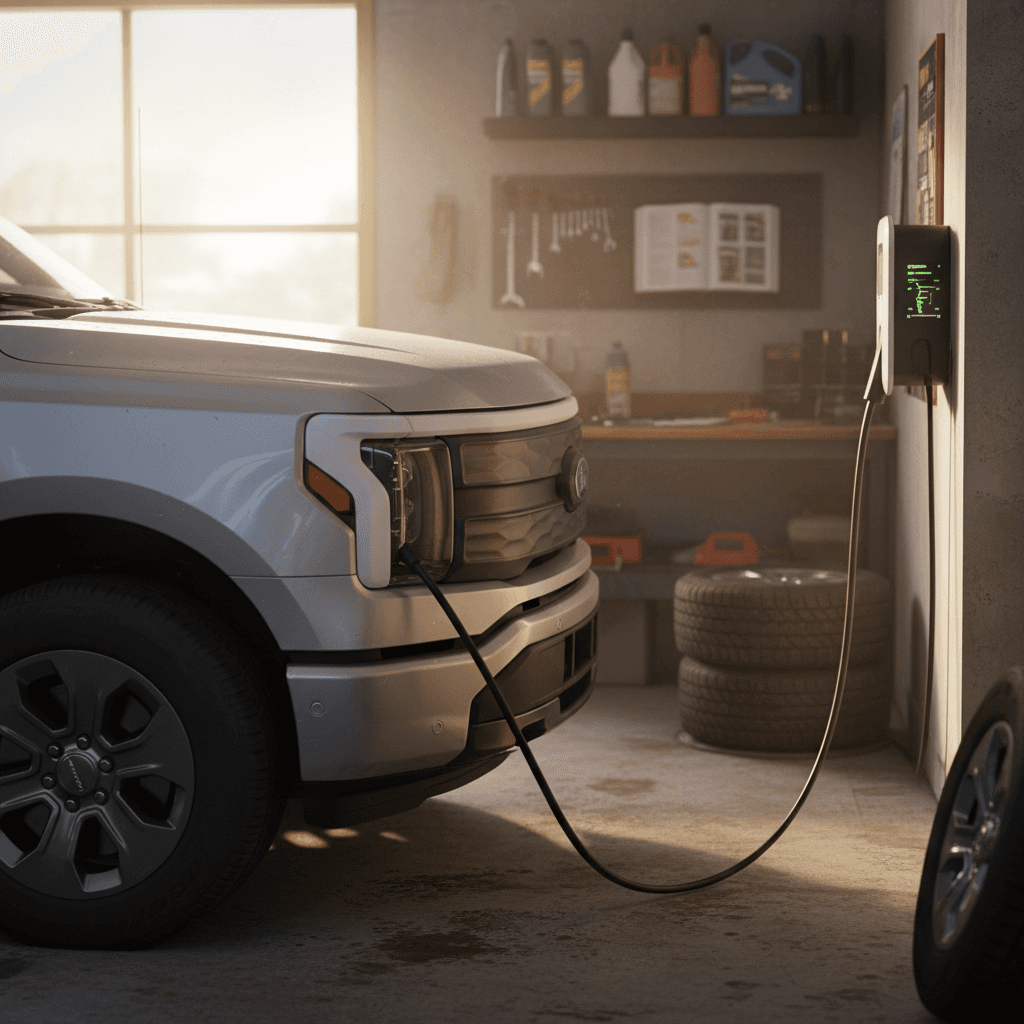
- Charging failures or inconsistencies: Owners report the truck refusing to start a charge, stopping early, or behaving differently at various Level 2 and DC fast chargers.
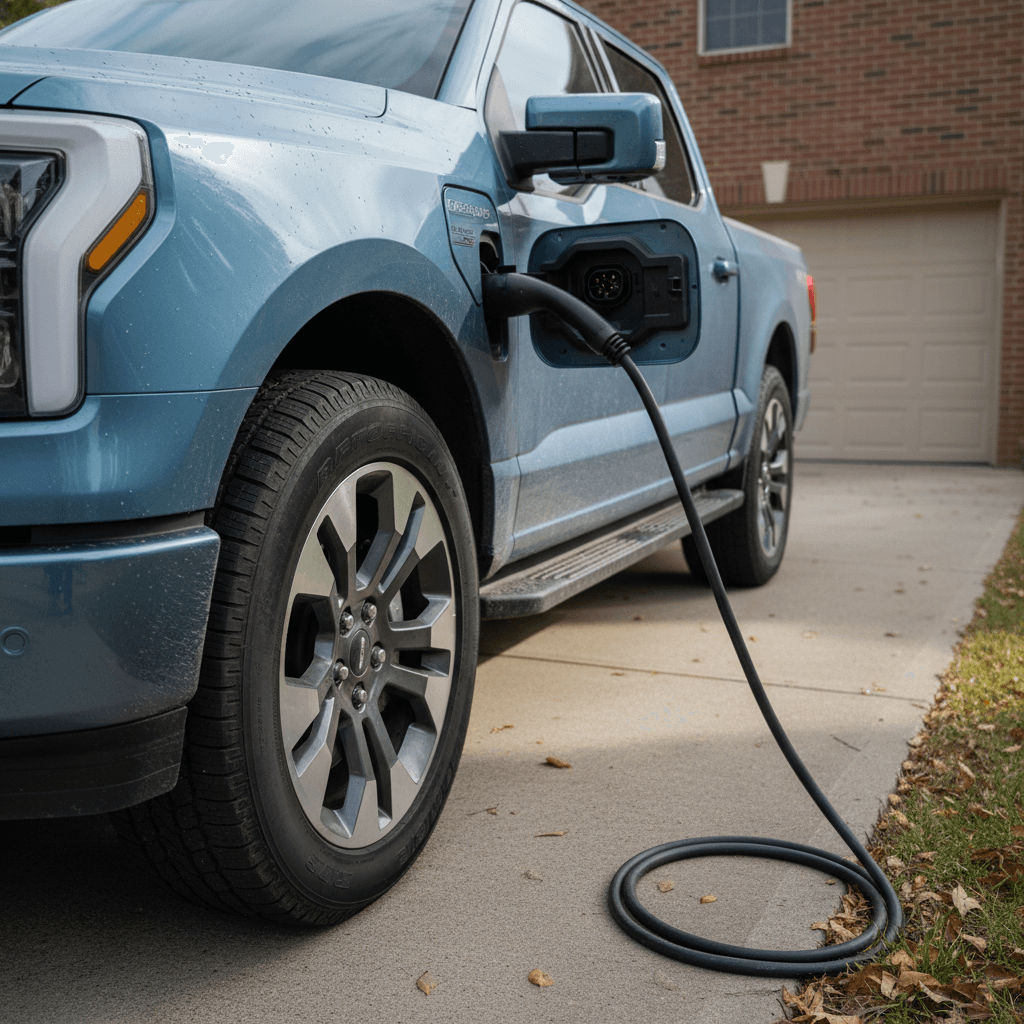
- Charge port and door issues: Sticky or malfunctioning charge port doors, or ports that don’t always latch the connector securely.
- DC fast charging performance: Charging speeds that fall short of expectations, especially in cold weather or at high states of charge, leading to longer-than-expected stops.
- High-voltage junction issues (rare): Ford has recalled a tiny number of 2023 trucks for loose nuts in the high-voltage battery junction box that could cause arcing, power loss, and in extreme cases, fire risk. The recall covers just three 2023 units but highlights how critical proper assembly is for these components.
Battery fire & high-voltage risk
On the other side of the spectrum, we’re not seeing widespread evidence of rapid capacity loss on 2023 Lightning packs in normal use. Like most modern EVs, the pack is heavily managed by software and thermal control. That doesn’t make it immune to degradation, especially under heavy towing or frequent DC fast charging, but it does mean most real-world “battery problems” show up first as charging behavior or error messages, not instant range collapse.
Cold-weather charging reality
Software, Infotainment & BlueCruise Complaints
If there’s a single theme across early Lightning ownership, it’s that the truck is incredibly dependent on software, and software is still a moving target. SYNC 4A, FordPass, and driver-assist tech like BlueCruise all sit on top of a complex stack that doesn’t always behave.
SYNC 4A & infotainment quirks
- Screen freezes or blackouts: Center screen going blank, rebooting, or becoming unresponsive mid-drive.
- Audio and Bluetooth issues: Dropped phone connections, laggy CarPlay/Android Auto, or audio cutting in and out.
- Camera/sensor glitches: Backup camera or 360° view failing to load, parking sensors misbehaving, or driver-assist warnings appearing without clear cause.
- OTA update side effects: New bugs introduced after an update, or features that change behavior without clear communication.
BlueCruise driver-assist problems
- Won’t activate in a Blue Zone: The map shows compatible roads but the system stays unavailable because of weather, lane markings, or subscription/map issues.
- Unexpected disengagement: BlueCruise dropping out because the system can’t see lane lines or detect driver attention, even when conditions seem fine.
- Subscription & settings confusion: Owners discovering that BlueCruise requires an active plan, correct SYNC settings, and sometimes a map update, none of which are obvious from the driver’s seat.
Most BlueCruise problems are more about edge-case conditions and subscription/setup details than defective hardware. Ford’s own help docs are now full of troubleshooting steps for exactly these concerns.
Good news: many issues are fixable OTA
Recalls & Known Defects Affecting 2023 Lightnings
No discussion of 2023 Ford F-150 Lightning problems is complete without looking at recalls. Ford, like other legacy automakers, has been aggressive about using recalls to squash emerging issues, especially on EVs where safety regulators are paying close attention.
Key Recall Themes for 2022–2026 F-150 Lightning (Including 2023)
Not a complete list, but a snapshot of issues you’re likely to encounter while shopping or owning a 2023 Lightning.
| Area | Example Concern | Model Years Affected | What It Means For You |
|---|---|---|---|
| Park system / rollaway | Integrated park module may not fully engage Park, creating rollaway risk. | 2022–2026 Lightning and select other Ford models | Truck could roll if parking brake isn’t set. Ford is issuing software and/or hardware fixes free of charge. |
| High-voltage hardware | Loose or missing retention nuts at the high-voltage battery junction box bus bars (very small batch). | 2023 Lightning (3 trucks) | Tiny population, but underscores how critical HV assembly quality is. Any affected truck should have documentation of repairs. |
| Battery / charging-related software | Updates to manage pack longevity, charging behavior, and fault detection. | Multiple Lightning model years | OTA updates or dealer visits may change charging behavior and displayed range to protect the pack. |
| Driver-assist systems | Camera, sensor, or software issues affecting driver-assistance features. | Multiple F-150 and Lightning years | May require recalibration or module updates; verify all recalls are closed on a used truck. |
Your exact recall history will depend on build date and options. Always run a VIN check with NHTSA or Ford before purchase.
How to check recall status
How These Problems Affect Ownership Costs & Downtime
On paper, the F-150 Lightning’s EV powertrain should mean lower long-term maintenance than a gas F-150, no oil changes, fewer moving parts, and regenerative braking. In practice, early problems tend to show up as lost time, not huge repair bills, especially while the truck is under warranty.
Real-World Impact of 2023 Lightning Problems
Dealer visits for software & modules
Many owners report multiple dealer trips for software reflashes, module replacements, and calibration work. The work is usually covered, but scheduling and downtime can be frustrating, especially if the dealer isn’t yet fluent in EV diagnostics.
Charging unpredictability
A Lightning that sometimes fails to charge at home or at a favorite DC fast charger can force you to change your routines, find different stations, or upgrade home charging hardware sooner than planned.
Range confidence vs. tow/haul reality
Software updates, trailer use, and cold weather all affect practical range. If you’re towing or hauling frequently, expect energy use that feels like a “problem” at first until you adjust your expectations and trip planning.
Potential resale value swings
News cycles around EV demand and Ford’s shifting EV strategy can move used prices. Trucks with clean histories, updated software, and documented recall completion should hold value better than neglected examples.
Park system recall is a safety issue, not an annoyance
What to Check When Buying a Used 2023 F-150 Lightning
If you’re shopping the used market, the goal isn’t to find a perfect truck, that doesn’t exist, but to find a well-documented, well-updated 2023 Lightning with a clean battery and electronics history. Here’s where to focus.
Used 2023 F-150 Lightning Inspection Checklist
1. Confirm recall and service history
Ask for a printed service history from a Ford dealer showing all recall campaigns and major repairs. Look for multiple visits for the same complaint, this can signal a chronic unsolved issue, not just early teething.
2. Test home and DC charging
If possible, plug into a Level 2 charger and, ideally, a DC fast charger. Verify that charging initiates promptly, continues past 80%, and doesn’t throw errors. Watch for any charge port door issues or loose-feeling connectors.
3. Scan for warning lights and error messages
On a test drive, pay attention to any “Stop safely now,” high-voltage, or driver-assist warnings. A quick scan with a capable OBD tool can reveal stored EV-related fault codes that haven’t yet triggered a dash light.
4. Exercise BlueCruise and driver-assist
On a compatible highway with an active subscription, test BlueCruise and adaptive cruise if equipped. Confirm lane-keeping behavior is stable and that camera and radar inputs seem consistent, not constantly dropping out.
5. Evaluate software behavior
Cycle through infotainment functions: navigation, CarPlay/Android Auto, cameras, towing modes, and FordPass integration. Occasional minor quirks are normal; repeated freezes or reboots are a red flag.
6. Assess battery health, not just range estimate
Look at real-world consumption on your test drive rather than fixating on a single range number. Range gauges can be conservative after software updates; what matters is how many kWh the pack can actually deliver and whether the truck’s behavior matches its EPA rating in similar conditions.
Bring data to a used Lightning test drive
How Recharged Evaluates Used F-150 Lightnings
Because EV trucks combine heavy-duty usage with complex software, a simple visual inspection isn’t enough. That’s why every used EV we sell, including any 2023 F-150 Lightning, comes with a Recharged Score Report that goes deeper than a typical dealer walk-around.
What’s Different About a Recharged Lightning Inspection
We’re looking for battery, software, and pricing reality, not just shiny paint.
Verified battery health
Software & module check
Fair-market pricing & support
Ready to find your next EV?
Browse VehiclesYou can browse and complete your purchase fully online, arrange nationwide delivery, or visit our Experience Center in Richmond, VA. If you already own a Lightning and are thinking about selling, Recharged can provide an instant offer or consignment option that reflects its true EV-specific condition, not just generic truck comps.
FAQ: 2023 Ford F-150 Lightning Problems
Common Questions About 2023 F-150 Lightning Issues
Bottom Line: Should 2023 F-150 Lightning Problems Scare You Off?
The 2023 Ford F-150 Lightning isn’t a trouble-free truck, and it was never going to be. It’s an ambitious first-wave electric pickup from a legacy automaker still building out its software and EV service muscle. That’s why survey data tags it as below average in reliability, and why you see so many stories about charging quirks, infotainment bugs, and recall activity.
But that doesn’t automatically make it a bad used buy. The crucial distinction is between solved early-build problems on a well-cared-for truck and ongoing high-voltage or software issues on a neglected one. If you approach the 2023 Lightning with your eyes open, checking recall history, verifying battery and charging health, and insisting on transparent documentation, you can find trucks that deliver the promise of an electric F-150 without inheriting someone else’s headaches.
If you’d rather not decode all of that on your own, browsing used EVs on Recharged gives you a shortcut: every vehicle includes a Recharged Score battery health report, fair-market pricing, and support from EV specialists who live and breathe this stuff. That way, “2023 Ford F-150 Lightning problems” stays a research topic, not your ownership story.