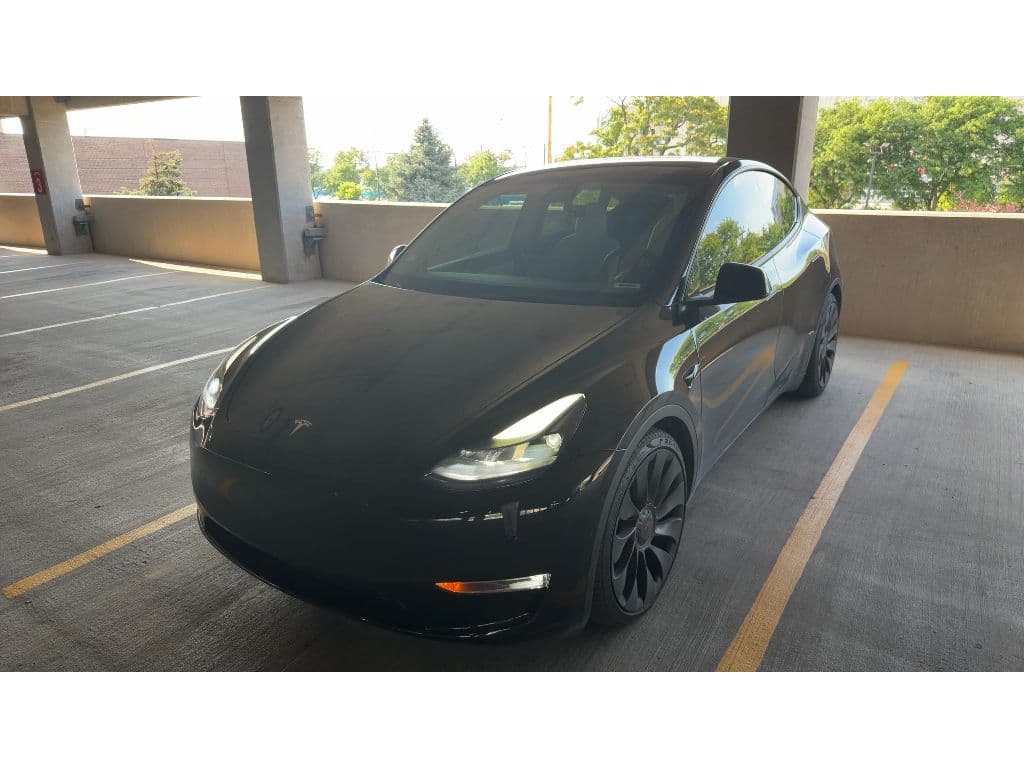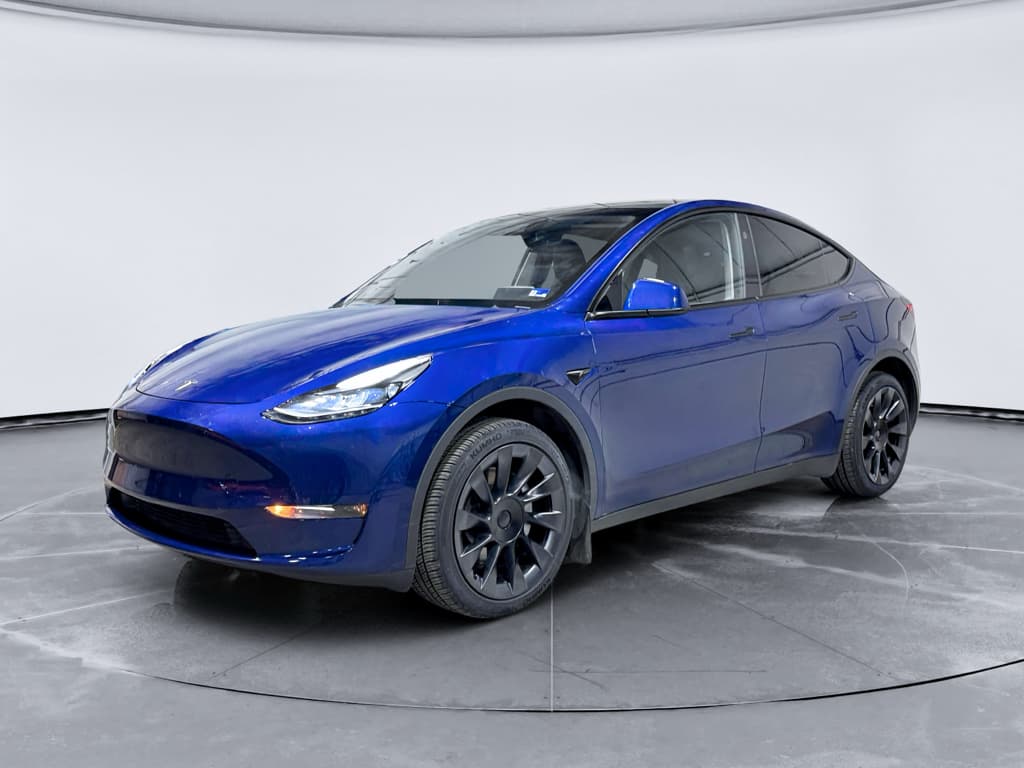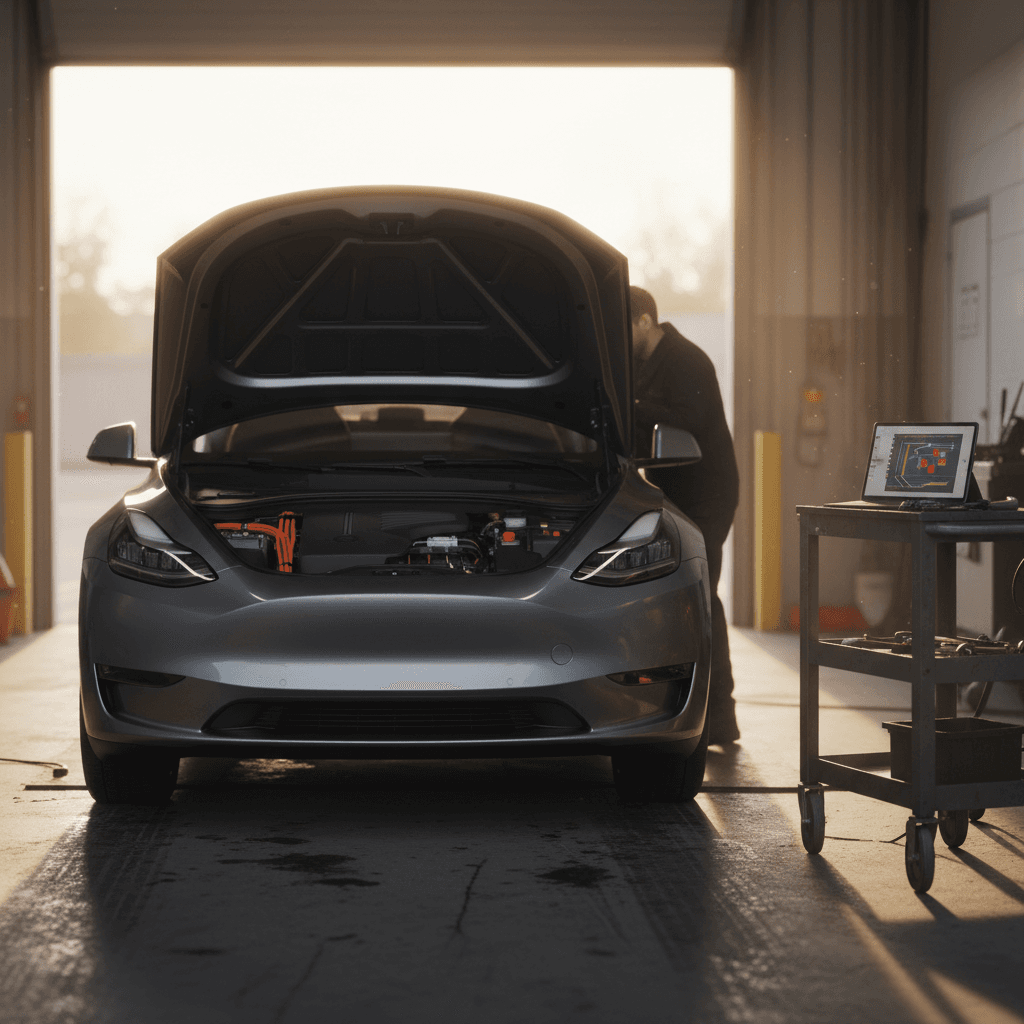
If you’re looking at a 2024 Tesla Model Y, new or used, you’re probably asking the same question everyone else is: can I trust it long-term? The 2024 Tesla Model Y reliability story is more nuanced than the headlines. It mixes improving build quality and strong EV hardware with lingering concerns around software glitches, trim issues, and a busy recall record.
Quick takeaway
Overview: How reliable is the 2024 Tesla Model Y?
Zooming out, the 2024 Model Y is one of the more reliable fully electric SUVs, but it doesn’t match stalwarts like Toyota and Honda for trouble-free ownership. Consumer Reports rates the 2024 Model Y’s reliability as about average compared with all 2024 vehicles, and notes five recalls on this model year so far, most addressed by over‑the‑air (OTA) software updates rather than trips to a service center.
2024 Tesla Model Y reliability at a glance
So on paper, the 2024 Model Y isn’t a problem child, but it’s not bulletproof either. The electric bits (battery, motors, charging hardware) generally look solid. The annoyances tend to live in things like trim, body hardware, in‑car electronics, and software-driven controls.
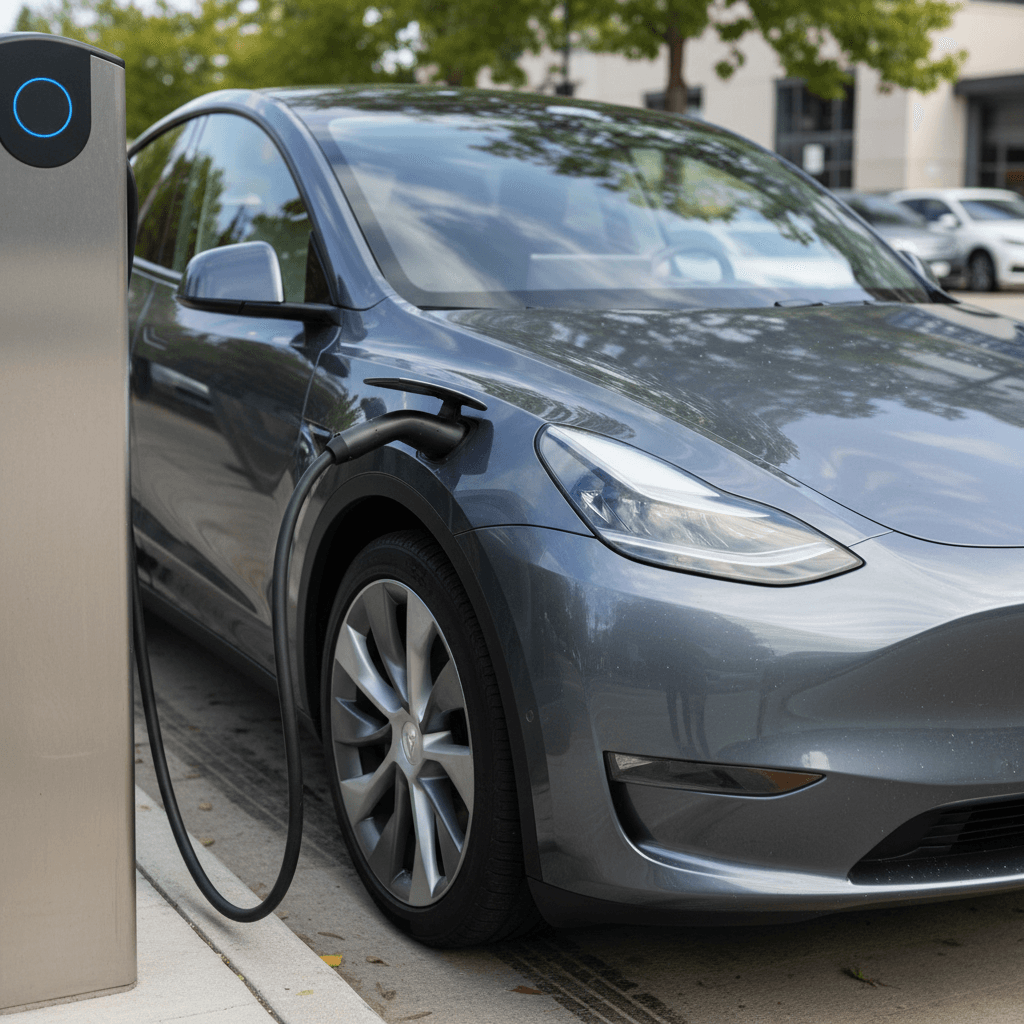
Reliability scores from Consumer Reports, J.D. Power and owners
To get a clean read on 2024 Tesla Model Y reliability, it helps to triangulate a few sources: independent testing, survey data, and day‑to‑day owner feedback.
How major sources rate 2024 Model Y reliability
Different methodologies, similar conclusion: roughly average overall, strong EV hardware.
Consumer Reports
Overall reliability: About average for the 2024 model year. CR highlights trouble spots in body hardware, noises/leaks, in-car electronics and minor electrical accessories, but doesn’t flag systemic battery or motor failures.
J.D. Power
The Model Y scores around 77/100 overall with a 70/100 Quality & Reliability sub‑score in J.D. Power’s 2024 ratings. That puts it in respectable territory among premium compact SUVs, though not at the very top.
Owner reviews
Kelley Blue Book shows the 2024 Model Y at roughly 4.2 out of 5 overall, with owners giving reliability about 4.3/5 and 80% saying they’d recommend it. Many rave about performance and tech while pointing to build quality and service as weak spots.
How to interpret these scores
Tesla is a bright spot in EV reliability: the Model Y is the most reliable EV in Consumer Reports’ brand-wide data, even as EVs overall still lag gas vehicles in problems per 100 cars.
Recalls and safety issues affecting the 2024 Model Y
Reliability isn’t just about what breaks on your commute, it’s also about how often the car ends up in a recall campaign. The 2024 Model Y has been hit with multiple recalls, but many are software‑fixable and shared with other Teslas, not unique mechanical failures.
Key 2024 Model Y recalls to know about
This isn’t a VIN-specific list, always run your own VIN through NHTSA, but it captures the bigger themes shoppers should be aware of.
| Area | Issue type | Model years affected (incl. Y) | Typical remedy |
|---|---|---|---|
| Rearview camera | Possible loss of camera image due to circuit board short | 2024–2025 | OTA software update and, where needed, computer replacement |
| Warning lights | Brake/park/ABS warnings too small on screen | 2019–2024 | OTA update to adjust instrument cluster font size |
| Hood latch detection | Car may not detect unlatched hood after opening | 2020–2024 | OTA software update to improve hood‑open detection logic |
| TPMS warnings | Tire pressure warning may not persist across drive cycles | 2017–2025 (3) and 2020–2025 (Y) | OTA update to TPMS behavior |
| Front seatbacks (small batch) | Potential weld issue at seat recliner mechanism | 2024 Model Y only, limited VIN range | Physical seat assembly replacement at service center |
Most 2024 Model Y recalls have been addressed via OTA software updates or component replacement at Tesla service centers.
Don’t assume recalls are done
Compared with some rivals, the recall count looks high, but Tesla leans on OTA updates for software fixes. That’s a reliability double‑edged sword: problems can be patched quickly, but owners also find themselves serving as real‑world beta testers for UI and control changes.
Common 2024 Model Y problems owners report
Reliability surveys and owner reviews paint a pretty consistent picture of where the 2024 Model Y can trip up. Most issues don’t strand the car, but they can be frustrating, especially on a premium‑priced EV.
- Body hardware & trim: Misaligned panels, hatch or door alignment concerns, window or seal noises at highway speeds, occasional trunk/hatch issues.
- Noises and leaks: Wind noise from frameless doors, squeaks from interior plastics, and sporadic water leaks tied to seals or sunroof (where equipped).
- Paint and exterior finish: Thin paint, chips, and clear-coat concerns, especially in harsh climates, still show up, though less frequently than on early Model Ys.
- In‑car electronics: Glitches with the center screen, backup camera behavior, Bluetooth or Wi‑Fi connections, and one‑off bugs after major software updates.
- Minor electrical accessories: Quirks with door handles, window switches, seat heaters, or interior lighting, usually resolved by software or module replacement.
- Service experience: Some owners report slow service scheduling, parts delays, or multiple visits to resolve rattles and trim issues.
What usually works well
Battery and charging reliability on the 2024 Model Y
Recharged data
Used Tesla Model-Y battery health
89%
avg remaining capacity
From Recharged battery inspections, not manufacturer estimates.
- Lowest
- 77%
- Median
- 89%
- Highest
- 100%
- Est. range
- 281 mi avg
- Cell balance pass
- 100%
- Quick charges
- 23 avg
- Slow charges
- 76 avg
Average cell imbalance: 6.4 mV
Based on vehicles Recharged tested as of Jul 23, 2026
Recharged data
Used Tesla Model-Y prices at Recharged
$32,599
median list price
Current list prices for matching inventory at Recharged.
- Lowest
- $22,998
- Average
- $33,334
- Highest
- $45,954
Average Recharged Score on these listings
4.8 / 5
Range
4.4 – 4.9
Based on available listings as of Jul 23, 2026
For most EV shoppers, “reliability” really means, “Will it charge and will the battery hold up?” On that front, the 2024 Model Y looks relatively strong.
Battery and charging: strengths and weak spots
Where the 2024 Model Y earns its reputation, and where to keep an eye on things.
High‑voltage battery
Consumer Reports and owner surveys don’t flag widespread 2024 battery failures. Tesla’s pack design and thermal management have matured, and degradation over the first few years is usually modest if you avoid frequent 100% fast charges.
Charging hardware
Some owners report issues in the EV charging category, charge‑port doors not closing, intermittent communication with some public chargers, but outright “won’t charge” events are relatively uncommon on the 2024 model.
Range vs. reality
Real‑world range can come in below the EPA estimate, especially at highway speeds or in cold weather. That’s not unique to Tesla, but it’s worth planning for if you road‑trip often.
Battery‑friendly habits
If you’re buying used, ask the seller for recent range at 100% charge in the car’s display. Comparing that to the original rated range gives a quick, real‑world snapshot of battery health, even before you add a formal diagnostic like the Recharged Score battery test.
How the 2024 Model Y compares to other EVs
The 2024 Model Y isn’t just competing with other Teslas anymore, it’s staring down electric SUVs from Hyundai, Kia, Ford, Rivian and others. On reliability, it lands in a comfortable middle ground.
Versus other EVs
- Consumer Reports data shows EVs overall still have more problems per vehicle than gas cars, often around charging and electronics.
- Within that group, Tesla has emerged as a relative bright spot, with the Model Y among the more dependable fully electric models.
- Rivals like the Hyundai Ioniq 5 and Kia EV6 have improved quickly, but they don’t yet enjoy Tesla’s deep fast‑charging network and long track record of OTA updates.
Versus gas crossovers
- Against top‑tier gas SUVs from Toyota, Honda or Subaru, the Model Y’s repair odds are higher, mainly for electronics and trim.
- However, it avoids complex gearboxes, turbos and exhaust systems, which means fewer moving parts that can fail.
- Total ownership experience often favors the Tesla once you factor in fuel and routine maintenance savings, if you can live with the occasional software quirk.
Where the Model Y shines for reliability
Shopping used: What to watch for on a 2024 Model Y
Because the Model Y holds value well and Tesla keeps tweaking hardware mid‑year, the used 2024 market is where reliability questions really matter. You’ll see ex‑leases, early‑build 2024s and late‑build cars with different software loads all sitting side by side in listings.
Risk areas to focus on with a used 2024 Model Y
Most issues are manageable, if you know where to look before you sign.
Build & trim quality
Inspect panel gaps, door alignment, and seals around the liftgate, glass roof and windows. Listen for rattles on a rough‑road test drive, especially from the hatch area and dashboard.
Software & features
Confirm the car is on current firmware, test key features (cameras, parking sensors, phone key, Autopilot features where active) and watch for lag or reboots in the center screen during your drive.
Service & recall history
Ask for a service record printout or app history. At Recharged, every vehicle comes with a Recharged Score Report summarizing recall status, software version and major service events.
Use data, not vibes
2024 Model Y reliability checklist for buyers
Whether you’re shopping privately, at a dealer, or on a dedicated EV marketplace like Recharged, use this reliability‑focused checklist to separate strong 2024 Model Ys from the ones you should walk away from.
Pre‑purchase reliability checklist for a 2024 Tesla Model Y
1. Run a full recall and OTA update check
Use the VIN on NHTSA’s lookup tool and verify all 2024 Model Y recalls are closed. In the car, check the software menu to confirm it’s on a current, stable firmware version and that pending updates have been installed.
2. Inspect body panels, doors and hatch
Look at panel gaps around the hood, doors and liftgate. Open and close each several times. The doors and hatch should latch smoothly without needing a slam, and weatherstripping should sit flat and uncracked.
3. Test all cameras and sensors
Shift into reverse and confirm a clear rearview camera image. Try parking assist, blind‑spot visualizations and any active safety aids. Any “Camera Unavailable” or sensor warnings are a red flag until diagnosed.
4. Stress‑test the infotainment system
Spend a few minutes tapping through menus, pairing your phone, starting navigation and streaming audio. Watch for freezes, reboots or excessive lag, especially right after starting the car.
5. Evaluate noises on a mixed‑road drive
Drive at city speeds, then 60–70 mph. Listen for rattles from the hatch, pillars and dash, plus wind noise around mirrors and doors. No EV is silent over broken pavement, but the cabin shouldn’t sound like a toolbox.
6. Check charging behavior and estimated range
Plug into Level 2 if possible and confirm normal charging speeds. In the energy screen, review estimated full‑charge range and compare it with the original rating for that trim. Large discrepancies deserve a deeper battery health test.
7. Review service and repair history
Ask for invoices or app screenshots of prior work. You’re looking for patterns, multiple visits for the same electronics bug or recurring water leaks are a caution sign.
8. Consider a third‑party battery health report
Modern EV batteries hide issues well. A diagnostic like Recharged’s Recharged Score uses pack data to benchmark battery health, giving you more confidence than a quick test drive alone.
Frequently asked questions about 2024 Model Y reliability
2024 Tesla Model Y reliability FAQ
Bottom line: Is the 2024 Tesla Model Y a good bet?
If you’re expecting Toyota‑like, set‑and‑forget dependability, the 2024 Tesla Model Y will probably disappoint you with the occasional rattle, software quirk or recall notice. But if you care most about EV‑specific reliability, a robust battery, strong motors, and access to a vast fast‑charging network, the 2024 Model Y is one of the more confidence‑inspiring electric SUVs you can buy today.
The key is picking the right example. Look for a 2024 Model Y with clean bodywork, a quiet cabin, documented software and recall history, and verifiable battery health. That’s exactly the gap Recharged is built to close: every used EV on our marketplace comes with a Recharged Score Report, transparent pricing, and EV‑specialist support to help you sort a solid Model Y from one that might nickel‑and‑dime you.
If you’re ready to explore 2024 Model Y listings, or compare it with other used EVs, start by browsing inventory and reviewing Recharged Score Reports side by side. With the right due diligence, the 2024 Tesla Model Y can be a reliable, low‑maintenance entry into electric ownership, not a science experiment in your driveway.