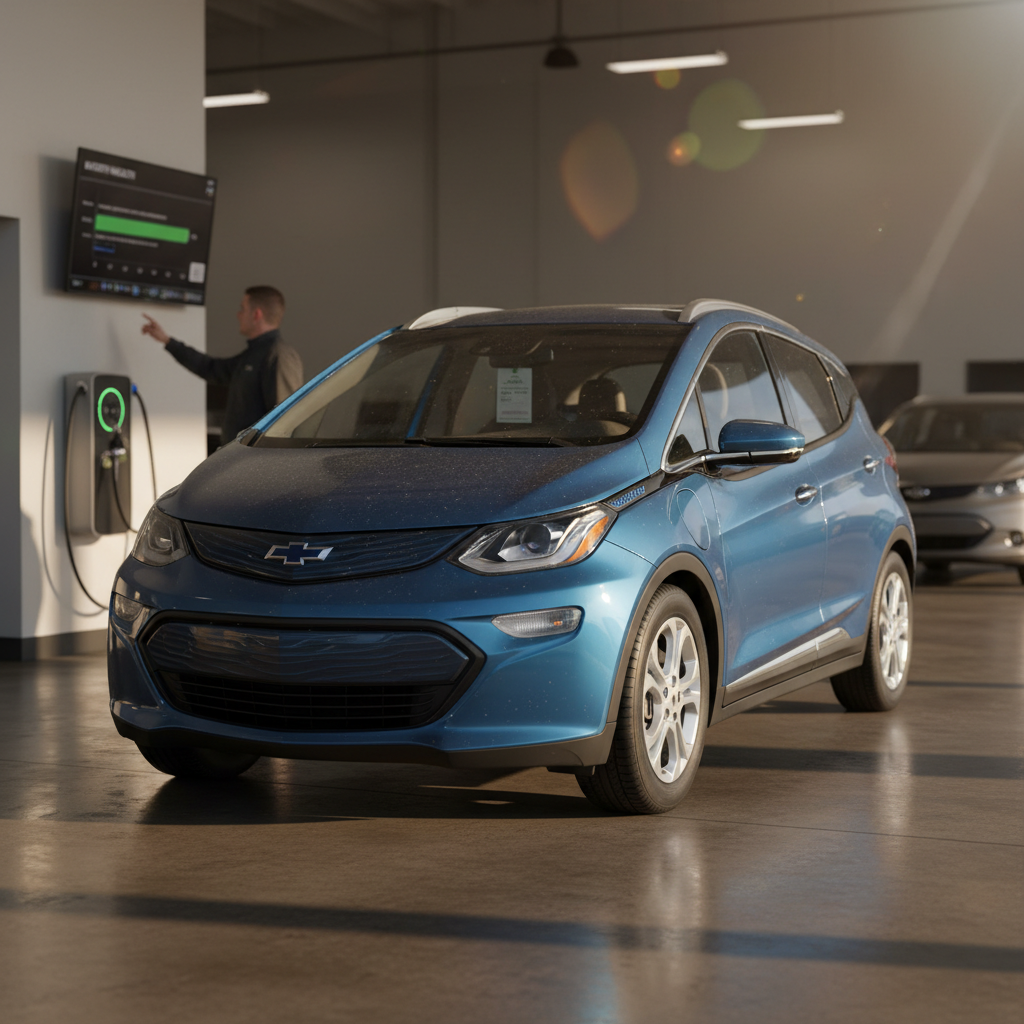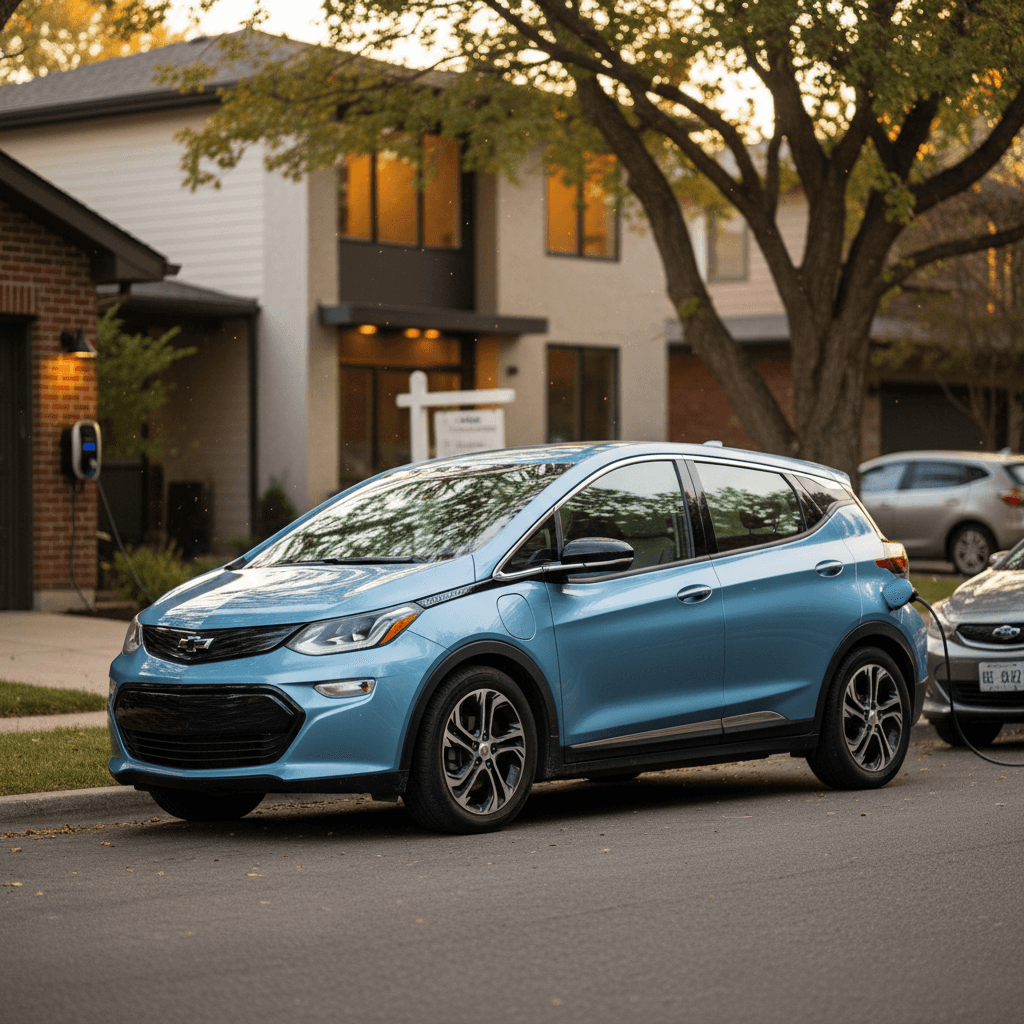
If you’re hunting for an affordable electric hatchback with real range, the 2023 Chevy Bolt EV should be on your shortlist, especially as a used buy. The final model year of this generation packed 259 miles of EPA-rated range, a major price cut, and enough tech to make commuting and city trips easy. In this 2023 Chevy Bolt EV review, we’ll break down performance, range, charging, comfort, safety, and what to look for if you’re considering a used example.
2023 was a pivotal year for the Bolt
2023 Chevy Bolt EV at a glance
Key 2023 Chevy Bolt EV numbers
The 2023 Bolt EV is a front‑wheel‑drive, five‑door hatchback with a permanent‑magnet electric motor rated at 200 hp and 266 lb‑ft of torque. It uses a roughly 65 kWh lithium‑ion battery, delivers up to 259 miles of EPA range, and seats five. A big mid‑cycle refresh in 2022 cleaned up the styling and added a more upscale cabin, so 2022 and 2023 models share the same basic design and hardware.
Think of it as an electric hot hatch
Driving experience: faster than it looks
With a single motor driving the front wheels, the 2023 Bolt EV feels lively around town. Independent testing has clocked 0–60 mph in roughly 6.5–6.7 seconds, which puts it in line with many compact gas hatchbacks and crossovers. Instant torque from a standstill makes city traffic and freeway on‑ramps easy, and the single‑speed gear reduction means power delivery is smooth and quiet.
Ride and handling
- Ride quality: The Bolt EV can feel a bit firm over broken pavement, especially on rough urban roads, but it’s not punishing.
- Handling: The low battery pack keeps the center of gravity down, so body roll is moderate and the car feels planted in corners.
- Noise: Wind and tire noise are noticeable at highway speeds, but still quieter than many similarly priced gas cars.
One‑pedal driving
- Chevy’s one‑pedal mode lets you accelerate and decelerate using just the right pedal.
- There’s also a steering‑wheel paddle for on‑demand regen, which quickly becomes second nature.
- Once you get used to it, one‑pedal driving can reduce fatigue and maximize range in stop‑and‑go traffic.
Winter and traction notes
Range, efficiency, and battery details
Every 2023 Chevy Bolt EV carries the same battery and motor, so range doesn’t change by trim. The official EPA ratings come in at 120 MPGe combined and 259 miles of range. Many drivers see 3.5–4.0 miles per kWh in mixed driving, which supports that range in mild conditions. Highway driving at 70–75 mph, cold weather, and heavy HVAC use will trim that figure, just as they do with any EV.
Battery and efficiency highlights
What you should know before you buy
Liquid‑cooled pack
Real‑world efficiency
Battery warranty
About the earlier battery recall
Charging: home, public, and road-trip reality
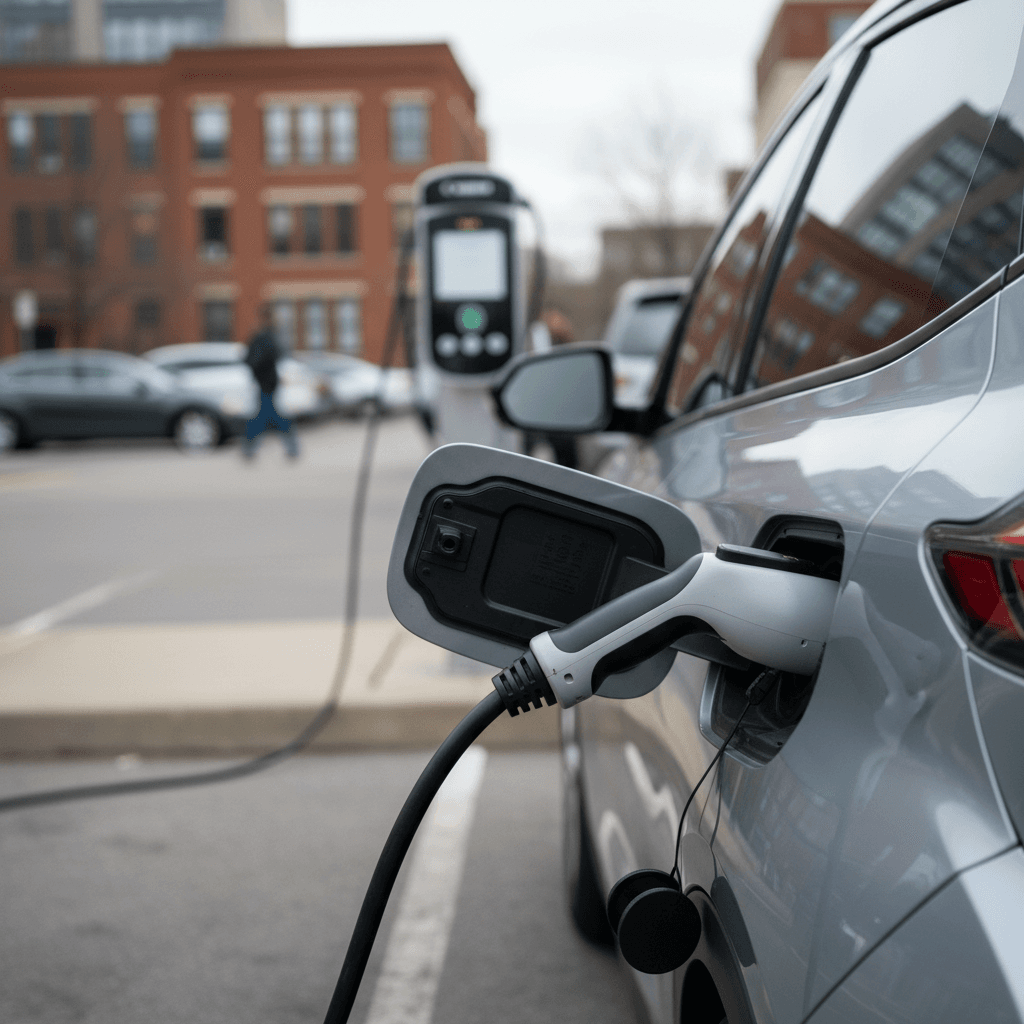
The 2023 Bolt EV is strongest as a commuter and local‑use EV that you charge overnight. It comes with an 11.5 kW onboard AC charger, which works well with a 240‑volt Level 2 home station, and offers up to around 55 kW peak DC fast‑charging at compatible public stations. That’s not as quick as newer EVs that pull 150 kW or more, but it’s adequate if you plan road trips carefully.
2023 Chevy Bolt EV charging times (approximate)
Rough estimates for planning. Actual times vary with temperature, station power, and battery state of charge.
| Charging type | Power | Time from ~10% to ~80% | Best use case |
|---|---|---|---|
| Level 1 (120V wall outlet) | 1–1.4 kW | 30–40 hours | Emergency or occasional top‑offs if you don’t drive much |
| Level 2 home (240V, 32–40A) | 7–11.5 kW | 7–10 hours (overnight) | Daily home charging, arrive empty & wake up full |
| Public Level 2 | Up to 11.5 kW | Similar to home Level 2 | Workplace or destination charging |
| DC fast charging | Up to ~55 kW peak | ~35–45 minutes (to ~80%) | Longer trips with planned charging stops |
Level 1 is best as a backup, Level 2 at home is what makes Bolt EV ownership easy.
Home charging is the game‑changer
Interior space, comfort, and tech
Inside, the 2023 Bolt EV feels more substantial than its subcompact footprint suggests. The upright hatchback shape translates into good headroom, plenty of glass, and better rear‑seat space than many small EVs. Officially, Chevy quotes generous front and rear legroom, and adults can realistically sit in the back without their knees jammed into the front seats.
Cabin and infotainment highlights
What it’s like to live with day to day
Seating and cargo
Screens and controls
Connectivity
Comfort expectations
Safety, recalls, and reliability
The 2023 Chevy Bolt EV comes standard with a robust suite of active safety features under the Chevy Safety Assist umbrella. That includes automatic emergency braking with pedestrian detection, lane‑keeping assist, lane‑departure warning, automatic high beams, and a following‑distance indicator. Higher trims and option packages add blind‑spot monitoring, rear cross‑traffic alert, rear parking assist, and a 360‑degree camera system.
- Multiple airbags and a strong crash‑structure design carried over from earlier model years
- Electronic stability control and traction control as standard equipment
- Teen Driver mode that lets you set limits and monitor driving habits (useful for younger drivers)
Battery fire recall context
Overall reliability for later‑build Bolt EVs has generally trended positive once recall work is done. EVs also have fewer moving parts than comparable gas vehicles, no oil changes, timing belts, or exhaust components, so routine maintenance is typically limited to tires, cabin filters, brake fluid, and occasional software updates.
2023 Bolt EV trims: 1LT vs 2LT
Chevrolet kept the 2023 Bolt EV lineup simple: just two trims, 1LT and 2LT, both sharing the same motor, battery, and range. Your decision comes down primarily to comfort, convenience, and safety features.
2023 Chevy Bolt EV trim comparison
Key differences between 1LT and 2LT trims.
| Feature | 1LT | 2LT |
|---|---|---|
| Original MSRP (approx.) | $27,495 | $30,695 |
| Upholstery | Cloth seats | Perforated leather seats |
| Seat comfort | Manual adjustment | Power‑adjustable driver’s seat, heated front seats |
| Steering wheel | Standard | Leather‑wrapped, heated |
| Camera & parking tech | Standard rearview camera | HD Surround Vision, rear parking sensors, blind‑spot monitoring |
| Packages available | Comfort & Convenience, Driver Confidence | Same, plus available Infotainment Package with Bose audio & wireless charging |
Both trims drive the same, choose based on the features that matter to you.
Which trim is best used?
Ownership costs, incentives, and depreciation
One reason the 2023 Bolt EV is such a strong used‑car candidate is cost. Original MSRPs were already aggressive for the segment, and EVs typically have lower running costs than gas cars. Electricity is usually cheaper per mile than gasoline, and maintenance is simpler. On the flip side, EVs can depreciate faster, especially as newer models with longer range and faster charging arrive.
Running costs
- Fuel: Many owners see cost‑per‑mile equivalent to paying well under $2 per gallon, depending on local electricity rates.
- Maintenance: No oil changes, spark plugs, or exhaust. Expect routine tire rotations, brake inspections, cabin filters, and fluids.
- Brakes: Regenerative braking means pads and rotors often last longer than on a comparable gas car.
Incentives and fees
- Tax credits: Used EV tax incentives in the U.S. can sometimes apply, subject to income, price caps, and seller requirements. Check current IRS and local rules.
- State/local perks: Some regions offer EV rebates, discounted registration, or HOV lane access.
- Charging incentives: Utilities may offer rebates on home charger installation or special EV charging rates.
How Recharged can help on costs
Buying a used 2023 Chevy Bolt EV
Because 2023 was the last model year for this generation of Bolt EV, many examples on the used market are relatively new, often coming off short leases or early trade‑ins. That’s good news if you want the updated styling and cabin without paying new‑car money. Still, you’ll want to approach any used EV, including the Bolt, with a structured checklist.
Used 2023 Bolt EV inspection checklist
1. Verify recall and battery history
Ask for documentation on all recall campaigns, especially anything related to the battery pack or high‑voltage system. Confirm that any open recalls have been completed by a Chevy dealer.
2. Review battery health data
Look for a recent battery‑health report or range snapshot at a known state of charge. Recharged vehicles include a <strong>Recharged Score</strong> that summarizes pack condition, so you’re not guessing about degradation.
3. Inspect tires and brakes
EVs are heavier and can be harder on tires. Check for uneven wear and confirm that brakes feel consistent with no pulsing or grinding.
4. Test charging at Level 2
If possible, plug the car into a Level 2 charger during your evaluation. Confirm that it starts charging promptly, holds a reasonable rate, and doesn’t throw error messages.
5. Evaluate driver‑assist features
On a test drive, ensure lane‑keeping, automatic emergency braking, and any optional blind‑spot or cross‑traffic alerts work as expected. Glitches can point to sensor or calibration issues.
6. Confirm warranty coverage
Check the in‑service date to see how much of the 8‑year/100,000‑mile battery warranty remains. A younger 2023 Bolt with low miles may still have many years of coverage left.
Consider a specialist EV retailer
How the 2023 Bolt EV compares to rivals
The 2023 Bolt EV doesn’t win every spec war, but it hits a sweet spot of range and price that’s hard to ignore, particularly used. Its main competitors include the Hyundai Kona Electric, Nissan Leaf, and entry‑level Tesla Model 3, plus its slightly larger sibling, the Bolt EUV.
2023 Chevy Bolt EV vs key rivals (high‑level)
Approximate comparisons based on 2023 model‑year data.
| Model (2023) | EPA range (approx.) | Notable strengths | Potential drawbacks |
|---|---|---|---|
| Chevy Bolt EV | 259 mi | Excellent range for the price, compact footprint, strong standard tech | Slower DC fast charging, no all‑wheel drive option |
| Hyundai Kona Electric | 258 mi | Similar range, slightly more crossover‑like stance | Typically higher pricing used, tighter rear seat |
| Nissan Leaf (SV Plus) | 212–215 mi | Often inexpensive used, smooth ride | Shorter range, air‑cooled battery on some trims |
| Tesla Model 3 RWD | ~270 mi | Access to Tesla Supercharger network (NACS), strong performance | Higher purchase price, simpler interior not for everyone |
The Bolt EV often delivers the most range per dollar, especially as a used purchase.
Road‑trip expectations
FAQ: 2023 Chevy Bolt EV
Frequently asked questions about the 2023 Bolt EV
Is the 2023 Chevy Bolt EV still worth it?
If you’re looking for an affordable, long‑range EV and don’t need blazing‑fast road‑trip charging or all‑wheel drive, the 2023 Chevy Bolt EV remains one of the most compelling options on the market, especially used. Its combination of 259 miles of rated range, zippy performance, practical hatchback packaging, and robust standard tech is hard to match at similar price points.
Where the Bolt EV really shines is as a daily driver: charge at home or at work, enjoy low running costs, and use public fast chargers when you need to stretch beyond your usual routine. As with any used EV, taking battery health seriously is key. That’s where a transparent evaluation, such as the Recharged Score Report, can turn a good deal into a confident purchase. If the Bolt EV’s spec sheet lines up with your lifestyle, a well‑vetted 2023 model deserves a serious look.