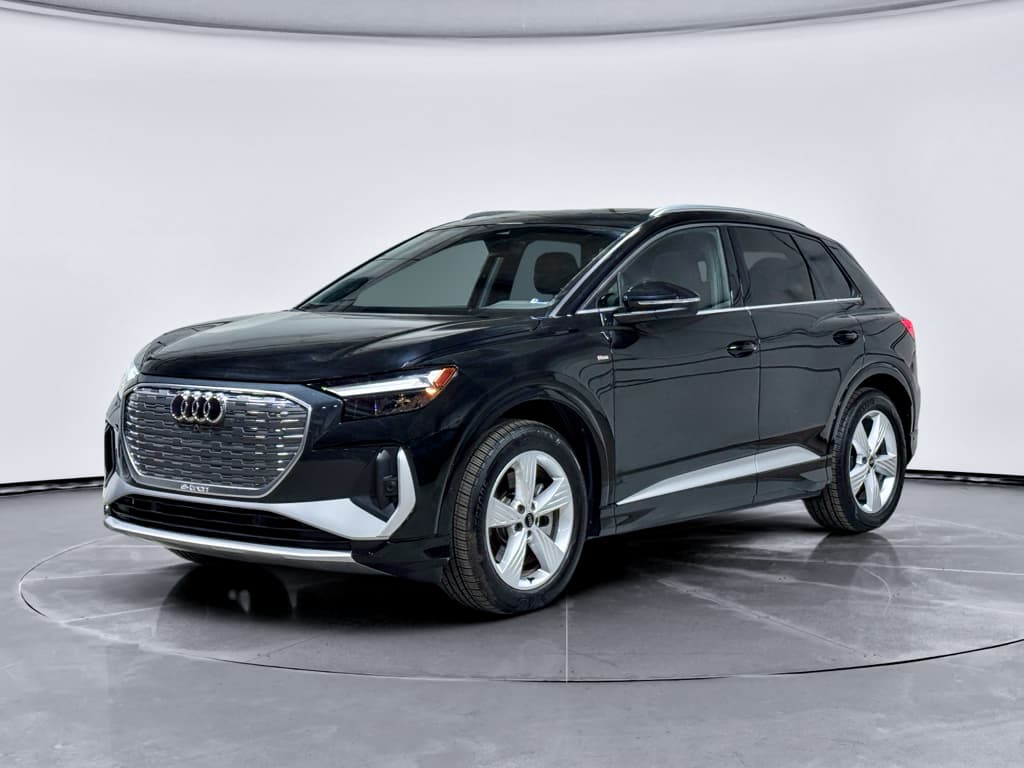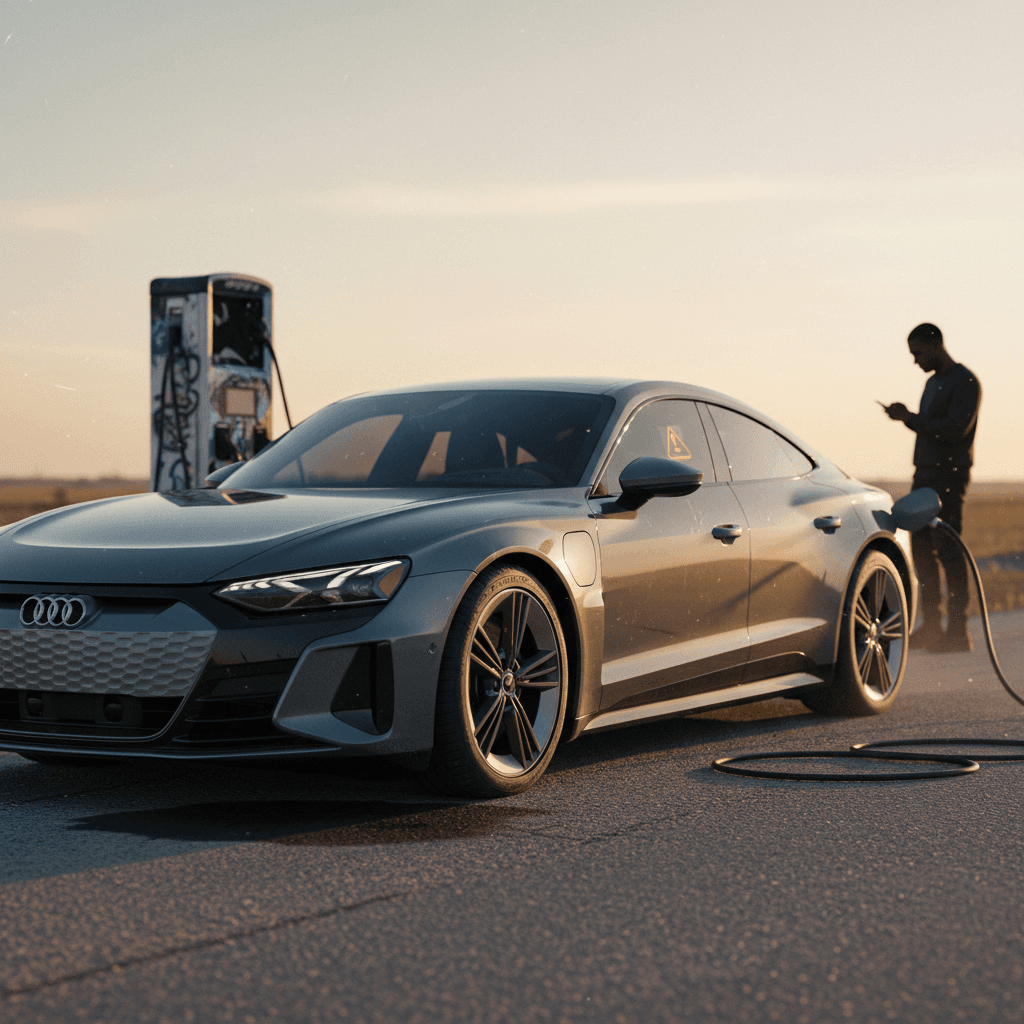
If you’re eyeing a 2023 Audi e-tron GT or RS e-tron GT, you’re probably attracted to its Porsche Taycan DNA, dramatic design, and brutal performance. But with multiple recalls and scattered owner reports of issues, it’s smart to understand the most common 2023 Audi e-tron GT problems before you commit, especially if you’re shopping used.
Shared DNA with the Porsche Taycan
Overview: How Reliable is the 2023 Audi e-tron GT?
Big picture, the 2023 e-tron GT isn’t a disaster, but it’s not a bulletproof set‑it‑and‑forget‑it appliance either. Data from reliability trackers shows multiple recalls, eight campaigns affecting 2022–2024 e-tron GT and RS e-tron GT models, and not enough long‑term survey data yet to give a clear statistical reliability score. At the same time, many owners report smooth day‑to‑day use, with a minority experiencing more serious downtime.
2023 Audi e-tron GT Reliability Snapshot
Recalls vs. Reliability
Major 2023 Audi e-tron GT Recalls You Should Know About
If you’re shopping a used 2023 e-tron GT, the single most important step is verifying that all safety recalls have been completed. Here are the big ones that affect 2022–2024 cars, including the 2023 model year.
Key Recall Areas for the 2023 e-tron GT
Most 2023 cars will be covered by at least one of these campaigns
High-Voltage Battery Short-Circuit Risk
Multiple recall campaigns address the risk of an internal short circuit or liquid ingress within the high-voltage battery modules.
- Some 2023 cars need a battery leak test and potential module replacement.
- Others receive upgraded diagnostic software and ongoing monitoring.
- In interim phases, owners were often advised to limit charging to 80% until repairs were complete.
Any used e-tron GT you consider should show these battery recalls as completed.
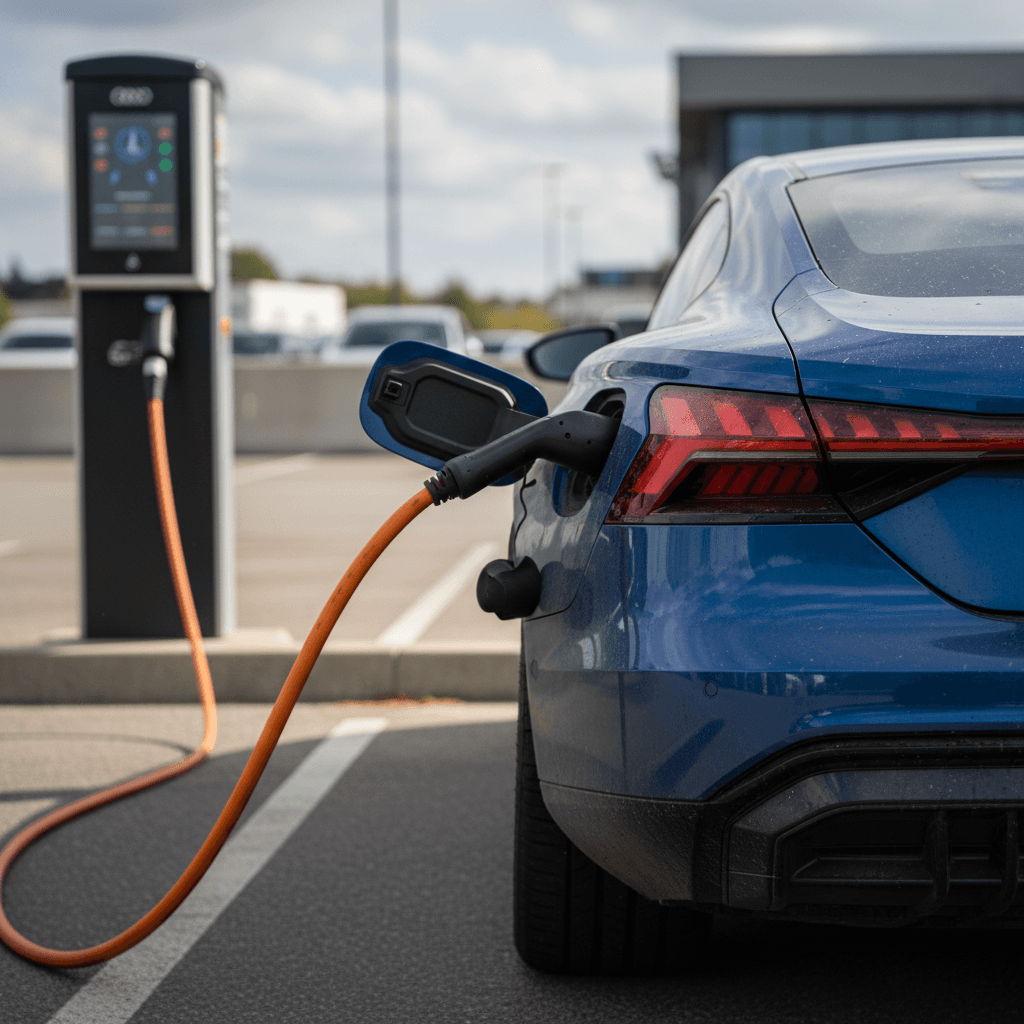
Portable Charging Cable Overheating
A broader VW Group recall covers the 220V/240V compact/portable charging cable.
- Some home outlets can’t safely handle the continuous current draw.
- Result: potential overheating of the outlet or the cable.
- Fix: Audi replaces the portable cable with a new design that includes a temperature sensor.
Many owners simply default to wallboxes or DC fast charging, but you still want the updated cable in the trunk.
Front Axle Brake Hose Cracking
A 2024 recall covers about 9,600 e-tron GTs (2022–2024) for front brake hose cracks.
- Cracks can lead to brake fluid leaks from the front circuit.
- Rear brakes are strong, but stopping distances increase if the front circuit is compromised.
- Dealers replace the front hoses and clamps with a revised design at no charge.
On a test drive, pay attention to pedal feel and any warning lights, then confirm the recall completion in the records.
Rear Camera & Airbag Issues
Newer campaigns touch the rearview camera and passenger airbag sensor wiring.
- Camera software glitches can lead to a blank or frozen backup display.
- Faulty passenger occupant detection wiring can disable the front passenger airbag.
- Both are handled via software updates and, in some cases, new seat components.
These issues are inconvenient more than catastrophic if addressed quickly, but you don’t want to inherit them.
How to Check Recall Status
Battery & Charging Problems on the 2023 e-tron GT
The 2023 e-tron GT’s 800‑volt architecture is one of its core strengths, enabling fast DC charging that rivals the Taycan. But that same sophisticated high‑voltage system is also where the most serious potential problems live, hence the concentration of battery‑related recalls.
- Battery module short-circuit risk: Some 2022–2024 cars, including 2023 models, are subject to recalls for potential internal shorts in the high-voltage battery modules. In worst‑case scenarios, this can increase fire risk, but the point of the recall is to catch and correct issues well before that.
- Liquid ingress due to insufficient sealant: A separate campaign focuses on insufficient sealant in the battery housing, which can allow moisture to accumulate and lead to arcing or failure.
- Interim 80% charge limits: For certain vehicles, Audi’s interim guidance has been to cap charging at 80% until diagnostics and module replacements were performed. If a private seller mentions they ‘still only charge to 80% because of a recall,’ that’s a red flag the work may be incomplete.
- Portable charging cable overheating: As noted earlier, the original 220V/240V compact charger can overheat some household outlets. Audi’s fix is a redesigned cable with a built‑in temperature sensor.
Battery Issues Are Serious, But Also Highly Managed
Outside of recalls, everyday charging behavior problems are fairly typical of high‑end EVs: occasional DC fast‑charging stalls, charge‑port doors that don’t close cleanly, or finicky communication with certain third‑party DC networks. These are frustrating, but they’re not unique to Audi or fatal to the ownership experience.
Brake, Suspension & Ride-Quality Concerns
With its adaptive air suspension and massive brakes, the e-tron GT is effectively an electric grand‑touring sports car. That brings world‑class composure and comfort when everything is working, but the complexity also creates more potential failure points, especially as the miles add up.
Brake System Issues
- Front hose cracking: The big brake recall addresses front axle hose tears and leaks that can lengthen stopping distances.
- Regenerative vs. friction braking: Some owners note inconsistent pedal feel at low speeds as the car blends regen and traditional brakes. This is more of a calibration quirk than a defect.
- Brake noise: High‑performance pads and rotors can squeal or grind lightly at low speeds, especially when cold. Annoying, but common on performance EVs.
Suspension & NVH (Noise, Vibration, Harshness)
- Creaks and clunks: A minority of owners report creaks from control arms, sway bars, or steering shafts over time, sometimes requiring replacement under warranty.
- Air suspension sensitivity: Like any air‑suspended car, the system relies on sensors and valves that can fail or leak as the car ages, leading to uneven ride height or warning lights.
- Interior rattles: A few owners describe trim squeaks or loose fasteners that undermine the otherwise premium feel.
When test‑driving, find rough pavement and speed bumps; listen for any clunks, creaks, or rattles that don’t match the car’s price tag.
Test-Drive Checklist for Chassis Health
Electronics, Interior & Convenience Feature Issues
Like most modern luxury EVs, the 2023 e-tron GT packs more electronics than some small aircraft. Most owners never see more than the occasional reset, but recurring patterns are worth noting if you’re shopping used.
- Door handles and windows: Some e-tron GT owners, especially in early build years, have reported flush door handles that fail to extend reliably, and power windows that hesitate, move slowly, or trigger regulator replacements under warranty.
- Digital instrument cluster glitches: Intermittent freezing, temporary black screens, or missing data have been reported. In most cases, cycling the ignition or applying software updates resolves the issue.
- Parking sensors and driver‑assist: On a few cars, overly sensitive parking sensors or sporadic fault messages from driver‑assist systems (lane keep, blind spot, etc.) have led to repeat dealer visits.
- Rear camera software: As noted earlier, a large VW Group recall addresses backup cameras that can fail to display when shifting into reverse, requiring a software update.
- Interior squeaks and rattles: Especially on rough roads, some owners hear trim creaks from the dash or doors. This isn’t unique to the e-tron GT, but it’s jarring in a six‑figure EV.
Good News: Most Electronics Issues Are Fixable
Running Costs: Tires, Maintenance & Warranty
One of the biggest surprises first‑time e-tron GT buyers encounter isn’t a catastrophic failure; it’s the ongoing cost of keeping a 5,000‑lb, 500+ hp EV on the road. Even if the big hardware holds up, consumables and warranty choices can add up quickly.
What Drives Real-World Ownership Costs?
Where 2023 e-tron GT owners actually spend money
High-Performance Tire Wear
The e-tron GT’s instant torque and curb weight are brutal on performance tires.
- Fast rear‑tire wear is common, especially on RS models or aggressive drivers.
- Replacement tires are wide, low‑profile, and not cheap.
- Expect significantly shorter life than on a mainstream EV crossover.
Maintenance & Service
No oil changes, but still not maintenance‑free.
- Brake fluid, cabin filters, and alignment checks still matter.
- Air suspension components, control arms, and bushings can wear.
- Out‑of‑warranty suspension or electronic repairs will be expensive at a dealer.
Warranty & Extended Coverage
The factory 4‑year/50k‑mile warranty and 8‑year/100k‑mile battery coverage are solid.
- High‑voltage battery defects should be covered during that period.
- Some owners consider extended warranties for peace of mind on electronics and suspension.
- Compare cost of coverage vs. setting aside a repair fund.
Performance EV vs. Commuter EV Expectations
What to Check Before Buying a Used 2023 e-tron GT
If you’re considering a used e-tron GT, your goal isn’t to find a unicorn with zero history, it’s to find a car whose issues have been identified early and corrected properly. Here’s how to tilt the odds in your favor.
Used 2023 e-tron GT Pre-Purchase Checklist
1. Run a Full Recall & Service History Check
Get the VIN and confirm all <strong>high-voltage battery</strong>, <strong>brake hose</strong>, <strong>charging cable</strong>, <strong>camera</strong>, and <strong>airbag sensor</strong> recalls are marked complete. Ask for dealer service records to verify software updates and module replacements.
2. Inspect Battery Health & DC Fast-Charging Behavior
A high‑quality battery health report should show current usable capacity and any history of cell imbalance. On a test drive, if possible, try a DC fast charge and watch for abnormal error messages, unusually slow charging, or the car refusing to charge.
3. Listen for Suspension & Steering Noises
Over speed bumps, driveways, and rough pavement, listen for creaks, clunks, or pops from the front end or rear. Pay attention to the <strong>steering column</strong> for squeaks and to any groaning from the air suspension.
4. Test Every Electronic System
Cycle the windows, door handles, mirrors, infotainment, climate control, drive modes, and every driver‑assist feature. Make sure the <strong>rear camera</strong> comes on reliably and that no persistent warning lights remain after startup.
5. Inspect Tires, Wheels & Brakes
Check tire tread depth, brand, and age. Uneven wear may point to alignment or suspension problems. Inspect wheels for curb rash and look for excessive brake rotor lip or discoloration from overheating.
6. Confirm Charging Equipment & Settings
Ensure the car comes with the <strong>updated portable charger</strong> if applicable, and that it’s functioning. Verify charge limits and scheduled charging work as expected, and that no one left the car in a permanent 80% cap due to an unfinished recall.
Don’t Skip a High-Voltage Inspection
How Recharged Helps You Shop a Used e-tron GT Safely
The 2023 Audi e-tron GT is a serious piece of hardware, and buying one used should feel informed, not like a leap of faith. That’s why every EV sold through Recharged comes with transparent diagnostics and support that go deeper than a typical dealer walk‑around.
Why a Recharged e-tron GT is Different
Less guesswork, more verified data
Recharged Score Battery Health Report
Every vehicle on Recharged includes a Recharged Score Report with verified battery health and fair‑market pricing.
- Objective battery capacity assessment, not just a guess based on range.
- High‑voltage system checks that flag anomalies early.
- Clear explanation of what the results mean in plain language.
Recall & Service Verification
We verify that open recalls are addressed and that key software updates are current before listing an e-tron GT.
- VIN‑level recall status checks.
- Review of Audi dealer service history when available.
- Flagging of any remaining recommended work.
Nationwide Digital Buying Experience
You can shop a used e-tron GT entirely online, with nationwide delivery and EV‑specialist support if you have questions about range, charging, or performance.
- Trade‑in, instant offer, or consignment options.
- Financing choices tailored to used EVs.
- Transparent pricing aligned with battery health and condition.
Richmond, VA Experience Center
If you prefer to touch and feel before buying, Recharged operates an Experience Center in Richmond, VA.
- See how fast‑charging, home charging, and day‑to‑day use actually work.
- Talk to EV‑specialist staff who understand performance models like the e-tron GT.
- Compare options if you’re cross‑shopping other used EVs.
Ready to find your next EV?
Browse VehiclesFAQ: 2023 Audi e-tron GT Problems & Ownership
Frequently Asked Questions
Viewed in isolation, the list of 2023 Audi e-tron GT problems can look intimidating: battery recalls, brake hose replacements, charger updates, and a grab bag of electronic quirks. Put in context, though, the e-tron GT looks like what it is, a cutting‑edge performance EV from a legacy automaker still refining its first generation of high‑voltage platforms. If you pair a thorough inspection and recall check with objective battery‑health data, you can separate the genuinely risky cars from the ones that simply had early teething issues addressed. That’s the difference between gambling on a six‑figure EV and making a deliberate, informed decision.