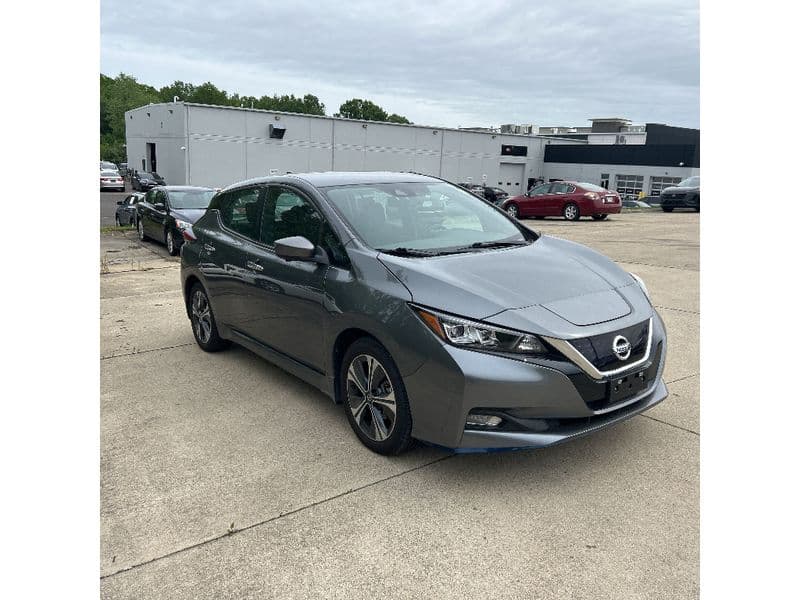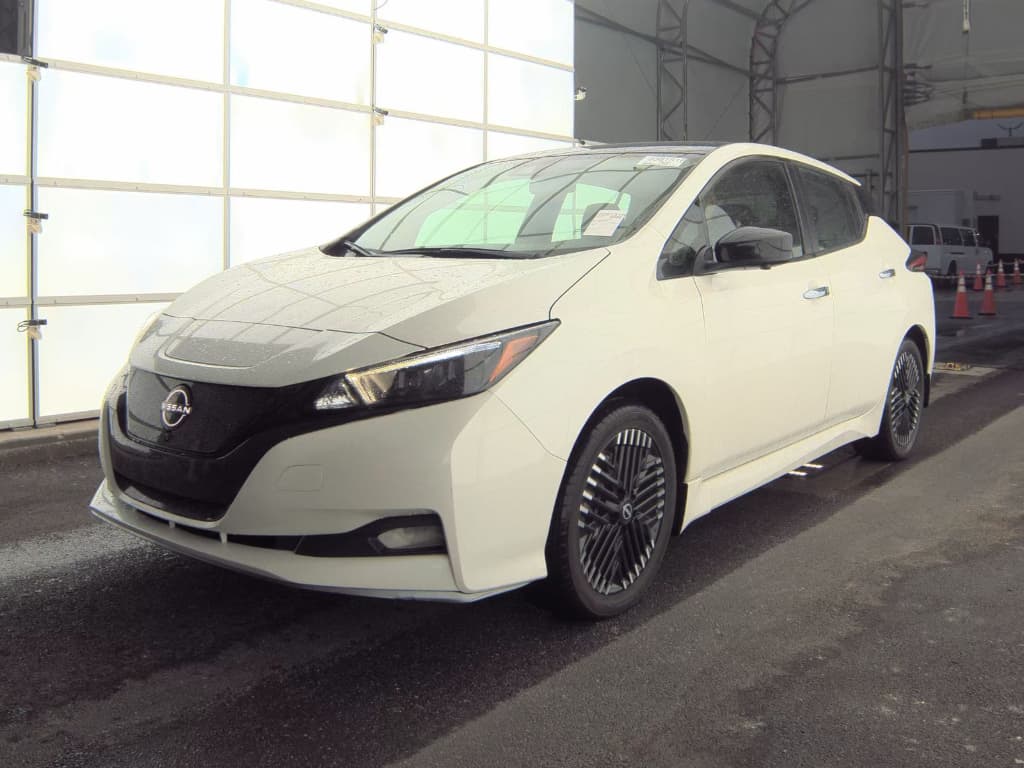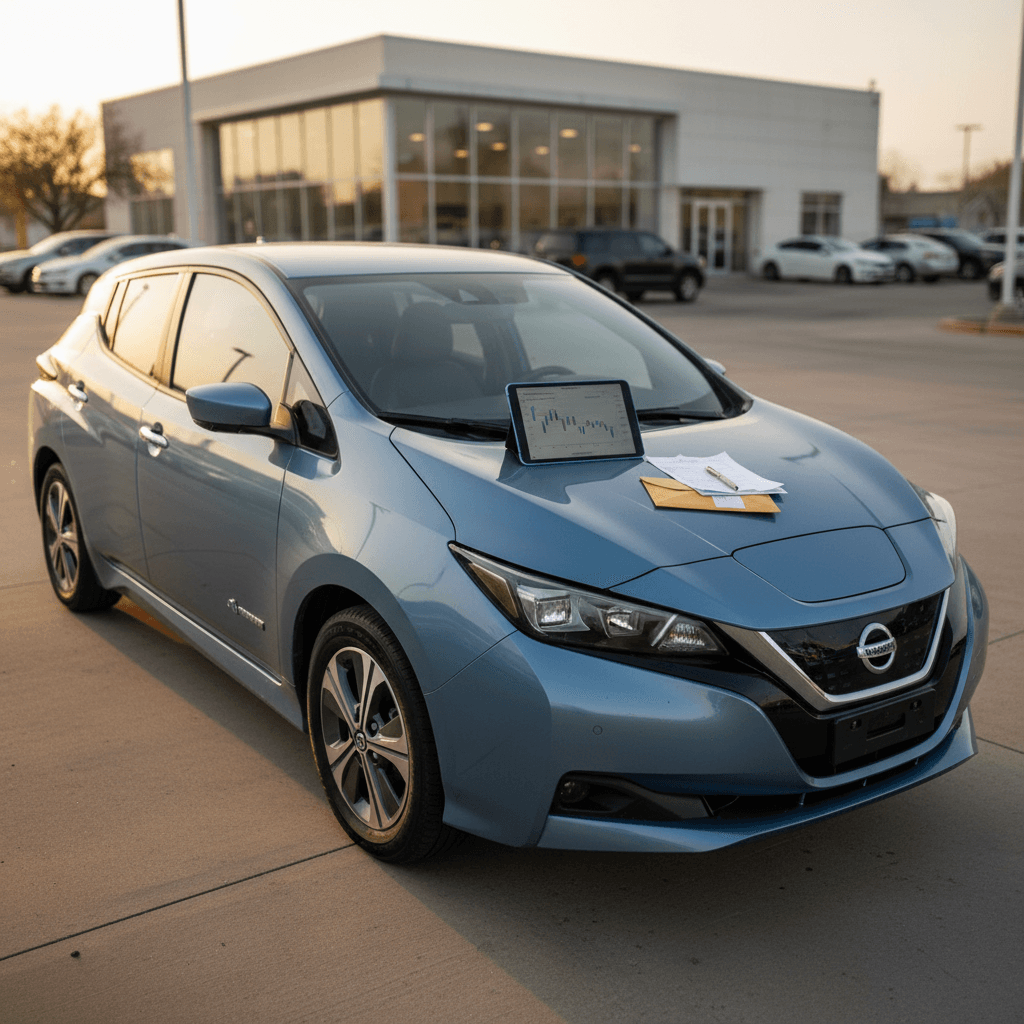
If you bought a 2022 Nissan Leaf, you’ve probably watched prices slide faster than you expected. EV incentives, rapid tech changes, and battery worries all hit 2022 Nissan Leaf trade in value harder than most gas cars. The good news is you can still put real money back in your pocket, if you understand how dealers look at your car and what levers actually move your number.
A quick note on numbers
How much is a 2022 Nissan Leaf worth in 2025?
Let’s rip off the bandage. By early 2025, many 2022 Leafs have already shed a huge slice of their original MSRP, especially cars that were heavily discounted or bought with large tax credits. Across the U.S. used market, **a typical 2022 Nissan Leaf S is often trading in the mid-teens**, while higher trims with the larger battery can land a bit higher if they’re clean and low mileage.
2022 Nissan Leaf value at a glance (early 2025, typical U.S. ranges)
Trim and region matter a lot
Quick value table: 2022 Leaf trade-in vs. private sale
2022 Nissan Leaf example values by trim and mileage (early 2025)
Illustrative U.S. ranges for one‑owner cars with clean titles and no serious accidents. Actual offers will vary by market, battery health, color, and equipment.
| 2022 Leaf trim & use case | Approx. mileage (2025) | Typical trade-in range | Possible private-party range | Notes |
|---|---|---|---|---|
| S (40 kWh), commuter | 30,000–40,000 mi | $12,500–$15,000 | $14,500–$17,500 | Shorter‑range pack; values lean on local charging options and daily‑driver demand. |
| SV (40 kWh), light use | 15,000–25,000 mi | $13,500–$16,500 | $16,000–$19,000 | Lower miles and nicer equipment help it stand out versus new budget EVs. |
| SV Plus / SL Plus (62 kWh), average miles | 25,000–35,000 mi | $15,000–$18,000 | $17,500–$21,000 | Long‑range pack and stronger performance make these more desirable, especially for highway drivers. |
| S or SV, high miles or rough cosmetic condition | 45,000–60,000+ mi | $10,000–$13,000 | $12,000–$15,000 | Tired cosmetics or a rough Carfax push most buyers to discount aggressively. |
| Any trim with below‑average battery health | Any | Often $2,000–$5,000 lower | Often $1,500–$4,000 lower | Weak range is the single fastest way to kneecap a Leaf’s value. Numbers here move the most. |
Use this as a starting point before you start shopping your VIN to multiple buyers.
Reality check your number
Why 2022 Leaf trade-in values drop so fast
If it feels like your 2022 Leaf has lost value faster than your neighbor’s compact SUV, you’re not imagining things. Electric hatchbacks like the Leaf face a **perfect storm of depreciation** in their first 3–5 years:
- Stacked incentives on new cars. Many 2022 buyers effectively knocked thousands off sticker with tax credits, rebates, or dealer cash. That pushes used values down, because shoppers anchor to the lower net price.
- Rapid EV tech progress. Newer EVs show up with better range, faster charging, and NACS access. That makes a 2022 Leaf feel older, sooner, even if it’s in great shape.
- Battery fear. Shoppers still worry about battery replacement costs. Even if your pack is healthy, the perception risk bakes extra depreciation into every Leaf.
- Limited highway range. The 40 kWh Leaf is a terrific city car, but shoppers who road‑trip a lot often look elsewhere. That shrinks the pool of used‑car buyers in some regions.
How the Leaf compares to other EVs
What affects your 2022 Leaf trade-in the most
Dealers and online buyers don’t appraise your Leaf the way they would an ordinary gas hatchback. Under the skin, they’re grading a battery pack, a charger, and your local EV demand just as much as the paint and the seats. Here’s what moves the needle the most:
6 biggest levers on your 2022 Leaf’s trade-in value
Get these right and you can gain thousands over the “average” offer.
1. Battery health & real range
2. Mileage & driving profile
3. Accident & repair history
4. Trim, options & battery size
5. Your zip code & charging map
6. Current incentives on new EVs
Don’t forget negative equity
How battery health changes 2022 Leaf value
On an EV, the battery pack is the engine and the fuel tank rolled into one. With the 2022 Leaf, especially the 40 kWh version, **usable range is the first thing every savvy buyer checks**. Two cars that look identical on the outside can be thousands of dollars apart once you look at their packs.
Healthy 2022 Leaf battery
- Range close to original EPA estimate for your trim.
- Consistent DC fast‑charging behavior with no unusual throttling.
- No battery warranty claims or warning lights.
- Service history shows normal charging habits (mostly Level 2, occasional DC fast charging).
In this scenario, your Leaf behaves like a low‑mileage gas car. Appraisers lean on standard depreciation curves, and you can often land near the top of the value ranges in this guide.
Tired 2022 Leaf battery
- Noticeably lower real‑world range than when new.
- Frequent DC fast‑charging or hot‑climate use in its history.
- Any signs of capacity bar loss or range guess dropping fast.
- Out of or close to the end of battery warranty coverage.
Here, buyers start pricing in the risk of expensive repair, or of a frustrated next owner. It’s common to see offers fall $2,000–$5,000 below an otherwise similar Leaf with a healthy pack.
How Recharged uses battery data differently
Ready to find your next EV?
Browse Vehicles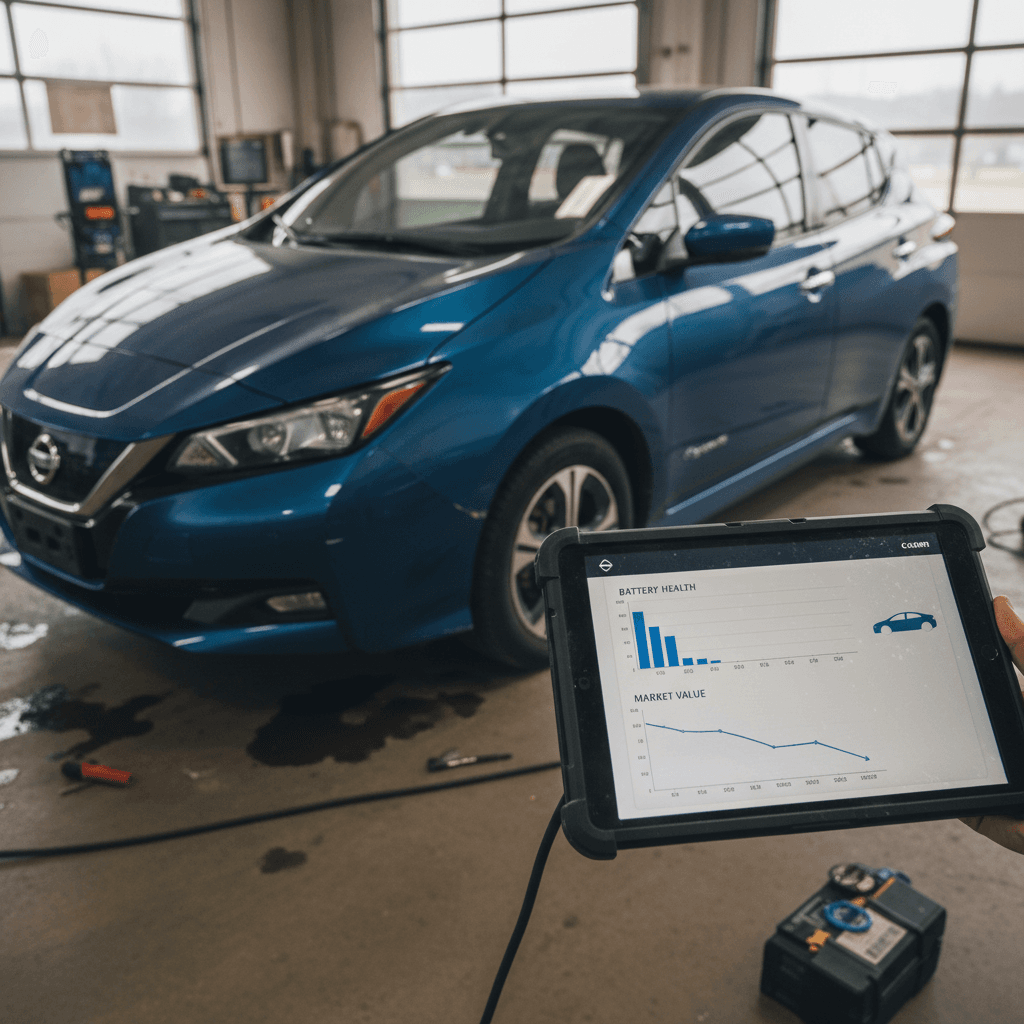
Where to sell a 2022 Leaf: dealer, Carvana, or EV specialist?
You’ve got plenty of ways to turn your 2022 Leaf into cash or into your next car. Each comes with trade‑offs in price, speed, and hassle. Here’s how they usually stack up.
Your main options for a 2022 Leaf trade-in or sale
Pick the lane that fits your time, risk tolerance, and money goals.
Franchise dealer trade-in
Pros: Fast and simple, especially if you’re buying something from the same store. Tax savings in many states can partially offset a lower offer.
Cons: EV expertise varies wildly. Some stores lowball Leafs because they’re nervous about batteries or don’t move many used EVs.
Online instant-offer sites
Pros: Easy to compare multiple offers from your couch. You’ll get a decent sense of the national baseline for your VIN and miles.
Cons: Automated systems often treat all Leafs alike, regardless of real battery health. Final offers can drop after inspection.
EV specialist / Recharged
Pros: Buyers who live and breathe EVs understand Leaf quirks, battery reports, and local EV demand. That can mean stronger, more consistent offers.
Cons: Fewer physical locations than big-box dealers, though services like Recharged work fully online with nationwide delivery and pickup.
Don’t marry the first number you see
How to boost your 2022 Leaf trade-in offer
You can’t rewind depreciation, but you can absolutely climb from the bottom of the range to the top. Small moves, stacked together, can mean another $1,000–$2,000 in your pocket.
7 smart moves before appraising your 2022 Leaf
1. Get a battery health report
Pull a recent battery health readout or have a specialist run diagnostics. Bring that documentation to any appraisal so buyers see numbers, not just your word.
2. Service and software up to date
Take care of overdue maintenance, recalls, and software updates. A fresh invoice from a Nissan dealer or trusted EV shop reassures buyers that the car’s been cared for.
3. Fix the cheap stuff, skip the expensive stuff
Touch‑up paint, a windshield chip, or a headlight bulb can be quick wins. But don’t sink thousands into cosmetic repairs you won’t recover in a trade-in number.
4. Detail the car like you’re selling it yourself
A clean interior, washed wheels, and de‑cluttered cargo area send a signal: this Leaf was loved, not used up. Appraisers are human; first impressions matter.
5. Gather both keys and all charging gear
Missing key fobs or the original Level 1 charger give dealers an easy excuse to shave value. Bring everything you got on day one, including manuals and accessories.
6. Time your sale around demand spikes
Spring and early summer often see stronger EV demand than the dead of winter in cold climates. High gas prices can also lift Leaf offers in some markets.
7. Get pre-qualified and separate the deal
If you’re trading toward another EV, get pre‑qualified for financing first and negotiate your trade as its own line item. Platforms like Recharged can help you separate price, trade, and financing so you see the whole picture clearly.
Don’t roll everything into one big monthly payment
When it makes sense to keep your 2022 Leaf
Sometimes the smartest financial move is to ignore the sad resale number and keep enjoying the car you’ve already paid for. That’s especially true with a 2022 Leaf in good health.
Good reasons to hang on
- You own it outright or your payoff is well below trade-in value.
- The battery still covers your daily driving with a comfortable buffer.
- You mostly drive city or suburban miles, where Leaf strengths shine.
- Insurance, registration, and maintenance are cheap compared with a new EV payment.
In this world, your 2022 Leaf is a low‑cost commuting appliance. Every extra year you drive it, your cost per mile falls, and resale value matters less.
Signs it’s time to move on
- Real‑world range is starting to cramp your routine, even on mild‑weather days.
- You’re frequently hitting DC fast chargers to make basic trips work.
- Your warranty clock is running out, and you’re nervous about long‑term battery costs.
- You can step into a newer EV with far more range for a modest payment increase.
Here, trading in before the next step down in battery health can actually save you money over the next five years.
FAQ: 2022 Nissan Leaf trade-in value
Frequently asked questions about 2022 Leaf value
Bottom line on 2022 Leaf trade-in value
A 2022 Nissan Leaf that once felt brand new can look awfully cheap on a trade-in worksheet by 2025. That sting is real, but so is the upside if you play it smart. Understand how your Leaf’s trim, mileage, and especially its battery health stack up, collect multiple written offers, and decide whether you’re better off squeezing a few more low‑cost years out of it or rolling into something newer.
If you’re ready to move on, consider letting an EV‑only marketplace like Recharged do the heavy lifting. You’ll get transparent pricing rooted in real battery diagnostics and fair‑market data, plus options for financing, trade‑in, consignment, and nationwide delivery if you’re stepping into your next electric car. That way, your 2022 Leaf’s tough early depreciation can at least pave the way to a smarter, smoother next EV experience.