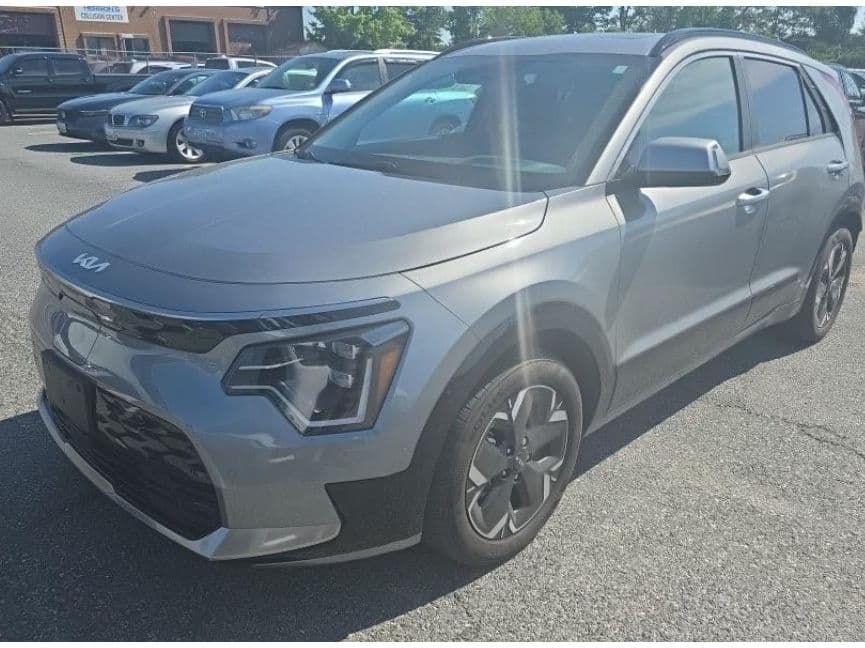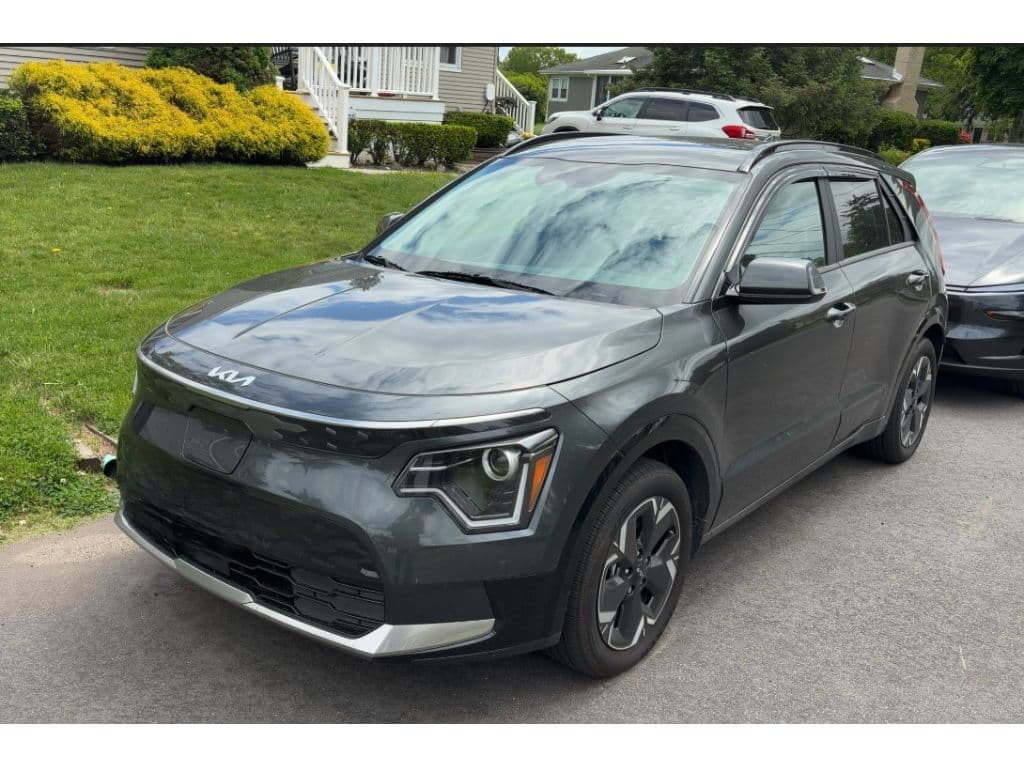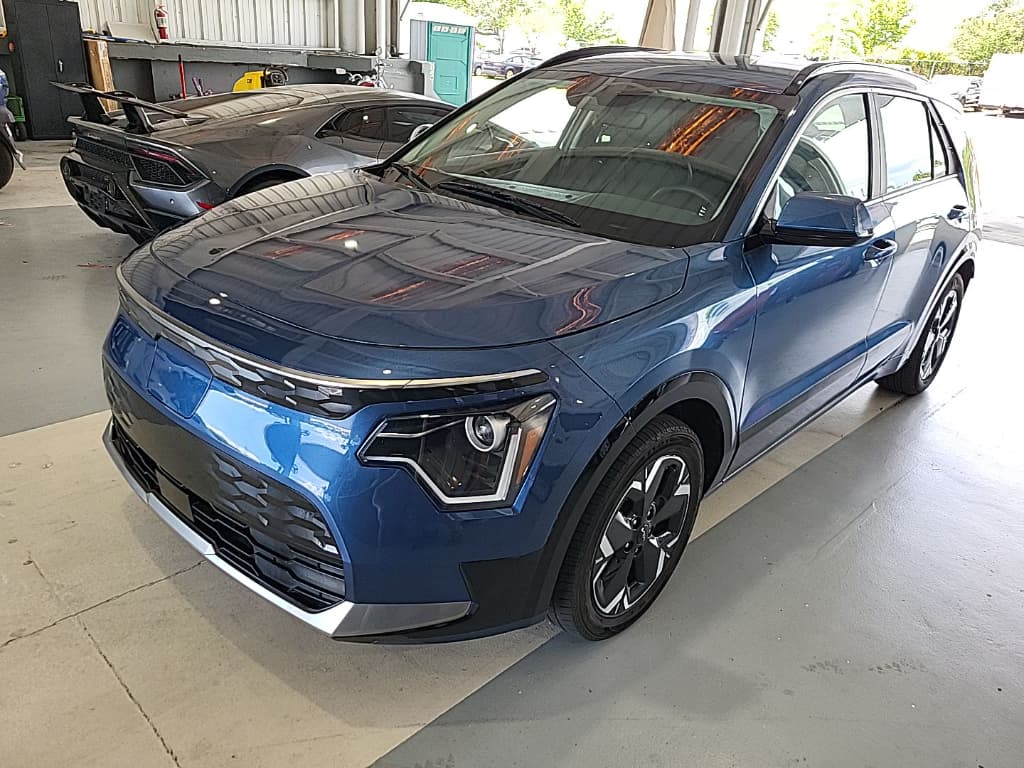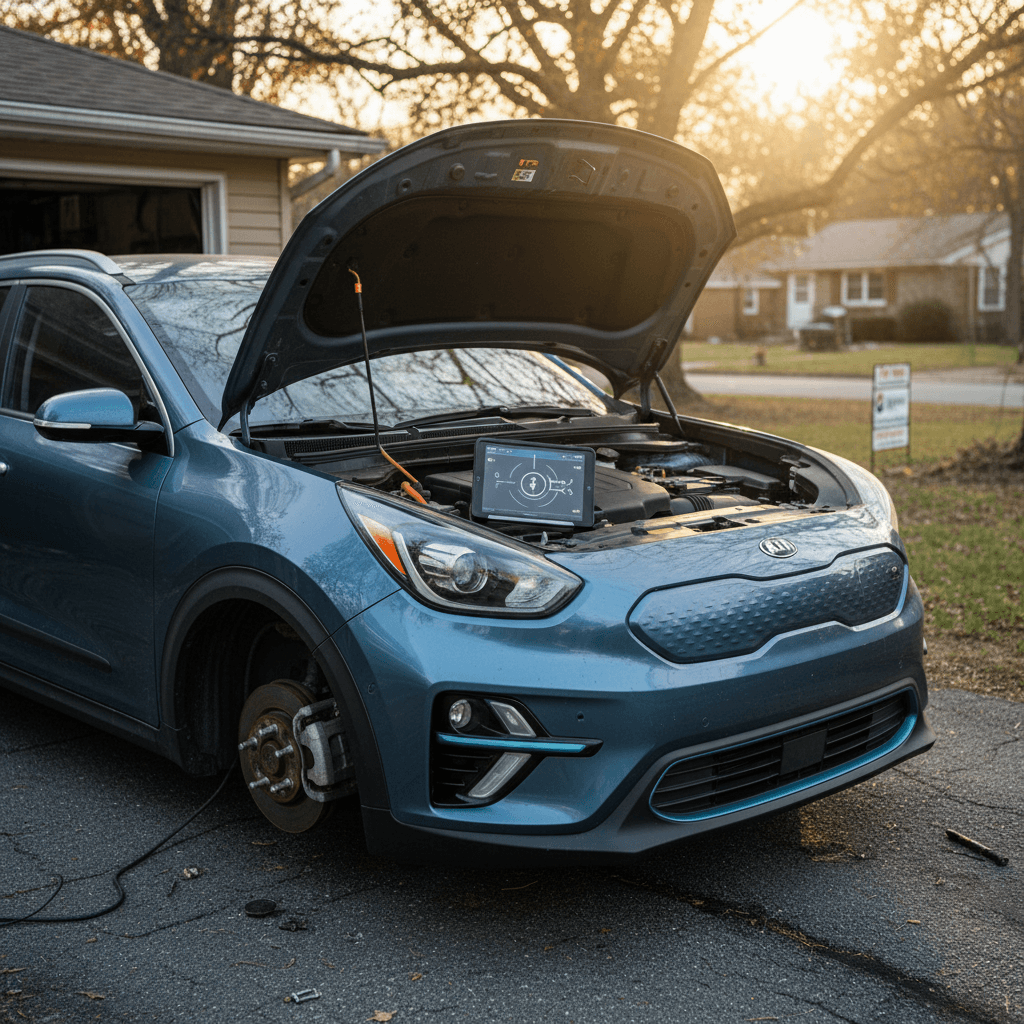
If you’re considering a 2020 Kia Niro EV or already own one, you’ve probably heard about 12‑volt battery issues, odd gearbox noises, and the occasional charging glitch. The good news: most 2020 Kia Niro EV problems have clear patterns, and clear fixes. This guide walks you through the big ones so you can drive (or buy used) with confidence.
First things first
Quick take: 2020 Kia Niro EV reliability overview
2020 Niro EV reliability snapshot
The first‑generation Niro EV (2019–2022) is generally seen as a bulletproof commuter EV with a simple, efficient drivetrain. Where owners run into trouble is around supporting systems: the 12‑volt battery that powers accessories, the charging logic (especially DC fast‑charge limits set in software), and infotainment connectivity. Understanding those weak spots is the key to a hassle‑free ownership experience, or a smart used purchase.
Most common 2020 Kia Niro EV problems
- 12V battery drain and sudden no‑start condition
- Charging issues at Level 1/Level 2 or DC fast chargers
- Gearbox / reduction‑gear noise (often called the “wheel of fortune” sound)
- Infotainment and UVO/Connect app glitches
- Less common: charge‑port door wear, weather‑seal issues, random warning lights
Pro tip if you’re shopping used
Problem 1: 12V battery drain and no-start
By far the most talked‑about 2020 Kia Niro EV problem is a dead 12‑volt battery. Owners describe coming out in the morning to a completely unresponsive car, no unlock, no “Ready” light, even though the main high‑voltage battery still has plenty of charge. This is frustrating, but in most cases it’s more of a nuisance than a sign that the entire car is failing.
- Accessory load: The Niro’s electronics can draw more power from the 12V system than expected when parked, especially if doors are opened repeatedly or accessories are left on.
- Original 12V battery quality: The factory battery is not especially robust and can degrade in just a few years, especially in hot climates.
- Short trips and infrequent driving: Like any car, lots of short runs and long parked periods can keep the 12V battery from fully recovering.
Signs your 12V battery is struggling
DIY and low-cost fixes for 12V battery drain
Practical steps to fix or prevent 12V issues
1. Test or replace the 12V battery
Have the 12‑volt battery load‑tested. If it’s more than 3–4 years old or repeatedly goes dead, proactively replace it with a high‑quality AGM or OEM‑spec unit.
2. Perform a proper 12V reset
When installing a new 12V battery, ensure the system is fully powered down before reconnecting so the car recognizes the new battery. Some owners report that “cycling” the 12V line (disconnecting briefly) helps clear odd behavior.
3. Check for parasitic drain sources
Remove aftermarket accessories (dashcams, always‑on OBD dongles, lights) one by one and see if the problem disappears. These add‑ons are a common hidden cause of overnight drain.
4. Drive or charge regularly
If the car sits for long periods, schedule a weekly drive or charging session. Keeping the high‑voltage pack and 12V system active improves long‑term health.
5. Keep software up to date
Ask a Kia dealer to check for body‑control or charging‑system software updates. In some cases, revised software better manages how the DC‑DC converter tops off the 12V battery.
When it’s more than a weak battery
Problem 2: Charging issues at home or DC fast chargers
Charging complaints in 2020 Niro EVs tend to fall into two buckets: home charging headaches and DC fast‑charging surprises on road trips. In many cases the car is doing exactly what it’s told in software, but the owner doesn’t realize a limit or schedule is set.
Home charging: won’t start, starts late, or stops early
- On‑board charging schedule: The car can maintain its own departure or off‑peak schedule; if this is active and conflicts with your wallbox timer, charging may start at odd times, or not at all.
- AC charging limit: Deep in the EV settings, you can cap AC charging current. If this is set too low, charging can be painfully slow or appear to “stall.”
- EVSE issues: Wallbox or portable charger faults (overheating, bad wiring, ground faults) are common culprits that get blamed on the car.
Quick home-charging reset
DC fast charging: won’t initiate or stops at low state of charge
Owners occasionally report that their 2020 Niro EV suddenly refuses to take a DC fast charge, or it stops charging around 60–80% even when they expected to go higher. That’s often linked to in‑car fast‑charge limits or temporary station glitches rather than a failing battery.
- Charge limit set in menu: The car lets you save a DC fast‑charge limit (for example, 80%) to protect battery life. If this is set and you forget about it, sessions will stop right at that number.
- Station‑side issues: Public DC fast chargers are notoriously finicky. If multiple stalls misbehave for multiple EVs, it’s almost certainly the station, not your Niro.
- Battery temperature: Like any EV, the Niro will throttle or even pause DC charging if the pack is extremely cold or hot. You’ll see slower speeds in winter or after repeated high‑speed fast‑charge sessions.
Watch your battery temps on road trips
Problem 3: Gearbox “wheel of fortune” noise
A subset of 2020 Kia Niro EV owners describe a high‑pitched, spinning or “wheel of fortune” noise that rises with speed. This usually isn’t tire roar, it’s coming from the reduction gearbox and/or motor bearings. Left unchecked, it can worsen over time.
- Noise that changes with vehicle speed but not motor power (it’s present even under light load).
- A tonal whine that’s noticeably louder than normal EV motor noise.
- Noise most obvious between 25–45 mph or during light acceleration and coasting.
How serious is the gearbox noise?
What to do if your Niro EV develops drivetrain noise
Steps to diagnose and address gearbox noise
1. Rule out tires and wheel bearings
Rotate tires front to rear and check pressures. If the noise moves or changes character, it may be tire‑related. A tech can also inspect wheel bearings.
2. Capture video and conditions
Record the sound with your phone while noting speed, temperature, and whether you’re accelerating or coasting. This evidence helps the dealer reproduce it.
3. Schedule a dealer drive-along
Ask to drive with a technician so they can hear the noise firsthand. Reference known Niro EV gearbox complaints so they understand it’s a documented concern.
4. Push for warranty evaluation
If you’re still within Kia’s powertrain or EV components warranty, insist on a formal diagnosis. In some cases, Kia has replaced the reduction gear assembly or motor under warranty.
Problem 4: Infotainment, UVO/Connect, and connectivity glitches
Like many 2020‑era cars, the Niro EV’s head unit can be finicky. Owners mention frozen screens, UVO/Connect app failures, and intermittent CarPlay or Android Auto dropouts. While annoying, these issues rarely affect drivability.
- UVO/Connect app stops updating vehicle status or charge level.
- Head unit randomly reboots or loses radio presets.
- CarPlay/Android Auto disconnects mid‑drive, especially over USB.
- Poor cellular reception for connected services in certain areas.
Simple infotainment fixes to try first
Other notable 2020 Niro EV issues to watch
Less common but worth checking
These problems are not widespread, but you’ll want to screen for them on a used 2020 Niro EV.
Charge-port door & latch wear
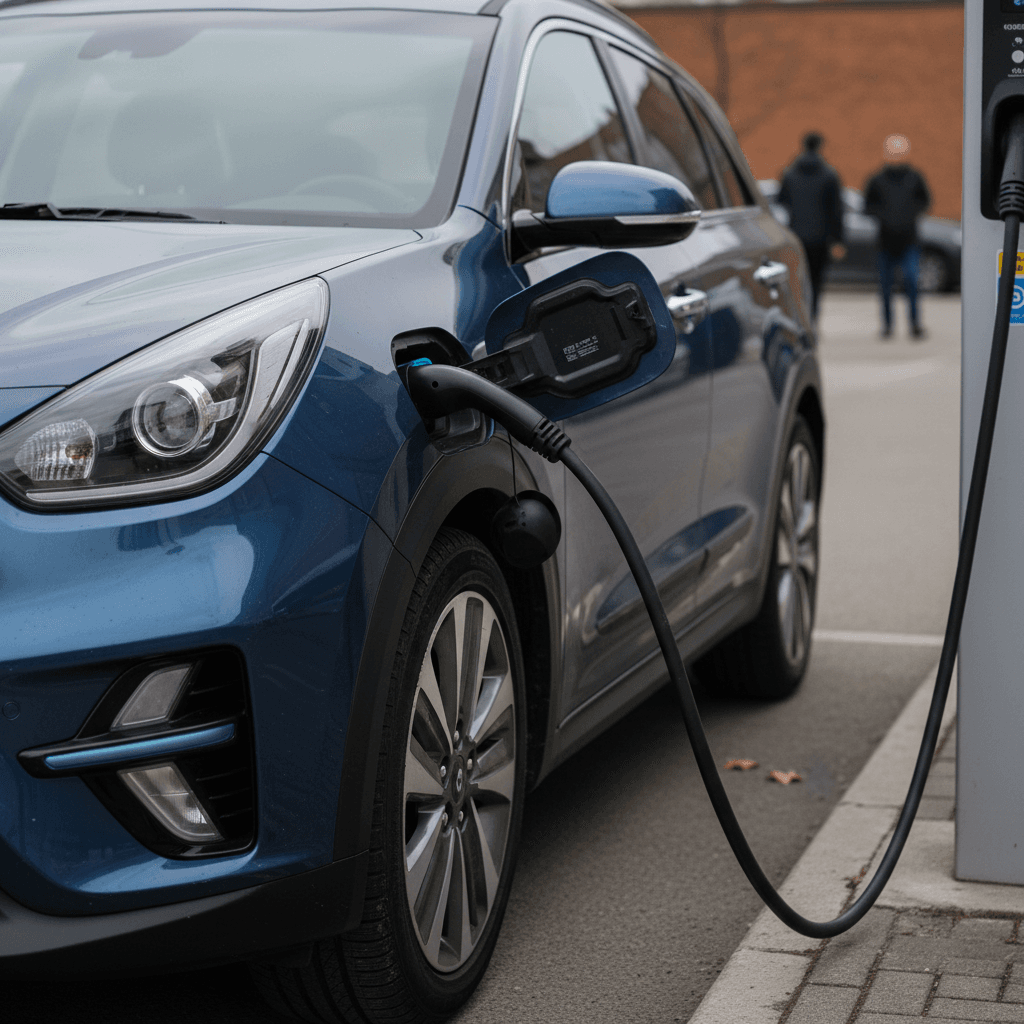
Frequent public charging can wear the charge‑port door hinge or latch. Look for misalignment, difficulty closing, or damaged rubber seals, which can let in water and road grime.
Weather seals & moisture
Check door and hatch seals for damage and inspect the spare‑tire well and under the cargo floor for signs of moisture. Persistent leaks are rare but a pain to fix.
Random warning lights
Occasional ABS, stability control, or tire‑pressure lights can stem from wheel‑speed sensors or software gremlins. Ask for diagnostic codes, not just a light reset.
2020 Kia Niro EV recalls and service campaigns
As of early 2026, the 2020 Kia Niro EV has been subject to a small number of recalls and service campaigns, mostly software‑related. Exact campaigns can vary by build date and region, so you should always check a specific VIN.
Examples of recalls affecting 2020 Niro EVs
Always confirm open recalls for your exact vehicle using its VIN on the NHTSA or Kia owner website.
| Area | Type of action | What it addresses | Owner next step |
|---|---|---|---|
| High‑voltage system software | Recall / update | Updates battery or inverter software to improve diagnostic logic or prevent rare failure modes. | Have a Kia dealer check for and apply any outstanding EV system software updates. |
| Electronic control units | Service campaign | Improves stability of certain control modules that could trigger warning lights or limp‑home modes. | Ask the dealer to check for completed campaigns in the service history. |
| Telematics / UVO | Service campaign | Fixes connectivity or modem issues that affect remote app functions. | Confirm your VIN is up‑to‑date and ask about any telematics‑related campaigns. |
This table is illustrative; recall eligibility depends on your specific vehicle.
How to check recall status
How to inspect a used 2020 Niro EV for these problems
1. Start with the battery and charging
- Check indicated range at 100% charge and compare with the original EPA rating (239 miles). A modest reduction is normal; a huge gap may warrant a deeper health scan.
- Plug into a known‑good Level 2 charger and confirm the car charges normally without errors.
- If possible, do a short DC fast‑charge session to verify the car will accept a fast charge and doesn’t cut off prematurely.
2. Listen and look on the road
- On a 20–30 minute test drive, listen for high‑pitched gear whine that changes with speed.
- Test the car on city streets and highway; verify it tracks straight and doesn’t pull under regen.
- Cycle climate control, heated seats, and all windows; weak accessories can hint at 12V issues.
Simple driveway checks before you sign
Check 12V battery age
Look for the date code on the 12V battery. If it’s original or older than 3–4 years, budget for replacement or negotiate it into the deal.
Scan for warning lights and codes
At key‑on, make sure warning lights come on and then go out. If you have access to an OBD scanner that supports EVs, pull codes to look for hidden faults.
Test all keys and locking functions
Weak 12V batteries often show up first as slow or inconsistent locking/unlocking and odd immobilizer behavior.
Inspect tires, brakes, and underbody
Uneven tire wear, squealing brakes, or underbody scrapes near the battery tray can hint at previous abuse or impact.
Confirm software update history
Ask for service records showing infotainment and EV system updates. A car that’s been regularly updated tends to be better‑behaved.
How Recharged helps with inspections
Typical repair costs, warranty coverage, and goodwill
Repair costs for 2020 Kia Niro EV problems vary widely depending on whether you’re still covered under Kia’s warranties and how severe the issue is. The good news: major EV components are backed by long warranties, and many common complaints are solved with relatively inexpensive parts or software.
Ballpark costs for common 2020 Niro EV fixes (out of warranty)
Actual repair costs vary by region and shop; these ranges are meant only as general guidance.
| Issue | Likely fix | Approximate cost (USD) | Warranty notes |
|---|---|---|---|
| Repeated 12V battery drain | High‑quality 12V battery replacement | $200–$350 installed | 12V battery is typically covered only in the basic warranty period. |
| Mild gearbox noise | Further diagnosis, possible fluid change or monitoring | $150–$400 | Full gearbox or motor replacement may be covered under EV component warranty if clearly defective. |
| Severe gearbox / motor whine | Reduction‑gear or motor replacement | $2,000+ (often warranty) | Within Kia EV component warranty, push hard for coverage. |
| Infotainment glitches | Software update or head‑unit reset | Usually under $200, sometimes free | Map and firmware updates are often included during warranty service visits. |
| Home charging not working | EVSE diagnosis / wiring repair | $0–$1,000+ depending on issue | Home wiring and wallbox are not covered by Kia; check electrician or EVSE warranty. |
High‑voltage components are usually still under warranty; most owners pay out of pocket only for wear‑and‑tear or 12V‑related items.
Know your Kia EV warranty limits
Is the 2020 Kia Niro EV a good used buy?
If you want a practical hatchback EV with solid range and reasonable running costs, the 2020 Niro EV remains a compelling choice. The high‑voltage battery and motor have generally held up well, and many owners report years of trouble‑free commuting. The main caveat is to go in with eyes open about 12V quirks, charging behavior, and potential gearbox noise so you can screen cars accordingly.
Why it’s a smart buy
- Comfortable, efficient commuter with real‑world range that still feels competitive.
- Generally strong reliability for the main EV systems.
- Often priced well below newer long‑range EVs in the used market.
- Plenty of owner data and service experience now that the model has been around for several years.
Where to be cautious
- Verify the 12V system has been addressed and isn’t an ongoing headache.
- Listen closely for gearbox whine that could foreshadow expensive work.
- Confirm a clean recall history and recent software updates.
- On higher‑mileage cars, insist on a professional EV inspection or a battery health report like the Recharged Score.
Buying a used Niro EV through Recharged
Ready to find your next EV?
Browse Vehicles2020 Kia Niro EV problems & fixes: FAQ
Frequently asked questions
The 2020 Kia Niro EV isn’t perfect, but its problems are well‑understood and usually fixable without breaking the bank. If you know to watch for 12‑volt quirks, verify normal charging behavior, and listen for unusual drivetrain noise, you can zero in on strong examples that deliver years of quiet, low‑cost electric driving. And if you’d rather skip the guesswork entirely, a used Niro EV that’s already been evaluated with a Recharged Score can give you the confidence you’re getting one of the good ones.