Search for “2022 Mini Cooper Electric problems” and you’ll see everything from glowing owner reviews to scary headlines about battery recalls. If you’re considering a used 2022 Mini Cooper SE, you’re probably wondering where the truth lies, and whether you’re about to inherit someone else’s headache.
Quick take
Overview: How Problematic is the 2022 Mini Cooper Electric?
The 2022 Mini Cooper Electric, sold in the U.S. as the Mini Cooper SE Hardtop 2 Door, is the electric version of Mini’s famously cheeky hatch. Underneath, it borrows heavily from the BMW i3’s proven electric drivetrain, which is part of why owner forums are surprisingly calm compared with many EVs.
2022 Mini Cooper Electric at a Glance
Where the 2022 Mini Electric shines is city use: short hops, easy home charging, low maintenance. Where it struggles is exactly where you’d expect: long trips, cold climates, and owners who skip recall work. The most serious “problem” isn’t that these cars are defective, it’s that many buyers don’t match the car’s capabilities to their lifestyle.
If you remember one thing…
High-Voltage Battery & Recall Issues
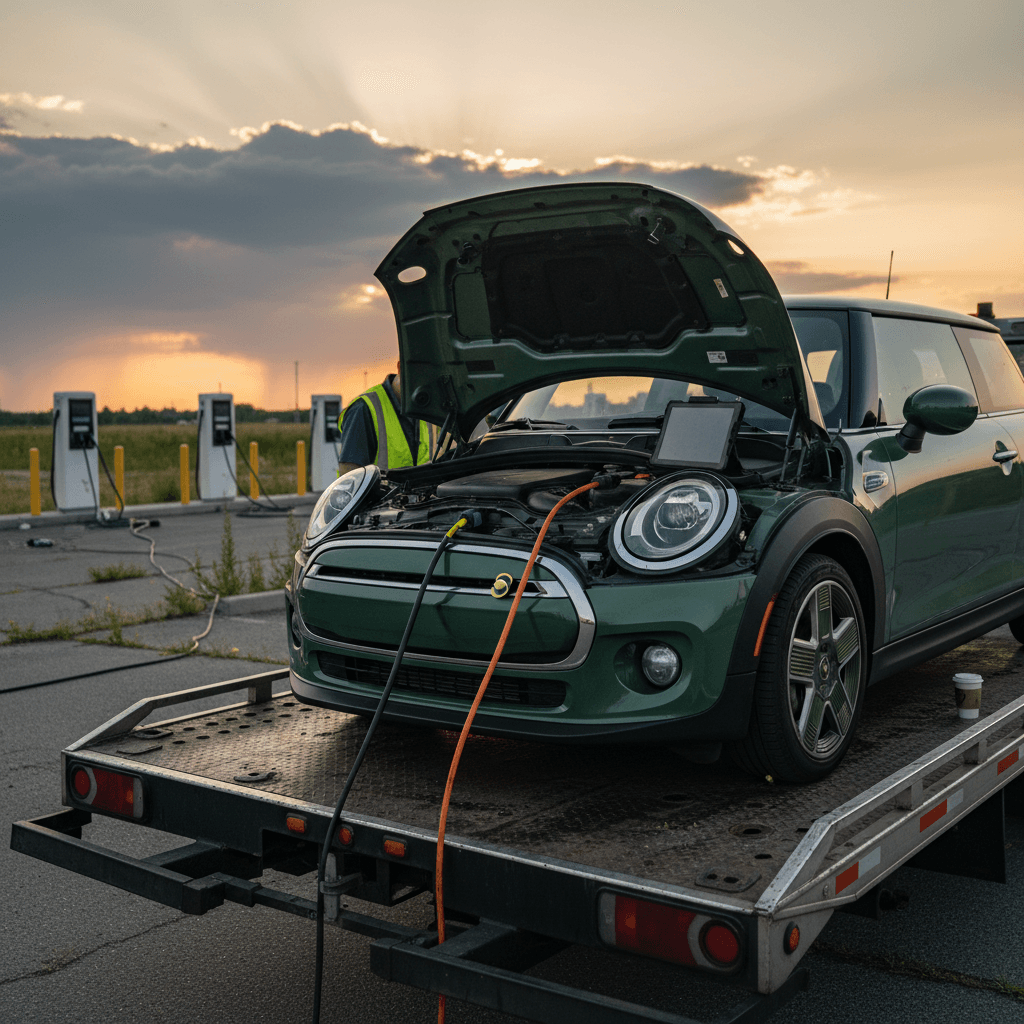
Let’s start with the big one. In 2024, BMW/Mini issued a major high‑voltage battery recall covering virtually all first‑generation Mini Cooper SE models built from late 2019 through early 2024. The concern: potential moisture ingress into the battery housing, which in rare cases can create an isolation fault and, at worst, a fire risk.
- Applies to: 2020–2024 Mini Cooper SE Hardtop 2 Door (including 2022 model year)
- Core issue: Possible leaks in the high‑voltage battery enclosure that could allow moisture inside and cause a short or isolation fault
- Symptoms: Warning messages, reduced power, or high‑voltage system errors; in very rare cases, thermal events
- Factory remedy: Software update that actively monitors for isolation faults and can safely discharge the battery if a problem is detected; hardware repairs if a fault is confirmed
Take battery warnings seriously
Importantly, the recall itself doesn’t mean the car is doomed. Most affected vehicles will never experience an actual failure, and the software fix is designed to detect small insulation issues long before they become dangerous. But from a used‑EV buyer’s standpoint, it means you should treat recall completion as part of your basic due diligence, not an optional extra.
How serious is the risk?
Confirmed cases of Mini Cooper SE battery fires are extremely rare, especially relative to the number of cars on the road. The bigger day‑to‑day concern for most owners is the anxiety of seeing a warning message and not knowing if the car is safe to drive or park in a garage.
What a smart buyer should do
- Run the VIN through the NHTSA or Mini recall tool.
- Ask for a dealer service printout showing recall completion dates.
- If you see unresolved high‑voltage recalls, insist they’re done before purchase or negotiate accordingly.
At Recharged, every Mini Cooper Electric we list gets a Recharged Score battery health report. That includes a deep diagnostic of the pack and documentation of any recall work. You shouldn’t have to guess whether your future EV has had its most important safety work done.
Range, Charging and Cold-Weather Complaints
If you’ve driven any other modern EV, the Mini Cooper SE’s 114‑mile EPA range is going to feel quaint. Owners routinely report 90–110 miles of real‑world range in mixed driving when new. That’s usually enough for a day of city commuting, but it leaves almost no buffer for spontaneous weekend adventures.
Common Range & Charging "Problems"
Most are limitations of the platform, not defects.
Short real-world range
Plan on around 90–100 miles per charge in normal conditions. Push it on the highway and you’ll see much less.
Big winter drop
Without an active battery heater, owners in cold climates report notable power and range loss until the pack warms.
Fast, but not "fast" charging
DC fast charging peaks around 50 kW. That’s fine for topping up on a road trip, but it won’t rescue a bad planning mistake quickly.
The cold‑weather story is especially important. Unlike some newer EVs, the 2022 Mini Electric does not use a sophisticated battery preconditioning system. In sub‑freezing temperatures, it can temporarily limit power output and regen, and range may fall well below 80 miles until the pack comes up to temperature.
Cold-climate ownership tip
Charging itself is rarely a “problem” in the mechanical sense. Instead, complaints tend to be about expectations: people used to 250‑mile EVs discover that with the Mini, you really do need to plug in most nights. On the upside, that small battery fills quickly, a 240‑volt Level 2 charger at home can recover a full charge in roughly four hours, and even a shared workplace charger can top you up during the day.
Build Quality, Hardware Quirks and NVH
Older gasoline Minis earned a reputation as adorable little grenades, timing chain rattles, coolant leaks, the works. The 2022 Mini Electric doesn’t suffer those sins. The e‑drivetrain is simple and robust. Where owners do report issues is mostly in the hardware details that make the car feel expensive or cheap: rattles, seals, and trim.
- Loose or rattling active grille shutters at the front bumper
- Windshield wipers that don’t sit flat in cold weather, leaving streaks until warmed up
- Minor trim delamination around headlights or exterior brightwork
- Occasional squeaks or rattles from the hatch area on rough roads
- Humming or vibration from brakes or wheels at certain speeds, usually resolved under warranty
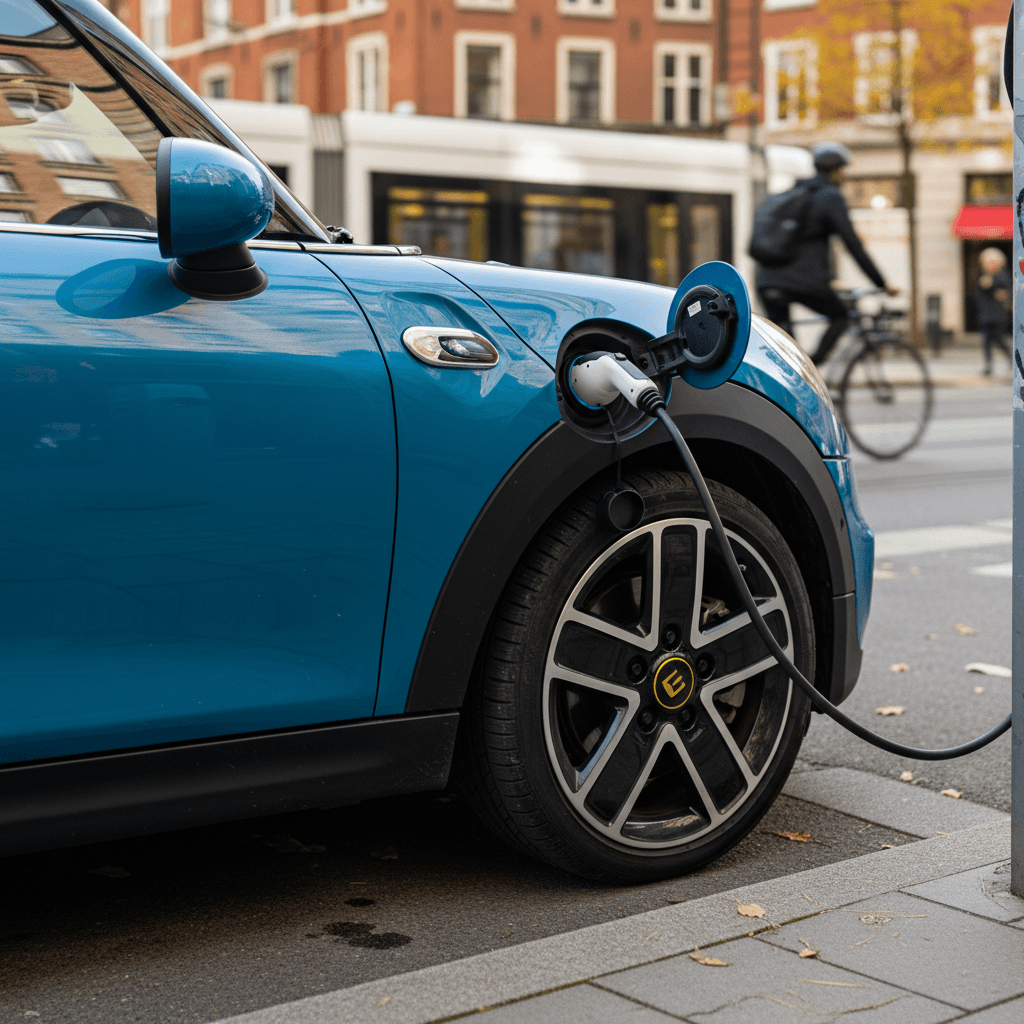
The upside of an EV Mini
None of these build issues are unique to the 2022 model year, and most are fixed quickly if the car is still under warranty. However, on a used example out of bumper‑to‑bumper coverage, they’re exactly the sort of annoyances that can make a cheap car feel expensive. During a test drive, pay attention to rattles, wind noise, and the feel of the doors and hatch closing, Mini can feel delightful when it’s right, and oddly fragile when it’s not.
Software Glitches & Missing Features
On the software side, the 2022 Mini Electric is more “late BMW iDrive” than “Silicon Valley on wheels.” That’s good for long‑term stability, but there are still some quirks and omissions that frustrate owners.
Software & Feature Complaints Owners Mention
Not defects in the legal sense, but quality-of-life irritations.
Infotainment glitches
Occasional lag, Bluetooth hiccups, and paired‑phone weirdness. Most are solved with software updates or a hard reboot.
HVAC oddities
A few owners report heater failures or inconsistent cabin heating, sometimes requiring a dealer visit for component replacement.
Limited connected features
No full digital key on 2022 models, and some smartphone app functions trail newer EVs. Android Auto availability depends on trim and market.
Conservative energy management
The car will limit power and regen aggressively when the battery is cold or low, which can feel like a “problem” if you’re not expecting it.
Good news on updates
Maintenance, Reliability Scores and Long-Term Outlook
If you strip away the recall headlines and the Reddit war stories, the 2022 Mini Cooper Electric lands in an interesting place: it’s more reliable than older Minis, and independent testing ranks the 2022 Cooper line above average for overall dependability. At the same time, there isn’t yet a giant population of 150,000‑mile SEs to label it bulletproof.
What Ownership Looks Like After the Honeymoon
Brake wear is minimal
Regenerative braking means pads and rotors last a long time. Many owners report almost no brake work in the first 20,000–30,000 miles.
Few moving parts to fail
An EV like the Mini SE has a fraction of the moving parts of a gas Mini. No oil changes, spark plugs, timing chains, exhaust, or fuel system drama.
Service intervals are long
Typical early service visits focus on basic inspections, brake fluid checks, and software updates, often after nearly two years.
Battery health is holding up
Real‑world anecdotes from early‑build cars with 30k–35k miles show only a few percent loss of usable capacity when properly cared for.
Recalls & software are the wildcards
The biggest reliability questions revolve around high‑voltage recalls and how quickly issues are addressed, not chronic mechanical flaws.
Dealer experience varies
As with many European brands, some owners rave about their Mini dealer, others complain about long waits and poor communication. Factor that into your equation.
From a cost‑of‑ownership perspective, the Mini SE looks good on paper: low routine maintenance, relatively small battery (cheaper to replace if it ever came to that), and parts shared with other BMW/Mini models. Where you can get burned is out‑of‑warranty electronics or boutique body parts that carry premium‑brand pricing.
Should You Worry About 2022 Mini Electric Problems When Buying Used?
The honest answer: you should be cautious, not afraid. Compared with early‑generation EVs from less experienced brands, a well‑maintained 2022 Mini Cooper SE is a relatively safe bet, if the car actually fits your lifestyle.
You’re a great fit if…
- Your typical daily driving is under 60 miles.
- You have reliable access to home or workplace Level 2 charging.
- You live in a moderate climate or have a garage.
- You prefer a fun, premium-feeling city car over maximum range.
You should think twice if…
- You regularly do 150–200 mile highway trips.
- You can’t easily install a home charger and rely only on public DC fast charging.
- You live in a region with very cold winters and street‑park year round.
- You’re allergic to any hint of recall or software drama.
Where Recharged fits in
The Mini SE doesn’t pretend to be a cross‑country cruiser. Treated as what it is, a charismatic, short‑range electric hot hatch, it can be a delightfully low‑drama used EV. The “problems” matter most when the wrong buyer chooses the right car for the wrong job.
Checklist: Shopping a Used 2022 Mini Cooper Electric
Use this checklist as your reality filter when you’re standing in front of a shiny 2022 Mini SE, keys in hand and rational thought fading fast.
Pre-Purchase Checklist for a 2022 Mini Cooper Electric
1. Run the VIN for recalls
Check the NHTSA database and ask the seller for Mini dealer records. All high‑voltage battery and software recalls should show as completed.
2. Get a real battery health report
Don’t settle for a dashboard range guess. Ask for a <strong>diagnostic report</strong> or buy from a platform like Recharged that includes a Recharged Score battery analysis.
3. Inspect for water leaks and corrosion
Look around the battery tunnel, wheel arches, and underbody for unusual rust, staining, or evidence of standing water, especially in snowy or coastal regions.
4. Test charging in real life
If possible, plug into both Level 2 and DC fast charging before you commit. Watch for error messages, unusually slow charge rates, or hot cables/ports.
5. Listen for rattles and feel the ride
On a test drive, pay attention to squeaks from the hatch, loose trim, or wobble at higher speeds. The car should feel tight and eager, not fragile.
6. Verify HVAC and heated features
Make sure the heater, A/C, heated seats, and heated steering wheel (if equipped) all work properly. HVAC repairs can be surprisingly expensive.
7. Confirm warranty status
In the U.S., the high‑voltage battery typically carries an <strong>8‑year/100,000‑mile warranty</strong> from the original in‑service date. Ask the seller to document it.
8. Match the car to your commute
Pull up your actual daily routes and confirm that 70–90 miles of reliable range with a winter haircut still covers your life comfortably.
FAQ: 2022 Mini Cooper Electric Problems
Frequently Asked Questions
Bottom Line: A Flawed but Charming City EV
The 2022 Mini Cooper Electric is not the trouble‑plagued clown car some early gas Minis were, nor is it the do‑everything EV many shoppers now expect. It’s a specialist tool: a short‑range, high‑charm city car with generally solid reliability, wrapped in a body that still feels like a design object.
The real “problems” come when you ask it to be something it isn’t, or when you buy one without doing your homework on recalls and battery health. Get those right, and a used 2022 Mini SE can be a low‑drama, high‑smile daily driver.
If you’re curious whether a Mini Cooper Electric fits your life, and which specific cars are worth your money, Recharged can help you compare options, see objective battery health data, arrange financing and trade‑ins, and even deliver the car to your driveway. That way, the only surprises your Mini has in store are the good kind.