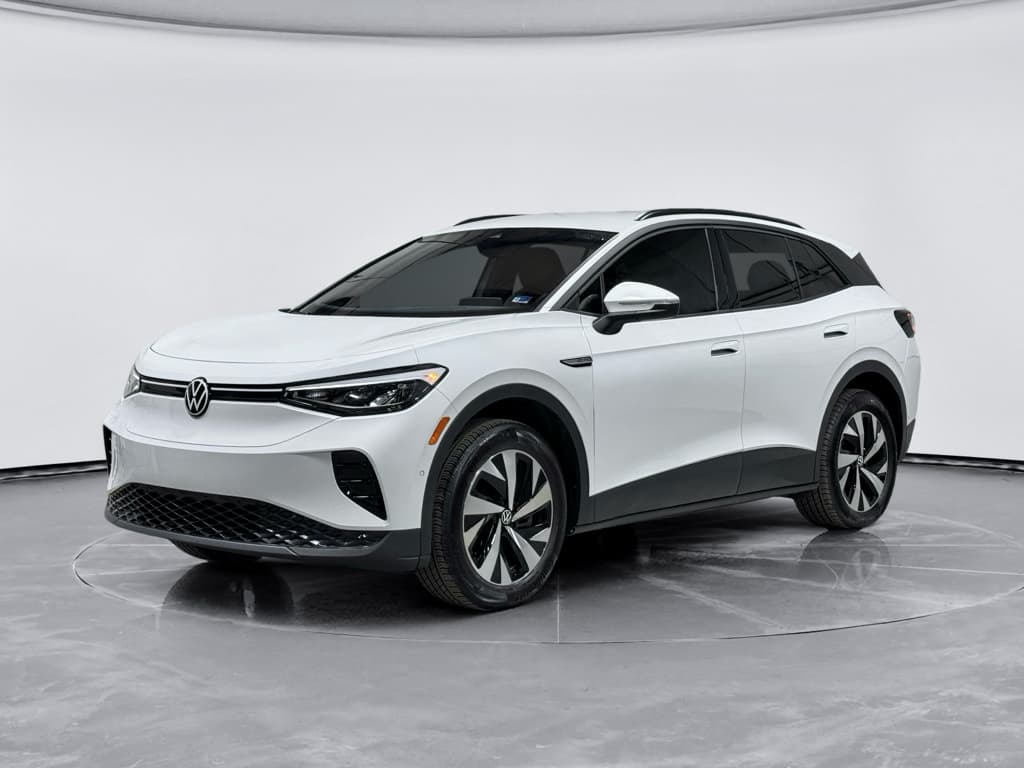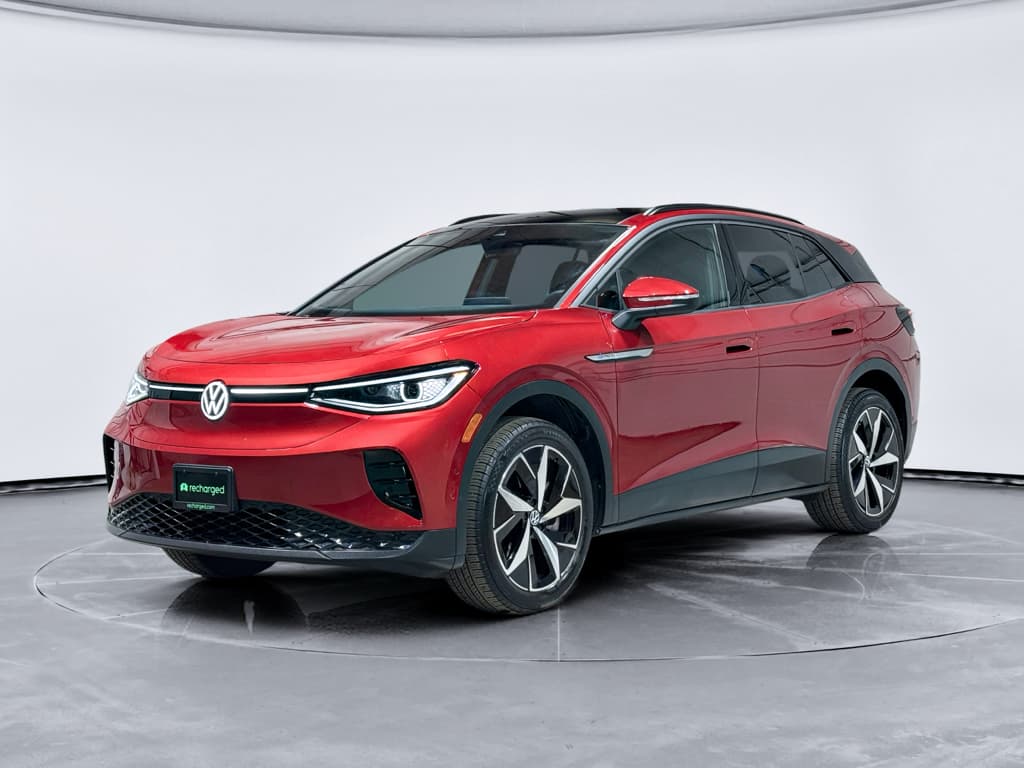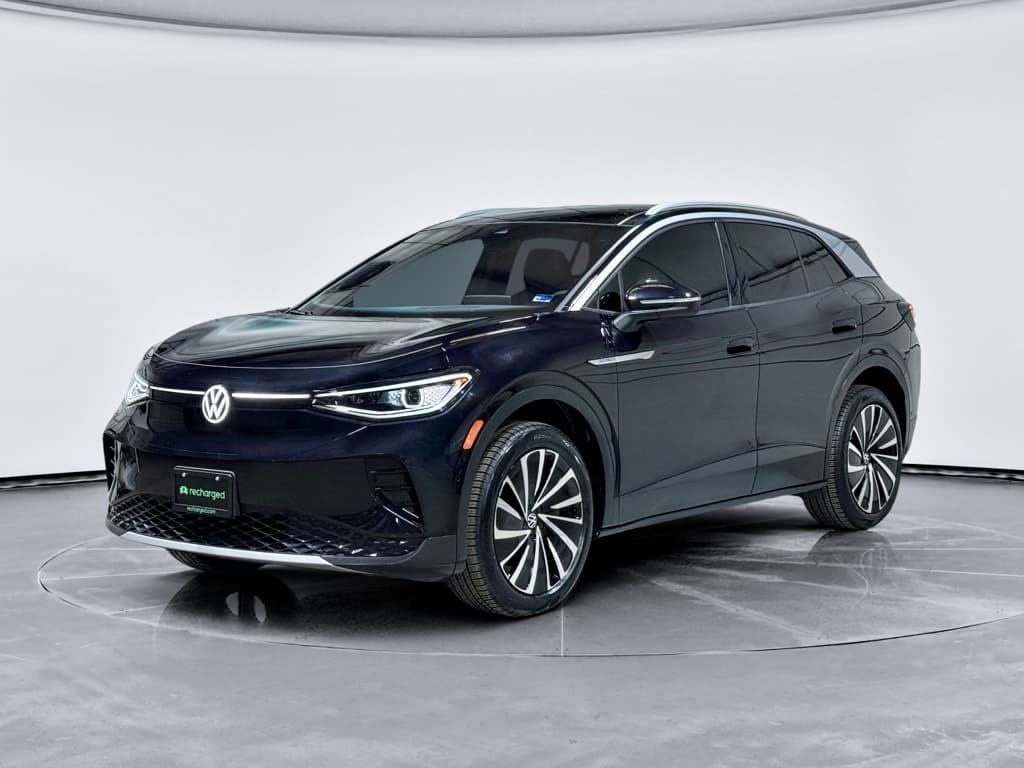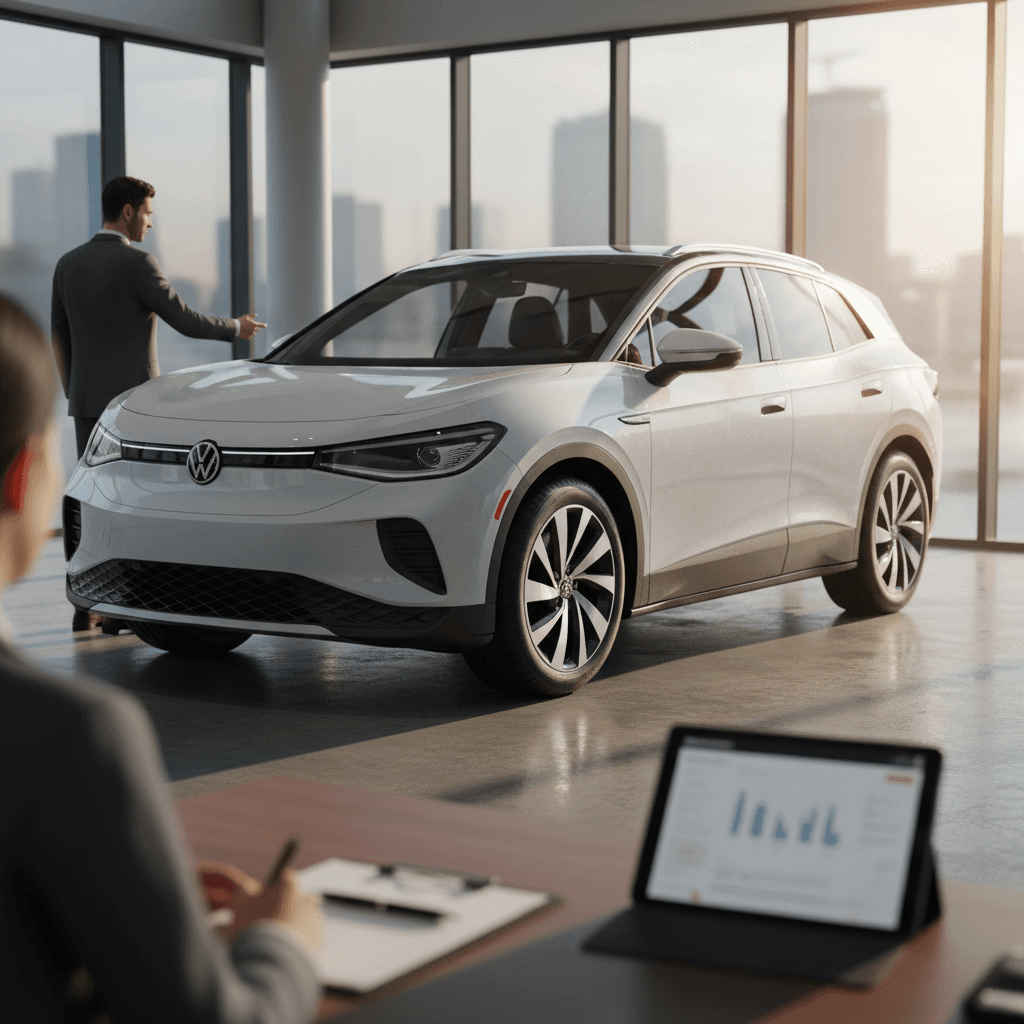
If you bought a 2021 Volkswagen ID.4, there’s a good chance you’ve peeked at trade‑in values lately and felt a little shock. Early ID.4s have taken one of the steepest depreciation hits in the EV world. The good news is that in 2025 there’s a clear range for what a 2021 Volkswagen ID.4 trade in value looks like, and several levers you can still pull to improve the number a dealer shows you.
Quick context
2021 ID.4 trade‑in value at a glance
Typical 2021 ID.4 values in early 2025 (U.S.)
No guide can tell you the exact dollar your local dealer will print on a worksheet, but for a mainstream 2021 ID.4 Pro or Pro S, low‑ to mid‑teens trade‑in offers are typical, with AWD and lower miles pushing you toward the top of that band. High miles, accident history, or rough cosmetics can drop you into the $10,000–$12,000 neighbourhood.
Watch your payoff
Why 2021 ID.4 trade‑in values fell so fast
If it feels like your ID.4’s value fell off a cliff between 2022 and 2024, you’re not imagining things. A combination of EV‑specific and ID.4‑specific forces all converged on the 2021 model year:
- Generous incentives on new EVs. Federal tax credits, state rebates, and heavy discounting on newer EVs squeezed used values from above. A shopper could often get a newer EV for not much more than a used 2021 ID.4.
- Rapid EV price cutting. Tesla’s price drops rippled through the entire EV market. When new crossovers got cheaper overnight, used examples had to follow them down.
- Early‑adopter effect. The 2021 ID.4 was Volkswagen’s first mass‑market U.S. EV. First‑year models typically carry more risk in buyers’ minds, so they depreciate harder than later, refined versions.
- Lease residuals that aged poorly. 2021 ID.4 lease residuals were set back when used EVs were sky‑high. As the market corrected, many lessees discovered their contractual buyout was thousands above what the car would actually fetch today.
- Battery and tech anxiety. Buyers shopping used EVs in 2025 want assurances about battery health and software support. Without clear documentation, they price in extra risk.
How hard has the 2021 ID.4 been hit?
Factors that move your 2021 ID.4 trade‑in up or down
Even inside the same model year, two ID.4s can differ by $5,000 or more in trade‑in value. Here’s what typically matters most when a dealer or online buyer runs the numbers.
Biggest value drivers for your 2021 ID.4
Trim, miles, battery health, and story all count
Trim & drivetrain
Pro vs. Pro S vs. 1st Edition and RWD vs. AWD matter. Pro S and AWD models usually bring more on trade, especially in snow‑belt regions, thanks to extra equipment and demand.
Mileage & usage
A 2021 ID.4 with ~25,000 miles is worth more than one with 60,000, even if both look clean. Crossing big thresholds (30k, 50k, 75k) often triggers value drops in pricing tools.
Battery health
EV buyers worry about range loss. Documented battery health, consistent DC fast‑charging habits, and real‑world range that still matches expectations can support stronger offers.
Accident & title history
Clean Carfax, regular maintenance, and no lemon or salvage branding are key. Even a well‑repaired collision can trim thousands from trade‑in bids.
Condition & presentation
Wheel rash, interior wear, cracked glass, and lingering odours all send a signal that the car’s been used hard. A clean, well‑detailed ID.4 feels safer to buy, so it’s worth more.
Where you’re selling
Demand for EVs is highly regional. Coastal, urban, and EV‑friendly areas often show stronger offers than rural markets with limited charging and less awareness.
Think like a buyer
How dealers actually calculate your 2021 ID.4 trade‑in
Whether you walk into a Volkswagen store, a big‑box used‑car chain, or submit photos to an online buyer, the process behind the scenes is surprisingly similar. Understanding it helps you see where you have leverage, and where you don’t.
The math behind a 2021 ID.4 trade‑in offer
What the dealer looks at vs. what you care about
| Step | Dealer’s focus | What it means for you |
|---|---|---|
| 1. Book number | Auction data and price guides for 2021 ID.4s in your region | Sets the starting point. If local auctions are soft on EVs, your trade‑in will be too. |
| 2. Condition score | Interior, exterior, tires, brakes, windshield, smells | Every scratch or worn tire is a reconditioning line item that chips away at the offer. |
| 3. History check | Accidents, number of owners, title status, mileage inconsistencies | Prior damage or “branded” titles push your car closer to wholesale or auction money. |
| 4. Market days supply | How many similar ID.4s are already on their lot and in the area | If the lot is already full of ID.4s, they’ll either bid low or pass entirely. |
| 5. Profit & risk margin | Room for unexpected repairs and market moves | They’ll build in a cushion to protect themselves if EV values slide further before they sell it. |
| 6. Deal structure | Are you buying another car, financing, or just selling? | If they’re making money on a new sale or financing, they may stretch a bit more on your trade. |
Most stores start with a guide‑book number, then work backward for risk and reconditioning.
On‑site dealer appraisals
When you roll into a physical dealership, a used‑car manager will usually:
- Walk around the car and photograph it
- Scan the VIN for history and options
- Take a quick drive to check for noises and warning lights
- Check battery state‑of‑charge and basic functions
The offer may change if they later discover reconditioning needs once it’s in the shop.
Online instant‑offer tools
Online buyers lean heavily on photos, your descriptions, and automated valuation tools:
- They’ll ask about accidents, mileage, and options
- Uploadable photos stand in for a physical inspection
- The algorithm compares your ID.4 to thousands of similar sales
Expect a final in‑person inspection when the car is picked up or dropped off. If reality doesn’t match the questionnaire, the number can move.
Should you trade in or sell your 2021 ID.4?
With EVs, this question matters more than ever. Because early ID.4s have fallen so far, that extra $1,500–$3,000 between a trade‑in and a well‑executed sale can be the difference between being buried in your payoff and walking away clean.
Trade‑in vs. sell your 2021 ID.4: Pros and cons
There’s no single right answer, only what fits your situation
Trading your 2021 ID.4 in
- Pros: Fast and convenient, you only deal with one party, and in many states you pay sales tax only on the price difference between the new car and your trade.
- Cons: Dealers usually aim for auction‑level money on EV trades, especially if they’re nervous about future values.
Selling your 2021 ID.4 outright
- Pros: Often nets you more, sometimes several thousand more, than a traditional trade‑in.
- Cons: Takes more time and effort: photos, listings, test drives, paperwork, and payoff logistics.
Where Recharged fits
7 ways to boost your 2021 ID.4 trade‑in offer
You can’t control the broader EV market, but you can absolutely influence how your individual ID.4 looks to an appraiser. These are the moves I’ve seen make the biggest difference in real‑world deals.
Pre‑trade checklist for your 2021 ID.4
1. Get your battery story together
Print recent service records that mention state of health, keep screenshots of typical range at 100% charge, and be honest about DC fast‑charging habits. Anything that reassures a future buyer about battery life supports a higher number.
2. Fix the easy cosmetic stuff
Freshly washed and vacuumed vehicles consistently appraise higher. Touch up curb‑rashed wheels if it’s inexpensive, replace missing trim pieces, and deal with obvious odours. Don’t overspend, focus on items that are cheap to remedy but obvious to an appraiser.
3. Take care of warning lights
A tire‑pressure light is one thing; a persistent check‑engine or battery warning is another. If a minor issue is triggering a light, get it addressed. Dealerships will assume the worst and pad in repair costs if the dash is lit up.
4. Gather both keys and manuals
Having both key fobs, the charging cable, and the original manuals tells the buyer this car has been cared for. Missing keys or cables cost them money to replace, so they’ll pre‑discount the offer to cover it.
5. Shop multiple offers the same week
Values move quickly. Get appraisals from a few VW dealers, a big‑box used‑car chain, and an online buyer <strong>within the same 3–5 days</strong>. That lets you compare apples to apples before the market shifts again.
6. Separate your trade from the new‑car deal
When you negotiate everything at once, it’s easy for a dealer to hide a weak trade‑in behind discounts on the new car. Ask them to show you the trade value independently so you can compare it to outside bids.
7. Consider consignment if you’re not in a hurry
If you have some time and aren’t desperate to swap cars this week, consignment with a specialist like Recharged can split the difference: we retail your ID.4 for top market price while handling all the headaches.
Don’t sink money you won’t get back

Using Recharged to sell or trade your 2021 ID.4
Recharged exists for exactly the moment you’re in: deciding what to do with a used EV in a fast‑moving market. Instead of treating your 2021 ID.4 like any other four‑year‑old crossover, we look at it as an electric vehicle first.
How Recharged can help with your 2021 ID.4
More EV‑specific detail, less guesswork
Recharged Score battery health report
Fair market pricing, not just book numbers
Flexible ways to sell or trade
Ready to find your next EV?
Browse VehiclesThinking about switching EVs?
2021 Volkswagen ID.4 trade‑in FAQ
Common questions about 2021 ID.4 trade‑in value
Bottom line on 2021 ID.4 trade‑in value
If you own a 2021 Volkswagen ID.4 today, you’re living through the messy middle of the EV market’s learning curve. Values look painful compared with what you paid, but the worst of the free‑fall is likely behind us, and buyers are starting to understand how to price used EVs more rationally.
Your job now is to control what you can: present a clean, well‑documented car, understand realistic value ranges in your area, get competing offers in a tight window, and choose the path, trade‑in, instant offer, consignment, or private sale, that best fits your finances and timing.
If you’d like a data‑driven, EV‑savvy view of what your 2021 ID.4 is really worth, Recharged can help. From Recharged Score battery diagnostics to fair market pricing and financing on your next EV, you don’t have to navigate this transition alone.