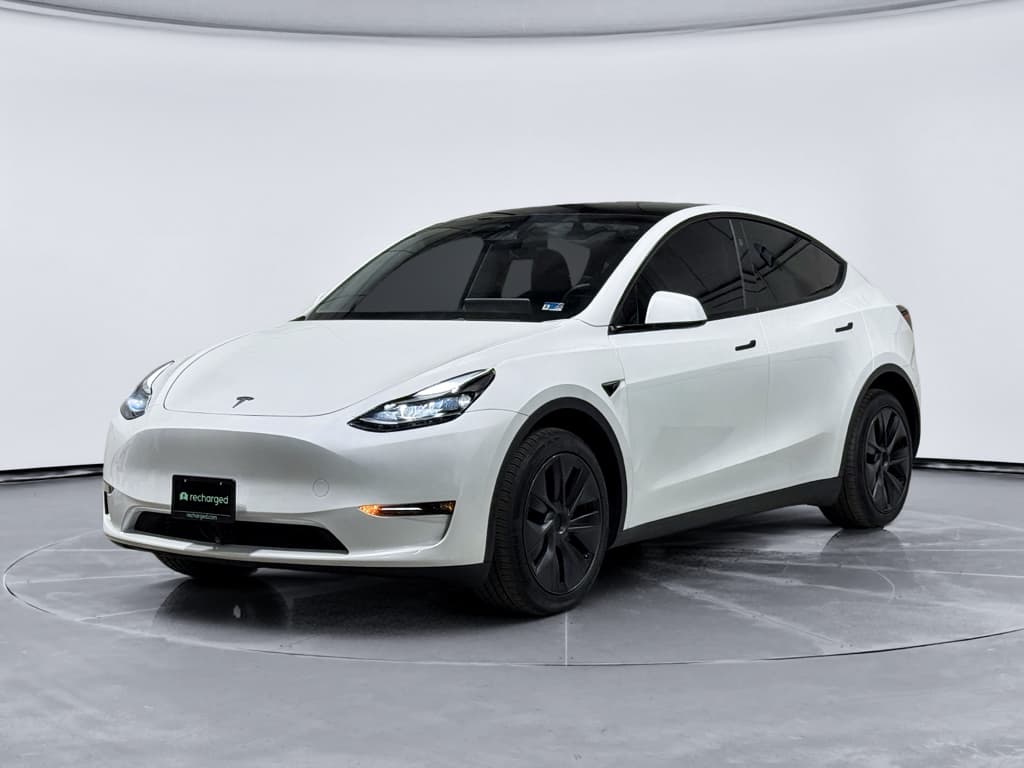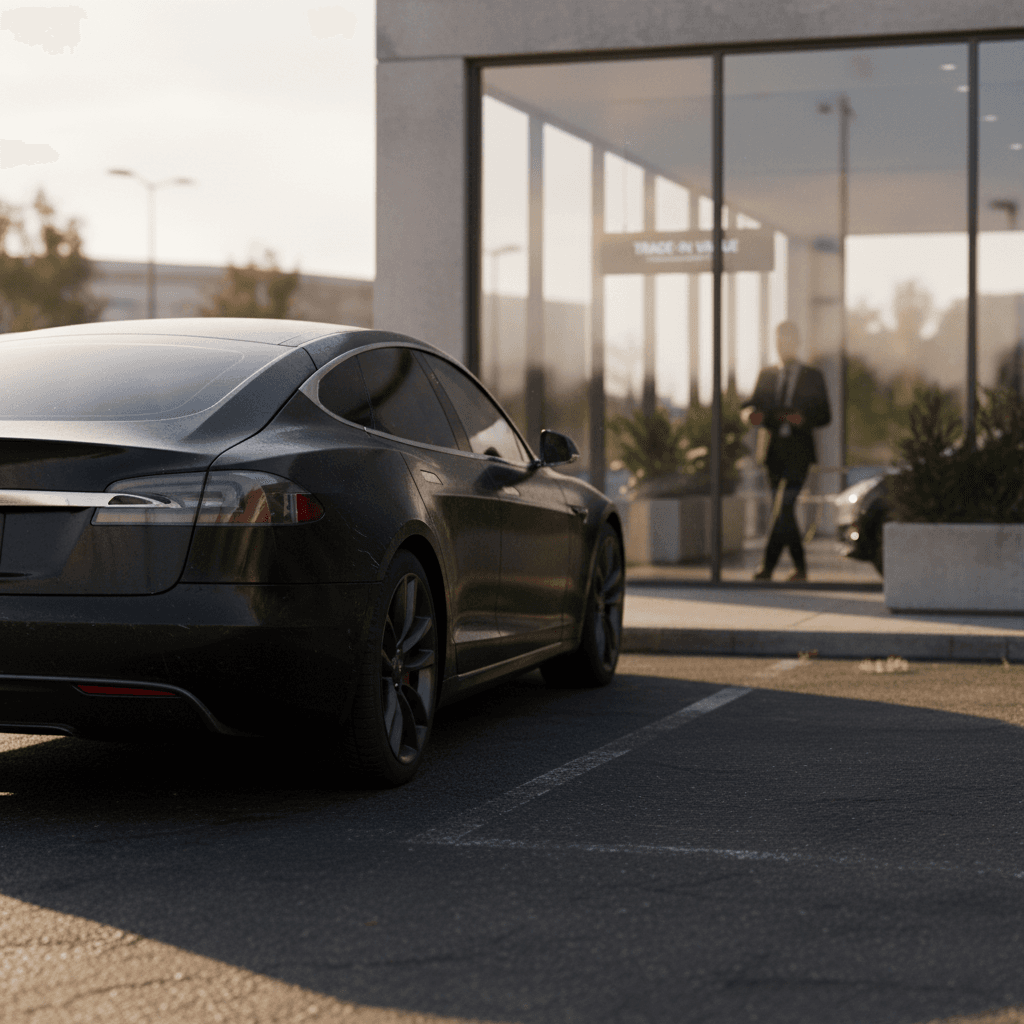
If you own a 2021 Tesla Model S, you’re sitting on one of the most desirable used EVs on the market. But that doesn’t mean you’re getting top dollar automatically. Between rapid EV depreciation, volatile Tesla pricing, and big gaps between trade‑in and retail, understanding your 2021 Tesla Model S trade in value in 2026 is the difference between leaving thousands on the table and walking away with a deal you feel good about.
Quick take
Overview: 2021 Model S trade‑in value today
The refreshed 2021 Model S (“Palladium” update) reset the bar for long‑range performance sedans. That halo effect still helps resale, but 2023–2025 price cuts and a flood of off‑lease EVs pushed used values down harder than most owners expected.
Quick 2021 Model S value snapshot (U.S., early 2026)
Those ranges are directional, not a promise. A one‑owner, garage‑kept 2021 Plaid with 20,000 miles and fresh tires is a very different asset from a high‑mile rideshare car with curb rash and a diminished‑value accident on its record. The point is to anchor you in reality before you walk onto a lot or start clicking through instant‑offer sites.
Don’t anchor on your original MSRP
Current price bands: what 2021 Model S sell for
Before you can judge whether a trade‑in offer is fair, you need a realistic sense of what similar 2021 Model S cars actually sell for, not just what the most optimistic sellers are asking.
Typical 2021 Model S pricing bands in 2026 (U.S.)
Directional, national‑level bands based on early‑2026 asking prices and used‑EV wholesale trends. Your local market, options and condition may move you above or below these ranges.
| Trim / condition | Odometer (approx.) | Likely retail asking price | Likely dealer trade‑in range |
|---|---|---|---|
| Long Range, clean | 30k–45k miles | $53,000–$60,000 | $45,000–$52,000 |
| Long Range, higher miles | 60k–80k miles | $47,000–$53,000 | $40,000–$46,000 |
| Plaid, clean | 20k–40k miles | $60,000–$70,000+ | $52,000–$60,000 |
| Plaid, higher miles | 60k–80k miles | $55,000–$63,000 | $47,000–$55,000 |
| Accident history / cosmetic issues | Any | $5,000–$10,000 below peers | Often 10–20% below “clean” trade‑in |
Use these bands as a sanity check, then refine with VIN‑specific offers.
These numbers reflect where many transactions cluster in early 2026, not the extremes at either end. In hot local markets, a rare spec (e.g., Plaid with unusual color/trim) or ultra‑low miles can push above these bands. Conversely, heavy curb rash, mismatched tires, squeaky suspension components or a less‑than‑perfect Carfax can drag you down sharply.
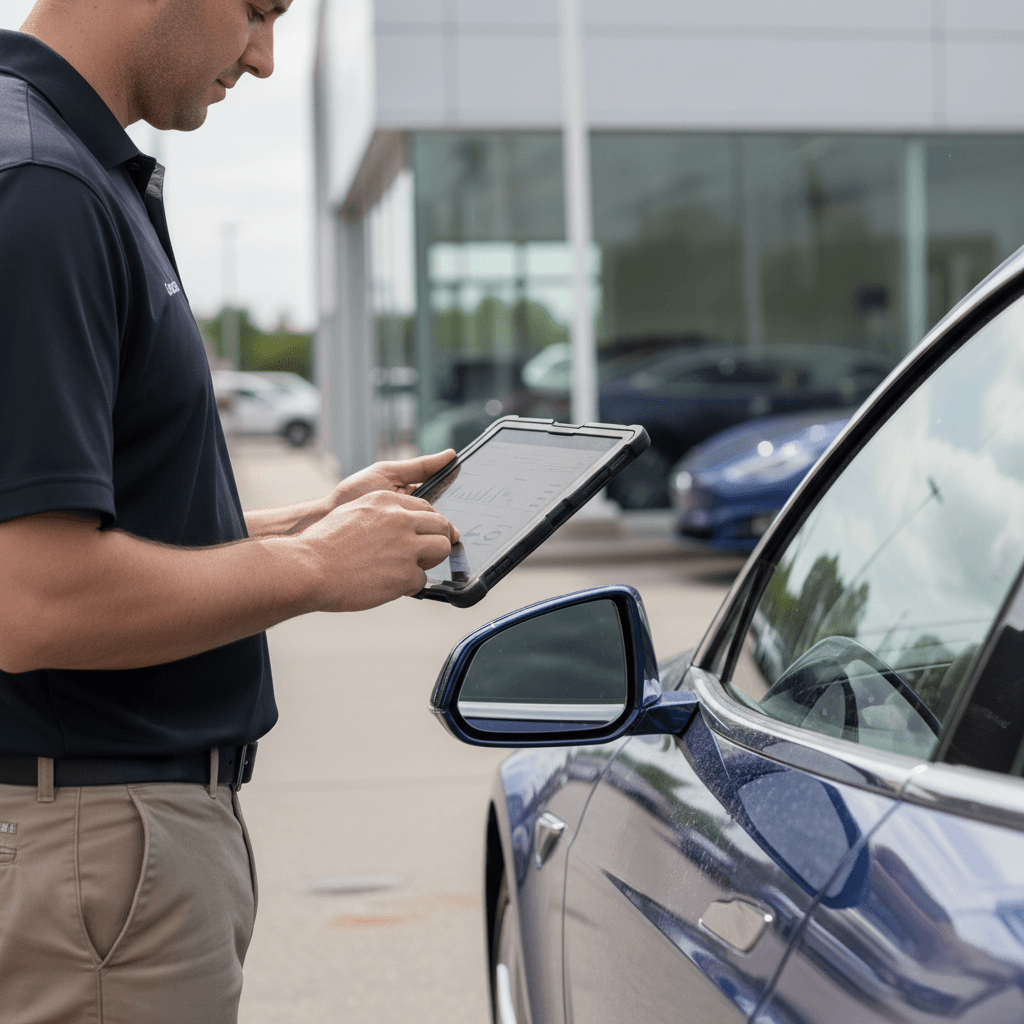
How dealers and online buyers calculate trade‑in offers
Whether you’re at a Tesla store, a franchise dealer, CarMax, or an instant‑offer website, the trade‑in math usually looks similar. They’re not thinking in terms of what your Model S is "worth" in the abstract; they’re thinking in terms of spread, the gap between what they pay you and what they expect to get at auction or retail.
What actually goes into a 2021 Model S trade‑in offer
Four lenses every buyer uses, even if they describe them differently to you.
1. Auction & wholesale data
Most buyers start from live auction and wholesale data for similar 2021 Model S VINs, then back out transport, reconditioning, and margin.
If auctions say they can flip your spec for $50k, they’re not offering you $49k unless they really need inventory.
2. Mechanical & battery risk
They’ll scan for faults, drive the car, and increasingly run some form of battery‑health or DC‑fast‑charge‑usage check.
Anything that hints at future warranty or goodwill claims gets priced into the offer.
3. History & title status
Accidents, structural damage, lemon buybacks, branded or out‑of‑state titles, and open recalls all reduce their appetite.
Even minor repairs can knock you into a lower valuation bucket.
4. Reconditioning & days‑to‑sell
They add up tires, alignment, paintless dent repair, curb‑rash fixes, detailing, and a buffer for how long it may sit.
The slower Model S sells on their lot, the more conservative they’ll be.
Pro move: work backwards from retail
Key factors that move your 2021 Model S value
Not all 2021 Model S cars age the same. Two cars built the same week can be $10,000+ apart in value by 2026 depending on how they’ve been driven, optioned, and maintained.
Biggest value drivers for a 2021 Model S trade‑in
Trim: Long Range vs Plaid
Plaid usually commands a clear premium, but only if the buyer base in your area actually wants 1,000+ horsepower. Some mainstream dealers prefer easier‑to‑move Long Range cars over halo variants.
Mileage & usage profile
The jump in perceived risk from 30,000 to 70,000 miles is bigger than from 70,000 to 100,000. High DC‑fast‑charge use, rideshare history, or track use can also spook some buyers.
Battery health & range
Real‑world range that’s still close to the original EPA figure is a selling point. Noticeable range loss, charging quirks, or repeated Supercharging heat‑soak episodes put buyers on edge.
Accident and repair history
A clean, boring history report is gold. Structural repairs, airbag deployment, or visible panel misalignment can push your car into a different pricing universe.
Wheel, tire, and brake condition
Fresh, name‑brand tires, straight wheels, and quiet brakes can make reconditioning a non‑issue. Worn tires, bent wheels, or noisy brakes add immediate line items to the buyer’s spreadsheet.
Software & options (FSD, interior, audio)
White interior, premium audio, and transferable Full Self‑Driving can all help your position, but only if the specific buyer knows how to monetize them.
High‑risk red flags for buyers
Example trade‑in scenarios for a 2021 Model S
To make this concrete, let’s walk through a few stylized scenarios. These aren’t quotes, they’re sanity checks to help you understand how your car might be viewed.
Scenario A: Low‑mile Long Range, clean
- 2021 Long Range, 28,000 miles
- One owner, clean history, no paintwork
- Michelin tires at 70%, wheels clean
- Battery health feels normal, no fault codes
Plausible outcome: Retail list in the high‑$50k range, trade‑in offers in the low‑ to mid‑$50k range from Tesla‑savvy buyers.
Scenario B: High‑mile Plaid, honest wear
- 2021 Plaid, 78,000 miles
- Two owners, one minor accident (bumper)
- Needs tires soon, light curb rash
- Drives well, interior shows normal wear
Plausible outcome: Retail list in the mid‑$50k to low‑$60k range, trade‑in offers in the high‑$40ks to low‑$50ks.
Scenario C: Long Range with issues
- 2021 Long Range, 65,000 miles
- Structural repair noted, mismatched paint
- Budget tires, noisy brakes
- Intermittent charging error code
Plausible outcome: Many mainstream dealers either pass or bid in the $30k–$40k range anticipating major reconditioning and slower resale.
Why the same VIN can get wildly different offers
Should you trade in or sell your 2021 Model S?
Every option has a cost. Trading in is frictionless but usually cheaper. Selling yourself is work but can capture more of the spread between wholesale and retail.
Trade‑in vs selling your 2021 Model S yourself
Use this to decide how much time and hassle you’re willing to trade for money.
Trading in (dealer, Tesla, instant offer)
- Fast, usually under an hour once you agree on price.
- Less paperwork; value can reduce taxable purchase price on a new car in many states.
- No strangers at your house or bank‑check drama.
- Typically 10–25% less than what a well‑presented private or marketplace listing can achieve.
Selling via marketplace or consignment
- Potentially captures most of the gap between wholesale and realistic retail.
- More control over timing, buyer screening, and price.
- Requires photos, listings, showings, and paperwork, or hiring someone to handle that.
- Some services (like Recharged) can manage listing and sale for you while you keep driving.
Where Recharged fits in
How to maximize your 2021 Model S trade‑in value
You can’t change your build date or undo depreciation, but you have more control over your offer than you might think. Small, targeted moves can shift a borderline car back into the next value bracket.
7 high‑impact steps before you get quotes
1. Fix cheap visual turn‑offs
Touch up obvious curb rash, replace missing center caps, and address small interior damage like torn mats. Don’t overspend on a full respray, you’re trying to look "well‑kept," not "flipped."
2. Put on decent, matching tires
If your tires are down to 3/32" and mismatched, many buyers will budget a full set into their numbers. A new, mid‑tier matching set can pay for itself in better offers.
3. Get a basic detail, not a show‑car polish
A thorough interior and exterior cleaning goes a long way. Skip expensive paint correction unless you’re selling at a premium retail price point; most trade‑in buyers won’t pay extra for it.
4. Gather records and clear warnings
Collect service invoices, recall documentation, and make sure there are no active warning lights. Buyers pay more when they believe your 2021 Model S has been boringly maintained.
5. Know your battery and range story
If you have recent photos of typical highway consumption and displayed range at 100%, bring them. On Recharged, the Recharged Score battery‑health report does this heavy lifting for you.
6. Get multiple, time‑boxed offers
In a 48‑hour window, get quotes from at least two dealers plus one online buyer. This keeps everyone honest and gives you leverage without dragging the process out for weeks.
7. Separate the trade from the new‑car deal
When you’re buying another car, negotiate your purchase price and trade‑in value as separate line items. Mixing them together makes it harder to see where the real money is moving.
Don’t tip your hand too early
How Recharged values and sells a 2021 Model S
Recharged is built for exactly the kind of questions late‑model Tesla owners have in 2026: "What is my EV actually worth, and how do I get that number without playing dealership shell games?"
What’s different about a Recharged valuation
Less guessing, more transparency around your 2021 Model S.
Recharged Score battery health
Every eligible Tesla we handle gets a Recharged Score, an in‑depth battery‑health and usage report, not just an odometer reading.
That gives buyers confidence and helps keep strong cars out of "mystery EV" discount bins.
Live market pricing, not static books
We combine auction trends, retail listings, and our own transaction data to price your 2021 Model S against the market, not just a generic guidebook curve.
You see how your car compares to similar VINs actually selling.
Flexible exit paths
Prefer speed? Take an instant offer. Want to squeeze the most value out? Use Recharged’s consignment‑style sale and nationwide buyer reach while you keep driving until it sells.
You can also trade into another used EV with financing and delivery arranged online.
Ready to find your next EV?
Browse VehiclesIf you’re near Virginia, you can visit the Recharged Experience Center in Richmond for an in‑person appraisal. Otherwise, the entire process, valuation, listing, financing, trade‑in, and transport, can be handled digitally.
FAQ: 2021 Tesla Model S trade‑in value
Frequently asked questions
Bottom line: Is now a good time to trade?
The 2021 Tesla Model S sits at an interesting crossroads in 2026: new enough to feel thoroughly modern, old enough to be meaningfully cheaper than a new build, and sitting in a market that’s finally finding its post‑price‑cut equilibrium. If you’ve taken care of your car and you understand roughly where it slots in the bands we’ve outlined, you’re already ahead of most sellers walking into a negotiation.
If convenience and a tax‑offset on your next purchase matter most, a strong trade‑in may be the right move even if you know you could squeeze a little more out of a private sale. If you want to capture as much of your 2021 Tesla Model S trade in value as possible without becoming a full‑time car dealer, working with an EV‑focused marketplace like Recharged, with battery‑health diagnostics, fair‑market pricing, financing, and nationwide delivery baked in, can be the sweet spot between speed and price.