If you’re hunting for the best EV deals on Long Island in 2026, you’re in a sweet spot. Used electric vehicle prices have dropped sharply over the past year, and Long Island stacks local perks on top of federal tax credits. The key is knowing where the real value is, especially in the used EV market, and how to stack incentives without getting lost in the fine print.
Why this matters now
Why Long Island Is Ripe for Great EV Deals
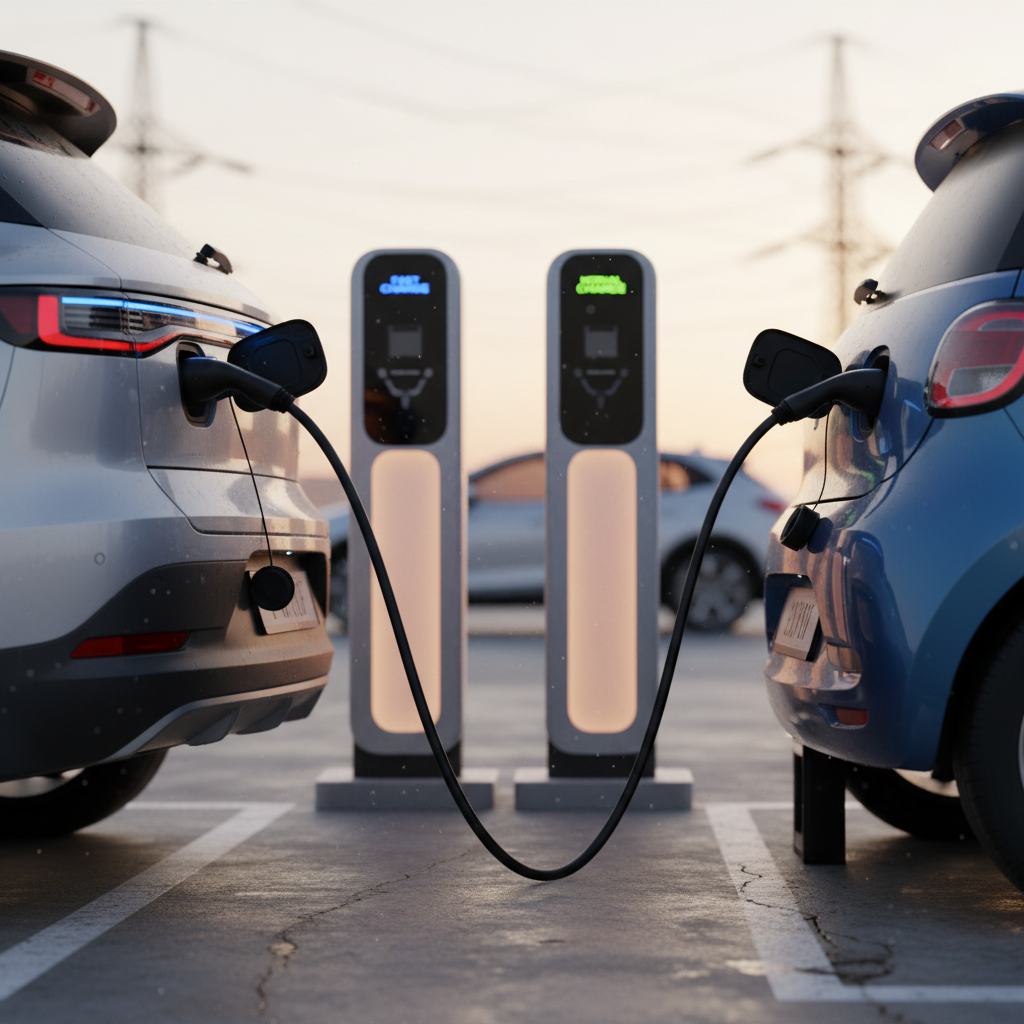
Long Island is one of the more EV‑friendly regions in New York State. You’ve got higher‑than‑average gas prices, a dense network of public chargers, and utility and state programs designed to nudge drivers into electric cars. PSEG Long Island offers rebates on ENERGY STAR® Level 2 chargers, $200 for most customers and up to $300 if you qualify under certain assistance programs, while NYSERDA and federal tax credits cover new and used EV purchases.
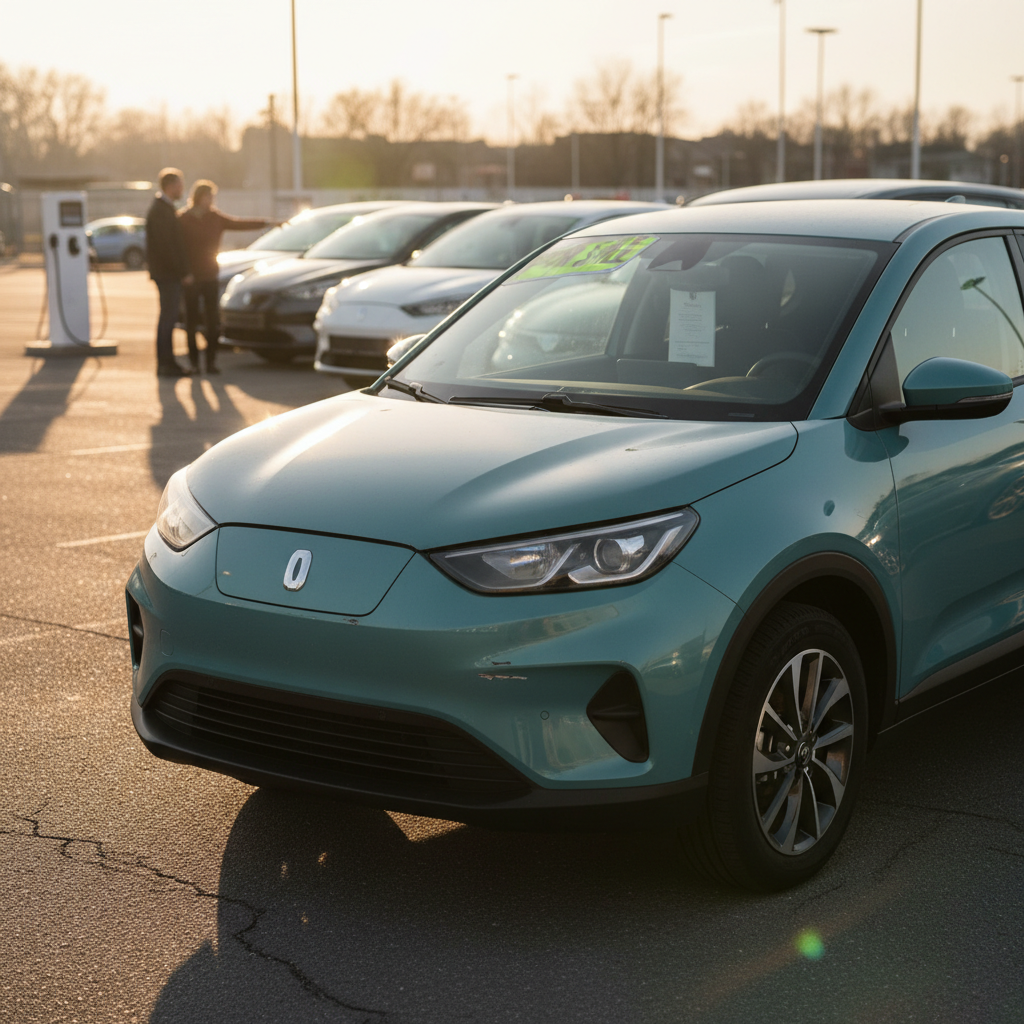
Add in the fact that many early EV adopters are now trading out of their 2019–2022 models, and Long Island dealers and online retailers are sitting on growing used EV inventory. That dynamic, more supply, plus softened demand as incentives shift, can translate into thousands off the original MSRP if you know what to look for.
Used EV Market Snapshot Heading Into 2026
How Much Are Used EVs Discounted Right Now?
Broadly, late‑model used EVs are down about 15% year‑over‑year, while used gas and hybrid prices have barely budged. In real terms, that’s often a $4,000–$6,000 drop for common EVs like the Tesla Model 3, Hyundai Kona Electric, or Kia Niro EV compared with a year prior.
Not every model is a screaming bargain, certain Teslas, for example, can behave differently depending on federal incentives and brand news, but the overall pattern favors shoppers. If an EV fits your lifestyle (home charging helps a lot), the current price environment on Long Island makes a compelling case for buying used instead of new.
Tip for timing your purchase
Best Types of EV Deals on Long Island
Four Kinds of EV Deals Worth Targeting
You don’t have to chase every sale banner, focus on these structures instead.
1. Depreciated Used EVs
EVs often depreciate faster than comparable gas cars in the first few years, especially when new models launch or incentives change. On Long Island, that means you can find:
- 3–5‑year‑old EVs at a fraction of original MSRP
- Well‑equipped trims priced like new compact sedans
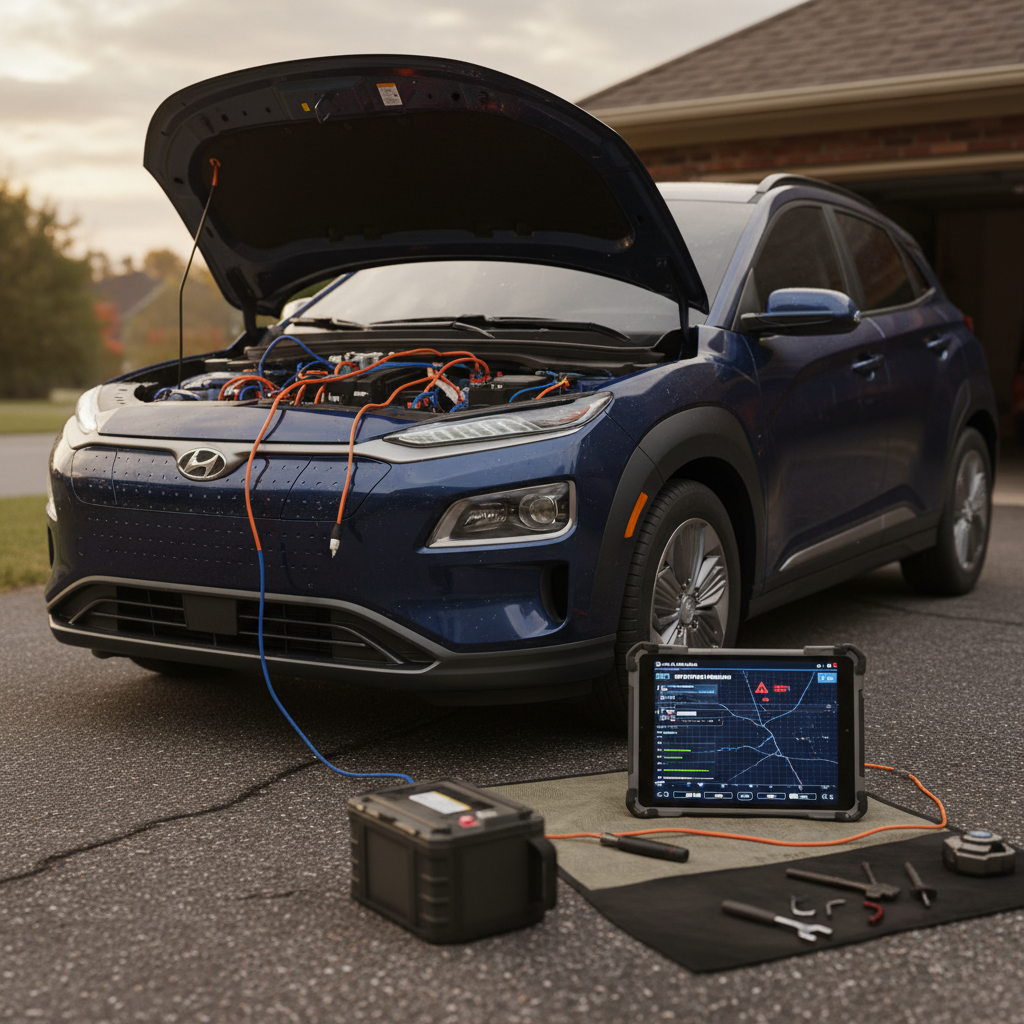
- Plenty of life left in the battery with proper diagnostics
2. Lease Buyouts & Off‑Lease Returns
Many early adopters leased their EVs for 36 months. As those leases mature, off‑lease cars hit dealer inventories and online marketplaces:
- Often lower mileage and regularly serviced
- Sometimes eligible for used‑EV federal tax credits
- Good leverage if the dealer is heavy on EV stock
3. Incentive‑Stacked New EVs
New EVs sold on Long Island can sometimes stack:
- Federal new‑EV tax credit (up to $7,500, if eligible)
- NYSERDA Drive Clean Rebate at the point of sale
- Occasional dealer/manufacturer rebates or low‑APR financing
That can narrow the gap between a new and used EV, especially on mainstream models.
4. Value‑Add Packages From EV Specialists
Some retailers focused on EVs, like Recharged, add value beyond price:
- Verified battery health diagnostics via a Recharged Score
- Transparent fair‑market pricing across Long Island and beyond
- Expert EV‑specialist support, delivery, and digital paperwork
That combination can beat a slightly lower sticker price with no data behind it.
Local Long Island EV Incentives and Perks
When you compare EV deals, don’t just look at the window sticker. Long Island drivers can layer in several incentives and perks that reduce your total cost of ownership and make daily driving easier.
Key EV Incentives and Perks for Long Island Drivers
Confirm current eligibility and details before you sign; programs can change year to year.
| Program / Perk | Applies To | Typical Value | Why It Matters on Long Island |
|---|---|---|---|
| Federal Used EV Tax Credit | Qualifying used EVs bought from a dealer | Up to $4,000 (or 30% of price) | Can dramatically lower the effective price of a used EV, especially in the $15,000–$25,000 range. |
| Federal New EV Tax Credit | Eligible new EVs meeting assembly & income limits | Up to $7,500 | For some models, makes leasing or buying new competitive with used pricing. |
| NYSERDA Drive Clean Rebate | New EV purchases/leases from participating NY dealers | Often $500–$2,000 | Taken at the point of sale, immediately reducing the cash due or amount financed. |
| PSEG Long Island Level 2 Charger Rebate | Residential customers installing ENERGY STAR® Level 2 charger | $200–$300 | Helps offset the cost of a home charger so your cheap fuel (electricity) advantage kicks in faster. |
| Time‑of‑Day (TOD) Electric Rates | Home charging during off‑peak hours | Variable, but often 30–40% cheaper kWh at night | Charging overnight can significantly undercut gasoline costs, even when power rates are high. |
| Clean Pass & EZPass Perks | Qualifying low‑emission vehicles on LIE & bridges | HOV lane and toll discounts in some cases | Saves time in traffic and money on frequent commutes toward NYC. |
Incentives stack differently depending on whether you buy new or used and how you finance.
Watch program fine print
Where to Actually Find the Best EV Deals on Long Island
1. Local Long Island Dealers
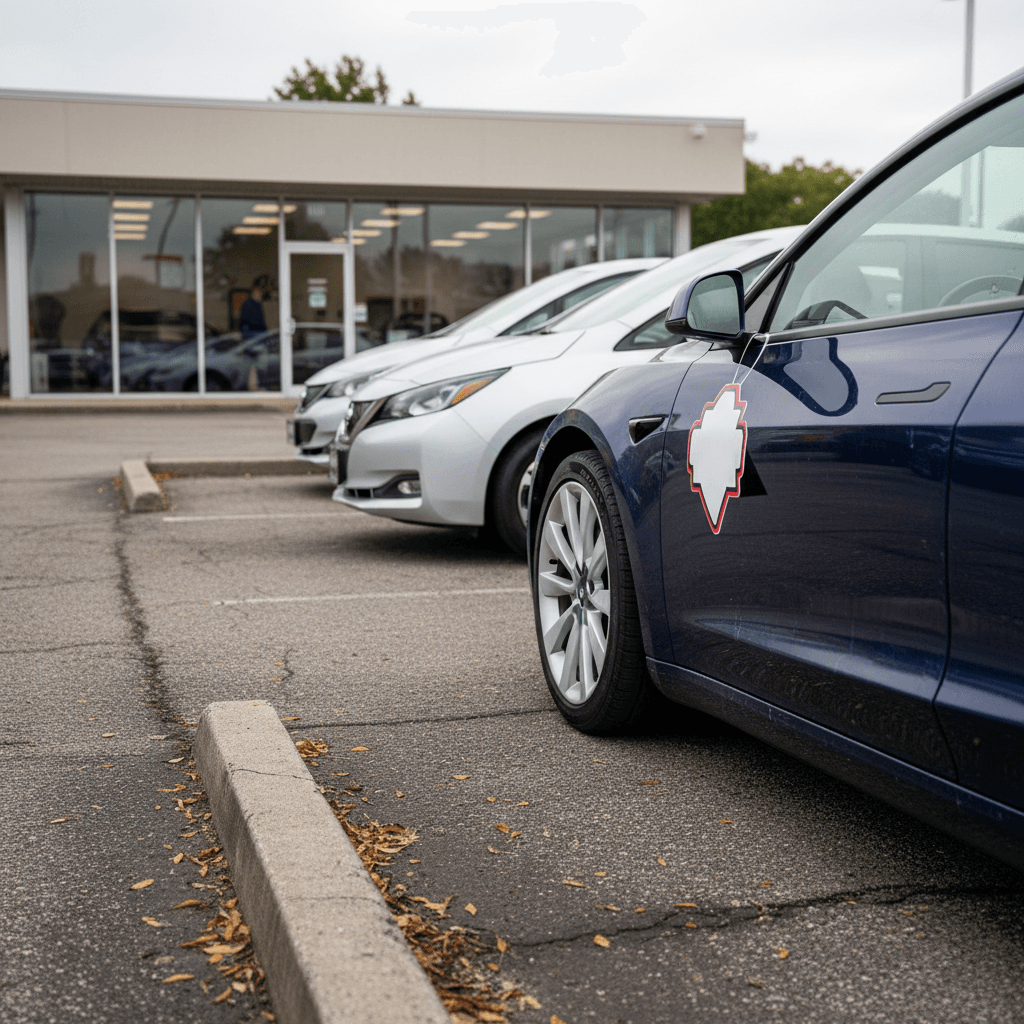
From Nassau to Suffolk, franchise dealers increasingly carry used EVs alongside their gas inventory. The pros:
- Trade‑in is easy if you’re swapping a gas car
- Access to manufacturer CPO programs on some brands
- Ability to roll everything, tax, tags, fees, into one loan
The downside: pricing can be opaque, and most stores are still getting up to speed on EV‑specific questions like battery health and charging.
2. Online Used‑EV Marketplaces
Digital retailers like Recharged are built specifically around electric vehicles. For Long Island shoppers, that can mean:
- Shopping a broader inventory than just what’s on one local lot
- Battery health reports, like the Recharged Score, so you know what you’re buying
- Financing, trade‑in offers, and nationwide delivery without leaving your couch
If you’re comfortable buying mostly online, this can be the most transparent way to compare deals across multiple regions, not just Long Island.
- Certified pre‑owned (CPO) EVs at brand dealers, higher price, but extended warranties.
- Private‑party deals via classifieds, potentially cheaper, but no tax credit and no professional battery diagnostics.
- Fleet or lease returns, often great condition, but you’ll usually access them through a dealer or marketplace.
Model Spotlight: EVs That Can Be Steals Used
Every market is different, but across the country several EVs have seen especially sharp used‑price drops. On Long Island, those trends often show up in dealer listings and online marketplaces a few months later.
Used EVs Often Priced Well Below Original MSRP
Exact deals vary, but these model families are worth a close look.
Tesla Model 3 & Model Y
Years: ~2018–2022
Why they deal well:
- High original volume means lots of supply
- Price swings when new‑car incentives or changes hit
- Strong charging network access
Just be sure to compare battery health and software features, not just mileage.
Hyundai Kona Electric & Kia Niro EV
Years: ~2019–2023
Why they deal well:
- Mainstream badges, less brand “halo” pricing
- Solid efficiency and range for commuting
- Fast depreciation from original MSRP
Often excellent commuter cars for Nassau/Suffolk without paying Tesla money.
Nissan LEAF & Other Short‑Range EVs
Years: ~2018–2022
Why they deal well:
- Shorter range than newer rivals
- Limited fast‑charging performance
- Heavier depreciation in cold‑weather states
On Long Island, where commutes can be modest and winters milder than upstate, they can make smart second cars priced far below new EVs.
Don’t buy blind on battery health
How to Evaluate a Used EV Deal Beyond the Sticker
Battery, Range, and Charging
- Battery State of Health (SoH): Ask for an objective reading, not just “it seems fine.” A car with 90% SoH and one at 75% can feel very different on I‑495.
- Realistic Range: Compare the original EPA range to today’s tested or estimated range. Make sure it covers your daily Long Island driving with margin for cold snaps and detours.
- Charging Compatibility: Confirm whether the car uses CCS, CHAdeMO, or NACS and how that lines up with DC fast‑chargers near you and your regular routes.
Ownership Costs on Long Island
- Insurance: Some EVs, particularly luxury models, can be pricier to insure. Get quotes before you fall in love with the deal.
- Electricity vs. Gas: Use PSEG Long Island’s rate information and, if you’re on Time‑of‑Day plans, estimate what home charging actually costs you per month compared with your current fuel bill.
- Maintenance & Tires: EVs generally need less routine service, but performance models can chew through pricey tires. Factor that into your budget.
How Recharged simplifies this
Financing, Trade‑Ins, and Total Cost on Long Island
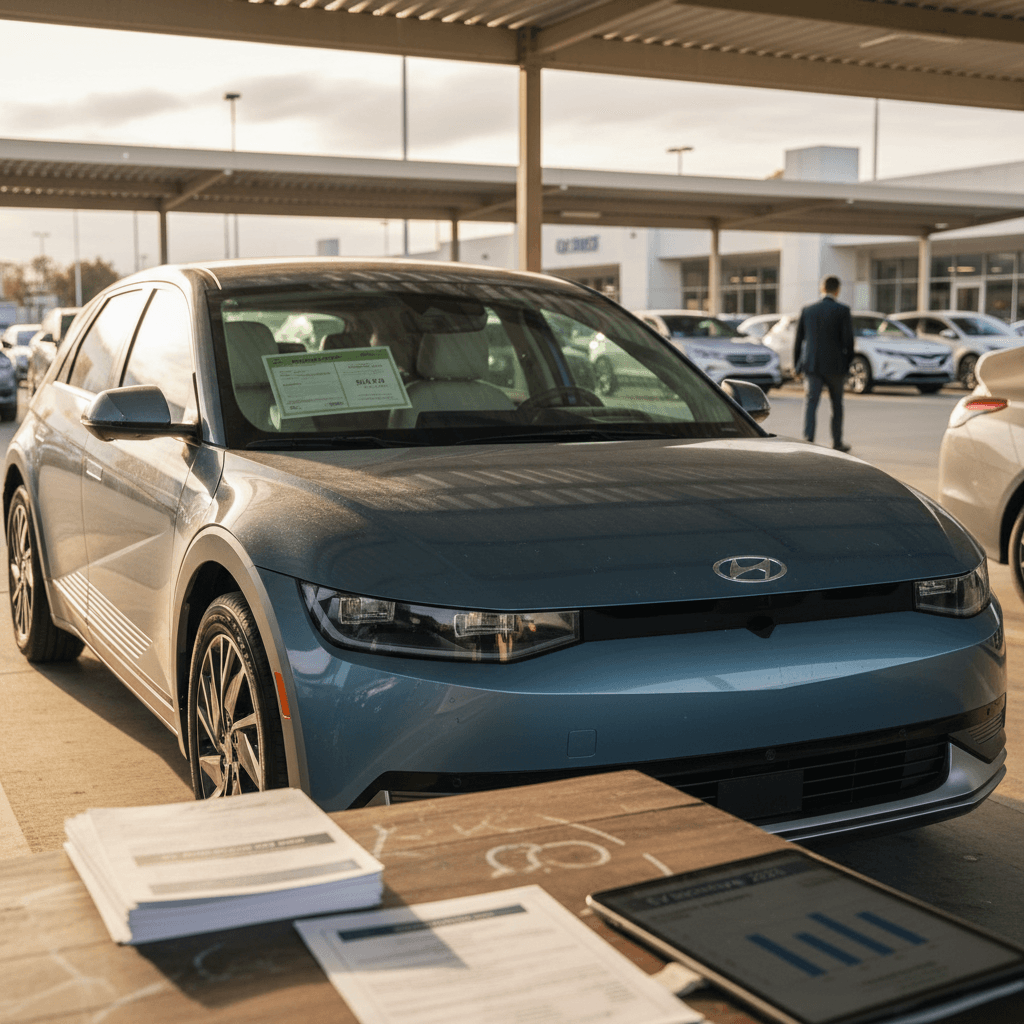
The best EV deal isn’t always the one with the lowest advertised price; it’s the one with the most favorable combination of price, financing, trade‑in value, and incentives. That’s especially true on Long Island, where taxes, fees, and insurance all run higher than the national average.
Key Money Factors to Compare
Line these up before you sign anything.
Interest Rate & Term
Zero‑ or low‑APR new‑EV promotions can look attractive, but a discounted price on a used EV with a market‑rate loan can still win over the life of the car. Compare total interest paid, not just the rate.
Trade‑In vs. Private Sale
On Long Island, trade‑ins are convenient and can be used as leverage, especially if the dealer wants your late‑model SUV. But if you’re not in a rush, a private sale could net more cash toward your EV.
Taxes, Fees, and Incentives
Determine whether you’ll capture credits immediately (like the NYSERDA Drive Clean Rebate at a new‑car dealer) or at tax time (like federal credits). Online retailers like Recharged can help you understand how those flow through your deal structure.
Run a real total‑cost comparison
Step‑by‑Step Checklist for Shopping EV Deals
Practical Buying Checklist for Long Island EV Shoppers
1. Define your real‑world range needs
List your typical commute, weekend errands, and occasional trips. Long Island traffic can be brutal; build in buffer so you’re not arriving home with 2% every night.
2. Confirm home charging options
Do you have a driveway or garage where you can install a Level 2 charger and tap into PSEG Long Island’s rebates? If not, map out public charging near home and work.
3. Shortlist models that fit your life
Focus on 3–5 models that match your range, size, and budget. Use tools like Recharged’s filters to compare range, charging speed, and price side‑by‑side.
4. Check eligibility for incentives
Use federal and New York State resources to confirm whether you qualify for new or used EV tax credits, including income and price caps. Don’t assume, verify.
5. Demand a battery health report
Treat battery diagnostics as non‑negotiable. If a seller can’t show you objective battery health data, either walk away or price in a substantial risk discount.
6. Compare total deals, not just prices
Put dealer offers, online retailer quotes, and trade‑in values in one spreadsheet. Include taxes, fees, financing, and incentives so you can see which offer really wins.
7. Arrange financing in advance
Get pre‑qualified with your bank, credit union, or an online lender. Retailers like Recharged can also help you compare financing options quickly with no hit to your credit score in the early stages.
8. Test‑drive with Long Island use in mind
Drive routes that mirror your real life, stop‑and‑go traffic, highway stretches, maybe a run toward the Queens border. Pay attention to ride comfort, visibility, and how the car regenerates in traffic.
FAQ: Best EV Deals on Long Island
Frequently Asked Questions
Bottom Line: Getting the Best EV Deal on Long Island
If you’re shopping for the best EV deals on Long Island in 2026, the odds are finally in your favor. Used EV prices have reset lower, local utilities and state programs continue to sweeten the economics, and there’s more choice than ever, from short‑range commuter cars to long‑range road‑trip machines.
The winning formula is straightforward: start with a clear sense of your range and charging needs, verify every incentive you plan to use, and treat battery health as non‑negotiable. Then compare offers from local dealers and EV‑specialist retailers like Recharged, looking at the full picture, price, financing, trade‑in, and long‑term running costs.
Do that, and you’re not just buying an electric car. You’re locking in a deal that makes sense for Long Island’s unique mix of traffic, electricity costs, and incentives, while giving yourself a quieter, cleaner, and often cheaper drive for years to come.