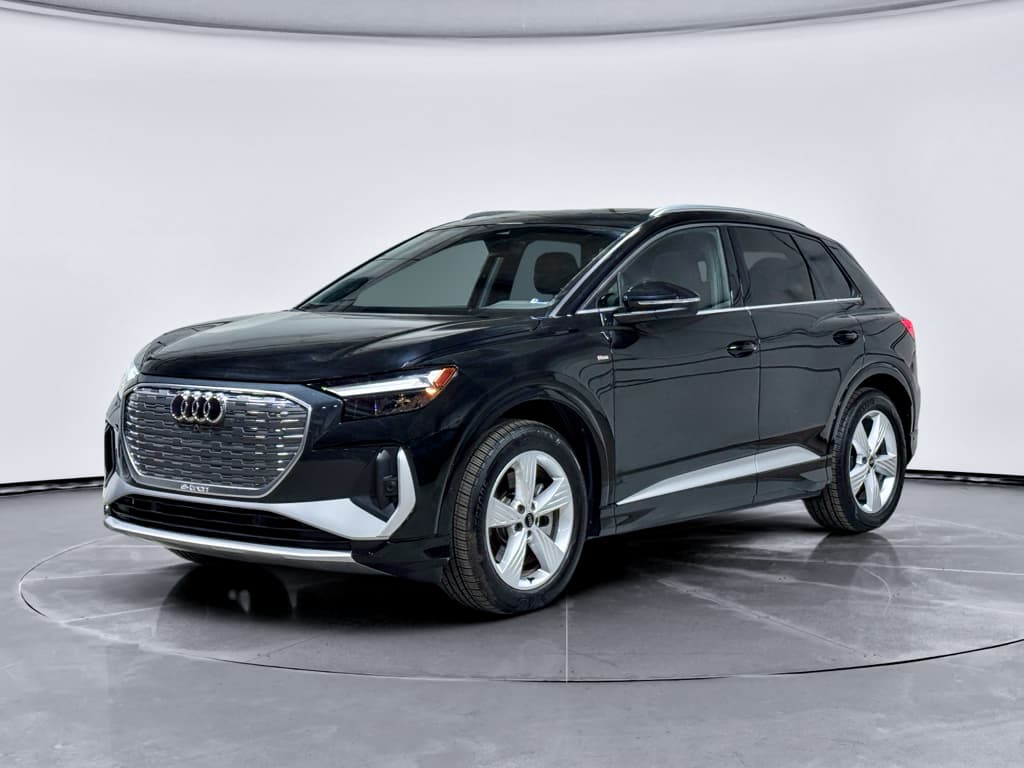
If you’re eyeing an Audi e-tron GT, you’re probably wondering what it will be worth in five years. The Audi e-tron GT depreciation curve over 5 years is steeper than many gas-powered luxury cars, but that can be terrible news for first owners and very good news for smart used buyers.
Quick take
Why Audi e-tron GT depreciation matters
Depreciation is the single biggest ownership cost on a new luxury EV. Insurance, charging, and maintenance all matter, but tens of thousands of dollars in value swing on how the car’s resale value behaves. With a six-figure MSRP when new, the Audi e-tron GT can easily lose more than $10,000 per year in paper value over the first several years if you buy it wrong.
For you as a buyer or seller, understanding the 5-year curve helps you decide: - When to buy (new vs 2–4 years old) - When to sell or trade out before the next big drop - Whether a lease, loan, or cash purchase makes the most sense - How much risk you’re taking if EV prices reset again, like they did in 2023–2024
Luxury EVs can be value rollercoasters
How luxury EVs like the e-tron GT depreciate vs gas cars
Traditional gas luxury sedans have always depreciated quickly, but most still hold on to 45–55% of their value at the 5‑year mark. Many battery-electric luxury models, especially early-generation ones, have done worse. Industry studies of EV resale show average 5‑year depreciation near 60% for battery-electric vehicles overall, with the worst offenders losing 70% or more of original MSRP over five years.
The Audi e-tron GT lives right in the crosshairs: it’s both a luxury sedan and a relatively early luxury EV. Its close cousin, the Porsche Taycan, has seen dramatic value drops in some trims, and early Audi e-tron SUVs have become poster children for heavy depreciation in the used market. When you put these patterns together, you get a realistic picture: the e-tron GT is unlikely to be a slow-depreciating unicorn.
Typical 5-year depreciation snapshots
Audi e-tron GT 5-year depreciation curve: a realistic baseline
Because the Audi e-tron GT is relatively low volume and heavily influenced by incentives and local deals, no two cars follow an identical path. That said, current transaction data, auction results, and pricing tools paint a consistent picture: the curve is very steep in years 1–3, then flattens as the market finds a stable used value.
- Year 1: Biggest single drop, especially if you paid close to sticker. Discounts on new cars crush used prices.
- Years 2–3: Depreciation remains sharp as more lease returns and off-lease cars hit the market.
- Years 4–5: Curve begins to flatten; much of the damage is already done, and remaining value tracks battery health and mileage.
Ballpark 5-year outcome
Sample numbers: MSRP vs value year by year
To make the Audi e-tron GT depreciation curve over 5 years concrete, let’s walk through an illustrative example. These aren’t guaranteed resale numbers, but they reflect what we’re seeing in U.S. transactions, auction data, and pricing guides as of 2025–2026.
Illustrative 5-year depreciation curve – Audi e-tron GT
Example for a Prestige/RS-style e-tron GT with ~$120,000 original MSRP and typical mileage (12,000 mi/year).
| Age | Odometer | Approx. value | % of original MSRP | Comment |
|---|---|---|---|---|
| New (MSRP) | 0 mi | $120,000 | 100% | High MSRP; many buyers get discounts or incentives. |
| Year 1 | 12,000 mi | $80,000–$85,000 | 67–71% | Heavy first-year hit, especially as new-car discounts expand. |
| Year 2 | 24,000 mi | $65,000–$70,000 | 54–58% | More used supply; used values chase discounted new prices. |
| Year 3 | 36,000 mi | $52,000–$60,000 | 43–50% | End of many leases; market finds a new equilibrium. |
| Year 4 | 48,000 mi | $45,000–$52,000 | 38–43% | Curve starts to flatten; buyers watching battery warranty clock. |
| Year 5 | 60,000 mi | $40,000–$50,000 | 33–42% | Much of the depreciation is already done; condition and battery health dominate. |
Actual values will vary by market, incentives, options, and condition, but this table shows a realistic pattern.
How to read this curve
Key drivers of Audi e-tron GT depreciation
What pushes the e-tron GT’s value down (or holds it up)
Same car, very different curves depending on these levers.
Original MSRP & discounts
Big stickers and big discounts are a volatile mix. When new e-tron GTs transact tens of thousands below MSRP, used values must follow. Paying close to sticker in a discount-heavy market almost guarantees a painful first-year hit.
Battery, range & tech pace
Fears about long-term battery health, plus fast-moving tech like more efficient motors or higher charging speeds in newer rivals, weigh on early EVs. A car that felt cutting-edge in 2021 can look average by 2026, and prices adjust accordingly.
Body style & demand
The e-tron GT is a low, sleek sedan in an SUV-obsessed world. Combine that with a relatively small luxury-EV buyer pool, and you get limited demand on the used side, another nudge toward steeper depreciation.
Warranty coverage
Many shoppers want their luxury EV comfortably within both the bumper-to-bumper and 8-year/100,000‑mile battery warranty. As a car gets older, remaining warranty coverage (or lack of it) becomes a major pricing lever.
Incentives & tax credits
Federal and state EV incentives on new cars can suddenly make brand-new e-tron GTs cheaper than lightly used ones. When the new price effectively drops, older cars have to re-price downward to compete.
Competing models
Tesla Model S price swings, the Porsche Taycan’s resale behavior, and new entrants like high-range luxury EV sedans all shape what buyers feel an e-tron GT should cost, pushing the curve up or down.
How battery health bends the depreciation curve
For any used EV, and especially a six‑figure one, battery health is the single biggest wild card in the depreciation curve. Two identical 5‑year‑old e-tron GTs can be thousands of dollars apart in value if one shows clear evidence of gentle use and minimal degradation, and the other looks like it lived at DC fast chargers.

Battery factors that move value thousands of dollars
Fast-charging vs home charging history
Heavy, frequent DC fast charging can age a pack faster than mostly Level 2 home charging. A car with primarily home charging and modest road-trip use is usually more attractive, and more valuable.
Real-world range vs original EPA rating
If a healthy e-tron GT should comfortably cover, say, 200+ miles in your typical driving but a specific car struggles to hit 160, shoppers will bake that into their offers.
Software & thermal management history
Updates and fixes that improve charging behavior or thermal control can stabilize long-term performance. Skipped updates or unresolved issues are red flags for savvy buyers.
Warranty status & dealer history
An e-tron GT that has had battery or charging-related concerns fully handled under warranty, with documentation, will usually sell more easily than a car with vague, unresolved complaints.
How Recharged helps here
Ready to find your next EV?
Browse VehiclesBuying strategies based on the 5-year curve
Once you understand how the Audi e-tron GT tends to depreciate over 5 years, the next step is using that curve to your advantage. In broad strokes, you can choose to either accept being the one who pays for the steep early drop or let someone else take that hit and step in later.
Strategy 1: Buy new, keep a long time
If you’re set on ordering exactly what you want, buying new can still make sense, if you spread that initial depreciation over a long ownership window.
- Hunt for substantial discounts off MSRP and stack any eligible EV incentives.
- Plan to hold the car 8–10 years, beyond the 5‑year window.
- Accept that the first 3 years will show the steepest value loss on paper.
This strategy is less about resale optimization and more about maximizing enjoyment per year of ownership.
Strategy 2: Buy at 3–4 years old, ride the flat part
From a value standpoint, this is where the Audi e-tron GT gets interesting. At 3–4 years old:
- Most of that 55–65% 5‑year depreciation has already happened.
- You still typically have several years of battery warranty left.
- Prices often sit in the $45,000–$60,000 range depending on trim and miles.
If the battery checks out, you’re getting a flagship EV for premium-sport-sedan money.
Use certified inspections & pricing tools
Leasing vs buying an Audi e-tron GT
Leasing effectively bakes the depreciation curve into a predictable monthly payment. On a fast-depreciating luxury EV like the e-tron GT, that can be either a blessing or a curse, depending on how the lease is structured and where real-world values end up.
Lease vs buy: which fits the e-tron GT curve better?
Think in terms of who is taking the 5-year risk, you or the finance company.
Leasing pros & cons
- Pros: You’re shielded if real-world depreciation is worse than expected; you can simply walk away at lease end.
- Cons: High money factors and conservative residuals on luxury EVs can make payments hefty; going way over your mileage allowance gets expensive fast.
If you value predictability and like being in warranty the whole time, leasing can make sense.
Buying pros & cons
- Pros: You capture any upside if depreciation moderates; no mileage caps; you can own well past the 5‑year mark, after much of the curve has flattened.
- Cons: You’re taking the risk that values could slide further if tech or incentives shift again.
If you plan to hold the car a long time or buy during the 3–5‑year "sweet spot," purchasing often pencils out better.
Ownership scenarios: what you could lose or save
To pull everything together, let’s look at simplified ownership scenarios using our example $120,000 MSRP car. We’ll assume typical mileage and a market roughly in line with the illustrative 5‑year Audi e-tron GT depreciation curve above.
How different choices change your 5-year cost of depreciation
Approximate depreciation only; excludes tax, insurance, charging, and maintenance.
| Scenario | Buy price | Sell price after 5 yrs | Value lost | What it means |
|---|---|---|---|---|
| A: Buy new, sell at 5 yrs | $120,000 | $45,000 | $75,000 | You absorbed the entire 5‑year curve. Great if you planned and budgeted for it, but expensive if you expected gas-car behavior. |
| B: Buy new with strong discounts, sell at 5 yrs | $105,000 | $45,000 | $60,000 | Negotiating hard and timing incentives can easily trim $10k–$15k off your effective depreciation. |
| C: Buy at 3 yrs, sell at 8 yrs | $55,000 | $30,000 | $25,000 | The first owner paid the heavy early losses; you rode the flatter section of the curve. |
| D: Buy at 5 yrs, keep to 10 yrs | $45,000 | $20,000 | $25,000 | Older, cheaper entry point, ideal if you’re comfortable owning beyond the main warranty, provided battery health checks out. |
Numbers rounded for clarity, use this as a directional guide rather than a quote.
Don’t ignore total cost of ownership
FAQ: Audi e-tron GT depreciation & resale
Frequently asked questions about Audi e-tron GT depreciation
The bottom line on Audi e-tron GT 5-year depreciation
Over its first half‑decade, the Audi e-tron GT behaves like what it is: a stunning, early-generation luxury EV sedan in a fast-moving market. As a new purchase, that means bracing for a 55–65% value drop over 5 years unless you buy at a substantial discount and plan to keep the car well past that window. As a used purchase, especially in the 3–5‑year range, it means you can own one of the most dramatic four-door EVs on the road for a fraction of its original MSRP, if you’re careful about price and battery health.
If you’re considering an e-tron GT, treat the 5‑year depreciation curve as a map, not a verdict. Decide whether you want to be the first owner who pays for the biggest drop, or the second owner who benefits from it. And when you’re ready to shop, platforms like Recharged, with verified battery diagnostics, transparent pricing, financing, trade‑in options, and nationwide delivery, can help you turn that depreciation curve into an advantage instead of a surprise.